REVIEW · PHNOM PENH
Phnom Penh: City & Silk Island Full or Half Day Tour
Book on GetYourGuide →Operated by Visal Tuk-Tuk Tours in Phnom Penh · Bookable on GetYourGuide
Temples and silk in one tuk-tuk day. In Phnom Penh, you bounce between the Royal Palace area, Wat Phnom, and the Central Market, then switch gears with a Mekong ferry ride to Koh Dach, aka Silk Island.
I love the private tuk-tuk pace. It keeps the day human-scaled: easy stops, good photo time, and less stress than fighting the city in a big group. I also love the Silk Island craft lessons, where you get to see silk weaving and the local food-adjacent process of tofu skin from soya beans.
One thing to plan for: you’ll have extra entry fees on top of the $30 rate, plus lunch is on you.
In This Review
- Key things I’d circle before you book
- Phnom Penh by tuk-tuk: why this format works
- Independence Monument, Sihanouk Statue, and the Royal Palace area
- National Museum (outside views) and Wat Ounalom’s calmer mood
- Central Market: the practical stop for shopping and local life
- Wat Phnom: a small ticket, big symbolism
- Golden Temple: the bright stop that keeps your eyes moving
- Mekong ferry to Silk Island (Koh Dach): a real change of pace
- Silk Island workshops: weaving, farms, villages, and tofu skin
- What the guides add (and which names you might hope for)
- Full day vs half day: choosing the right option
- Price and entry fees: getting the math right
- Comfort tips: heat, clothing, and what to bring
- Who this tour is best for (and the one group to skip)
- Should you book this Phnom Penh and Silk Island tour?
- FAQ
- What are the two tour options?
- How long is the tour?
- Is this tour private and what languages are spoken?
- What extra costs should I expect besides the $30 price?
- Does the tour include genocide sites?
- Will I be walking a lot, especially on Silk Island?
- Is the tour okay in rain?
Key things I’d circle before you book
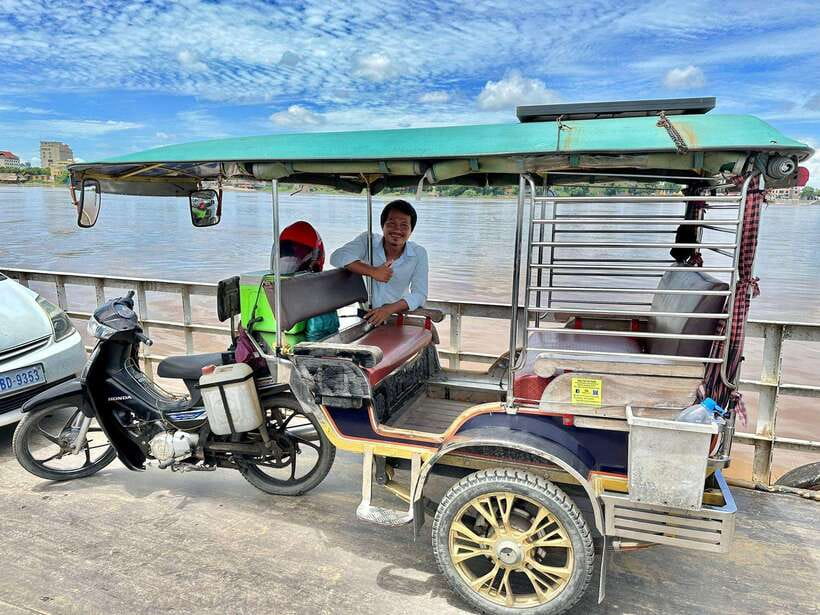
- Private tuk-tuk touring in English with a driver-guide who can adjust timing
- Two tour choices: full-day city highlights plus Golden Temple and Silk Island, or a half-day focused on Golden Temple and Silk Island
- Mekong ferry crossing to Koh Dach for a real change of scenery
- Silk production, weaving, and tofu-skin making (yes, it’s tied together on the island)
- Weather-proof setup: rain or shine with rain-proof tuk-tuk options and umbrellas
Phnom Penh by tuk-tuk: why this format works
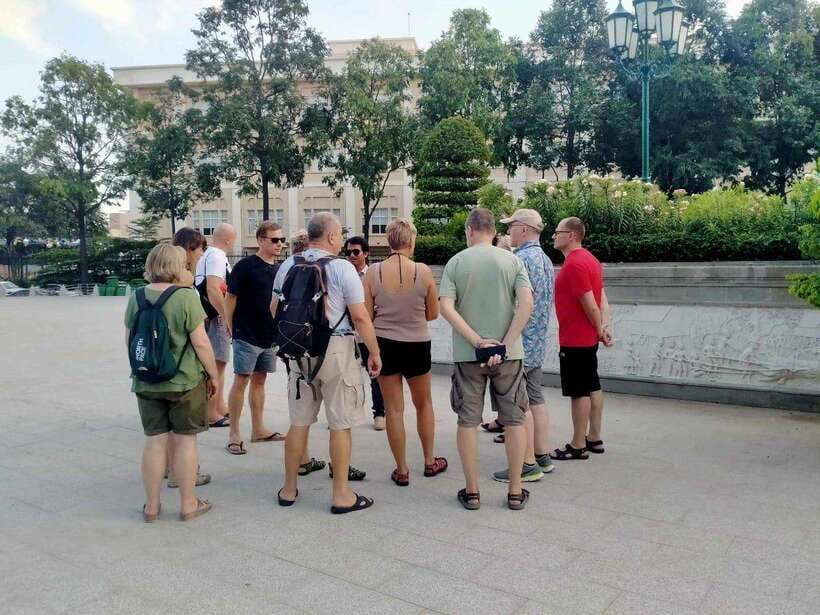
Phnom Penh can feel intense fast: heat, traffic, and lots of stops close together. Doing it by private tuk-tuk means you get around without the stop-and-go chaos of hailing multiple rides. And you’re not stuck waiting for a long line of people to board a bus before you can move again.
The tour is also built around “see it, then understand it.” With an English/Cambodian live guide, you get context for what you’re looking at—Independence Monument, royal architecture, and Buddhist sites—rather than just passing by big names.
For me, the biggest win is simple: you get to roam the main sights and still make it out to Silk Island at a comfortable pace. That ferry ride alone changes the mood of the day.
You can also read our reviews of more city tours in Phnom Penh
Independence Monument, Sihanouk Statue, and the Royal Palace area
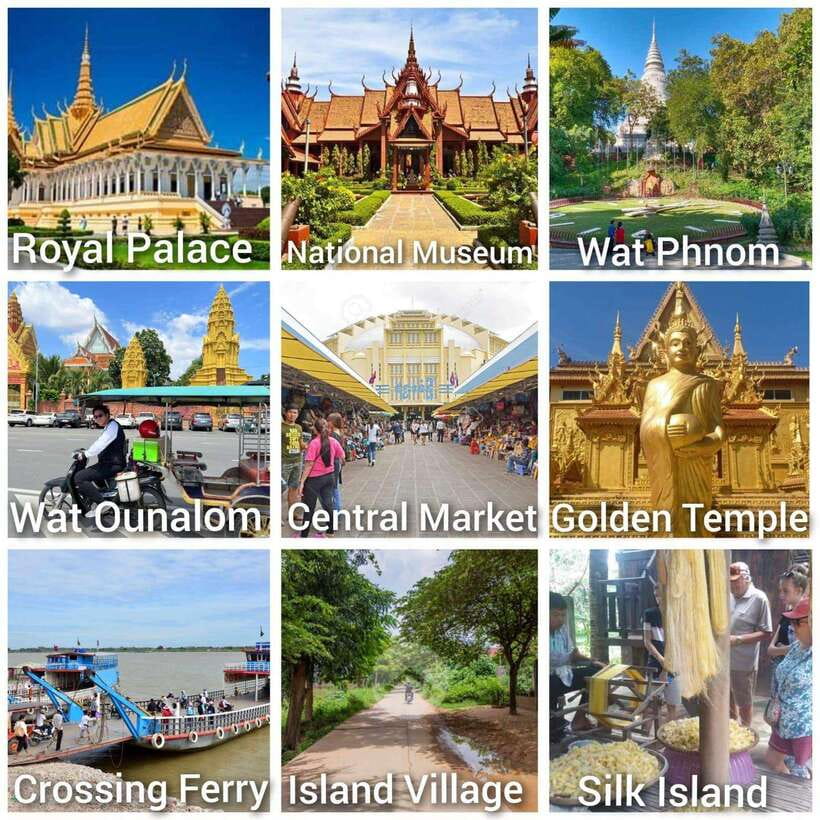
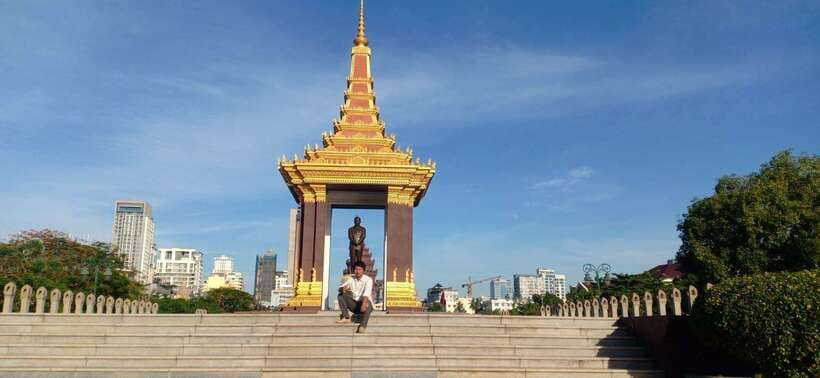
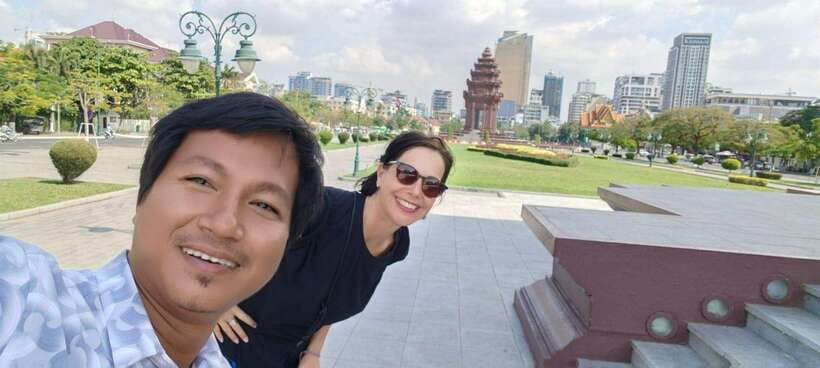
On the full-day option, the day begins with a couple of quick photo and overview stops: Independence Monument and the Sihanouk Norodom statue nearby. These are short stops by design, but they matter because they set the theme: Cambodia as a country that moved through monarchy, colonial pressure, and national identity.
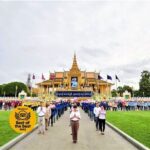
Then comes the heavy hitter: the Royal Palace. You’re not just looking at the grounds from outside. You can visit inside (guided), and you’ll get time for architecture-focused photos.
A practical note that’s easy to miss: Royal Palace entry is not included. It’s listed at $10 USD, and there’s another $10 USD for a live guide inside. You can also go self-guided, but there’s no audio guide. So if you care about details, budget for the extra guide fee.
National Museum (outside views) and Wat Ounalom’s calmer mood
After the palace, you pause at the National Museum of Cambodia mainly from outside. That’s not a dealbreaker. The museum’s Khmer-style facade is a good “orientation moment,” like stepping back for a second to see the style theme across the city.
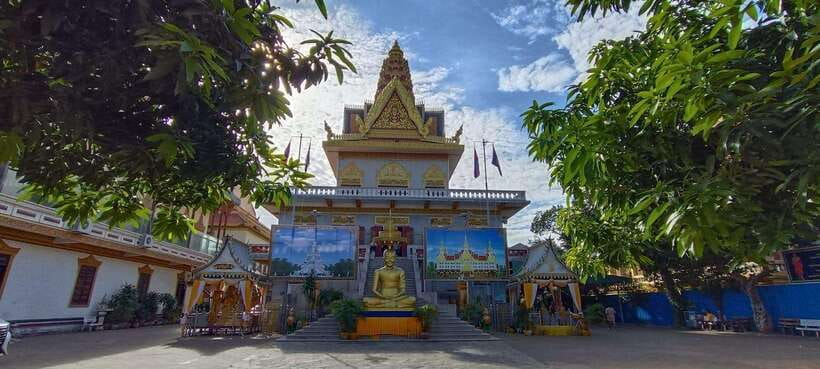
Next is Wat Ounalom, one of Phnom Penh’s older and more revered temples. This stop is longer—about 30 minutes—so you can slow down. Expect a peaceful courtyard atmosphere with old stupas and a more reflective tone than the market streets later on.
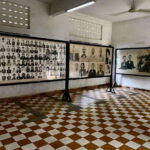
If you’re traveling with kids or you don’t want a heavy day, this mix helps. It’s spiritual, but it doesn’t feel like the trip is built around tragedy. This tour specifically avoids genocide sites.
Central Market: the practical stop for shopping and local life
The Central Market is one hour on the full-day itinerary. This is your chance to see Phnom Penh’s everyday rhythm—clothing, handmade crafts, and the kind of bargaining energy that’s part of traveling here.
I like markets on a guided day because you can ask what’s worth your money and what’s mostly tourist convenience. Even if you don’t plan to buy much, the market time is useful for understanding what people actually do with their time in the city.
A smart move: wear comfortable shoes. One hour sounds short, but Cambodia markets can be sweaty-work even when you’re only browsing.
Wat Phnom: a small ticket, big symbolism
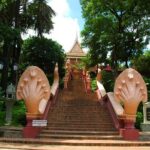
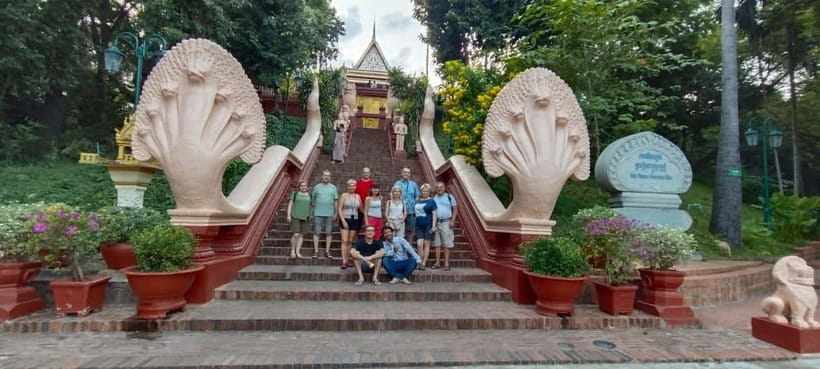
Wat Phnom is a separate stop with a small entry fee listed at $1 USD. From there, you climb the steps to reach the sacred site where Lady Penh and the legend of the four Buddhas tie directly to Phnom Penh’s name.
The guide helps here by putting the legend and the temple layout into a simple storyline. If you like spiritual history, it’s worth the climb. If you don’t climb well, you can still enjoy the setting, but you’ll want to plan for stairs and hot weather.


Golden Temple: the bright stop that keeps your eyes moving
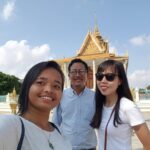
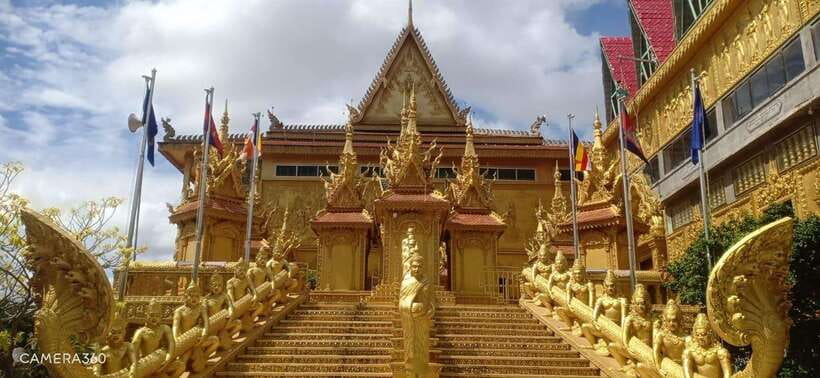
Then the itinerary shifts into its signature “wow” moment: the Golden Temple. It’s described as shimmering and photo-friendly, with intricate detail.
This is a good stop for smartphones—charged and ready. You’ll likely want a few angles because the light changes how gold looks. The tour gives you about 30 minutes here, which is enough time to view calmly and still move on.
If you do the half-day tour, Golden Temple is basically your anchor point before you head out toward Silk Island.
Mekong ferry to Silk Island (Koh Dach): a real change of pace
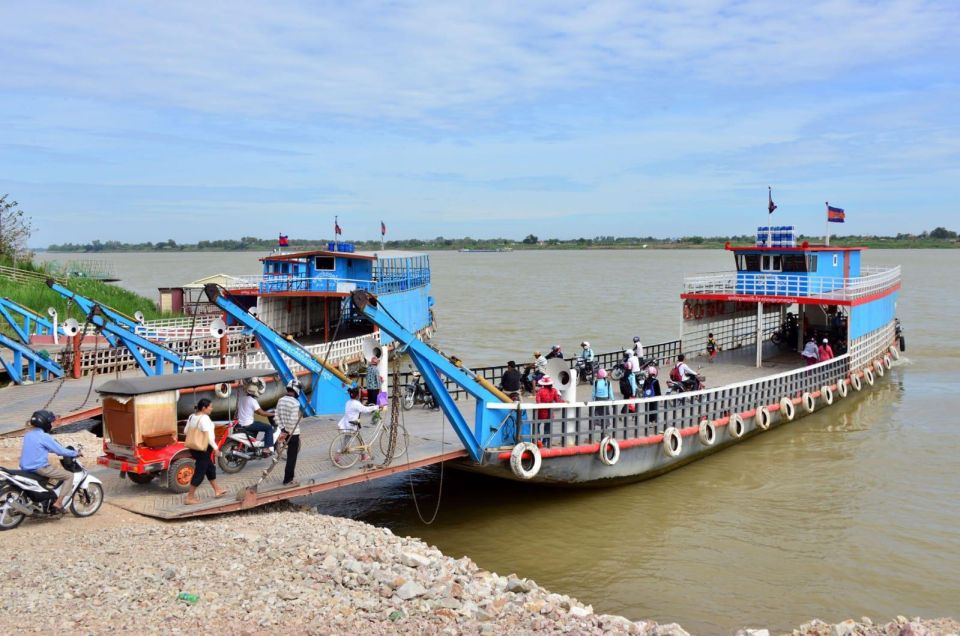
The Mekong crossing is one of the best “mental reset” pieces of the day. You trade city noise for river air and a slower rhythm as you approach the island.
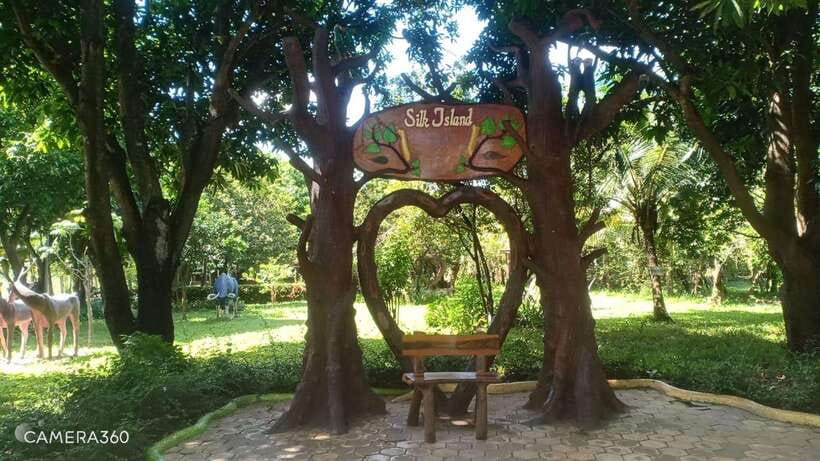
This part feels like it belongs to a different chapter of Cambodia, not just another stop on a list. The tour includes the ferry crossing, and once you’re on Silk Island you get a couple hours to wander and watch how craft and daily life connect.
You’ll also get some walking on the island. The good news: it’s not described as excessive distances. Still, plan for uneven surfaces and warm sun, especially during the middle of the day.
Silk Island workshops: weaving, farms, villages, and tofu skin
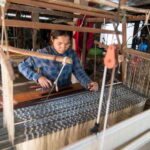
Here’s where this tour earns its name. On Silk Island, you’ll learn about the full cycle of silk cloth making at the silk farm. You’ll see weaving work and the steps that turn raw materials into finished fabric.
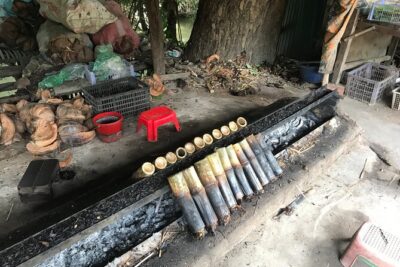
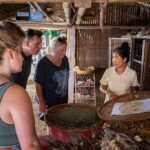
One extra that many people don’t expect: tofu skin production. The tour includes a stop connected to soya beans turned into tofu skin, and that’s fascinating because it’s both practical and local-food related, not some staged demo.
Depending on the option you choose, Silk Island time also includes village areas and farm stops. On the half-day version, it’s framed around Golden Temple plus tofu skin, vegetable farms, silk farm, and around-the-villages wandering. On the full-day version, you get the same island experience after Phnom Penh’s main sights.
I also like that the island portion doesn’t feel rushed. You’re not just passing through to check a box. You’re getting enough time to observe process: how people work, how tools get used, and how daily life shapes the craft.
What the guides add (and which names you might hope for)
A huge reason this tour gets strong marks is the guiding style. The day can’t be great if your driver-guide just reads facts. But many of the guides named here—Visal, Nick, Bin, Vanna, Vann, Lim, Sony, Thik, Elvis, and Pum—are described as friendly, funny, and focused on explaining what you’re seeing.
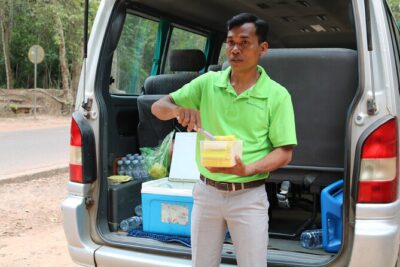
Some guides also bring a lot of comfort during the heat. Cold water is included. And several guide names are linked to added refreshment like chilled drinks or even beer along the way, which isn’t something you should count on—but it is part of the on-the-ground feel for some days.
If you can request a guide, one name comes up again and again: Pum. If that’s an option on your booking flow, it’s a smart bet.
Full day vs half day: choosing the right option
Pick based on your time, not just your wish list.
Full-day city + Silk Island is the choice when you want:
- Independence Monument and Sihanouk statue photo stops
- Royal Palace visit time
- National Museum exterior
- Wat Ounalom
- Central Market shopping time
- Wat Phnom
- Golden Temple
- Silk Island, plus the ferry
Half-day Silk Island focused option makes sense if:
- You already visited major city sights or don’t want a long day
- You care most about silk weaving and island village life
- You want a shorter trip that still hits Golden Temple plus island craft
If you’re short on energy or you’re traveling with younger kids, half-day can feel more forgiving. Full-day works best if you’re comfortable with a packed route and want a broad snapshot of Phnom Penh in one day.
Price and entry fees: getting the math right
The tour price is $30 per person. That’s not the whole cost for the full-day route, because several key entries are listed separately:
- Royal Palace: $10 USD plus $10 USD for a live guide (or you can go self-guided; no audio guide)
- Wat Phnom: $1 USD
- Silk farm: $2 USD (listed as an extra)
Food/lunch is also not included. The tour notes that lunch timing can be negotiated during the day, so you can plan around it rather than being forced into a strict slot.
So is it good value? In my view, yes—because you’re paying for:
- Private tuk-tuk transport
- Hotel pickup and drop-off
- Ferry crossing
- Guide/driver time across multiple sights
- Silk farm entry (though the “included vs not included” listing can be inconsistent, the $2 fee is stated in the details you’ll see)
The only time it stops being a bargain is if you hate optional walking and you end up paying for extra entries but still rush through everything.
Comfort tips: heat, clothing, and what to bring
This tour runs rain or shine, and the tuk-tuk can be made rain-proof. Umbrellas are provided, which is handy because Phnom Penh weather doesn’t follow your plans.
Bring:
- Comfortable clothes you can move in
- A charged smartphone for temple gold shots and silk process photos
Also, think footwear. You’ll do some walking on Silk Island and you’ll climb at least some steps at Wat Phnom. Comfortable sandals with good grip are often better than stiff shoes.
One more practical idea: plan to hydrate early. Cold drinking water is included, but you’ll still feel better if you drink consistently rather than waiting until you feel thirsty.
Who this tour is best for (and the one group to skip)
This tour is a strong match if you want:
- A family-friendly day without dark tourism
- A “see a lot” day that doesn’t require you to drive or navigate traffic
- A cultural day plus a real craft experience in rural-style village life
It’s also a great fit if you like villages and hands-on process. Silk Island is the kind of stop where you understand the difference between watching photos and watching work happen step by step.
It’s not suitable for wheelchair users, based on the tour info.
Should you book this Phnom Penh and Silk Island tour?
If you want an efficient, warm-weather-friendly day with a clear highlight—Silk Island weaving and tofu skin—this is an easy yes. The tuk-tuk format reduces stress, and the ferry adds a satisfying change of pace.
I’d book the full-day version if you’re new to Phnom Penh and want the major monuments plus markets and temples. Book the half-day if your schedule is tight or if you care most about the craft and island atmosphere.
Just go in with two expectations set:
1) You should budget for Royal Palace and Wat Phnom entry fees, plus lunch.
2) You’ll do some walking and stair time, so comfortable clothes and shoes matter.
FAQ
What are the two tour options?
There are two private options on the booking page. One is a full-day city highlights tour plus Golden Temple and Silk Island. The other is a half-day option focused on Golden Temple and Silk Island sites such as tofu skin, vegetable farms, and silk weaving.
How long is the tour?
The duration is listed as 4 hours up to 1 day, depending on whether you choose the half-day or full-day option.
Is this tour private and what languages are spoken?
It’s a private group tour with a live guide who speaks English and Cambodian.
What extra costs should I expect besides the $30 price?
Royal Palace entry is listed at $10 USD plus another $10 USD for a live guide (self-guided is possible, and there is no audio guide). Wat Phnom is listed at $1 USD. Silk farm entry is listed at $2 USD. Lunch/food is not included.
Does the tour include genocide sites?
No. This tour specifically does not include genocide sites, making it a good option if you prefer to avoid that type of sightseeing.
Will I be walking a lot, especially on Silk Island?
There is some walking, particularly on Silk Island, but it’s described as not involving excessive distances.
Is the tour okay in rain?
Yes. The tour runs rain or shine. The tuk-tuk can be made rain proof, and umbrellas are provided.