Silk-making beats city sightseeing. This half-day tour trades Phnom Penh’s streets for a tuk-tuk ride plus Mekong ferry crossings, taking you into real village life on Silk Island. You’ll also get a front-row view of traditional silk production, not just a quick photo stop.
I love two things most: the hands-on look at tofu skin production and the stop at a real weaving house where silk becomes cloth. The one possible drawback is the pace stays relaxed and the stops are limited, so if you want nonstop busy sightseeing, you may finish thinking you just need more time at each place.
In This Review
- What This Tuk-Tuk + Ferry Day Changes in Phnom Penh
- Leaving Phnom Penh by Tuk-Tuk: the calm start you’ll feel
- Mekong Silk Island: countryside, temples, and market time
- The tofu skin stop: why this works so well
- Heng Naysim Traditional Cambodian Weaving House: watching silk become cloth
- Guide quality and small-group size: how you get real answers
- Price Check: is $29 a fair value for a half-day outside town?
- What to Wear and Bring for Tuk-Tuk + Workshop Time
- Should You Book This Silk Island Tuk-Tuk Tour?
- FAQ
- FAQ
- How long is the Phnom Penh to Silk Island tuk-tuk tour?
- Does the tour include hotel pickup and drop-off?
- What transportation is used during the tour?
- Is a guide included, and is English available?
- Are entrance fees included?
- What’s included in the price besides transportation?
- How many people are in the group?
- What is the cancellation policy?
- Do I need a ticket on my phone?
What This Tuk-Tuk + Ferry Day Changes in Phnom Penh
This is the kind of trip that makes Phnom Penh feel different fast. Instead of only seeing temples and museums in the city, you roll out with your guide and driver, then switch to boats for the crossing. The result is a quieter, slower view of Cambodia just outside town.
You also get a very practical setup. Hotel pickup and drop-off means you don’t fight tuk-tuk prices or guess your way to the docks. And because the group is capped at 12 people, you’re more likely to move like a small team instead of a slow herd.
One more reason I like this format: it breaks up the day naturally. The vehicle ride gives you time to ask questions. The boat ride gives you time to just look. Then the workshops do the talking for you.
Leaving Phnom Penh by Tuk-Tuk: the calm start you’ll feel
Your day begins with pickup in Phnom Penh and a drive out of the city. The first segment is short, about 30 minutes, so it doesn’t drag. You’re basically using that time to get oriented, meet your guide, and settle into the rhythm of the day.
This part matters because Cambodia’s countryside isn’t something you can fake with a photo run. Once you’ve left the city noise, the rest of the schedule makes more sense. You’re headed to villages, gardens, and working craft spaces, so arriving without rushing keeps the experience pleasant.
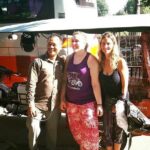
In several guide-led days, the English is strong and the vibe is friendly. Names you might meet include Tin Tin, Kim, Lee, and Sok. Different personalities, same goal: get you out of the usual tourist loop and into places where people actually work.
You can also read our reviews of more tours and experiences in Phnom Penh.
Mekong Silk Island: countryside, temples, and market time
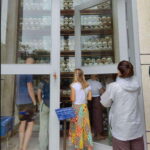
After heading out, you board the ferry to Silk Island. Your time here is about 2 hours, and it’s structured around real local scenes: farming areas, village life, a local market, and Buddhist temples.
This is where you’ll see how daily routines shape what you’re learning. The market stop isn’t just for snacks. It’s an easy way to understand what local producers sell and what ingredients and products get used every day.
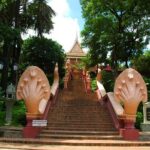
Expect at least one temple stop during this phase. One day includes a golden temple stop, and the emphasis is on seeing how religion shows up in regular village life rather than only as a landmark.
Possible consideration: some entry costs at places on the island area aren’t included. The ferry trips are included, but the tour description flags that admission isn’t included for the Silk Island portion. If you’re the type who hates surprise payments, ask your guide on pickup which costs, if any, you should expect.
The tofu skin stop: why this works so well
If there’s a single highlight that keeps showing up, it’s the tofu skin moment. You may hear it described as tofu skin, tofu skins, or even crispy tofu tied to a local producer. Either way, this stop is eye-opening.
Here’s why I think it lands so well: you’re not only watching a craft. You’re seeing a food process that’s practical and labor-heavy. One guide explanation focuses on the work involved in making tofu skins, and it helps you understand why local products taste different when you’ve watched how they’re made.
This phase also tends to come with snack rhythm. You can expect fruit, coffee, drinks, and rice snacks, often tied to the market stop and production areas. Water is provided, and in many runs you’ll get cold refreshments during the day. It makes the workshop time feel easier, especially if you’re out in warm weather.
One more nice touch: you’ll usually have time for a bathroom stop during the day. That seems small, but it genuinely helps keep the tour comfortable.
Heng Naysim Traditional Cambodian Weaving House: watching silk become cloth
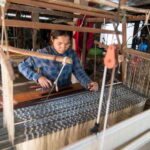
After the island portion, you shift to the weaving workshop area at Heng Naysim Traditional Cambodian Weaving House. This is another 2 hours, and it’s the craft centerpiece.
This stop is valuable because it shows the full idea of silk as a process, not a product. You’ll learn about the tradition of silk weaving in Cambodia and watch how the work turns into actual weaving.
In guide-led explanations, you’ll hear silk isn’t a modern hobby. One weaver’s story points to a family tradition lasting seven generations, which puts the craft in perspective. You’re seeing a living skill, carried by people who do it for work and identity, not just for tours.
Also, the workshop visit is where questions feel natural. If you’re curious about materials or what it takes to weave, your guide can translate the story into something you can picture. Names you might see tied to excellent weaving explanations include Samanag and Nuth, depending on the day.
And yes, you’ll likely be offered silk products for sale. The key is that this gives you a real choice: buy if you want, tip the workers if you feel it, or simply take the learning and leave with only memories.
Possible consideration: silk weaving workshops are active spaces. Even with short visiting times, you may stand, walk a bit around production areas, and move between viewing points. Wear shoes you can stay steady in.
Guide quality and small-group size: how you get real answers
For me, the best part of this tour isn’t the tuk-tuk or even the silk. It’s the guide’s ability to connect what you see to how people actually live.
You’ll often hear strong, clear English and a friendly style. Guides like Tin Tin, Kim, Lee, Sok, and Lucky have been praised for being attentive, funny, and prepared with explanations at each stop. If you like asking practical questions, this tour is set up for that.
The small group size also helps. With a maximum of 12 travelers, your guide can slow down when you need time. One important example from an accommodated group experience: a person using a cane was still able to participate, because the guide and schedule focus on keeping you involved rather than forcing you to rush.
In short: you’re not just transported. You’re interpreted.



Price Check: is $29 a fair value for a half-day outside town?
At $29 per person, this tour sits in an accessible price zone for Phnom Penh day trips. What makes the value feel real is what’s included.
Included highlights:
- Hotel pickup and drop-off
- A professional English-speaking guide
- Cold water and local snacks
- Ferry trips
- Snacks (not just one small bite)
That’s a lot of logistics handled for you. Tuk-tuk + ferry + guide time can easily cost more when you piece it together yourself, especially if you’re trying to keep the day smooth.
What’s not included:
- Personal expenses
- Admission is flagged as not included for parts of the Silk Island portion
So I’d frame it like this: $29 is good value if you want a structured day that gets you outside the city, feeds you, and teaches you why tofu skin and silk matter. If you only want a single photo and don’t care about production stops, a cheaper self-guided option might exist. But for most people, this is a straightforward deal because you’re paying for access and translation.
What to Wear and Bring for Tuk-Tuk + Workshop Time
This is a half-day tour, but it still has movement. Here’s what helps you enjoy it instead of just getting through it:
- Wear comfortable shoes with good grip. Workshop areas can be uneven.
- Bring a light layer. Even if the day starts warm, weather near the Mekong can change quickly.
- If you’re interested in buying silk, set aside a little budget for small purchases. Many guides will point you toward fair pricing in the workshop settings.
- Use the included water and snacks first, then decide if you want extra drinks later.
If you’re the type who hates waiting, this trip’s timing can feel “just right.” Some people prefer more stops or longer times. The tour keeps things moving but not frantic.
Should You Book This Silk Island Tuk-Tuk Tour?
If you like practical travel—seeing how something gets made, meeting the rhythm of everyday life, and spending a few hours in a place that feels less rehearsed—this is a strong pick. The combination of ferry + countryside villages + tofu skin + silk weaving is a rare mix for a half-day.
I’d especially recommend it if:
- you want an easy day trip from Phnom Penh without handling transport logistics
- you care about craft and food production, not only big monuments
- you like being guided through small, local stops with time to ask questions
Skip it if:
- you want a long list of major sightseeing sites and you feel “workshops” are too quiet for your style
- you dislike any possibility of additional paid admission at island stops (even though key items like ferry rides and snacks are included)
If you book, set expectations for a calm, craft-focused outing. Bring good shoes, bring questions, and lean into the stories behind tofu and silk.
FAQ
FAQ
How long is the Phnom Penh to Silk Island tuk-tuk tour?
It runs about 4 hours 30 minutes (approx.).
Does the tour include hotel pickup and drop-off?
Yes. Hotel pick up & drop off are included.
What transportation is used during the tour?
You travel by tuk-tuk from Phnom Penh and take a ferry to reach Silk Island.
Is a guide included, and is English available?
Yes. The tour includes a professional English-speaking guide.
Are entrance fees included?
Admission ticket information varies by stop. The Phnom Penh stop lists admission as free, and the Silk Island portion is listed as admission ticket not included.
What’s included in the price besides transportation?
Cold water and local snacks are included, plus ferry trips and snacks.
How many people are in the group?
The tour has a maximum of 12 travelers.
What is the cancellation policy?
You can cancel up to 24 hours in advance for a full refund. If you cancel less than 24 hours before the start time, the amount paid is not refunded.
Do I need a ticket on my phone?
The tour uses a mobile ticket, and confirmation is received at the time of booking.