REVIEW · BATTAMBANG
Private Full Day Tuk Tuk Tour in Battambang
Book on Viator →Operated by Dj's Tuk Tuk Tours · Bookable on Viator
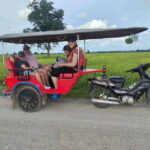
A full day in Battambang, powered by a tuk-tuk. It’s a smart way to stitch together city sights, countryside rice fields, and hands-on food stops without getting stuck in taxi confusion. What makes this tour especially appealing is the focus on local life plus major Battambang highlights, from temple carvings to sunset bat flight over the rice paddies.
Two things I love: the way you get real production-style food experiences (fish sauce, rice paper/spring rolls, banana chips, and even rice wine), and the private, English-speaking guidance from DJ so the day feels ordered instead of rushed. You also get bottled and drinking water plus private transport that keeps transfers easy.
One consideration: portions of the day include temple sites tied to Khmer Rouge history and a mountain cave experience, so it’s emotional travel. If that kind of content hits hard for you, I’d still go, but pack patience and keep your pace gentle.
In This Review
- Key Highlights Worth Planning For
- Why This Battambang Tuk-Tuk Day Works So Well
- Morning Start: Central Market Pickup and a Smooth 9-Hour Schedule
- Stop-by-Stop: City Temples, History, and Local Craft Stops
- 1) A Carved 100-Year Temple in Central Battambang
- 2) The Khmer Rouge Prison Temple: Wat Samrong Knong
- 3) Fish Market: How Fish Sauce and Paste Get Made
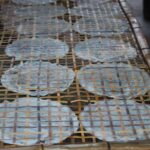
- 4) Rice Paper and Spring Roll Workshop-Style Stop
- 5) Banana Chips Factory Tasting
- 6) Rice Wine Factory: Cobra-Infused Version
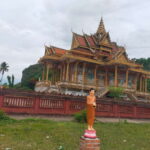
- 7) Ek Phnom: Ancient Khmer Temple and a Buddha Statue Photo Stop
- Bamboo Train Through Rice Fields (Plus the Only Extra Fee)
- Mountain Views at Phnom Sampeau: Views, Temples, and the Killing Cave
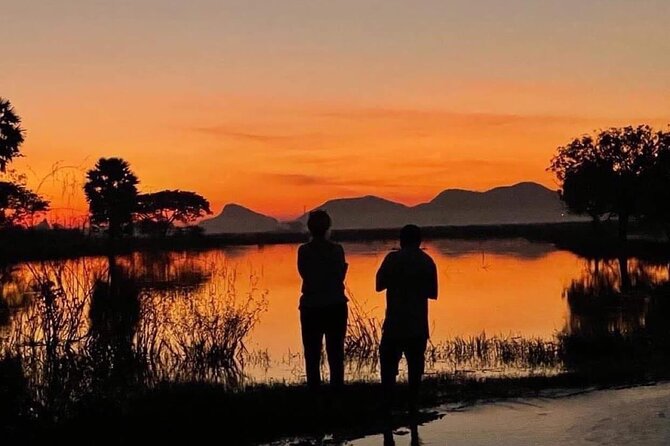
- Sunset at the Bat Caves: When the Rice Fields Come Alive
- Price and Value: What $20 Gets You, and What Costs Extra
- Who This Tour Suits Best (And Who Might Want a Different Plan)
- Practical Tips to Make the Day Easier
- Should You Book This Battambang Private Tuk-Tuk Tour?
- FAQ
- How long is the private full-day tuk-tuk tour in Battambang?
- What is the price, and what costs extra?
- Is pickup offered, and where does the tour end?
- What time does the tour start?
- Are English-speaking guides included?
- Is bottled water provided during the day?
- What happens if weather is poor or the tour can’t run?
Key Highlights Worth Planning For
- Temples with big views at Ek Phnom and Phnom Sampeau, plus multiple carved stops
- Khmer Rouge sites that show skulls and bones, with a clear context-led visit
- Bamboo train ride through rice fields (extra $5 per person)
- Hands-on local foods: fish sauce/paste, rice paper, spring rolls, banana chips
- Sunset Bat Caves timing with stands nearby for snacks and drinks
- Private tuk-tuk flow that keeps you moving without crowd bottlenecks
Why This Battambang Tuk-Tuk Day Works So Well
Battambang is one of those Cambodian places where the best day isn’t just about one landmark. It’s about rhythm: market life in the morning, rice fields and temples in the middle, then that famous evening energy at the Bat Caves. This private full-day tuk-tuk tour is built around exactly that rhythm.
The private setup matters. You’re not waiting for other people’s preferences, and you’re not stuck figuring out what’s close together. A tuk-tuk gives you local access and flexibility, especially when your day includes both town stops and countryside routes. Plus, the tour’s English-speaking local guidance keeps the story clear, from the temple carvings in town to the Khmer Rouge sites later on.
You’re also getting a practical mix of experiences. Yes, you’ll see important temples, but you’ll also learn how locals make everyday foods you’ll actually remember after you leave. That kind of learning turns a “sightseeing day” into a “I get how this works” day—without needing a long class or a separate cooking tour.
You can also read our reviews of more private tours in Battambang


Morning Start: Central Market Pickup and a Smooth 9-Hour Schedule
The tour starts at 9:00 am at Battambang Central Market (452X+MHH, Street 113, Krong Battambang). From there, you move stop to stop for about 9 hours total, and the tour ends back near the meeting point.
What I like about this timing is how it sets you up for both the city and the countryside. You begin with sights that don’t depend on late-afternoon lighting, then you build toward mountain viewpoints and finally the Bat Caves at sunset.
Also, bottled water and drinking water are provided through the day. That matters in Battambang, where walking, sun exposure, and time in open-air areas can add up. If you’re the type who gets hungry between stops, you’ll also appreciate that the day includes a lunch break (1 hour) where you can choose a place, with recommendations offered if needed.
Stop-by-Stop: City Temples, History, and Local Craft Stops
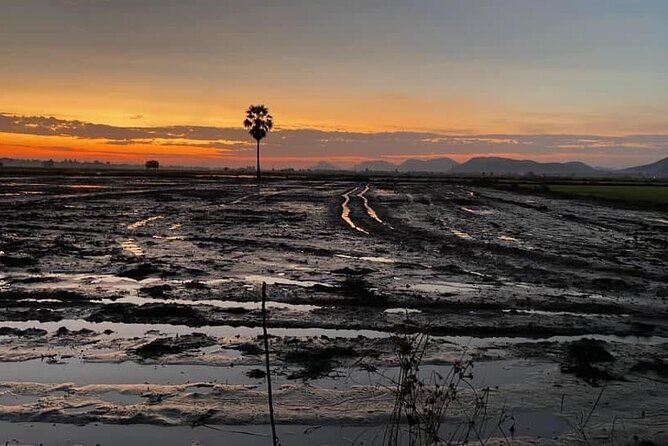
This day is packed, but it’s packed with variety. You’re not bouncing around randomly; each stop has a purpose.
1) A Carved 100-Year Temple in Central Battambang
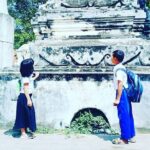
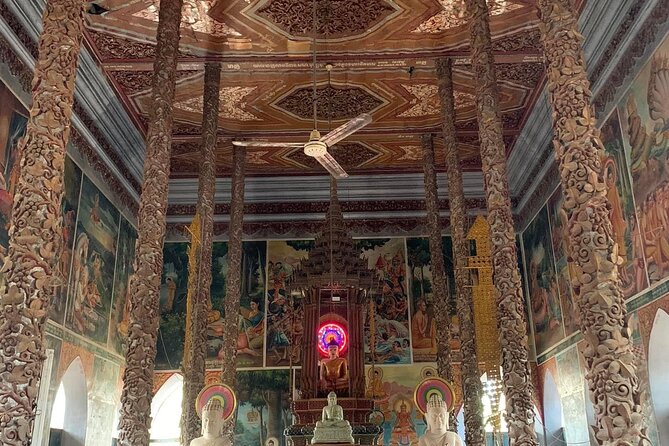
Early on, you visit a 100-year temple right in the city center. Entry is listed as free, and the focus here is on carvings and murals—good “right away in Battambang” energy. If you arrive at temples feeling temple-fatigued, this one helps you reset because it’s local and visually detailed without being too far out.
Practical tip: bring your phone camera mindset, but don’t rush your eyes. Murals and carvings look best when you pause and look up.
2) The Khmer Rouge Prison Temple: Wat Samrong Knong
Next comes Wat Samrong Knong, a Buddhist temple associated with the Khmer Rouge. This is an included admission stop, and the key point is the visit’s somber context: you’ll see skulls and bones of the deceased.
This isn’t a “pretty photo” stop, so plan your emotional bandwidth. If you’re sensitive, pace yourself. If you want understanding, ask your guide questions—an English-speaking local guide is exactly what makes visits like this more than just looking at items behind barriers.
You can also read our reviews of more tours and experiences in Battambang

3) Fish Market: How Fish Sauce and Paste Get Made
Then you jump into Battambang’s food system with a visit to a local fish market. You learn how locals make fish sauce and fish paste. Entry is free at this stop, and the best part is that this isn’t abstract. You see the ingredient side of one of Cambodia’s most-used flavors.
If you love cooking, you’ll enjoy how this kind of process reframes the taste you already know. Fish sauce doesn’t show up as a “mystery flavor” once you understand the market and the paste/sauce end of the chain.
4) Rice Paper and Spring Roll Workshop-Style Stop
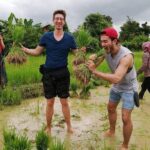
After the fish stop, you move to a rice paper and spring roll restaurant where you can try freshly made spring rolls and learn how locals make rice paper using locally sourced ingredients. Entry is free here too.
This is one of the most fun segments because it’s tactile food learning without requiring you to sign up for a full cooking class. You get to connect ingredients to the final snack you’ll eat while you’re still in Battambang.
If you’re choosing what to prioritize on a tight day elsewhere, I’d put this stop near the top. It’s one of those experiences that travels well in your memory: smell, texture, and the real reason spring rolls work.
5) Banana Chips Factory Tasting
Next up is a local banana chip factory. You learn how they make freshly made banana chips and you can try them. Another free entry stop, and a nice break in tone after more serious sites.
Banana chips are one of those “simple food” experiences that can still surprise you. Freshly made chips can taste very different from the sealed packs you buy later.
6) Rice Wine Factory: Cobra-Infused Version
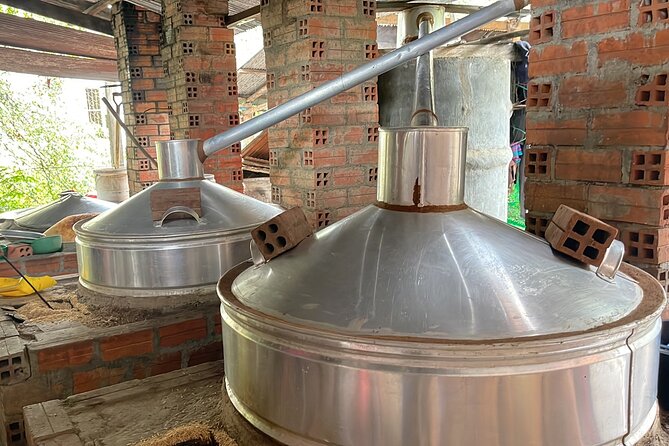
The day continues with a local rice wine factory where you can learn about rice wine infused with cobra snake and fruit. This stop is free, and you can also try the rice wine.
This is not for everyone, and you don’t have to force it. But if you’re curious about regional drinks and the way rural production blends tradition and ingredients, it’s a memorable stop. Even if you skip sipping, learning how it’s prepared gives context to what people buy and serve locally.
7) Ek Phnom: Ancient Khmer Temple and a Buddha Statue Photo Stop
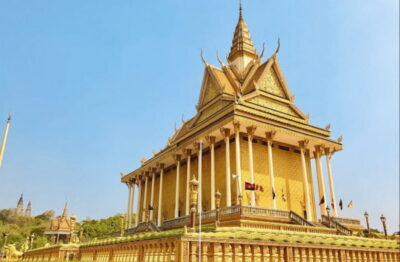
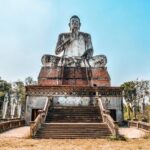
After lunch later in the day, you’ll also visit Ek Phnom, an ancient Khmer temple with a large Buddha statue. Entry is included for this stop. It’s a good “camera pause” because the statue gives you an easy composition and the site provides a sense of scale.
Bamboo Train Through Rice Fields (Plus the Only Extra Fee)
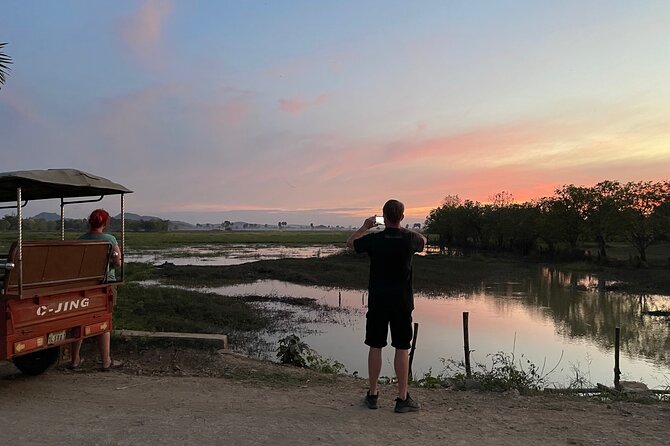
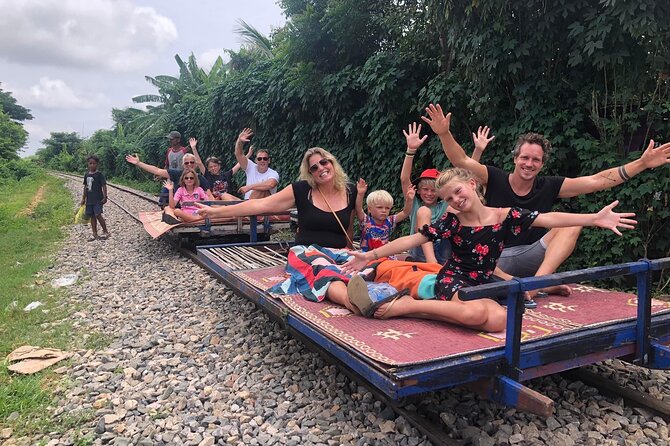
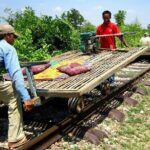
One of Battambang’s signature experiences is the bamboo train ride. Here, it’s scheduled as part of your day and lasts about 1 hour.
Important cost detail: the bamboo train ride is $5 per person extra and the admission is not included. That’s the only extra fee called out in your itinerary, so you can plan your budget easily.
What makes the ride worth it is the setting. You go through the countryside and rice fields, so it’s not only about the novelty. The route gives you that “Cambodia outside the city” view in a way that a road trip can’t fully replicate.
If you’re sensitive to long sitting, you might want to bring a little comfort plan, but the time is short enough for most people. And if you’re a sunset person, you’ll probably appreciate having this earlier rather than scrambling for evening timing.
Mountain Views at Phnom Sampeau: Views, Temples, and the Killing Cave
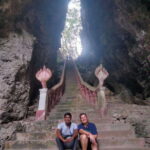
Late in the day, you head to Phnom Sampeau, a mountain area with a Buddhist temple and the killing cave. Admission is included and the stop is about 2 hours 30 minutes.
This segment includes a hike to the top and major viewpoint time over the countryside and rice fields. You also walk into the killing cave and see skulls and bones of the deceased. This is the most intense stop of the whole itinerary for many people, so I recommend mental preparation rather than “just powering through.”
The reason this stop is worth booking is the combination:
- the panoramic views over rice fields from up high, and
- the historical reality presented directly in the site experience.
It’s not a casual visit. You’ll likely walk, you’ll climb, and you’ll spend time with heavy material. If you go, bring comfortable footwear and take breaks when you need them.
Sunset at the Bat Caves: When the Rice Fields Come Alive
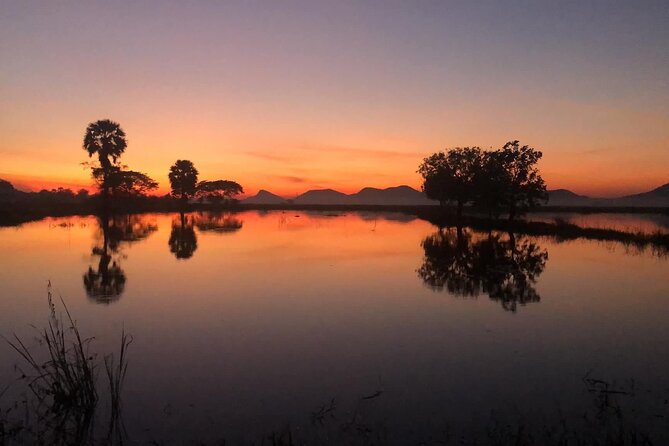
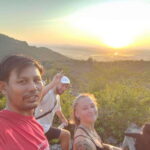
Then comes the reason many people plan Battambang days around evening: the Battambang Bat Caves. This is scheduled for sunset, about 30 minutes, and admission is included.
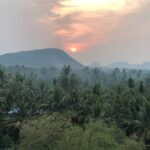
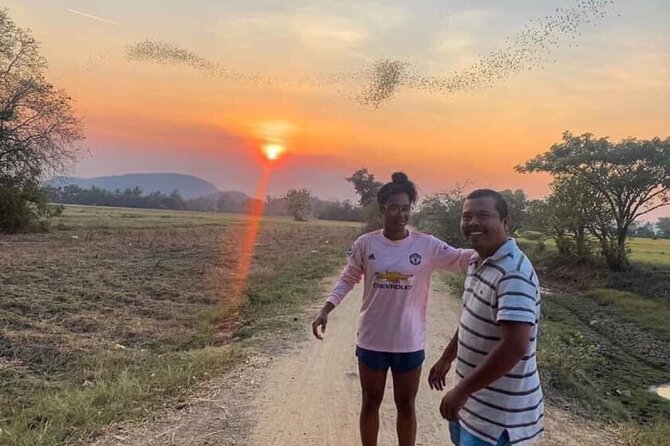
At dusk, you’ll watch millions of bats fly out toward their feeding grounds over the rice fields. There are beverage and snack stands at the base of the cave, so you won’t arrive empty-handed or feel stuck searching.
What makes this moment special is how it works as a sensory shift from earlier temple learning and food production stops. In the late light, the whole area feels active. It’s also one of the easiest parts of the day to enjoy without needing a guide explanation for every detail—though having an English-speaking guide still helps you place what you’re seeing in context.
For photos: you don’t control the bats, so don’t overthink it. Use short bursts, keep your phone steady, and focus on capturing the first big wave of flight.
Price and Value: What $20 Gets You, and What Costs Extra
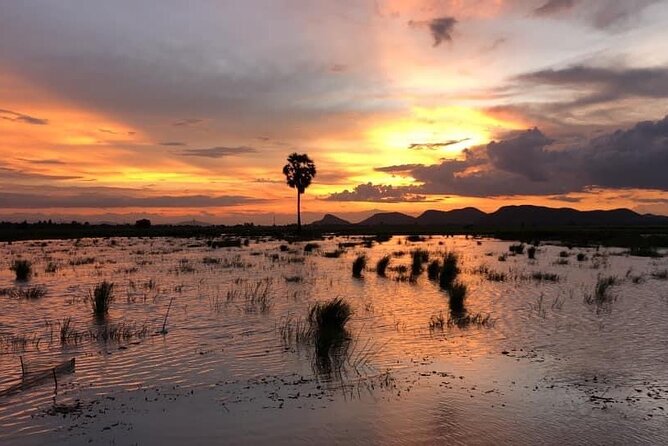
At $20 per person, this tour is positioned as good value for a private, full-day itinerary. The key is that you’re not just paying for transport—you’re paying for a packed route with English-speaking local guidance plus a lot of included entry.
What’s included:
- private transportation and water
- a mix of temple admissions (several stops list admission as included or free)
- multiple food-related visits where you can learn and in some cases taste
- the mountain and cave segments (where entry is included)
- the Bat Caves at sunset
What’s extra:
- Bamboo train ride: $5 per person
So in practical terms, you’re mostly paying for one extra ticket category. That simplicity helps with decision-making and avoids the classic “surprise fees” feeling.
Also, being private changes the math. If you’ve ever done “group tours” and lost time to other people’s pace, you’ll appreciate having your day tuned to your group’s rhythm.
Who This Tour Suits Best (And Who Might Want a Different Plan)
This tour fits well if you want a high-coverage Battambang day without losing the human scale of local experiences.
It’s especially good for:
- couples and small groups who prefer a private setup
- travelers who enjoy markets and how food is made
- people who want both scenery (rice fields from above) and cultural stops
- anyone who’s comfortable with emotionally heavy sites tied to Khmer Rouge history
It might be less ideal if:
- you dislike caves and enclosed spaces
- you’re not up for a mountain hike portion
- you prefer lighter, purely recreational sightseeing all day
The tour is still manageable for most people, but it’s not a “sit in a vehicle and watch” day. You’ll walk inside temples and caves.
Practical Tips to Make the Day Easier
Here are the small things that can make your day smoother.
Bring:
- comfortable shoes for uneven ground and temple/cave walking
- sun protection for outdoor viewpoint time
- a light layer for evenings near the caves
Plan your phone:
- keep some battery saved for sunset
- charge during lunch downtime if your hotel is near
Eat smart:
- your food stops are spread throughout the day, with spring rolls and chips tasting opportunities, plus lunch at your choice. You’ll do better if you don’t skip breakfast before a 9-hour schedule.
Emotional pacing:
- for Wat Samrong Knong and Phnom Sampeau’s killing cave, give yourself space. You don’t have to force quick photos or quick understanding. Slow is allowed.
Should You Book This Battambang Private Tuk-Tuk Tour?
Book it if you want one day that covers the essentials: city temples, Khmer Rouge-linked sites, local food production, the bamboo train through rice fields, and the Bat Caves at sunset. The private tuk-tuk format keeps everything moving in a way that feels organized, and DJ’s local guidance helps you connect what you see to why it matters.
I’d also say yes if you like variety. This itinerary doesn’t stick to only temples or only countryside. It gives you food learning plus views plus that evening bat spectacle, all in one day.
If you’re unsure, your best test is this: can you handle an emotional historical stop and a mountain cave segment? If the answer is yes, you’ll likely leave with a Battambang day that feels full in the best way—more than a checklist.
FAQ
How long is the private full-day tuk-tuk tour in Battambang?
The tour runs for about 9 hours.
What is the price, and what costs extra?
The tour price is $20. The bamboo train ride costs an additional $5 per person. Other listed admissions are free or included depending on the stop.
Is pickup offered, and where does the tour end?
Pickup is offered, and you’ll be dropped off at your accommodation or another destination in Battambang. The tour also indicates it ends back at the meeting point.
What time does the tour start?
The start time is 9:00 am.
Are English-speaking guides included?
Yes, the tour includes an English-speaking local guide.
Is bottled water provided during the day?
Yes. Bottled water and drinking water are provided throughout the tour.
What happens if weather is poor or the tour can’t run?
The experience requires good weather. If it’s canceled due to poor weather, you’ll be offered a different date or a full refund. It also requires a minimum number of travelers; if that minimum isn’t met, you’ll be offered a different experience or a full refund.