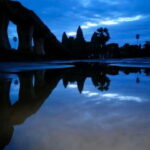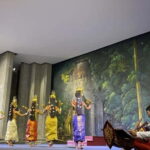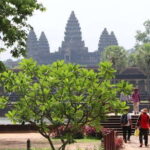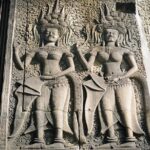
Jungle, stone, and sunset in one long day. This small-group Angkor tour ties the big icons (Ta Prohm, Angkor Wat, Bayon) to the best payoff moment at Phnom Bakheng.
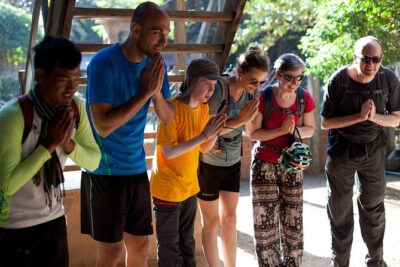
What I like most is the hotel pickup/drop-off plus air-conditioned mini van, so you lose less time wrangling tuk-tuks. The other big plus is the tight group size (max 12), which makes it easier to ask questions and get photo help from the guide.
One consideration: the headline price looks low, but you still need to budget the Angkor Park admission fee and plan for a dress code that rules out shorts and sleeveless tops.
In This Review
- Key things to know before you go
- What You Get for $20: The Real Value in This Angkor Day
- 8:30 Start to Sunset: How the Day Pacing Works
- Ta Prohm: The Jungle Temple That Still Feels Movie-Set Strange
- Bayon and Angkor Thom: The Smiling Faces in the Middle of It All
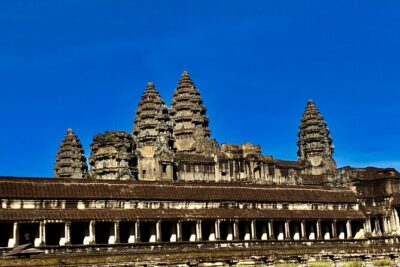
- Angkor Wat: The Main Event, Built for Big-View Moments
- Baphuon: Climb for the Breeze and the View
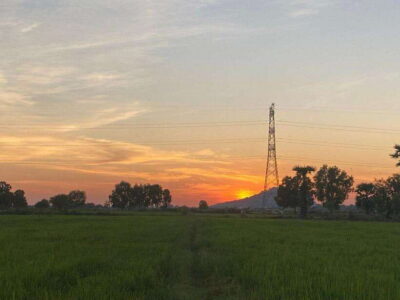
- Phnom Bakheng Sunset: The Summit View You Came For
- Price and Logistics: Budgeting Like a Pro (So You Don’t Get Surprise-Stung)
- Guides That Make the Temples Click (Names You Can Ask For)
- Dress Code and What to Wear So You Don’t Miss Entry
- Who This Tour Fits Best (and Who Might Want a Different Format)
- Tips That Improve Your Angkor Wat Day Immediately
- Should You Book This Angkor Sunset Symphony Tour?
- FAQ
- What time does the tour start?
- Is hotel pickup and drop-off included?
- How many people are in the group?
- What are the main sites visited during the day?
- Is the Angkor Park admission fee included?
- What should I wear for temple entry?
Key things to know before you go
- Small group (max 12): you get more attention and less waiting than big buses
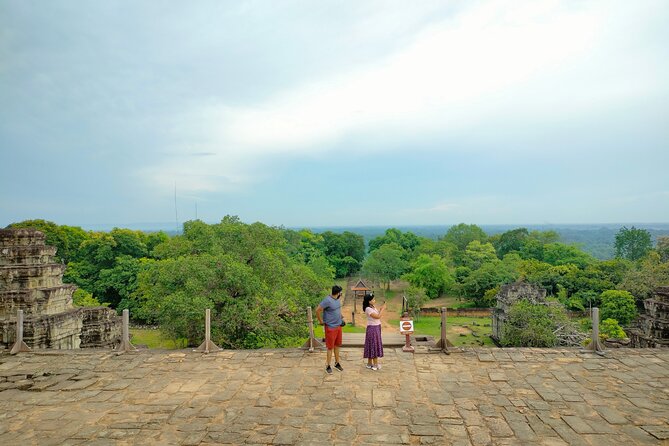
- Sunset at Phnom Bakheng: you’re working toward the classic panoramic view
- Practical comfort included: AC van, cold water, wipes, and hotel pickup/drop-off
- Iconic stops, in a smart order: Ta Prohm, Bayon, Angkor Wat, Baphuon, then Phnom Bakheng
- Budget for admission: Angkor Park costs $37 per person and meals aren’t included
- Dress code is strict: knees and shoulders covered, or you risk being turned away
What You Get for $20: The Real Value in This Angkor Day
On paper, this tour starts at $20 per person, and that’s a rare deal for a full day in Angkor. The catch is that the price doesn’t include the Angkor Park admission fee or any meals. Still, the money you do pay goes toward the stuff that usually costs time and hassle: AC transport, parking/tolls, and a guide who can help with both temple context and photos.
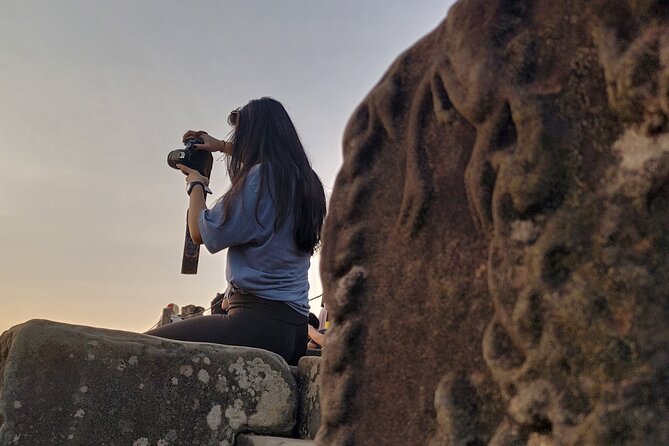
The format matters. This is a shared small-group day with a maximum of 12 travelers, and that changes the experience. You’re not stuck in a moving wall of people. If you want the guide to point out carvings, explain symbols, or show you where to stand for a photo, there’s room for that kind of attention.
You also get little practical extras that matter in Cambodia heat: cold waters and wipes. On a long day walking across stone and stairs, you notice when a tour remembers the human body part.
You can also read our reviews of more evening experiences in Siem Reap

8:30 Start to Sunset: How the Day Pacing Works
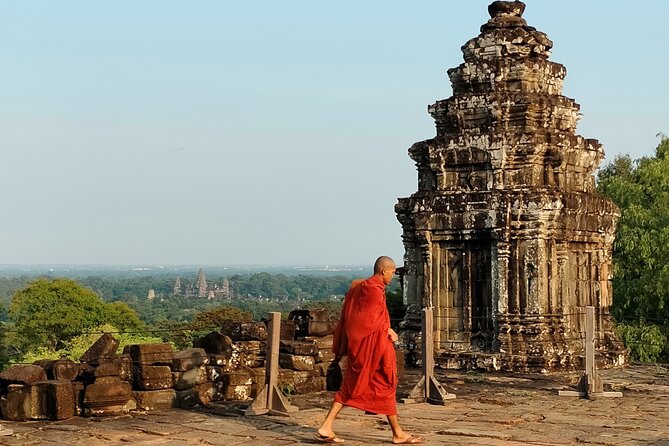
This tour runs about 8 to 9 hours, starting at 8:30 am. That’s not a quick hit. It’s a full Angkor shift with temple walking, climb-able viewpoints, and a late-day push for sunset.
You’ll feel the rhythm shift as the day goes on:
- Morning is temple exploration, with time to look closely at details.
- Midday is the big one—Angkor Wat—where you’ll want to stay flexible and ready to stand in lines for entry areas.
- Late afternoon turns into viewpoint work, ending with Phnom Bakheng at sunset.
The physical level is listed as moderate. That’s your heads-up to wear shoes you trust. You’ll be on uneven surfaces and steps, and at least one stop is built around a climb.
Ta Prohm: The Jungle Temple That Still Feels Movie-Set Strange
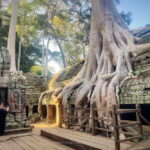
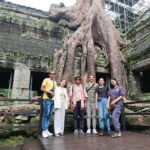
You start at Ta Prohm Temple, famous for roots and vines wrapped around stone. Even if you know it from pop culture, the feeling on site is different. It looks like the jungle is actively taking the ruins back, not just decorating them.
The tour gives you about 1 hour here. That’s a good window for two things:
1) Getting your eyes used to the contrast—dark stone, bright leaves, and sudden open sightlines
2) Reading the structure instead of just taking photos
If you like photography, this is a stop where a guide can make a difference. You’ll likely get help finding viewpoints and angles that reduce clutter and show depth. Also, you’ll want to move at a steady pace—crowds tend to gather in the same photo spots.
Admission isn’t included at this stop. You’ll want that $37 Angkor Park budget ready so you’re not scrambling later.
Bayon and Angkor Thom: The Smiling Faces in the Middle of It All
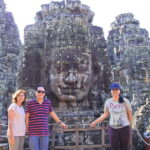
Next you’ll head to Bayon Temple, set in the heart of Angkor Thom. Bayon’s claim to fame is clear: it features almost 200 smiling Buddha faces. On the ground, those faces do what photos don’t. They change as you move—some look more stern, some more gentle, and some feel like they’re watching you around corners.
You get around 1 hour here. That’s enough time to:
- Circle key structures without feeling rushed
- Notice how the carvings and layers line up
- Pause when the architecture gives you a natural frame for photos
This is also a good stop for questions. A guide can connect what you see to how the city was laid out. Even if you’re not a temple expert, you’ll walk away with a clearer mental map. That helps at Angkor Wat, because the whole complex starts to feel like a system instead of separate monuments.
Angkor Wat: The Main Event, Built for Big-View Moments
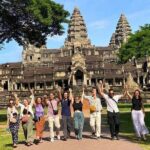
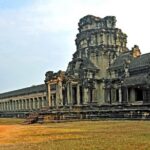
Then comes Angkor Wat, listed as the world’s largest Hindu temple built in the 12th century. This is the headliner, and the tour gives you about 3 hours—a healthy amount of time.
Here’s what makes that timing work:
- Angkor Wat rewards slower looking. You need a bit of time to notice the carvings.
- The best angles often depend on where you stand relative to the sun and the crowd flow.
- If you want multiple photos at different distances (wide shot vs close detail), you need minutes, not seconds.
In plain terms, this is where you stop thinking of Angkor as a list and start feeling the scale. The guide’s photo skills can help too—getting the right spacing for towers, courtyards, and the main axis can be tricky without guidance.
No admission included, so keep your budget in mind. But if you’re paying the Angkor Park fee anyway, you’re already locked into the day. Angkor Wat is the reason most people choose this route.
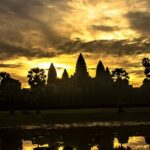
Baphuon: Climb for the Breeze and the View
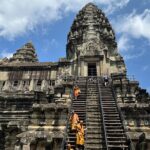
After Angkor Wat, you’ll visit Baphuon Temple, a 11th century Hindu temple. The key detail here is the experience of climbing. It’s the kind of stop where the effort pays back with a nice breeze and a better look at the surrounding views.
You’ll have about 1 hour, which is just right for:
- Getting up there and taking in what you can from the top
- Walking the lower levels for carvings and structural clues
- Catching your breath before the sunset push
This is also a good place to reset your energy. Sunset days at Angkor aren’t only about watching the sky. You’re also managing your legs.
Phnom Bakheng Sunset: The Summit View You Came For
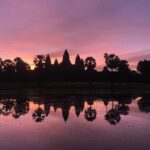
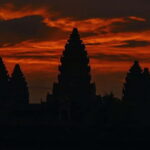
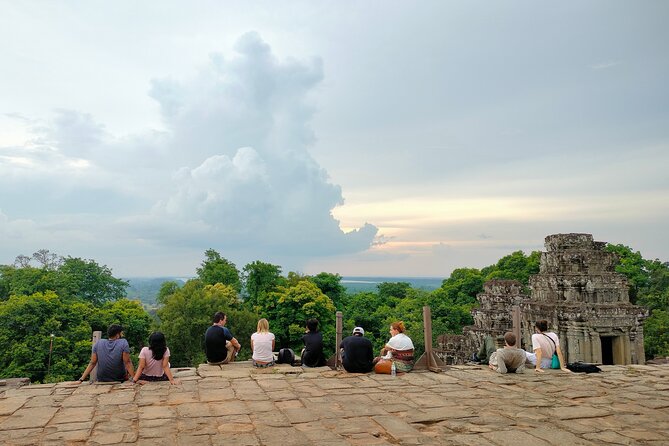
The final act is Phnom Bakheng, described as a late 9th century mountain-styled temple and one of the best sunset spots. The promise is clear: from the top, you can see Angkor Wat towers and get a panoramic view of the temple complex.
You get about 1 hour for this stop. That means you’re not just arriving at sunset and leaving immediately. You’ll likely have time to:
- Reach the viewpoint while there’s still light to orient yourself
- Take photos in changing conditions as the sun lowers
- Wait for the moment when colors shift and shadows deepen
A quick reality check: sunset at Phnom Bakheng can mean crowds and steep footwork. The tour is capped at 12 travelers, which helps with your personal experience, but it doesn’t mean the viewpoint is empty. Still, having a guide who knows how to manage timing and where to stand can make the difference between frustration and a smooth experience.
Price and Logistics: Budgeting Like a Pro (So You Don’t Get Surprise-Stung)
Let’s talk money in a way you can plan around.
- Base tour price: $20 per person
- Required admission: Angkor Park at $37 per person
- Not included: breakfast/lunch/dinner and soft & alcohol drinks
So your all-in temple day cost starts around $57, before you add food. That’s still reasonable for a full Angkor circuit with AC transport, hotel pickup/drop-off, and a guide who supports both temple understanding and photography.
Also consider what’s included that saves time:
- Transport by air-conditioned mini van
- Toll roads, car parking, and gasoline
- Cold water and wipes
In Siem Reap, the difference between a smooth pickup route and DIY transport is often one thing: stress. This tour trades your planning effort for a fixed schedule and organized entry at key points.
There’s also a mobile ticket mentioned. That often means less paper juggling.
Guides That Make the Temples Click (Names You Can Ask For)
One thing that keeps showing up in this style of Angkor day is how much a good guide changes your experience. This tour’s guide team includes people with strong English and strong support for photo moments, and I’d take that seriously.
If you can request or get matched with guides like Theara Kong, Sen Prourng, Narin, Chet, Sam Pho / Sam Choeun, or Kim, you’re aiming for exactly the right vibe: clear explanations, good photo guidance, and a focus on both Cambodia context and temple detail.
The repeated theme across these names is professionalism and communication. When a guide can explain what you’re seeing without turning it into a lecture, you enjoy the walking more.
Dress Code and What to Wear So You Don’t Miss Entry
Here’s the rule you need to follow: the tour states a dress code is required to enter places of worship and selected museums. It also spells out the hard limits: no shorts and no sleeveless tops. Your knees and shoulders must be covered for both men and women.
That matters because you can be refused entry if you don’t comply. So bring a plan, not hope.
Practical clothing tips:
- Wear light, breathable long pants or a long skirt.
- Add a thin shirt that covers your shoulders.
- Choose comfortable closed-toe shoes with grip. Sunset hill paths aren’t for flimsy footwear.
Also note: the tour description calls the dress code formal. In practice, “formal” here means respectful temple coverage, not a suit-and-tie day.
Who This Tour Fits Best (and Who Might Want a Different Format)
This day trip is a great fit if you want:
- A guided sweep of the key Angkor monuments in one outing
- Small-group energy (max 12), not a big bus feel
- A sunset payoff at Phnom Bakheng without needing to coordinate everything yourself
It’s also well-suited if you like photos but don’t want to spend your whole day figuring out angles.
You might think twice if:
- You’re not comfortable with moderate walking and climbs
- You hate dress-code constraints and don’t want to manage covered clothing
- You’re trying to keep expenses ultra-low, since Angkor Park admission and meals aren’t included
Tips That Improve Your Angkor Wat Day Immediately
A few small choices will make this tour feel smoother.
1) Pack for sun and sweat. You’ll get cold water and wipes, but you still need a hat or cap and sunscreen.
2) Bring something for temples. A shawl or light layer that covers shoulders can save you.
3) Plan your photo strategy. Tell yourself you’re getting one wide shot, one mid-range composition, and a few detail carvings. That keeps you from spending 45 minutes at one spot.
4) Stay flexible at Phnom Bakheng. Sunset timing is part physics, part crowd choreography. A guide helps, so listen to their cues.
The biggest win is letting the guide set your pace. You’ll see more and feel less rushed.
Should You Book This Angkor Sunset Symphony Tour?
If you want a well-paced classic Angkor circuit with hotel pickup, AC transport, a small group, and a real sunset viewpoint, I think this is an easy yes.
Book it if:
- You’re okay budgeting $37 Angkor Park admission on top of the tour price
- You want help with both temple context and photography
- You prefer a capped group size so you can ask questions and move without chaos
Consider another option if:
- You’re traveling with very limited mobility or hate climbs
- You absolutely don’t want to follow the shoulders-and-knees rule
- You’re hoping for meals to be included (they aren’t)
The overall value is strong because the day is structured and the included logistics remove a lot of friction. For an Angkor first-timer or someone who wants the highlights without building an itinerary from scratch, this setup is hard to beat.
FAQ
What time does the tour start?
It starts at 8:30 am.
Is hotel pickup and drop-off included?
Yes. Hotel pickup & drop-off is included.
How many people are in the group?
The tour has a maximum of 12 travelers.
What are the main sites visited during the day?
The tour visits Ta Prohm, Bayon, Angkor Wat, Baphuon, and Phnom Bakheng.
Is the Angkor Park admission fee included?
No. Angkor Park admission is $37 per person and is not included.
What should I wear for temple entry?
You must cover knees and shoulders. The tour specifies no shorts and no sleeveless tops, and you may be refused entry if you don’t follow these rules.