REVIEW · SIEM REAP
Angkor National Museum Ticket with Tuk-Tuk Pick-Up
Book on GetYourGuide →Operated by Euro Khmer Voyages · Bookable on GetYourGuide
A museum visit can make Angkor click. This Angkor National Museum experience pairs an easy tuk-tuk pickup with a clear way to explore the collections, so you’re not just walking through rooms. I especially liked how the displays are organized in eight chronological galleries that guide you through the rise of the Khmer world. One watch-out: you must provide your hotel name/location so the driver can find you, and the ticket setup is required for entry. Also, backpacks aren’t allowed, so pack light.
You’ll spend about 2 hours in the museum, using a provided map to move at your own pace through the galleries and realistic settings. I also appreciated that the pickup driver is English-speaking, which helps when you’re syncing timing in Siem Reap. If you want extra context, note that an audio tour set is listed as not included, so you’ll likely want to plan for that if you’re the type who likes listening as you go.
In This Review
- Key things to know before you go
- What the Angkor National Museum does for your Angkor day
- Price and Logistics: $26 for entry plus one-way tuk-tuk pickup
- Getting picked up: how the tuk-tuk pickup actually works
- Inside the museum: eight chronological galleries and the 1000 Buddha statues
- Khmer empire origins: why this museum changes how you read the temples
- Architecture lessons from the Angkor Wat and Angkor Thom eras
- Audio options: what you should do if you like extra context
- How long it really is: a tight 2-hour museum plan
- Best time to fit it in: before or after the temples
- Who this experience suits best (and who might feel limited)
- Should you book this Angkor National Museum ticket with tuk-tuk pickup?
- FAQ
- FAQ
- How long is the Angkor National Museum ticket experience?
- What is included in the price?
- Is an audio tour included?
- Do I need a pickup from my hotel?
- What language is the driver?
- Are there restrictions on what I can bring?
- Do I need to receive tickets in advance?
- Is cancellation free?
- Can I reserve first and pay later?
- Do I need to choose a pickup time?
Key things to know before you go
- A map-based, gallery-by-gallery visit that helps you follow the story without getting lost
- 1000 Buddha statues in one of the museum highlights
- Eight chronological galleries that reveal how Khmer civilization developed over time
- Khmer empire origins and belief systems, not just pretty objects
- Architecture lessons tied to the Angkor Wat and Angkor Thom eras
- English driver pickup from your hotel to simplify the start of your day
What the Angkor National Museum does for your Angkor day
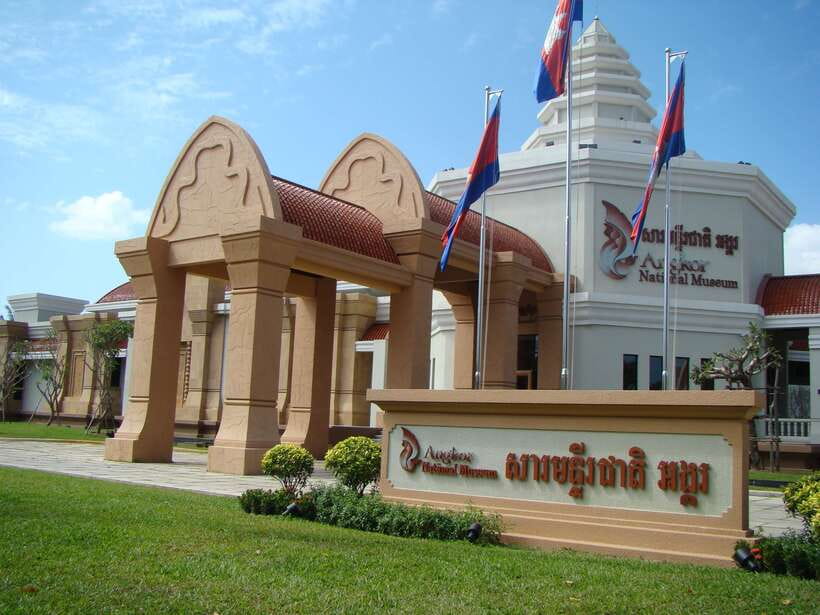
If your plan includes Angkor Wat and Angkor Thom, this museum is the fast track to understanding what you’re about to see. The Angkor temples can look like one big stone masterpiece at first. After you learn how Khmer rulers, religion, and cultural customs evolved, the carvings and layouts start to make sense in a practical way.
I like that the museum doesn’t rely on one random highlights reel. Instead, it walks you through time. You start with the earliest beginnings presented in the collections and move forward toward the height of Khmer civilization. That timeline structure matters. It’s easier to remember details when you know what came before and what changed as the empire grew.
The other thing I genuinely appreciate: you get a focused museum experience that fits into a normal travel schedule. At around 2 hours, it’s long enough to build context, but short enough that it won’t steal your whole day from the temple circuit.
You can also read our reviews of more tours and experiences in Siem Reap


Price and Logistics: $26 for entry plus one-way tuk-tuk pickup
At $26 per person, you’re paying for two key pieces that reduce hassle: the museum entry fee and one-way hotel pickup by tuk-tuk. That combination tends to feel like good value in Siem Reap, because it handles the start of your visit for you.
Here’s the trade-off: you’re not paying for a private guided tour inside the museum. The experience is built around you moving through the galleries using a map and the museum’s own presentation. If you love “talking through history” with a guide, you might feel more satisfied if you add an audio tour (which is not included).
Also, this is one-way pickup. The ticket and service cover getting you from your hotel to the museum, not getting you back. So before you book, make sure you’ve already thought about how you’ll return to town.
Getting picked up: how the tuk-tuk pickup actually works
This part is simple, but it’s also the most important for a smooth start. You’ll need to share your hotel name or location so the driver can find you in time and you can receive the tickets needed for entry. The provider notes that without the hotel details, the driver could have trouble locating you. That’s not a small detail, especially when Siem Reap streets can be confusing.
The pickup happens from your hotel’s lobby, and you should confirm your visiting time with pickup before you go to the museum. In other words, don’t wait until the morning to sort it out. Send the pickup time you want, then plan to be ready at the lobby when the driver arrives.
One more practical note: the experience lists that pets and backpacks aren’t allowed. That means your bag choice matters. If you’re carrying a daypack for temple water and towels, consider downsizing. Bring a small bag you can manage without it turning into a problem at the door.
Inside the museum: eight chronological galleries and the 1000 Buddha statues
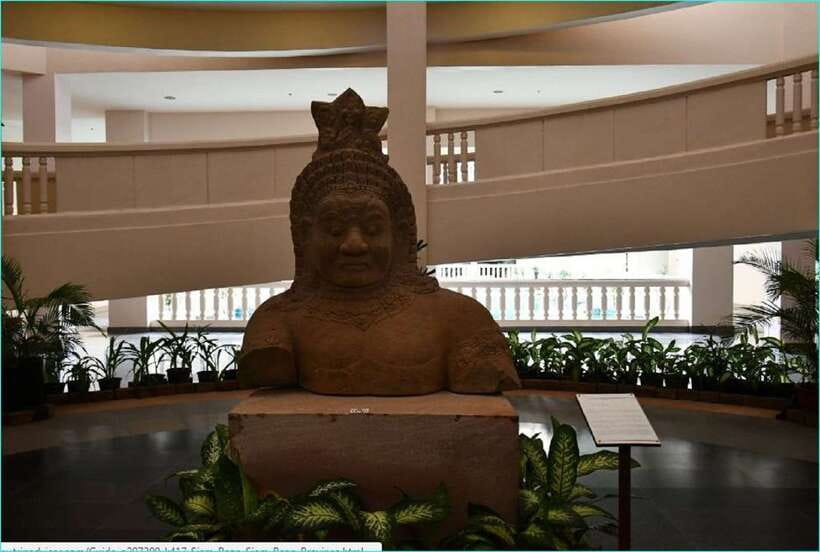
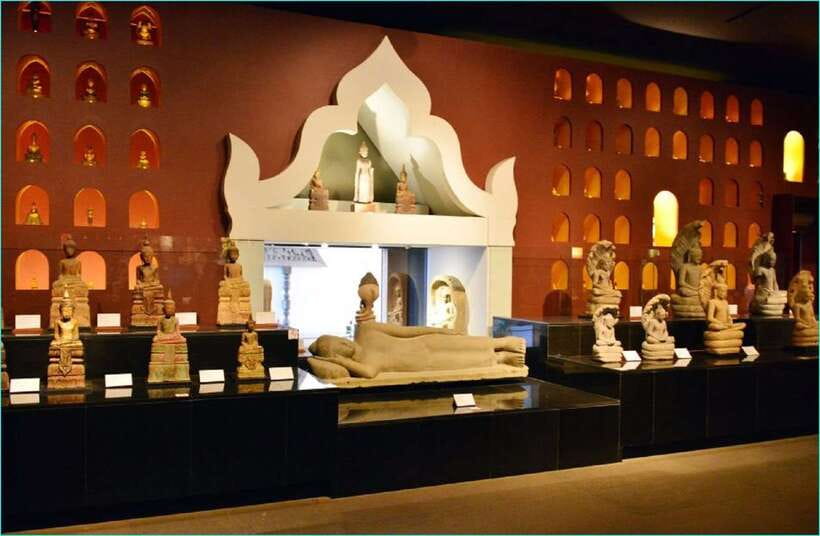
The museum is built around a structure that feels like a guided route, even though you’re exploring on your own. You’ll get a map and then follow the story across eight chronological galleries. Each room works like a chapter. You’re not just staring at objects; you’re seeing how themes and beliefs move through time.
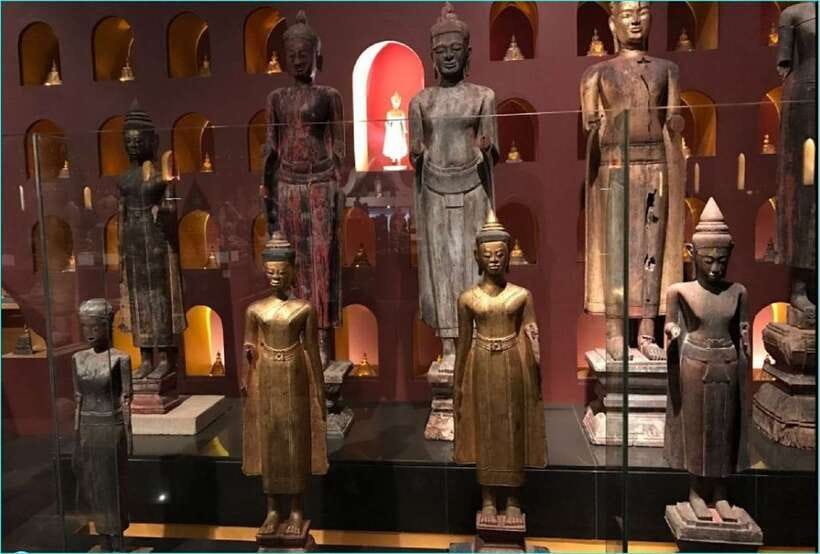
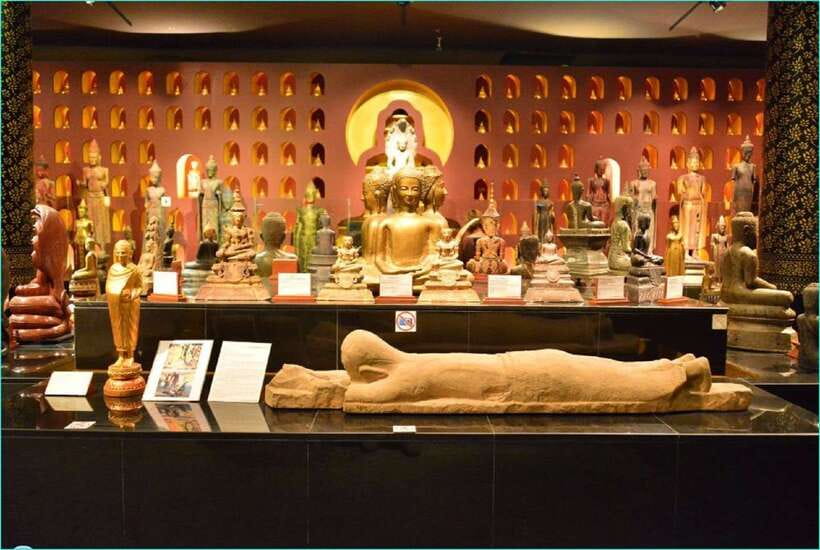
A major highlight is the gallery featuring 1000 Buddha statues. That’s the kind of detail that gives the museum its personality. Instead of one or two standout pieces, you get an overwhelming sense of scale and devotion. If you’ve been to other museums where you walk past one display after another, this one changes the pace. The sheer number nudges you to notice patterns and symbolism, not just individual items.
Another thing I liked about the chronological setup: it prevents random sightseeing. Without time order, you can get the feeling you’ve “seen the artifacts” but not truly understood what you saw. With eight stages, you naturally start connecting the dots between objects, religious ideas, and the development of Khmer culture.
And the museum goes further than labels. The galleries are enhanced by realistic atmosphere. That doesn’t mean it’s a theme park. It just means the displays try to place artifacts in a setting that helps you imagine how they were used and understood.
Khmer empire origins: why this museum changes how you read the temples
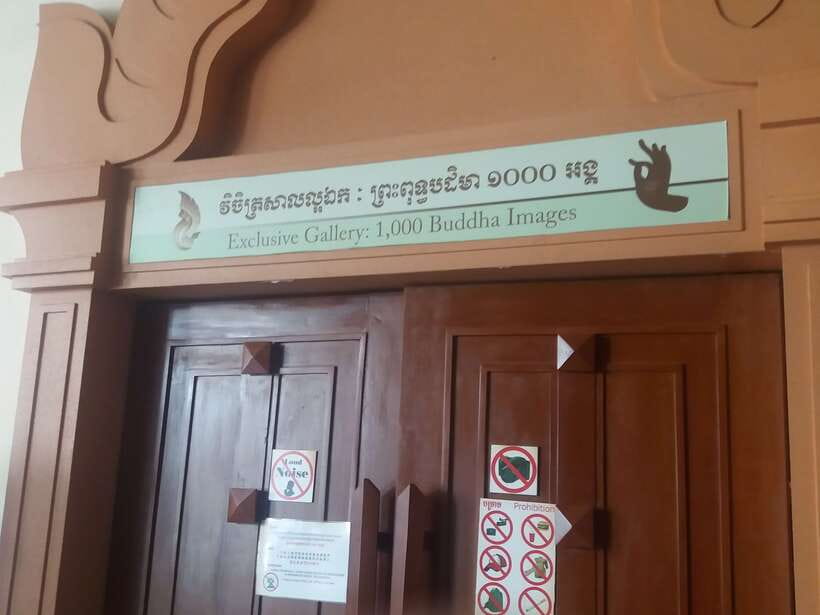
If you’re visiting Angkor for the architecture, this museum offers the supporting context that makes the architecture more meaningful. The experience highlights learning about the origins of the Khmer Empire and gaining a deeper understanding of ancient customs, traditions, and different beliefs.
That matters because Khmer temples aren’t only buildings. They’re part of a worldview. When you learn the basic threads of how belief systems and customs evolved, the temple scenes stop feeling like decoration and start feeling like communication.
Also, the museum’s timeline framing helps you avoid a common mistake: seeing every temple carving as one uniform message. In reality, Khmer culture evolved across generations. A chronological museum presentation gives you a way to notice change rather than treating everything as the same era or the same purpose.
You don’t need to become a scholar to benefit. You just need enough context to make the site feel like it has logic. That’s what this museum helps with.
You can also read our reviews of more museum experiences in Siem Reap




Architecture lessons from the Angkor Wat and Angkor Thom eras
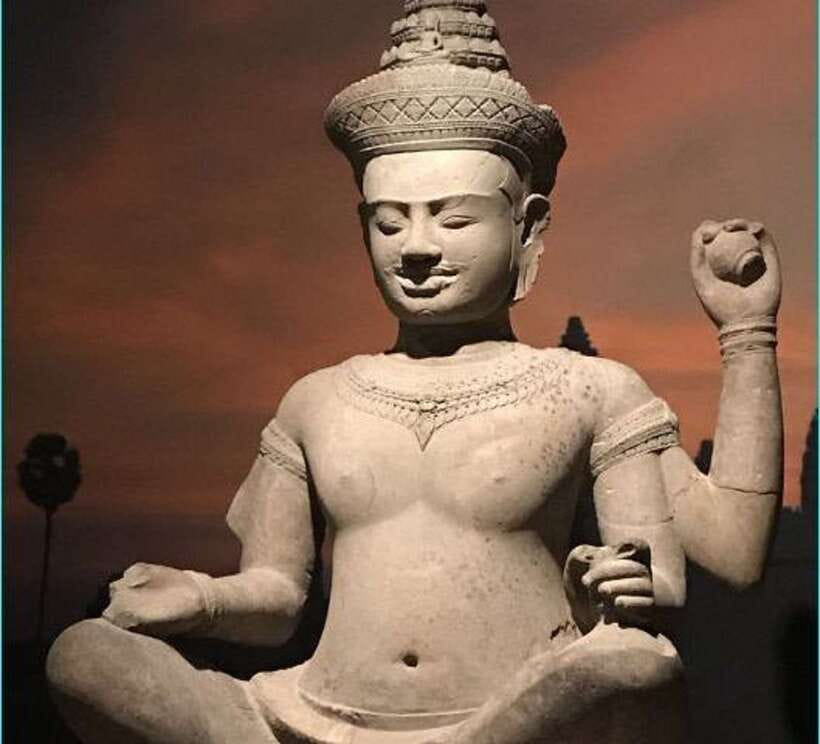
One of the most useful parts of the experience for future temple visits is the focus on architecture tied to the Angkor Wat and Angkor Thom eras.
Even if you’re not an architecture nerd, you’ll likely notice the difference between “cool stone buildings” and “intentional design.” After you learn what the museum is teaching about that period, it’s easier to look at Angkor Wat and Angkor Thom with fresh eyes. You can start connecting the temple style and layout to the time when the Khmer world was at a peak.
This is where I think the museum earns its keep for a short trip. When you’re on the temple circuit, time gets tight and the sights can blur together. Coming in with a mental framework helps you slow down mentally, even if you still move physically at temple speed.
Audio options: what you should do if you like extra context
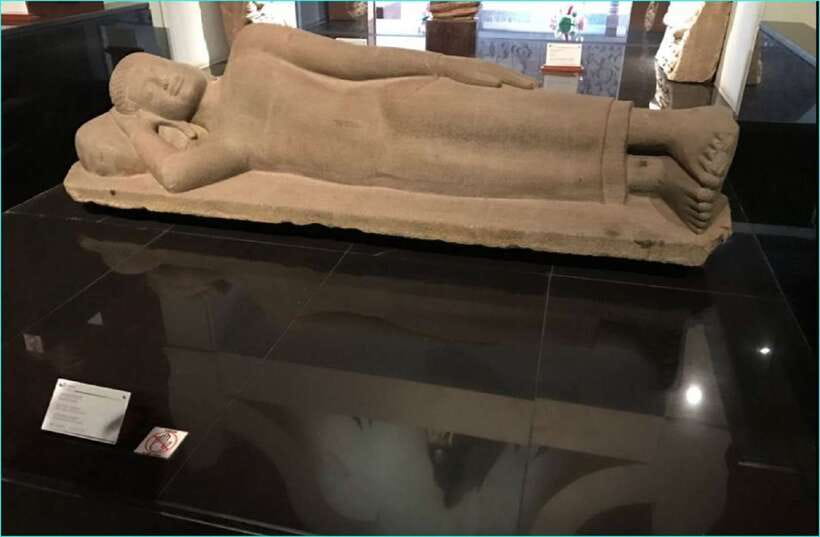
An audio tour set is listed as not included. That means you may need to add it separately if you want guided listening.
One review you might find useful noted that an audio guide made things clearer, and that there was a German option available. Even if you don’t speak German, that’s a hint that audio support may exist in multiple languages. Your safest move is to check what audio options are available on-site or ask the provider at booking.
If you prefer reading, you might skip audio. The museum experience already provides a map and uses gallery presentation to tell the story. But if you’re the type who retains more through listening, plan for it.
How long it really is: a tight 2-hour museum plan
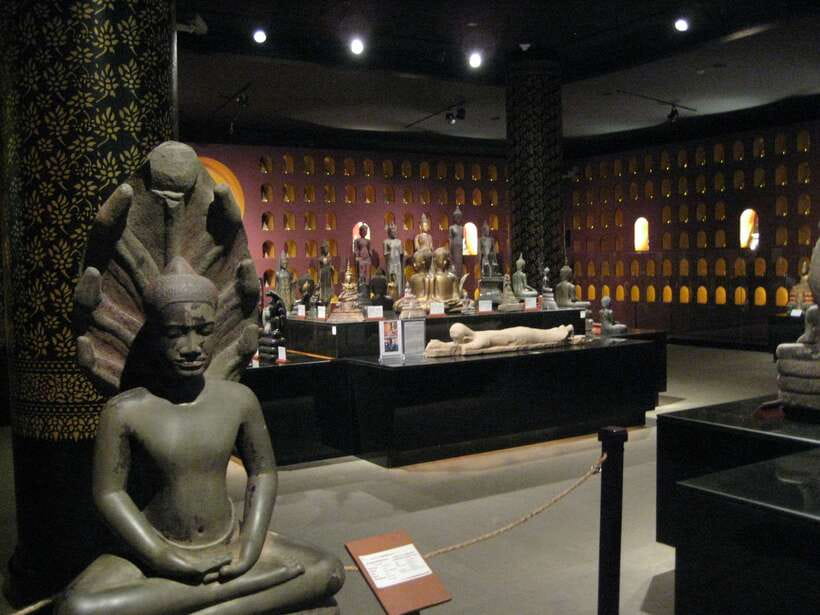
This experience is listed at 2 hours. In that time, you’re not trying to read every label like a textbook. You’re aiming to build enough understanding to make the temple sites meaningful.
So here’s how I’d handle the pace if you want results:
- Start by following the map’s order so you hit the major chronological sections.
- Allow extra time at the gallery with the 1000 Buddha statues since it’s a visual-heavy moment.
- Don’t get stuck on one display. Move, read the gist, and let the story build.
If you’re a slow reader or you like to spend a long time photographing artifacts, you might feel a little rushed. The museum is designed for a timed visit, so adjust expectations and keep moving with purpose.
Best time to fit it in: before or after the temples
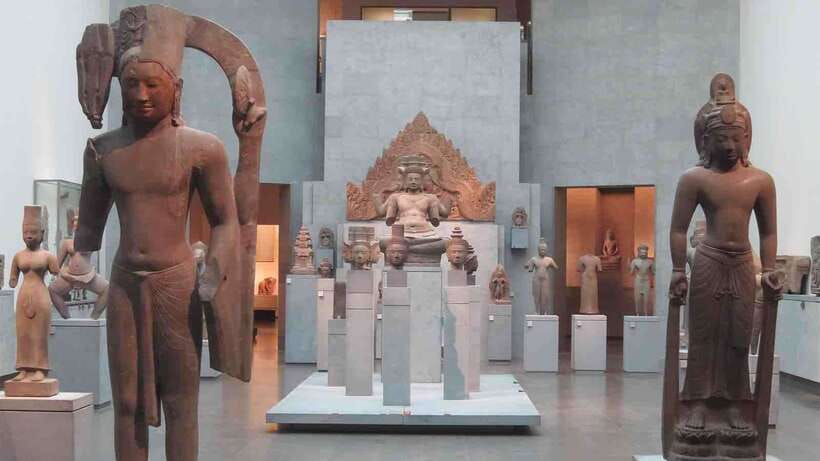
You’ll see plenty of people visit temples first, then return to the museum later. The problem is simple: it can be harder to understand what you just saw in stone if your brain hasn’t been given the cultural context yet.
A useful rule of thumb: go to the museum before Angkor temples if you can. One review specifically advised visiting the museum before you see Angkor sites, because it helps you understand the culture, religion, and traditions of the Khmer. I agree with that logic.
If you’ve already done the temples, the museum still works. You just start from a different angle. You’ll notice patterns you might have missed while you were focused on walking, climbing, and taking photos.
Who this experience suits best (and who might feel limited)
This is a good fit if you want a practical, low-stress way to understand Angkor culture in a short window.
It’s especially suitable for:
- First-timers who need context before temple sightseeing
- People who like self-paced exploring with a clear structure from a map
- Travelers who prefer having pickup sorted rather than negotiating transportation on arrival
- Anyone who wants an easy way to connect religion, customs, and architecture
It might feel less ideal if:
- You’re expecting a full guided lecture inside the museum. The experience is built around your route and the galleries.
- You travel with a large bag or backpack. Restrictions apply.
- You want a longer, slower museum day. The timing is set around 2 hours.
Should you book this Angkor National Museum ticket with tuk-tuk pickup?
I’d book it if you want to spend your limited Siem Reap time efficiently and avoid logistical headaches. For $26, you get entry plus one-way hotel pickup, and the museum content is organized so you leave with real understanding rather than just photos.
Do it especially if Angkor Wat and Angkor Thom are on your plan. The museum’s timeline approach, its focus on Khmer empire origins, and its links to Angkor Wat/Thom architecture make the temples easier to read.
Skip or reconsider only if you’re carrying a backpack you can’t travel without, or if you strongly prefer a live guide inside the museum. In those cases, you may want a different style of tour.
FAQ
FAQ
How long is the Angkor National Museum ticket experience?
The duration is listed as 2 hours.
What is included in the price?
It includes entry to the Angkor National Museum and one-way hotel pickup by tuk-tuk.
Is an audio tour included?
No. An audio tour set is not included.
Do I need a pickup from my hotel?
If you want the pickup service, you’ll need to provide your hotel name or location so the driver can find you. The information notes that without the hotel details, the driver may not locate you for the tour setup.
What language is the driver?
The driver is listed as English.
Are there restrictions on what I can bring?
Yes. Pets and backpacks are not allowed.
Do I need to receive tickets in advance?
Yes. The notes say you need the tickets from the provider for entry, and pickup/ticket setup is part of how the service works.
Is cancellation free?
It lists free cancellation up to 24 hours in advance for a full refund.
Can I reserve first and pay later?
Yes. It offers a reserve now & pay later option.
Do I need to choose a pickup time?
The information says you should contact the provider to confirm your visiting time with pickup before you go to the museum, and starting times depend on availability.