REVIEW · PHNOM PENH
Tuol Sleng Genocide Museum (S-21) and Choeung Ek Killing Fields Tour
Book on Viator →Operated by The Killing field and Toul Sleng genocide museum S21 Tour · Bookable on Viator
Two sites, one guided story, and no time wasted. In Phnom Penh, this tour strings together Choeung Ek Killing Fields and Tuol Sleng S-21 so you can understand how the Khmer Rouge system crushed lives, from arrests to detention to execution.
I love the straightforward logistics: hotel pickup, a driver who gets you there fast, and an air-conditioned ride with cool water. I also like the pacing—about two hours at each site—so you get time to take in what you’re seeing without feeling rushed through something emotionally brutal.
One drawback to plan for: admission fees are extra, and the subject matter is heavy. You’ll want to budget for tickets and mentally prepare for a day that doesn’t feel like sightseeing at all.
In This Review
- Key points worth knowing before you go
- Why This Choeung Ek + S-21 Combo Tour Makes Sense
- Price and Logistics: What You’re Really Paying For
- The Day’s Timing: About Four Hours, Two Equal Stops
- Stop 1: Choeung Ek Killing Fields Center in Real Time
- Stop 2: Tuol Sleng (S-21) Genocide Museum and the Prison System
- Guides Matter: Mr. Baboon, Sum Cheath, Visal, and What to Look For
- How to Prepare for This Heavy Day Without Making It Harder
- Quick Practical Notes: Meeting Point and Group Size
- Should You Book This Tour?
- FAQ
- Are the entry tickets included in the $19.20 price?
- How long does the tour take?
- Does the tour include hotel pickup?
- Do I need to worry about weather?
- Is this tour in English?
- What’s the group size limit?
- Where does the tour start and end?
Key points worth knowing before you go
- Hotel pickup and AC transport make the hard day feel more manageable
- Two focused stops (Choeung Ek + S-21) help you connect arrests, prison, and executions
- English-speaking guides often bring both facts and a human tone (you may meet guides like Mr. Baboon, Sum Cheath, or Visal)
- Small group size (max 20) keeps the experience from feeling crowded
- Admission tickets cost extra (S-21 $5 + Choeung Ek $3), so check your total before you book
Why This Choeung Ek + S-21 Combo Tour Makes Sense
If you’re in Phnom Penh and you care about getting the story right, pairing these two places is the key. Choeung Ek Killing Fields and Tuol Sleng S-21 are linked by the same machinery of terror, even though one site looks like open land and the other is a high-security prison turned museum.
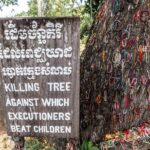
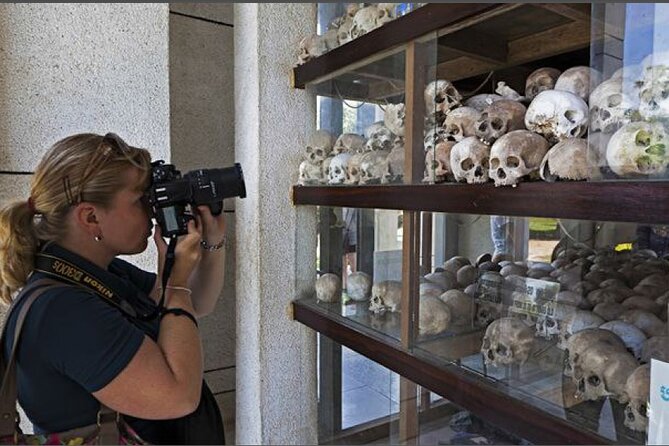
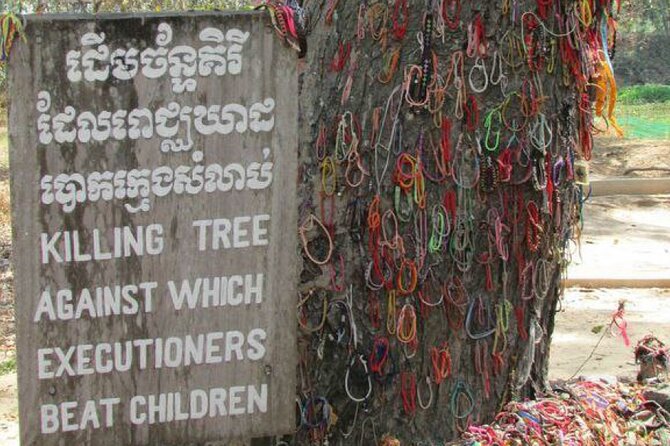
At Choeung Ek, you’re looking at what happened to prisoners after the Khmer Rouge controlled Cambodia from 1975 to 1979. The grounds were once an orchard and even a Chinese cemetery, and then the Khmer Rouge turned the place into what people call the killing fields—where they executed around 2,000 prisoners. That change in purpose is part of what makes the visit so chilling.
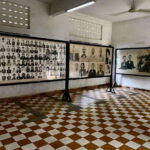
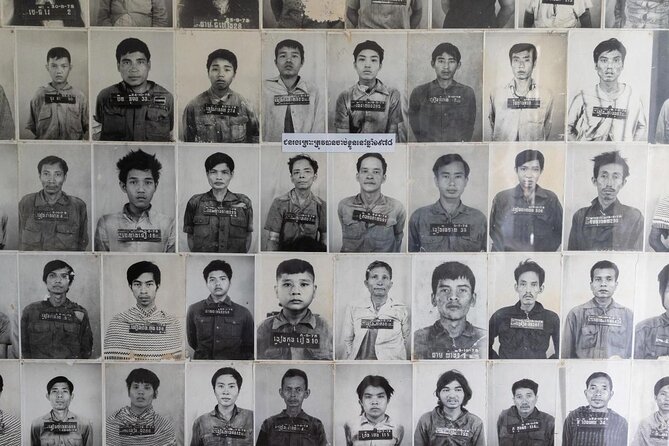
Then at Tuol Sleng S-21, the tone shifts from the outdoor horror of executions to the indoor horror of detention. The museum’s name connects to the idea of hill of poisonous trees, and the place itself was once a popular high school before Pol Pot transformed it into a prison. The museum covers the imprisonment of about 20,000 people and the brutal torture used to extract information—many never made it out.
The value of doing both in one guided run is that it stops the story from feeling like separate tragedies. You see the chain, not just isolated snapshots.
You can also read our reviews of more museum experiences in Phnom Penh

Price and Logistics: What You’re Really Paying For
This tour is priced at $19.20 per person for the guided experience, and it includes:
- a professional English-speaking tour guide and driver
- hotel pickup
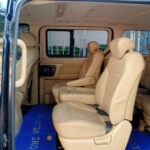
- air-conditioned transportation plus cool water
What it does not include are the entry tickets:
- Tuol Sleng Genocide Museum (S-21): $5.00
- Choeung Ek Genocidal Center: $3.00
So the real all-in total for most people is about $27.20 per person, before any tipping.
Is that good value? For me, yes—because you’re not just paying for transport. You’re paying for an English-speaking guide to explain what you’re seeing at each site and keep the timing respectful. And you’re saving time: this itinerary is built to cover both places in one trip instead of you trying to coordinate two separate visits on your own.
Also note the group size: the tour has a maximum of 20 people. That’s big enough to be efficient, but small enough that you’re less likely to feel like you’re in a moving crowd.
The Day’s Timing: About Four Hours, Two Equal Stops
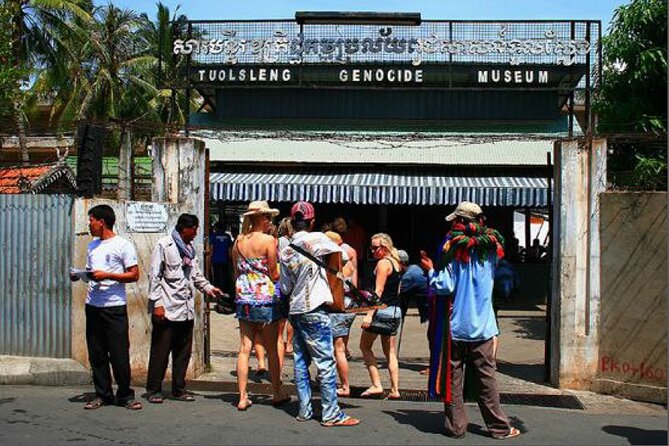
The tour runs about 4 hours total, with around 2 hours at each site. That matters because both places can take over your attention. The challenge isn’t getting through them. The challenge is letting yourself register what you’re seeing without treating it like a checklist.
A schedule like this tends to work well if you’re on a tight Phnom Penh itinerary. It also works if you want a guide to set the pace, especially with a topic this hard. In practice, many people find it’s better when a guide keeps things moving at the right speed—serious when needed, not dragging on in a way that feels disrespectful, and not rushing away from the meaning.
Weather matters too. The tour requires good weather, and if it can’t run because of conditions, you’ll be offered a different date or a full refund. With both sites depending on outdoor walking and ground conditions, it’s a smart rule.
Stop 1: Choeung Ek Killing Fields Center in Real Time
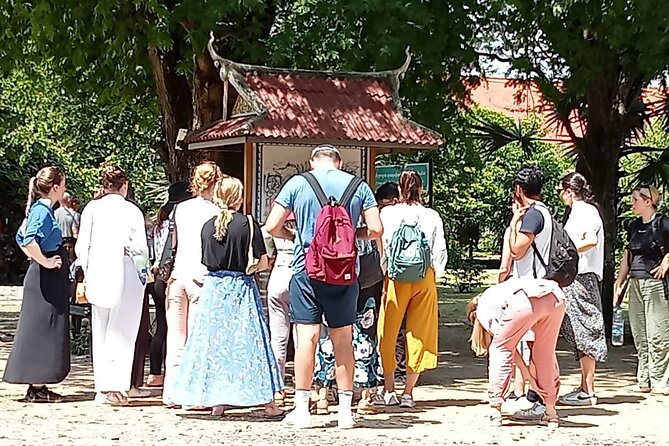
Choeung Ek is about Cambodia’s history from 1975 to 1979, told through the place where the Khmer Rouge executed prisoners. The tour starts by driving you about 9 miles south of Phnom Penh, which keeps the day from starting too slowly. Once you’re there, your guide helps translate the grounds into meaning—why this place was chosen, how it fits into Khmer Rouge control, and what the numbers represent.
You’ll see it as a former orchard and Chinese cemetery turned into a killing site. That contrast lands hard: ordinary land becomes part of an organized system of death. The info you’ll hear includes the estimate that around 2,000 prisoners were executed here, and it frames that within the broader period when the Khmer Rouge massacred and buried about 2.5 million people over roughly three years.
In other words, the visit isn’t just about one location. It’s about how the Khmer Rouge inflicted terror in layers. Choeung Ek is one of those layers, and you’ll get a guided explanation of how it functioned.
One practical note: this stop can feel uncomfortable and emotionally intense. Even when your guide keeps the tone factual and respectful, the site itself doesn’t soften. So plan to slow down mentally here. Give yourself a minute before you start moving through areas, and don’t feel pressured to keep a “tour pace.”
Stop 2: Tuol Sleng (S-21) Genocide Museum and the Prison System
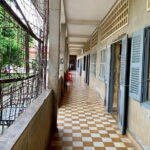
After Choeung Ek, the day shifts into Tuol Sleng Genocide Museum (S-21). Here, the story centers on the prison—how people were held, processed, and tortured for information.
The museum’s context is direct: Tuol Sleng used to be a popular high school. Pol Pot turned it into a high-security prison, and about 20,000 people were imprisoned there. Your guide explains that many prisoners were tortured to extract information. The museum today functions as a reminder—an attempt to stop forgetting.
What I think makes S-21 so hard to take in is the feeling of structure. This wasn’t chaos. It was managed. Your guide’s job is to connect that sense of system to what happened to individuals.
If you’re the type who wants to understand the “how” behind the “what,” S-21 is where that clicks. Choeung Ek shows the endpoint. S-21 shows how the system pulled people in and broke them down before they reached the next stage.
The two-hour timing also works here. S-21 has a lot to process, and a guide’s pacing helps you avoid zoning out or feeling overwhelmed too fast. You’re given time to stay present.


Guides Matter: Mr. Baboon, Sum Cheath, Visal, and What to Look For
This is the kind of tour where the guide’s tone is part of the experience. Several guides have led this tour with different personalities, but consistent qualities showed up again and again in the notes people left—especially serious respect, clear English, and a pace that feels right.
Some examples you might encounter:
- Mr. Baboon: often praised for being knowledgeable with a sense of humor when appropriate, and for sharing personal connection to the sites.
- Sum Cheath: recognized for factual and compassionate storytelling, with a good explanation of both the killing fields and Khmer Rouge background.
- Visal: mentioned for thorough historical knowledge and very good English.
Even if you don’t match with a guide who brings personal connection, you should still expect a careful balance: honest descriptions without turning the place into a spectacle. A good guide also sets you up emotionally. People mention that it helps when the guide prepares you for how difficult the day will be.
One practical bonus that keeps showing up: guides often provide water throughout the trip, and that’s a small comfort when you’re going to be standing, walking, and absorbing a lot of heavy information.
How to Prepare for This Heavy Day Without Making It Harder
You don’t need special gear, but you do need sensible readiness.
First, bring a calm mindset. This isn’t a “quick facts” stop. It’s a place where people come to remember victims and understand how genocide works. If you’re the type who likes to keep feelings locked away, give yourself permission to feel something anyway. The tour format—two hours each—helps you process rather than sprint through.
Second, plan your clothing like you’re going to be out in Phnom Penh’s conditions for part of the day. Wear comfortable shoes. You’ll be in and around outdoor areas at Choeung Ek, then in museum spaces at S-21.
Third, budget for the tickets in advance. Since entry fees aren’t included in the $19.20 price, it’s easy to get caught off guard if you assume everything is covered. Add S-21 ($5) and Choeung Ek ($3) so you know your total.
Finally, if you’re choosing between this tour and visiting on your own, think about time and clarity. Doing it solo can work if you have lots of time and you’re ready to interpret the sites without guided context. But if you’re short on time or you want the story connected in one day, this guided approach is a smart shortcut.
Quick Practical Notes: Meeting Point and Group Size
The tour lists a start location at River Crown Restaurant, 357 St. 178, Prehsisovath Quay, Phnom Penh 12206, Cambodia. It also notes hotel pickup in the description, and it says the activity ends back at the meeting point.
Because the description mentions both hotel pickup and returning to your hotel/guesthouse, I’d treat it as something to confirm in your booking details. Either way, you’ll get an assigned start point and a set end point for the driver.
Group size is capped at 20 travelers, which is helpful for a topic that demands attention. You’re less likely to lose the guide’s voice, and it’s easier to step away if you need a breather.
Should You Book This Tour?
I’d book it if:
- you want the most direct, guided connection between Choeung Ek and Tuol Sleng (S-21) in one short Phnom Penh visit
- you appreciate having an English-speaking guide explain what you’re looking at, including details about the Khmer Rouge period from 1975 to 1979
- you like the comfort of hotel pickup, air-conditioning, and a small group cap
I might skip or choose a different format if:
- you’re very sensitive to heavy subject matter and would rather travel at your own pace with more time buffer
- you don’t want to add admission fees on top of the base price
This is not a fun day. It’s a necessary one if you want to understand Cambodia’s most painful chapter without guessing. If you’re ready for that, the convenience and guidance make it a strong value.
FAQ
Are the entry tickets included in the $19.20 price?
No. The tour price covers the guide, driver, transport, and hotel pickup, but entry tickets are extra: Tuol Sleng (S-21) is $5.00 per person and Choeung Ek is $3.00 per person.
How long does the tour take?
It’s listed at about 4 hours total, with around 2 hours at Choeung Ek and about 2 hours at Tuol Sleng.
Does the tour include hotel pickup?
Yes, hotel pickup is included.
Do I need to worry about weather?
Yes. The experience requires good weather. If it’s canceled due to poor weather, you’ll be offered a different date or a full refund.
Is this tour in English?
Yes. It includes a professional English-speaking tour guide and driver.
What’s the group size limit?
The tour has a maximum of 20 people.
Where does the tour start and end?
It starts at River Crown Restaurant in Phnom Penh. The activity ends back at the meeting point. The description also mentions returning you to your hotel or guesthouse, so check your confirmation for the exact drop-off plan.