REVIEW · PHNOM PENH
Mekong Silk Island Cruise – Unlimited Beer, Soft Drinks & Fresh Fruit Platter
Book on Viator →Operated by Memorable Cambodia Cruise · Bookable on Viator
Silk, boats, and rivers in one calm afternoon. You cruise past stilted houses and fishing spots on the Mekong and Four Faces Rivers, then land on Silk Island for a tuk-tuk village circuit.
I love how the trip ties traditional silk weaving to everyday island life, not just a quick photo stop. And yes, unlimited beer and soft drinks on the boat turns the ride into a real break from Phnom Penh.
One thing to consider: the island walking can be dusty, and the school visit depends on what’s scheduled that day.
In This Review
- Key things to know before you go
- A calm Mekong cruise with silk, monks, and school visits
- From Phnom Penh to Silk Island: the one-hour boat ride
- Tuk-tuk through mango and banana fields
- Silk farm: the full chain from silkworms to weaving
- Buddhist monastery stop: meaning beyond architecture
- School visit on Silk Island: respectful and human
- Price and value: what $35 gets you in real terms
- Practical tips so your afternoon runs smoothly
- Should you book the Mekong Silk Island Cruise?
- FAQ
- How long is the Mekong Silk Island Cruise?
- Is hotel pickup included?
- Where do I meet for the tour?
- What’s included for drinks and food?
- What do you do on the island?
- Is the school visit guaranteed?
- How many people are in the group?
Key things to know before you go
- Unlimited beer and soft drinks on the boat so the whole cruise feels relaxed
- About an hour each way by boat, with river views and village scenery along the way
- Tuk-tuk tour of mango and banana plantations, plus other crops grown on the island
- Silk farm viewing of the full process, from early stages through weaving
- Buddhist monastery stop for context on the island’s beliefs and daily rhythm
- Small group size (max 15) for easier questions and a slower pace
A calm Mekong cruise with silk, monks, and school visits
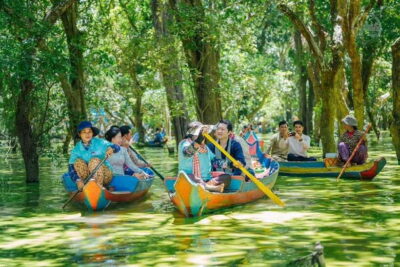
This is the kind of half-day trip that helps you reset your brain after Phnom Penh’s roads, scooters, and noise. You’re not just traveling to see a factory. You’re moving through island life: boats, rivers, fields, workshops, and a community that still makes textiles the old way.
The route matters. The Mekong system is huge and the cruise gives you that sense of scale without being exhausting. The Mekong is one of the world’s longest rivers, and it runs across six countries. Out on the water, you feel how people have built their lives around the river rather than fighting it.
What I also like is the social angle. You get time with the community, and the day can include a school visit depending on the schedule. Seeing the kids in their classroom (when it’s on) adds meaning that you don’t get from a standard temple-and-photo tour.
You can also read our reviews of more food & drink experiences in Phnom Penh


From Phnom Penh to Silk Island: the one-hour boat ride
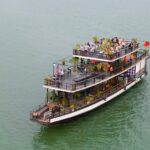
The day starts with pickup offered (one way). After that, you meet at Memorable Cambodia Cruise along Preah Sisowath Quay, in front of street 90. From there, you’re on the water fast—this cruise to Silk Island takes about an hour.
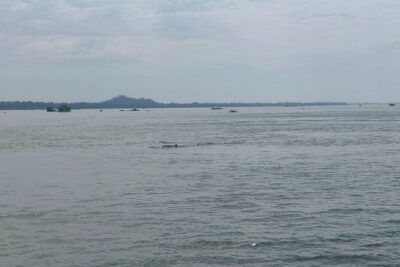
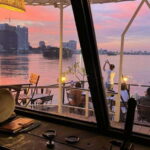
During the ride, you’ll see stilted houses and fishing villages. You’ll also pass along the Mekong and Four Faces Rivers, so it feels like you’re traveling through the landscape, not just crossing a single stretch of water. It’s also a nice way to cool off. Even on warm afternoons, being on the boat helps compared with staying in the city heat.
The vibe on board is where the tour earns repeat bookings. The package includes unlimited beer and soft drinks, plus a fresh fruit platter. That means you don’t have to hunt for refreshments or pay for every drink once you’re out on the river. In practice, it turns the boat ride into the main event, not a travel chore.
Also, pay attention to the guide. English-speaking guides run the trip, and the operation has used names like Vuthy and Davuth—both known for explaining what you’re seeing in plain language and answering questions as you go. If you want context, this is the best place to ask it.
Tuk-tuk through mango and banana fields
Once you reach Silk Island, the tour switches gears. You hop into a tuk-tuk for a village loop. This isn’t just a drive-by. It’s your chance to connect what you see on the boat—water life—with how people live when the land is doing the work: crops, gardens, and small farms.
On the tuk-tuk ride, you’ll pass mango and banana plantations and other crops grown on the island. That matters because Cambodia’s countryside is often misunderstood if you only picture temples and tourist shops. Here, the landscape is agricultural. It’s the rhythm of daily production, and it explains why silk farming fits naturally into island life.
This section is also a good time to ask about the island’s community structure and how weaving fits into work schedules. The best guides will link what you see—plantations, workshops, and homes—to what you’re going to learn at the silk farm.
One practical note: the tour includes walking as well. Some parts can be dusty, especially on drier days. If you’re sensitive to grit, wear shoes you don’t mind getting dusty, and consider bringing a light scarf or sunglasses to reduce discomfort.
Silk farm: the full chain from silkworms to weaving
If you only did one thing on Silk Island, make it the silk farm stop. This is where the trip becomes genuinely hands-on in your imagination, because you see how silk production is made step-by-step rather than just finished products behind glass.
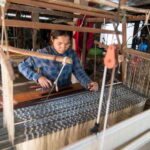
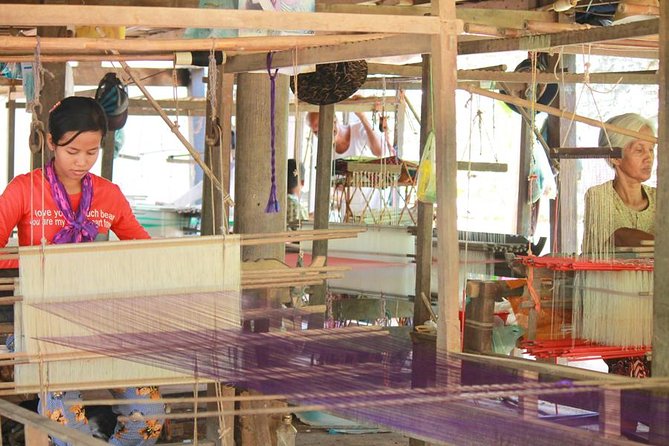
You’ll visit the silk farm and learn about the process. In cases like this, the tour commonly shows stages from early life cycles through the cocoon, then how cocoons are turned into silk threads. You may even see the sequence described in detail—from butterfly or moth life stages through worms, chrysalis, and cocoon—plus how the process moves toward weaving on looms.
What makes this fascinating is the labor intensity. Silk isn’t “made fast.” It’s watched, tended, and processed carefully. When you stand near the work area and listen to the explanations, you understand why handmade textiles take time and why local weavers treat the craft as real skill, not a souvenir line.
And yes, there’s usually a shop stop. You’ll have the chance to browse items made from silk and related textiles. It’s worth being prepared for sales energy at the end. If shopping isn’t your goal, don’t feel pressured—just treat it like a window into what people make and what the local products cost.
A small tip that improves the experience: if you’re interested in buying, ask what’s handmade on the island versus what’s sourced elsewhere. The tour can include purchases, but it’s smart to know what you’re paying for.
Buddhist monastery stop: meaning beyond architecture
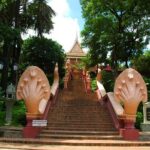
Along the island route, there’s a Buddhist monastery visit. It’s typically brief compared with major temple complexes, but that’s also part of the value. You’re not just seeing a big landmark—you’re seeing how faith sits inside everyday island life.
Expect a calm stop where the guide explains what you’re seeing and gives context for the monastery’s role. The goal here isn’t to turn you into a historian. It’s to help you notice the relationship between religion, community spaces, and daily routines.
This stop also makes the silk farming portion feel more grounded. When you can connect craft, work, and belief in the same half-day, the island feels like a place people actually live—not a staged set for tourists.
You can also read our reviews of more boat tours in Phnom Penh


School visit on Silk Island: respectful and human
One of the strongest moments of this tour can be meeting children in a local school. The key detail: it’s subject to the school schedule that day. So it’s not guaranteed, but when it lines up, it can be the most moving part of your afternoon.
If you do visit the classroom, keep expectations realistic. You’re not there to “save” anyone, and you’re not running an activity session. You’re there to observe, greet, and show respect. A friendly hello and quiet attention go a long way.
This is also where the guide’s role matters most. A good English-speaking guide will handle the flow—when you enter, how you speak, and how long you stay—so the experience remains respectful for the students and teacher.
Practical note: the classroom visit can be a short window. Wear something comfortable and easy to sit in, and plan to stay patient even if timing shifts slightly.
Price and value: what $35 gets you in real terms
At $35 per person for about four hours, this tour’s value comes from what’s bundled together. You’re not paying separately for transportation, entry fees, and drinks.
Included in the price are:
- One-way hotel pickup (not return drop-off)
- Unlimited beer and soft drinks on the boat
- Fresh fruit platter
- Tuk-tuk ride around the island
- Entrance fee
- English-speaking guide
Not included: hotel drop-off. The tour ends back at the meeting point.
Here’s why that matters for your decision. A lot of tours start at a low base price but then add costs for boat ride, park fees, guide time, or drinks. This one rolls those elements in. If you’re the kind of traveler who wants a clear deal—transport + guide + key activities grouped into one afternoon—$35 can feel fair quickly.
One more note on pacing: it’s a half-day format. That’s great for people who want variety without losing the whole afternoon. But it also means some stops may feel short, especially the hands-on parts at the silk looms or any store time. Think of it as a guided overview with meaning, not a full-day workshop.
Practical tips so your afternoon runs smoothly
A few things can make this tour feel effortless.
1) Plan around the meeting point. Pickup is offered, but the tour is designed around a fixed starting dock area. Save the meeting address so you’re not stressed if a pickup is delayed.
2) Bring sun protection. Even with shade on parts of the boat, you’ll still spend time outdoors. A hat and sunglasses help.
3) Wear shoes for walking on uneven, dusty paths. The island section can involve dusty ground, and in some conditions there may be short walkways. One practical consideration mentioned in past experiences is that river levels can affect how you move (like using a metal gangway). If you have mobility needs, it’s smart to ask the operator in advance how they handle low water days.
4) Treat the shop like a choice, not a requirement. The end can include sales focus. If you want silk, ask questions. If you don’t, enjoy the learning and skip purchases without guilt.
5) Ask questions about the silk process. Guides such as Vuthy or Davuth have shown they’ll explain the steps and why each stage matters. If you’re curious, this is your moment.
Should you book the Mekong Silk Island Cruise?
You should book if you want a half-day that mixes real village scenes with a craft you can actually understand. I’d pick this for anyone who likes hands-on cultural travel—boat views, field life, a silk farm explanation, and a chance (when scheduled) to meet students.
Skip it or adjust expectations if you need a long, deep, slow-moving workshop experience. This is structured as a short, well-guided overview. Also, since pickup and timing can vary, double-check your start details and keep the meeting point handy.
If your goal is to get out of Phnom Penh heat, enjoy a relaxed river ride with drinks, and leave with clearer ideas about how silk weaving connects to everyday island work, then this cruise fits the bill.
FAQ
How long is the Mekong Silk Island Cruise?
The experience lasts about 4 hours.
Is hotel pickup included?
Yes. One-way hotel pickup is included, but hotel drop-off is not included.
Where do I meet for the tour?
You meet at Memorable Cambodia Cruise by Preah Sisowath Quay, in front of street 90, Phnom Penh 12110, Cambodia. The tour ends back at the meeting point.
What’s included for drinks and food?
Unlimited beer and soft drinks are included, along with a fresh fruit platter.
What do you do on the island?
You take a tuk-tuk around the village and plantations, visit a silk farm, visit a Buddhist monastery, and may visit a local school depending on the school schedule that day.
Is the school visit guaranteed?
No. The school visit is subject to the school schedule that day.
How many people are in the group?
The maximum group size is 15 travelers.