REVIEW · PHNOM PENH
Udong Old Capital Tour
Book on Viator →Operated by cambodia tour minivan · Bookable on Viator
Phnom Udong is hot, but it’s worth it. This Udong Old Capital Tour takes you up Cambodia’s former royal hill for a chain of stupas, pagodas, and monastery stops, with short visits and big stories tucked into the stone. You also get pickup and a guide who keeps the pace moving so you can focus on what matters: the details on the hill, not the logistics.
I especially love how the stops are tightly planned around specific royal sites, like Preah Ang Duong and Preah Sisovath, so you’re not just sightseeing—you’re connecting names, dates, and burial purposes to what you’re looking at. I also like that the tour includes practical comforts: cool water and soda, plus admission, so you’re not scrambling for small-ticket costs as the day heats up.
The one drawback to plan for is the heat and walking. Even with a minivan and a guide, the hill can feel steeper than you expect in the afternoon sun, and on hot days people may need to slow down or take breaks.
In This Review
- Key Things I’d Focus On Before You Go
- Why Udong’s Royal Hill Feels Different From Plain Temple Trips
- Price and What Your $130 Covers (and Why It’s Fair)
- The Day’s Timing: 5 to 6 Hours Means You’ll Move
- Stop-by-Stop Guide: What Each Udong Site Teaches You
- The Elephant Samporn Stupas (Preah Cheychetha 2) and the 1623 Story
- Preah Ang Duong Stupas (Built 1891) and a Reign You Can Place
- Preah Sisovath Stupa (Four Face Prom) and the Bone Burial Detail
- Up the Mountain: Preah Vihea Adthaross and the 1911 Reopening
- Dhurak Buddhist Monastery (Vipassana) for a Calmer Pace
- Preah Sakyamuni Chedi: Buddha’s Birth and Teaching Stories
- The Descent and the Khmer Food Store Stop: Practical and Local
- Heat Reality Check: What to Bring and How to Pace Yourself
- The Guide Dynamic: Why a Private Group Feels Easier Here
- Booking Strategy: When to Go and How Far Ahead
- Should You Book the Udong Old Capital Tour?
- FAQ
- How long is the Udong Old Capital Tour?
- How much does the tour cost?
- Is there pickup?
- Is this a private tour?
- What’s included in the tour price?
- Is food included?
- Do I need to bring tickets?
- How long do you spend at the main stops?
- What happens if the weather is bad?
- Can I cancel and get a full refund?
Key Things I’d Focus On Before You Go
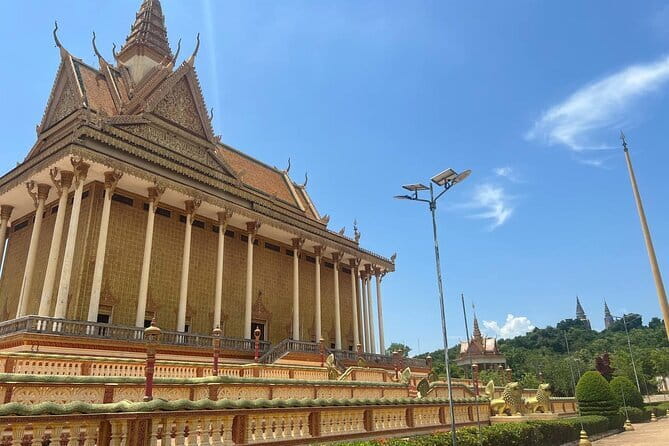
- Royal tombs in a timed circuit: several stupas with clear build dates and royal connections
- A real hill-mountain stop: Preah Vihea Adthaross adds a heavier historical layer
- Buddhist sites beyond temples: Dhurak Vipassana monastery plus sculpture explanations at Preah Sakyamuni Chedi
- Cooling included: cool water and soda help you get through the tougher parts of the day
- Flexible pacing on hot days: the guide can adjust so the whole group isn’t forced to power uphill
Why Udong’s Royal Hill Feels Different From Plain Temple Trips
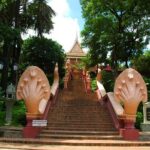
Udong sits up on Phnom Udong hill, and it’s not just another set of ruins. It was once a Cambodian capital, so the feeling is closer to a living monument than a random photo stop. When you walk between stupas and chedi, you’re moving through layers of royal burial and religious meaning, with the view reminding you that this hill mattered strategically and spiritually.
The tour’s format also helps. Instead of one long museum-style visit, you get a sequence of short, focused stops, each with a specific identity. That makes it easier to absorb the site without cooking in the sun for hours at a time.
If you care about how Buddhist architecture and royal history mix, Udong is a good match. And if you just want the best “wow” moments, you’ll still find them—especially around the chedi and stupa areas where the story is easy to understand.
You can also read our reviews of more tours and experiences in Phnom Penh.
Price and What Your $130 Covers (and Why It’s Fair)
This tour costs $130 per group for up to 6 people, running about 5 to 6 hours total including travel time. That group pricing matters. Instead of paying per person and watching the cost rise fast, you can split it with your group and keep it within a reasonable day-trip budget.
Value-wise, the big win is that the tour includes a guide, cool water and soda, and admission. Some of the stops are listed as admission free, while at least one mountain-site admission is included as part of the tour. Either way, you won’t be stuck at multiple gates trying to figure out what costs extra.
The one thing not included is food. That’s worth planning around. If you go early in the day, you can still eat a proper meal before you start. If you go later, bring a snack or decide where you want to eat after the descent.
Overall, for a short private group tour with water, soda, and admission handled, the price feels practical rather than inflated—especially because the itinerary is built around multiple named monuments.
The Day’s Timing: 5 to 6 Hours Means You’ll Move
The tour is designed for a half-day outing, so expect a steady rhythm. There’s pickup offered, then you head up to Udong and work through the sites in a planned order.
Each stupa visit is typically around 15 minutes, the longer architecture/monastery parts go to about 30–45 minutes, and you still have a descent and a final walk for a local stop. That pacing is what keeps the day manageable. It’s also why it can feel like more walking than you expect—because you’re moving between viewpoints and monuments rather than sitting for long periods.
One tip: dress like you’re doing a hot hill hike, not like you’re strolling in a museum. The day’s “feel” is heat-first, views-second. Plan accordingly and you’ll enjoy it much more.
Stop-by-Stop Guide: What Each Udong Site Teaches You
The Elephant Samporn Stupas (Preah Cheychetha 2) and the 1623 Story
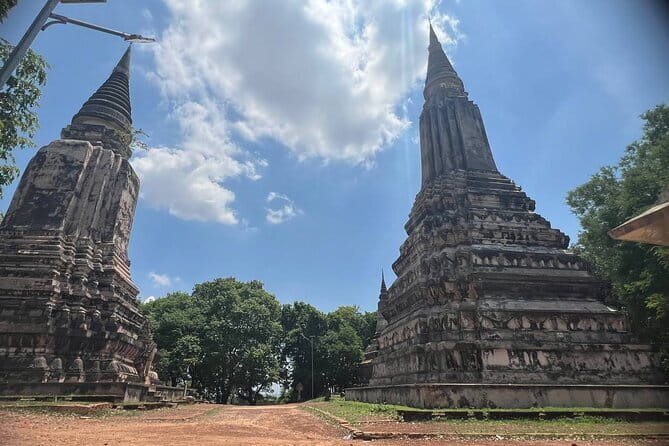
Your first stop is at Elephant samporn stupas (also listed as Preah Cheychetha 2). The visit is about 15 minutes, and the key detail you’ll hear is that it was built in 1623 for the burial of a father connected to the period 1600–1618.
Even though the time here is short, this is a smart opener. It sets the tone for Udong: you’re not just looking at religious structures, you’re looking at royal burials and memory made visible in stone. It also helps you recognize the site’s overall theme—royal lineage and Buddhist practice in the same geography.
What to watch for: take a minute to slow down and really look at how the stupa is shaped and positioned. At Udong, the “why it’s here” is often clearer once you’ve heard the name and date.



Preah Ang Duong Stupas (Built 1891) and a Reign You Can Place
Next comes Preah Ang Duong stupas, another 15-minute visit. This one is dated to 1891, built by Preah Norodom, and tied to Preah Ang Duong’s reign 1848–1860.
This stop is useful if you want to connect Cambodian royal history to physical landmarks. It’s one thing to hear reign dates in passing; it’s another to stand in front of a stupa where the build year is part of the explanation.
Possible drawback: since the stops are short, you have less time to wander on your own. If you’re the type who wants to linger for 45 minutes with photos and sketches, you may need to accept the tour’s pace and save extra wandering for after.
Preah Sisovath Stupa (Four Face Prom) and the Bone Burial Detail
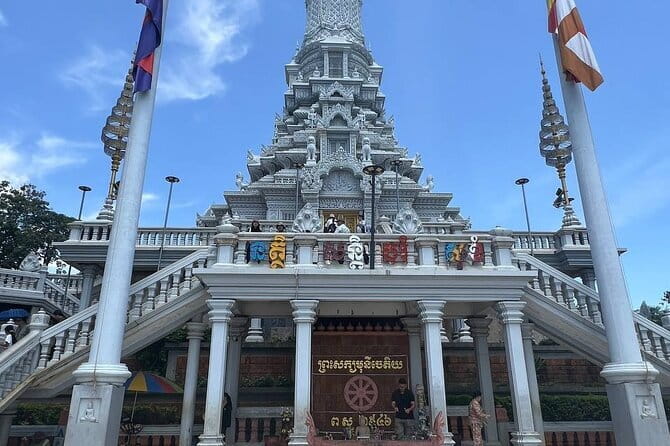
Stop three is Preah sisovath stupa, also referred to as the Four Face Prom. It’s listed as about 15 minutes, built in 1927 by Preah Sisovath Monivong for burial of his father’s bone.
The Four Face Prom reference matters because it gives you a way to interpret the structure. Facing directions and symbolic forms often connect to spiritual concepts and how a ruler wanted to be remembered.
Here’s the practical advice: keep your camera ready, but also keep your ears open. The “bone burial” and the named builder are the kind of details that make these sites come alive.
Up the Mountain: Preah Vihea Adthaross and the 1911 Reopening
The hill portion gets more serious at Preah vihea Adthaross on the mountain. You’ll spend around 30 minutes here, and admission is included.
What you’ll learn is that it was rebuilt by Preah Norodom and reopened by Preah Sisovath in 1911. Then comes the heavier context: during the years 1975–1979 it was used by Khmer Rouge soldiers as a base.
This stop changes the emotional temperature of the day. The view is still there, but the story reminds you that Cambodia’s religious and political histories weren’t separate. They overlapped in complicated, sometimes painful ways.
One consideration: because the subject matter is more intense, I recommend pacing yourself. Don’t rush this one. Take a breath, look at the stone, and let the explanation land before you move on.
Dhurak Buddhist Monastery (Vipassana) for a Calmer Pace
After the monument sites, you shift to a quieter setting at VIPASSANA Dhurak Buddhist monastery. The visit is about 30 minutes, and admission is listed as free here.
This is described as a major Cambodian monastery located on the slopes of Udong, and it’s framed as a peaceful place to learn about Buddhism and Cambodian culture. That “slopes” detail matters because it makes the area feel connected to the hill rather than just another building cluster.
If your day is getting hot and your legs feel heavy, this monastery stop is a nice reset. It gives you a less frantic moment in the itinerary and a chance to slow down.
What to keep in mind: monastery visits often come with a quieter, more respectful vibe. Dress appropriately and keep your voice down so you don’t feel like you’re intruding on people doing something meaningful.
Preah Sakyamuni Chedi: Buddha’s Birth and Teaching Stories
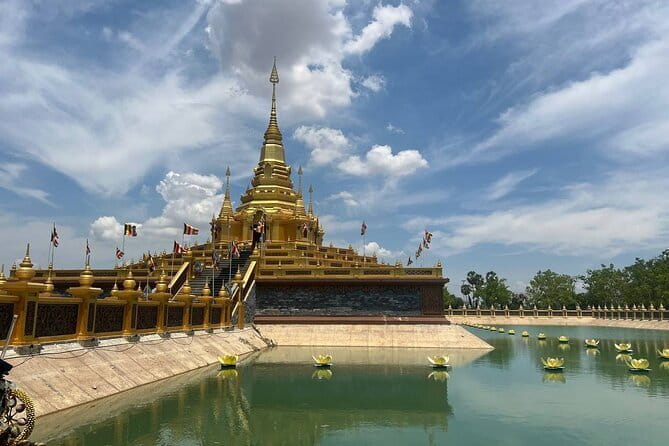
Your final major temple stop is Preah sakyamuni chedi, with about 45 minutes set aside. This one includes sculpture viewing and explanation.
You’ll hear about the Buddha’s birth date as 623 before the Christian era. There are also sculpture areas described for explanations of what Buddha taught, including lessons framed through the idea of Dharma, with different sides used for different points.
This is the most “story-forward” stop in your circuit. It’s longer than most of the stupa visits, and the format helps you understand what you’re seeing rather than just admiring it.
My practical suggestion: if you’re going to ask questions, this is where it’s worth it. A guided sculpture explanation is the fastest way to turn a chedi into a meaningful experience.
The Descent and the Khmer Food Store Stop: Practical and Local
After the chedi, the tour includes a walk down and a visit to a Khmer food store. That segment runs about 30 minutes.
This is a good time to reset after the uphill sections. You get a chance to stretch, cool down a bit, and see everyday local life tied to food. It’s also a smart “soft landing” before you head back to Phnom Penh.
Important detail: the tour doesn’t include food. If you want to snack or buy something, have a plan for that budget. If you prefer not to eat during the tour, you can still treat it as a cultural stop and use it for water refills if needed.
Heat Reality Check: What to Bring and How to Pace Yourself
Let’s talk about the thing most likely to affect your enjoyment: heat.
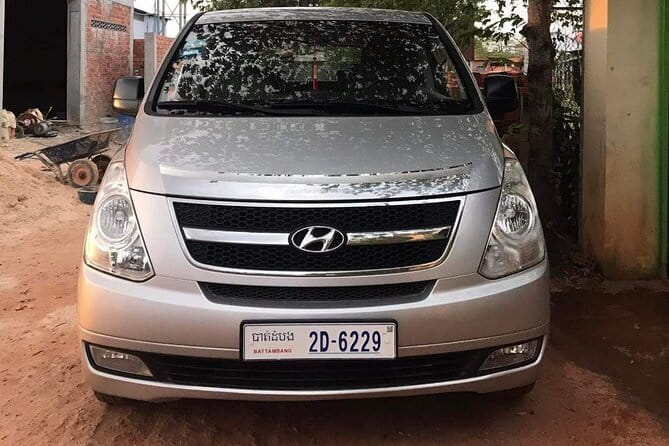
The day can run long enough that you end up feeling soaked by the time you’re near the top or during the longer explanation stops. One practical benefit of this tour is that it’s set up with a van and a guide who can manage the pace.
On very hot days, I’ve seen the driver-guide offer flexibility. In one case, the group made it to the top around 4pm, but it was brutal and a couple people chose to turn back and stay in the AC van. The guide/driver trusted them, handed over the keys, and let them rest while the rest of the group continued.
So here’s what you should do: wear a hat, use sunscreen, bring a light layer you can take off quickly, and wear shoes with grip. If you’re heat-sensitive, tell your driver-guide early. You’ll be happier if you plan to move at your own pace rather than trying to “tough it out” and feeling miserable.
The Guide Dynamic: Why a Private Group Feels Easier Here
This is a private tour for your group only, up to 6 people. That changes the experience a lot at a site like Udong, where the walking and sun exposure can be real.
A private group means you can ask questions without feeling rushed, and your guide can tailor the pace if someone is struggling with the heat. It also makes it easier to keep your attention on the specific monuments rather than juggling a crowd.
If you happen to get Bruce as your driver-guide, that’s a good sign. One exchange highlighted trust and flexibility, including handing over keys so parts of the group could rest in the AC van during the hottest stretch.
Booking Strategy: When to Go and How Far Ahead
Udong is outdoors, so weather matters. This experience notes that it requires good weather. If weather is poor, you should expect the tour to be rescheduled or refunded.
Timing-wise, it’s typically booked about 18 days in advance on average. That doesn’t mean you have to book that far out, but it’s a hint that if you’re traveling in peak season or on a tight schedule, earlier is smarter.
Also, keep in mind the tour duration includes travel time. That means it’s not just 5–6 hours “on site.” You’ll spend some time moving between the city and the hill, then moving within the monument area.
Should You Book the Udong Old Capital Tour?
Book it if you want a structured, understandable introduction to Udong that connects named royal builders and stupa identities to what you see on the hill. It’s especially worth it if you like religious architecture that comes with dates and human stories attached, not just background scenery.
Skip or adjust expectations if you’re very heat-sensitive. This isn’t a slow, shady stroll. You’re dealing with uphill movement, sun exposure, and an itinerary that keeps you going between multiple monuments.
If you do book, go prepared for sun and plan for the no-food reality. Bring a small snack for after, wear grippy shoes, and give yourself permission to slow down. With that mindset, you’ll leave Udong feeling like you actually understood the place, not just photographed it.
FAQ
How long is the Udong Old Capital Tour?
It runs about 5 to 6 hours total, and that includes travel time.
How much does the tour cost?
The price is $130 per group (up to 6 people).
Is there pickup?
Yes, pickup is offered.
Is this a private tour?
Yes. Only your group participates.
What’s included in the tour price?
A guide, cool water, soda, and admission are included.
Is food included?
No, food is not included.
Do I need to bring tickets?
You’ll get a mobile ticket.
How long do you spend at the main stops?
Visits range from about 15 minutes at the stupa sites to about 30–45 minutes for the mountain/monastery/chedi segments.
What happens if the weather is bad?
The experience requires good weather. If it’s canceled due to poor weather, you’ll be offered a different date or a full refund.
Can I cancel and get a full refund?
Yes. Free cancellation is available up to 24 hours in advance for a full refund.