REVIEW · SIEM REAP
Siem Reap: Full Day Angkor Wat Temple Tour with Sunset
Book on GetYourGuide →Operated by Angkor Dynasty Travel · Bookable on GetYourGuide
Phnom Bakheng sunset is the payoff. This full-day Angkor Wat circuit goes from major gates and galleries to a jungle-choked temple, then finishes with the climb up to the highest temple spot for sunset views. It is a classic day in Siem Reap, but the pacing and local guide make it feel more like understanding the place than just snapping photos.
What I like most is the way the guide turns stones into stories. With Sela as the guide (noted for strong history explanations and even helpful photo tips), you get meaning behind the carvings, not just dates and names. I also love the practical comfort: an air-conditioned vehicle, chilled water, and cold towels after temple stops keep the heat from taking over your day.
One thing to plan for: you need an Angkor pass (1 or 3 days). The tour price does not include it, so your total cost is higher than you might expect at first glance. Also, it is a long, active day with walking and a temple-mountain climb near the end.
In This Review
- Key highlights at a glance
- The 9-hour rhythm: from south gate to Phnom Bakheng sunset
- Pickup, passes, and what’s actually included in the price
- Angkor Wat: south gate views, galleries, and why a guide matters
- Angkor Thom and Bayon Temple: smiling faces and major terraces
- Ta Prohm’s jungle walk: ruins, roots, and an atmospheric change of pace
- Phnom Bakheng at sunset: the climb and the reason people talk about it
- Value check: $20 plus the pass, and when this tour is a smart buy
- Should you book this Angkor Wat + Phnom Bakheng sunset tour?
- FAQ
- How long is the Angkor Wat full day tour with sunset?
- What temples and sights are included in the tour?
- Do I need an Angkor pass?
- What’s included in the price?
- Is this a small group tour?
- What time is pickup in Siem Reap?
Key highlights at a glance
- Small-group pacing (limited to 10 participants) so you spend less time waiting and more time looking closely
- Local guide with real explanations, including Cambodia context beyond just temple facts
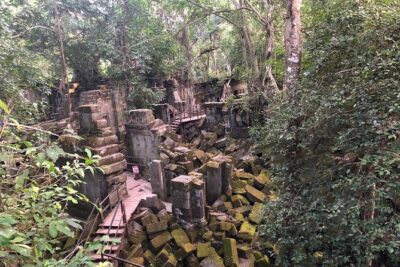
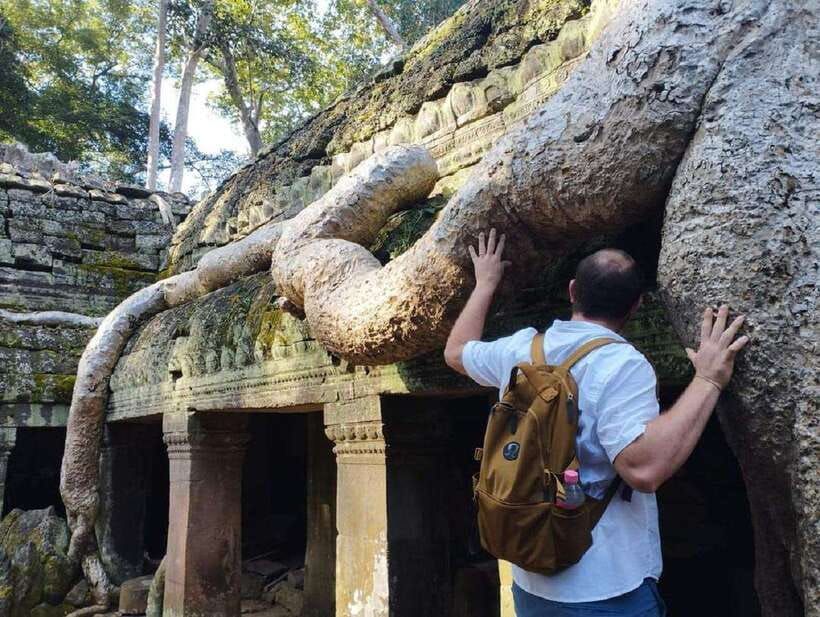
- Ta Prohm’s jungle approach, with trees growing among the ruins along the walk
- Angkor Thom and Bayon Temple, including the central smiling faces and major terraces
- Phnom Bakheng sunset viewpoint, with the climb to the temple mountain after a full day of temples
- Comfort details that matter, like chilled bottled water and towels during the day
The 9-hour rhythm: from south gate to Phnom Bakheng sunset
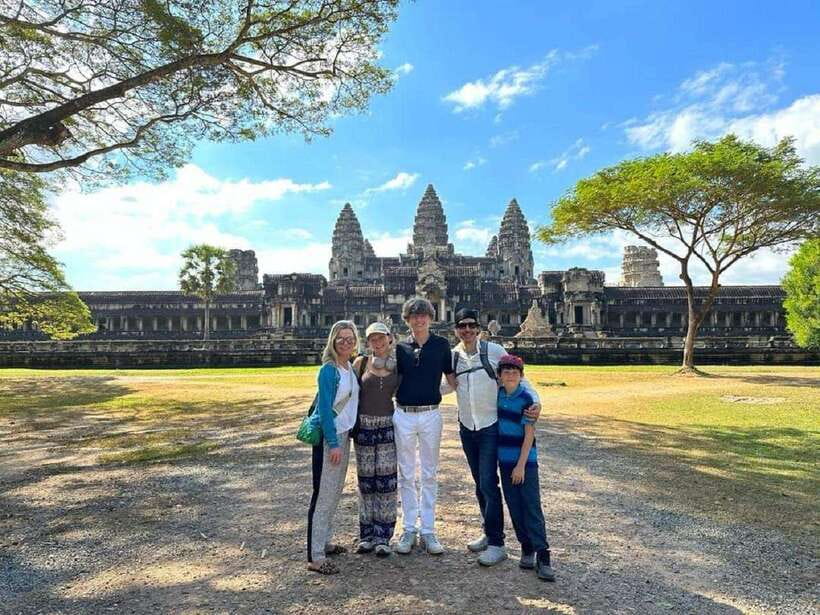
This is a full-day “big highlights” tour, built around one smart idea: you hit the key temples while the light is better, then save the most dramatic moment—sunset—for the end. The day starts with a hotel pickup at 9am, and you ride out in an air-conditioned minivan. That early start matters in Siem Reap, because you want temple time before you’re fully cooked by the midday heat.
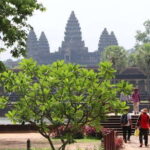
Your first major focus is the Angkor Wat area, starting at the entrance by the south gate. From there, the route moves through the core Angkor sites people come for: Angkor Wat, then Angkor Thom, then Bayon Temple, and Ta Prohm. After you’ve worked through those, you close with the climb up to Phnom Bakheng for sunset.
The order also helps your brain. You see Angkor’s grand temple architecture in the morning, shift to the story-heavy city center (Angkor Thom and Bayon), then finish in a more atmospheric setting (Ta Prohm’s jungle feel). Finally, the temple mountain gives you a big “zoomed-out” moment where the whole area starts to make sense.
You can also read our reviews of more evening experiences in Siem Reap

Pickup, passes, and what’s actually included in the price
The tour cost is $20 per person, and that covers more than just a driver taking you around. You get transportation in an air-conditioned vehicle, hotel pickup and drop-off, a tour guide and driver, plus chilled bottled water and towels. For a day that involves lots of walking in heat, those comfort touches are not fluff—they are part of the value.
Here’s the cost reality check: you still need an Angkor pass. The pass is not included, and it is either 1-day or 3-day (you can purchase it online or have your guide take you to the ticket office before the tour begins). The tour also notes soft drinks are not included. So if you’re counting every dollar, you should budget for the pass and plan to grab drinks/snacks separately if you need more than water.
Logistics-wise, you should be ready about 30 minutes before pickup. That timing helps the group start smoothly. And because this is a small group (limited to 10 participants), you’re less likely to feel like cattle being herded through lines.
If you want to match the tour to your style: this is best if you like structured sightseeing with a guide. If you prefer totally free-roaming and deciding stops on the spot, you might find a guided day feels a bit tight.
Angkor Wat: south gate views, galleries, and why a guide matters
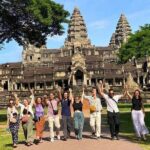
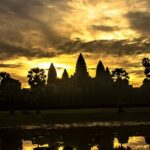
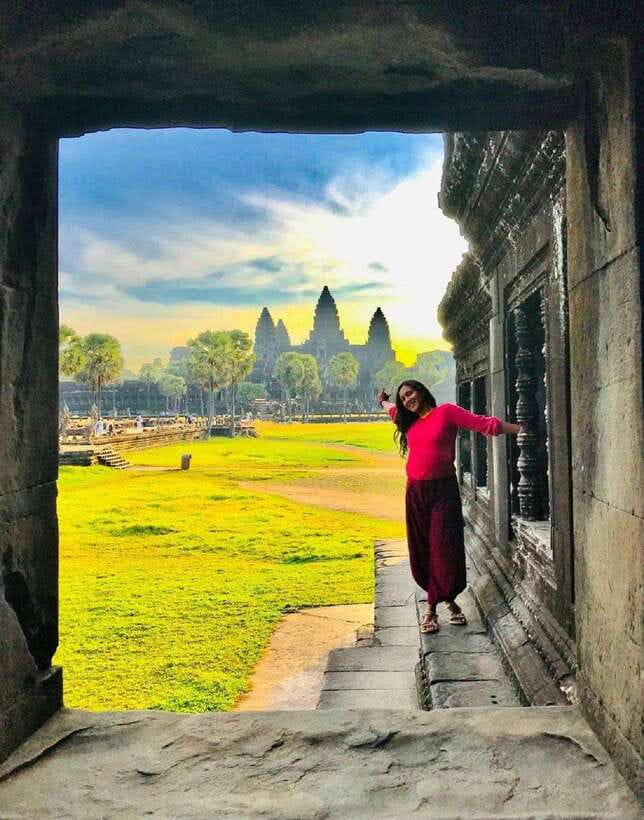
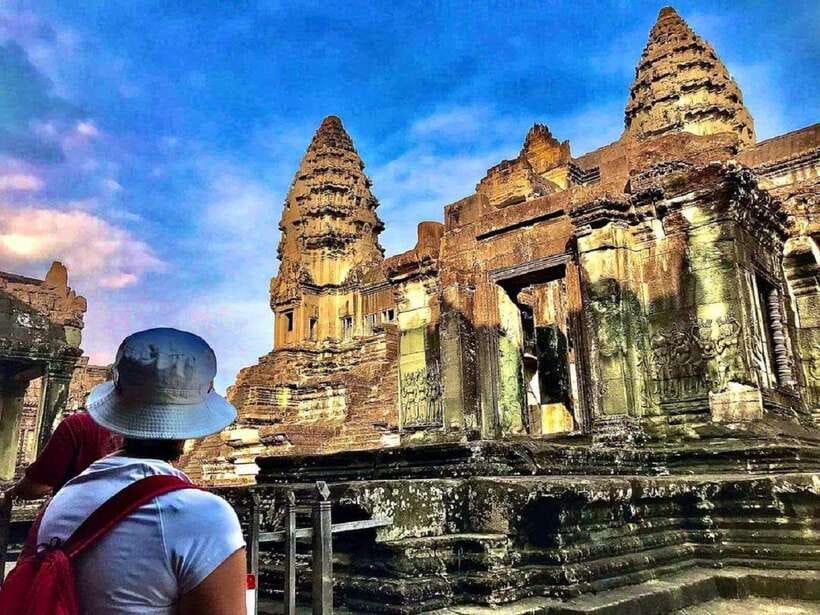
Angkor Wat is the big draw, and this tour starts you in the right place—with time to admire the southern gates and the ancient and mysterious complex before your brain gets overloaded. The site is described as the largest religious structure in the world, and that scale can be hard to appreciate if you’re only looking outward.
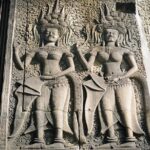
A guide changes the experience here. Instead of treating the carvings like random decoration, you’ll learn how to read the place: the symbolism, the art, and how the Khmer empire expressed power and belief through architecture. The tour’s focus is not only on what you see, but on what it means, which is the difference between a checklist day and a “now I understand this” day.
Practically, Angkor Wat also sets the walking tone for the rest of the day. You’ll spend time walking around and inside temples, and you’ll want to pace yourself. If you’re sensitive to heat or stairs, bring a plan: take short breaks, drink water when offered, and avoid rushing just to keep up.
Angkor Thom and Bayon Temple: smiling faces and major terraces
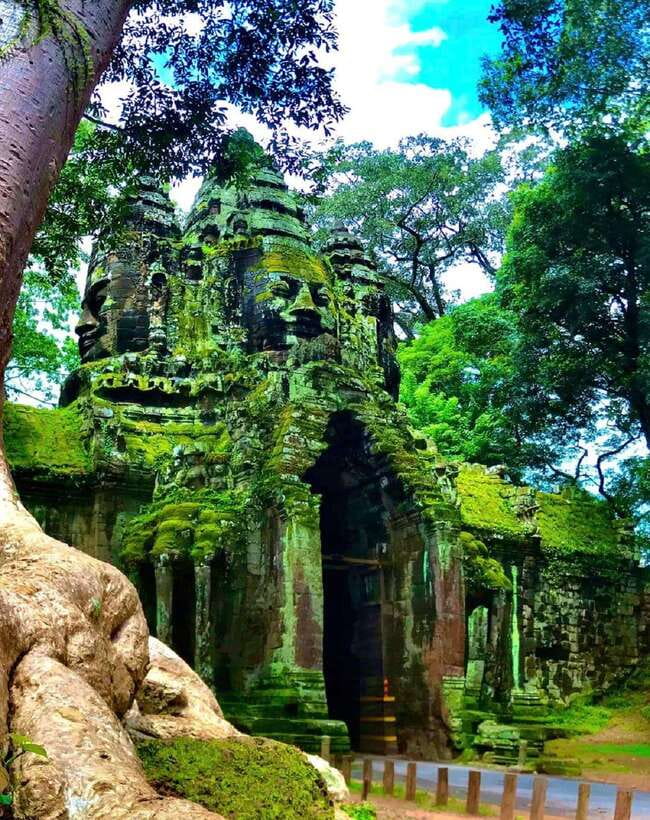
After Angkor Wat, the tour steps into Angkor Thom, the walled city center, where the stone welcomes you before you even reach the main sights. One of the standout visuals is the stone figures that greet you at the southern gates of Angkor Thom. It’s one of those moments where you immediately feel you’re in a different zone from the quieter temple outskirts.
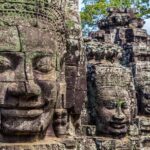
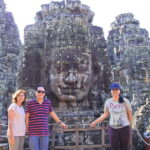
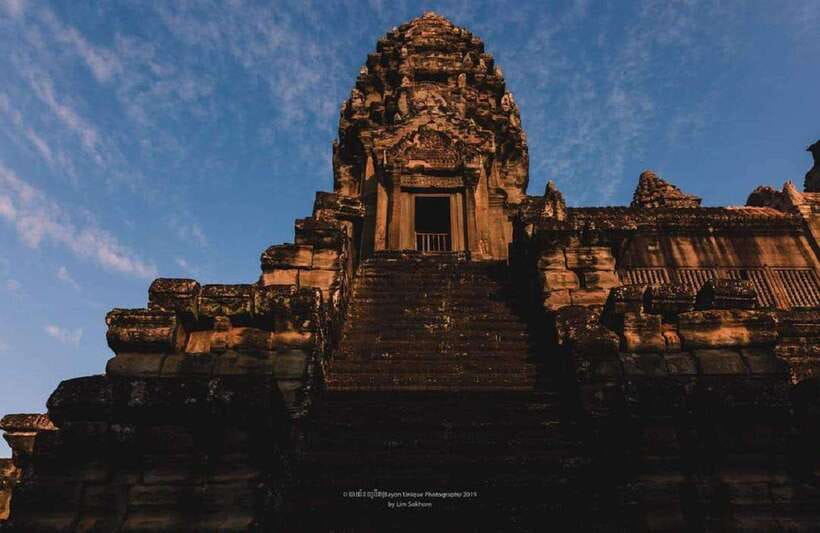
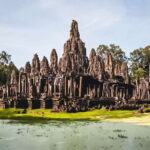
From there, you head to Bayon Temple, and the centerpiece is those famous smiling faces. The key is that a good guide helps you notice more than the head-on view. You’ll learn how the faces relate to the temple’s role and the way Khmer artists used expression and scale to create presence. This is where the tour’s local storytelling really pays off.
You also visit major terraces, including the Terrace of the Leper King and the Terrace of the Elephants. These stops matter because they connect Bayon’s religious focus with the broader ceremonial life of the city. The terraces are visual and architectural, but they also give you a sense of Khmer design thinking—how they used space for movement, performance, and meaning.
The main drawback here is the density of details. Temples like Bayon can feel visually busy. If you try to absorb everything at once, you’ll miss what makes each angle special. Use the guide’s prompts. Even a simple instruction like which carvings to focus on can turn a confusing wall of stone into a clear story.
Ta Prohm’s jungle walk: ruins, roots, and an atmospheric change of pace
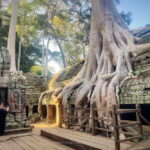
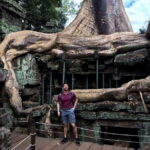
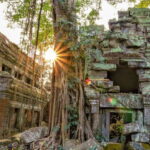
Then you get a break from the “stone city” feeling and step into something more cinematic: Ta Prohm. The tour specifically highlights the lush jungle path that leads you to the ruins, and you’ll feel that shift as soon as the trees start crowding the scene.
Ta Prohm is famous for the way vegetation interacts with the architecture, and the appeal is not just the photos. It’s the mood. The setting makes the ruins feel lived-in by time, which is why this stop often becomes people’s favorite part even if they weren’t expecting it.
This is also a smart scheduling move. After Angkor Thom and Bayon, your feet are likely a bit sore and your brain is temple-fatigued in the normal way. Ta Prohm’s environment gives you variety without changing the theme. You still walk among temples and galleries, but the surroundings make it feel like a different chapter of Angkor.
A practical note: even with a guide, you’ll still be walking a lot, and Ta Prohm’s area can be uneven. Comfortable shoes help more than you think, especially with a later climb still on the schedule.
You can also read our reviews of more tours and experiences in Siem Reap
Phnom Bakheng at sunset: the climb and the reason people talk about it
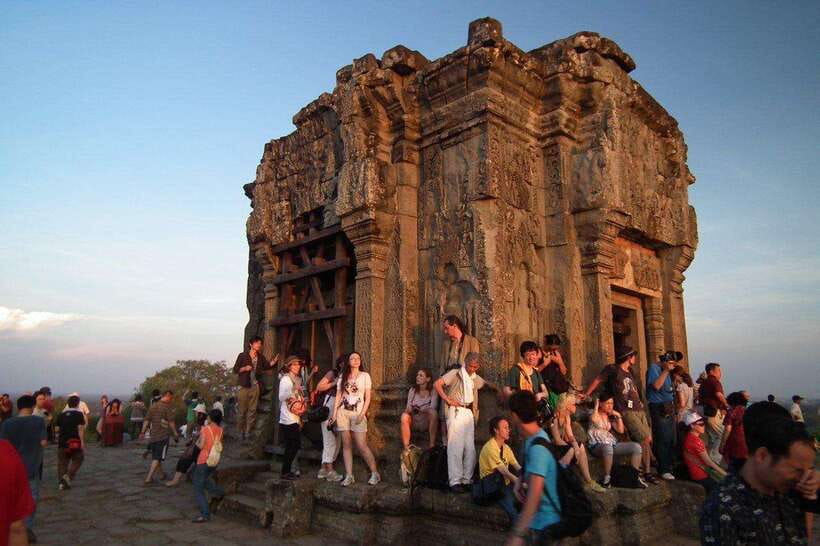
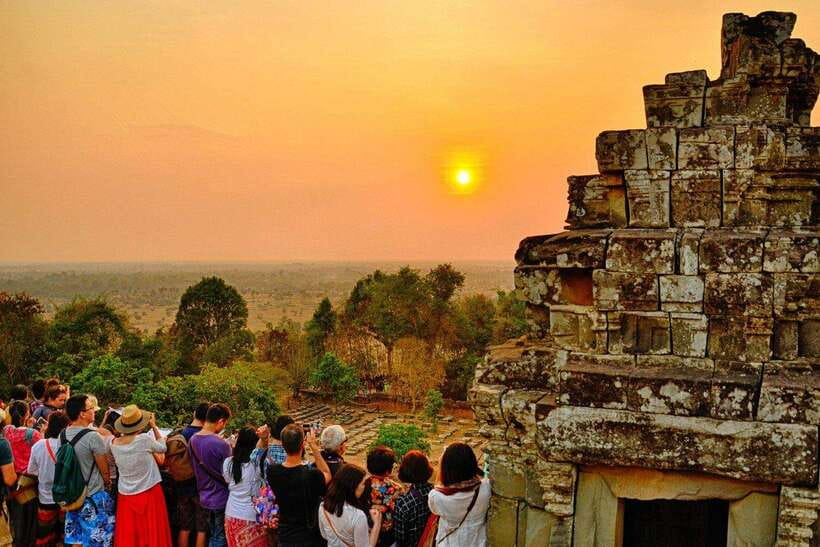
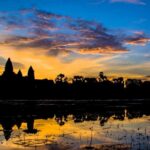
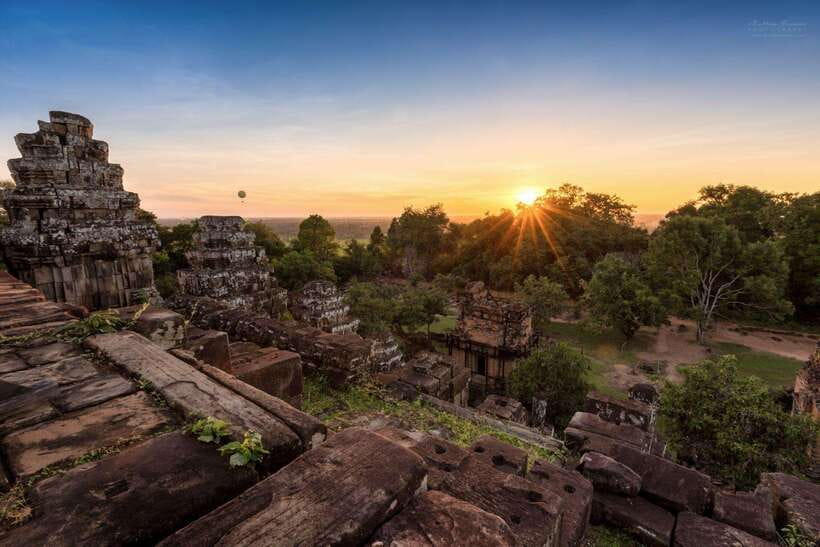
By the time you reach the end of the day, your legs are probably negotiating with you. But this final stop is the reason the tour is built the way it is. You climb the steps to Phnom Bakheng, described as the state temple of the first Khmer capital in the region, to watch the sunset from the temple mountain.
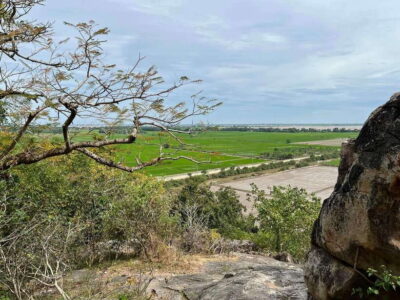
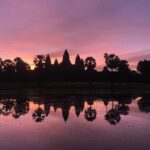
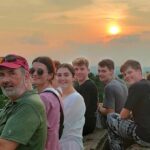
Why it works: after seeing temples up close all day, the climb gives you a different perspective. At the top, the ruins and surrounding area start to feel connected in a larger view. Sunset adds the drama—warmer light changes stone color, shadows deepen textures, and the whole scene turns from sightseeing into a moment you actually remember.
Keep your expectations realistic. Sunset means crowds and timing matter, but the bigger truth is simpler: you’re trading comfort for view. You’re going up steps, and you’ll want to bring water instincts from earlier—slow down, take breaks if offered, and stay aware of your footing.
If you’re the type who wants the perfect photo, this is where your guide’s timing and pointers become helpful. If you’re more laid-back, just focus on the light and the view first, then worry about pictures after.
Value check: $20 plus the pass, and when this tour is a smart buy
Let’s break down the money the way you should when comparing Angkor tours.
You pay $20 per person for the guided day and the transportation package: air-conditioned vehicle, hotel pickup/drop-off, Cambodian guide, and water/towels. That’s already meaningful in Cambodia’s heat because you’re not paying extra to keep your comfort level up.
Then add the Angkor pass (the big separate cost). The pass is not included and can be $37 per person in the information provided. When you add that, your day isn’t cheap anymore—but you’re paying for access to Angkor’s core temple sites plus a guide who can explain what you’re seeing.
So is it good value? I think it is if you want more than a self-guided circuit. The reviews you’d likely hear about this style of tour consistently point to the guide quality—Sela, in particular, being praised for his knowledge of Angkor history, strong English conversation, and even photography help. That kind of guided clarity can turn a long day into a satisfying one.
Where it might be less ideal: if you’re confident self-guiding, have your own plan for guides, or you hate any structured schedule. Also, if you prefer cold drinks included without thinking, note that soft drinks aren’t included—you may need to budget for extras.
Who it suits best:
- First-time Siem Reap visitors who want the headline temples
- People who like small groups (you’ll keep a better pace)
- Anyone who values a guide to interpret architecture, art, and meaning
- Sunset lovers who don’t want to figure out timing and routes alone
Should you book this Angkor Wat + Phnom Bakheng sunset tour?
If your goal is a single full day that hits the biggest Angkor names—Angkor Wat, Angkor Thom, Bayon, Ta Prohm, and Phnom Bakheng sunset—this tour is an easy yes. The small-group size, guide interpretation, and comfort details (AC, chilled water, towels) make the day feel manageable instead of miserable.
I’d only hold off if you: (1) don’t want to pay separately for the Angkor pass, (2) struggle with long walking plus a temple-mountain climb, or (3) prefer total independence over guidance. If none of those are dealbreakers, booking this is a solid way to get the most meaningful version of an Angkor day without turning it into stress math.
FAQ
How long is the Angkor Wat full day tour with sunset?
The tour runs for about 9 hours.
What temples and sights are included in the tour?
You’ll visit Angkor Wat, Angkor Thom, Bayon Temple, Ta Prohm, and you’ll climb Phnom Bakheng for sunset.
Do I need an Angkor pass?
Yes. An Angkor pass is required and is not included in the tour price. The pass can be purchased online or arranged through the guide at the ticket office before the tour begins.
What’s included in the price?
Included are air-conditioned transportation, hotel pickup and drop-off, a tour guide and driver, plus a chilled bottle of water and towels.
Is this a small group tour?
Yes. The group is limited to a small number of participants (limited to 10 participants).
What time is pickup in Siem Reap?
Pickup is at 9am, and you should be ready about 30 minutes before pickup from your hotel.