REVIEW · SIEM REAP
Back to Basics: Siem Reap Village Tour in Cambodia
Book on GetYourGuide →Operated by Tara Riverboat · Bookable on GetYourGuide
A village tour beats another temple stop when you want daily Cambodian life. This one is built around village skills you can actually see and talk about, with permission-based access through a local guide and a host family lunch. I really liked the hands-on crafts (basket weaving is a real skill here), and I also liked how the day is guided by people from the area, like English-speaking guide Hong on at least some departures. One catch to plan for: you might expect an air-conditioned car, but a tuk tuk can show up depending on the day and local logistics.
You’ll start from your guest house around 9:00 AM, ride out about 40 km from Siem Reap, then spend a short, focused stretch of time with families doing work by hand. The tour also adds community support (school supplies and a gift for the host family), so it feels less like photo-shopping and more like a visit with a purpose. Still, if you want constant movement and lots of different village viewpoints, keep your expectations flexible, because the pacing includes time at lunch and sometimes additional waiting.
In This Review
- The short version of the Siem Reap village experience
- Key highlights I’d prioritize before you book
- Where this tour runs: the villages around Siem Reap Province
- “Back to Basics” and why the access style matters
- The day’s structure: transportation, timing, and how the pace feels
- Inside the village: basket weaving, well digging, and rice wine
- Basket weaving: more than a souvenir moment
- Well digging and clean water: practical life, not slogans
- Rice wine making: a taste of tradition
- Lunch with your host family: the part that often decides if you love it
- Community impact extras: school supplies, host gifts, and real-world support
- Transport reality check: air-conditioned car or tuk tuk
- Price and value: is $65 a fair deal for this kind of day?
- What could disappoint you, and how to avoid it
- Who this Siem Reap village tour suits best
- Should you book Back to Basics: Siem Reap Village Tour?
- FAQ
- How long is the Siem Reap Village Tour?
- Where does the tour take place?
- How much does the tour cost?
- What time does the tour start?
- Is pickup and return to the hotel included?
- What’s included in the price?
- Is a boat ride always part of the tour?
- What activities will I see in the village?
- Is the tour wheelchair accessible?
- How much do children pay?
The short version of the Siem Reap village experience
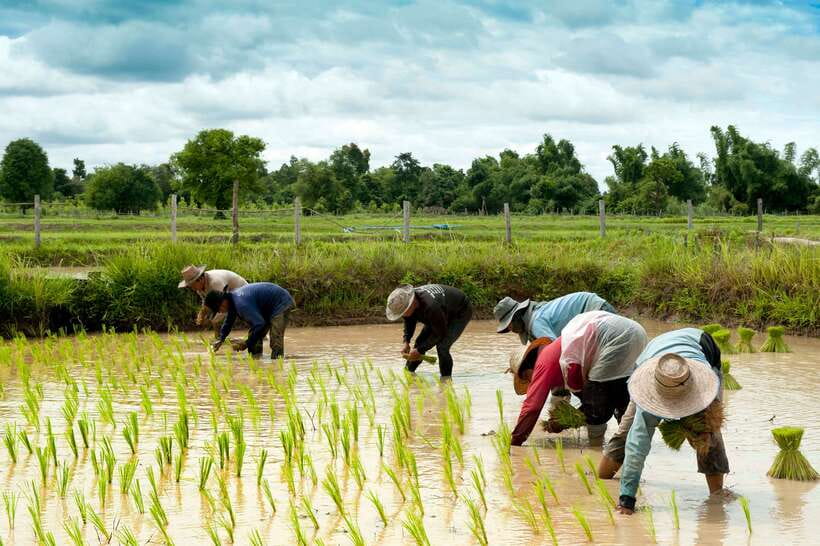
This is a 4-hour Siem Reap village tour that focuses on ordinary life in the countryside near town. The promise isn’t “big sightseeing.” It’s conversation, demonstrations, and small moments: the way families share space, the practical work behind water and farming, and the patience it takes to make things by hand.
You’ll be picked up from your hotel or guest house and brought to the village by air-conditioned car or minivan, with a seasonal chance of a boat ride. Once there, you meet locals who still weave baskets, dig wells, and make rice wine. Lunch is included and eaten with a host family or community member, which is often where the day feels most human.
Cost-wise, it’s $65 per person, and the value comes from what’s included: transport, an English-speaking guide, lunch and drinks, school supplies, and a gift for the family you visit.
Key highlights I’d prioritize before you book
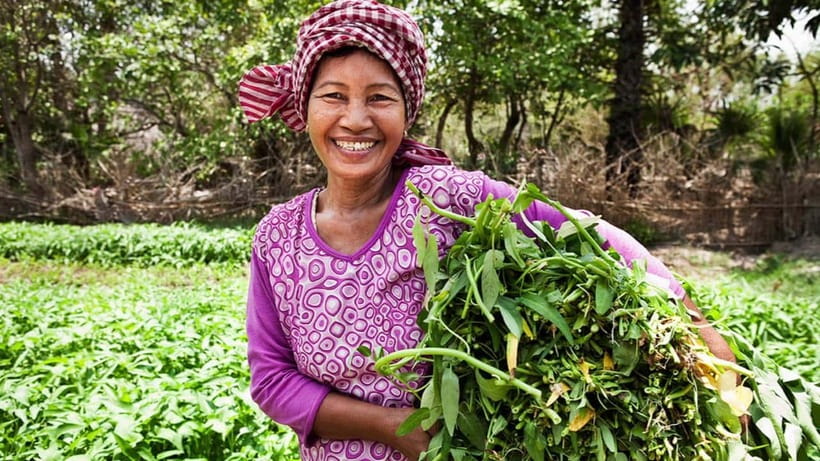
- Local guide access: The guide works with the village chief so your visit is permitted and less disruptive.
- Hands-on basket weaving: You don’t just watch from the roadside; you learn the process.
- Water stories and well digging: You may meet people connected to clean water projects.
- Lunch with a host family: A sit-down meal where conversation is part of the program.
- School supplies included: Your visit ties into something practical for local children.
- Seasonal boat ride option: You might add time on the water depending on conditions.
You can also read our reviews of more tours and experiences in Siem Reap.

Where this tour runs: the villages around Siem Reap Province
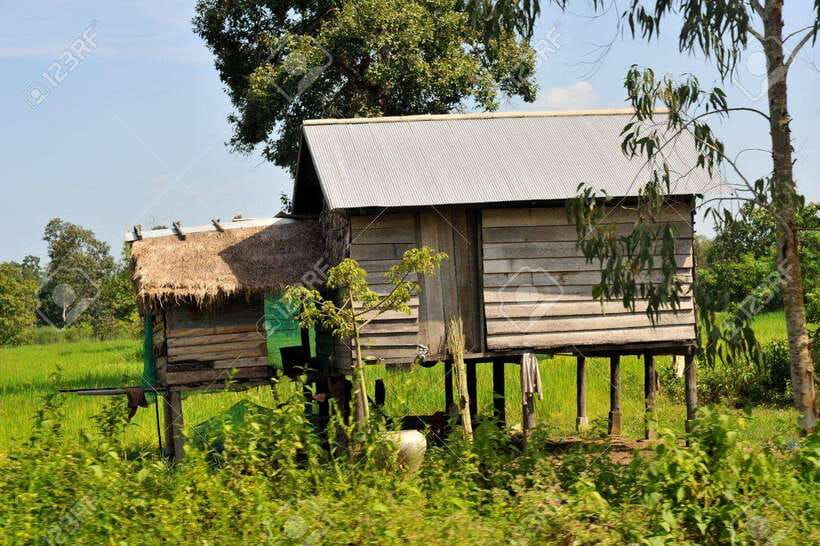
The tour takes place in Siem Reap Province, about 25 miles (40 km) from Siem Reap. That distance matters because it puts you beyond the quick day-trip radius where you mostly see craft shops or pre-packaged stops. You’re getting into a working community, which usually means the day feels more like a real schedule than a staged show.
The start time is 9:00 AM, and pickup is from your accommodation with return to the same place after the tour. That makes it easy to fit between temple time, markets, and a later evening out.
One more practical note: you’re in a rural environment with village routines. You’ll want shoes that handle uneven ground, and you’ll want to be ready for a slower “human pace” at lunch and demonstrations, not the rapid-fire route style of many day tours.
“Back to Basics” and why the access style matters
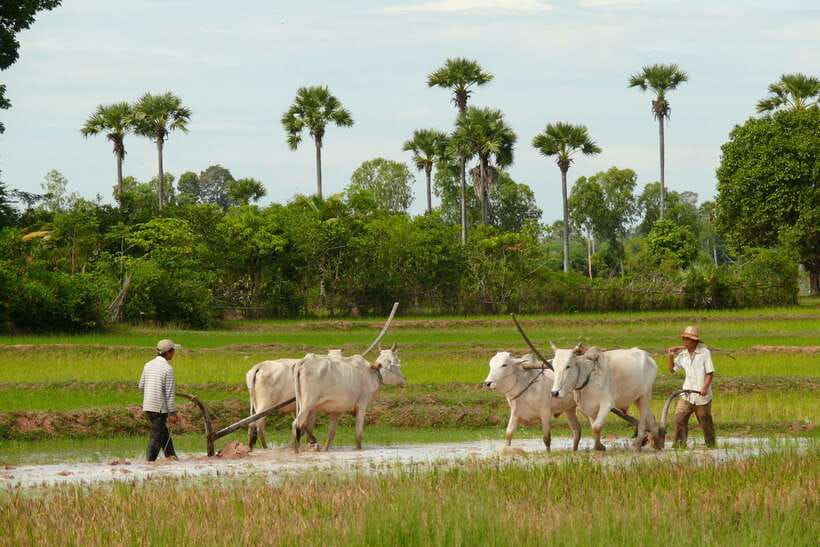
This tour leans hard on a concept that’s worth your attention: permission and good will. The guide is from the area and coordinates with the village chief, which helps explain why you’re not treated like a walking bus full of strangers. It also helps explain why you can ask questions, take photos when allowed, and see homes and workshops in a way that feels respectful rather than extractive.
You’ll often see people talk about “cultural tourism,” but what you really need is a small reality check: Are you disturbing daily life, or are you being folded into it for a short time? This experience is designed to be the second option. That doesn’t mean it’s sterile or museum-like. It means the village is treated like a place where people live, not a set you rent for a morning.
On at least some departures, the English-speaking guide is Hong, and multiple details point to a calm, patient teaching style—good for a short 4-hour visit where you want answers, not just a fast route.
The day’s structure: transportation, timing, and how the pace feels
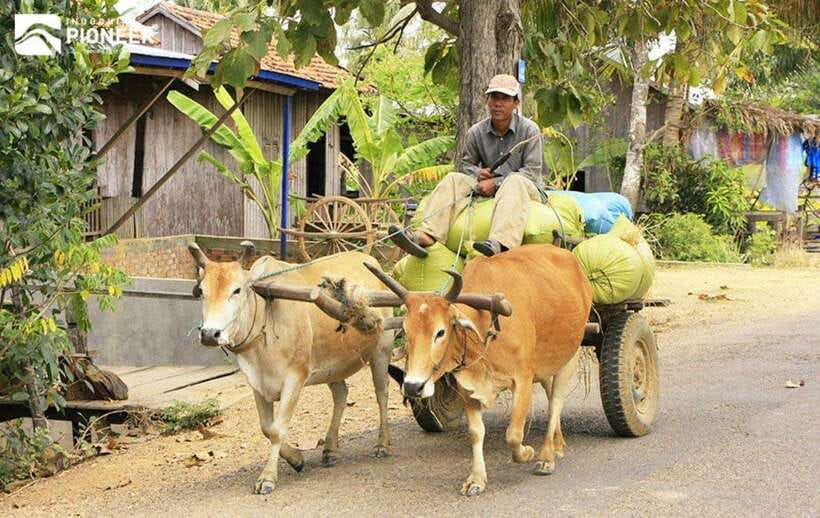
The day begins at 9:00 AM with pickup, then you travel to the village by an air-conditioned car or minivan. Some departures use a tuk tuk instead, so if you’re the kind of person who hates surprises, mentally allow for it. The good news is that even when the transport isn’t air-conditioned, the driver and guide on the positive experiences were praised for being helpful and clear.
Once you arrive, the schedule shifts into “see and talk” mode. You’ll meet families involved in daily work, and you’ll get hands-on learning tied to real tasks like weaving and water-related activities. There may also be a stop where you meet a local teacher, builder, or someone working toward clean water for the community.
Then comes lunch, where the day can slow down a bit. Expect time to eat, chat, and be part of the meal rather than rushing through it. If you’re hoping for a nonstop parade of stops, this is the one place where the experience may not match your preferred rhythm.
Inside the village: basket weaving, well digging, and rice wine
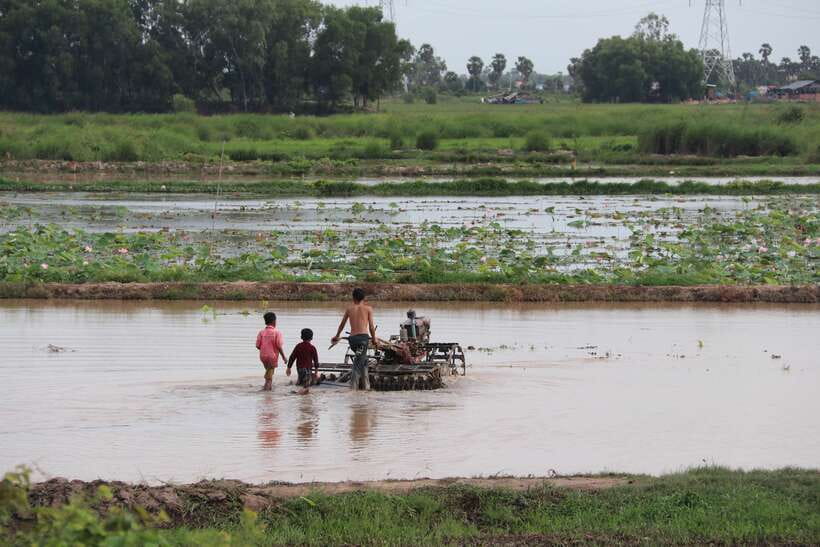
This is the core of the tour: practical skills and daily work done by hand. The goal is simple—show you how people live and work, and explain why it matters.


Basket weaving: more than a souvenir moment
Basket weaving is one of the main highlights, and it’s also one of the easiest places to spot whether a tour is authentic. Real weaving isn’t instant. It’s technique, timing, and repetition. When the guide coordinates this stop well, you get to see the materials, the method, and the everyday logic behind what’s being made.
In particular, this tour is framed so you meet the person doing the work, not just pass a craft table. That’s where you learn something you can’t get from a shop back in town.
Well digging and clean water: practical life, not slogans
Another highlight is well digging and the broader theme of clean water. You might meet someone connected to efforts bringing clean water to the community, which helps you connect the dots between “what you saw” and “why it matters.” Clean water projects aren’t a vague charity talking point here; they’re tied to daily survival and health.
If you care about how infrastructure affects daily life, this part is one of the most useful. It turns “rural” from a visual label into an understanding of real needs.
Rice wine making: a taste of tradition
Rice wine making is included as a traditional craft you may learn about during the visit. Since the tour is only 4 hours, you’re not likely to get a full production lesson from start to finish every day. But the intent is to show the process and explain it from the perspective of people who’ve lived with it for generations.
If you’re sensitive to strong smells or alcohol-related contexts, you can still enjoy the cultural explanation and craft watching. Rice wine making is presented as a village practice, not a party trick.
Lunch with your host family: the part that often decides if you love it
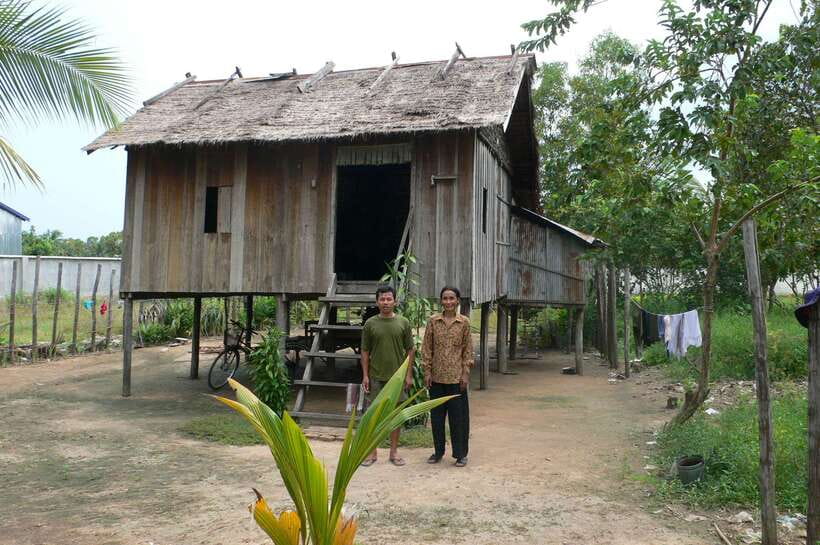
Lunch is included, and it’s eaten with a local community member in the community. That’s the difference between a tour that feels like sightseeing and one that feels like a visit.
You might also eat near water, and on some days you can relax with hammocks and scenery while the meal happens. That doesn’t mean the day becomes a vacation lounge. It usually means you get a break in a rural setting where food is part of the rhythm of the village, not an intermission between checkpoints.
The best part of lunch here is the conversation. The tour is described as including detailed conversations during the day, with lunch being a prime time to ask questions. If you want meaningful answers, come with at least a couple of simple prompts:
- What does a typical day look like?
- How do children learn skills in the village?
- What changed most over the last few years?
You’ll often get better replies when you lead with curiosity rather than filming everything.
Community impact extras: school supplies, host gifts, and real-world support

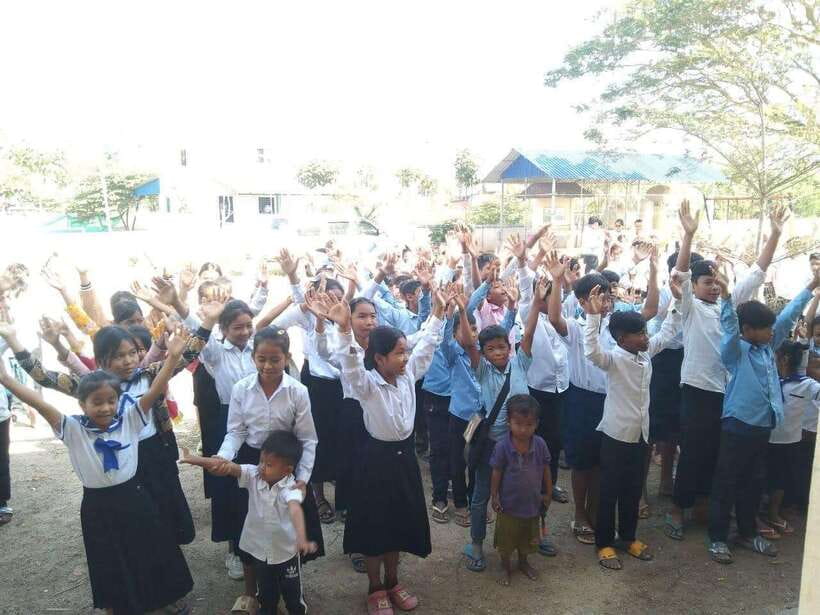
This tour includes school supplies for local school children and a gift to the host family. That matters because it frames the day as a two-way interaction. You’re not just consuming the experience; you’re contributing to something concrete.
If you want to add a little extra, one practical suggestion that comes up is bringing additional simple stationery like pencils or basic supplies. If the guide says it’s appropriate, it can make the donation moment feel even more personal.
It’s also worth noting that the guide’s role isn’t just translation. They’re there to make sure the experience is presented carefully so your presence doesn’t disrupt daily life. When that’s done well, the impact pieces feel natural rather than awkward.
Transport reality check: air-conditioned car or tuk tuk
The tour states transport by air-conditioned car or minivan, and pickup and return are included. Still, one important real-world consideration is that the transport may not always be what you expect. On one highly rated experience, the tour promised air conditioning but ended up using a tuk tuk, and the traveler still rated it highly because the driver and guide were excellent.
So here’s my practical advice: don’t tie your enjoyment to the vehicle type. Tie it to the human parts—guide clarity, time in the village, and respectful access.
Also, keep water and sun in mind. Even with a cool vehicle for part of the route, you’ll spend time outdoors around the village during walking and demonstrations.
Price and value: is $65 a fair deal for this kind of day?
At $65 per person for 4 hours, you’re paying for more than transport. Your money covers:
- English-speaking guidance
- Pickup and return service
- Air-conditioned transport (or sometimes an alternative vehicle)
- Lunch and drinks
- A community-facing component (school supplies and a gift)
- Potential boat ride depending on season and availability
If you compare that to doing lunch plus a private guide plus separate entry fees for multiple activities, the price starts to look reasonable. The value isn’t in “tons of stops.” It’s in the structure: a short day, curated village access, and included community support.
Where value can drop is when your expectations are for a longer, more varied sightseeing loop. If you specifically want lots of different village viewpoints and many short photo locations, you may feel disappointed if the schedule focuses on a smaller number of meaningful interactions. In other words: match the tour style to your travel personality.
What could disappoint you, and how to avoid it
No tour is perfect, and with a short 4-hour window, details like timing and stop density can swing your experience.
The main risk is mismatched expectations. If you want constant movement, you may feel restless during the lunch break or any slower parts of the day. If you want to see every kind of village life scene (fields, multiple workshops, lots of walking), you might end up wanting more time than the tour has.
To reduce the chance of disappointment:
- Ask your guide, before you head out, what the day’s main village stops will be.
- Decide in advance what you want most: crafts, water topics, or school/community conversation.
- Don’t show up treating it like a photo scavenger hunt. This tour works best when you slow down and talk.
Who this Siem Reap village tour suits best
This tour is a strong match if you like:
- Small-group or guide-led learning
- Hands-on crafts like basket weaving
- Conversation-based cultural experiences
- A short outing that doesn’t eat your whole day
It may be less ideal if you:
- Hate waiting or long sit-down meals
- Need a high number of photo stops to feel satisfied
- Want a classic “scenic countryside” day more than a skills-and-people day
Wheelchair access is listed as available, which is helpful if you need a more supportive setup. Still, rural paths can vary, so ask your provider what the ground conditions are like for your comfort level.
Should you book Back to Basics: Siem Reap Village Tour?
If you want to see village life with respectful access and real conversation, I’d say yes. The best version of this tour is when the guide is truly local, the community interaction feels permission-based, and lunch turns into a meaningful pause instead of a rushed checkpoint. The inclusion of school supplies and a host-family gift is also a big plus for value and intention.
Book it if your goal is quality of contact, not quantity of stops. If your goal is nonstop touring and constant movement, consider whether a village day with hands-on crafts and lunch is your style, or look for an option built around more varied outdoor sightseeing.
If you do book, plan for the day to be more “people and process” than “everywhere and everything,” and you’ll likely come away with more than photos.
FAQ
How long is the Siem Reap Village Tour?
It lasts 4 hours.
Where does the tour take place?
It’s in Siem Reap Province, Cambodia.
How much does the tour cost?
The price is $65 per person.
What time does the tour start?
Pickup starts around 9:00 AM from your guest house.
Is pickup and return to the hotel included?
Yes. Pickup and return to your hotel or guest house are included.
What’s included in the price?
The tour includes an English-speaking Tara guide, air-conditioned transport, lunch and drinks, school supplies, and a gift to the host family. A boat ride may also be included depending on season and availability.
Is a boat ride always part of the tour?
No. It depends on the season and availability.
What activities will I see in the village?
The highlights include traditional basket weaving, well digging, and rice wine making, plus time spent with villagers and a lunch with a community member.
Is the tour wheelchair accessible?
Yes, wheelchair accessibility is listed.
How much do children pay?
Children 10 or under can join half price, and children 5 or under are free.