REVIEW · SIEM REAP
Siem Reap: Angkor Wat 2-Day Tour with Sunrise and Sunset
Book on GetYourGuide →Operated by Siem Reap Experiences · Bookable on GetYourGuide
Angkor is at its best before the crowds wake up. This 2-day Angkor Wat tour uses a sunrise start on Day 1 and a sunset finish on Day 2, so you see the big temples in calmer light. I also love that it mixes famous stops with the “why does this look like that” parts of Khmer art and architecture, not just check-the-box sightseeing. The only real drawback is the schedule: both days are long and hot, so you’ll want to pack for heat and be ready for stairs and uneven stone.
What really makes this worth your time is the way the days are paced. I like the focus on the major anchors—Angkor Wat at sunrise, then Ta Prohm and Angkor Thom’s Bayon—before moving into a second loop of major temples on Day 2. You’ll also feel the value in the comfort basics: hotel pickup, an air-conditioned minibus, and chilled water plus wipe towels at stops.
One consideration: the temple pass is not included, and you’ll need to buy it yourself (or in advance through the official site), plus meals aren’t part of the price—so plan for your own food breaks during the day.
In This Review
- Key Things You’ll Notice on This Angkor Tour
- Why This Two Days Feels Like Smart Value at $34
- Day 1 (4:30am–1:00pm): Angkor Wat Sunrise, Ta Prohm, Bayon Faces, and the South Gate Naga Bridge
- Angkor Wat at sunrise: the main moment, handled well
- Ta Prohm: the jungle temple people remember from movie fame
- Angkor Thom and Bayon: smiling faces and deeper religious context
- Ta Keo: climb a 10th-century mountain temple
- South Gate: statues of gods and demons, and the seven-headed naga
- Day 2 (10:30am–7:00pm): Preah Khan, Neak Pean, Ta Som, East Mebon, Pre Rup, Phnom Bakheang, and Sunset
- Preah Khan: built by a king for his father
- Neak Pean: an island temple tied to health and bathing
- Ta Som: dancers in stone and a huge tree over the east gate
- East Mebon: ancestors, reservoirs, and a 10th-century setting
- Pre Rup: built by the king for himself, and the meditation link
- Phnom Bakheang: hilltop towers and a heaven-to-earth idea
- Sunset: where the day closes strong
- The Best Part: Guides Who Turn Stone Into a Story
- Heat, Crowds, and Your 3-Day Temple-Pass Plan
- Transport and Pacing: When the Logistics Work, You Enjoy the Temples
- Who This Tour Suits Best (And Who Might Want a Gentler Option)
- Should You Book This Angkor Wat 2-Day Sunrise and Sunset Tour?
- FAQ
- Do I need to buy the Angkor temple pass separately?
- Which temples are included across the two days?
- Is the guide English-speaking?
- Is sunrise or sunset included?
- Are meals included?
- Is the tour suitable for wheelchair users or older adults?
Key Things You’ll Notice on This Angkor Tour
- Sunrise timing that helps you beat the busiest moments at Angkor Wat
- Two separate loops that line up well with a 3-day temple pass
- 11 temple visits across Day 1 and Day 2, with stops that actually connect to each other
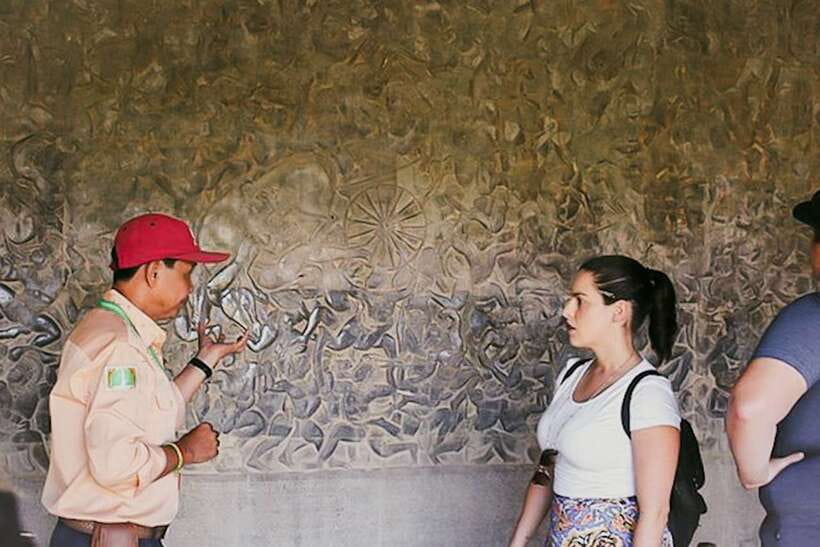
- Guides who teach the symbolism behind carvings, statues, and temple layouts
- Comfort hits: air-conditioned transport, chilled bottled water, and wipe towels
- Sunset on Day 2 to close the trip with a strong final scene
Why This Two Days Feels Like Smart Value at $34
Let’s do the math in plain terms. For $34 per person, you’re getting a two-day plan that includes English guiding, hotel pickup and drop-off, an air-conditioned minibus, chilled bottled water, and visits to 11 temples. You’re also getting one of the hardest parts of Angkor to manage solo: timing. Sunrise and sunset aren’t just pretty—those windows shape where the crowd energy is and how much patience you’ll have for steps and lines.
Also, the guide isn’t there to read a script. A big theme in the way this tour gets praised is how the guide points out details you’d likely miss on your own: what certain carvings meant, why specific sections were built the way they were, and how different faiths and rulers show up in the same complex. That turns a day of ruins into a story you can follow.
Now for the fine print that affects your wallet and your day: the Angkor Archaeological Park entry ticket isn’t included, and meals aren’t included. So you’ll budget for your pass plus your own lunch and snacks during the route. Once you plan for that, the tour’s price starts to make sense.
You can also read our reviews of more evening experiences in Siem Reap

Day 1 (4:30am–1:00pm): Angkor Wat Sunrise, Ta Prohm, Bayon Faces, and the South Gate Naga Bridge
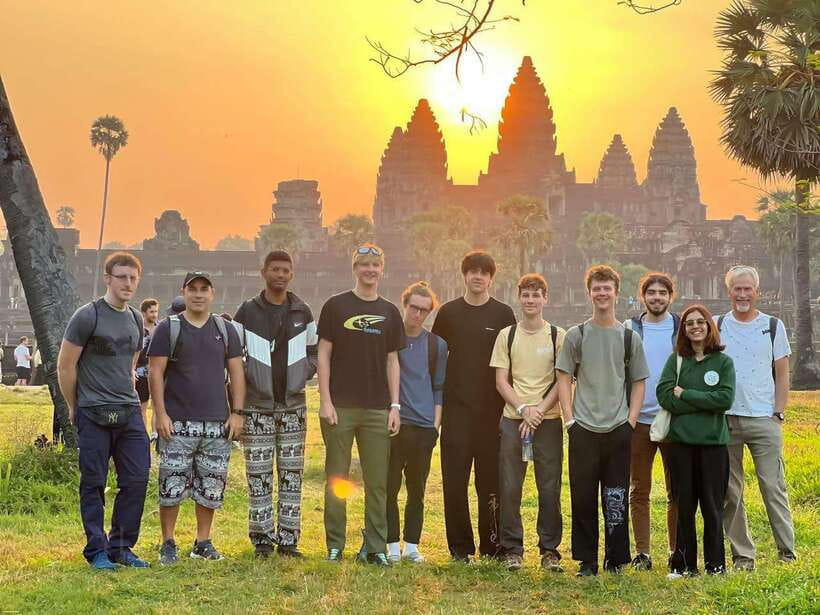
Day 1 starts early enough that you’ll feel like you’re joining Angkor’s inner circle. Pickup is set so you’re ready about 30 minutes before the start, and the point is simple: you arrive before the masses, you see sunrise unfold, and then you get the cooler morning hours to explore.
Angkor Wat at sunrise: the main moment, handled well
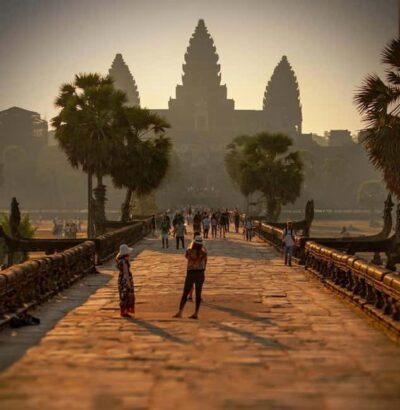
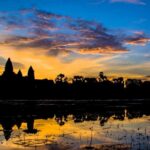
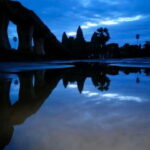
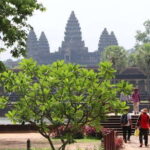
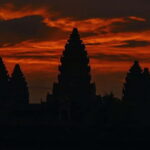
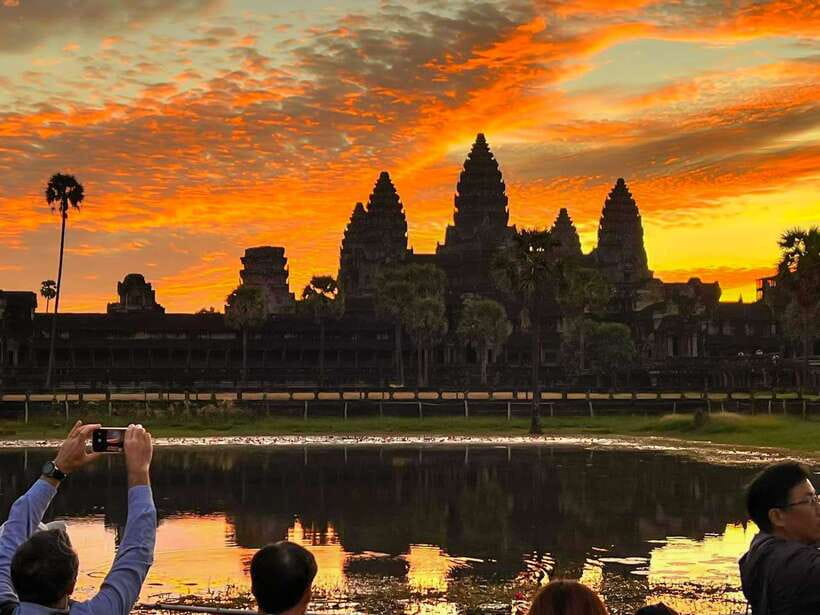
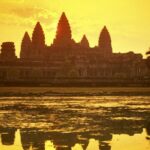
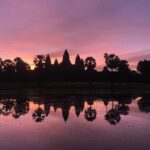
The tour’s small-group sunrise version is designed to put you in the right place at the right time. Angkor Wat is famous for its symmetry and scale, but sunrise changes the experience. It’s not only about the photo. You get the feel of how the temple sits in its setting—how light washes over stone and how the mood shifts as the sun climbs.
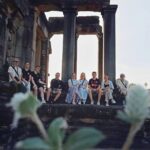
This is also where the guide’s role really shows. In the experiences people share, guides are praised for choosing strong viewing spots and helping with timing for group photos. If you’ve ever tried to do sunrise on your own, you know it can become a scramble. Here, that pressure gets taken off.
Ta Prohm: the jungle temple people remember from movie fame
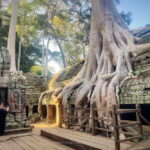
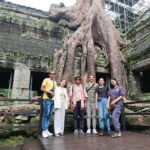
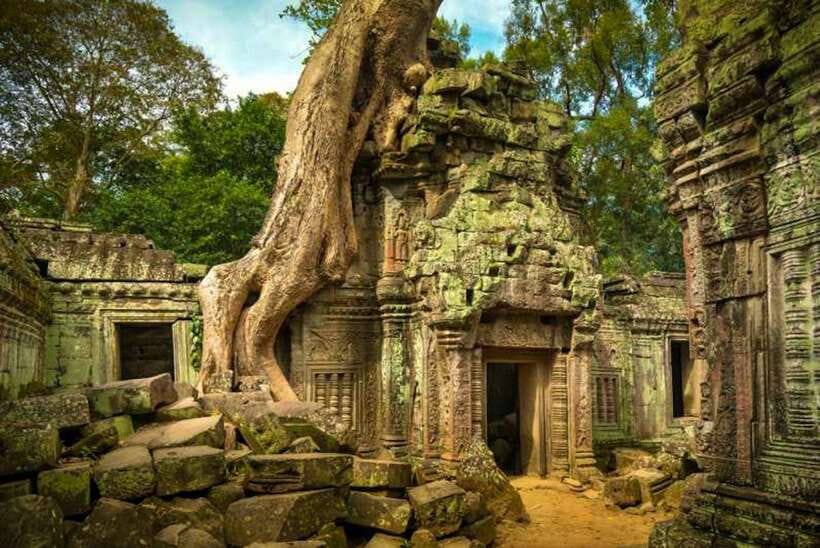
After sunrise, the tour moves into Ta Prohm, the temple wrapped in roots and vines—famous partly because it’s looked cinematic ever since Hollywood found it. The key advantage of your early start is that you reach it sooner than many other groups, which usually means more space to look at the details rather than just walk through.
Look for the way the carvings and collapsed sections interact with the vegetation. It’s a reminder that Angkor isn’t a frozen museum. It’s a living archaeological landscape of nature, damage, and restoration.
Angkor Thom and Bayon: smiling faces and deeper religious context
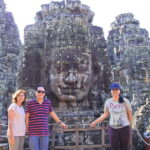
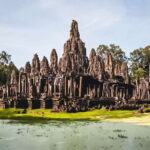
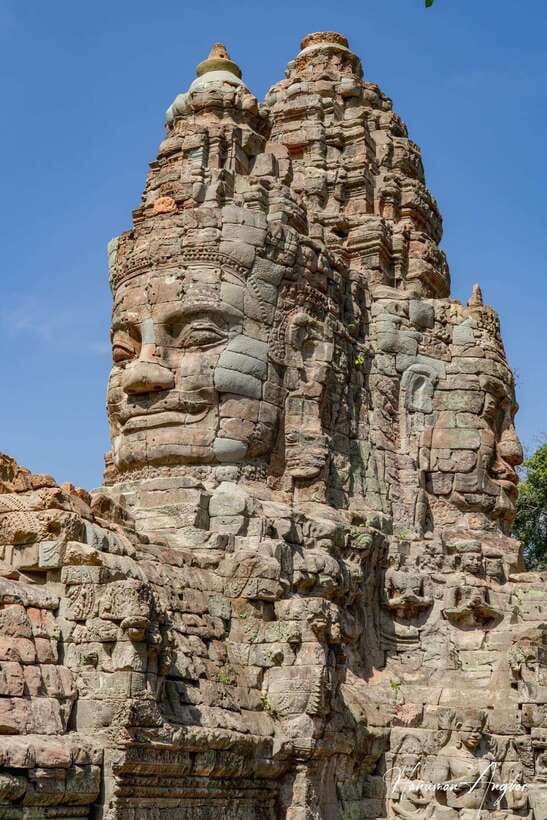
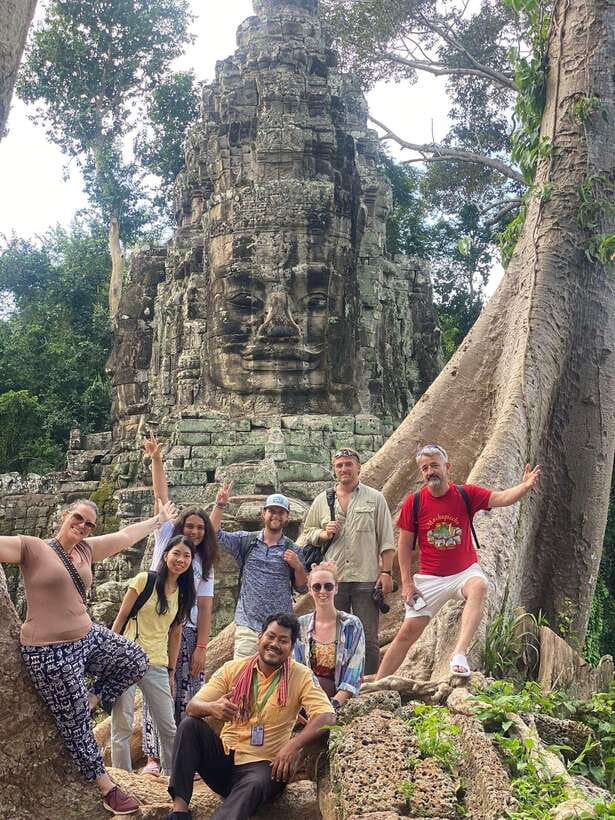
Next comes Angkor Thom and Bayon, the temple known for its large stone faces. It’s also the stop where you start seeing how rulers and religion influenced what got built and why. One of the standout facts this tour emphasizes is that Bayon is the only Buddhist state temple and was constructed during Jayavarman VII’s reign—also described as the last temple built in the Angkor empire.
And yes, you’ll see the iconic faces. But the better value is that the guide doesn’t treat Bayon like a single viewpoint. You’ll move through it with context, so those smiles feel less like decoration and more like symbolism.
You can also read our reviews of more tours and experiences in Siem Reap
Ta Keo: climb a 10th-century mountain temple
Ta Keo is a mountain temple from the 10th century, and the tour includes a climb. This part is physically tougher than the flat photo stops. You’ll be stepping up between ancient and more modern eras, in the sense that you’re climbing a structure that has survived while the world around it has changed.
If you have knee or foot issues, go slow. People in the tour feedback often mention that the guides are patient when someone needs extra time on stairs.
South Gate: statues of gods and demons, and the seven-headed naga
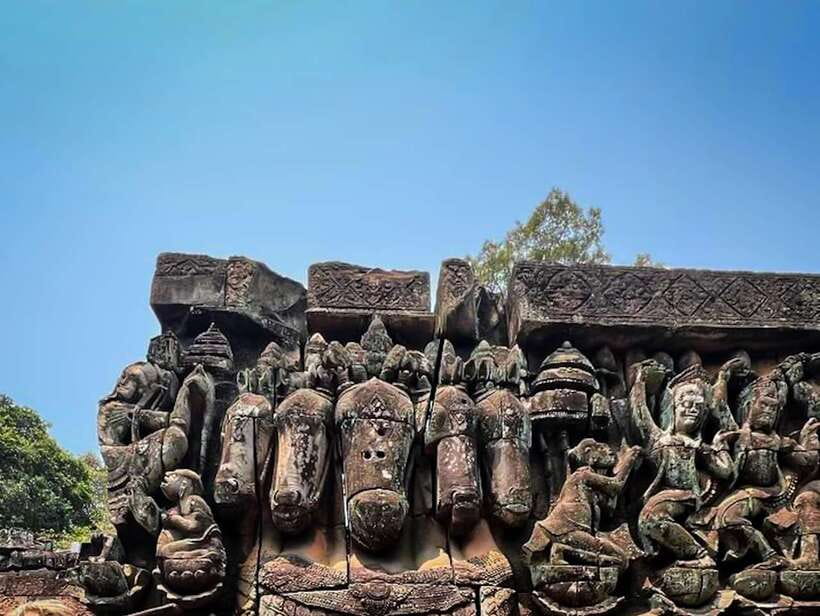
Day 1 ends at the South Gate of Angkor Thom, including the bridge scene where gods and demons appear on the approach—carrying a seven-headed naga in two rows of figures. It’s dramatic. It also feels like a thematic landing page: you started with Angkor Wat’s symmetry, and you finish with a myth scene that connects religion, legend, and power.
By 1:00pm, you’re done with Day 1. The reward is you still have time to rest before the next loop.
Day 2 (10:30am–7:00pm): Preah Khan, Neak Pean, Ta Som, East Mebon, Pre Rup, Phnom Bakheang, and Sunset
Day 2 runs later—10:30am to 7:00pm—which gives you a chance to recover from the early start. It’s still a full day, but it feels more manageable because the morning heat ramps up slower.
This is the “big loop” section, and it’s packed with temples that each teach a different angle of the Khmer story.
Preah Khan: built by a king for his father
Preah Khan is the biggest temple on this loop. The tour frames it as something personal in royal terms: built by King Jayon (as described) for his father. Even if you don’t care about dynasties, this kind of context helps you interpret what you’re seeing—why certain designs matter and how devotion was used to shape memory.
Neak Pean: an island temple tied to health and bathing
Neak Pean appears as an island temple whose water was used for bathing and health during Angkor times. This is one of those stops that makes the site feel practical, not only ceremonial. You can picture people coming for wellbeing, not just spectacle.
Ta Som: dancers in stone and a huge tree over the east gate
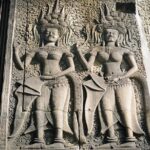
Ta Som has that signature big tree over the east gate, plus lots of dancer sculptures with long hair. The tour also connects it to royal family devotion, noting it was built for the king’s sister. When you stand there, it’s easy to see why the dancers matter. They’re not generic ornament; they point toward how art communicated roles, status, and worship.
East Mebon: ancestors, reservoirs, and a 10th-century setting
East Mebon is described as being built for the ancestors and originally located in the middle of a reservoir. It’s also connected to the 10th century. If you like “how did they engineer this?” moments, this is a good one—because it makes the setting part of the meaning, not just background.
Pre Rup: built by the king for himself, and the meditation link
Pre Rup is often mistaken for a crematorium, but the tour emphasizes a different use: the stone structure looked coffin-like, and Hindus used it for meditation during the full moon. It’s a helpful correction. It also reminds you that labels people use today can drift away from what the builders intended.
Phnom Bakheang: hilltop towers and a heaven-to-earth idea
Phnom Bakheang sits on a hill and has 33 towers representing the heavens. The tour frames it as a reminder that life on earth is lived now, not postponed forever—again, religion showing up in architecture.
Sunset: where the day closes strong
The tour includes sunset on Day 2, and that final timing matters. After two full loops of temples, you’ll likely feel temple fatigue. Sunset resets the mood. You get a final scene, cooler light, and the chance to slow down for photos and lingering looks before the day wraps up around 7:00pm.
The Best Part: Guides Who Turn Stone Into a Story
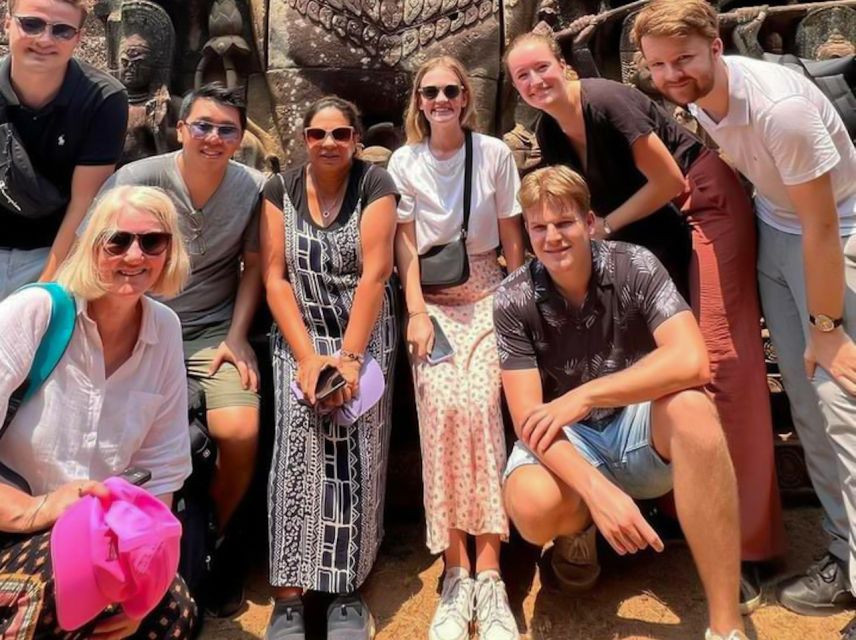
What makes this tour stand out in practice is instruction that feels human. In the feedback patterns, guides are repeatedly praised for two things: explaining the meaning behind structures in a way that sticks, and noticing the small visual cues that most people walk past.
You’ll see names come up often: Sary, Sayon, Sok, Vone, Sam, Pheap (also spelled Pip in some accounts), John, Nick, Simon, Heang, and even Touch Pheap. Even without naming your exact guide ahead of time, it’s clear what the guides do well: build context quickly, answer questions, and guide you to the right spots for photos.
Here’s what you’re really buying when you choose this style of guiding:
- You learn what a temple layout is trying to communicate, not just where it is.
- You start noticing recurring symbolism across different sites.
- You understand why certain temples feel “different” even when they’re all part of the same greater Angkor complex.
That’s how Day 1 and Day 2 stop feeling like two long bus days and start feeling like one connected narrative.
Heat, Crowds, and Your 3-Day Temple-Pass Plan
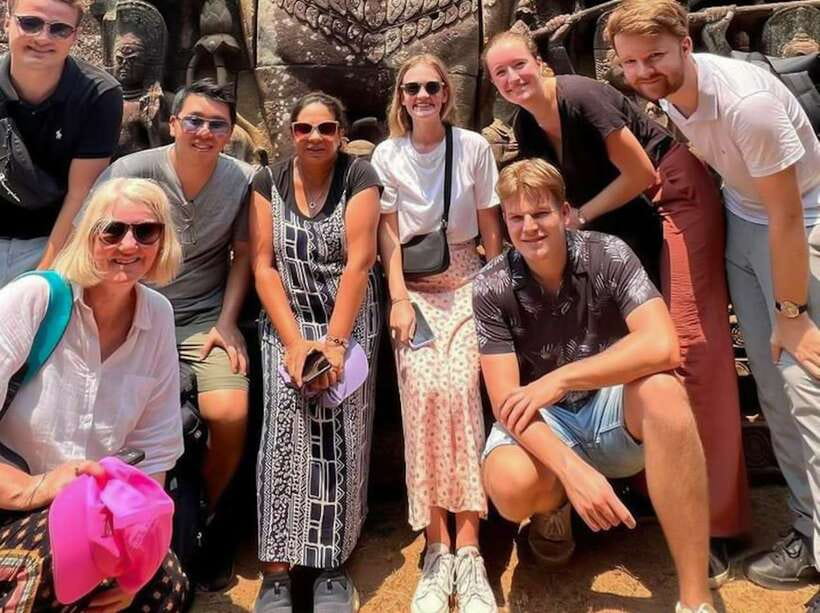
This tour is built to help you maximize a 3-day temple pass. You’ll likely finish Day 2 with enough context that day 3 becomes flexible: you can rest, return to favorites, or take a private tuk-tuk to round out whatever you still want to see. The big advantage is you won’t feel clueless if you go off-plan on your own. The guide’s explanations give you bearings fast.
One key practical point: you must purchase your temple pass yourself (or book it in advance through the official government website: https://www.angkorenterprise.gov.kh/). You can also buy at the ticket office after pickup, but planning ahead usually reduces stress.
Also plan your clothing and behavior. The tour info is clear about what you can’t wear: no shorts, no short skirts, no sleeveless shirts. Alcohol and drugs aren’t allowed. If you forget, you’ll lose time scrambling for a solution.
For day comfort, pack the basics the tour recommends:
- sunglasses
- sunscreen
- comfortable clothing
- a charged smartphone
And expect the day to move with occasional rest and food breaks. The exact length of breaks can vary by route and timing, and some people would prefer lunch felt a touch shorter, but the overall pacing is set to keep you seeing a lot without completely wearing you down.
Transport and Pacing: When the Logistics Work, You Enjoy the Temples
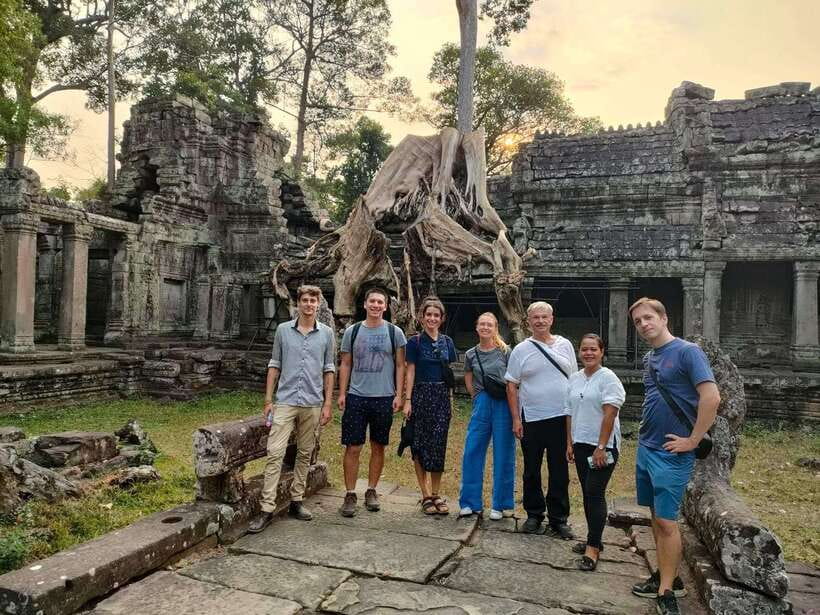
The included logistics are one reason this tour works for first-timers. You get hotel pickup and drop-off, plus an air-conditioned minibus. That matters in Siem Reap. After walking in the sun, stepping back into chilled air can feel like a reset button.
Water is also handled well. Chilled bottled water and wipe towels appear at stops, which helps you keep going when you feel your energy dropping. Some accounts highlight how the vans stay cool, and that’s not a minor detail—it changes how long you can enjoy each site rather than just survive it.
The tour days are still long and hot. Day 1 is the bigger early commitment (4:30am to 1pm), and Day 2 is a long run (10:30am to 7pm). So you should treat this as an “experience with effort” rather than a casual stroll. If you pace yourself—shade when offered, water when handed to you, slow climbs on steep steps—you’ll get the best payoff.
Who This Tour Suits Best (And Who Might Want a Gentler Option)
This is a strong fit for you if:
- you want a two-day plan that hits the major temples without requiring you to map everything
- you want English guiding that explains the symbols and connections between sites
- you like sunrise and sunset experiences, not just midday temple photos
It’s also a good option if you’ll be in Siem Reap for more than a few days and want Day 3 to be flexible.
Consider another plan if:
- you have limited mobility. Some temples include climbs and lots of steps.
- you’re over 70 years old, since the tour info lists that it’s not suitable for people in that age range.
- you use a wheelchair. The data includes wheelchair accessibility but also says it isn’t suitable for wheelchair users. With that contradiction, I’d treat it as a “confirm carefully with the provider” situation before booking.
Families can work too. One account notes a guide stayed patient when a child struggled with heat, which suggests the group handling can be kind when needed.
Should You Book This Angkor Wat 2-Day Sunrise and Sunset Tour?
Book it if you want a high-value, structured way to see Angkor Wat, Ta Prohm, Bayon, and a second-day loop of major temples, with English context that helps you understand what you’re looking at. At $34 per person, it’s a practical pick because the big stressors—timing, entry-ticket planning, transport, and interpretation—are handled for you.
Skip or rethink it if you prefer short days or you don’t want early mornings and heat exposure. Also plan for the temple pass and meals yourself.
If you’re aiming to get the most from Angkor in two days and still leave room for a calmer Day 3, this tour is a solid way to do it.
FAQ
Do I need to buy the Angkor temple pass separately?
Yes. The Angkor Archaeological Park entry ticket is not included, and you must purchase the pass yourself or book in advance through the official site.
Which temples are included across the two days?
The tour includes 11 temple visits. Day 1 covers Angkor Wat (sunrise), Ta Prohm, Angkor Thom/Bayon, Ta Keo, and the South Gate. Day 2 covers Preah Khan, Neak Pean, Ta Som, East Mebon, Pre Rup, and Phnom Bakheang.
Is the guide English-speaking?
Yes. You get an English-speaking guide across both days.
Is sunrise or sunset included?
Sunrise is included on Day 1 for the small tour, and sunset is included on Day 2 for the big tour.
Are meals included?
No. Meals are not included, though the schedule includes rest and food breaks as the day progresses.
Is the tour suitable for wheelchair users or older adults?
The information says wheelchair accessibility is available, but it also states it is not suitable for wheelchair users and for people over 70 years old. If you fall into either group, confirm fit with the provider before booking.