REVIEW · SIEM REAP
Siem Reap: Full-Day Angkor Wat Guided Tour with Sunset
Book on GetYourGuide →Operated by Siem Reap Experiences · Bookable on GetYourGuide
Ancient stones, then a sunset climb. This full-day Angkor tour is built for real temple time with an English guide explaining what you’re seeing. You’ll also get that classic Ta Prohm jungle feel and end with a Phnom Bakheng sunset.
I like two things in particular: the small group (kept under 13 people) and the fact that your guide turns monuments into stories. Guides such as Nick, Vone, and Heang are repeatedly praised for mixing Khmer culture, temple meaning, and practical timing, so you don’t just wander from one photo spot to the next.
One consideration: it’s a long day with lots of uneven steps, and the sunset viewpoint on Phnom Bakheng means climbing. Add in the fact that the temple pass entry fee is extra, plus food on your own, and you’ll want to plan for heat, walking, and budget.
In This Review
- Key highlights to look for
- Angkor in One Day: How the 9–10 Hours Actually Work
- Temple Pass, Dress Code, and What to Pack for Angkor
- Pickup and Air-Conditioned Transit: Start Strong, Stay Sane
- Angkor Wat: The Biggest Magnet, Explained the Right Way
- Angkor Thom and Bayon Temple: Smiling Faces and Symbol Details
- Ta Prohm Jungle Walk: The Most Cinematic Part of the Day
- Lunch Break and Heat Management: Your Real Midday Reset
- Phnom Bakheng Sunset: The Climb to the Best Views
- Price and Value: What 15 USD Gets You (and What Costs Extra)
- Who This Tour Suits Best
- Final call: Should you book this Angkor Wat sunset tour?
- FAQ
- Do I need an Angkor temple pass for this tour?
- What temples are included in the day?
- Is hotel pickup and drop-off included?
- What time does the tour pick up and end?
- Is lunch included?
- What should I wear and bring?
- Is the tour suitable for kids or older adults?
Key highlights to look for
- Under-13 small-group pace: easier questions, less crowd chaos, more time at each stop
- English guide who explains what matters: you’ll get context at Angkor Wat, Bayon, and beyond
- Ta Prohm jungle path: trees growing from the ruins make this temple feel atmospheric
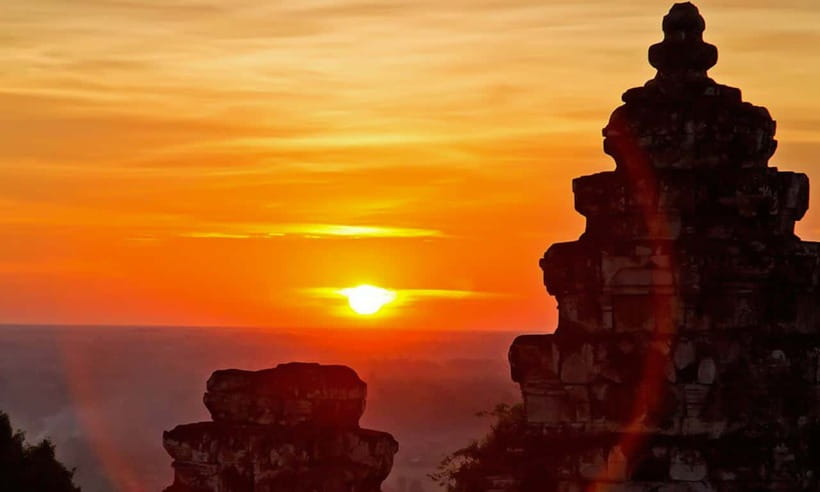
- Phnom Bakheng sunset from the east entrance: big views after a climb
- Included chilled water and cool towels: helpful during the long, hot temple circuit
- Five major stops: Angkor Wat, Angkor Thom, Bayon Temple, Ta Prohm, and Phnom Bakheng
Angkor in One Day: How the 9–10 Hours Actually Work
This is a 9–10 hour full-day loop from Siem Reap with hotel pickup and drop-off, aimed at hitting the Angkor highlights without wasting time. You start later morning (pickup is typically between 9:10 and 9:30), then you’re on the move across multiple temple zones, finally finishing around 6:30–7:00 pm.
What makes this format good is the balance. You get a guided walkthrough at major sites, plus short breaks so you can breathe, refill, and deal with the real-world stuff like walking fatigue. The temple circuit is huge and uneven, so having a plan matters.
You can also read our reviews of more guided tours in Siem Reap
Temple Pass, Dress Code, and What to Pack for Angkor
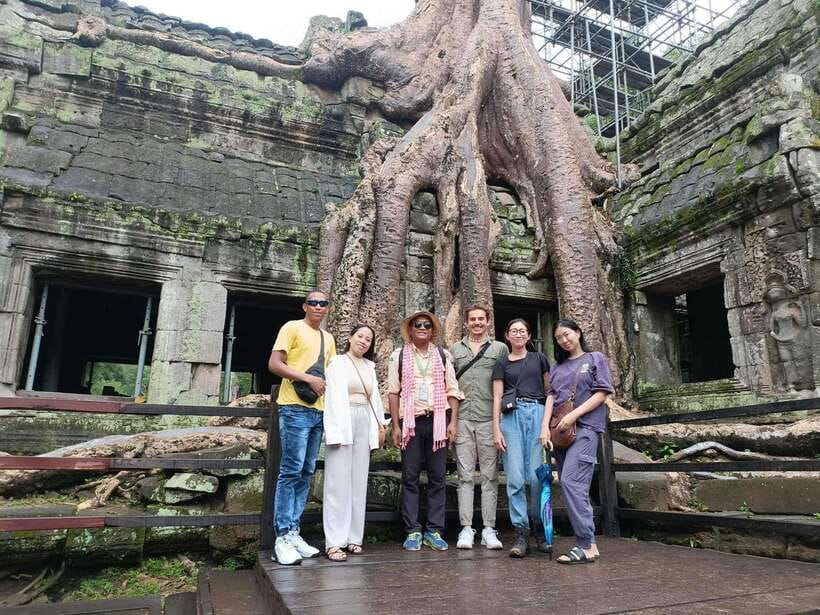
Before you even reach the gates, know that you need an Angkor temple pass (1-day or 3-day). The pass is not included in the tour price, and the 1-day entrance fee is listed at 37 USD. You can buy it online on the official Angkor Enterprise site or your guide can take you to the ticket office before the tour begins.
Dress code is strict enough to matter. You should cover knees and shoulders at temples, and you can’t wear shorts, short skirts, or sleeveless shirts. Also, alcohol and drugs aren’t allowed.
For packing, keep it simple:
- Comfortable walking shoes (you’ll face uneven steps)
- A charged smartphone (you’ll want photos, and the day is long)
If you’re traveling with kids, note that children under 12 don’t require a temple ticket. The tour is also not suitable for babies under 1 year or people over 70, so plan accordingly.
Pickup and Air-Conditioned Transit: Start Strong, Stay Sane
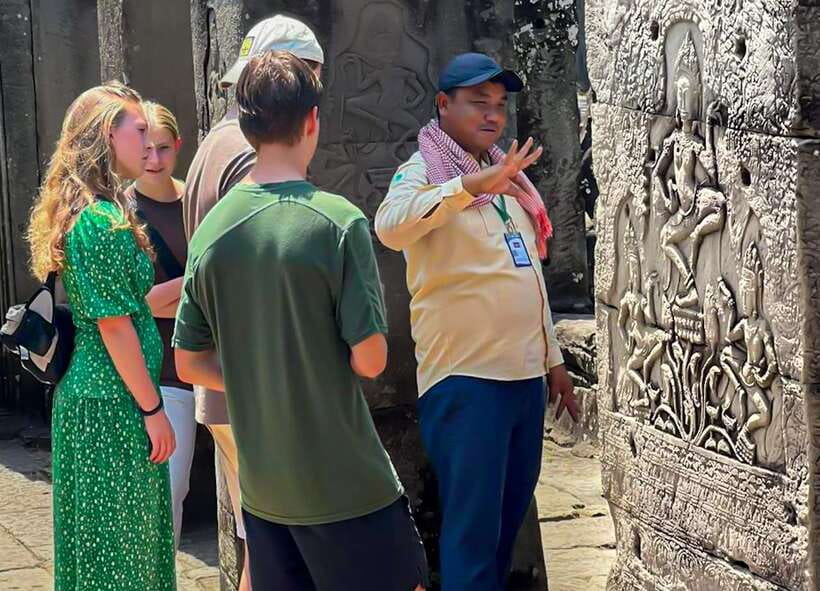
The day starts with pickup in Krong Siem Reap, then you’re transferred by air-conditioned minibus. The schedule includes road time between temple clusters, including a longer stretch early on and shorter transfers later.
This matters more than it sounds. Angkor temple walking is tiring, and a working AC vehicle is a real reset button. Reviews also mention the comfort of the transport and the driver’s care, including water refills and clean restroom stops.
Angkor Wat: The Biggest Magnet, Explained the Right Way
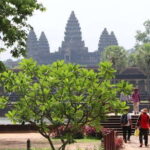
Angkor Wat is the headline. It’s also the kind of place where it’s easy to overdo it yourself: you can wander for hours and still not understand why everything is arranged the way it is.
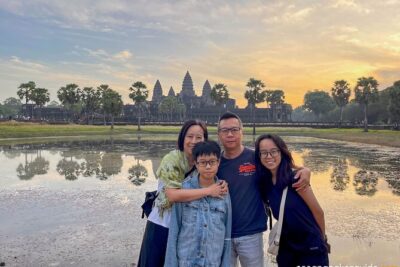
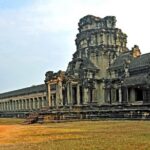
Here, you get about 2.5 hours for a guided visit. Your guide helps you read the site instead of just looking at it. You’ll see the monumental scale up close, understand the spiritual intent behind the architecture, and get a clearer sense of the Khmer empire’s ideas as they were expressed through temples.
A small-group advantage shows up at Angkor Wat. With fewer people, your guide can manage the flow better, keep you moving when it’s worth moving, and slow down when it’s worth stopping to understand details. Reviews often call out guides like Nick and Heang for managing timing well and offering insight beyond surface photos.
Angkor Thom and Bayon Temple: Smiling Faces and Symbol Details
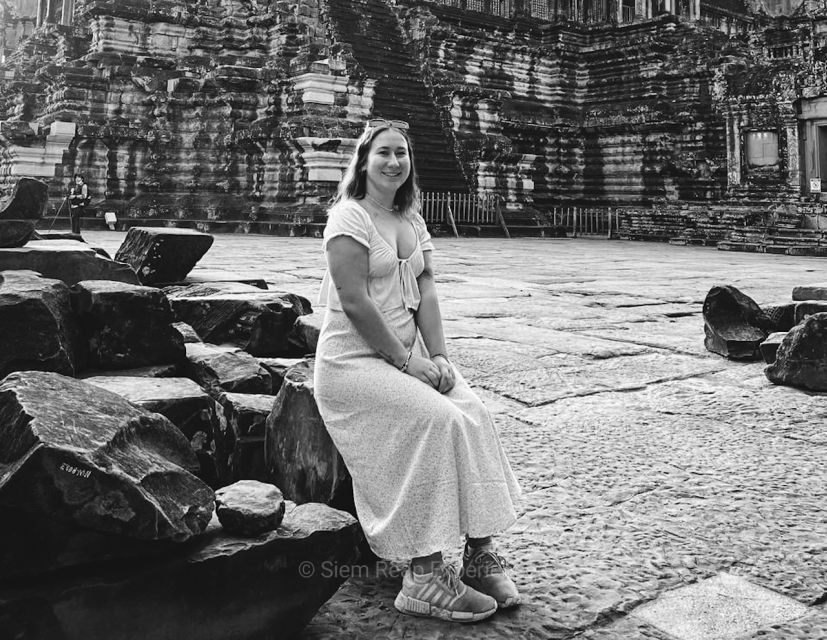
After Angkor Wat, the next jump is to Angkor Thom, where you’ll have a shorter guided stop (around 30 minutes). This is where you start noticing how Angkor is not one temple, but a whole city of religious and political statements.
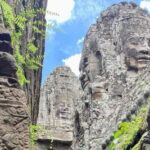
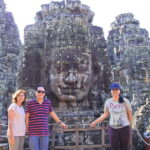
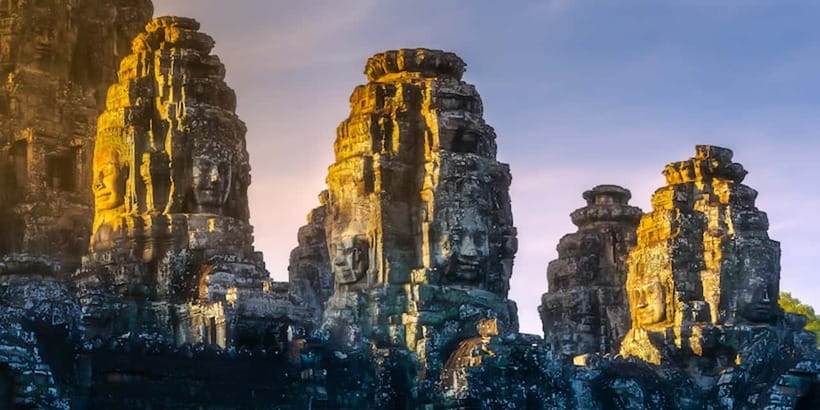
You’ll walk toward Bayon Temple, spending about 1.5 hours there. Bayon is the famous one: smiling faces carved into the central peak. But the practical value of a guide is knowing how those carvings connect to what the Khmer rulers were trying to communicate.
This stop also covers a couple of the signature terraces in the Angkor Thom area, including:
- Terrace of the Leper King
- Terrace of the Elephants
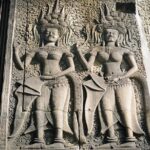
Those terraces are visually striking, but they’re also easy to misunderstand without context. With a guide, you can connect the carvings to stories and meaning, and you’re less likely to just snap pictures and move on.
You can also read our reviews of more evening experiences in Siem Reap

Ta Prohm Jungle Walk: The Most Cinematic Part of the Day
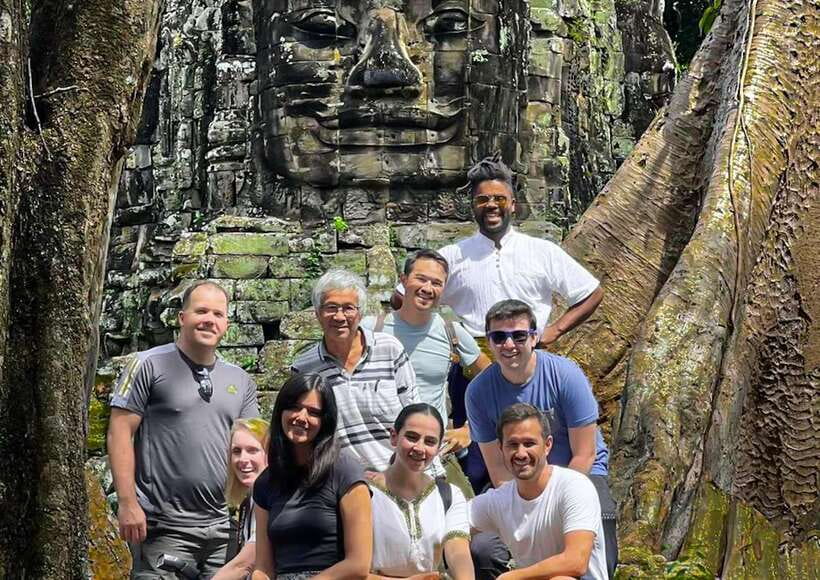
Then comes Ta Prohm, with time built in for both a break and a longer guided walk. You’ll spend about 1.5 hours here, plus time earlier for lunch and rest.
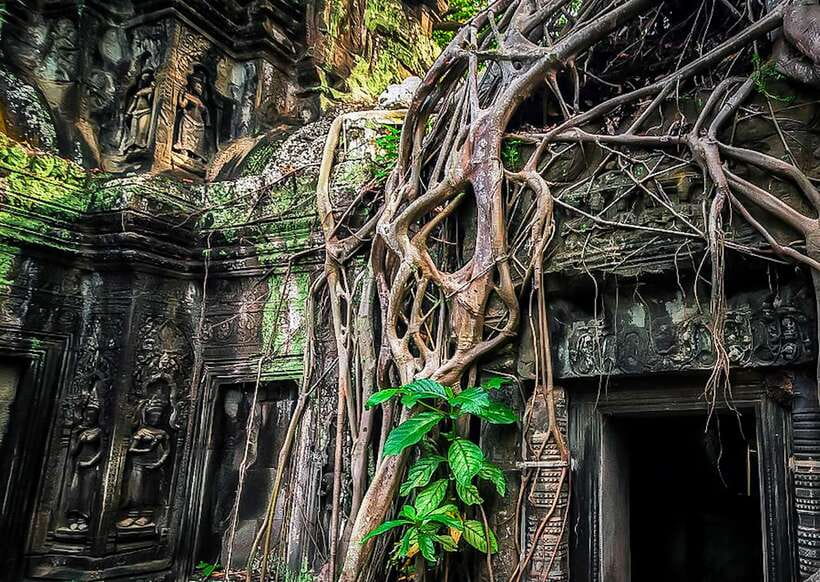
Ta Prohm is where Angkor starts to feel alive. The jungle encroaches on the stone, and you get that powerful image of trees growing out of the ruins. The path through the surrounding greenery makes the experience feel different from the more structured temple layouts.
Two practical reasons this stop is worth doing on a guided day:
- The guide helps you notice patterns, not just photo angles.
- You’ll learn what to look for as you walk, so you don’t miss the little visual clues hidden in the setting.
If you care about photos, this is also a highlight. Several guide reviews mention help with photo spots and even patient picture-taking.
Lunch Break and Heat Management: Your Real Midday Reset
You’ll have a break with lunch time scheduled (about 1 hour), and food is not included, so you’ll be choosing your own meal at local restaurants near the temples. This is normal for Angkor tours, but it’s worth planning: walking and humidity are real, so fuel matters.
Because the day is long and steps add up fast, take lunch seriously. Drink water, cool down, and use the break to loosen up your legs. Guides also typically time these gaps to keep you on track for the later sunset climb.
Phnom Bakheng Sunset: The Climb to the Best Views
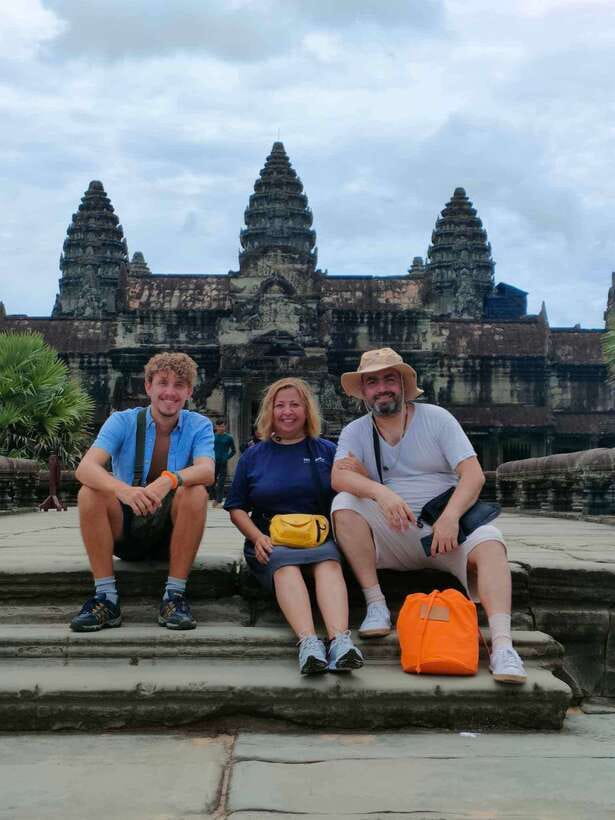
The final act is Phnom Bakheng, the state temple connected to the first Khmer capital in the region. You’ll enter from the east entrance and spend about 1.5 hours here, with sunset built into the timing.
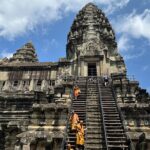
Let’s be honest: this is the part where you earn the view. You’ll climb steps to reach the viewpoint area, and uneven surfaces can be tough after a full day of temples. If you have sensitive knees or stamina limits, pace yourself and don’t rush the climb.
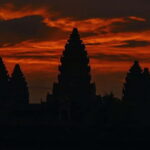
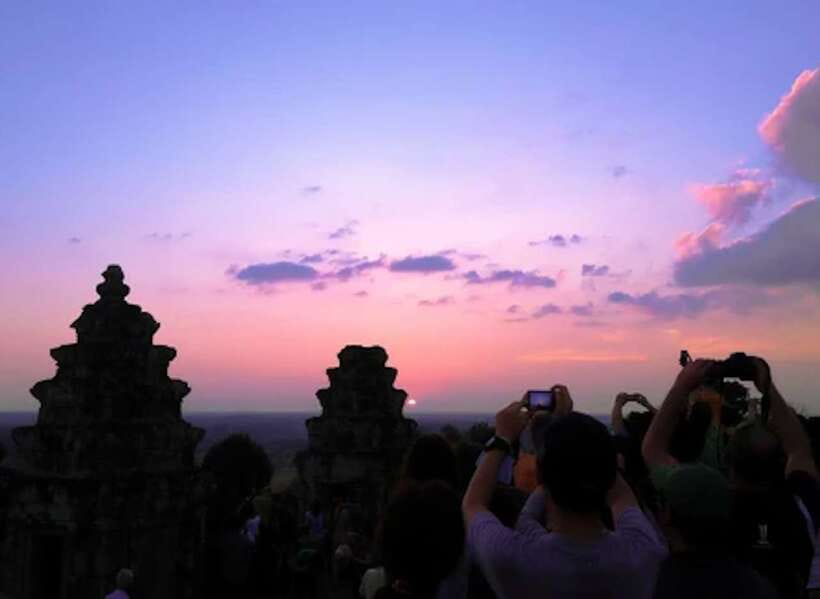
Sunset here is a reason people build an entire day around Angkor. After hours of architecture and carved detail, the sky turns the whole experience into something more emotional: wide views, changing light, and that feeling of seeing the ruins as a lived landscape rather than a museum display.
Price and Value: What 15 USD Gets You (and What Costs Extra)

The tour price is listed at 15 USD per person, which is remarkably low for a full-day guided circuit. But here’s how to read the real value:
What you’re paying for with the 15 USD:
- Hotel pickup and drop-off
- Air-conditioned minibus
- English-speaking guide
- Visits to five temples
- Chilled bottled water and cool towels
What’s not included:
- Temple pass entry fee (37 USD for a 1-day pass, based on the provided info)
- Food and additional drinks
So the math is simple: the tour fee buys logistics and interpretation. Then you pay for admission separately. If you’re thinking about skipping the guide and doing it on your own, compare what you’re likely to get without context. At Angkor, being able to understand why a terrace, gate, or carved face matters can change the whole day.
Also, this tour is praised for transport quality, and the small-group size helps you feel like more than a ticket number.
Who This Tour Suits Best
This works especially well if you:
- Want a guided day that hits the core Angkor sites without stress
- Enjoy history and meaning behind what you’re seeing, not just quick sightseeing
- Prefer a smaller group (kept under 13) where you can ask questions
- Appreciate breaks, water, and cool towels during a long walking day
It may be less suitable if you:
- Want a totally relaxed day with minimal climbing (Phnom Bakheng requires a step-heavy ascent)
- Have mobility limitations, since the temple grounds include uneven steps
- Are traveling with babies under 1 year or anyone over 70, since the tour is listed as not suitable for those age groups
Final call: Should you book this Angkor Wat sunset tour?
I’d book it if you want the best use of a limited time in Siem Reap and you value interpretation. Angkor is too big to experience blindly. With an English guide and a small-group setup, you get multiple temples in one go, plus the sunset finish at Phnom Bakheng.
But if you’re on a tight budget, factor in the temple pass (37 USD for a 1-day pass) and plan to buy lunch on your own. And if walking is a concern, decide early if you’re comfortable with uneven steps and a sunset climb.
If you want an Angkor day that feels like a guided story from gate to jungle to sunset, this tour fits the bill.
FAQ
Do I need an Angkor temple pass for this tour?
Yes. You need a temple pass (1 or 3 days). The temple pass entry fee is not included, and the 1-day entrance fee is listed at 37 USD. You can purchase it online via the official Angkor Enterprise website or have your guide take you to the ticket office before the tour starts.
What temples are included in the day?
You’ll visit five different sites: Angkor Wat, Angkor Thom, Bayon Temple, Ta Prohm, and Phnom Bakheng (for the sunset).
Is hotel pickup and drop-off included?
Yes. The tour includes hotel pickup and drop-off in Krong Siem Reap. You should be ready about 30 minutes before the scheduled pickup time.
What time does the tour pick up and end?
Pickup is between 9:10 am and 9:30 am. The tour ends with arrival back at your hotel between 6:30 pm and 7:00 pm.
Is lunch included?
There is a lunch break included in the day, but food is not included in the price. You’ll eat at local restaurants near the temples.
What should I wear and bring?
Wear clothing that covers your knees and shoulders, and bring comfortable shoes. A charged smartphone is recommended for photos.
Is the tour suitable for kids or older adults?
Children under 12 do not require a temple ticket. The tour is listed as not suitable for babies under 1 year and people over 70 years old.