REVIEW · SIEM REAP
Siem Reap: Angkor Wat: Small-Group Sunrise or Sunset Tour
Book on GetYourGuide →Operated by Angkor Wat Travel Tour · Bookable on GetYourGuide
That sunrise view hits fast. This Siem Reap tour is built around catching the light at Angkor Wat, then moving through the heart of Angkor with an English-speaking local guide. I love that the experience is small-group (up to 15), so you get more time for questions and photo stops without feeling herded.
My other favorite part is the comfort layer: cool air in the van and cold water plus cold towels at the stops. One catch to consider is the day starts early, and you’ll be out for about 8–9 hours, which can feel like a lot if you hate early mornings.
In This Review
- Key things you’ll notice on this Angkor day
- Why the Angkor Wat start time is the whole point
- Hotel pickup to the front gate: smooth and planned
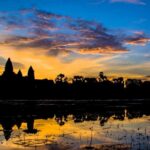
- Angkor Wat at sunrise or sunset: what you’re actually buying
- South Gate of Angkor Thom and Bayon’s faces
- Baphoun and the temple stories you can’t guess
- Lunch area breaks and the Royal terraces (Elephant and Leper King)
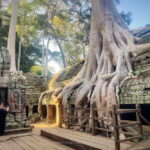
- Ta Prohm: when the jungle wins the stone
- Banteay Kdei: Jayavarman VII’s 12th-century calm finale
- Small-group pacing, AC comfort, and guide-led timing
- Price and value: $15 for the day’s structure
- What to bring (and what to wear) so the day stays pleasant
- Who this tour fits best (and who should skip it)
- Should you book this Angkor Wat sunrise or sunset tour?
- FAQ
- How long is the Siem Reap Angkor Wat small-group tour?
- Does the tour include hotel pickup and drop-off?
- Are entrance tickets included in the price?
- Is food included?
- What comfort items are included during the tour?
- What group size should I expect?
- Is the guide offered in English?
- Is this tour only for sunrise?
- Is there free cancellation?
- Can I book with reserve and pay later?
Key things you’ll notice on this Angkor day
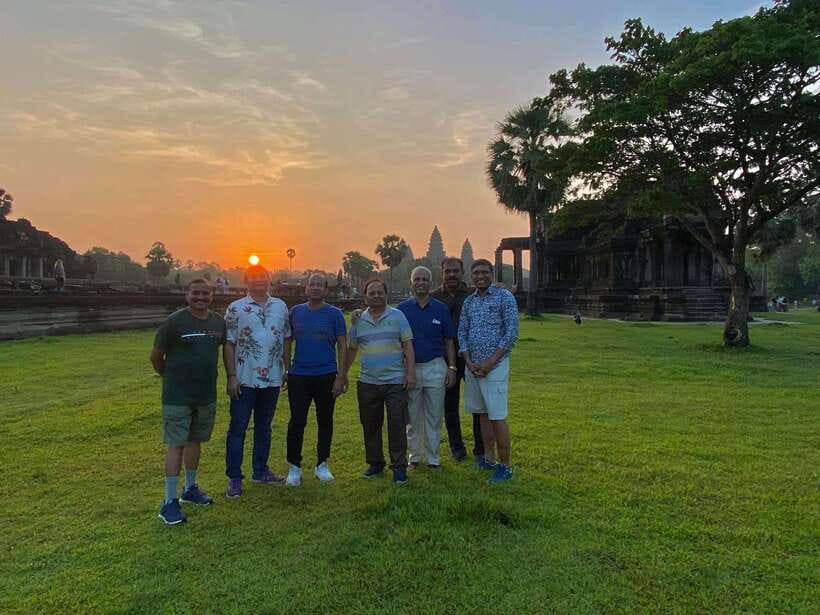
- Angkor Wat sunrise focus with time to see the view from the main entrance area before crowds build
- English-speaking guides who explain Khmer symbolism and temple stories, not just names
- Angkor Thom highlights including Bayon’s 54 towers and 216 faces of Buddhisatva Avalokesvara
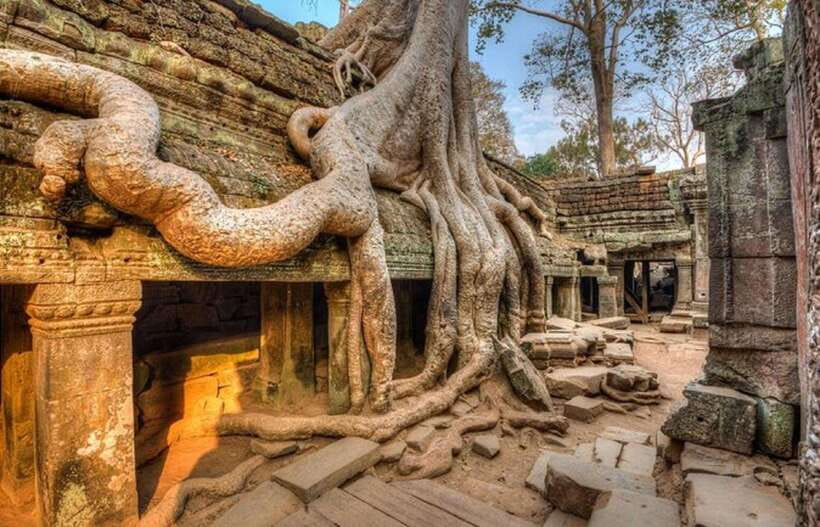
- Ta Prohm jungle temple mood where thick roots and trees wrap the stone
- Comfort touches that matter: cold water and cold towels plus air-conditioned transport
Why the Angkor Wat start time is the whole point
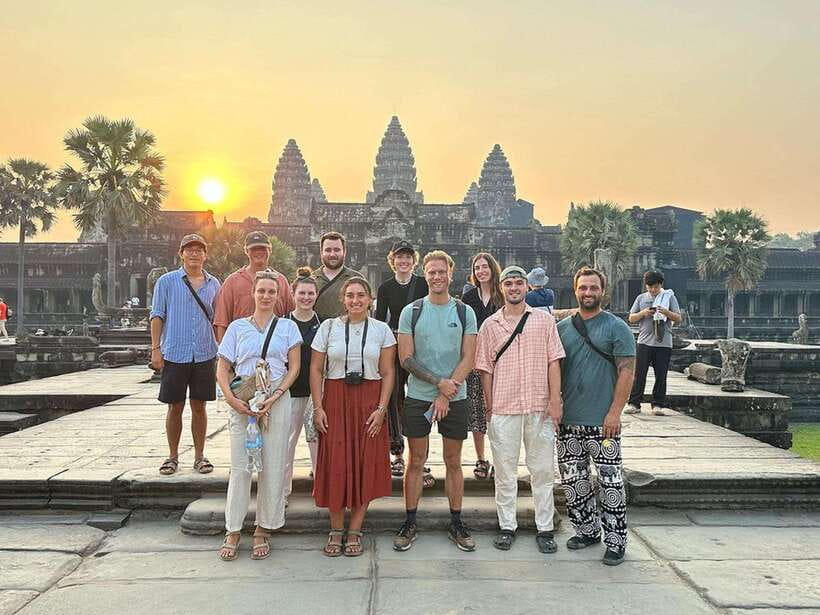
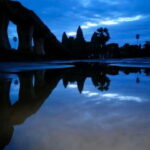
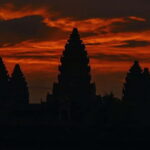
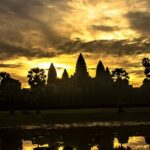
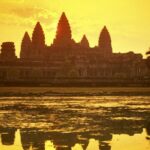
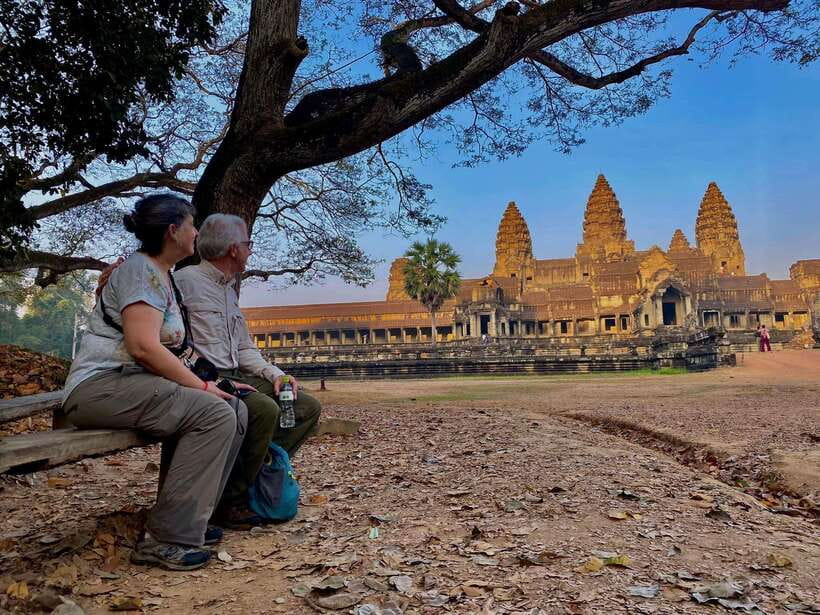
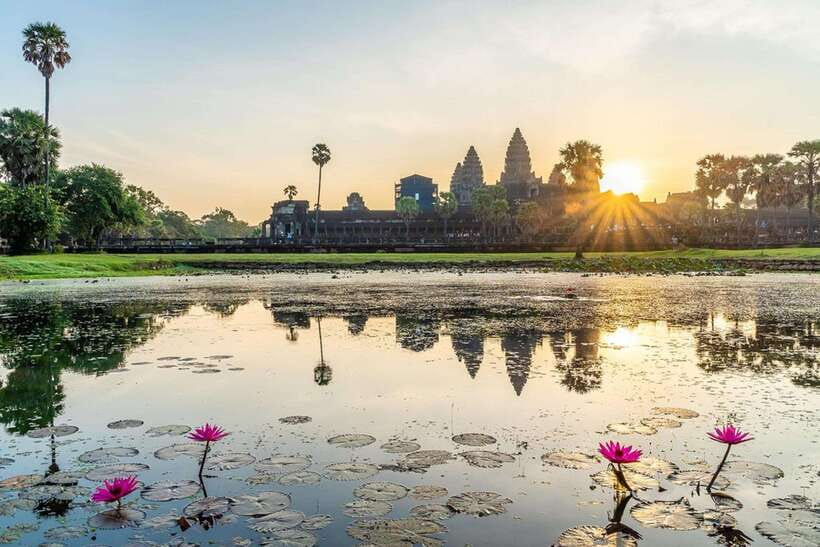
Angkor is gorgeous all day, but the big difference is the light. Going at sunrise (or choosing the sunset option) means you catch Angkor Wat when the air feels calmer and the colors have that soft, early-day glow.
This tour also doesn’t treat Angkor Wat as a quick drive-by. You get a real photo stop, time to see the temple, and a guided explanation that helps the carvings and layout make sense. That’s why it’s worth doing with a guide instead of only wandering on your own.
You can also read our reviews of more evening experiences in Siem Reap

Hotel pickup to the front gate: smooth and planned
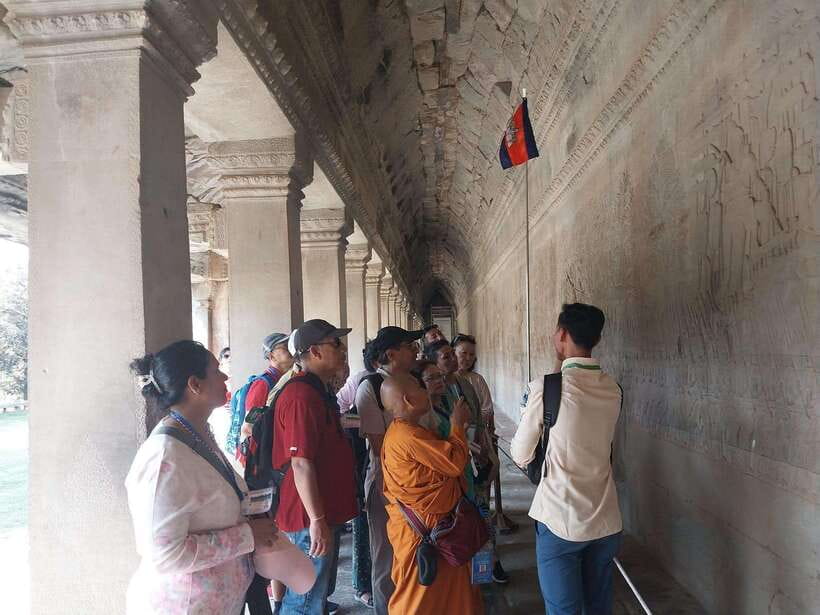
You start with pickup from the Krong Siem Reap area in an air-conditioned vehicle. You’ll want to be in the lobby about 10–15 minutes before pickup, because the driver comes looking for your name on a sign.
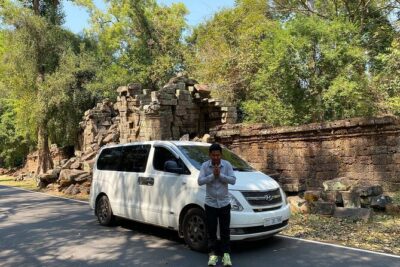
The drive time is listed as about 45 minutes to the main entrance area, so you’re not stuck in transit for hours before the fun begins. And the van matters here: you’re doing temple walking in heat, so having AC between stops is not a luxury—it’s how you stay upright by lunchtime.
Angkor Wat at sunrise or sunset: what you’re actually buying
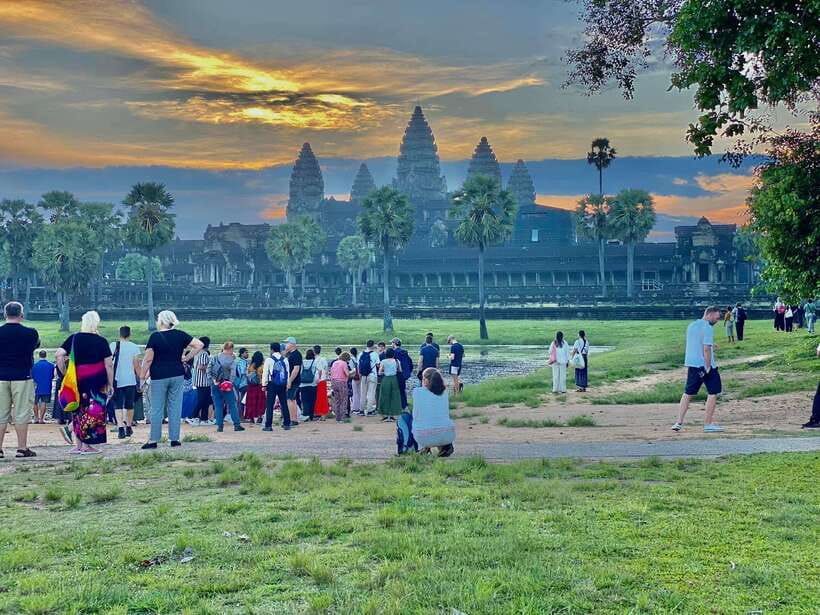
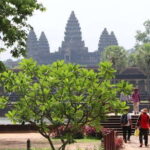
Angkor Wat can be overwhelming. From ground level, it’s huge, symmetrical, and full of details you might miss if you don’t know what you’re looking for. With this tour, the guide helps you connect the dots—how the temple was designed, what the different areas represent, and why this site still feels mysterious and powerful.
You get:
- A photo stop at Angkor Wat with the right timing for the sky/light
- A guided visit so you understand what you’re seeing
- Time that’s long enough to do more than just take one picture and leave
From the guide quality shown in the experience (names like Sen, David, Rith, and Mr. T come up again and again), the best-value moment is often the in-between. A good guide will show you the angles for photos, but also explain what those angles are revealing—like how the temple’s lines and reflections work when conditions are right.
South Gate of Angkor Thom and Bayon’s faces
After Angkor Wat, the tour focuses on Angkor Thom, starting at the South Gate. This area feels like a shift from the grand temple geometry into the more intense, human-scale world of Angkor’s later kings.
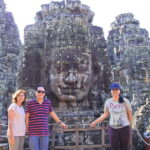
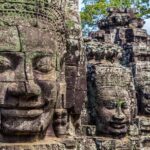
Bayon is the star here. You’ll hear about the 54 towers and the 216 faces of Buddhisatva Avalokesvara—and once the guide explains the symbolism, the stone faces stop being just decoration and start feeling like messages. The guide typically also connects this temple to the Khmer empire, so you’re not just collecting sights—you’re building context.
One thing I like about this portion is that it’s visually dramatic. The faces catch your attention fast, but you’re not left alone with guesses. You get enough explanation to keep the experience meaningful even if you’re not a temple expert.
Baphoun and the temple stories you can’t guess
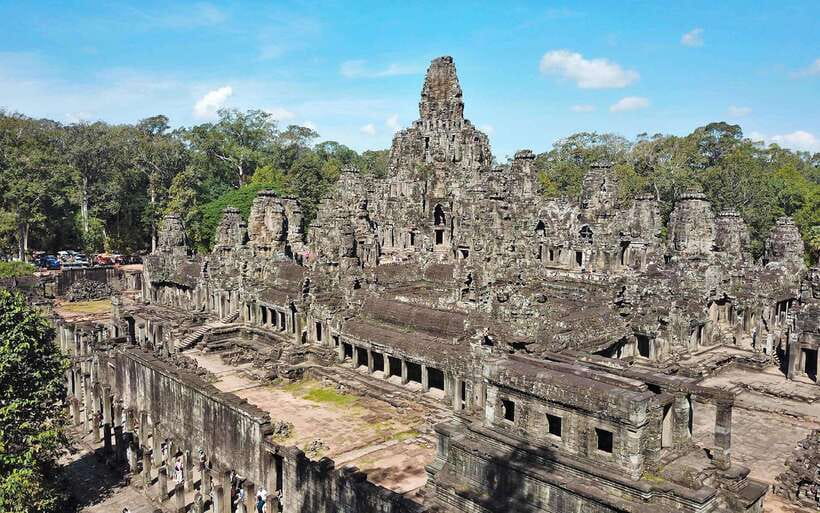
The tour route includes Baphoun along the Angkor Thom circuit. Even if you’ve seen photos before, Baphoun can feel less obvious than Bayon because it’s not always the first thing people shout about.
That’s exactly where having an English-speaking guide helps. The explanations about temple design and Khmer-era stories make smaller temples feel less like filler and more like the missing pieces of the same puzzle.
You can also read our reviews of more tours and experiences in Siem Reap
Lunch area breaks and the Royal terraces (Elephant and Leper King)
After lunch (there’s a designated break with coffee/breakfast time during the day), you’ll visit two spots that feel like Angkor’s backstage: the Terrace of the Elephant and the Terrace of the Leper King.
These aren’t random viewpoints. The tour frames them as:
- A royal viewing platform
- The stage of the king’s great audience hall
Once you stand there, you can almost imagine how a ruler’s presence was staged—who could see what, and why these terraces were built to impress. The guide’s job is to help you picture the space in action, not just photograph it.
Practical tip: this is still temple walking time. Bring comfortable shoes and expect some uneven surfaces. You’ll appreciate having breaks built into the schedule.
Ta Prohm: when the jungle wins the stone
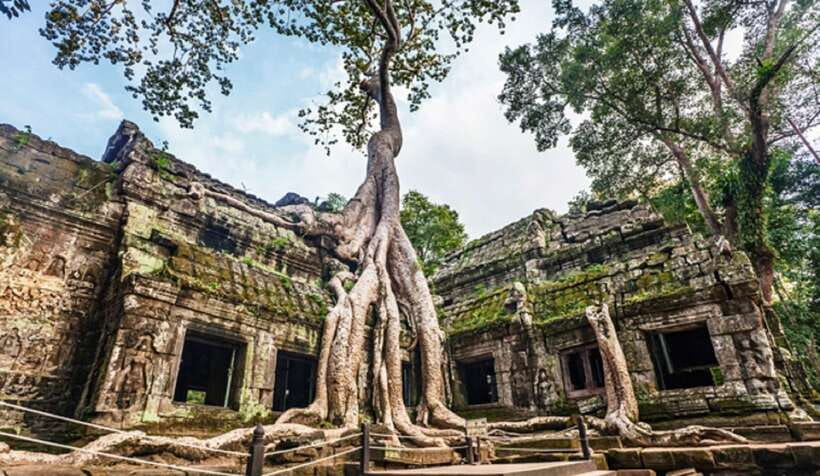
Then comes Ta Prohm, famous as the jungle temple where trees and roots grow around the structures. The effect is immediate. Stone looks old and solid, but the living plants feel stronger—like nature is actively rewriting the ruins.
Here, the tour gives you:
- A photo stop
- A guided visit
- Time to take in the way the trees surround the stones
One subtle benefit: because your guide provides the cultural and historical framing, Ta Prohm doesn’t become only a movie-set stop. You understand what you’re looking at in terms of how the site survived and what it represented in its original setting.
Also, Ta Prohm is one of those temples where “wandering on your own” helps. If your group has time to roam, use it. Step back. Look up. Then come back to the carvings and listen again.
Banteay Kdei: Jayavarman VII’s 12th-century calm finale
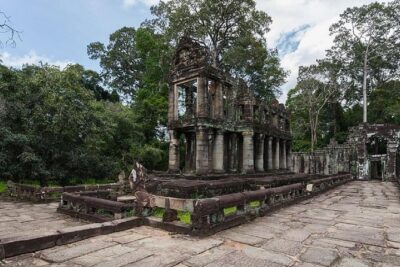
The day’s last major temple stop is Banteay Kdei, built by King Jayavarman VII in the late 12th century. Compared with the busiest-feeling moments earlier, this often lands as a calmer finale—still impressive, but with less of the dizzy rush.
The tour includes time for both:
- Coffee/breakfast break
- A photo stop and guided tour
- Sightseeing before returning to Siem Reap
This is a good place to slow down and reset your brain. After you’ve seen sunrise light at Angkor Wat, Bayon’s faces, and Ta Prohm’s roots, you start noticing different temple rhythms—different kinds of detail, different ways stone was shaped, and different moods in the ruins.
Small-group pacing, AC comfort, and guide-led timing
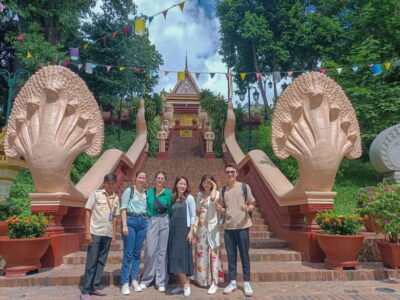
This is capped at 15 travelers, and that small size shows in how your day feels. You’re not stuck staring at the back of someone else’s camera bag all morning. You get a more flexible rhythm for photo stops and questions.
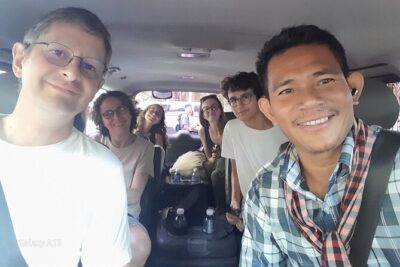
Comfort details are repeatedly praised—especially the cold water and cold towels at the stops. In Cambodia heat, those small things keep you from feeling drained halfway through. Add the air-conditioned van between temple areas, and you’re able to enjoy the walking instead of just surviving it.
You’ll also get an English-speaking guide, and the tour experience is strongly associated with guide personalities that keep things fun while still factual. Names that show up across the experience include Sen, David, Rith, Rey, Indiana Jones (a guide nickname), and Mr. T, often praised for humor, storytelling, and good photo help.
Price and value: $15 for the day’s structure
At $15 per person, this tour is priced like a budget-friendly way to do the big hits without turning it into a complicated DIY day.
Here’s what you should expect to pay for beyond the $15:
- Entrance tickets (not included)
- Food (not included)
But what you do get for the price is the structure that usually costs time and stress: hotel pickup and drop-off in Siem Reap city area, an English-speaking guide, air-conditioned transport, plus water and cold towels.
If you’re trying to visit multiple temples in one day and you don’t want to spend your time figuring out timing, routes, and explanations, this price-to-coverage ratio is the appeal.
What to bring (and what to wear) so the day stays pleasant
You’ll be walking on temple grounds, so plan for comfort first:
- Comfortable shoes
- Camera
- Comfortable clothes
Also, because you’re starting early, wear something you can move in without overheating. It’s a long day, and you’ll want clothing you can handle during morning light and afternoon heat.
Who this tour fits best (and who should skip it)
This is a solid fit for:
- First-timers who want the major sites without missing context
- People who like photography but also want explanations behind the views
- Anyone who appreciates an English-speaking guide for temple history and symbolism
It’s listed as not suitable for people with back problems, and children under 4 shouldn’t join. Children must be accompanied by an adult.
If you’re traveling with small kids, double-check the pace you’re comfortable with. It’s not a gentle stroll day—it’s an 8–9 hour temple circuit.
Should you book this Angkor Wat sunrise or sunset tour?
If you want the classic Angkor Wat moment—light over the temple—this tour is a good choice. The big reason is the combination of timing plus guidance: you’re not only chasing a view, you’re also getting the temple stories that make the carvings and layout feel understandable.
I’d book it if you value:
- Early-day or late-day timing for better comfort
- A guide who helps you find good photo spots and explains what you’re looking at
- Transport with AC and stop-by-stop cooling touches
Skip it if you hate early mornings or you’re not comfortable with a long day of walking. Otherwise, the value is hard to argue with for a guided circuit that hits Angkor Wat plus the key Angkor Thom and jungle-and-terrace stops.
FAQ
How long is the Siem Reap Angkor Wat small-group tour?
The duration is listed as 8 to 9 hours.
Does the tour include hotel pickup and drop-off?
Yes. Pickup and drop-off are included for the Siem Reap city area.
Are entrance tickets included in the price?
No. Entrance tickets are not included.
Is food included?
No. Food is not included, though there is a break time during the day (including coffee/breakfast time).
What comfort items are included during the tour?
You’ll get cold water and a cold towel, and you ride in an air-conditioned vehicle.
What group size should I expect?
This activity has a maximum of 15 travelers.
Is the guide offered in English?
Yes. The tour includes an English-speaking tour guide.
Is this tour only for sunrise?
The experience is advertised as an Angkor Wat sunrise or sunset tour, so you can choose the start time option available.
Is there free cancellation?
Yes. Free cancellation is available up to 24 hours in advance for a full refund.
Can I book with reserve and pay later?
Yes. The listing offers reserve now & pay later, so you can book and pay nothing today.