REVIEW · SIEM REAP
Angkor Wat Guided Sunrise Tour
Book on GetYourGuide →Operated by Angkor Pro Travel · Bookable on GetYourGuide
Sunrise at Angkor isn’t a gimmick here. You get a pre-dawn start that sets up Angkor Wat’s tower views and that famous lotus-pond reflection. Then the day rolls on to Angkor Thom’s giant faces at the South Gate and Bayon’s stone smiles, with a guide who connects what you see to Khmer religion and art.
I love two things most: the structured temple time that keeps you ahead of crowds while the light is still beautiful, and the guide depth you’ll feel when someone explains what you’re looking at instead of just pointing. Expect Hindu carving galleries, sacred Buddhist statues, and context for how the Khmer Empire shaped these monuments.
One consideration: this plan runs on a very early morning pickup, and the temple pass isn’t included (it’s $37 per person). If you’re strict about sunrise timing, it’s smart to double-check your pickup instructions the day before—because early days leave little room for slip-ups.
In This Review
- Key highlights worth noting
- Sunrise at Angkor Wat: why the 4:45am start works
- Angkor Thom’s South Gate and Bayon: reading the faces in stone
- Ta Prohm: the tree roots that steal the scene
- Angkor Wat later in the day: carvings, galleries, and the UNESCO scale
- Guide quality and small-group pacing (up to 14 people)
- Price and value: $10 tour price plus a $37 temple pass
- What this day feels like for different travelers
- Should you book this Angkor Wat sunrise tour?
- FAQ
- FAQ
- What time does hotel pickup happen for the sunrise portion?
- How long is the tour?
- Is the Angkor Wat temple pass included?
- Which temples are included in the day?
- What’s the group size?
- What languages are available for the live guide?
- Is breakfast included?
- What’s included in the price besides the tour?
- What’s the cancellation policy?
Key highlights worth noting
- Lotus-pond sunrise timing: You’re there early enough to see the glow on Angkor Wat and the reflection.
- South Gate symbolism: Four giant faces represent compassion, sympathy, equanimity, and charity.
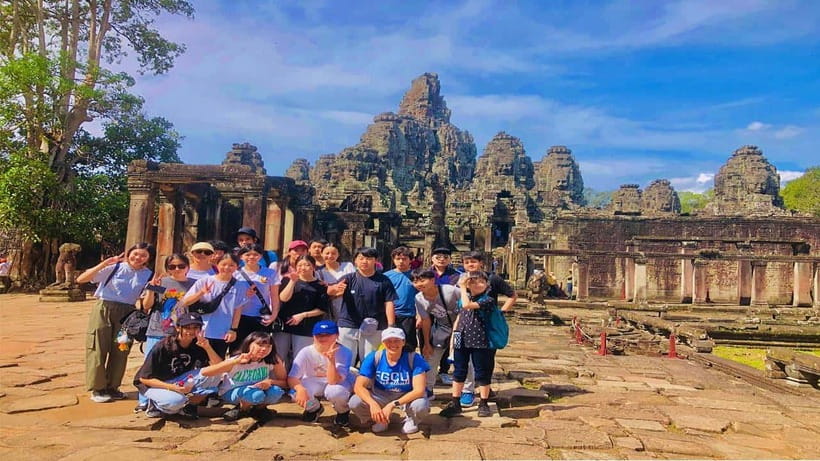
- Bayon’s 200+ smiling faces: The stone crowd is the main show, then you branch to nearby famous terraces.
- Ta Prohm’s tree-root drama: That tangled “temple jungle” look is a must-see (and film-famous).
- Small group pace (up to 14): Easier movement inside the temples than big bus tours.
- Expert-led history and art talk: You’ll spend less time guessing what you’re seeing.
Sunrise at Angkor Wat: why the 4:45am start works
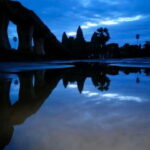
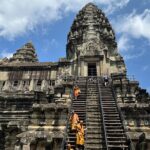
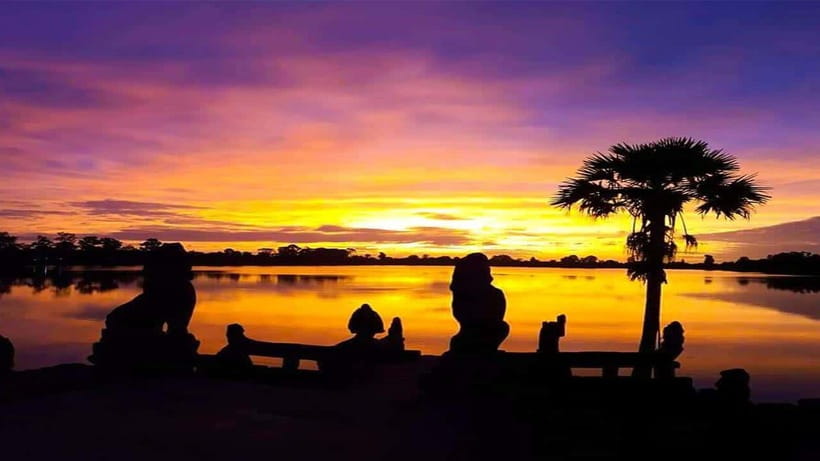
Angkor Wat looks stunning any time of day. But sunrise is when the air is calmer, the colors are gentler, and the whole site feels more like a living religious space than a tourist backdrop. This tour begins with pickup around 4:45am (exact time depends on where your hotel is), so you’re already on the move before the day gets hot and hectic.
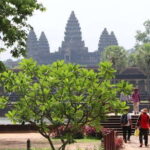
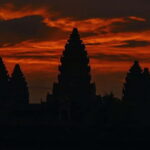
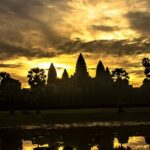
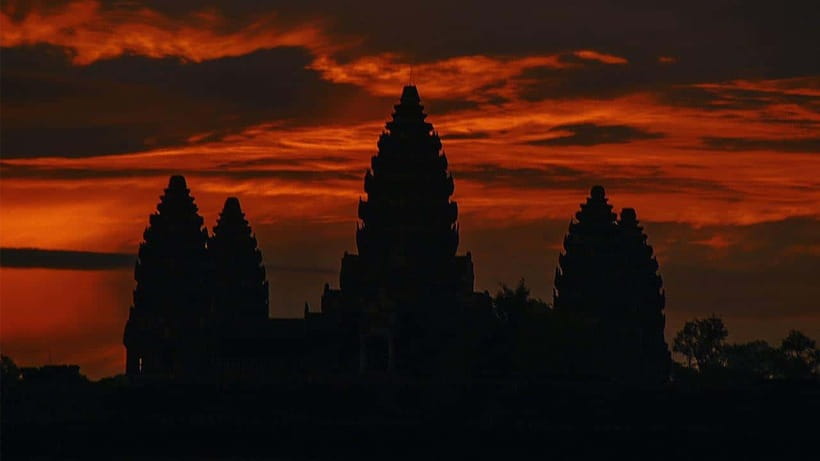
Once you’re collected, you’ll head out by air-conditioned minibus, then drive toward Angkor Wat through the surrounding area. Before you reach the main viewpoints, you transfer to get your Angkor temple ticket—important because the temple pass is separate from the tour price. Then comes the payoff: waiting for the spectacular sunrise over Angkor Wat towers and watching the light catch the lotus pond reflection.
Here’s the practical value: the first light makes the architecture feel sharper—moats, causeways, and tower tiers read better. And if you’re the type who likes to understand a place, the early hour is perfect for absorbing the guide’s explanations while everything is still quiet.
You can also read our reviews of more guided tours in Siem Reap
Angkor Thom’s South Gate and Bayon: reading the faces in stone
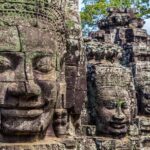
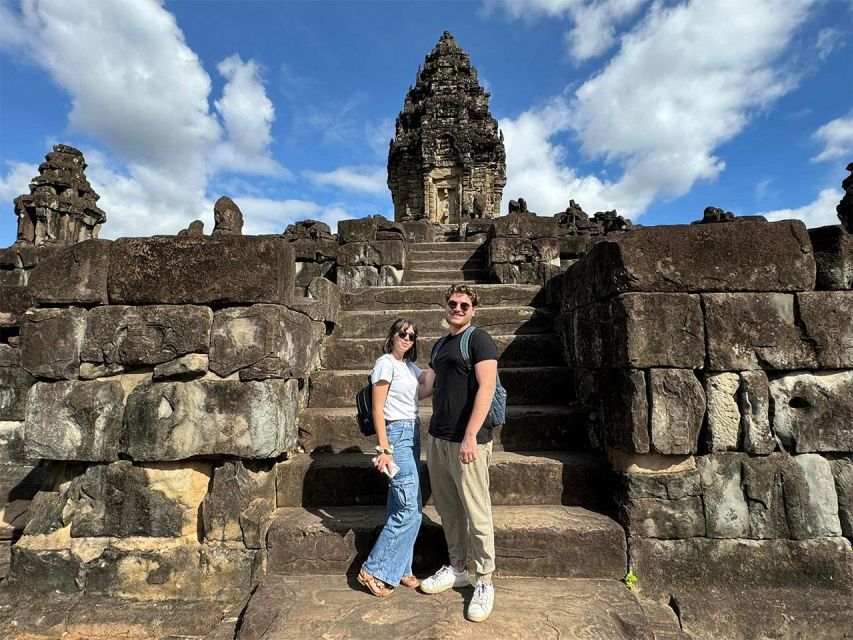
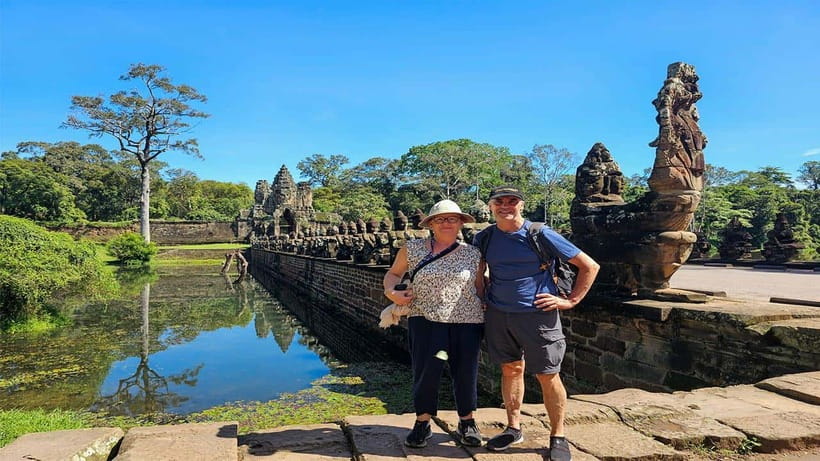
After sunrise time, you’ll return to the hotel for breakfast, then head back out for Angkor Thom, which is the old walled city heart of the empire. The next big moment is the South Gate, topped by four giant faces. Those faces aren’t random decoration; they stand for compassion, sympathy, equanimity, and charity, so the gate is basically a moral compass carved into stone.
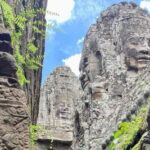
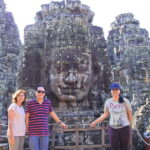
From there, you’ll walk around Bayon Temple, famous for its many faces. Bayon’s main feature is the more than 200 smiling faces in stone looking out from the towers, and the experience isn’t just visual. It’s also spatial: you’ll move at walking pace, and the expressions seem to shift as you pass different angles.
This is also where the guide’s art knowledge becomes useful. You’ll get an organized route that includes nearby must-sees commonly grouped around Bayon, such as Baphuon, Phimeanakas, the terrace of the Leper King, and the terrace of the Elephant. Even if you only catch parts of each spot, it helps to see them in a day with narration; otherwise, it’s easy to feel like you’re walking through a pile of ruins without a story.
One small drawback of this type of temple day: Bayon and its surrounding areas can get lively once more people arrive. The advantage is that you’re not starting at midday, so you’re more likely to get a smoother flow through key photo angles.
Ta Prohm: the tree roots that steal the scene
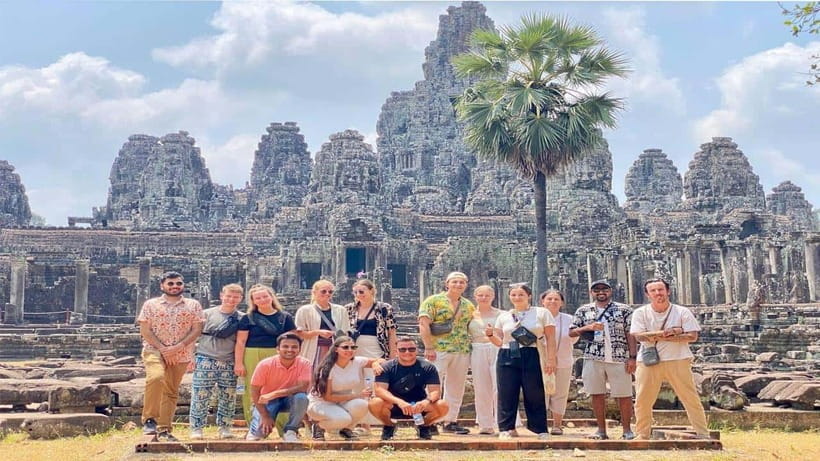
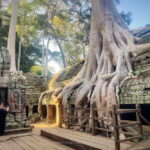
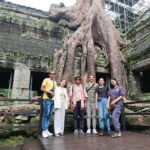
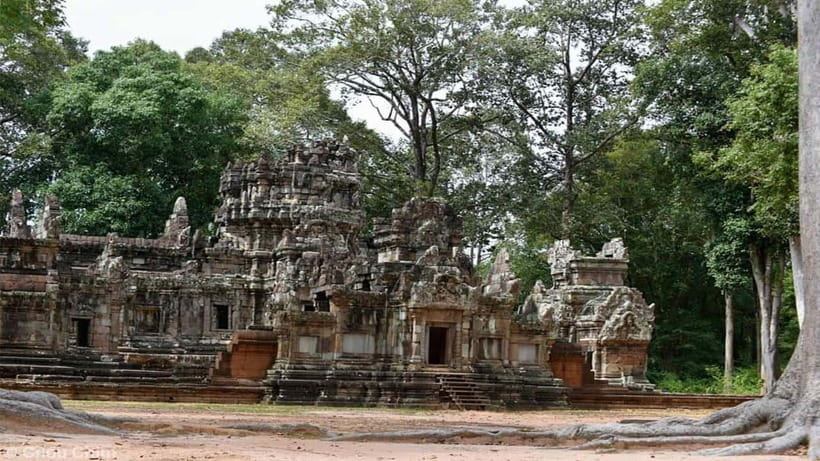
Later in the day, you’ll head to Ta Prohm, the temple many people recognize instantly because its stone structures look swallowed by giant tree roots. The vibe here is different from Angkor Wat and Bayon. Where Angkor Wat can feel planned and symmetrical, Ta Prohm feels like nature and architecture are negotiating for control.
Ta Prohm is also tied to pop culture. The day includes the fact that Lara Croft: Tomb Raider was filmed here, which helps you place the temple if you’ve seen the movie. But the more important part is what the roots do to your perception as you walk: they create frames, shadows, and lines that guide your eyes toward carvings that would otherwise blend into flat surfaces.
The guide-led component matters at Ta Prohm too. Even when you’re mostly focused on dramatic roots, you’ll still want context for what you’re seeing and why certain structures survived in this exact state. A guided visit can turn that “wow” moment into an understanding of how temples were reclaimed by the forest over time.
Angkor Wat later in the day: carvings, galleries, and the UNESCO scale
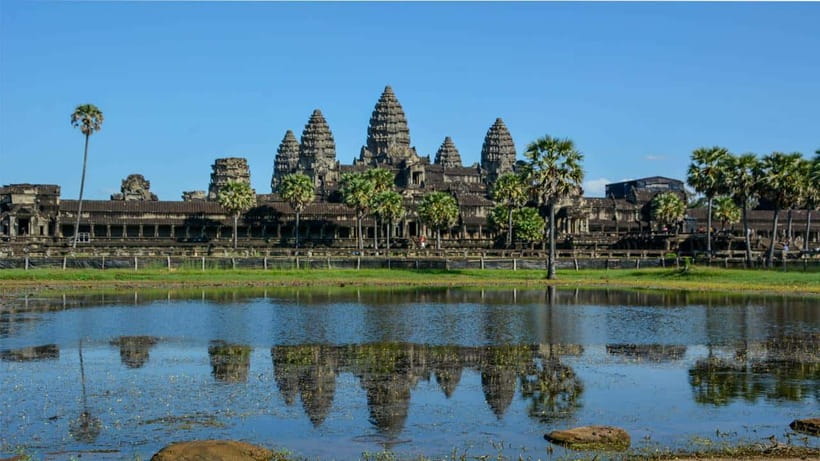
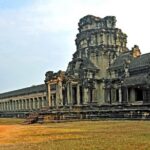
After you’ve done the sunrise viewing window, the tour continues with more time at Angkor Wat itself. It helps that you don’t treat sunrise as the only highlight. Angkor Wat is the kind of site that rewards repeat looking, and the afternoon gives you a chance to see different details once the sun angle changes.
This is where you’ll learn the temple’s big historical and architectural context. Angkor Wat was built by Suryavarman II in the 12th century, and it’s considered one of Asia’s top destinations. It’s also a UNESCO World Heritage site (since 1992), and the guide will explain why that matters: UNESCO protected sites like this because of their global cultural importance and the way they represent a major regional civilization.
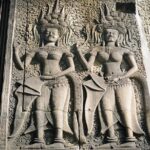
You’ll also spend time around temple art—especially Hindu carvings and sacred Buddhist statues. That mix is key. Angkor Wat isn’t one-note. As religious life in Cambodia changed across centuries, the temple’s meaning and decoration layered over time, which is why you’ll see both Hindu and Buddhist elements interpreted through Khmer craftsmanship.
Practical tip: in the afternoon, plan for more walking and more heat. You’ll want sunscreen and water because temple touring is all feet, no shortcuts. The tour includes chilled bottled water, which is helpful, but it won’t remove the need to pace yourself.
Guide quality and small-group pacing (up to 14 people)
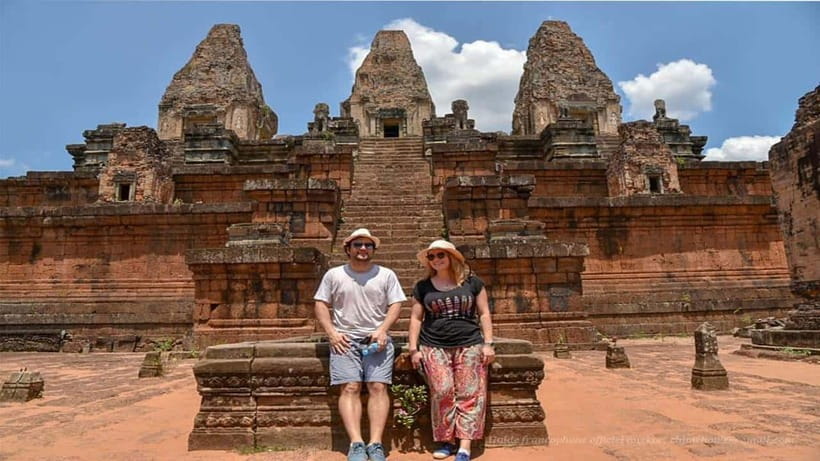
This tour is designed for smaller movement. You’re capped at 14 participants, and that changes everything about comfort. In larger groups, you often get pulled forward too quickly. Here, you’re more likely to stay together with enough space to stop for photos without losing the flow.
Your guide is central to the value. The experience highlights an English-speaking guide with over 20 years of dedicated work, and you’ll feel that in how they explain religious facts and the energy of a must-see monument. Instead of treating temples like an outdoor museum with placards, the guide’s job is to connect the carvings and layout to what the Khmer civilization believed and celebrated.
Languages matter, too. The guide is listed as available in English, French, and German. That’s great if you book in those languages, but it’s a reminder: Japanese isn’t listed, so if that matters to you, confirm language match before you go.
One more practical note from real-world experience: early sunrise days are high-stakes. If a guide is late or language doesn’t match what you expected, it can throw off timing fast. If you’re sensitive to that, message the provider the day before to confirm meeting instructions and what to do if the 4:45am pickup doesn’t happen smoothly. Early tours punish last-minute confusion.
You can also read our reviews of more tours and experiences in Siem Reap

Price and value: $10 tour price plus a $37 temple pass
On the surface, $10 for a guided, hotel-pickup temple day sounds like a deal. The catch is the Angkor Wat temple pass, which is $37 per person and not included. That means your real baseline is closer to $47 (before food and snacks), plus any optional tuk-tuk costs if something goes wrong with timing or transport.
Is it still good value? In many cases, yes—because the tour bundles several things you’d otherwise pay for separately:
- Hotel pickup and drop-off
- Air-conditioned transport
- An English-speaking guide
- Organized access to major sites across the day (Angkor Wat, Angkor Thom, Bayon, Ta Prohm)
- Chilled bottled water
- Guided temple time so you spend less energy figuring out what matters
If you like sightseeing on your own, you might skip the guide and save money. But if you want the temple carvings explained and the religious symbolism made understandable, the guide cost starts to make sense quickly.
Also, this is an all-day plan built around sunrise and then multiple key temples. That structure is part of what you’re paying for. Sunrise timing plus smart routing is harder to do alone if you don’t already know Angkor’s rhythms.
What this day feels like for different travelers
This tour suits you best if you want:
- A full Angkor highlights circuit without getting lost in logistics
- A guide who can explain Hindu/Buddhist symbolism and Khmer empire context
- A small group experience that feels less like cattle herding
It may not be the best fit if you:
- Need very precise language support beyond English/French/German
- Prefer waking up late and doing temples at a slower, self-paced rhythm
- Are uncomfortable with early-morning uncertainty around sunrise timing (because the whole day is built on it)
If you’re a photographer, the sunrise reflection at the lotus pond and the face-tower close-ups at Bayon are your kind of moments. If you’re more into history, the guide’s explanations about Suryavarman II and the shift between Hindu and Buddhist elements will give your photos meaning.
Should you book this Angkor Wat sunrise tour?
If you want a guided day that hits the big three—Angkor Wat at sunrise, Angkor Thom/Bayon faces, and Ta Prohm roots—this is a strong value play, especially with the small-group cap and an experienced guide. The sunrise portion is the main reason to choose this style of tour, and the guide-led art and religion context is what keeps it from becoming just another early photo line.
My recommendation: book it if you’re excited to trade sleep for the calm magic of early Angkor and you’ll appreciate explanations of what you’re looking at. Before you go, confirm pickup timing and language expectations with Angkor Pro Travel, and make sure you handle the $37 temple pass via the official Angkor Enterprise site so you don’t lose time at the start.
FAQ
FAQ
What time does hotel pickup happen for the sunrise portion?
Pickup is arranged at your hotel lobby around 4:45am, though the exact pickup time depends on your hotel’s location. You should receive the exact time one day before.
How long is the tour?
The total duration is listed as 7 hours.
Is the Angkor Wat temple pass included?
No. The Angkor Wat Temple Pass is not included and costs $37 per person. You purchase it through the official Angkor Enterprise website.
Which temples are included in the day?
You visit Angkor Wat, Angkor Thom (including the South Gate and Bayon Temple), and Ta Prohm. Bayon-area stops can include Baphuon, Phimeanakas, the terrace of the Leper King, and the terrace of the Elephant.
What’s the group size?
This is a small-group tour limited to up to 14 participants.
What languages are available for the live guide?
The live guide is listed as available in English, French, and German.
Is breakfast included?
Breakfast is not included. After the sunrise portion, you return to your hotel for breakfast at your own account.
What’s included in the price besides the tour?
Included items are hotel pickup and drop-off, an air-conditioned minibus, an English-speaking tour guide, temple exploration in the program, and chilled bottled water.
What’s the cancellation policy?
There is free cancellation if you cancel up to 24 hours in advance for a full refund.
If you want, tell me your travel dates and hotel area in Siem Reap (roughly), and I’ll help you think through how to plan for the early pickup and the temple pass so sunrise day stays stress-free.