REVIEW · SIEM REAP
Siem Reap: Monk Blessings and Village Life Scooter Tour
Book on GetYourGuide →Operated by Unique Compass C.,LTD · Bookable on GetYourGuide
A monk blessing and a countryside scooter ride in one trip. This 4-hour Siem Reap tour takes you past the famous temples and into real village life, with a pagoda visit on West Baray, a stop at a local home for sticky rice cake making, and a snack break for Banh Chhev. The big win for me is how the day mixes gentle culture (a monk’s blessing) with hands-on rural food and scenery.
One thing to keep in mind: you’ll be outdoors a lot on roads where comfort depends on your riding style, so plan for sun, bugs, and heat.
You’ll get a clear, organized flow with small groups (up to 8) and English guidance, plus included water and snacks so you’re not scrambling for food mid-ride. If you’re choosing between driving yourself or having the driver handle it, I’d pick based on your confidence first—then everything else is smooth.
If you like learning how people actually live (not just where to take photos), this route makes a strong case for your afternoon in Siem Reap Province.
In This Review
- Key highlights you’ll feel during the day
- West Baray’s pagoda: where the day starts with meaning
- What could be a downside here
- The scooter ride through villages and rice paddies
- Practical note about timing
- Meeting the monk: a blessing that’s more than a moment
- Donation is included (and it’s part of the respect)
- A local home visit: sticky rice cakes and daily work
- What to bring for this part
- Banh Chhev and West Baray snack tasting
- A simple budgeting tip
- Price and logistics: is $50 good value?
- Who gets the best value from this
- Who this scooter and monk blessing tour suits best
- Should you book this tour?
- FAQ
- How long is the tour, and where do I get picked up?
- What’s included in the price?
- Do I have to drive the scooter myself?
- Is Banh Chhev included, or do I buy it separately?
- What should I bring?
- Are there any limitations or age restrictions?
Key highlights you’ll feel during the day
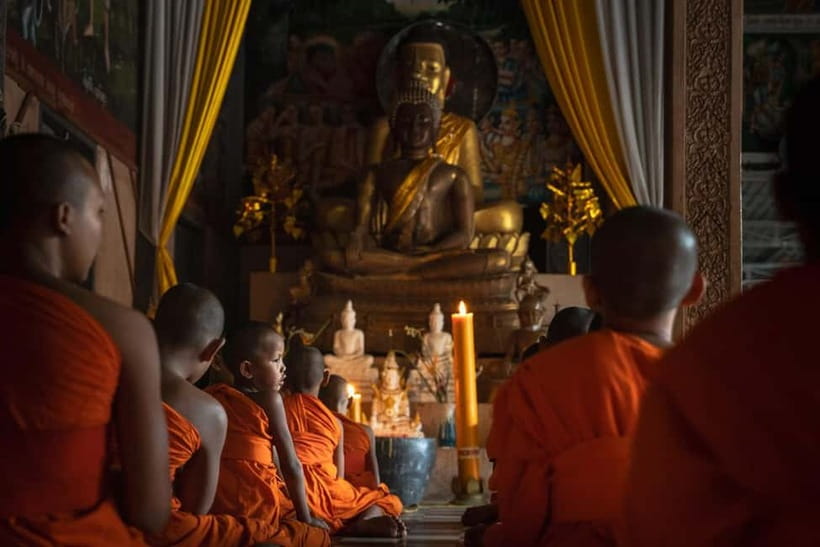
- West Baray pagoda paintings: intricate Buddhist artwork on walls and ceilings
- Monk interaction and traditional blessing: personal, respectful, and meaningful
- Scenic rice-paddy scooter riding: villages, countryside lanes, and calm moments
- Sticky rice cake (and other food) making at a local home
- Banh Chhev snack stop plus included coconut juice
- Small-group pace that doesn’t feel rushed
West Baray’s pagoda: where the day starts with meaning
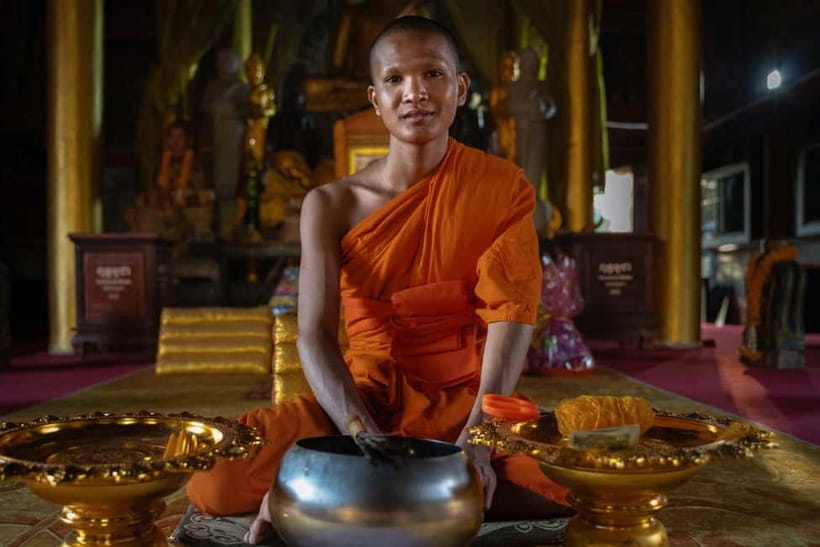
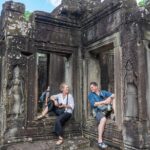
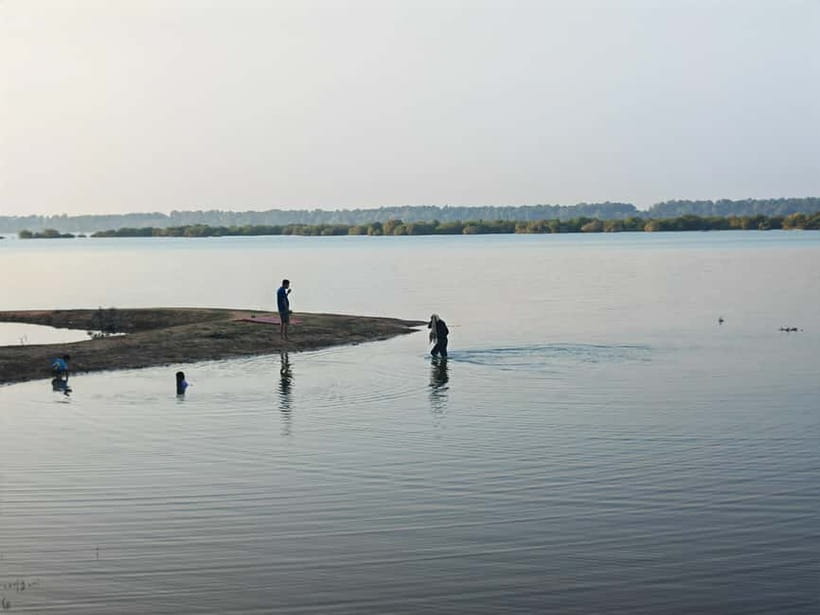
Most Siem Reap days start with big temple names. This one starts differently—at a pagoda perched on the shores of West Baray, the largest man-made lake from the Angkorian era. Even before you get into any religious interaction, the setting does something special: water views, quiet grounds, and a sense you’ve stepped into a living place, not a museum.
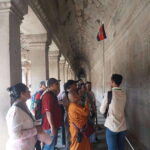
The pagoda visit isn’t just a quick look. You’ll get time to take in the Buddhist paintings that decorate the walls and ceilings, and you’ll be guided with context so you don’t just see pretty surfaces—you understand what you’re looking at. There’s also a “skip the ticket line” benefit, which matters in real life. If you’ve ever lost time waiting, you’ll appreciate starting your day with less friction.
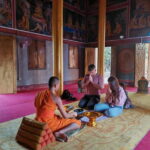
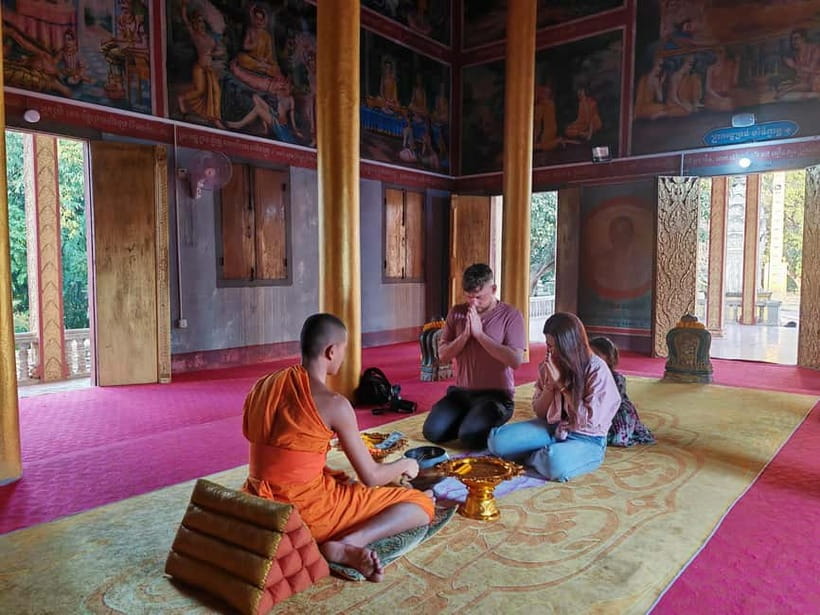
One of the best parts here is how the monk portion fits the space. Instead of treating religion like a photo backdrop, you meet a resident monk and learn about his daily life before receiving a traditional blessing. It’s the kind of moment that sticks because it’s human-scale and not staged for crowds.
You can also read our reviews of more tours and experiences in Siem Reap
What could be a downside here
If you’re expecting temples only, this pagoda stop may feel calmer and more “local” than dramatic. That can be a plus—or a mismatch—depending on your travel mood.
The scooter ride through villages and rice paddies
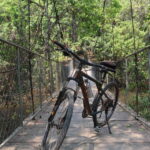
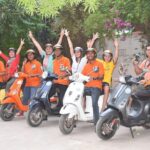
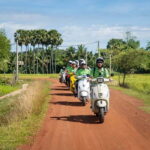
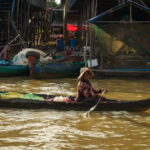
After the pagoda, the day shifts gears to movement. You’ll ride a scooter through rural areas with a guided route that includes a photo stop and about 1 hour of riding. The scenic part is the pay-off: small villages, countryside lanes, and stretches of rice paddies where the pace slows down fast.
This is also where you’ll want to think about your comfort level. You can choose to drive the scooter yourself or have the driver handle it. Either option can work well, but your choice changes the whole experience:
- If you drive: you’ll feel more freedom and control, and you’ll spot details faster.
- If the driver drives: you can focus on photos, the view, and not overthinking road conditions.
Either way, you’ll want your camera ready, plus basic “hot afternoon” supplies. Bring sunscreen and insect repellent. Even if you’re not in full open sun the whole time, you’ll be outside enough that skipping this stuff turns a pleasant day into an annoying one.
Practical note about timing
Transfers are built in—there’s about 30 minutes to get from pickup to the main area and another 30 minutes back. That’s normal for Siem Reap-region touring, but it also means the 4-hour duration stays focused: you’re riding and visiting, not waiting around for long stretches.
Meeting the monk: a blessing that’s more than a moment
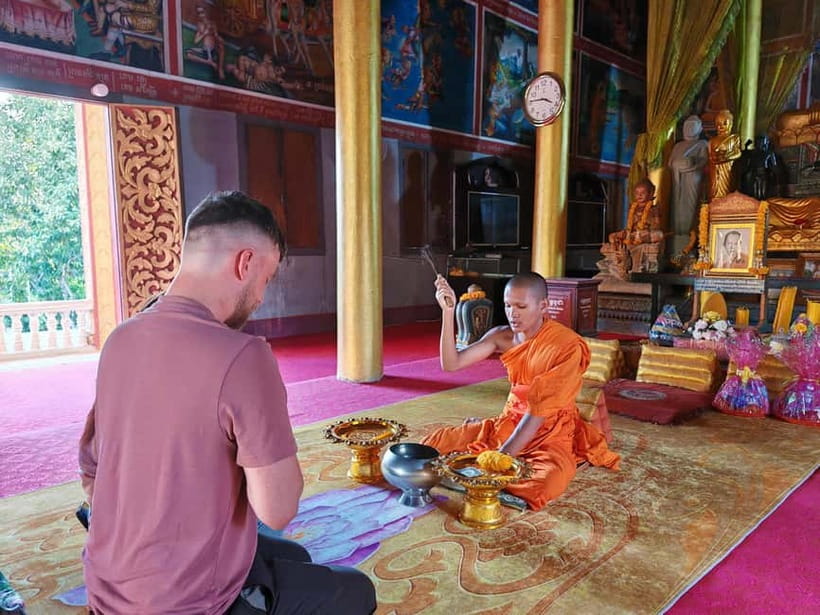
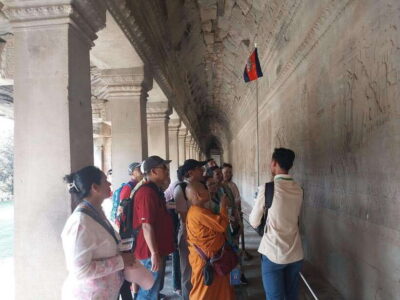
This is the heart of the experience, and it’s handled thoughtfully. You interact with a resident monk, get a sense of what his day looks like, and then receive a traditional blessing.
What makes this feel worthwhile is the order. You’re not rushed directly from walking in to posing for a picture. You learn about daily life first, and that changes how the blessing lands. It’s not just a ritual you watch—it’s something you participate in with context.
If you’re the type who likes cultural experiences that feel personal, you’ll likely enjoy this segment a lot. One English guide you could be with—Thonin—is noted for making people comfortable and sharing plenty of information about traditions and everyday life. That kind of guidance matters when you’re meeting someone in a sacred context.

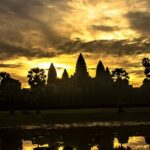
Donation is included (and it’s part of the respect)
A donation to the monk and villagers is included. That’s a small detail, but it affects your experience: you’re not scrambling to figure out what to do or whether you’re supposed to bring something. You still might want some extra cash for personal purchases later (more on that below).
A local home visit: sticky rice cakes and daily work
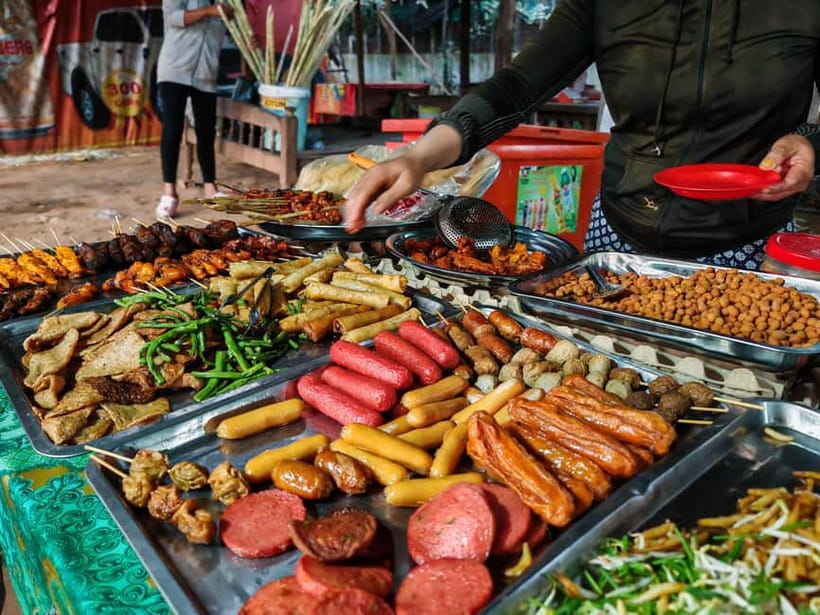
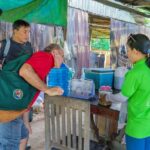
One of my favorite types of travel is the kind where you watch something made with your own eyes. Here, you’ll visit a traditional Cambodian home where you can see the process of making sticky rice cakes and other local foods.
This stop matters because it turns “Cambodia food” from a vague category into something specific and physical. You’re seeing the effort behind staples and snacks—food that’s part of routine, not just a tourist offering. You also get a view of household work and how local ingredients and preparation fit into ordinary life.
There’s also often a small “life on the land” element to the visit. In one example, the experience included harvesting morning glory, and that kind of detail makes the home stop feel grounded in real farming rhythms rather than only kitchen scenes.
What to bring for this part
This is where a good camera earns its keep. You’ll also want to keep an eye on your personal comfort—these are active environments, and you’ll likely move a bit around the home area.
Banh Chhev and West Baray snack tasting
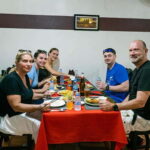
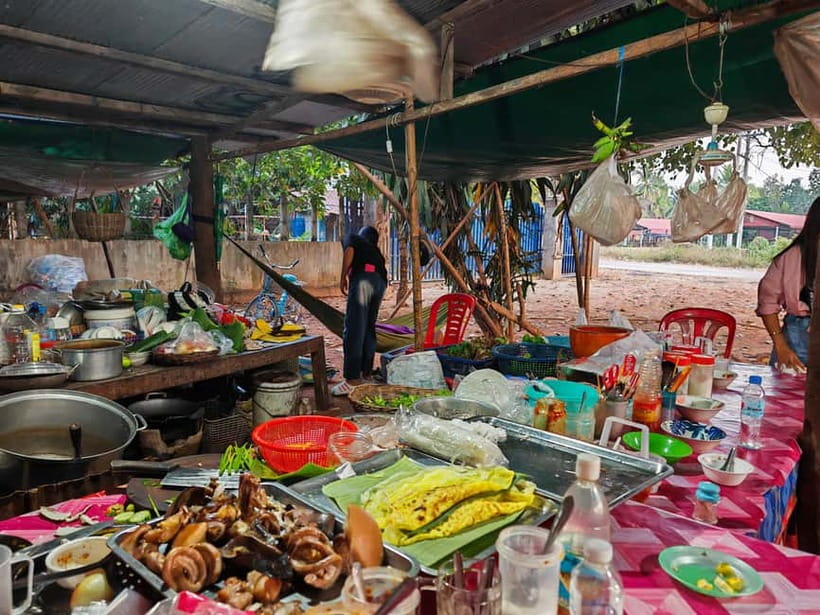
After the home visit and riding, the tour circles back to West Baray for food. You’ll stop at a local store where you can try Banh Chhev, a popular Cambodian rice flour crepe. Included with the day are snacks and drinks, specifically Banh Chhev and coconut juice.
This is the kind of food stop that works well even if you’re not a “food tour” person. Banh Chhev isn’t complicated, and it’s easy to eat while you take in the vibe around the market area.
You’ll also have time for street food and food market visit as part of the West Baray segment, plus food tasting. If you want more, you can explore other local delicacies at your own expense. Translation: keep a little extra cash on hand so you’re not limited to only what’s included.
A simple budgeting tip
Because extra food is optional but likely, I suggest you bring cash beyond what you’re already paying. The tour includes water and the core snacks, but the “want one more thing” impulse is real in market settings.
Price and logistics: is $50 good value?
At $50 per person for about 4 hours, this isn’t just a scooter rental. You’re paying for a guided day that strings together several different experiences—pagoda visit, monk interaction, rural riding, home food-making, and snack tasting.
Here’s what you’re getting that adds up:
- English-speaking guide/assistant
- Scooter with driver
- Donation to the monk and villagers
- Banh Chhev and coconut juice, plus water
- A small-group setup (up to 8)
- Hotel pickup and return within Krong Siem Reap
- Skip the ticket line
What’s not included is also clear: tipping and other expense. You might spend more during the market portion if you choose additional snacks or drinks.
Who gets the best value from this
This tour usually feels like a sweet spot if you want more than one “type” of experience in a single afternoon. If you only care about one thing—like temples only—you might not feel the value. But if you’re juggling interest in culture, food, and scenery, the package makes sense.
Who this scooter and monk blessing tour suits best
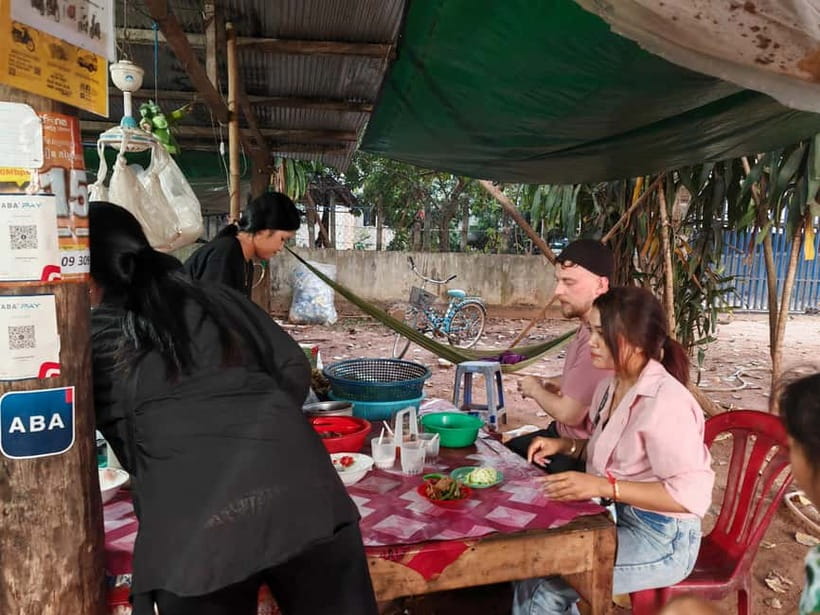
This is a strong fit for:
- People who want rural Cambodia beyond the temple circuit
- Travelers who like a mix of culture plus food
- Anyone who enjoys small-group days with an English guide
It’s also useful if you’re curious about riding but don’t want to plan all the logistics yourself. The guide handles the flow, and you get the choice to ride with a driver or drive yourself.
And it’s not for everyone. The tour explicitly notes it’s not suitable for:
- People with altitude sickness
- Babies under 1 year
- People over 95 years
- People over 70 years
Should you book this tour?
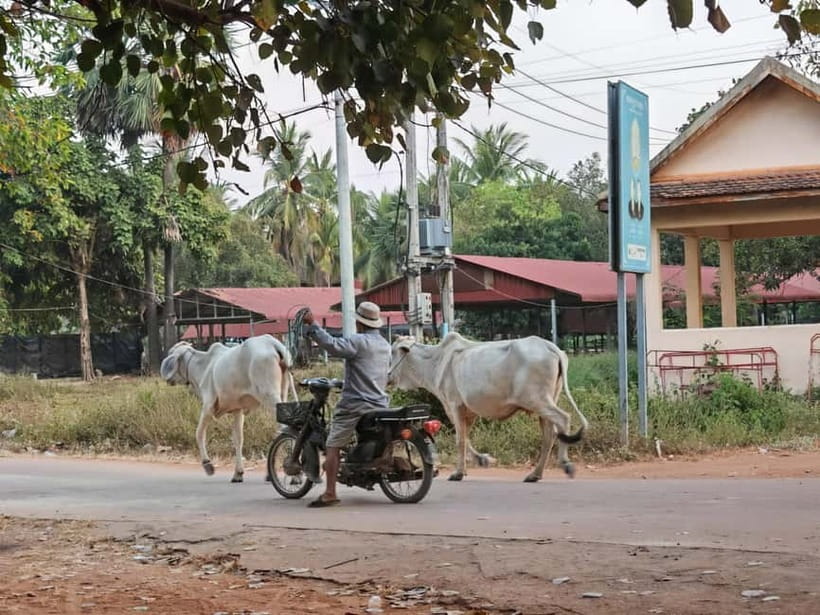
I’d book it if your ideal Siem Reap day includes at least one of these: a meaningful monk interaction, a real rural home food moment, or a scooter ride where you actually pass through villages and rice paddies. The combination is what makes it feel special—West Baray’s setting plus the snack stop plus the daily-life experiences.
I’d skip it if you only want major temples, or if you know scooter time outdoors will frustrate you. For most people who want an authentic change of pace from Angkor-area crowds, this is a smart way to spend half a day.
FAQ
How long is the tour, and where do I get picked up?
The tour lasts about 4 hours. Pickup is included from your hotel in Krong Siem Reap, so you’ll meet the guide there.
What’s included in the price?
It includes an English-speaking guide or assistant, a scooter with driver, a donation to the monk and villagers, snacks and drinks (Banh Chhev and coconut juice), and water.
Do I have to drive the scooter myself?
No. You have a choice to drive the scooter yourself or have the driver take care of the riding for you.
Is Banh Chhev included, or do I buy it separately?
Banh Chhev is included, along with coconut juice. There’s also time to explore other local delicacies at your own expense.
What should I bring?
Bring a camera, sunscreen, insect repellent, and cash.
Are there any limitations or age restrictions?
Yes. It’s not suitable for people with altitude sickness, babies under 1 year, people over 95 years, or people over 70 years.