REVIEW · PHNOM PENH
Beyond The Oudong Temple and Birdwatching in Phnom Penh
Book on Viator →Operated by Vana Adventure Travel · Bookable on Viator
Waking up for birds changes your Phnom Penh. This day trip strings together wetland viewing, river life on Tonle Sap, and a finish at Oudong Temple, all in one manageable outing. You’re up early, but the payoff is a front-row seat to Cambodia’s birdlife at the hours when birds are most active.
I especially like how the tour leans on a local English-speaking birding guide to help you sort what you see, from black-crowned night heron to Cambodian tailorbird. I also like that the day isn’t just scanning from one spot. You get breaks with coffee and fruit, a floating village stop for the river rhythm, and a temple visit that ties the scenery to the old capital city.
One thing to consider: this is an early start and a full 7-ish hour rhythm, so you’ll spend time on the road and standing around waiting for sightings. If you hate mornings or sun and heat after lunch, you may want to adjust expectations.
In This Review
- Key Highlights You’ll Care About
- Why This Early Birding Route Works Around Phnom Penh
- Meeting at 5:30–6:00: Pickup Options and Small-Group Pace
- Stop One in Practice: Countryside Wetlands and the Kingfisher Moment
- Tonle Sap Riverside Drive: Rice Fields, Communities, and Big-Wing Birds
- Coffee, Fruit, and Grass Field Watching: Where Night-Herons Really Matter
- Tonle Sap Floating Village: Birds Aren’t the Only Story Here
- Oudong Temple Birding and Old Capital City Context
- Price and Value: What $110 Really Covers
- What to Bring (So Your Birding Day Doesn’t Fight You)
- Who Should Book This Tour
- Should You Book This Tour?
- FAQ
- What time does this birdwatching tour start?
- How long is the tour?
- Is hotel pickup and drop-off included?
- What’s included in the price?
- What species and bird types can I expect to see?
- How many people are in the group?
Key Highlights You’ll Care About
- A dawn start for wetland birds: leave around 5:30–6:00 am for the most active viewing hours
- Tonle Sap River habitats in one day: rice fields, river edges, and water-focused birding
- Real species variety: herons, kites, kingfishers, night-herons, and lots of migratory birds
- Small group feel: maximum of 8 travelers, so it’s easier to keep an eye on the guide’s spotting
- Meals built in: morning coffee and breakfast, plus lunch, with purified water and fruit
- Oudong Temple at the end: birding wrap-up with context about the historic capital city
Why This Early Birding Route Works Around Phnom Penh
Phnom Penh can be loud and fast. This tour slows everything down in the best way: you’re watching birds during the quiet hours when they’re feeding and moving, not just waking up.
What makes the route smart is that it moves through different bird habitats without making you travel all day. You’ll start with countryside and wetland birds, then shift to Tonle Sap Riverside viewing, and finish with the Oudong Temple area. That mix matters because species don’t show up everywhere. Your odds improve when you cover more habitat types before the midday sun changes bird behavior.
The other strong point is the human side. The route includes time along Tonle Sap and a floating village visit, so you’re not treating birds like a video game. You see how people live with the river, and how that daily rhythm fits the animals’ daily rhythm.
You can also read our reviews of more tours and experiences in Phnom Penh.
Meeting at 5:30–6:00: Pickup Options and Small-Group Pace
The day begins early, around 5:30 am if you’re using the pickup option, or at the Independence Monument meeting point. The start time shown for the meeting point is 6:00 am, so in practice you’ll want to be ready by that early window.
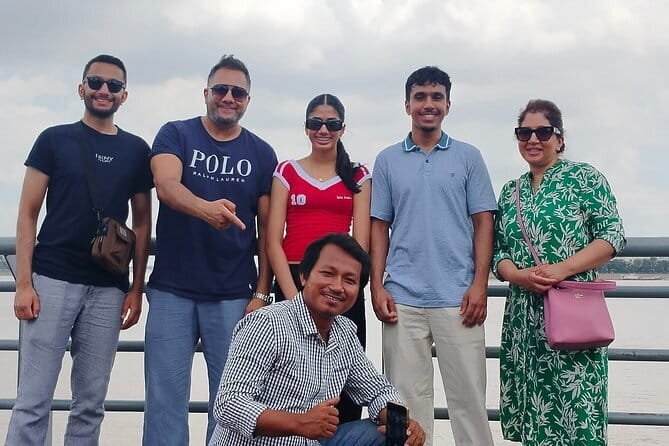
You’re on a small group format with a maximum of 8 travelers, which makes a difference. In a group this size, the guide can keep everyone oriented, and you’re less likely to lose the sightlines when someone spots a bird on the edge of a field or waterway.
You also get round-trip vehicle support, so you’re not piecing together buses or paying for separate rides between stops. Expect a day that feels structured: morning birding, a coffee-and-fruit break with wide views, lunch, then more birding before returning to Phnom Penh around 3 or 4 pm.
Stop One in Practice: Countryside Wetlands and the Kingfisher Moment
Your first viewing area is reached after about a 30-minute drive. This is where the trip sets its tone: countryside and water birds, often visible near edges—ditches, shallow water, and field borders where birds like to hunt and rest.
This stretch is where you’re likely to hear and see species such as:
- little grebe
- little egret
- kingfisher types
- blue-tailed bee-eater
- little bee-eater
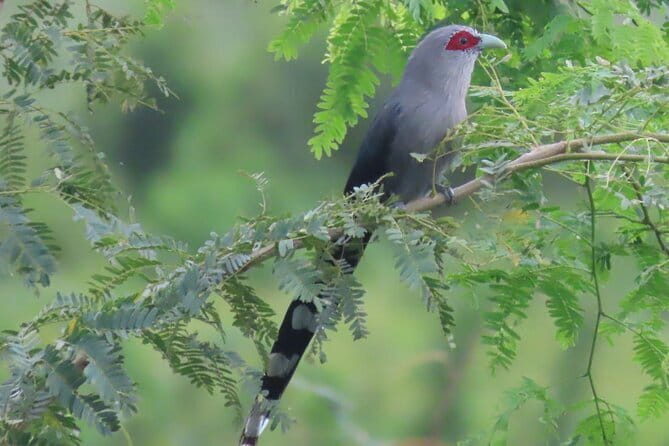
- great cuckoo
- plaited prinia
- blue-toned bird activity around waterlines
It’s also a good place for first-time birdwatchers to get oriented. When your guide calls out what’s happening and where to look, it’s easier to learn the logic of bird ID: shape first, then behavior, then the details like wing tones or the way a bird holds its body.
A practical note: this is still Cambodia’s morning world—bright light by late morning, insects, and uneven ground in some areas. Wear shoes you don’t mind getting a little dusty, and be ready to stand still for a while.
Tonle Sap Riverside Drive: Rice Fields, Communities, and Big-Wing Birds
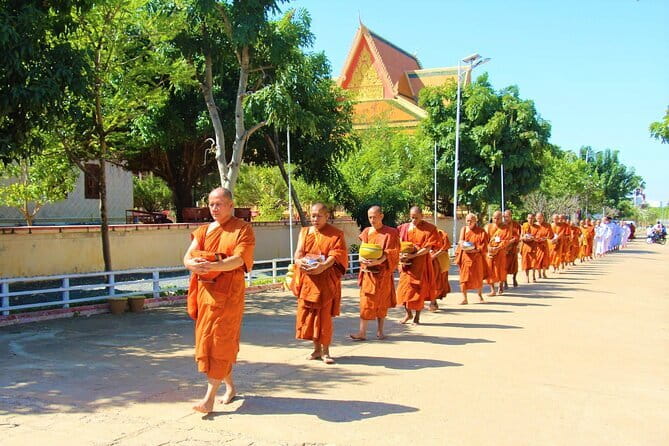
After the first stop, you’ll ride along the Tonle Sap Riverside. The drive passes rice fields and the Muslim community, which helps you understand that this river ecosystem is also a human ecosystem. That matters because the birds you’re seeing are sharing space with farming and daily river life.
Once you reach the next observation site, you’re in a more open, water-and-field mix. This is where the tour’s species list starts getting really fun, with birds like:
- yellow bittern
- black-winged kites
- sunbirds
- Indian roller
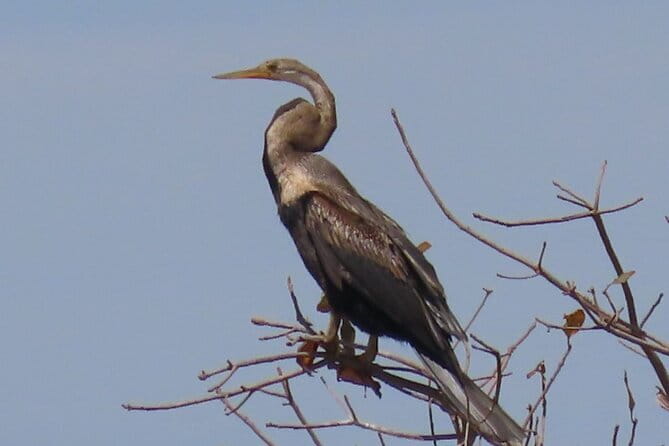
- oriental darter
- Asian yellow weaver
- and more wetland birds as sightings stack up
If you’re the type who likes learning as you go, this part tends to click. Darter behavior (where they hang near water and move with purpose) and kite behavior (big silhouettes, gliding, sudden dives) are easy to notice when you’re in the right spot.
And yes, the guide’s role shows here. Your job is to look where they point and keep your eyes moving. The guide’s job is to spot the bird first and then help you confirm it once you have it in view.
Coffee, Fruit, and Grass Field Watching: Where Night-Herons Really Matter
Mid-morning includes a coffee and fruit break while you overlook grass fields. This is one of those pauses that feels small on the schedule but big for your birding eyes. When your brain gets tired, you miss details. A quick reset helps you see clearly again.
This is also where you may spot species that reward patience, including:
- black-crowned night heron
- Mayan pond heron
- little egret
- great egret
- pied kingfisher
- common kingfisher
- common greenshank
- black-winged stilt
- grey heron
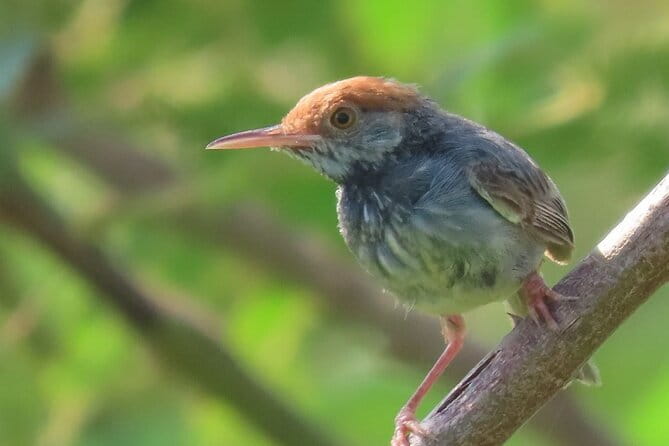
- Cambodian tailorbird (showing up in the wider bird mix across the day)
Night-herons are especially interesting because they can look different from more common heron shapes. Even when you see them briefly, your guide can help you sort the ID fast—so you don’t just add a bird to a list. You understand what you’re looking at.
If you don’t have binoculars of your own, don’t stress. Binoculars are listed as included. The tour also notes that you’re welcome to bring your own if you have one, which can be helpful if your eyes are picky or you like higher magnification.



Tonle Sap Floating Village: Birds Aren’t the Only Story Here

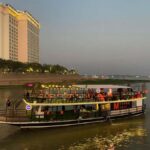
After the morning viewing and a relaxing break, you’ll explore a floating village on the Tonle Sap River and then head to lunch.
This part isn’t about checking off a bird species. It’s about seeing how river life shapes the daily environment birds depend on. Even if birding is your main reason for going, the floating village stop adds perspective. You see the river from a human scale, not just as habitat on a map.
A good mindset here is to look for movement and sound changes. Birds react to people and boats, and you’ll notice how the environment shifts as activity changes. It’s one of the easiest ways to understand what you’re watching during the rest of the day.
Lunch comes after this portion. The tour includes lunch, so you won’t have to gamble on random food stops while the birds are still active.
Oudong Temple Birding and Old Capital City Context
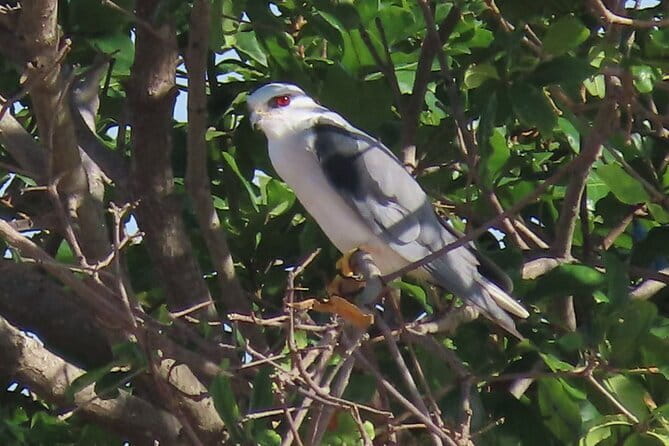
You’ll wrap the day with birding at Oudong Temple. The temple visit includes history about the old capital city, which helps the setting feel less like a scenic add-on and more like a meaningful final chapter.
This is a strong way to end because temple areas often provide different sightlines than open fields. Depending on how the birds are moving that day, you may spot herons, egrets, or birds that use tree lines and open edges around the temple area.
It’s also a practical way to close your birding day. By late afternoon, your brain is tired but you still have interest. A place with history gives you a second track for attention besides only scanning for birds.
Then you’ll head back to Phnom Penh, typically around 3 or 4 pm, so you still have a chunk of the day left after you return.
Price and Value: What $110 Really Covers

At $110 per person, this tour is priced for a day of real guiding plus transportation plus meals. If you try to build this yourself—driver, fuel, entry logistics, a bird guide, and food—you’ll likely spend more, and you’d still lack the structured birding stops and species knowledge.
Here’s what you’re getting for the cost, in plain terms:
- hotel pickup and drop-off
- an English-speaking birding guide
- morning coffee and breakfast
- lunch
- purified drinking water plus refreshment fruits
- round-trip vehicle support
- binoculars listed as provided
That meal package matters more than it sounds. Early starts can drain you fast. Having breakfast and coffee in place keeps the day from turning into a hangry bird walk.
The tour also lists group discounts, and it’s capped at 8 travelers, which suggests the price is meant to stay reasonable while keeping the group manageable.
What to Bring (So Your Birding Day Doesn’t Fight You)
The tour provides key basics like purified water, fruit, and binoculars, but you should still pack to protect your comfort.
Bring:
- a light layer for early morning (if you run cold)
- sun protection (hat and sunscreen)
- comfortable shoes for uneven ground around river edges and temple areas
- insect repellent, because early day outdoors can bring bugs
- your own binoculars if you prefer your exact setup (binoculars are included, but this can help)
If you’re serious about ID, consider bringing a phone camera with a decent zoom or a notebook. The guide will help you identify what you see, but having a record helps you learn the next time you’re out.
Who Should Book This Tour
This is a great fit if you:
- want a birding day without planning stops yourself
- like learning species ID, not just spotting something briefly
- enjoy nature that includes people, rice fields, and river life
- don’t mind an early start in exchange for better bird activity
You might especially enjoy it if you’re the type who likes variety. The day includes species across wetland and open-area habitats, with birds like:
- Cambodian tailorbird
- Black-crowned Night-heron
- Oriental Darter
- Black drongo
- Green-billed Malkoha
- Asian Openbill
- Lesser Whistling-duck
- Cinnamon Bittern
- Grey Heron
- Java Pond Heron
- Black-shouldered Kite
- plus multiple migratory birds
That’s a lot of names, but the reality is simple: your guide will help you connect those names to the shapes and behaviors you see in the field.
Should You Book This Tour?
Yes, I’d book it if you want one day that blends serious early birdwatching with river scenery and a temple finish. The value comes from the full package: transport, an English-speaking birding guide, binoculars, and meals that keep you fueled from morning to afternoon.
If you’re flexible and want a plan that still protects you if something changes, this is also the kind of day trip where last-minute schedule issues happen. You can cancel up to 24 hours in advance for a full refund, so you can book with less stress.
If you hate early mornings, though, be honest with yourself. The start time is part of the deal. This tour is designed for birds at their best hours, not for late sleepers.
FAQ
What time does this birdwatching tour start?
The tour starts very early, with pickup beginning around 5:30 am or meeting at Independence Monument at 6:00 am.
How long is the tour?
The duration is listed as approximately 7 hours, and you typically return to Phnom Penh around 3 or 4 pm.
Is hotel pickup and drop-off included?
Yes. Hotel pick up and drop off are included.
What’s included in the price?
The price includes an English-speaking birding guide, purified drinking water, refreshment fruits, morning coffee and breakfast, lunch, binoculars (and you can bring your own if you have them), and round trip vehicle support.
What species and bird types can I expect to see?
You may see many wetland and river birds, including Cambodian tailorbird, black-crowned night heron, Oriental Darter, kingfishers, herons and egrets, kites, bitterns, stilt species, and migratory birds.
How many people are in the group?
The tour has a maximum of 8 travelers.