REVIEW · SIEM REAP
Angkor Wat Sunrise Small Group Tour With Breakfast
Book on Viator →Operated by Asean Angkor Guide · Bookable on Viator
That first light over Angkor Wat is a time-travel moment. This small-group tour starts well before dawn so you can see the sunrise and then cover the big Angkor highlights while the crowds are still waking up. I especially like the hotel pickup and the steady rhythm of temple stops with breaks for food and shade. One thing to consider: it is a long, early morning with a lot of walking, and you’ll need to handle your own Angkor Wat pass.
The best part for me is the way the day is paced. You’re not just dropped at one spot and left to figure things out—you get guided context at each stop, plus small comforts like cold towels and bottled water. The one drawback I’d flag is breakfast can be pretty simple, and if you want coffee or tea, don’t plan on it being part of the meal.
In This Review
- Key highlights worth waking up for
- Angkor Wat at sunrise: why the early hour matters
- Morning logistics: pickup windows, pass rules, and what to wear
- The Angkor Wat sunrise stretch: what you’ll actually do
- Srah Srang breakfast: the calm before the temples
- Ta Prohm: the jungle temple with roots and attitude
- Angkor Thom circuit: Bayon, Baphuon, and the terraces
- Bayon Temple (about 1 hour)
- Baphuon (about 30 minutes)
- Terrace of the Elephants (about 20 minutes)
- Terrace of the Leper King (about 20 minutes)
- Angkor Thom South Gate (about 20 minutes)
- Back to Siem Reap: winding down after a long day
- Price and value: what $23 really covers (and what it doesn’t)
- Who should book this sunrise with breakfast?
- Should you book this Angkor Wat Sunrise Small Group Tour with Breakfast?
- FAQ
- What time is hotel pickup for the sunrise tour?
- Is breakfast included, and is there a vegetarian option?
- Is the Angkor Wat admission included in the tour price?
- Do I need to buy the Angkor pass before the tour starts?
- How long is the tour?
- How many people are in the group?
- Does the tour include transport and hotel drop-off?
- What should I wear for the temples?
- What else is included besides the guide and transport?
- What is not included besides the temple pass?
Key highlights worth waking up for
- Less crowd pressure at sunrise with an early arrival and a prime viewing setup
- Small group size (max 14) means more Q&A and less time waiting in a line
- Hotel pickup and drop-off keeps the schedule easy, even when start times are brutal
- Cooling breaks included: cool water and towels during the day, helpful in heat
- A focused Angkor circuit that hits the main temples plus a couple of unforgettable viewpoints
Angkor Wat at sunrise: why the early hour matters
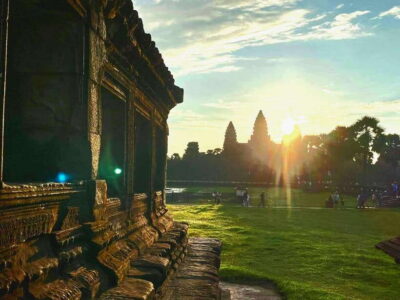
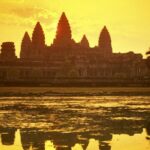
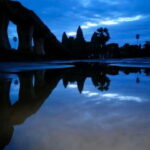
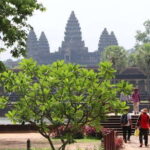
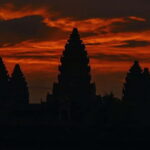
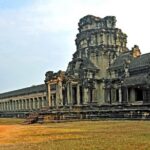
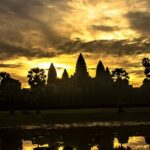
Angkor Wat is stunning at any time, but sunrise is different. In the early morning, the light is softer, the air is usually cooler, and you get that classic glow across the temple’s angles and causeway. This tour is built around that moment, with pickup in the dark and time to reach the viewing area before things get packed.
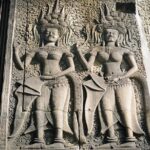
I like that it’s not just a photo-op. After the sunrise, you keep moving through the major sights, so your morning has purpose instead of feeling rushed. The guide also helps you understand what you’re seeing—why Angkor Wat is oriented the way it is, what to look for in carvings and structure, and how the site fits into Cambodia’s longer story.
One practical benefit: arriving early often means you can spend less time fighting crowds and more time looking closely. One guest noted that having tickets sorted ahead of time helped them beat the line.
You can also read our reviews of more tours and experiences in Siem Reap

Morning logistics: pickup windows, pass rules, and what to wear
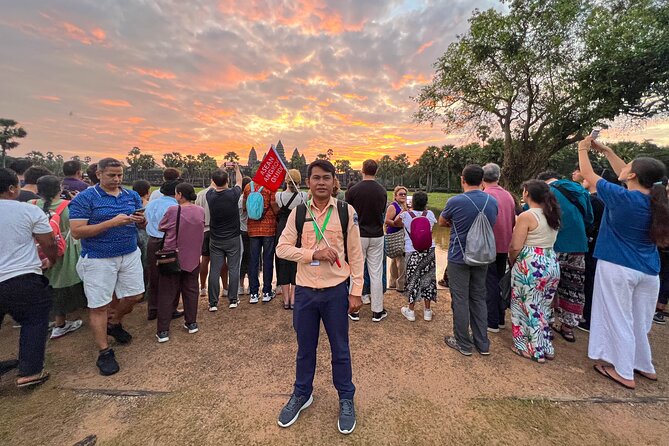
You’ll be picked up from your hotel lobby between 4:30 AM and 5:00 AM. It’s early—no sugarcoating—but it’s also the whole point of a sunrise Angkor experience. From there, the tour is paced to get you at Angkor Wat in time to watch the sunrise.
Here’s the rule that matters most: the Angkor pass (US$37 per person) is not included, and the tour operator requires you to have your temple pass before the sunrise starts. The good news is they recommend buying online, and they’ll help if you need support. If you don’t already have your pass, plan to get it sorted before you sleep on your first sunrise morning.
Dress code is strict enough to surprise people. You cannot wear shorts, and you need your knees and shoulders covered. That matters both for comfort (morning chill can flip to heat fast) and for avoiding any last-minute hassle at the entrance.
Also pack the real-world stuff: sunscreen, sunglasses, insect repellent, and a hat. Since you’ll be out early and walking in warm weather, these aren’t optional-feeling items.
The Angkor Wat sunrise stretch: what you’ll actually do
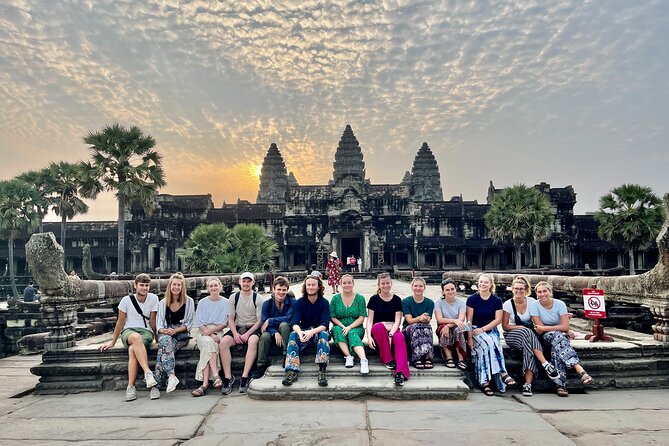
Once you arrive, the tour focuses on the sunrise at Angkor Wat first. The schedule gives about 2 hours at this stop, which typically covers waiting for light, watching the sky shift, and then beginning your temple exploration in steadier daylight.
The sunrise itself isn’t guaranteed to be perfect—one guest said the sun was hidden behind clouds, with only brief peeks between them. Still, the view can be memorable even when the sky is dramatic. What makes it work is the early arrival and the fact that you’re not stuck at the back of the crowd trying to squeeze in.
Guides seem to be a strong point here. Several named guides came up in the feedback, including Mr. Raman, Mr. Dan, Mr. David, Mr. Ho, and Mr. August. The common theme is clear explanations in good English and smart photo guidance for sunrise timing.
Admission for Angkor Wat is not included in the tour price. You’ll pay separately via the temple pass.
Srah Srang breakfast: the calm before the temples
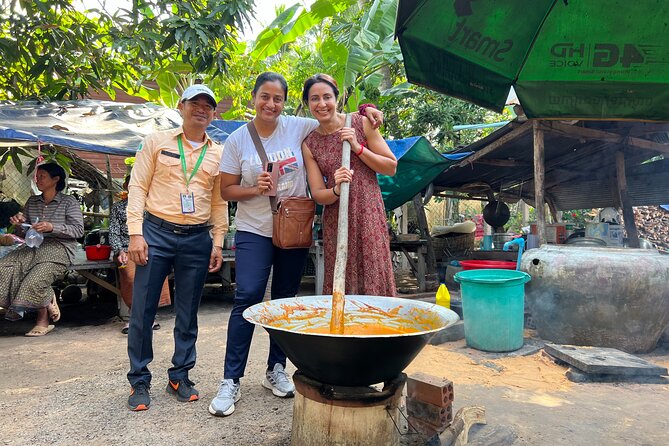
After sunrise, you head to Srah Srang and get breakfast. This is your reset moment: you eat, you cool down, and you fuel up before more temples and heat. The stop runs about 45 minutes and includes breakfast at a local family restaurant.
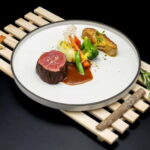
A couple of details stand out from the feedback. People liked the sense of local connection and said the breakfast choices included a vegetarian option. One guest mentioned a green curry-style local breakfast dish; another described the breakfast as simple soup. So I’d set expectations for a basic, local meal rather than a cafe-style breakfast.
While you eat, it’s also a chance to see the area around the temples in daylight, not just the famous monuments. The tour frames Srah Srang as part of rural life near the Angkor communities, and even small touches like a local palm cake can make this feel like more than just a meal stop.
Ta Prohm: the jungle temple with roots and attitude
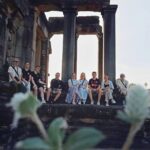
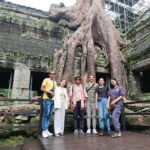
Next comes Ta Prohm, usually the most recognizable for many people because of the wild, overgrown look. The time here is about 1 hour, and the point is to walk through a temple that feels partly reclaimed by nature. This is the jungle temple that has been left in an original state, with huge tree roots and thick atmosphere.
This is also where you feel the walking. One practical caution from the feedback: the overall day can get very hot and a bit long, so comfortable shoes matter more than you think. Ta Prohm’s vibe is worth it, but you’ll be outdoors.
The guide support helps here. When someone explains what you’re looking at—like how specific carvings sit relative to structural changes—you end up understanding the temple as more than a film set. More than one guide name popped up for strong storytelling and history tying, including Mr. Mony, Mr. Sa, and Mr. Sothea (often mentioned as the driver who coordinated timing smoothly).
Angkor Thom circuit: Bayon, Baphuon, and the terraces
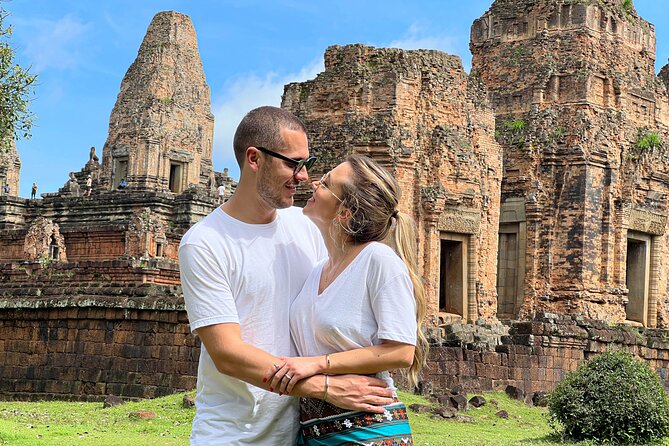
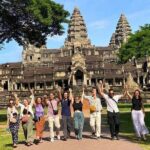
After Ta Prohm, you move into Angkor Thom, the bigger walled complex area that makes Angkor feel like a whole city, not just a single temple.
Bayon Temple (about 1 hour)
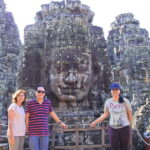
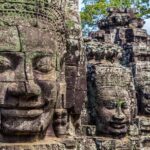
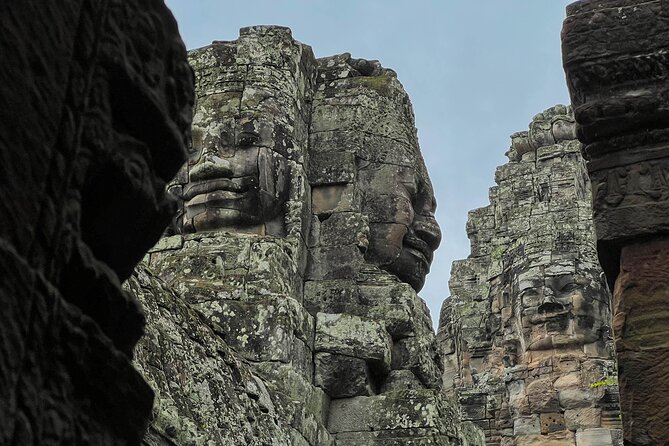
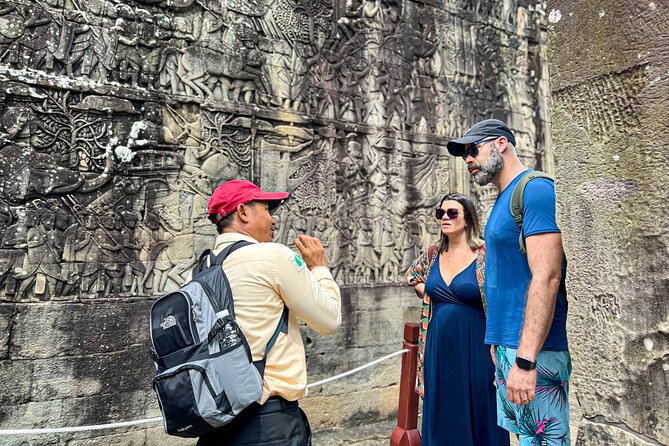
Bayon Temple is known for its faces and its role as a living religious and administrative center over time. The tour gives about 1 hour here. This is a great stop if you want lots to look at without switching locations every five minutes.
The value is interpretation: you don’t just see faces; you learn what those faces represent, and how Bayon fits into the bigger Angkor Thom story. This is where a strong guide makes a real difference.
Baphuon (about 30 minutes)
The Baphuon Temple, often called the golden mountain, sits on an artificial hill. Expect less time than Bayon, but it’s a key viewing moment in the circuit. Because time is tighter, it helps to stay alert and listen for what the guide wants you to notice.
Terrace of the Elephants (about 20 minutes)
This stop is about royal palace frontage and power imagery. There’s one important heads-up based on real experiences: the Terrace of the Elephants was closed for at least one tour, so the stop was skipped. If you count on that exact photo angle, keep a little flexibility in your expectations on the day.
Terrace of the Leper King (about 20 minutes)
This terrace is linked to ceremonial cremations, and it includes a statue associated with the God of Death. The time is short, but it’s a striking stop that adds a different tone than the face towers and sunrise views.
For both terraces, the time limit is part of the design: it keeps the tour moving while still giving you meaningful context.
Angkor Thom South Gate (about 20 minutes)
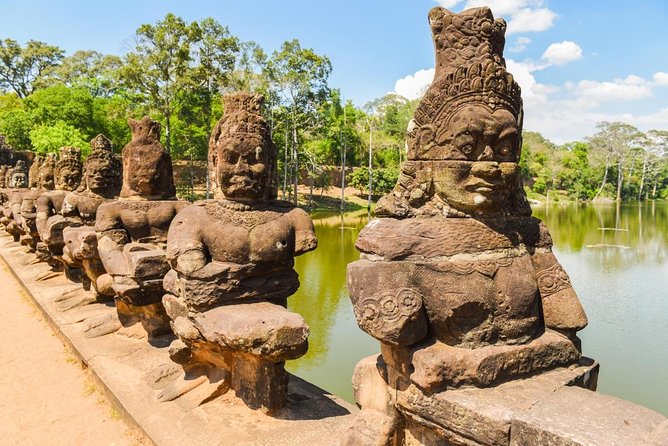
You finish this portion at the South Gate of Angkor Thom, a 12th-century city gate with carved faces and stone figures along the causeway. This is a nice “wrap-up” photo stop before the final transfer.
One driver detail comes up repeatedly: staying hydrated and cool. Guests described drivers timing returns to the air-conditioned van and offering cold towels and bottled water when you’re back on board.
Back to Siem Reap: winding down after a long day

The tour ends with a transfer back to Siem Reap, roughly 40 minutes. By this point, you’ve packed in the sunrise and multiple temple clusters, so the ride home usually feels like a reward.
This is also where the small-group approach helps again. A max of 14 travelers means you’re less likely to get separated by chaos. One guest even noted that in off-season they ended up with a very small group of two, which made the whole experience more flexible.
Price and value: what $23 really covers (and what it doesn’t)
On paper, $23 per person looks like a steal for a guided, air-conditioned temple day. But the math changes once you include the temple pass.
Here’s what your money covers:
- Professional English-speaking guide
- Air-conditioned transport (minivan/bus)
- Hotel pickup and drop-off
- Cool bottled water and towels
- Breakfast (vegetarian option available)
What you still pay separately:
- Angkor Wat admission via the Angkor pass (US$37 per person)
The value comes from the whole package: early logistics, transportation, and guidance. The pass cost is still the biggest variable, but if you’re already planning to see Angkor Wat, this tour mostly reduces friction. You’re not wasting time figuring out routes, schedules, or where to be for sunrise.
As for the food: breakfast is included, but expectations should stay realistic. Some people loved the local dish; one person called out the breakfast as simple soup and wished for coffee/tea. If you’re picky about breakfast drinks, you might want a backup plan.
Who should book this sunrise with breakfast?
This is a strong fit if you want:
- A head-start into Angkor without being stuck in the worst crowd crush
- A structured introduction to the Angkor temple region (sunrise plus multiple major stops)
- A tour that gives you time to ask questions thanks to a small group size
It can be less ideal if you:
- Hate early wake-ups and lots of walking in heat
- Need lots of downtime between sites
- Expect a long, leisurely meal break (breakfast is included, but it’s not a full brunch spread)
If you’re traveling as a family, a couple, or solo, the small-group format tends to feel more personal without being overly precious. If you’re the type who likes history explained while you’re standing in front of the stones, the guide-driven pacing is exactly what you want.
Should you book this Angkor Wat Sunrise Small Group Tour with Breakfast?
I think it’s a good booking for most first-timers who want the big Angkor highlights in one day. The sunrise timing is the main reason, and it’s reinforced by practical touches: hotel pickup, air-conditioned transport, cold water and towels, and a clear circuit through Ta Prohm and Angkor Thom.
My advice before you hit book is simple:
- Get your Angkor pass (US$37) in advance so sunrise isn’t delayed
- Wear the right clothes (no shorts; knees and shoulders covered)
- Bring sun protection and something bug-safe
- Mentally prep for a long hot day after an early wake-up
If you want one day that gives you the essentials—without chaos—you’ll likely feel glad you chose this format.
FAQ
What time is hotel pickup for the sunrise tour?
Pickup is between 4:30 AM and 5:00 AM, and you should wait in your hotel lobby about 10 minutes before pickup.
Is breakfast included, and is there a vegetarian option?
Yes. Breakfast is included, and there is a vegetarian option available.
Is the Angkor Wat admission included in the tour price?
No. Angkor Wat admission is not included. You need an Angkor temple pass, listed as US$37 per person.
Do I need to buy the Angkor pass before the tour starts?
Yes. You must have an Angkor temple pass before the start of the tour to ensure you don’t miss the sunrise.
How long is the tour?
The duration is about 9 hours.
How many people are in the group?
The tour has a maximum group size of 14 travelers.
Does the tour include transport and hotel drop-off?
Yes. It includes air-conditioned transport plus hotel pickup and drop-off.
What should I wear for the temples?
Shorts are not allowed. Your knees and shoulders must be covered.
What else is included besides the guide and transport?
You also get a free cool bottle of water and towels during the day.
What is not included besides the temple pass?
Lunch and soft drinks are not included, and tips are optional.