REVIEW · PHNOM PENH
Half Day To Killing Field & S21 Genocidal Museum
Book on GetYourGuide →Operated by Tour Guide Team Phnom Penh · Bookable on GetYourGuide
Two sites. One heartbreaking story in Phnom Penh. This half-day tour connects the Khmer Rouge system of fear to the places where it played out, from Tuol Sleng S21 to Choeung Ek.
I love the way the guides explain a complex, painful era with real humanity and clear English. In particular, Ms Sreyneang and Chheamg Sreymeamg have a patient, compassionate style, including family-level context that makes the history feel anchored in actual lives.
One thing to consider: this is emotionally heavy. Also, the tour includes the guide and transport, but tickets aren’t included, so you’ll want to factor that in when budgeting.
In This Review
- Key things to know before you go
- A half-day route that follows the Khmer Rouge footprint
- Tuol Sleng S21: what you’ll see and how your guide keeps it understandable
- The survivor connection: why it changes the meaning of the visit
- Choeung Ek Killing Fields: the extermination route and the stupa memorial
- The drive and timing in Phnom Penh: why private transport feels calmer
- Price and value: is $120 per group up to 2 worth it?
- What to expect from the flow at each stop
- Who this tour suits best in Phnom Penh
- Should you book this tour?
- FAQ
- How long is the tour?
- Where does pickup and drop-off happen?
- Does the tour include tickets to the museums?
- What sites are included in the half-day route?
- How long do you spend at each main site?
- What language is the tour guide?
- Is this a private tour?
- FAQ
- Is the vehicle air-conditioned and private?
- What’s included besides the guide and transport?
- Is there a skip-the-line option?
- Are meals included?
- Is free cancellation available?
- Can I reserve without paying right away?
- Is there a safety briefing during the visits?
Key things to know before you go
- Private group, hotel pickup/drop-off in an air-conditioned vehicle keeps the day focused and easy.
- Skip-the-line entry uses a separate entrance, saving time so you can start learning sooner.
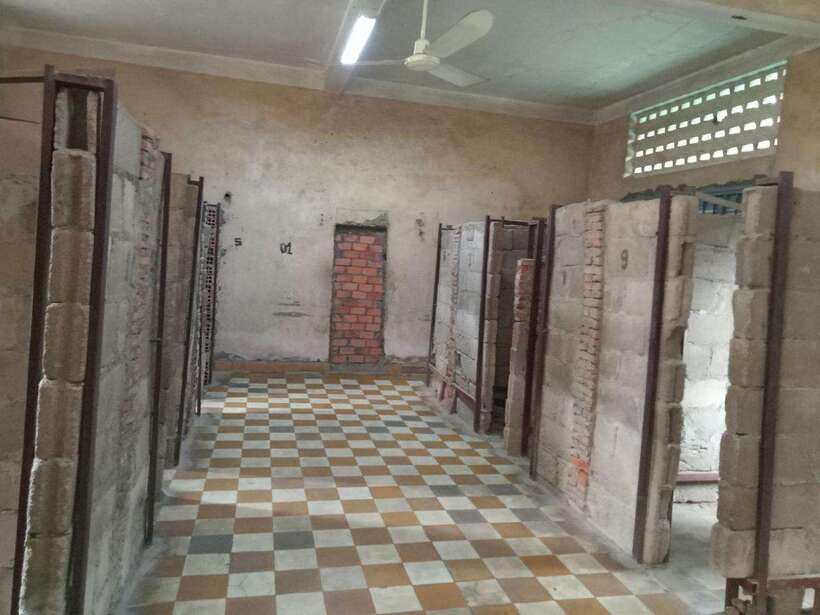
- Tuol Sleng (S21) is framed with a guided walkthrough and safety briefing, not just a quick look around.
- Choeng Ek (Killing Fields) includes guided time at the memorial stupa holding exhumed remains.
- Local storytelling matters: guides often bring in personal family accounts and survivor perspectives.
- A short, tight route: about 1.5 hours at each site, finished back at your hotel.
A half-day route that follows the Khmer Rouge footprint
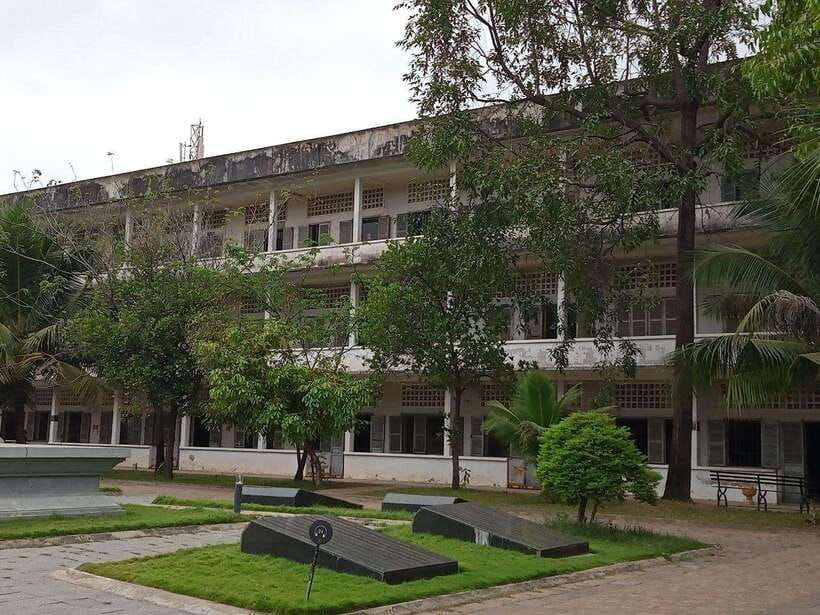
This tour is designed like a clear timeline you can walk through. You start at Tuol Sleng, the interrogation and torture center turned genocide museum, then you continue to Choeung Ek, the killing field route that’s remembered through a memorial stupa.
What makes it valuable is how the experience links place to purpose. You’re not just seeing buildings and trees. You’re learning how a communist regime under Pol Pot built a system of control, then processed people through a brutal chain that led to death.
You can also read our reviews of more museum experiences in Phnom Penh

Tuol Sleng S21: what you’ll see and how your guide keeps it understandable
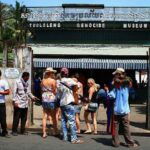
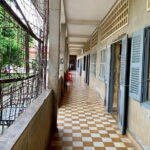
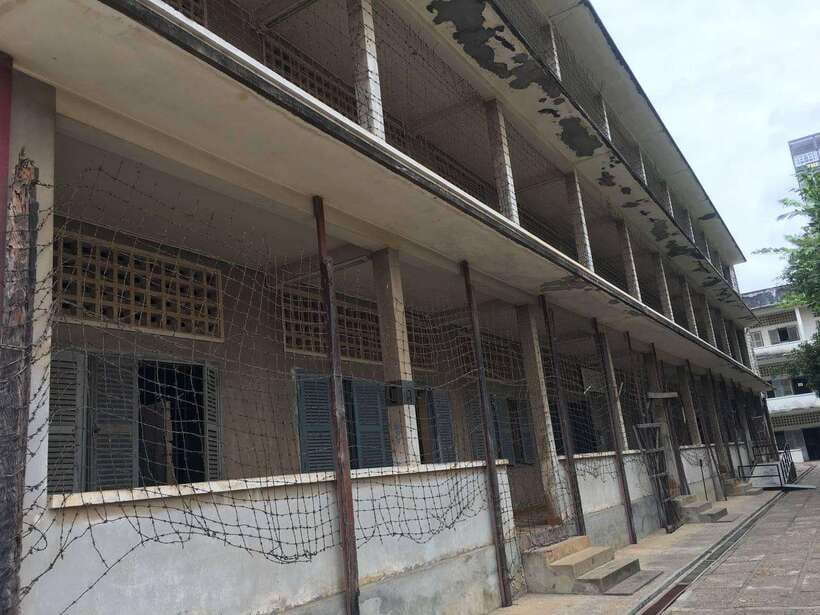
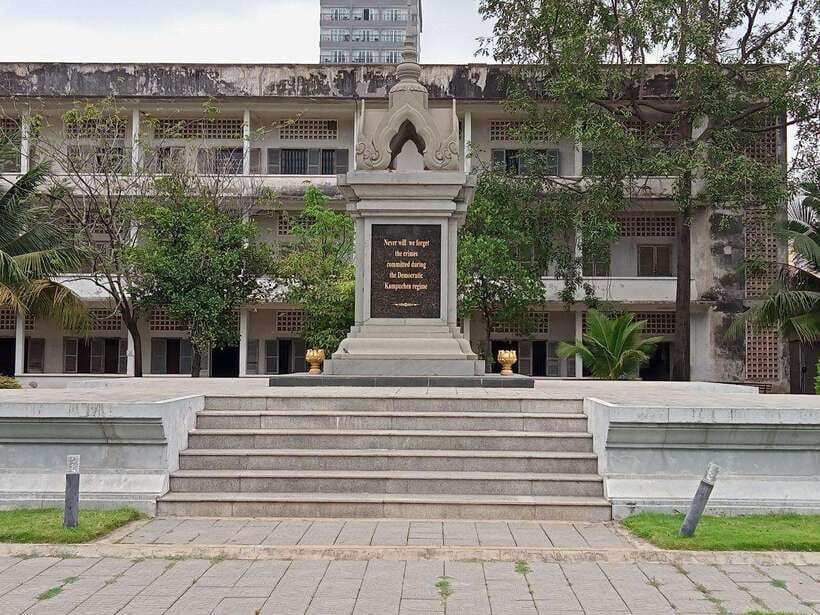
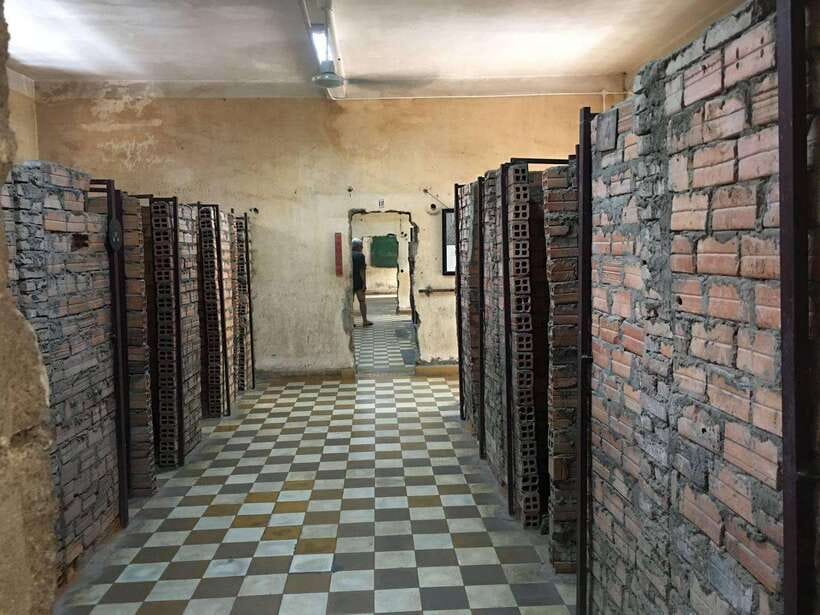
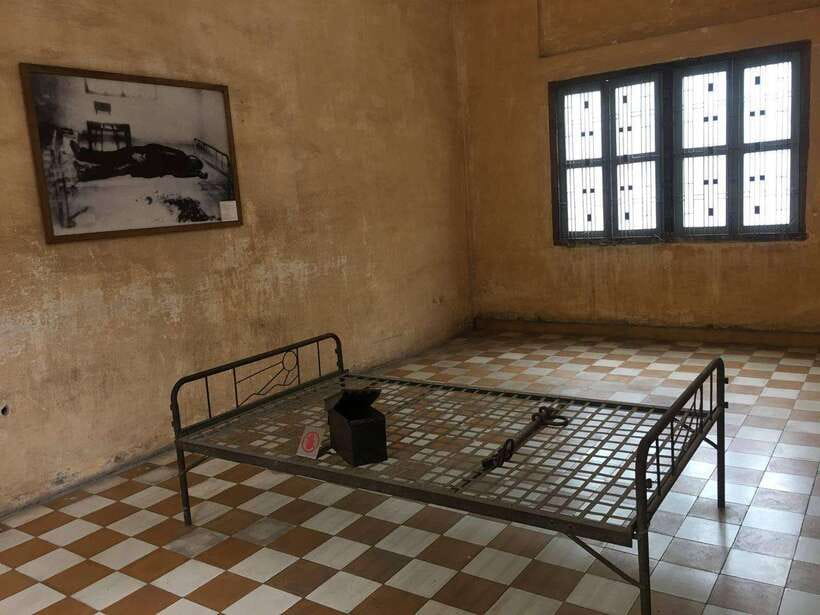
Tuol Sleng is where the Khmer Rouge turned an ordinary school into a center for interrogation, torture, and death. You’ll spend about 1.5 hours here with a guided tour, plus a safety briefing and time to walk through key rooms and areas.
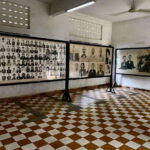
The numbers alone are hard to hold in your head: around 17,000 people passed through the gates of this prison, and only seven survived. Your guide uses that context to help you understand the scale of the system, without turning the visit into something cold or clinical.
A big reason to book this as a guided experience is how the guide translates the era. The tour highlights that you’ll learn about the Communist doctrine during Khmer Rouge’s time, and the guide’s job is to connect doctrine to lived experience, including the methods of interrogation and the conditions prisoners faced.
If you’re able to ask questions, do it here. This is the site where questions usually come to the front of your mind—what people were accused of, how the system worked day to day, and why this place became such a powerful reminder in Cambodia today. The more your guide can anchor answers in compassion and clarity, the easier it is to process what you’re seeing.
If you’re especially sensitive, plan for a slower internal pace. It’s a museum of torture and death, so you’ll likely feel that somber weight in the rooms and hallways. A patient guide matters because it helps you stay oriented and not feel lost in the information.
The survivor connection: why it changes the meaning of the visit
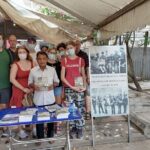
One of the strongest highlights of this tour is the chance to meet a survivor who can talk about his life under the Khmer Rouge regime. That encounter can make everything else click into place.
Even with the museum explanations, history can stay abstract. A survivor’s words bring the experience back to a human scale: fear, uncertainty, survival, and what it took to live through the regime.
I like tours that include this kind of encounter because it prevents the visit from becoming only a checklist of facts. It’s still extremely difficult material, but the meaning shifts from distant tragedy to testimony.
Choeung Ek Killing Fields: the extermination route and the stupa memorial
After Tuol Sleng, you’ll transfer to Choeung Ek. You’ll have about 1.5 hours here as well, including a guided tour and time for reflection in the open memorial grounds.
Choeung Ek is remembered as an extermination camp for political prisoners from Tuol Sleng. The tour connects the dots between the prison and the killing field route, so you can see how the system moved people from interrogation to death.
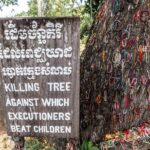
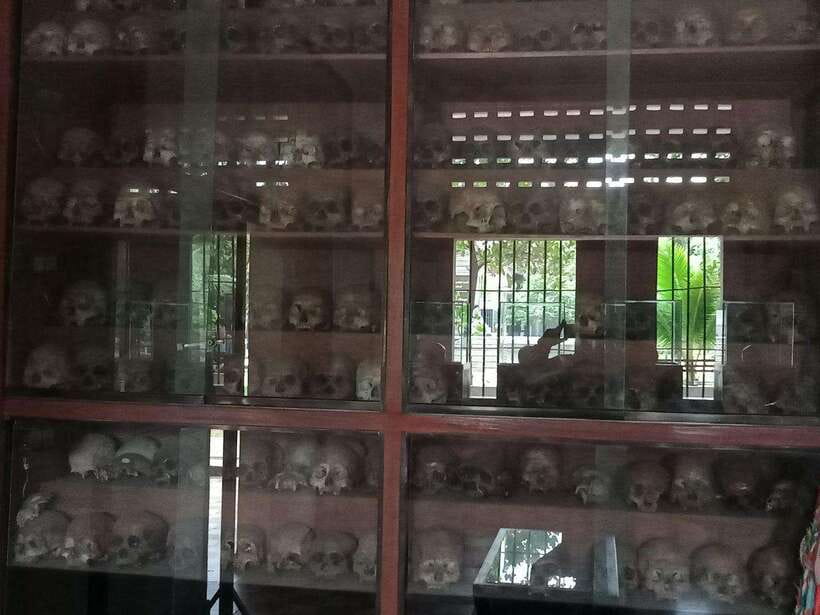
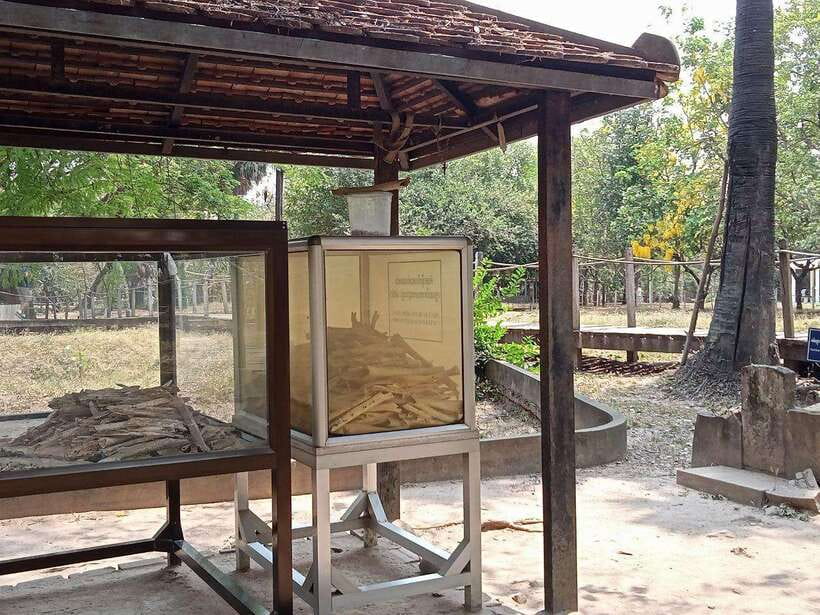
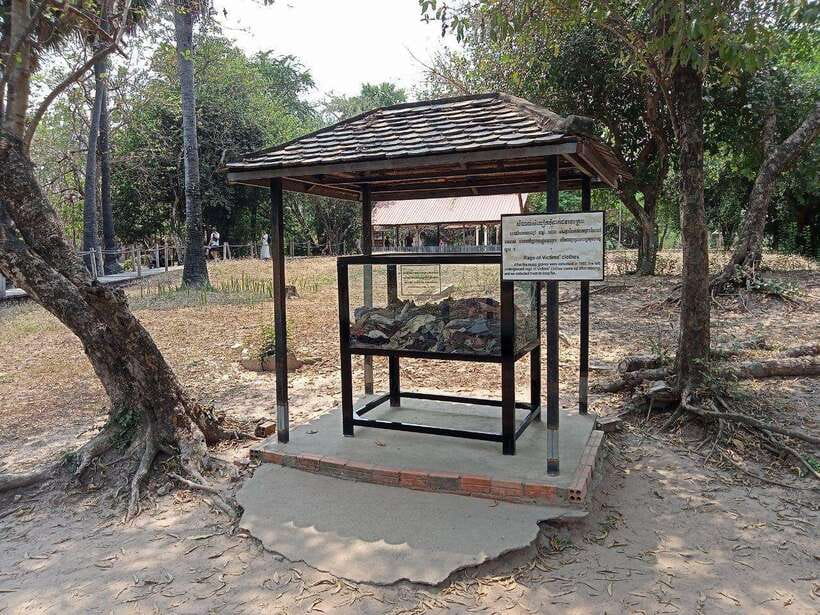
There’s also a specific detail that gives this place its unique emotional force. Choeung Ek was turned into an extermination camp, and remains were exhumed from mass graves. About 8,985 people’s remains were recovered and are kept in the memorial stupa here.
That stupa is where many visitors pause the longest, because it’s not just an exhibit—it’s a physical memorial for human remains. Your guide helps you hold what you’re seeing with respect and context. If you take nothing else from the day, this stop often becomes the place where the facts turn into grief and then into memory.
The drive and timing in Phnom Penh: why private transport feels calmer
This is a short tour, but it’s a full emotional morning. The structure matters.
You’ll be picked up from your hotel in Phnom Penh and driven by a licensed driver in an air-conditioned vehicle. The route includes a brief van transfer before you start at Tuol Sleng, then another transfer to Choeung Ek, and finally you return to your hotel.
I like that the day includes a small built-in rhythm: photo stops, guided walking time, and safety briefings. It keeps you from feeling like you’re rushing through sacred and tragic spaces with no pacing.
The tour also provides cold waters and wipes, which is a genuinely helpful detail when you’re out walking and standing in memorial settings for long stretches. It’s not flashy, but it makes the day easier to endure.


Price and value: is $120 per group up to 2 worth it?
At $120 per group up to 2, this tour can be good value if you care about context and privacy.
Here’s what you’re getting for that price:
- Private transport in an air-conditioned vehicle
- A licensed private driver
- A licensed English guide
- Hotel pickup and drop-off in Phnom Penh
- Skip-the-line entry via a separate entrance
- Cold waters and wipes
- Travel insurance included
What’s not included: tickets.
So the decision comes down to what you value most. If you prefer to read and walk on your own, you might not need a guide. But if you want someone to explain the Communist doctrine, the Khmer Rouge system, and how the prison and killing field connect, you’re paying for that interpretive skill and the comfort of a private, tightly timed day.
I also think the private format is a practical plus for this topic. You’re less likely to feel steamrolled by a large group’s pace, and you can ask questions without turning your visit into a performance.
What to expect from the flow at each stop
Even though the sites are different, the structure is consistent. Each location includes guided time, walking, and a safety briefing.
At Tuol Sleng, you’ll focus on the former school-turned-prison and the museum spaces that document interrogation and torture. The guided route in the first buildings is usually where you learn the most about the system and how it operated.
At Choeung Ek, the guided time leans more toward understanding the extermination camp function and the memorial meaning of the stupa and grounds. You’ll have time to walk and reflect at the end, rather than just pass through quickly.
Photo stops are included at both sites. That doesn’t mean the day is about photography. It’s more a pacing tool, and it can help you get oriented visually before the guide explains what you’re looking at.
Who this tour suits best in Phnom Penh
This tour fits best if you want:
- an emotionally careful guided visit (not a fast in-and-out)
- clear English explanations of the Khmer Rouge system led by Pol Pot
- a structured half-day that still gives you meaningful time at two key sites
- a chance to hear from a survivor
It’s also a good choice if you’re staying in Phnom Penh and want to avoid the hassle of piecing together transport plus a guide. The hotel pickup/drop-off and licensed driver remove the day-to-day logistics.
On the other hand, if you know you struggle with intense historical content, or you need a lighter, more relaxed sightseeing schedule, you may want to plan fewer hours here and more time elsewhere.
Should you book this tour?
I think you should book it if you’re coming to Phnom Penh with one or two priorities—and your priority is understanding what happened through these exact places. The combination of Tuol Sleng and Choeung Ek, guided by professionals and often including a survivor perspective, is the strongest way to make the history land with clarity.
I’d skip it only if you don’t want the emotional weight or if you’re strictly budget-focused and planning to manage transport and entry on your own. Since tickets aren’t included in the price, it’s worth checking your total budget upfront.
If you do book, go in ready to be quiet inside your own head. This tour isn’t about entertainment. It’s about seeing, listening, learning, and remembering.
FAQ
How long is the tour?
The duration is 4 hours total.
Where does pickup and drop-off happen?
Pickup and drop-off are included at your hotel in Phnom Penh. You provide the hotel name and address for the guide and driver to meet you in the lobby.
Does the tour include tickets to the museums?
No. Tickets are not included.
What sites are included in the half-day route?
The tour visits Tuol Sleng Genocide Museum (S21) and Choeung Ek (Killing Fields).
How long do you spend at each main site?
Each site has guided time of about 1.5 hours.
What language is the tour guide?
The tour provides a live English guide.
Is this a private tour?
Yes, it’s a private group tour.
FAQ
Is the vehicle air-conditioned and private?
Yes. You get private transport by an air-conditioned vehicle with a private licensed driver.
What’s included besides the guide and transport?
Included items are travel insurance, cold waters and wipes, toll roads, car parking, and hotel pickup/drop-off.
Is there a skip-the-line option?
Yes. The tour includes skip-the-line entry through a separate entrance.
Are meals included?
No, meals aren’t included.
Is free cancellation available?
Yes. You can cancel up to 24 hours in advance for a full refund.
Can I reserve without paying right away?
Yes. You can reserve now and pay later.
Is there a safety briefing during the visits?
Yes. The schedule includes safety briefing at both Tuol Sleng and Choeung Ek.