REVIEW · SIEM REAP
Siem Reap: 6-Hour Easy Rider Motorbike Tour
Book on GetYourGuide →Operated by Sabai Adventures Cambodia · Bookable on GetYourGuide
Dirt roads around Siem Reap make it real, especially with beginner-friendly training and small groups that keep the conversation going with guides like Sokum and Scott. I also like that the tour leans into rural life, not just stop-and-photo temples. One caution: it’s a long, sun-heavy ride on red clay, so your comfort will depend on how you handle bumps and heat.
This is the kind of day that shifts your perspective fast: rice fields, villages, market breaks, and monastery calm. You’ll practice on the bike first, then roll out at an easy pace so you’re learning while you’re moving. And yes, you’ll get a proper lunch in the countryside with views toward Kulen Mountain.
The tour is priced at $62 per person for about 6 hours, and most of that value comes from what’s included: pickup and drop-off, the motorbike with helmet and fuel, a guide, entrances, and lunch. If you’re only here for Angkor-style architecture, you may find the countryside focus less exciting than the temple circuit.
In This Review
- Key things that make this Easy Rider tour worth your time
- How the countryside motorbike tour changes your Siem Reap day
- Training on the Honda 125: the part that prevents the day from going sideways
- Pickup, safety briefing, and the pace you’ll actually feel
- Chai Village monastery: peace today, hard memory behind it
- Pagodas and market stops: how rural life shows up in small moments
- Red clay roads, rice fields, and the joy of riding between villages
- The old Angkor bridge: a thousand years of crossing made tangible
- Lunch by the lake with Kulen Mountain views
- What to pack so the day feels good, not grueling
- Price and value: does $62 buy you what matters?
- Who should book this tour, and who should skip it
- Final verdict: should you book the Siem Reap 6-hour Easy Rider tour?
- FAQ
- How long is the Siem Reap Easy Rider Motorbike Tour?
- What is included in the price?
- Do I need motorbike experience to join?
- What kind of bike do you ride?
- Is the tour guide available in English?
- How big is the group?
- Where does the lunch happen?
- What stops are part of the day?
- Is hotel pickup and drop-off included?
- What are the cancellation and pay-later options?
Key things that make this Easy Rider tour worth your time
- Honda 125 practice first: you start with training and safety steps before heading out
- Chai Village monastery stop: a quiet sanctuary with views toward Phnom Bok, tied to Khmer Rouge history
- Old Angkor bridge crossing: you pass an ancient bridge dating back more than 1,000 years
- Rural market and pagoda moments: you see monks in robes and get a feel for daily rhythm
- Lakeside lunch with Kulen views: local food break in rustic countryside surroundings
- Long sun exposure on red clay: plan for heat, saddle time, and bumpy patches
How the countryside motorbike tour changes your Siem Reap day
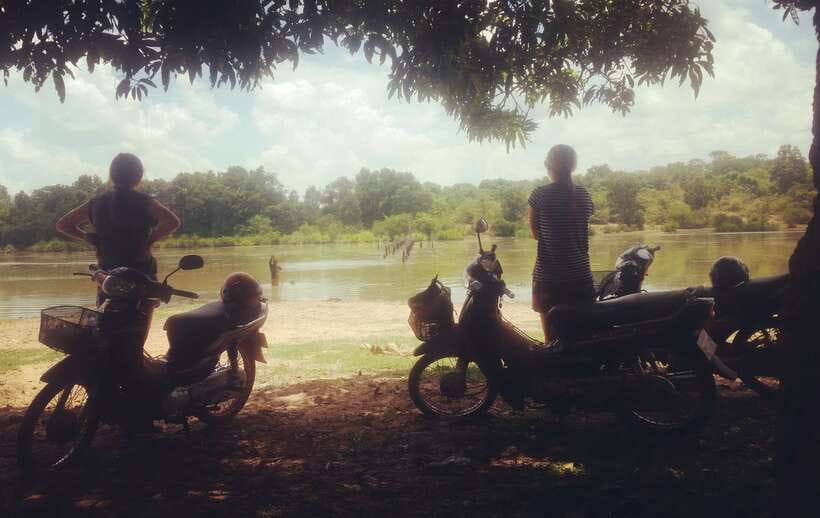
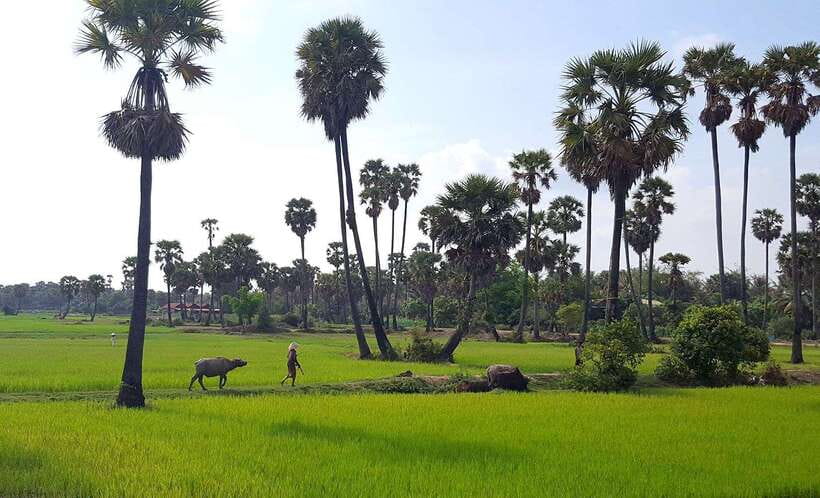
Siem Reap is famous for temples. But the areas around town tell a different story, and that’s exactly where this tour shines. You’re leaving the main roads and trading smooth pavement for red-clay tracks, rice fields, and village lanes that most visitors never get to see.
Two things make a big difference here. First, the day is built for real riding time, not a quick bus shuffle between viewpoints. Second, you’re not just watching the countryside—you’re getting guide-led context as you go, including what life looks like outside the tourist center.
The route also keeps a relaxed tempo. That matters for beginners, because you can focus on handling the bike without feeling rushed into stress. It also matters for experienced riders, because you get time for photos and questions on the way—without the tour turning into a race.
You can also read our reviews of more tours and experiences in Siem Reap.

Training on the Honda 125: the part that prevents the day from going sideways
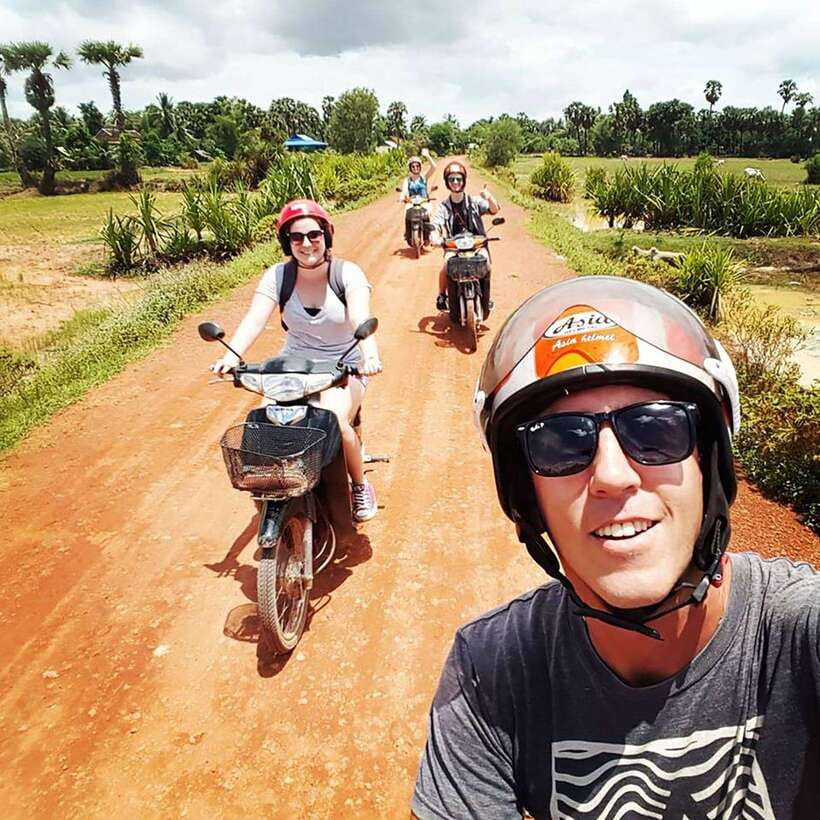
You don’t hop onto a motorcycle and hope for the best. You start with a hotel pickup in Krong Siem Reap, then a short ride briefing and training. Expect practice on a Honda 125 (described as semi-automatic in rider feedback), plus guidance on safe control—especially on dusty, uneven ground.
If you’re new to two wheels, this is the make-or-break section. People often remember the tour for the countryside. But the training is what makes that countryside enjoyable instead of scary. In rider feedback, guides such as Scott and Bus (or Bruce) are praised for taking time to make sure riders feel ready before moving into the dirt roads.
If you already ride confidently, don’t assume it’ll be purely “easy mode.” Even on an easy ride plan, dirt roads can mean potholes, sandy patches, and occasional skiddy moments. You can still have a great day—but you’ll want to treat it like real road riding, not a casual sightseeing stroll.
Pickup, safety briefing, and the pace you’ll actually feel
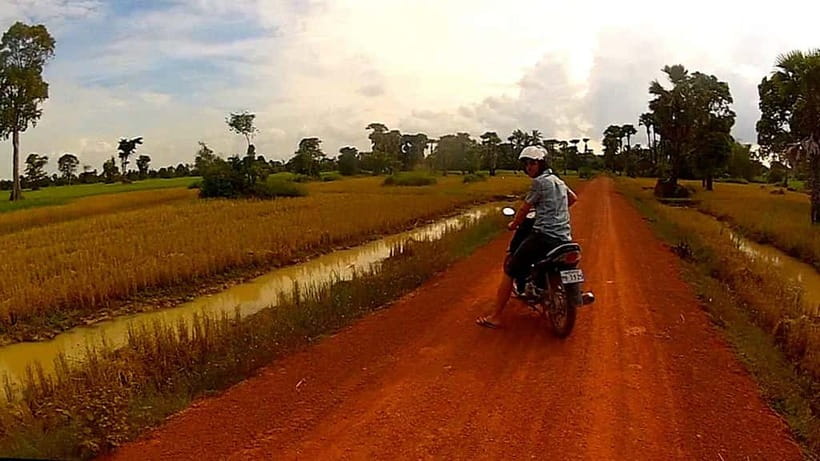
The day typically starts with pickup from your accommodation, then you go through a short safety briefing. From there, you head out into Siem Reap Province for the main riding stretch, broken up with stops for short breaks and guided moments.
You’ll ride for roughly two blocks of countryside time, with a lunch break in the middle and another countryside stretch after. That structure helps: it breaks up the sun and gives your backside a chance to recover, at least a little.
This is also where you’ll appreciate the small group size. With a cap of 10 participants, the guide can slow down for questions, regroup as needed, and give more attention if you’re learning the bike. Larger tours often feel chaotic when roads get narrow or dusty. This one is designed to avoid that.
Chai Village monastery: peace today, hard memory behind it
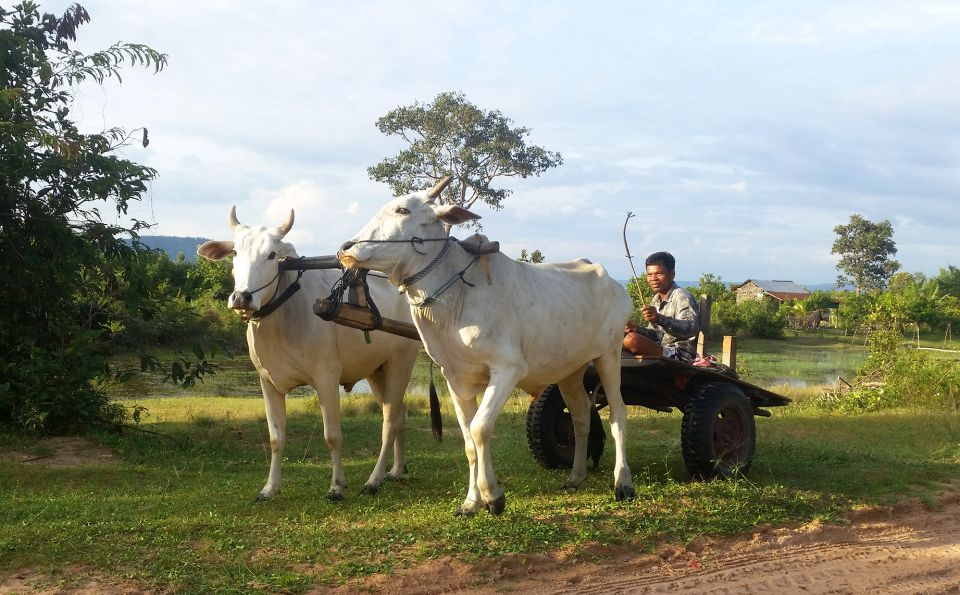
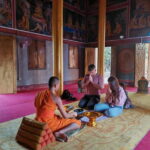
One of the most meaningful stops is the remote Chai Village monastery. The setting is rural and quiet, surrounded by rice fields and with views toward Phnom Bok mountain.
What makes this stop stand out is the context. This monastery was once a stronghold of Khmer Rouge fighters. Today it’s peaceful sanctuary space where monks and nuns (and locals during religious festivities) visit and gather. You’re not being taken to a loud performance. You’re being given a chance to see how history can be present without turning a site into a spectacle.
For your planning, think of this stop as a “mind shift” moment. During the ride you’re looking at fields and villages. Here, you slow down enough to understand why those places matter beyond scenery.
If you’re the type who cares about Cambodia as a living place (not just an outline on a map), this stop is a big part of the value.
Pagodas and market stops: how rural life shows up in small moments
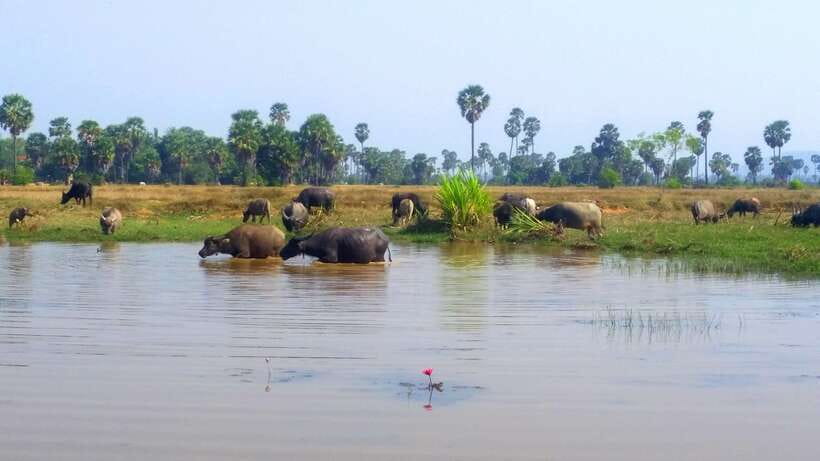
The tour doesn’t only focus on monasteries. You’ll also hit a traditional market and a Buddhist pagoda along the way. In practical terms, this is where you notice the details of daily life: what people are selling, how spaces are organized, and how religion fits into community routines.
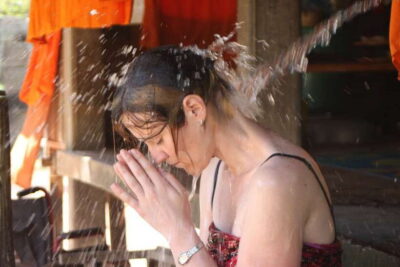
At the pagoda, you can expect monks in robes and a guided visit that helps you make sense of what you’re seeing. Even if you’re not a hardcore temple person, these are high-signal stops because they’re tied to everyday community rhythms, not just postcard architecture.
One of my favorite things about this style of stop is that it’s not rushed. You can ask questions, pause for photos, and listen while your guide explains how rural livelihoods connect to the land you’re riding through.
Red clay roads, rice fields, and the joy of riding between villages
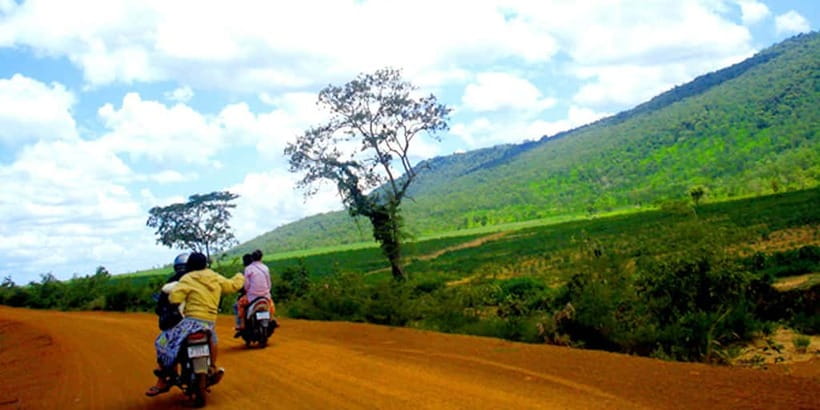
Let’s talk about the actual ride, because that’s what you’re paying for.
You’ll travel past rice fields and down red-clay roads. You’re likely to cross patches that feel muddy, dusty, or uneven—especially if you’re traveling around rainy-season conditions. The good news: people consistently describe the route as relatively easy for the pace, with guides adjusting rhythm based on rider comfort.
The key is to keep your expectations sensible. Dirt roads mean bumps. You may need to brace your grip in potholes, and you’ll definitely want to keep your essentials secure. Rider feedback includes reminders like holding onto bottles and bags, because surprises can happen fast when the road surface changes.
If you prepare for that, the reward is huge. On a bike, you feel more of the countryside: the smell of fields, the tempo of village life, the small scale of daily travel paths. It’s a different kind of sightseeing than standing still.
The old Angkor bridge: a thousand years of crossing made tangible
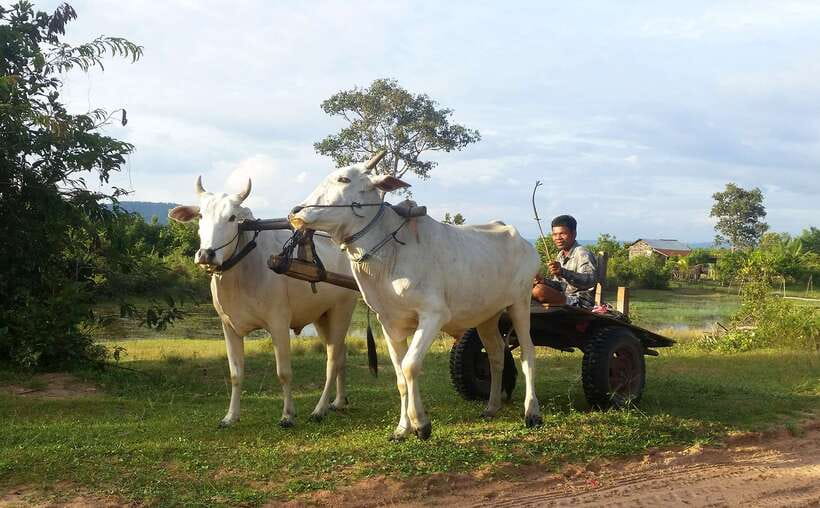
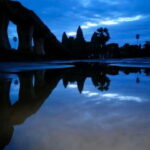
At some point during the day, you cross an old Angkor bridge that dates back more than 1,000 years. It’s brief, but it’s the kind of moment that adds weight to the trip.
Why it matters: you’re not only seeing ancient Cambodia at a museum distance. You’re crossing a piece of infrastructure that connects to how people moved through the region long before the modern tourist economy existed.
Even if you’re not a “history by the book” traveler, the physical act of crossing makes the idea stick. It’s a short stretch with big meaning, right in the middle of a day focused on rural Cambodia.
Lunch by the lake with Kulen Mountain views
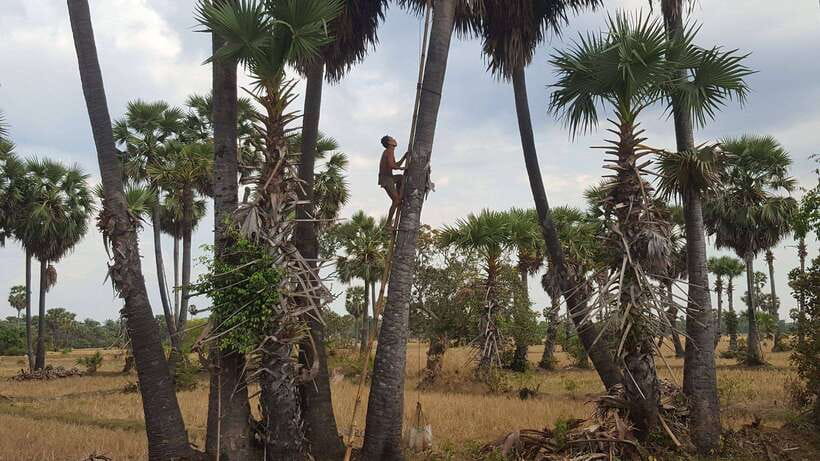
Lunch is included, with a break that runs about 45 minutes. The location is in rustic countryside surroundings by a lake, with views toward Kulen Mountain.
This lunch stop is more than food. It’s also your reset button. You get shade, a pause from the heat, and time to sit with the rhythm of the area around you. One rider even highlights sitting at a lakeside spot that felt relaxing in a hammock-style setting.
Food is described as local and enjoyable, but you should also plan for basic facilities. One rider flagged that restroom setup at the restaurant was minimal (no toilet paper and no soap). So I’d bring your own hand sanitizer and consider using a small pack for “comfort insurance,” especially on a hot day.
What to pack so the day feels good, not grueling
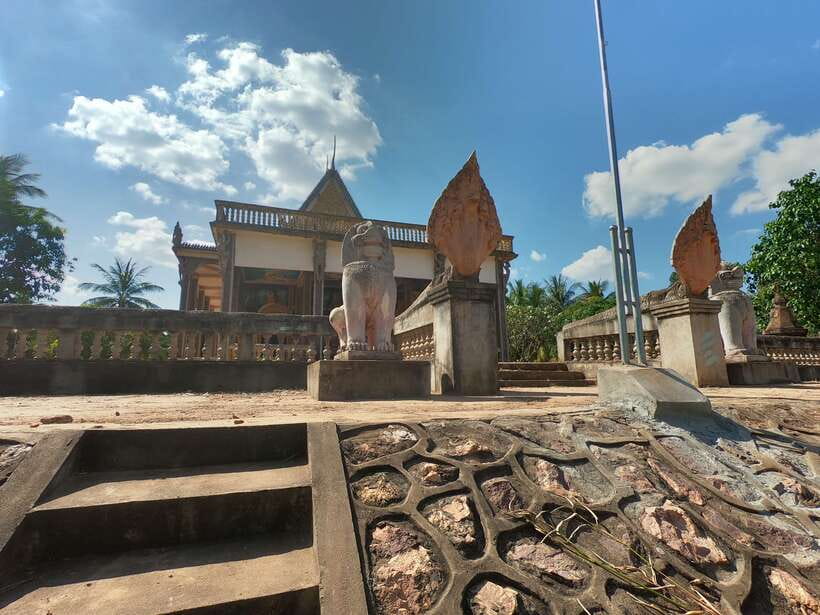
This tour is called easy, but don’t mistake that for effortless. It’s a six-hour ride with sun, dust, and saddle time.
Use this checklist mindset:
- Sun protection: sunscreen and long sleeves or a cover-up. The day can feel brutally bright
- Something for hands/eyes: even simple protective clothing helps with dust
- Secure your stuff: dirt roads can turn bottles and bags into bounce tests
- Hydration: drinking water is provided throughout the tour, but you’ll still want to sip steadily
- Comfort plan: expect some backside fatigue after hours of riding
If you’re riding for the first time, take the training seriously and start slow. You don’t need to prove anything. Your goal is to enjoy the countryside you came for.
Price and value: does $62 buy you what matters?
$62 per person for about six hours sounds straightforward, but the value depends on what you want from the day.
Here’s what you get for that price:
- Pickup and drop-off from your hotel or accommodation
- Motorbike plus helmet, plus fuel
- Motorbike training and safety briefing
- Guide with English interpretation
- Entrance fees
- Lunch and drinking water during the tour
If you were to do this on your own—rent a bike, find a route, pay for entrances, and coordinate a guide—your costs could add up fast, especially if you’re new to riding. The included training is also a real cost reducer. It turns you from “I hope I can do this” into “I understand this bike and this road type.”
That said, consider your priorities. One rider felt it was a bit pricey for the number of stops and wanted more to see beyond countryside riding. So if you’re only chasing a checklist of monuments, this may not satisfy. If you want rural Cambodia access with guidance, it’s a smart use of time.
Who should book this tour, and who should skip it
This tour is ideal if:
- You want to see rural life around Siem Reap, not just the temple circuit
- You’re a beginner or intermediate rider and want training first
- You like conversations and context from a guide while you travel
- You enjoy dirt roads and don’t mind that the day is “active”
It might not be the best fit if:
- You’re sensitive to sun and long time in a riding position
- You dislike bumpy roads or want strictly comfortable transportation
- You came only for major Angkor monuments and don’t care about markets, pagodas, and village life
In practice, this is also a great “between temple days” activity. You get a different kind of Cambodia the same week without burning out on monuments.
Final verdict: should you book the Siem Reap 6-hour Easy Rider tour?
If you want a real countryside day with training, guidance, and included food, I think this is a strong pick. The standout ingredients are the off-road riding through villages and fields, the monastery visit at Chai Village, the old Angkor bridge crossing, and lunch with mountain views.
Book it if you’re ready for a sun-and-road experience and you’ll treat the bike day as part of the sightseeing. Skip it if you only want temples and perfect comfort. For the right traveler, this is one of the most practical ways to see the Siem Reap region as living Cambodia.
FAQ
How long is the Siem Reap Easy Rider Motorbike Tour?
The tour lasts 6 hours.
What is included in the price?
It includes hotel pick-up and drop-off in Siem Reap, motorbike training, entrances, the motorbike with helmet and fuel, lunch, drinking water throughout the tour, and an English-speaking guide.
Do I need motorbike experience to join?
You get a training session and safety briefing before you ride out. The bikes are described as easy to handle in rider feedback, making this a common choice for beginners.
What kind of bike do you ride?
You ride a Honda 125 and you’re provided with a helmet and fuel.
Is the tour guide available in English?
Yes, the tour has a live English-speaking guide.
How big is the group?
The group is limited to 10 participants.
Where does the lunch happen?
Lunch is included and is served at a lake with views toward Kulen Mountain.
What stops are part of the day?
You visit rural areas around Siem Reap, including a traditional market, a Buddhist pagoda, the remote Chai Village monastery, and you cross an old Angkor bridge.
Is hotel pickup and drop-off included?
Yes, pickup and drop-off are included from your hotel or accommodation in Siem Reap, with return to Krong Siem Reap.
What are the cancellation and pay-later options?
Free cancellation is available up to 24 hours in advance for a full refund, and there’s a reserve now and pay later option where you can book without paying today.