REVIEW · SIEM REAP
Siem Reap: Khmer Rogue, War museum &landmine museum Day Tour
Book on GetYourGuide →Operated by Angkor Wat Share Tours · Bookable on GetYourGuide
War history with a human face.
This full-day Siem Reap tour connects three heavy places—Wat Thmey Killing Fields, the Cambodia Landmine Museum, and War Museum Cambodia—so you leave with a clearer sense of what happened and how Cambodians rebuilt their lives. I especially like the way the route is structured for learning, not just sightseeing, and how the guide turns grim material into something you can actually follow and hold in your mind. The main drawback is the emotional weight: this is not a casual day out, and you should go ready for sad stories.
The tour is built around survival and recovery as much as tragedy, which matters if you do not want your trip to end at horror. A couple of guides stand out in the information I received—Mr Sok Vuthy and Buth Veasna—both praised for being experienced and able to explain the events in a way that sticks. Still, you should plan for a full 8 hours, with long stretches of time walking around memorial and museum displays.
In This Review
- Key things I would plan for before you go
- A full-day route through Cambodia’s war and recovery
- Pickup, timing, and how the day moves
- Wat Thmey Killing Fields: when the lesson hits hard
- Cambodia Landmine Museum: the war you cannot see
- War Museum Cambodia: weaponry collected since 1999
- The guide makes or breaks the learning
- What to expect from the walking and pacing
- Practical details that make the day smoother
- Price and value: does $78 make sense?
- Who should book this tour, and who should skip it
- Should you book the Siem Reap Khmer Rogue, War Museum and Landmine Museum day tour?
- FAQ
- How long is the Siem Reap Khmer Rogue, War museum and Landmine museum day tour?
- How much does the tour cost?
- Where does hotel pickup happen?
- What places are visited during the tour?
- What is included in the price?
- Is flash photography allowed at these sites?
- Is this tour wheelchair accessible?
Key things I would plan for before you go
- A tight 8-hour loop that takes you through killings, aftereffects, and recovery
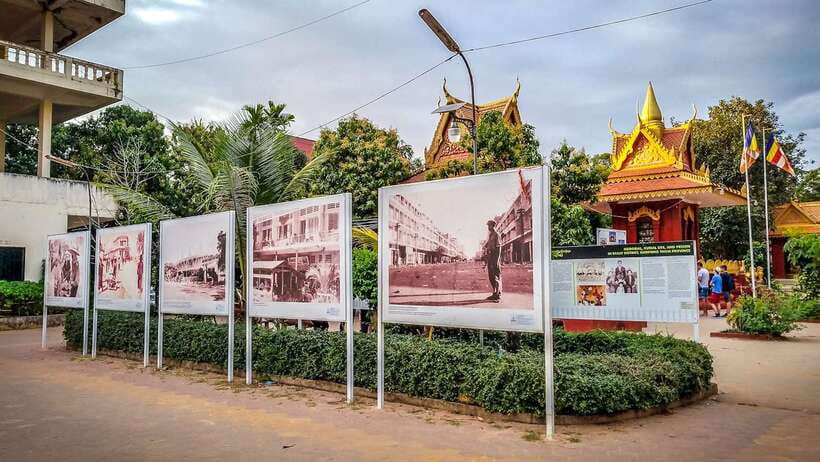
- Wat Thmey Temple Killing Fields as the first major stop, with a guided, educational visit
- Thousands of decommissioned mines and weapons at the Landmine Museum
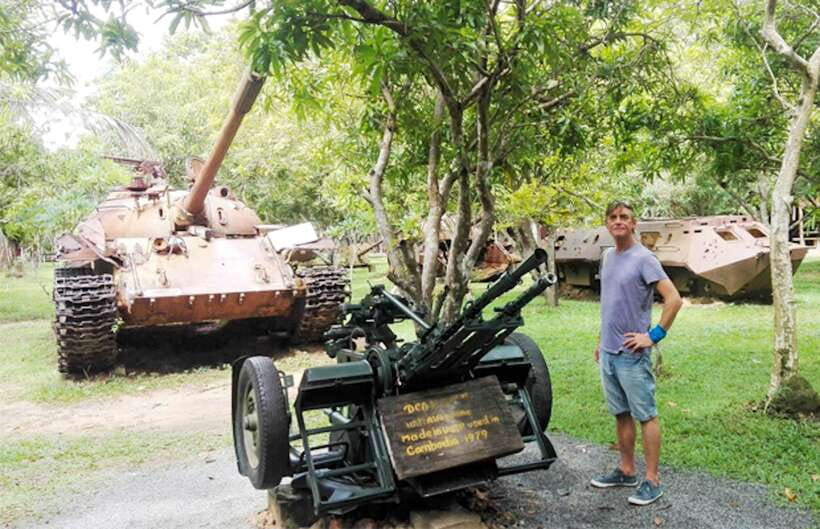
- War Museum Cambodia collections that have grown since 1999 from former fighting areas
- Guides like Mr Sok Vuthy and Buth Veasna, singled out for clear, passionate explanations
- No flash photography, plus hot-weather comfort items like cold water and a wet towel
A full-day route through Cambodia’s war and recovery
This is one of those Siem Reap days where the goal is understanding. You are not just collecting photos from impressive buildings. You are connecting dots between the Khmer Rouge period, the lingering physical dangers of war, and the wider conflict that shaped Cambodia’s modern story.
The tour’s tone is serious, but it is not only about suffering. It is also about Khmer resilience—how people kept going, how the country moved forward, and how education can reduce denial and forgetfulness.
If you are the type who wants your travel to mean something, this day has real value. If you want something light and upbeat, you will probably feel drained.
You can also read our reviews of more museum experiences in Siem Reap
Pickup, timing, and how the day moves
The day starts with hotel pickup in Krong Siem Reap. You ride in a minivan with your guide, and you will spend parts of the day on short coach transfers between stops. The total duration is listed at 8 hours, which is a good length for covering three sites without turning it into a marathon.
Expect the following time blocks at the attractions:
- Wat Thmey: about 2 hours
- Landmine Museum: about 1.5 hours
- War Museum Cambodia: about 1.5 hours
Then there are travel times between locations. That pacing helps, because each site needs a different mental mode: memorial space, humanitarian aftermath, then organized museum context.
For comfort, the tour includes cold water and a wet towel. That is not a small detail in Cambodia’s heat. It makes it easier to stay focused on what you are seeing instead of feeling wiped out.
Wat Thmey Killing Fields: when the lesson hits hard
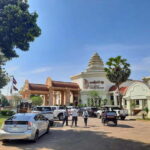
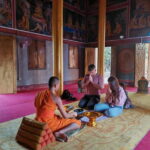
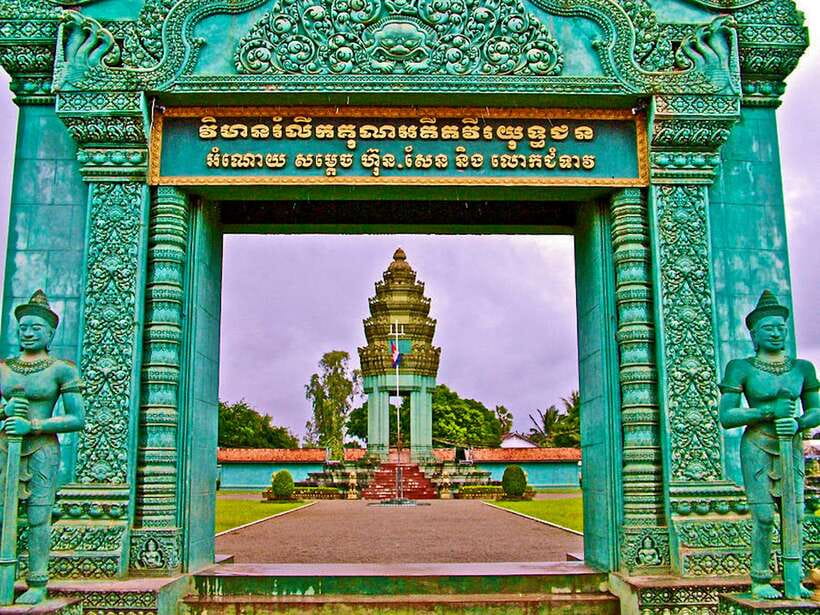
Your first major stop is Wat Thmey Temple Killing Fields. Like other killing fields and prisons tied to the Khmer Rouge era, this place carries deep sadness and heavy historical meaning.
Here is what makes this stop important: it is not just about knowing facts. It is about seeing the physical setting where suffering happened and letting the memorial atmosphere do its work. A good guide matters because the stories can otherwise become too broad or too abstract.
A practical tip for this kind of visit: keep your phone away during the most intense sections. Take your time. Let the guide explain, then step back and absorb. You will remember better if you are not multitasking.
A possible downside? If you are sensitive to graphic or emotionally intense topics, this stop may feel overwhelming. It is not violent entertainment. It is a memorial for real people. Go slowly, and if you need a break, it is okay to step aside for a minute.
Cambodia Landmine Museum: the war you cannot see
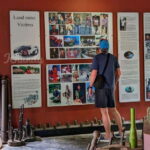
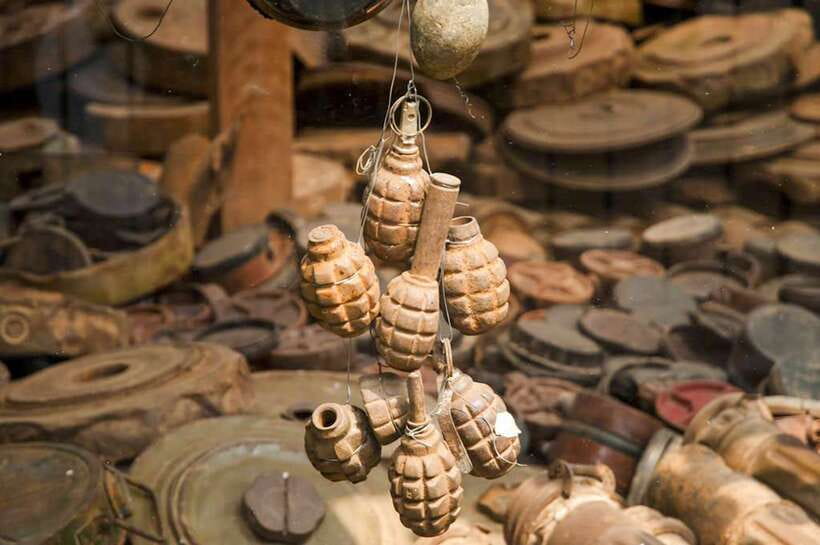
After Wat Thmey, you head to the Cambodia Landmine Museum. This museum was established by a former child soldier, which gives the visit a strong, personal edge. You are not only looking at artifacts; you are seeing how the legacy of war can last long after the fighting.
You will see thousands of decommissioned landmines and other weapons of war. The point is not shock for its own sake. The museum explains the devastating impact of landmines and how they remain dangerous even when conflicts end.
This is one of the best places on the route to understand why peace is not always immediate. Landmines are slow violence. They can affect families for years. Seeing the scale in front of you helps you grasp why mine clearance is such an urgent part of recovery.
Wear comfortable shoes for this one. Museums are one thing, but this site is still designed for walking and guided observation. Also, remember the tour rule: flash photography is not allowed. Treat it like a serious space, and you will blend in easily.
War Museum Cambodia: weaponry collected since 1999
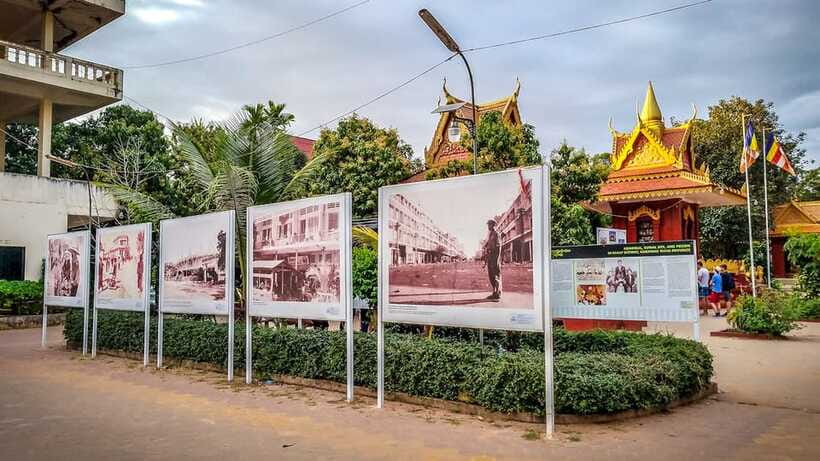
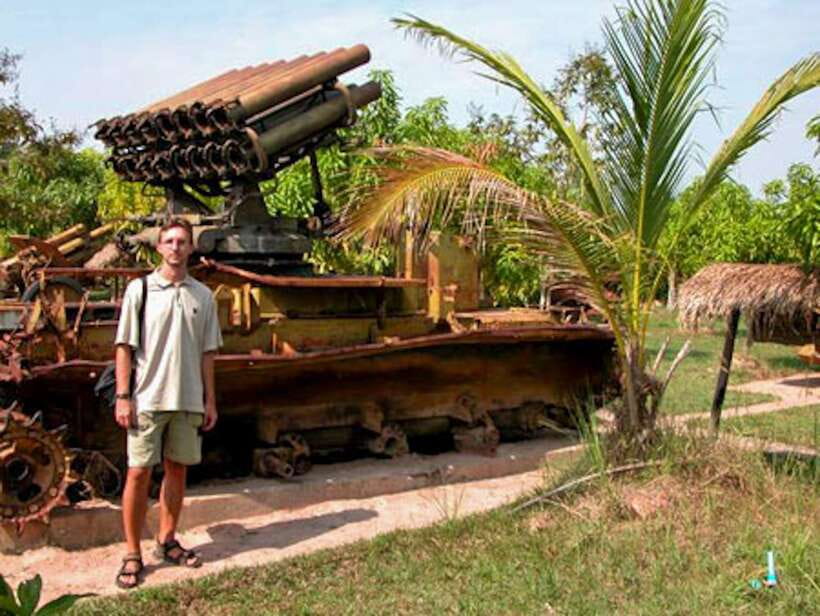
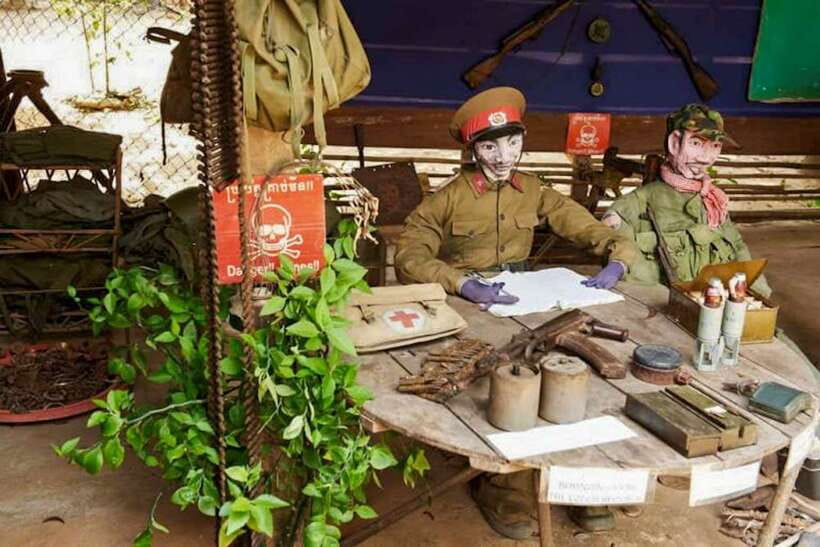
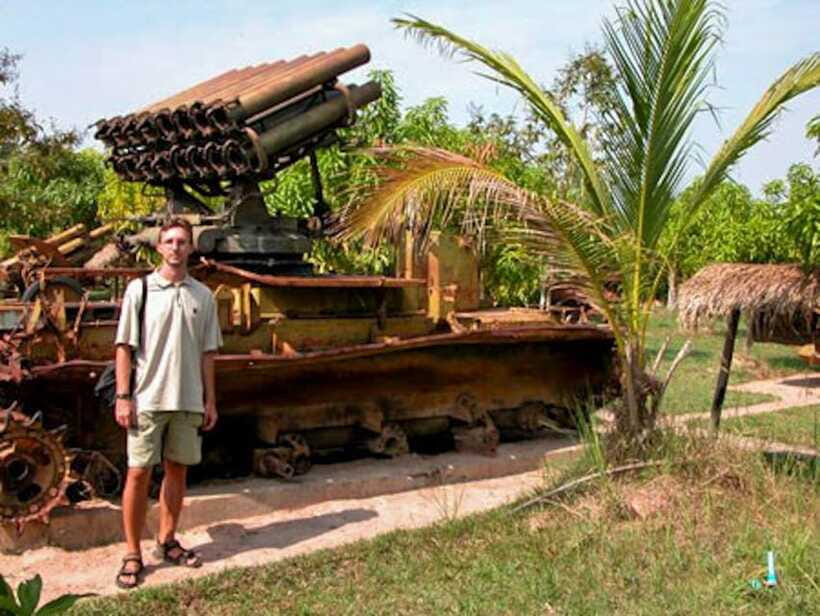
Next you visit War Museum Cambodia, which uses a large collection of weapons and war material gathered and growing since 1999. The collection pulls items from areas where fighting took place, including Anlong Veng, Siem Reap, and Odor Meangchey.
What I like about this stop is its structure. It helps you move from a specific historical tragedy to a broader understanding of conflict. The museum has a way of organizing chaos into categories you can actually follow.
You will wander through sections that explain the differences among items and what they can tell you about Cambodia’s complex conflict history. This is where the guided part really pays off. Without context, weapon displays can become just objects. With context, they become evidence.
One consideration: museums like this can feel more intense if you have not yet mentally separated one era from another. If you feel overwhelmed, lean on the guide and let the stories provide the timeline.

The guide makes or breaks the learning
On a day like this, the guide is not optional. This is where the tour earns its good reputation.
In the information I received, the guides named Mr Sok Vuthy and Buth Veasna are praised for being experienced and able to explain clearly, plus for real passion for the material. That matters because Khmer Rouge history and Cambodia’s war impacts can sound like a list of tragedies if you have no framework.
A great guide helps you do three things:
- Understand the sequence of events enough to follow the story
- Separate what happened from what it means today
- Keep the focus on survival and recovery, not only destruction
You will also notice how the tour is designed to keep explanations digestible. The day aims to cover many aspects of war and rebuilding without turning the tour into a random hit list of sites.
What to expect from the walking and pacing
This tour is a mix of memorial walking and museum time, plus travel between locations. You are out for most of the day, and you should assume you will be standing and walking more than you would on a lighter temple route.
The pacing is helped by the time lengths at each site. Wat Thmey gets the longest on-site visit at about 2 hours, which makes sense because memorial spaces need space and time to understand. The Landmine Museum and War Museum are both around 1.5 hours, which is long enough to learn without turning into information overload.
If you tend to get emotionally drained, consider planning a quieter evening afterward. This kind of history stays with you. Give yourself time to process while it is still fresh.
Practical details that make the day smoother
A few rules and inclusions can help you plan without stress.
Included:
- Hotel pickup and drop-off
- Guide
- Museum entries
- Cold water and a wet towel
Not included:
- Food and soft drinks
That means you should plan to eat before the pickup or after you return. During the day, the tour focuses on sites, not meal stops. You will want to be hydrated, and the included water helps, but you should still have an energy plan.
Photography:
- Flash photography is not allowed.
Accessibility:
- The tour is listed as wheelchair accessible. If you use a wheelchair or need extra help, still confirm details with the provider before you go, since different sites can have uneven ground.
Price and value: does $78 make sense?
The price is listed at $78 per person for about 8 hours. That can sound steep or reasonable depending on how you compare it to doing things on your own.
Here is why the price can make sense:
- Pickup and drop-off are included in Krong Siem Reap
- You get a live English guide
- Museum entries are included for all three stops
- You receive cold water and a wet towel
If you tried to DIY this, you would likely pay for guides or entrance fees separately, and you would spend more time coordinating transport. When a day includes multiple sites that need context, a guide turns the cost into learning value.
The main trade-off is that the price does not include food and soft drinks. Budget for at least one meal on your own outside the included time.
Overall, if you want the meaning behind the places, this price feels fair because the guide and entries are baked into it.
Who should book this tour, and who should skip it
This is a strong choice if you:
- Like history, but want it explained in a humane way
- Want to understand the Khmer Rouge era alongside the long-term impacts of war
- Prefer a guided day over scrambling for context
It may not be the best fit if you:
- Are looking for light, scenic sightseeing only
- Know you get overwhelmed by memorial sites and war stories
- Do not want a full day of emotional weight
This is not a check-the-box tour. It is a learning day with real gravity.
Should you book the Siem Reap Khmer Rogue, War Museum and Landmine Museum day tour?
I would book this tour if you want more than Angkor-area sightseeing and you are ready for hard stories. The best reason is the structure: Wat Thmey shows the memorial reality, the Landmine Museum explains lingering danger, and War Museum Cambodia adds organized context about conflict and aftermath. Pair that with an English-speaking guide and included entries, and you get solid value for a day that could otherwise feel confusing or emotionally flat.
I would hesitate if you are tired, sensitive to heavy topics, or hoping for a relaxed day. In that case, look for something lighter after you have had time to settle in.
If you do book, plan your day before and after with care: eat ahead of time, wear comfortable shoes, and keep the evening quieter so your brain can digest what you learned.
FAQ
How long is the Siem Reap Khmer Rogue, War museum and Landmine museum day tour?
The tour duration is listed as 8 hours.
How much does the tour cost?
The price is $78 per person.
Where does hotel pickup happen?
Pickup is included from Krong Siem Reap. You are asked to wait in the hotel lobby 20 minutes before the scheduled pickup time.
What places are visited during the tour?
The tour visits Wat Thmey (Temple Killing Fields), the Cambodia Landmine Museum, and War Museum Cambodia.
What is included in the price?
The tour includes hotel pickup and drop-off, a guide, museum entries, and cold water with a wet towel. Food and soft drinks are not included.
Is flash photography allowed at these sites?
No. Flash photography is not allowed.
Is this tour wheelchair accessible?
Yes, the tour is listed as wheelchair accessible.