REVIEW · BATTAMBANG
Explore the Village &Countryside By Bicycle-Half Day Morning
Book on GetYourGuide →Operated by Real Cambodia Tour · Bookable on GetYourGuide
Cambodia’s village roads teach you fast. This half-day bike tour in Battambang Province is a practical way to see Odambang village life up close and to learn from the guide, Savet, who grew up here. I also like how you talk with locals at home and connect the everyday details—crops, routines, school, even the path of monks—with what you see outside. One thing to consider: the bikes can feel a bit unstable at first, so wear comfortable clothes and take the first minutes slowly.
In the countryside portion, you get shade, green paths, and rice fields when the season is right—plus a pace that lets you stop and ask questions without feeling rushed. The group stays small (up to 10), which makes it easier to actually chat with people rather than just pass by.
You’ll also get a very hands-on view of education and religion: a visit to a local school, traditional houses where people sleep, cook, and eat, and chances to see monks moving through the village for alms. If you can’t ride a bike comfortably, this one won’t be enjoyable.
In This Review
- Key things to know before you go
- Odambang Village Life, Told by Someone Who Knows It
- The Half-Day Bike Ride Through Green Battambang Countryside
- Inside Local Homes: Traditions You Can See and Ask About
- School Visit: What Education Looks Like in Village Cambodia
- Crops, Fruit Trees, and the Names You’ll Carry Home
- Monks, Alms, and the Main Religion in Everyday Practice
- Price and Value: Why $18 Feels Fair for 2.5 Hours
- Who Should Book This Bike Tour—and Who Might Skip It
- Should You Book Real Cambodia Tour’s Bicycle Morning in Odambang?
- FAQ
- How long is the bicycle tour?
- What is included in the price?
- Is food included?
- How big is the group?
- What time is pickup?
- What should I bring?
Key things to know before you go
- Odambang village with a guide who grew up there, so the stories feel grounded in daily life
- School visit built into the route, letting you see how children study in the village setting
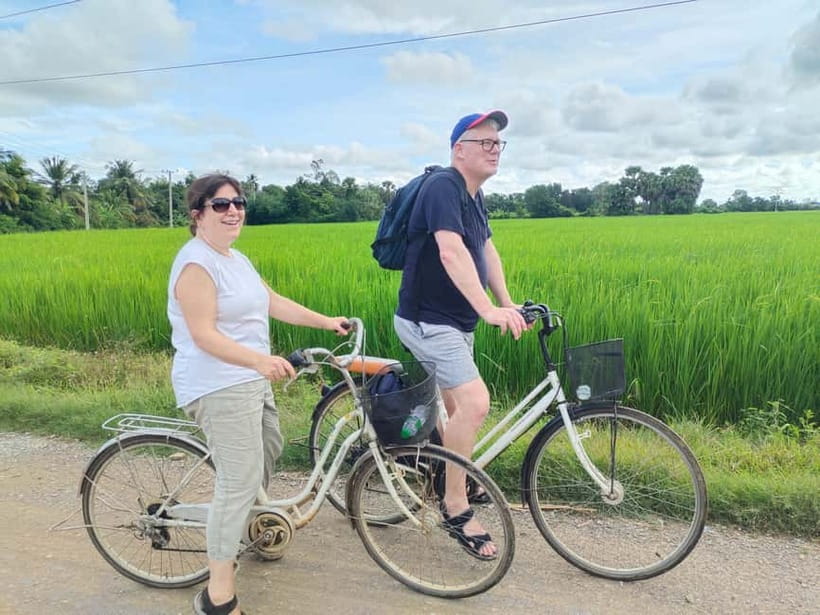
- Countryside biking with shade and rice fields, with guidance on how rice is grown
- Home visits and conversation time, not just photo stops
- Monks and village religion explained through everyday practice, including alms collection moments
- Bikes and water are included, but you bring your own sunscreen and camera
Odambang Village Life, Told by Someone Who Knows It
The heart of this tour is simple: you ride into Odambang village and you see real routines, not staged sights. When your guide is from the area, he can point out what matters—where daily activities happen, why certain crops are planted, and what a family’s day looks like beyond the tourist postcard.
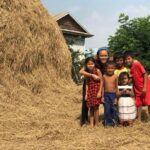
I love the way the conversation goes beyond facts. You don’t just get a quick explanation of buildings. You sit down with locals at their homes and chat. That matters because rural village life is built on relationships and small patterns—who works where, how people share tasks, and what they do when school lets out or when the growing season changes. Kids along the way often shout Hello Hello, which is a small moment but a telling one: you’ll feel the village respond to you as a person, not just as a visitor with a camera.
The tour also includes visits to traditional houses, where you can learn how people sleep, cook, and eat. This isn’t about judging modern versus traditional. It’s about understanding how living spaces are used, and how that connects to climate, food, and family life.
One practical note: since this is a village-and-homes experience, expect the route to feel like part of someone’s neighborhood. You’ll want to move respectfully, keep your voice calm, and listen more than you talk—though conversation is absolutely encouraged.
You can also read our reviews of more tours and experiences in Battambang
The Half-Day Bike Ride Through Green Battambang Countryside
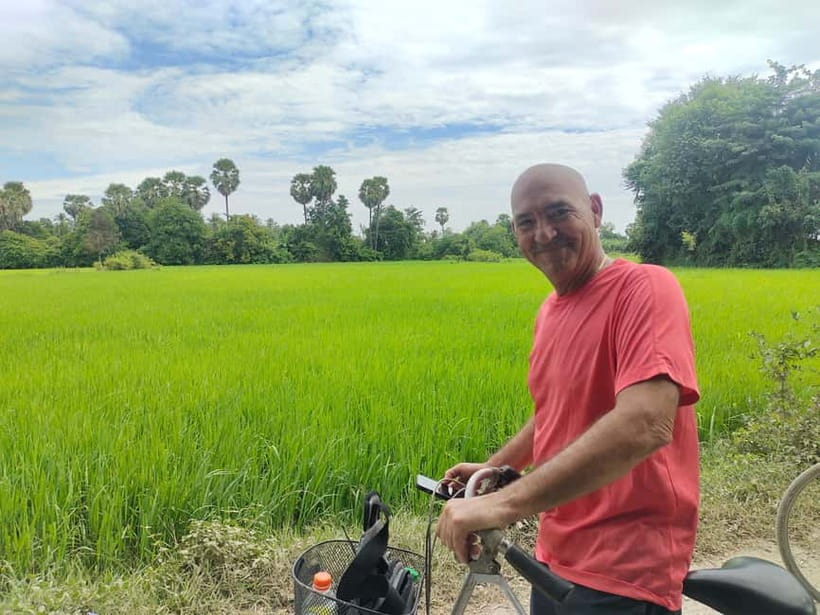
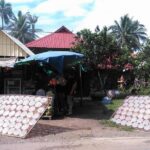
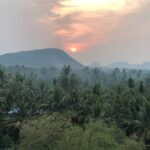
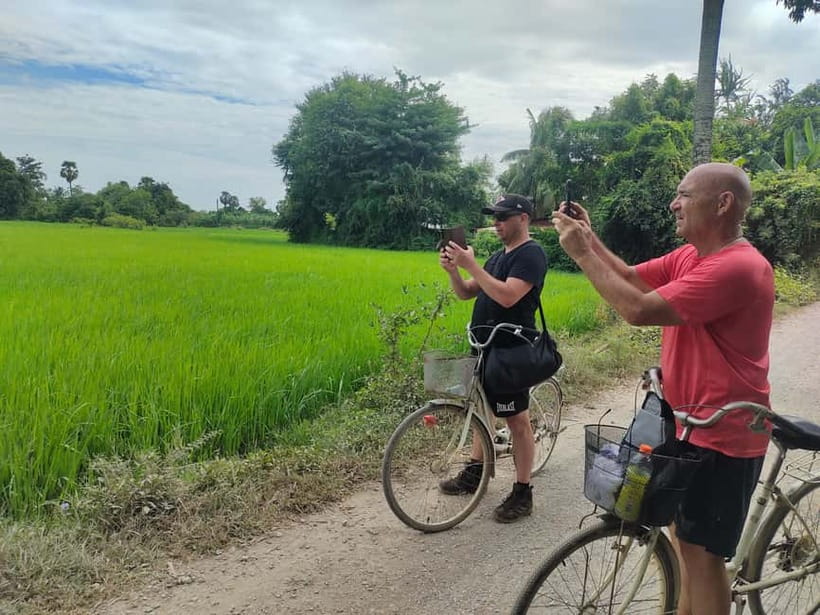
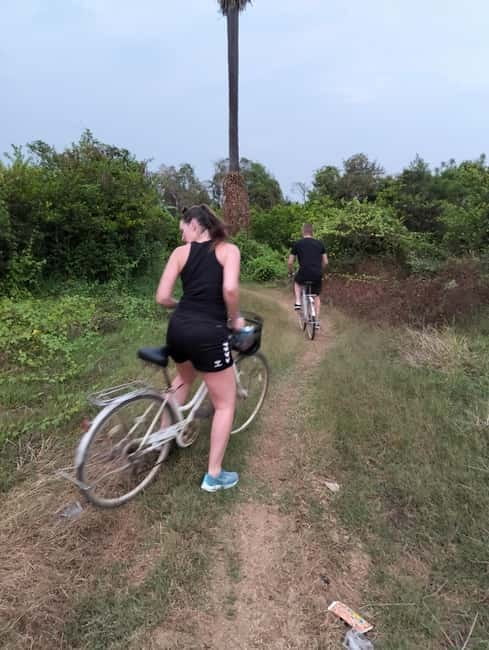
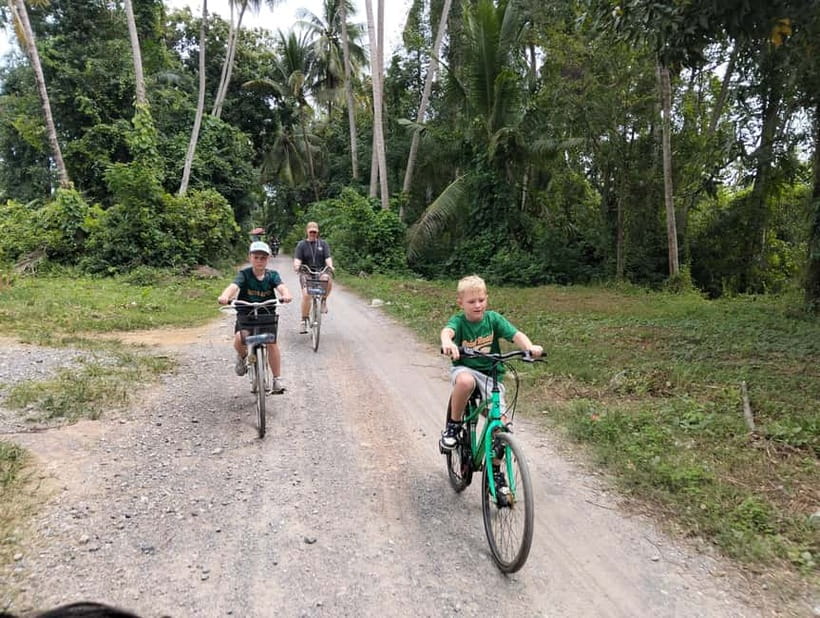
You’re not just collecting sights—you’re traveling by bicycle through the local scenery. That changes how you see things. On foot, you might miss the slow rhythm of farm life. In a car, it flashes by. By bike, you travel at human speed, under the trees, and you notice how the countryside is structured around fields, paths, and village edges.
The ride is built to be manageable. People don’t need a high fitness level for the route, and the small group size helps keep the pace comfortable. Still, don’t assume it’ll be effortless from minute one. One review-style detail that lines up with what you should expect: the bikes can feel a little unstable at the start. If you’re not used to bikes, take the first few minutes easy, loosen your grip, and get comfortable before you start rolling faster.
Bring comfortable clothes suitable for biking, and plan for the sun. Water is included, but sunscreen is on you. If you’re the type who likes to photograph nature and daily life, bring your camera—you’ll want it for shaded paths, fruit trees, and that layered look of countryside where homes sit beside fields.
This is also why the timing matters. The description calls it a morning half-day, and the experience is meant to feel bright and fresh. In rice season, you’ll see lush rice fields. Even if your trip timing doesn’t perfectly match the peak green, the guide’s explanations make the countryside feel more readable—you’ll start seeing why certain areas look the way they do and how planting connects to the calendar.
Inside Local Homes: Traditions You Can See and Ask About
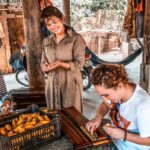
A big part of the value here is that you’re not only looking; you’re learning how people live. Visiting traditional houses gives you a chance to understand everyday habits in a concrete way. You’ll learn how people sleep, cook, and eat—details that are easy to overlook when you only see homes from the outside.
The home visit also builds a real sense of trust. You sit down and talk with local people. That can mean learning what they grow, how they organize chores, and what they think is changing. The guide’s role is key here: he helps translate context and keeps the conversation respectful and comfortable for both sides.
This is one of those tours where your attitude matters as much as your schedule. If you go in expecting a checklist of sights, you’ll rush. If you go in curious and patient, you’ll get stories. And when you get stories, you remember the trip long after the photos.
A small, helpful detail: the friendly kids shouting Hello Hello on the ride are often a sign that you’re not hovering on the edge of their world—you’re passing through like a neighbor for a bit. You might find yourself saying hi a lot. That’s normal and part of the charm.
School Visit: What Education Looks Like in Village Cambodia
You’ll visit a local school as part of the tour, and it’s one of the clearest “place-based learning” moments. Instead of hearing abstract statements about education, you see children studying in their real environment.
The guide explains the educational system in Cambodia during your school stop. You also see how children participate in daily lessons—so the explanation has something solid behind it. It’s the difference between learning about a system and understanding how that system feels on a school day.
This stop also helps you frame the rest of the tour. When you later talk about crops and growing seasons, you start to connect how children’s roles shift around school and harvest time. When you meet families at home, you better understand why schooling matters and how it fits into village life.
If you’re nervous about visiting schools, you don’t need to be. This is not described as a donation or mission trip. It’s a guided, observational visit where the guide helps you understand what you’re seeing and how education works locally.
Crops, Fruit Trees, and the Names You’ll Carry Home
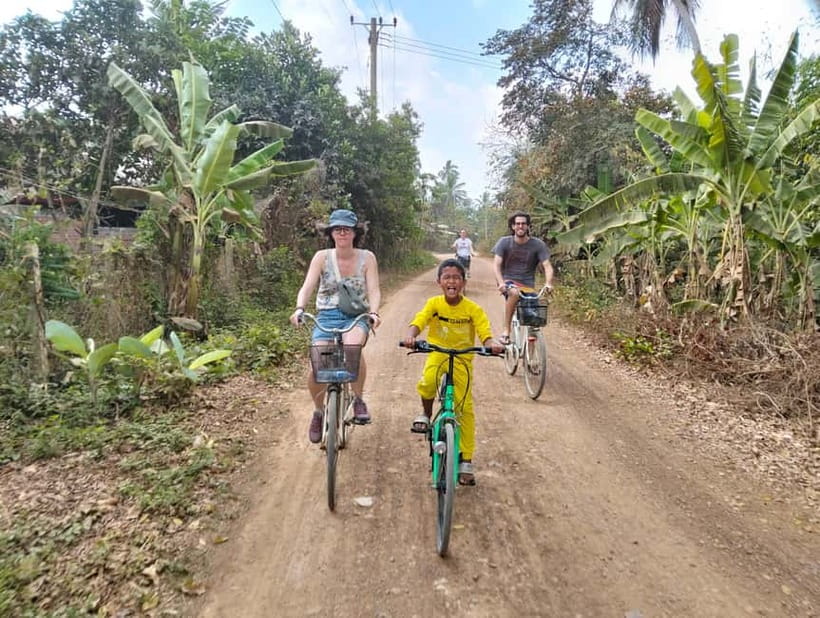
One of the most memorable parts can be the countryside learning. You’ll see different crops and fruit trees and learn local names for plants. This turns the ride into something you can study in motion.
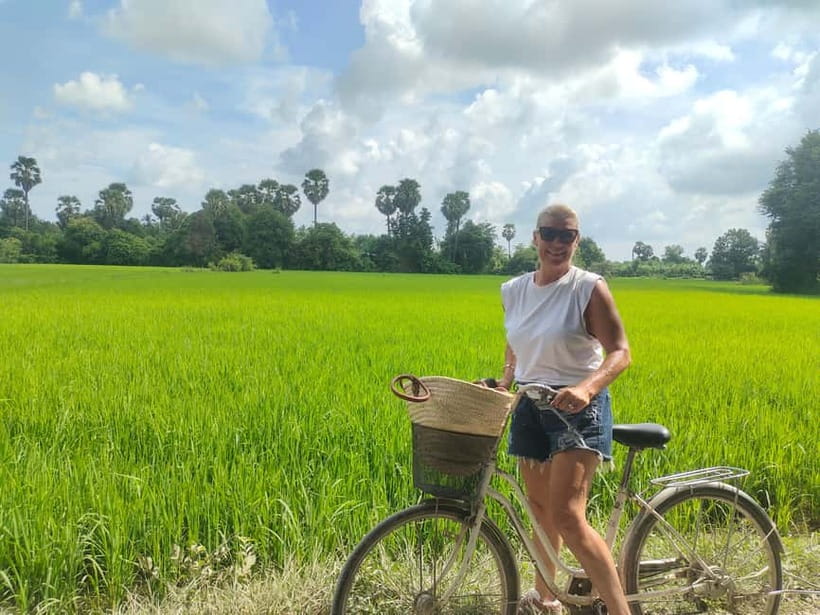
Rice is a major focus. You’ll enjoy lush rice fields when conditions are right, and you’ll learn how rice is grown. That’s valuable because rice farming isn’t just an image—it’s a process with timing, water needs, and careful attention. Once someone explains it in simple terms while you’re actually surrounded by fields, it stops being a concept and becomes a reality.
You’ll also learn about other crops and how the countryside supports daily work. Even if you’re not a plant person, it’s worth paying attention, because the guide’s explanations help you notice differences in growth stage and what each plant signals.
If you want a practical souvenir, it’s the plant names. They’re the kind of thing you can actually use when you talk to others later, or when you compare regions you visit afterward. It’s learning that sticks.

Monks, Alms, and the Main Religion in Everyday Practice
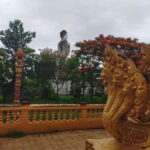
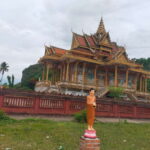
Religion shows up here as lived behavior. You’ll see monks and learn about Cambodia’s main religion, with a focus on how it works in village life. Sometimes you may spot monks walking around the village to get alms from villagers.
That matters because it’s not framed as a performance. It’s part of how community and faith connect day to day. You get a chance to understand the rhythm of this practice and how villagers relate to it. The guide also explains how monks become monks, which helps you see religious life as a human path rather than just a symbol you pass on the road.
I found this part especially grounding because it links back to everything else you see. Education, crops, family living, and religion aren’t separate boxes in the village. They’re part of the same system of routines and values.
A quick travel-tip for this stop: dress respectfully and keep your behavior calm. Even if you’re curious and want photos, pause first and let the guide set expectations for you. When locals feel comfortable with how you’re behaving, the whole tour feels easier for everyone.
Price and Value: Why $18 Feels Fair for 2.5 Hours
At $18 per person for about 2.5 hours, this tour feels like solid value—especially because several things you’d otherwise pay for are included. You get local bicycles, water, guided time in Odambang village, school and traditional house visits, and crop-based learning. You’re also getting chances to interact with villagers and monks, which is hard to “buy” any other way.
Is it a luxury tour? No. This is a straightforward village-and-country experience. But it’s exactly that directness that makes it worth it. You’re paying for access to daily life and for a guide who can explain what you’re seeing in context.
If you’re comparing costs, think about what’s included beyond transportation. Many half-day tours only show you a few highlights. This one builds a story: village living, homes, school, crops, religion, and a ride back through green countryside.
One more consideration: food is not included. Plan around that. If your tour timing means you’ll be between meals, bring a light snack plan for yourself or plan to eat soon after. It’s not a deal-breaker—just a detail that helps you avoid getting hungry mid-ride.
Who Should Book This Bike Tour—and Who Might Skip It
This tour is a great fit if you want real village life in Battambang Province and you like learning from people who live there. It suits:
- You if you enjoy bicycling and want a comfortable ride through countryside paths
- You if you want school, home life, and religion in one guided route
- You if you prefer small groups and conversation over crowds
It may not be the best choice if:
- You can’t ride a bike (the tour is specifically not suitable for people who can’t bike)
- You’re expecting mostly scenic viewpoints with minimal interaction
- You want included food during the tour (it’s not provided)
Also, if you’re sensitive to the “active” social side of village visits, know that the tour includes conversation time and you may spend time interacting with kids and families. That’s part of why it works.
Should You Book Real Cambodia Tour’s Bicycle Morning in Odambang?
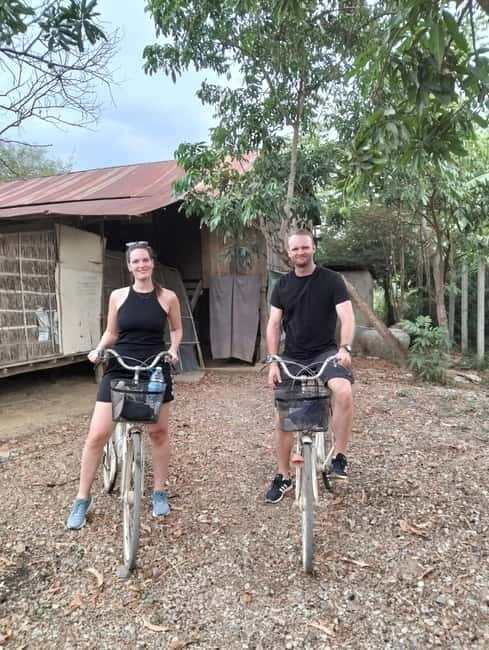
I think you should book if you want to understand rural Cambodia through daily systems—how people grow food, how children study, how houses function, and how religion shows up in normal village routines. The small group size (up to 10), the English guide, and the fact that the guide is from the village make the experience feel personal and grounded.
You might skip it if you’re only interested in major sights or you’re not comfortable on a bike. The bikes are provided, but you should still be ready to adjust to a less-than-perfect ride feel at first.
If your goal is value—time well spent, with real human contact and meaningful context—this is one of the better options in Battambang for a short half-day.
FAQ
How long is the bicycle tour?
The tour lasts 2.5 hours.
What is included in the price?
It includes local bicycles, water, a guided tour of Odambang village, opportunities to interact with local villagers and monks, a local school and traditional house visit, insight into local crops and plants, and the bicycle ride through the countryside.
Is food included?
No, food is not included.
How big is the group?
The group is limited to 10 participants.
What time is pickup?
Pickup is included, and you should be ready to be picked up from your hotel at 3pm.
What should I bring?
Bring a camera, sunscreen, and comfortable clothes suitable for biking.