REVIEW · SIEM REAP
Angkor Wat Sunrise: Exclusive Private Tour!
Book on Viator →Operated by Angkor Wat Shared Tours · Bookable on Viator
Angkor Wat at dawn is pure wow power—especially when you’re not stuck figuring it out. This exclusive private tour strings together Angkor Wat sunrise with the major sights you actually want to see, and it comes with pickup in an air-conditioned minivan plus chilled water along the way. I also like that you’ll have a dedicated English-speaking guide who can explain what you’re looking at, and not just point and move on.
The main thing to watch is cost: the Angkor ticket fee and meals are not included, so your final spend will be a bit higher than the headline price.
In This Review
- Key Points Before You Go
- Sunrise Planning at Angkor Wat: What Private Really Changes
- Price and Ticket Reality: Getting True Value From $60
- Pickup, Air-Conditioned Rides, and the Comfort Stuff That Actually Helps
- Angkor Wat Sunrise: The World’s Most Famous First Light
- Angkor Thom and Bayon: The South Gate and the Temple Centerpiece
- Ta Prohm: Jungle Ruins and the Tomb Raider Effect
- Ta Keo: The Unfinished Temple That Feels Different
- Banteay Kdei: Monk’s Cell Ruins and Silk Cotton Tree Roots
- The Human Factor: Why the Guide Matters Most at Angkor
- Timing and What to Expect From an 8 to 10 Hour Day
- Who Should Book This Private Sunrise Tour
- Should You Book It?
- FAQ
- How long is the Angkor Wat sunrise private tour?
- Is pickup and drop-off included?
- What’s included in the price?
- Are Angkor ticket fees included?
- Are meals included?
- Is this tour private or shared with other groups?
- What is the cancellation policy?
- Is there a mobile ticket?
Key Points Before You Go
- Exclusive private group means only your group is on the schedule, with private transportation.
- Pickup and drop-off from your accommodation saves you from early-morning tuk-tuk logistics.
- Chilled water included keeps the long day more comfortable in Cambodia’s heat.
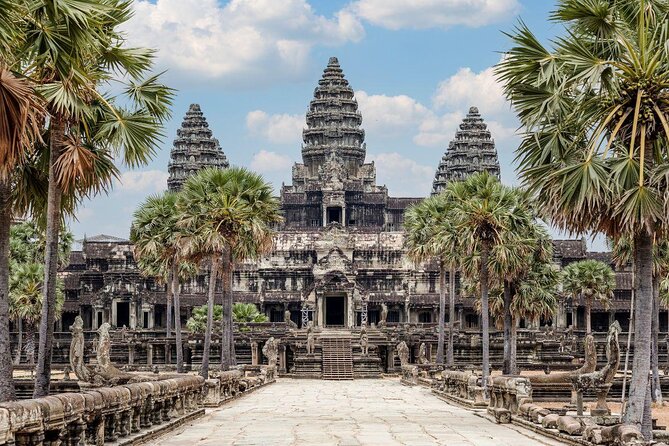
- Sunrise at Angkor Wat plus the Angkor Thom loop packs the iconic temples into one stretch.
- Plan for extra tickets and food since admission and meals aren’t part of the package.
- Guides like Sayon have a knack for turning stone-and-shadow sights into clear Khmer Empire stories.
Sunrise Planning at Angkor Wat: What Private Really Changes
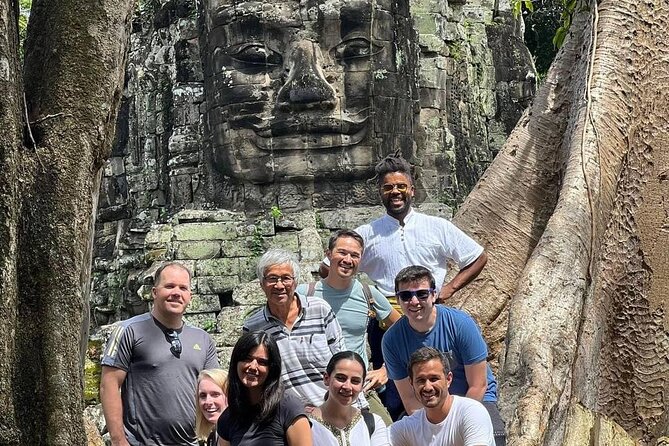
An Angkor sunrise tour can feel like two things at once: a time trial and a history lesson. This format helps with both. You get private pickup and a focused route, so you spend less energy on the how-do-we-get-there part, and more time on the actual temples.
Private also changes the flow of the experience. With your own group, you can pause for the light, slow down for details, and ask questions in a way that’s harder to do when you’re moving with a bigger crowd. The day still has a schedule, but you’re steering it.
And because sunrise is the star attraction, the biggest value here is stacking the best “first light” moment with the most famous follow-up stops—rather than doing sunrise and then figuring out the rest of Angkor later.
You can also read our reviews of more private tours in Siem Reap

Price and Ticket Reality: Getting True Value From $60
At $60 per person, this tour looks simple on paper, but value comes from what’s included. You’re paying for the private day plan plus private transportation, English-speaking guide time, pickup/drop-off, and drinking water.
What’s not included matters:
- Angkor ticket fee (you’ll need this separately)
- Meals (you’ll need to budget for lunch/snacks)
So what you’re really buying is a guided, air-conditioned temple circuit that starts with sunrise. If you already plan to visit multiple major sites in one day, this format can save you money versus piecing it together with multiple transfers and stand-alone guides. If you only want one temple, it may feel like overkill.
Also note demand. On average, this type of tour gets booked about 89 days in advance, which is a hint that prime sunrise slots can fill. If your dates are fixed, booking earlier tends to reduce stress.
Pickup, Air-Conditioned Rides, and the Comfort Stuff That Actually Helps
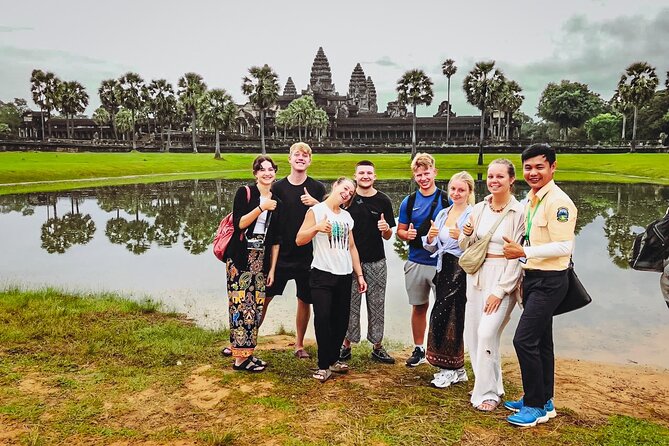
The day begins with pickup from your accommodation, and you’re traveling in an air-conditioned minivan. That’s not a luxury detail—it’s a practical one. In Siem Reap, morning starts can be cool, but the heat ramps fast once you’re walking between temples.
You’ll also have drinking water available throughout. That’s one of those small inclusions that makes the day easier, especially when you’re out for roughly 8 to 10 hours.
Finally, you get an English-speaking tour guide. Even if you’re not a hardcore history person, good guiding is the difference between seeing stone monuments and understanding what you’re looking at—why certain layouts mattered, and what the Khmer Empire was trying to express.
Angkor Wat Sunrise: The World’s Most Famous First Light
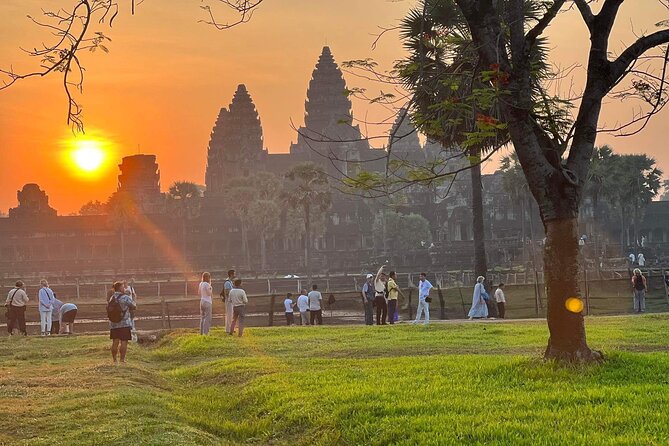
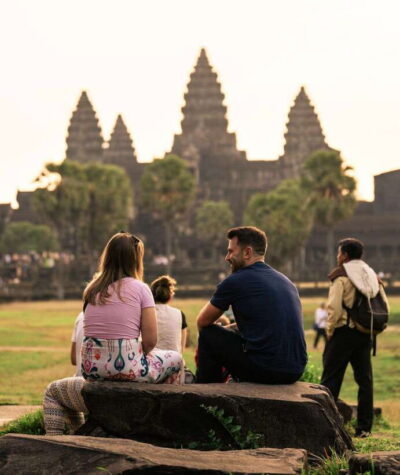
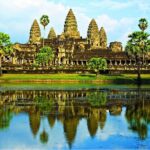
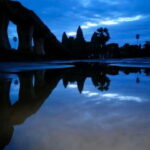
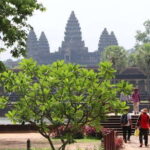
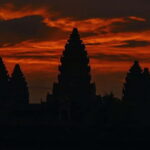
Angkor Wat is the largest religious monument in the world, and it’s legendary for sunrise. Seeing it at first light is the main reason this whole route exists—when the sky is still cooling and the temple silhouette looks clean and sharp, it feels like time pauses for a minute.
On this tour, you spend about 2 hours at Angkor Wat. That’s long enough to:
- watch the changing color over the structures
- get photos without rushing every 30 seconds
- take in how huge the complex really is
Admission ticket isn’t included, so make sure you have your Angkor ticket ready so you’re not stuck waiting at the wrong moment. The best strategy is to treat your sunrise time like a performance window: you want your head in the moment, not in ticket-lines.
Practical drawback: sunrise requires an early schedule. If you’re the type who hates getting up before you’re fully awake, plan your night around that—sleep beats a late-night “I’ll be fine” plan.
Angkor Thom and Bayon: The South Gate and the Temple Centerpiece
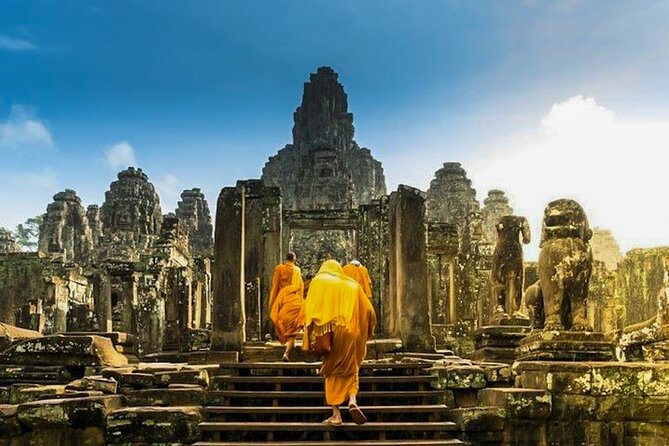
After Angkor Wat, the tour shifts to Angkor Thom, the latter capital of the Angkor Empire. You’ll move through the South Gate, famous for gods and demons locked in an eternal tug-of-war along the road approach.
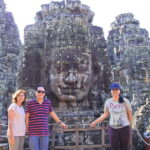
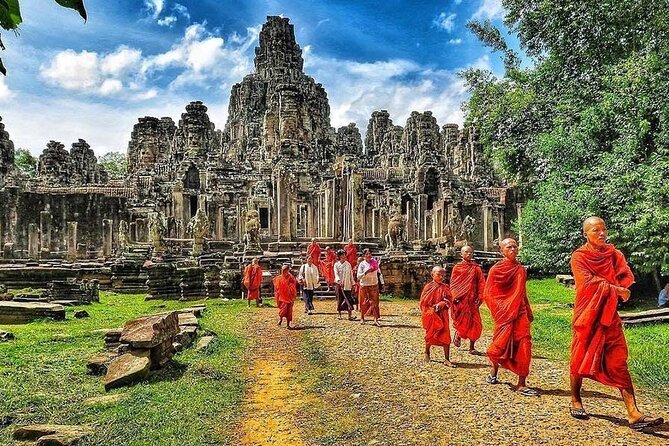
Then you reach Bayon Temple, the centerpiece of Angkor Thom. Bayon is where your brain starts to connect the visuals to the story. The setting makes it easy to understand why this area became a symbolic core—massive stone, clear axes and gateways, and the sense that the city was designed to funnel you inward.
You get about 2 hours at this section. That time is valuable because Angkor Thom isn’t just one viewpoint. You can spend time walking the grounds, orienting yourself, and noticing how the layout guides your attention.
Possible consideration: Angkor Thom can feel dense. Without good context, it’s easy to see “another temple.” With a strong guide, it becomes more coherent—like you’re reading chapters in order, not flipping through random pages.
You can also read our reviews of more tours and experiences in Siem Reap
Ta Prohm: Jungle Ruins and the Tomb Raider Effect
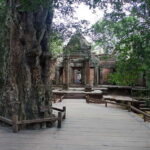
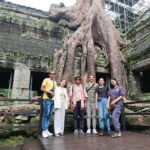
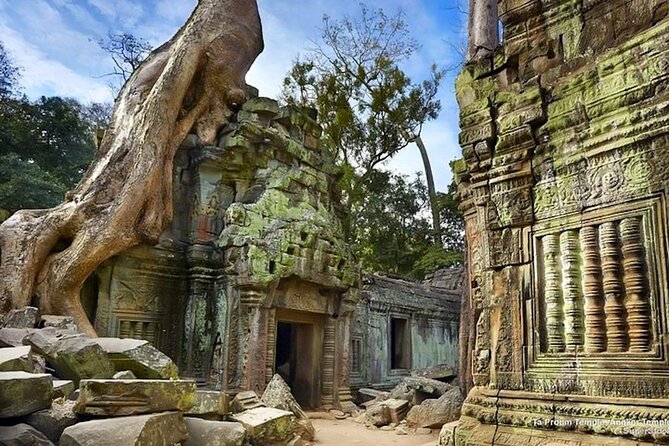
Ta Prohm is one of the most visually satisfying stops because it’s a ruin partially taken back by jungle. It’s also known as the Tomb Raider temple, made famous by the 2001 film.
You’ll have about 1 hour here. That hour matters because it gives you enough time to notice how the trees work their way through the stones—and how the place feels both ancient and alive. Even if you’ve seen photos before, the scale and the way roots grab onto structure can hit harder in person.
Also, this is a good moment to take a small breather. The day is temple-heavy, and Ta Prohm offers a different texture: fractured walls, tangled roots, and that dramatic contrast between worked stone and wild growth.
One thing to keep in mind: because this is a photo-famous site, you’ll want to be efficient with your angles. An hour can go quickly once you’re set up and waiting for the right light.
Ta Keo: The Unfinished Temple That Feels Different
Ta Keo stands apart because it was never finished. That incomplete status changes the vibe. Many Angkor temples feel complete and polished in their symmetry; Ta Keo’s difference can make it feel more raw and almost more human—like a plan that got interrupted.
You’ll spend about 1 hour here. Ta Keo is described as a square, layered-pyramid shape, and it’s noted for being one of the more dramatic sights on the tour. The layered form gives you strong visual lines, and you can often spot details that feel more angular and less softened than some other temples.
Consideration: if you want only the absolute most famous names at Angkor, Ta Keo may feel like a contrast stop. But that contrast is also why it’s worth including. It breaks the pattern so your brain doesn’t blur every tower into the next.
Banteay Kdei: Monk’s Cell Ruins and Silk Cotton Tree Roots
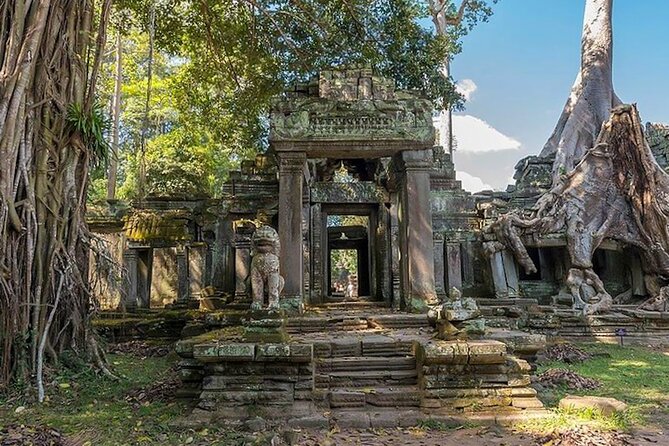
Banteay Kdei is known as the citadel of monk’s cells. It’s partially overgrown with towering, sinuous trees, and the most famous detail is the silk cotton tree roots weaving their way through the stonework.
You’ll have about 1 hour at this stop. For me, this is the kind of temple where a good guide helps you slow down. The attraction isn’t only the big structures—it’s the way roots and stones intersect. When you know what to look for, those “how did that happen?” moments start clicking into place.
The tradeoff is that you’ll likely feel the heat more at Banteay Kdei than at the most open-air viewpoints. Still, the tour includes chilled water throughout the day, and the stop length is short enough to stay enjoyable instead of tiring.
The Human Factor: Why the Guide Matters Most at Angkor
At Angkor, the stones don’t explain themselves. That’s why I place a lot of weight on the guide portion of the tour.
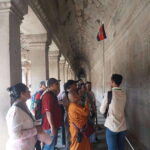
One standout example from past experiences is a guide named Sayon, who did an excellent job taking people through the route and explaining the history of the temples in Siem Reap. The win there is clarity. You don’t just hear dates; you connect the architecture to the people and the Khmer Empire context.
When a guide can do that, you get a bigger payoff from every stop—Angkor Wat’s grandeur, Bayon’s symbolic center, Ta Prohm’s jungle drama, and the specific feel of sites like Ta Keo and Banteay Kdei.
In practical terms: if you’re willing to ask questions, this kind of tour rewards you quickly.
Timing and What to Expect From an 8 to 10 Hour Day
The total tour runs about 8 to 10 hours. That’s a full day, but it’s not an all-day blur because it’s broken into distinct temple zones with a sensible sequence.
Here’s what the pacing means for you:
- Sunrise gives you the emotional high point early.
- Angkor Thom follows with dense, iconic imagery that benefits from walking time.
- Ta Prohm and the other ruins shift the visual mood so you don’t feel stuck in one style of scene.
A key practical note: meals aren’t included, so plan ahead. Even if you’re not sure where you’ll stop for lunch, deciding in advance how you’ll handle food can prevent you from spending your energy on last-minute decisions.
Also, admission tickets aren’t included. Treat your Angkor ticket as part of your preparation checklist, not an afterthought.
Who Should Book This Private Sunrise Tour
This tour is a strong fit if:
- You care about major Angkor highlights and want them in one day
- You prefer a private-group experience rather than riding with lots of strangers
- You want an English-speaking guide to interpret what you see
- You’re okay with a long morning-to-afternoon day
It may not be the best match if:
- You only want one temple and don’t plan to see several major sites
- You hate early starts and don’t enjoy temple walking in Cambodia’s heat
The good news: the tour notes that most travelers can participate, and it’s organized enough to keep the day manageable for a wide range of people—as long as you’re comfortable walking and doing a sunrise-focused schedule.
Should You Book It?
If you’re going to Angkor, booking makes sense when you want the big moments connected by a clear plan. I like this tour because it gives you sunrise at Angkor Wat plus the follow-up temples most people actually hope to see—without making you coordinate transport on your own.
Book it if:
- you want private transportation, pickup/drop-off, and a dedicated English guide
- you’re budgeting for ticket fees and meals separately
- you’re ready for a full 8 to 10 hour day with strong early timing
Skip or reconsider if you want a cheaper DIY day, or if sunrise scheduling will wreck you.
FAQ
How long is the Angkor Wat sunrise private tour?
The tour lasts about 8 to 10 hours.
Is pickup and drop-off included?
Yes. Pickup and drop-off are included, and you’ll travel by private air-conditioned minivan.
What’s included in the price?
Private transportation, pickup and drop-off, drinking water, and an English-speaking tour guide are included.
Are Angkor ticket fees included?
No. The Angkor ticket fee is not included.
Are meals included?
No. Meals are not included.
Is this tour private or shared with other groups?
This is a private tour/activity. Only your group participates.
What is the cancellation policy?
You can cancel for a full refund up to 24 hours in advance of the experience start time. If you cancel less than 24 hours before, the amount paid won’t be refunded.
Is there a mobile ticket?
Yes. A mobile ticket is included as part of the tour format.