REVIEW · PHNOM PENH
Phnom Penh: 2-Day Aural Mountains Hiking Adventure
Book on GetYourGuide →Operated by Slina Smile Tour · Bookable on GetYourGuide
360° views start in the dark. This 2-day hike to Phnom Aural in Cambodia’s Cardamom Mountains is a full wilderness reset, built around early starts, jungle trail time, and a quiet night camp far from phones and roads.
I really like two parts here: you get to eat like a local by joining the day’s village lunch and then cooling off during a waterfall break, and the schedule pushes you to the summit area by noon for big 360-degree mountain views. The trade-off is obvious: this is physically demanding, nights can get cold (around 10–18°C), and you need to be comfortable sleeping outdoors with bugs around.
In This Review
- Key highlights worth your attention
- Koh Kong’s 4:30AM Start: Getting to Phnom Aural’s Base Village
- Why this timing works for you
- Village Lunch, Waterfall Breaks, and the Hand Tractor in Rain Season
- What to watch for on the trail
- Forest Camping Deep in the Cardamom Mountains
- The camping trade-offs
- Day 2 Ascent: Summit by Noon and the Airplane Crash Site
- How the day ends in Phnom Penh
- The Views That Make the Effort Worth It: 360° Vistas and Quiet Viewpoints
- Why this is a strong value experience
- Price and Logistics: How $219 Maps to What You Get
- A small but helpful booking note
- What to Pack for Cold Nights, Bugs, and Long Trek Days
- A practical packing mindset
- Who This Hike Fits Best, and Who Should Skip It
- Should You Book the Phnom Aural 2-Day Adventure?
- FAQ
- FAQ
- What time do we meet on the first day?
- How long is the trip?
- Where does the hike start?
- What meals are included?
- Is dinner on day 2 included?
- What transportation is used?
- Where do we sleep?
- What should I bring for sleeping outdoors?
- Is this hike suitable for children?
- What should I do if I have mobility or heart concerns?
Key highlights worth your attention
- Phnom Aural summit timing: reaching the peak around noon helps you catch clearer light and the widest views
- Village-to-trail meal flow: you meet local people and choose your lunch before trekking begins
- Rain-season transport reality: you may ride a local hand tractor to reach the trek point
- Secluded forest camping: sunset from camp plus sleeping under the stars far from modern life
- A stop most people skip: you’ll visit an airplane crash site during the ascent
- Evening campfire stories: learn about the region’s history and Cardamom Mountain ecology as you cook and relax
Koh Kong’s 4:30AM Start: Getting to Phnom Aural’s Base Village
Your day begins at 4:30AM, when you meet the guide and driver and board the bus for the drive toward Koh Kong Province. The plan is to trade comfort for time in the wild. You’ll stop for breakfast on the way, which matters because the next phase starts early and keeps you moving.
As you near the base area of Phnom Aural, the feeling shifts fast. You’re heading into a remote stretch of the Cardamom Mountains, where the point isn’t speed. It’s access: you get to start from a village area and then work your way up through forest rather than doing a rushed viewpoint-only day.
You can also read our reviews of more hiking tours in Phnom Penh
Why this timing works for you
Early departure means you start your hike before the hottest part of the day. That’s a big deal on a jungle trail with steep effort and limited shade in places. Also, the trip is paced so you can reach the summit by noon on day 2, instead of arriving late and tired with worse visibility.
Village Lunch, Waterfall Breaks, and the Hand Tractor in Rain Season
When you reach the remote village at the base of Phnom Aural, you don’t just pass through. You meet local villagers, and you get a say in your lunch by picking what you’ll eat. That small detail makes a difference because the day becomes less like a packaged tour and more like a community day that happens to include hiking.
Then comes the start of the trek. Depending on the season, you may ride a local hand tractor to reach the trek point. The listing specifically notes this for rain season, which is practical: muddy ground can make some paths hard, and this route uses local transport to keep the day moving.
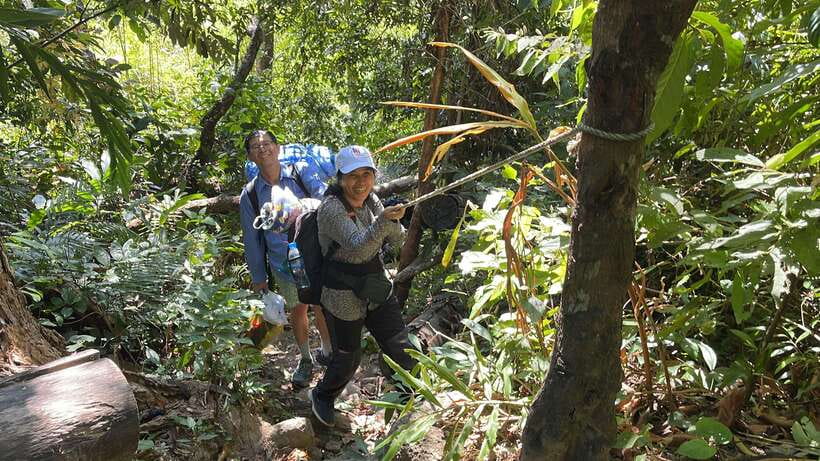
Once you’re on the trail, the hike style is all about steady progress through nature. You’ll move through lush forest, cross small streams, and follow the route past hidden viewpoints. You also get breaks along the way, and your lunch may include a stop with a waterfall view, giving you a chance to cool off instead of just eating and walking again.
What to watch for on the trail
This isn’t a stroll. The route is physically demanding, and one of the best ways to set expectations is to plan for heat on the uphill sections. Even when you’re moving slowly, you’ll feel the effort in humid conditions. Your guide’s pace and your own fitness matter more than anything else.
Also, you’ll be away from modern conveniences. That’s part of the charm, but it also means you should expect basic facilities, simple meals, and a no-drama wilderness rhythm.
Forest Camping Deep in the Cardamom Mountains
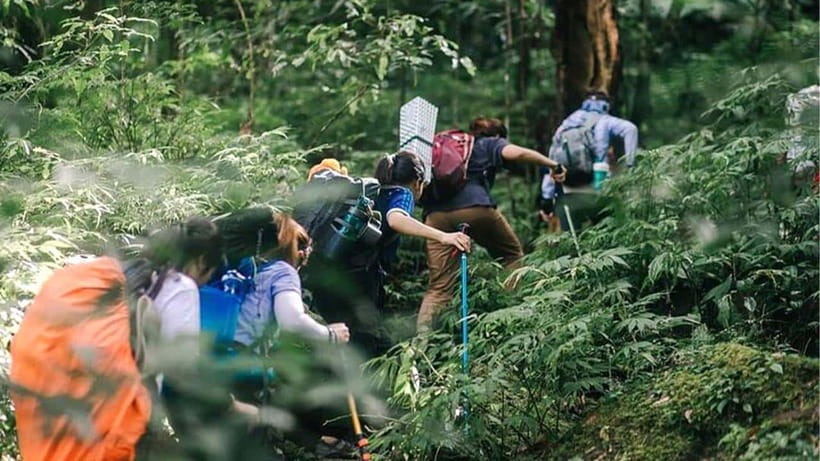
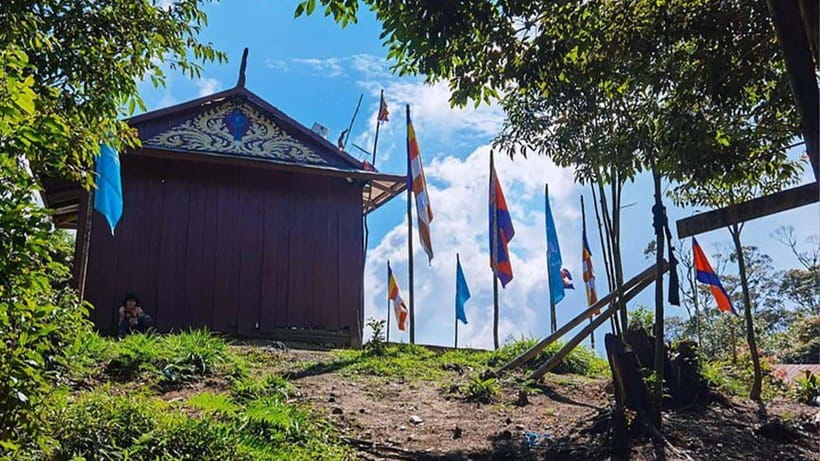
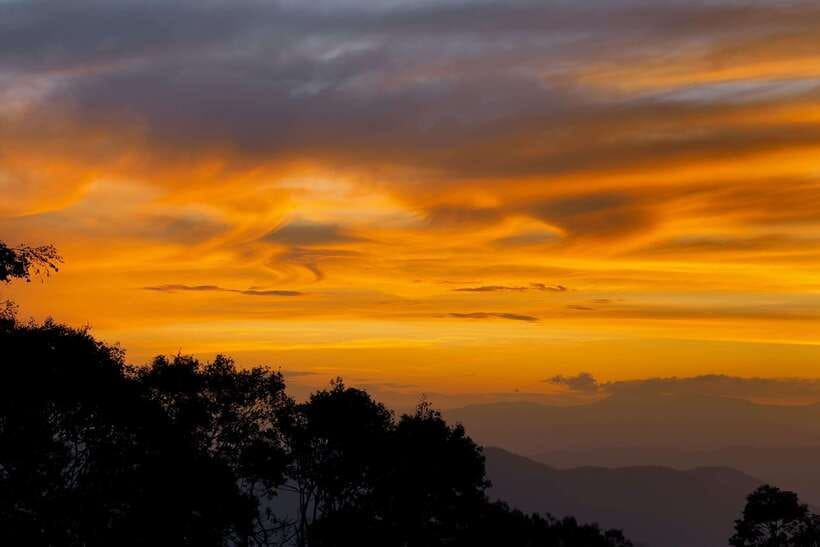
By evening, the trip shifts from trekking mode to camp mode. You’ll set up camp in a peaceful, secluded spot deep in the forest, with time for a sunset view before things fully go dark. This is one of the reasons people love the overnight: you don’t just sleep outside, you spend the night in a place that feels protected from daily life.
Night at this altitude and latitude can turn chilly. The tour notes that temperatures at night can be around 10–18°C, so pack for real outdoor cold, not just a light breeze. Around the campfire, the group joins stories about the region’s fascinating history and the unique ecology of the Cardamom Mountains. You’ll also help with the dinner routine, with local drink included, plus some games before sleep.
Then comes the best part if you like quiet nature: you sleep under the stars, far from traffic, bars, and the kind of background noise that follows you everywhere else.
You can also read our reviews of more tours and experiences in Phnom Penh
The camping trade-offs
Camping also means you’ll deal with insects and limited comforts. The trip includes a tent for two people, but you still carry your own gear and you need your own sleeping system (sleeping bag and pillow are on the recommended list). If you’re expecting a soft bed and a hot shower, you’ll be disappointed. If you want the real experience, you’ll likely love it.
Day 2 Ascent: Summit by Noon and the Airplane Crash Site
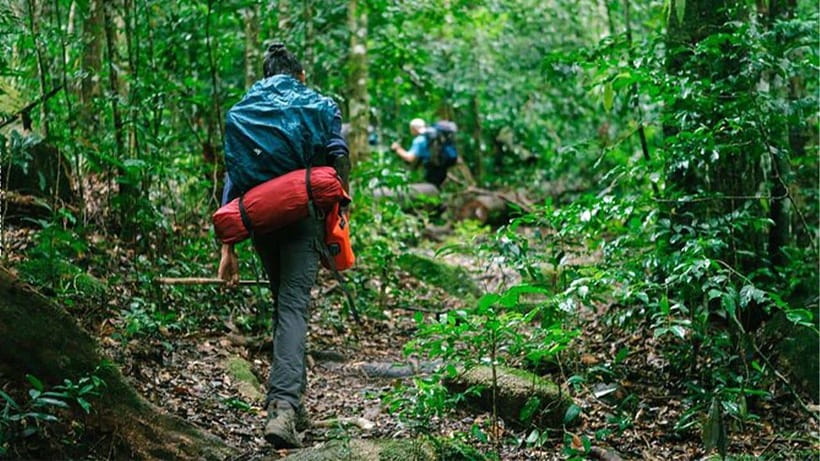
Day 2 starts with breakfast at 7:00AM, then you continue upward toward the top of Phnom Aural. The hike is built so you reach the summit area around noon, which is a smart strategy for views. You’ll get better light for the wide panorama and you’ll have time to handle the descent without sprinting.
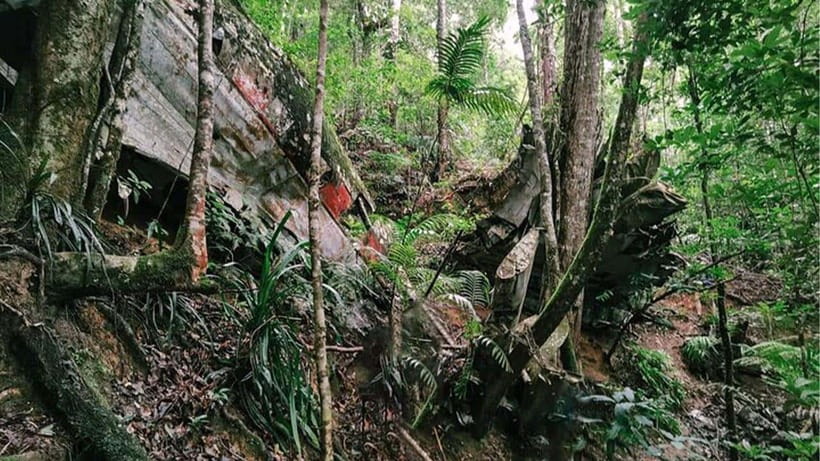
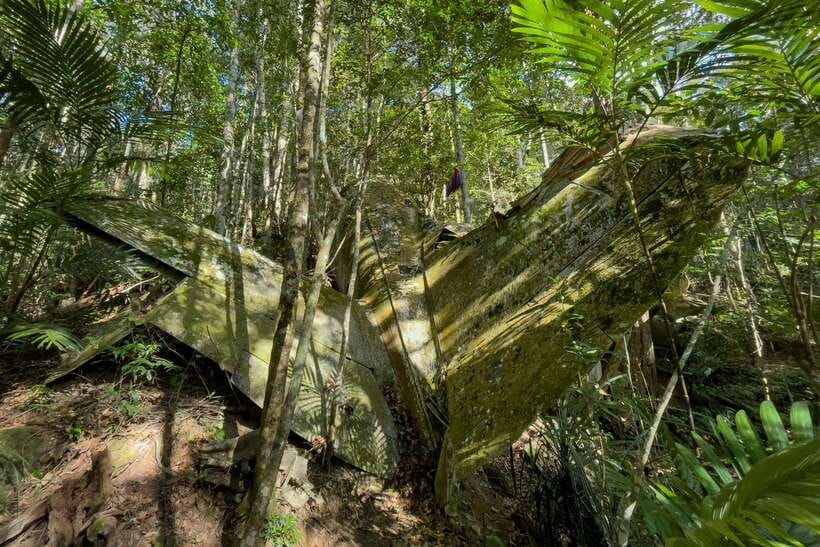
One route detail you should know: you’ll visit an airplane crash site during the ascent. This isn’t a detour that eats your whole day, but it’s an extra stop that many people miss when they rush the rest of the climb. Here, it’s part of the journey, and it adds weight to the walk beyond scenery alone.
By the time you’re on/near the peak, you’ll be rewarded with 360-degree views of the surrounding mountains. The tour also includes extra time to explore more hidden places around the summit area if you still have energy and schedule room.
After that, you head back down. You return to the campsite for lunch, then get ready for the walk back to the village. You’ll also have time to reflect together before the drive back.
How the day ends in Phnom Penh
You’ll travel back to Phnom Penh by late evening, arriving around 8:00–9:00PM. It’s a long day end-to-end, so don’t plan same-day commitments in Phnom Penh after you finish day 2.
The Views That Make the Effort Worth It: 360° Vistas and Quiet Viewpoints
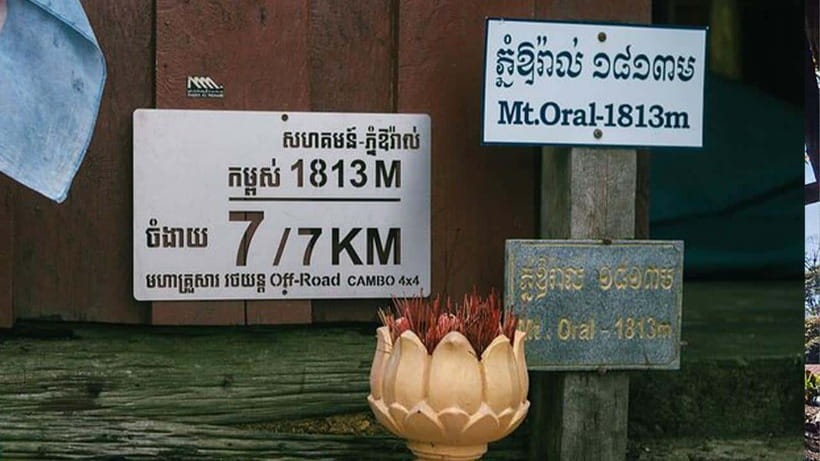
Let’s talk about what you actually came for: the top and the wide horizon. The summit is designed to deliver the payoff quickly once you get there. Reaching the peak by noon means you’re not just standing at the top in a time slot that feels like a compromise.
The trail also includes hidden viewpoints along the route, not only at the final destination. You’re getting small “earned” view moments as you walk, which helps when the day feels long. In practice, that keeps motivation high because the climb isn’t only one big payoff at the end.
Why this is a strong value experience
A lot of hiking trips promise views but deliver mostly transit time. Here, the focus is time on the move: forest trekking, waterfall-style breaks, a secluded overnight, and a summit plan that prioritizes visibility.
People who are fit usually find it very doable, even if it feels intense. One review specifically called it intense yet fun, especially with jungle heat and a great camping atmosphere. That matches the overall design: this is active travel, not a sit-and-look kind of outing.
Price and Logistics: How $219 Maps to What You Get
The price is $219 per person for 2 days. At first glance, that’s not cheap. But you’re paying for several things that usually cost extra when you assemble it yourself: guided hiking over two full days, transportation (bus and potentially hand tractor), meals across both days (including two breakfasts, two lunches, and one dinner), basic safety support via a first aid kit, and logistics that get you into a remote village starting point.
You also get a tent for two people, plus tea and coffee, refillable water, and hot water. That’s meaningful in the wilderness because you’re not scrambling to source it day-by-day.
What’s not included is also clear: dinner on day 2 is not included, and you’ll also want your own budget for snacks, soft drinks, and alcoholic drinks. If you’re traveling alone, the listing notes an extra tent fee of $10.
A small but helpful booking note
The tour offers free cancellation up to 24 hours in advance for a full refund, plus a reserve now & pay later approach. That kind of flexibility matters for remote hiking where weather can affect comfort and trail conditions.
What to Pack for Cold Nights, Bugs, and Long Trek Days
If you pack well, the trip feels smoother. If you under-pack, the jungle will do its job and remind you who runs the show.
Here’s what you should plan for based on the provided list:
- Sleep system: sleeping bag and pillow (the trip includes a tent, but not these personal items)
- Light and protection: flashlight, hat, sunscreen
- Insect defense: mosquito spray and insect repellent
- Rain and trail needs: jacket, gloves, scarf, plus hiking or sport clothes
- Footwear: sandals/flip-flops plus hiking shoes or hiking sandals and socks
- Meals and hydration: cup, meal box, spoon/fork, and bottle water for refill
- Carry weight: a carry bag less than 5kg is recommended
- Health items: important medicine, plus motion sickness prevention if you’re prone to it
The trip also has rules you should take seriously: no smoking, no littering, and don’t touch plants. That’s both for safety and to keep the trail ecosystem intact.
A practical packing mindset
You don’t need to bring luxury items. In fact, the guidance says not to bring jewelry or expensive property. It’s a wilderness experience, and you’ll move, sweat, and sleep outdoors.
Also, think about the cold. Even if the hike is hot, the evening and overnight can feel different fast. Bring layers you can actually wear on a night outside.
Who This Hike Fits Best, and Who Should Skip It
This is a physically demanding hike. It’s suitable for people with a good fitness level, and the tour explicitly lists groups who should not join: children under 12, pregnant women, people with mobility impairments, and people with heart problems.
If you’re comfortable hiking for sustained periods, dealing with jungle conditions, and sleeping outdoors, you’ll likely enjoy this more than a casual day hike. The camping component also tends to land well with people who love wildlife sounds and quiet mornings.
If you’re someone who wants easy walking, lots of comfort stops, or a fully managed hotel experience, this won’t be your style. There’s no pretending here: it’s wilderness travel.
Should You Book the Phnom Aural 2-Day Adventure?
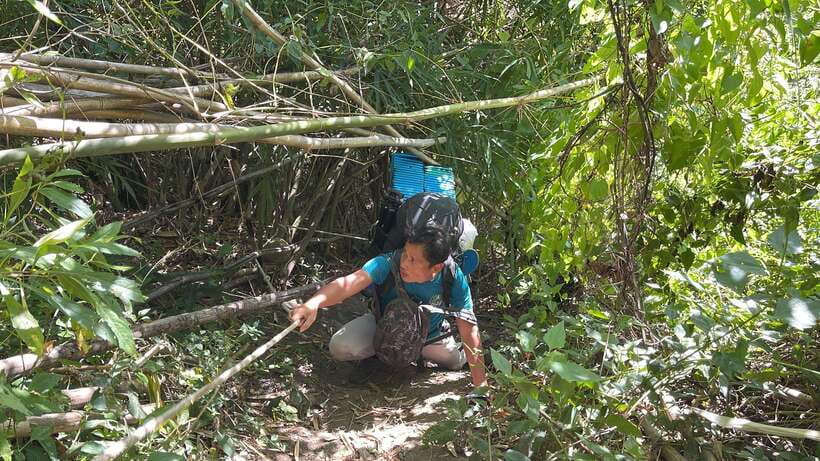
I’d recommend booking if you want an active nature trip with real separation from city life. You’ll get village-to-trail cultural texture, a forest camp that feels genuinely secluded, and a summit plan designed for 360-degree views by around noon.
I’d hesitate if cold nights, insects, and long travel days sound stressful. Also be honest about fitness: the route is intense, and the return to Phnom Penh happens late, around 8:00–9:00PM.
If you match the fitness profile and you want the authentic wilderness version of Cambodia’s mountains, this is the kind of trip you remember for the sounds of the forest as much as the views.
FAQ
FAQ
What time do we meet on the first day?
You meet the guide and driver at 4:30AM.
How long is the trip?
The hiking experience lasts 2 days.
Where does the hike start?
It starts from a remote village at the base of Phnom Aural in Koh Kong Province.
What meals are included?
The tour includes 2 breakfasts, 2 lunches, and 1 dinner.
Is dinner on day 2 included?
No, dinner on day 2 is not included.
What transportation is used?
You use transportation for the whole trip, including a bus and a local hand tractor (noted for rain season).
Where do we sleep?
You camp overnight in a secluded spot deep in the forest, with one tent for 2 people.
What should I bring for sleeping outdoors?
You should bring a sleeping bag and pillow, plus items like insect repellent, a flashlight, and cold-weather layers since nights can be 10–18°C.
Is this hike suitable for children?
No. It is not suitable for children under 12.
What should I do if I have mobility or heart concerns?
The tour is not suitable for people with mobility impairments or heart problems, and it is also not suitable for pregnant women.