REVIEW · PHNOM PENH
Aural Mountain Trek: Cambodia Tallest Peak Challenge
Book on Viator →Operated by Vana Adventure Travel · Bookable on Viator
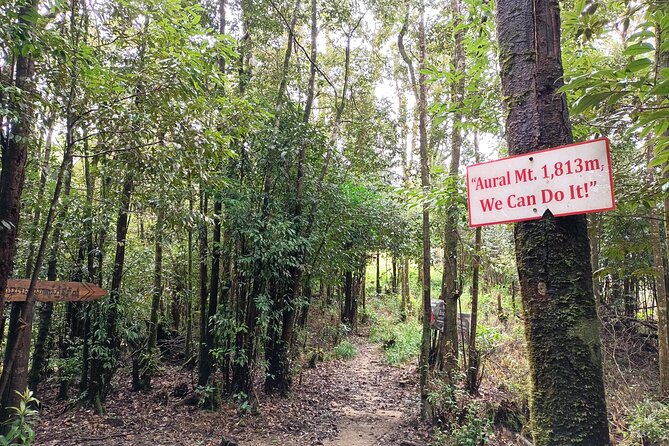
Aural Mountain is the kind of goal you remember, because it forces you into Cambodia’s Cardamom backcountry. I like that the trek is built around a true hiking rhythm—villages, bamboo forest camping near a waterfall, then a final push to the top of Cambodia’s tallest peak (1813 m). I also like the practical support: tent or hammock setup, guides, cooked meals, drinking water, and round-trip private transfers so you’re not juggling logistics. The main drawback is simple: this is tough going in hot, humid conditions, with critters along the way, so you’ll want to go in fit and flexible.
You’re not doing a stay-in-a-hotel “mountain day.” You’re sleeping in the jungle—two nights in a tent or hammock—then one more night under the trees and stars before heading back to Phnom Penh. One thing to think about up front: the operator lists a formal dress code, which is not how most jungle trekking days feel, so plan a strategy (and pack light).
In This Review
- Key highlights worth caring about
- Three days in the Cardamom: the real point of this trek
- Price and value: why $385 can make sense here
- Getting started in Phnom Penh: the 7:30 am commitment
- Day 1: villages, bamboo forest camping, and the first hard miles
- Day 2: waterfall-side camp life, more trail time, and a forest history stop
- Day 3: Aoral Mountain (1813 m) and sleeping under the stars
- What the guides and small-group size really change for you
- The hike reality check: heat, critters, and pacing
- Accommodation and meals: the comfort you get, and where it ends
- Packing tips that match how the trek actually works
- Who should book this trek (and who might want a different style)
- Should you book Aural Mountain Trek with Vana Adventure Travel?
- FAQ
- How long is the Aural Mountain trek, and what time does it start?
- How many people are in the group?
- What kind of accommodation is included?
- What’s included in the price?
- What is not included?
- What fitness level and luggage limits should I plan for?
Key highlights worth caring about
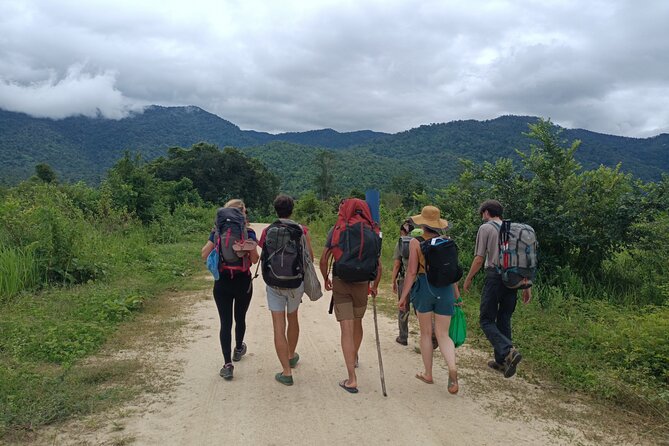
- Aoral Mountain summit challenge up to Cambodia’s highest point (1813 m)
- Bamboo forest camp near a waterfall, plus a night sleeping under trees and stars
- Village time to see how rural communities live in the Cardamom region
- Historical detour in the forest: a plane crash site tied to 1974 civil war history
- Small-group trekking with a cap of 10 travelers for a more personal experience
Three days in the Cardamom: the real point of this trek
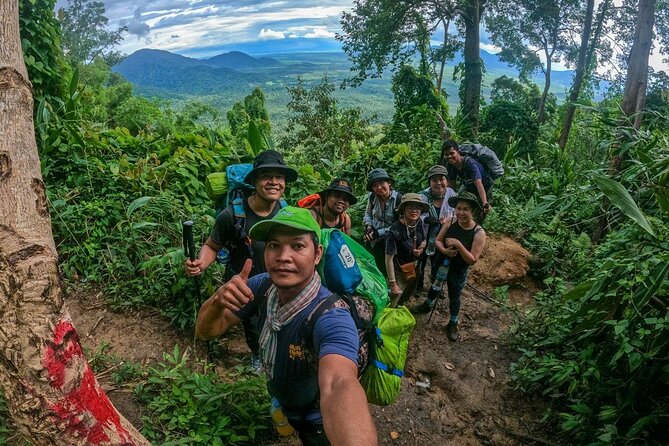
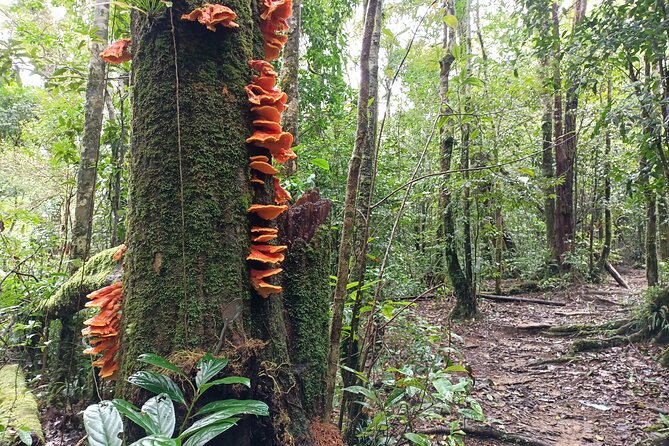
This trek is for people who like mountains, but also like what happens around mountains. The focus here isn’t just the summit. It’s the slow shift from riverside roads and villages into bamboo forest, humid jungle trails, and overnight time where your world gets smaller—boots, rain, leaves, and the sound of the forest.
You get a fully serviced setup, which matters because it changes the whole feel of the trip. With guides handling route, camp, and meals, you can concentrate on hiking and on being present. And because it’s a small group, you’re more likely to move like a team rather than getting pulled apart by different fitness levels.
The trek also includes variety. You’re not only walking to a viewpoint. You’ll pass through local villages, camp near a natural waterfall, and visit a plane crash site in the forest. That mix helps the days feel like a journey, not just a workout.
You can also read our reviews of more hiking tours in Phnom Penh
Price and value: why $385 can make sense here
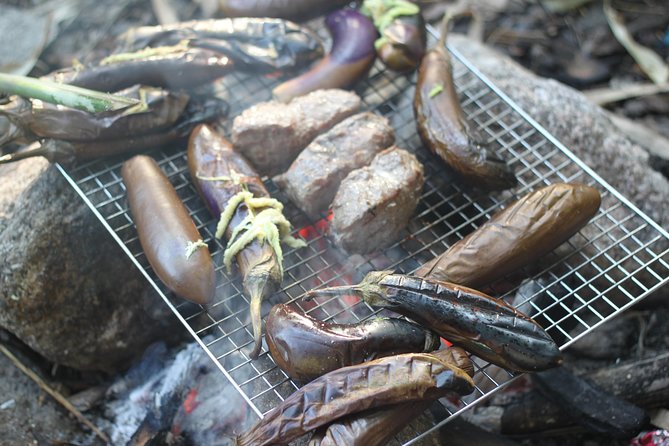
At $385 per person for about 3 days, this is not a budget day hike. But you’re paying for more than the guides. The included basics are substantial: hotel pickup and drop-off, professional and local guides, two nights in tent or hammock accommodation, meals across the itinerary, drinking water, and round-trip private transfers.
What that means for you in real terms: you’re not trying to find transport to trailheads, source camping gear, or coordinate food in a remote area. In a place like Cambodia’s Cardamom, those pieces can become the hidden cost and hassle of doing this on your own.
If you’re comparing options, look at what’s covered end-to-end. The tour includes the core field needs (food, water, camp setup). What’s not included is also clear: alcoholic drinks and travel insurance/personal expenses. So the math is easier than a lot of “cheap tour” offerings that charge you later for the essentials.
Getting started in Phnom Penh: the 7:30 am commitment
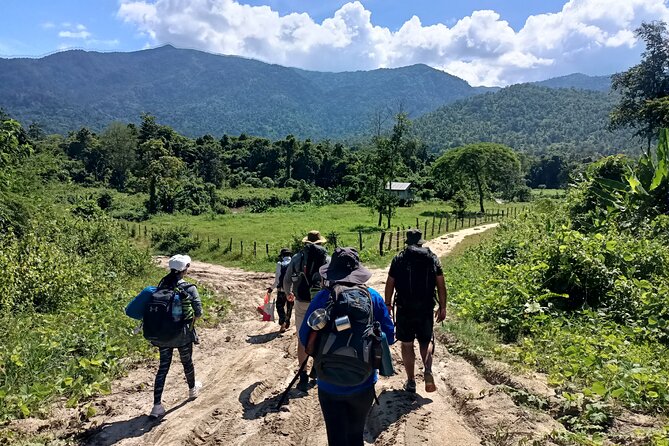
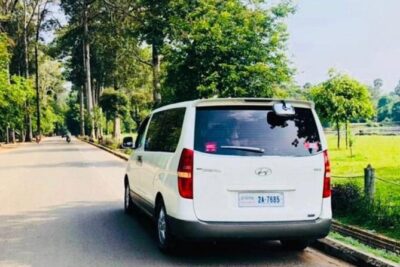
The day begins at 7:30 am with start time noted for the experience. In practice, that usually means an early pickup from your Phnom Penh hotel. The tour includes pickup and drop-off, and it also includes round-trip private transfer, so you’re not left negotiating rides after a long day of hiking.
This matters because the trek is time-structured. When the day starts early, you get more daylight on the trail, more time around camp, and less stress about arriving after dark. You also get a more peaceful trail rhythm—less crowded roads, and more manageable walking temperatures in the morning.
One caution: your pack will matter. You’ll be carrying what you can’t leave behind. The tour allows up to 1 suitcase and 1 carry-on, with restrictions on oversized items. If you’re tempted to bring extra luggage just because it’s available, consider the reality of jungle transport and camp time.
Day 1: villages, bamboo forest camping, and the first hard miles
Day 1 is about transition and traction. You’ll start from Phnom Penh and work your way into the Cardamom region. The trek then introduces the human side first: you’ll visit local villages and get context on rural life—how people live in the countryside and how the landscape shapes daily routines.
Then it becomes jungle hiking. You’ll camp in a bamboo forest close to a natural waterfall with your local support team. This is one of the most practical-feeling parts of the trek plan: water nearby makes camp logistics easier, and the waterfall area can bring a welcome “camp sound” when the humidity closes in.
From what you should expect physically, Day 1 can feel like the first test of your legs. There’s mention of climbing to base camp 1 and 2 in hot and humid conditions, and that’s the kind of effort that sets the tone. If you’re used to cooler weather hikes, adjust your pacing early. Start slower than you think you need. Your body will thank you on the steep bits.
What to watch for beyond effort: critters. The trip is jungle-country, and the reality is you’ll share the environment. You can’t treat this like a paved-path stroll. You’ll want clothes that protect you, shoes you trust, and a calm attitude when the forest gets busy.
Day 2: waterfall-side camp life, more trail time, and a forest history stop
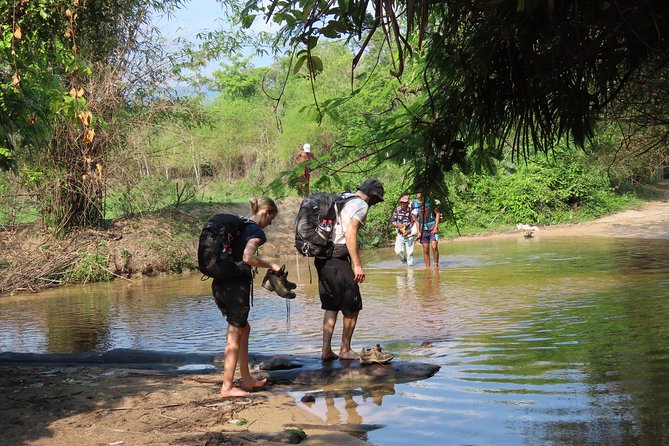
Day 2 is where the mountain begins to feel like it owns the schedule. You’ll move deeper into the trek area with your guides and keep building elevation and endurance. The goal is progress toward Aoral Mountain, and the pace tends to be steady rather than sprint-like.
You’ll likely spend more time walking through evergreen mountain scenery and along trekking trails that include views of Aoral Mountain and other hills on the route. The tour is clear that you’re seeing more than just one big peak. You’ll get sightlines to the surrounding hills—part of why this route feels scenic even before the summit moment.
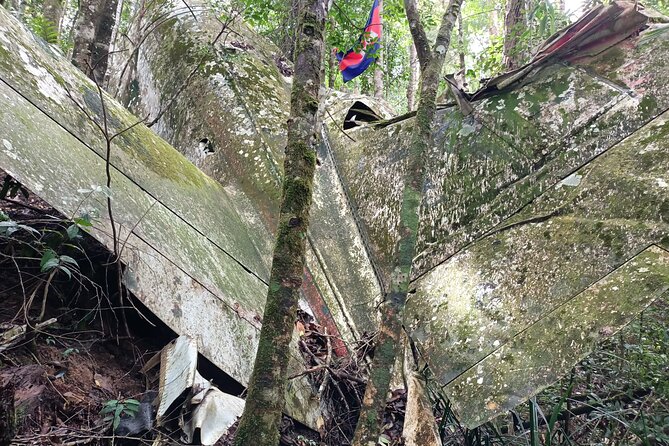
A standout inclusion is the plane crash site in the forest. The wreckage is tied to Lon Nol’s air force plane, shot down in 1974 during the civil war. This isn’t just a random stop. It’s a reminder that this remote region has history layered into the trees. For you, it changes the way you experience the jungle. It becomes not only a natural place, but a place where past events have left physical traces.
Night on Day 2 sets you up for the summit push. You’ll sleep in a tent or hammock again, with meals handled by the support team. This is where the fully serviced structure matters. It keeps Day 3 from becoming a logistics scramble. You can focus on rest, water, and hydration habits rather than camp setup.


Day 3: Aoral Mountain (1813 m) and sleeping under the stars
Day 3 is the payoff. The plan is to reach the peak of Aural Mountain (1813 m), then do one more night in the mountains before returning to Phnom Penh. The tour specifically describes a final sleep under the trees and stars after the summit.
That last-night detail is more than poetic language. Sleeping outdoors in the Cardamom has a different feel than tent-only nights. You’ll likely notice wind changes, sounds from the jungle, and the way the night sky looks when you’re far from city lights. It’s also a good time for a full mental reset after the physical effort of reaching the top.
After that night, you head back to Phnom Penh. Since the tour includes hotel drop-off and round-trip transfers, you’re not left figuring out rides when you’re tired. That’s a big deal after a summit day, when decision-making can feel harder than walking.
What the guides and small-group size really change for you
This is a guaranteed small-group tour. The maximum is listed as 10 travelers, and the tour also references a small group range. For you, the practical result is that your hike is more likely to match your group’s pace. Less waiting, fewer people to manage, and more attention paid to how everyone’s doing.
The guide structure also matters. You’ll have a professional guide and local guides. That combination usually means you get both trekking know-how and local route wisdom. On jungle trails, local knowledge is often the difference between a safe route and a frustrating one.
The support team handling camp setup (including packing your tent or hammock) means less gear management on your end. You’re still responsible for carrying what you need, but you’re not building camp from scratch while you’re sweaty and tired.
One more point: the tour mentions a driver and transport that takes care of the journey between Phnom Penh and the trekking area. In rough conditions, having that handled is a real quality-of-life upgrade.
The hike reality check: heat, critters, and pacing
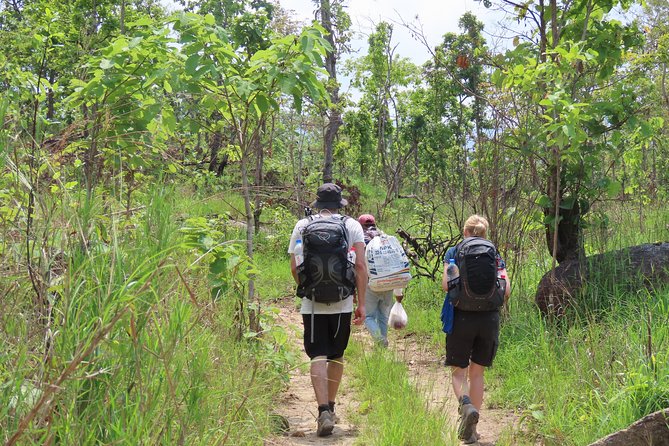
Even with guides and planned camps, this is still a trek, not a nature walk. You should plan for hot and humid conditions. That affects everything: how much water you’ll want, how often you’ll need short breaks, and how slow your body wants you to go on steeper sections.
There’s also mention of lots of critters. That doesn’t mean you should panic. It means you should dress for it. Choose clothing that protects your skin, keeps insects off as much as possible, and works in sticky weather. If you’re the type who hates getting uncomfortable, this may wear on you by Day 2.
Footwear matters too. The tour doesn’t specify brands or shoe types, so use your judgment. If your shoes aren’t made for uneven ground, you’ll pay for it.
Then there’s the sleep part. Two nights are in tent or hammock accommodation. The final night is sleeping under the trees and the stars. If you’re expecting hotel bed comfort, you’ll be disappointed. If you like the idea of a real outdoors night, you’ll likely love it.
Accommodation and meals: the comfort you get, and where it ends
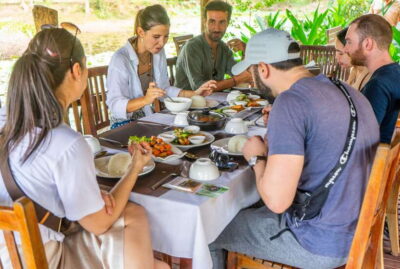
Meals are included across the itinerary (breakfast, lunch, dinner). Drinking water is also included. For value, this is one of the biggest wins because you’re not trying to track down food in the middle of nowhere.
You also get camp comfort through your accommodation. The tour notes tent or hammock setup packed by the operator. That tells you the gear logistics are managed for you. Still, you’re sleeping in the jungle. Think “sleeping outside with a plan,” not “glamping.”
One thing to plan around: alcohol is not included. The tour says to bring it if you need it. That’s useful if you like a drink to cap off the day, but it also means you’ll be responsible for what you bring. And in jungle conditions, keep your “bring alcohol” plans practical.
Dietary requirements should be shared at booking. If you have any dietary limits, tell the operator early so they have a chance to plan meals that work for you.
Packing tips that match how the trek actually works
Because the trip includes tent/hammock camp setup and meals, you don’t need to bring a full camping kit. You do need to bring the essentials for days of walking in humid conditions and for sleeping outside.
A few practical notes based on what’s listed and what the trek implies:
- Respect the luggage limit: 1 suitcase + 1 carry-on.
- Bring a rain-ready mindset. Jungle weather can shift fast.
- If the trek requests formal dress code, don’t show up with nothing “nicer.” Pack something you can actually carry without ruining your comfort.
- Bring what you need for personal comfort, since travel insurance and personal expenses are not included.
Also, check your travel timing. The tour is commonly booked about 65 days in advance on average, so if you have a specific window, don’t wait.
Who should book this trek (and who might want a different style)
This trek fits best if you:
- Want Cambodia’s tallest peak as the headline, not just a scenic walk
- Prefer a small-group, guided experience with camp and meals handled
- Are okay with real jungle discomfort: humidity, nighttime sounds, and critters
- Enjoy a mix of nature and history, including the plane crash site tied to 1974 events
If you’re someone who needs a smooth, easy hike with lots of comfortable breaks and predictable terrain, this may feel too hard. The tour notes moderate physical fitness, but there’s also strong language around difficulty in hot humid conditions and base camp pushes, so set your expectations accordingly.
Also, if you’re very picky about sleeping arrangements, remember: two nights are tent/hammock, and one night is under trees and stars. That’s part of the charm for many people, but not everyone.
Should you book Aural Mountain Trek with Vana Adventure Travel?
I think this is a great booking if you want a real, guided jungle trek where the work is the point and the support is solid. The value looks strong because your camp, meals, water, guides, and private transfers are handled for you, and the small group size keeps the experience from feeling chaotic.
I would hold back if you hate heat, don’t handle bugs or uneven ground well, or need very comfortable sleeping conditions. I’d also ask yourself how seriously you’ll take the formal dress code, because jungle trekking is messy by nature.
If you’re the right type of hiker—curious, steady, and okay with some discomfort—this is the kind of trip that gives you a story for years.
FAQ
How long is the Aural Mountain trek, and what time does it start?
It runs for about 3 days and starts at 7:30 am.
How many people are in the group?
It’s a small-group trek with a maximum of 10 travelers.
What kind of accommodation is included?
You get 2 nights of accommodation by tent or hammock, and the itinerary also includes one last night sleeping under the trees and the stars.
What’s included in the price?
Included are hotel pickup and drop-off, professional and local guides, tent/hammock accommodation for 2 nights, meals as per the itinerary (breakfast, lunch, dinner), drinking water, and local transport if required, plus round-trip private transfer.
What is not included?
Alcoholic drinks are not included. Travel insurance and personal expenses are also not included.
What fitness level and luggage limits should I plan for?
The tour is for people with a moderate physical fitness level. Each traveler is allowed a maximum of 1 suitcase and 1 carry-on bag, and oversized or excessive luggage may have restrictions.