REVIEW · PHNOM PENH
Phnom Penh Highlights Tour with Killing Fields & S-21 Prison
Book on GetYourGuide →Operated by Driver-Guide · Bookable on GetYourGuide
History here doesn’t politely stay in the past. This day tour connects Khmer culture and religion with the modern horrors of the Khmer Rouge, using a tight route through Royal Palace sights and later the S-21 prison museum. It’s a lot in 1 day, but it’s built to help you understand how Phnom Penh became what it is today.
I love how the itinerary pairs beauty and faith with brutally honest history, so you don’t just see landmarks—you get context. I also like the human touch from the English driver-guide, with guides such as Lee, Chhim, and Chhunly praised for clear, on-the-spot explanations. One drawback: the S-21 and Killing Fields parts are emotionally heavy, and you’ll want to be ready for that before you go.
In This Review
- Key highlights to look for
- Royal Palace, Silver Pagoda, and the Mekong–Tonle Sap angle
- France Quarter, colonial streets, and Wat Phnom’s hilltop story
- S-21 Prison Museum: why the explanation matters
- After lunch at the Killing Fields (Choeung Ek), the story clicks
- Khmer food break and the city monuments along the route
- Price and logistics: what $30 really buys you
- What to bring (and how to survive the heat and walking)
- Should you book this Phnom Penh Highlights Tour?
- FAQ
- How long is the tour?
- How much does it cost?
- What’s included in the price?
- What is not included?
- Where does pickup happen?
- Does the tour include Royal Palace and Silver Pagoda?
- Does it include S-21 and the Killing Fields?
- What should I bring?
- Is the tour suitable for everyone?
Key highlights to look for
- Royal Palace + Silver Pagoda: see Khmer royal life and a meditation tradition in one smooth stop
- Wat Phnom and Phnom Penh’s origin story: get the name connection, not just the photo
- Mekong and Tonle Sap river drive: Phnom Penh’s water geography shows up in the route
- S-21 (Toul Sleng): the guided narration helps you understand what detention and torture meant
- Lunch break for Khmer food: you get local flavor after the hardest museum stop
- Killing Fields context: the day links imprisonment to execution at Choeung Ek
Royal Palace, Silver Pagoda, and the Mekong–Tonle Sap angle
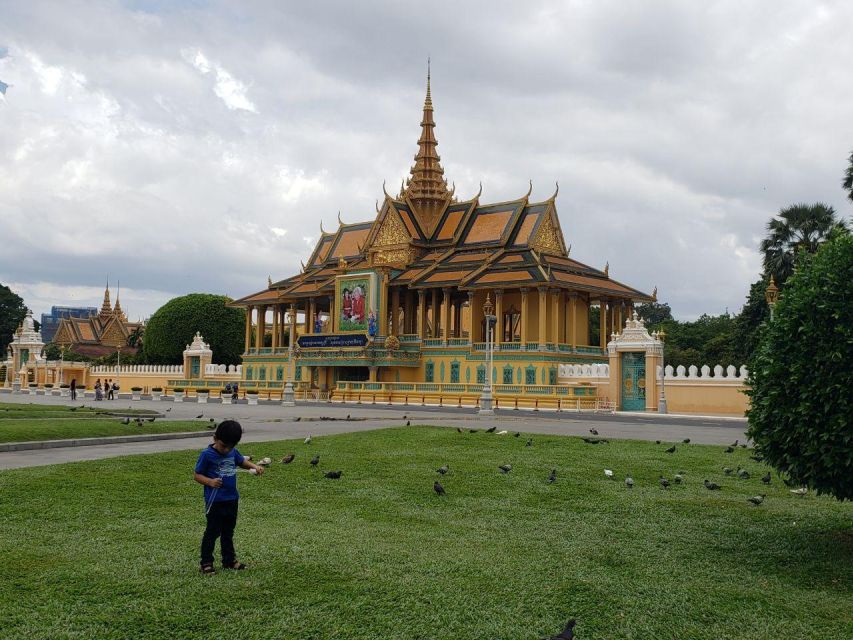
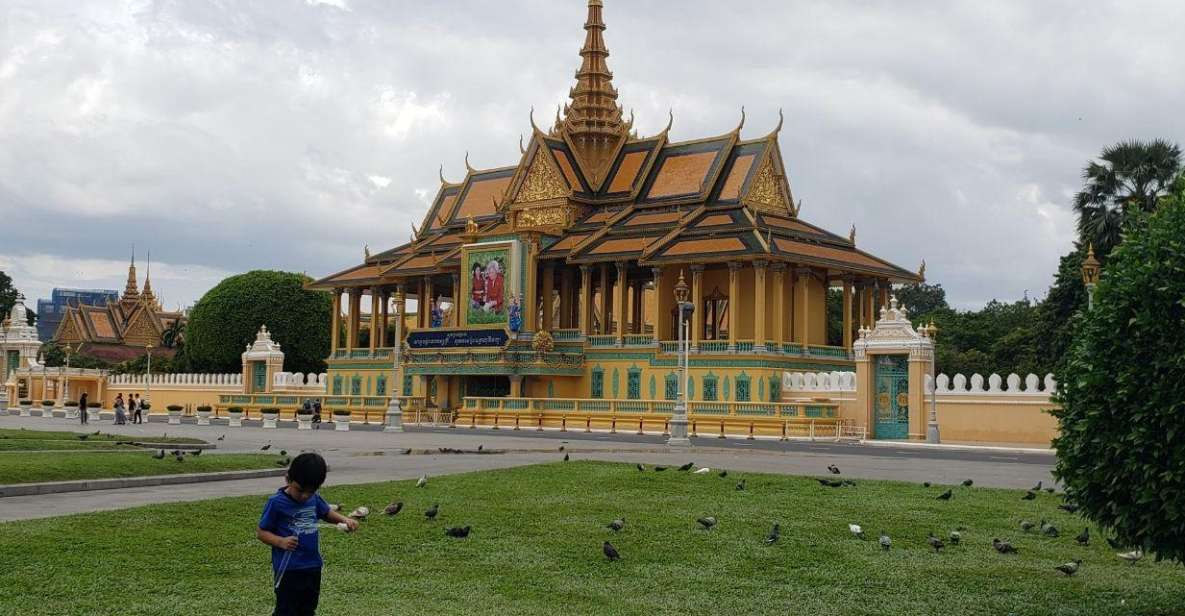
Start with the part of Phnom Penh that feels most like a stage set—because Cambodia’s royal tradition still matters. At the Royal Palace, you’re walking through the principle residence for Cambodia’s King, Queen, and royal family, so the atmosphere is formal even if you’re just passing through. The best value here is not the postcard shots. It’s understanding how Buddhism and state power have lived side by side for a long time.
Right after, you move to the Silver Pagoda, sometimes called the Emerald Temple. This is the spiritual sibling to the palace complex: a place tied to meditation and royal religious practice. The tour framing matters. If you only visit temples on your own, it’s easy to treat them like scenery. With a guide, you get a reason for what you’re seeing and why locals still respect these spaces.
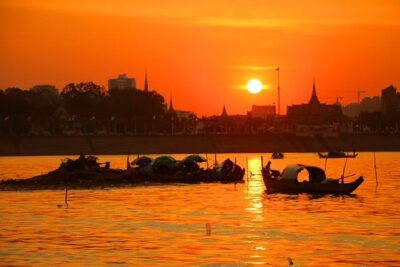
Then the day shifts gears with a drive that follows the Mekong River and Tonle Sap River area. Even if you don’t stop at a single “big view,” the road choices help you understand that Phnom Penh isn’t just streets and buildings. It’s a water-shaped city. The rivers have a real influence on daily life and the way people think about land and seasons.
A practical tip: go early if you can. One guide-style approach emphasized starting before the heat, and that’s smart. You’ll be outdoors between sites, and the day has multiple walking segments.
You can also read our reviews of more tours and experiences in Phnom Penh.
France Quarter, colonial streets, and Wat Phnom’s hilltop story
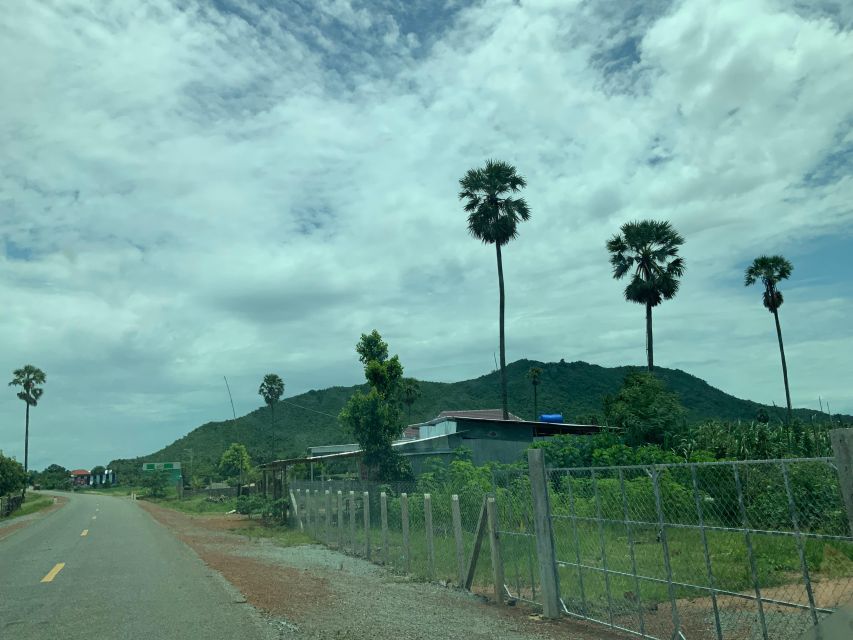
Next comes a stop at the France Quarter, where you’ll see colonial-era buildings and streetscape. This is a useful contrast to the palace complex. Cambodia’s history isn’t one long timeline—it’s layers. The colonial period left visible marks, but it doesn’t replace older Khmer identity. You’ll feel that difference most when you jump from architectural mood to religious mood.
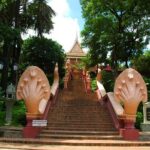
From there, you head to Wat Phnom, the hilltop Buddhist temple that gives Phnom Penh its name. That connection is the kind of detail you’ll remember because it explains the city’s origin instead of just labeling a “nice pagoda.” The tour is set up so Wat Phnom acts like a hinge: after learning about royal religion and colonial influence, you get a more local explanation of place.
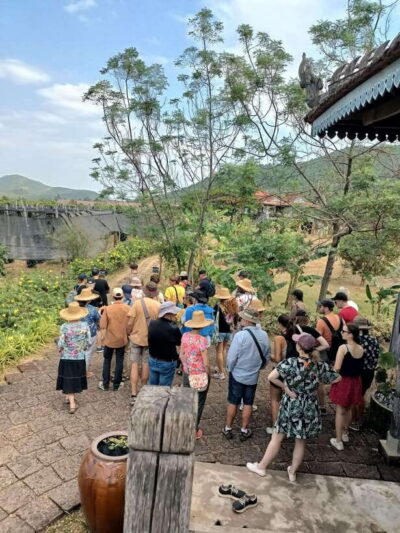
Also, the hilltop aspect means more stairs and more sun than you might expect. Bring what you’ll actually need (sunscreen is on the list for a reason). If you’re sensitive to heat, take your time on the climb and don’t rush your way through the temple areas.
S-21 Prison Museum: why the explanation matters
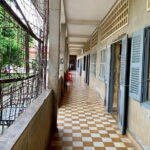
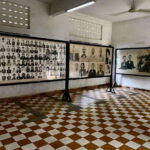
Then you walk into one of the hardest stops you’ll make anywhere in Southeast Asia: Toul Sleng Genocide Museum (S-21). This is where Khmer Rouge forces detained people—followed by interrogation and torture—before victims were taken to execution at Choeung Ek, the site people know as the Killing Fields.
A standalone visit can feel confusing or overwhelming because you’re absorbing shock in fragments. What makes this tour more usable is the guided sequencing. You’re not just looking at rooms and artifacts. You’re learning the logic of the system: detention, interrogation, and transfer to execution. That structure is what turns a painful place into something you can actually understand.
Here’s the emotional reality check: you should expect the subject matter to be upsetting. The tour doesn’t sugarcoat it. If you’re traveling with someone who struggles with graphic, historical human suffering, think carefully before booking. If you go, it helps to pause during the worst sections rather than trying to “power through” to finish on time.
One more practical point: you’ll likely want your camera ready, but use it thoughtfully. In spaces like this, a lot of people prefer quiet observation over constant photographing.
After lunch at the Killing Fields (Choeung Ek), the story clicks
After the museum and a short break at a local restaurant, the tour heads to Killing Fields at Choeung Ek. This is where Khmer Rouge executed thousands of victims during the Pol Pot regime. The connection to S-21 isn’t accidental. The order helps you understand the full path: people were detained first, and then the execution system followed.
This is where context really pays off. If you visit the Killing Fields without hearing about S-21 first, you can feel like you’re looking at the aftermath only. With the museum stop earlier in the day, the Killing Fields land with more weight—and more clarity. You’re seeing not just a location, but the final stage of a deliberate process.
The site can also be physically demanding. You’ll be walking and moving through outdoor areas. That makes your earlier prep matter: sunscreen, water, and a calm pace. The tour includes cold water, which you’ll appreciate, even if you still find yourself thirsty later than you expect.
And one more thought: the best way to honor a place like this isn’t speed. It’s attention. Take the time to read what you can, and if you feel your mind trying to shut down, step back for a moment and reset.
Khmer food break and the city monuments along the route
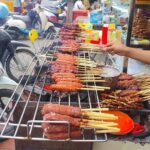
Between heavy sites, you get a short restaurant stop for lunch. The idea is simple: you need to eat after museums that hit hard. This isn’t a fancy food tour. It’s a chance to experience Khmer food in a way that fits the day’s schedule.
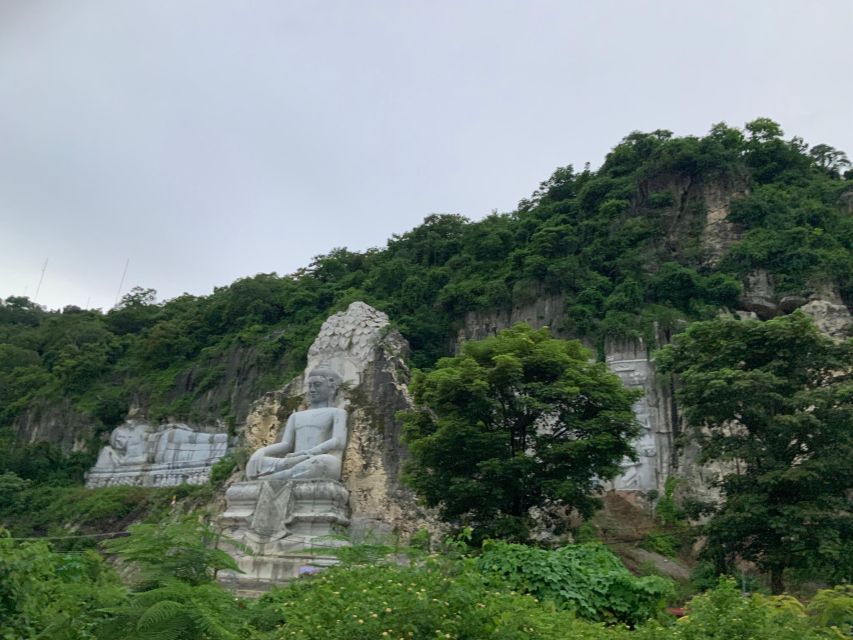
You’ll also notice the tour includes stops and drives past major monuments—like the Victory monument, the King Father Status, and the Independent Monument. Even though these aren’t the center of the day’s emotional content, they’re part of the story of Phnom Penh as a national capital. They remind you that Cambodia’s modern identity is still built in public space, right alongside memory and grief.
This “in-between” section of the route can be a relief valve. It lets you reorient. And it helps you see Phnom Penh not only as a museum city, but as a living capital.


Price and logistics: what $30 really buys you
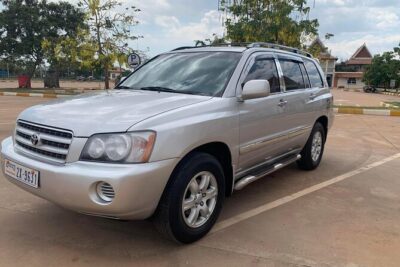
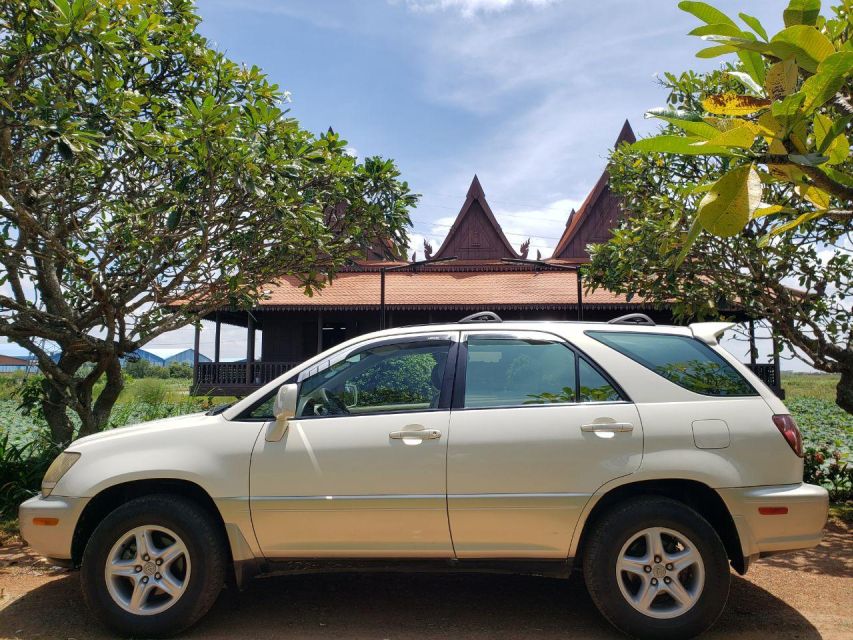
At $30 per person for 1 day, this tour can be strong value—mostly because it handles the hard parts of planning. You get hotel pickup and drop-off, an English-speaking driver-guide, and an SUV with air conditioning, plus cold water during the trip.
The big thing to know: the price does not cover entrance fees. Entrance costs vary by site, so you should budget for them separately. Food and snacks aren’t included either, though the tour does schedule a lunch break. There’s no audio guide included, and insurance isn’t included.
Still, the overall setup can save you real time. Phnom Penh is spread out, and jumping from palace to temples to two major historical sites is easier when a guide drives. If you’ve only got one day, that alone can justify the cost.
Also, the guide quality is a major part of the value. Reviews repeatedly highlight guides like Lee, Chhim, and Chhunly as friendly, attentive, and strong on Cambodian history. Even if you’re a confident self-planner, a good guide here is what turns a list of stops into a coherent story.
What to bring (and how to survive the heat and walking)
This day tour is a mix of royal complexes, hilltop temples, museums, and outdoor grounds. That means you’ll be outside more than you might expect, especially around Wat Phnom. The activity list includes what you should pack: camera, sunscreen, toiletries, and a charged smartphone.
Cold water is included, but it won’t stop you from feeling dry later if you’re out in strong sun. Plan for hydration even if the tour provides some.
You’ll also want to keep your expectations about comfort realistic. The tour isn’t suitable for people over 300 lbs (136 kg). That’s worth noting because it suggests limits on seating or movement in the vehicle and across sites.
Finally, bring a mental strategy. For many people, the most difficult moments aren’t the walking—they’re the mental whiplash. If you can, take slow breaths during transitions. The day goes from royal beauty to incarceration history fast. That’s the point, but you still need a steady pace.
Should you book this Phnom Penh Highlights Tour?
I’d book this tour if you want one day in Phnom Penh that actually connects the dots: Khmer culture and religious life in the morning, then S-21 and the Killing Fields later, with a guided narrative that helps you understand what you’re seeing. It’s also a good fit if you appreciate value: pickup, AC transport, cold water, and an English guide for $30, with entrance fees handled separately.
I’d hesitate if you know you struggle with intense, historical material about detention, torture, and execution. This is not a casual sightseeing loop. It’s a structured, direct route through some of the darkest parts of Cambodia’s modern history.
If you do book, do yourself a favor: go prepared, take your time, and don’t rush the hardest sections just to stay on schedule. Phnom Penh rewards attention.
FAQ
How long is the tour?
The tour runs for 1 day.
How much does it cost?
It costs $30 per person.
What’s included in the price?
Included are hotel pickup and drop-off, an English-speaking driver-guide, cold water, and an air-conditioned SUV.
What is not included?
Entrance fees, an audio guide, food, snack, and insurance are not included.
Where does pickup happen?
The driver-guide picks you up from your hotel or any place in central Phnom Penh.
Does the tour include Royal Palace and Silver Pagoda?
Yes. The tour visits the Royal Palace and then Silver Pagoda (Emerald Temple).
Does it include S-21 and the Killing Fields?
Yes. The tour includes Toul Sleng Genocide Museum (S-21) and later the Killing Fields at Choeung Ek.
What should I bring?
Bring a camera, sunscreen, toiletries, and a charged smartphone.
Is the tour suitable for everyone?
It is not suitable for people over 300 lbs (136 kg).