REVIEW · PHNOM PENH
Phnom Penh private tour Tuol Sleng & Choeng Ek Killing Field
Book on GetYourGuide →Operated by Euro Khmer Voyages · Bookable on GetYourGuide
Two sites. One painful lesson. Phnom Penh’s Khmer Rouge history is laid bare at Choeung Ek and Tuol Sleng (S21), where you move through spaces tied to mass murder and imprisonment. It’s not a sightseeing day. It’s history you can’t skim.
I love the way this tour is built around context, with your guide explaining what you’re seeing before you step in. I also love the human layer some guides bring, including firsthand survivor experiences shared by guides such as Mr Channak and Sam Ang.
The main drawback is emotional weight. You’ll face disturbing exhibits and stories, and the 4-hour schedule can feel a bit tight for people who want to linger in every room.
In This Review
- Key points worth knowing before you go
- Phnom Penh’s most sobering tour, and why it’s still worth doing
- Price and what you actually get for $59
- How the day flows: pickup, Choeung Ek, then S21
- The drive sets the tone: context before you enter Choeung Ek
- Choeung Ek Killing Fields: seeing the scale without looking away
- Tuol Sleng (S21) Genocide Museum: the high school turned prison
- The guides: the difference between facts and understanding
- Timing and pacing: 4 hours can feel short in the best and worst ways
- What’s included that helps you get through the day
- Who this tour suits best (and who should think twice)
- Should you book the Phnom Penh private tour to Tuol Sleng & Choeung Ek?
- FAQ
- What is the duration of the Phnom Penh Tuol Sleng & Choeng Ek Killing Field private tour?
- Which two places are included?
- Is hotel pickup and drop-off included?
- Is the tour offered in English?
- Are entrance fees included in the price?
- Does the tour include refreshments?
- Is transport air-conditioned?
- Can I cancel and get a refund?
Key points worth knowing before you go
- Private, A/C transport with hotel pickup makes the half-day feel smooth and low-stress
- Choeung Ek is a walk across grounds tied to 2.5 million deaths
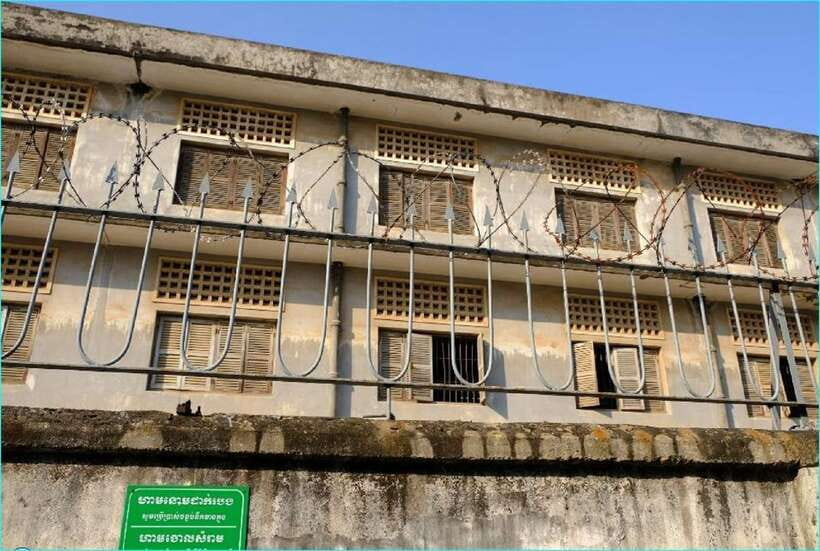
- Tuol Sleng S21 was a high school turned high-security prison
- Guides encourage questions and often add personal perspective
- Fresh coconut juice, cold towel, and water help you recover after a heavy visit
Phnom Penh’s most sobering tour, and why it’s still worth doing
This is one of those Phnom Penh experiences that changes the way you read Cambodia. The point isn’t to shock you for shock’s sake. The point is to understand how the Khmer Rouge system worked, how ordinary places became instruments of control, and why the memory of it still matters today.
What makes this tour especially effective is the pairing. Choeung Ek shows the end result: people killed and buried in mass graves. Tuol Sleng (S21) shows the machinery first: arrests, confinement, and interrogation inside a former school that was turned into a high-security prison.
And because it’s private, you’re not stuck in a rush-and-queue rhythm. Your guide can pace the day to match your questions and your comfort level. That sounds small, but when the content is difficult, it’s a big deal.
You can also read our reviews of more private tours in Phnom Penh

Price and what you actually get for $59
At $59 per person for a 4-hour private tour, this isn’t a budget “transfer service.” You’re paying for the guide-led structure and the convenience.
Here’s what’s included:
- Private air-conditioned vehicle (car or minivan)
- English-speaking, fully vaccinated guide and driver
- Hotel pickup and drop-off within Phnom Penh city
- Fresh cool coconut juice, plus drinking water and a cool towel
Entrance fees are not included (plan roughly $3–$5 each for S21 and the Killing Fields). So the all-in total is usually a bit higher once you add those admissions.
Is it worth it? For me, yes—because guides here do more than point at boards. Several guides you might get (like Sareth, Mr Channak, Fresh, or Ting) are praised for giving strong background, encouraging questions, and making sure the history doesn’t get reduced to slogans.
How the day flows: pickup, Choeung Ek, then S21
Your experience starts with pickup from your hotel lobby in Phnom Penh. You’ll be asked to be ready about 5 minutes before departure time, which helps the day stay on track.
You’ll drive toward Choeung Ek (about 15 km south of Phnom Penh). The trip is short enough that you don’t feel stretched, but long enough for your guide to set the tone. Many guides use the ride to explain the Khmer Rouge era in a careful, structured way, so when you arrive, you aren’t walking in blind.
The schedule is straightforward:
- Van ride: about 30 minutes
- Choeung Ek visit: about 1.5 hours
- Van ride back: about 30 minutes
- Tuol Sleng (S21) visit: about 1.5 hours
Then you head back to your hotel in the early evening, with coconut juice provided on the way.
That timing matters because this day has two different emotional textures. Choeung Ek is open-air and spatial—your body moves through the site. Tuol Sleng is enclosed and detailed—photos, records, and the layout of confinement. You’ll feel both. The pacing helps you process them in order.
The drive sets the tone: context before you enter Choeung Ek
One of the best parts of this tour is what happens before you arrive at the Killing Fields. Your guide uses the car time to give background, so you understand what you’re seeing and why it was done.
Guides who lead this day well don’t rush past the hard questions. In particular, many highlight the idea that you shouldn’t simplify what happened. Cambodia’s trauma is recent history, and the whole point is to connect the events to how society has been shaped since.
Some guides bring an extra layer of depth because they’ve lived through the era. Mr Channak is specifically mentioned as a Khmer survivor who shares personal experience, and Sam Ang is praised for doing the same. When that kind of perspective is offered appropriately, it makes the tour feel less like a lecture and more like testimony.
If you want to ask questions, this is the best time to do it—before the exhibits take over and your brain is overloaded with visual detail.
Choeung Ek Killing Fields: seeing the scale without looking away
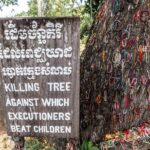
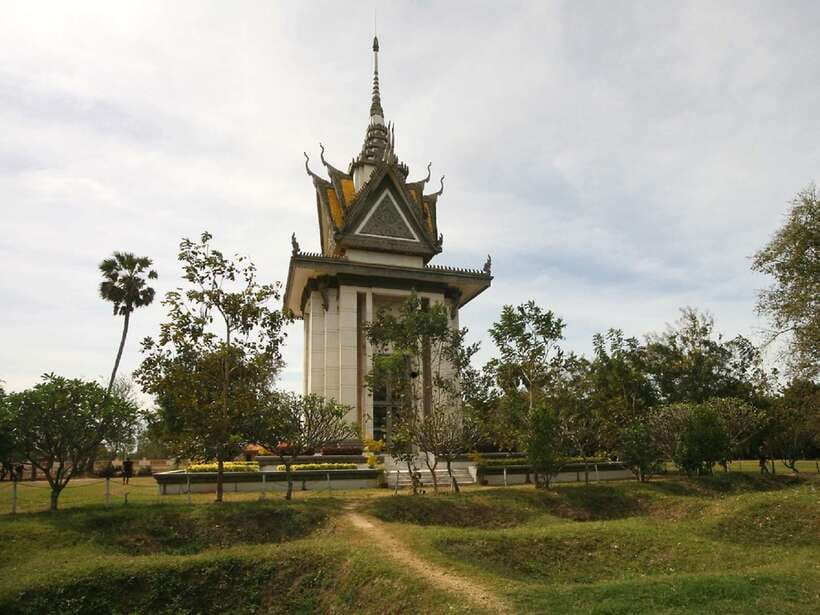
Choeung Ek is often described as a killing field because it literally functioned as one. The site you visit today wasn’t always a place of mass death. It was once an orchard and a Chinese cemetery, and under the Khmer Rouge led by Pol Pot it was transformed into a system of killings and burial.
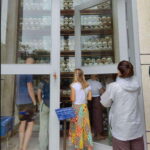
By the time you’re there, the history has a physical presence. You’ll walk through the grounds connected to mass burial of about 2.5 million people over roughly four years. That number is enormous, and your guide’s job is to help you process it so it doesn’t just become a statistic.
What I find valuable here is that the experience doesn’t try to hide its own brutality. The site is structured for remembrance, but you’re still walking above the reality of what happened. Your guide should also help you make sense of the transformation: how a familiar place became a tool of terror.
Practical reality check: this portion can be emotionally draining even if you already know the facts. Expect stillness, heaviness, and time to absorb. If you’re prone to emotional shutdown, you might want to tell your guide ahead of time so they can manage pacing.


Tuol Sleng (S21) Genocide Museum: the high school turned prison
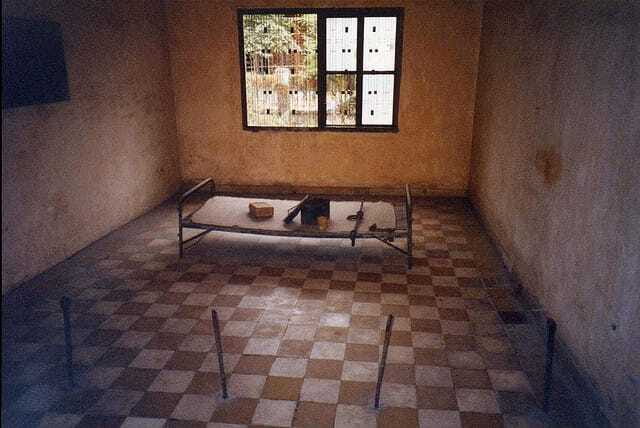
After Choeung Ek, you head back to Phnom Penh and visit Tuol Sleng Genocide Museum, also known as S21. The name Tuol Sleng translates roughly to hill of the poisonous trees, and the site’s transformation is one of the most chilling details of the entire Khmer Rouge story.
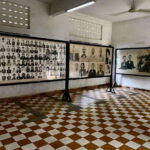
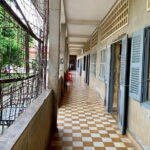
This was once a high school. Then Pol Pot’s regime turned it into a high-security prison. Your visit focuses on how that prison worked and what happened inside. About 20,000 people were imprisoned there, and many were tortured for information.
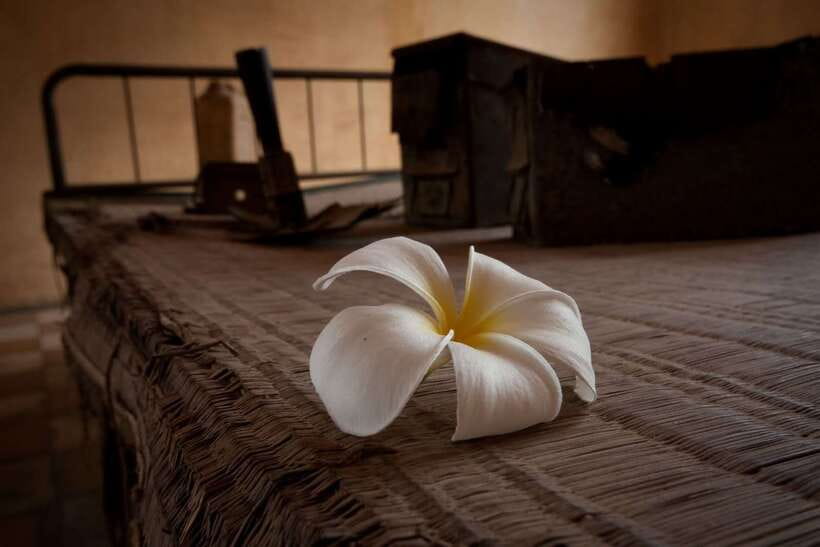
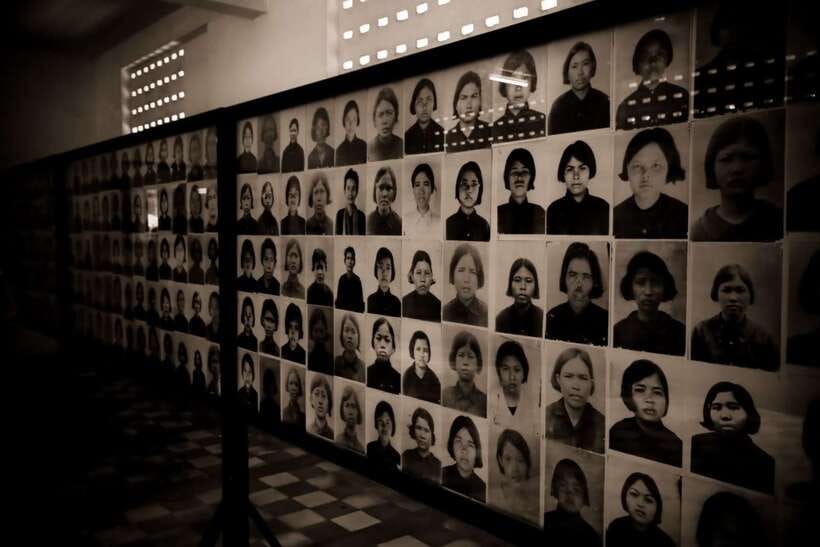
S21 is different from Choeung Ek because it’s dense with evidence. You’ll see the prison layout and exhibits, including photographs and documentation. One reviewer even flagged the chance of confronting “horrific photos and stories,” which matches what you should expect: this part hits your emotions through detail and documentation.
Still, the value is real. A good guide helps you connect what you see to the broader system. They also help you avoid a simplistic narrative. Several guides are praised for being able to offer that context clearly, while still treating the subject with care.
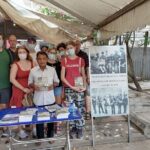
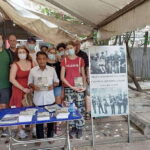
Some people also find it moving to have a chance to meet survivors connected to the memory of the museum. One account notes the possibility of encountering survivors selling books at the site. That isn’t guaranteed, but if it happens during your visit, be ready for it—it can feel personal in a way the museum itself can’t.
The guides: the difference between facts and understanding
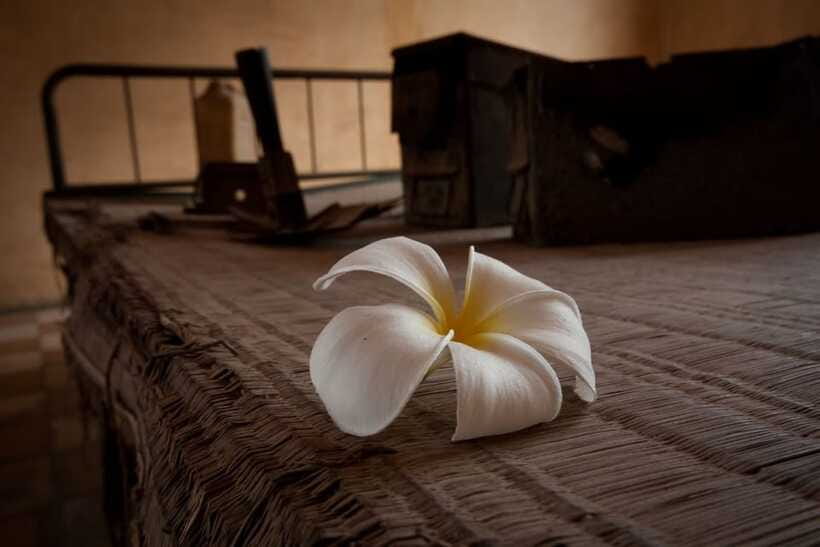
In tours like this, the guide is the product. This one is led by Euro Khmer Voyages guides and drivers who are described as English-speaking and (in the tour info) fully vaccinated.
What stands out most across the experience is how guides handle questions and how they bring the history down to human scale:
- Several guides (including Sareth, Mr Channak, Sam Ang, Fresh, and Ting) are praised for giving background before and during visits.
- More than one guide is specifically described as sharing personal Khmer Rouge-era experiences, which can make the day feel like testimony instead of a checklist.
- Visitors also mention that guides encourage questions, not just passive listening.
That matters, because the Khmer Rouge era is complex and emotionally charged. If a guide answers gently and honestly, you leave understanding more than you knew at the start.
Timing and pacing: 4 hours can feel short in the best and worst ways
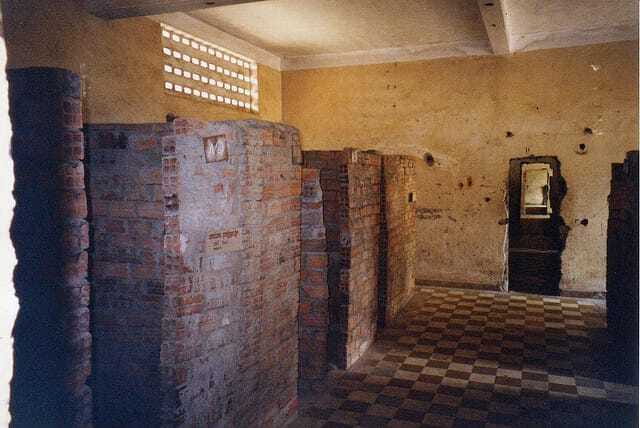
The tour is designed to fit into a 4-hour window: 1.5 hours at each site, plus travel time.
Here’s the tradeoff. For some people, the schedule is perfect because you get the key story beats without feeling trapped in one place too long. For other people, especially at S21, the museum is detailed enough that 1.5 hours might feel like you’re moving too quickly through rooms and exhibits.
If you know you want to linger, do it strategically:
- Give yourself permission to pause at the most important areas.
- Don’t spend all your energy trying to read everything. Use your guide’s explanation to choose what to focus on.
- Ask one or two key questions rather than many at once, so you can still absorb the site itself.
Also, emotional stamina is a real factor here. If you’ve had a tough day in Phnom Penh already, plan something quiet afterward. This tour doesn’t end with a cheerful “see you next time” feeling—it stays with you.
What’s included that helps you get through the day
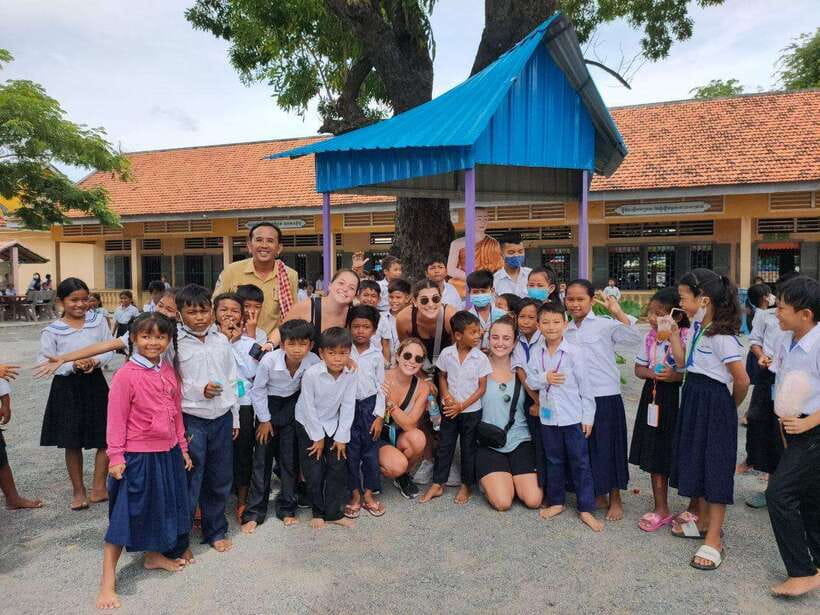
Even on a difficult tour, small comforts help you stay present. This one includes:
- Drinking water
- A cool towel
- Fresh coconut juice after the visits
Those details matter because you’re outside at Choeung Ek and inside at S21. Heat and dehydration can sneak up, and fatigue can blunt your ability to process what you’re seeing. The added water and towel reduce one common stress so you can focus on the experience itself.
Transport also helps. The vehicle is air-conditioned, and the drive is broken into manageable chunks. You’re not stuck in a hot car wondering how much longer it will be.
Who this tour suits best (and who should think twice)
This is a strong fit if you:
- Want a guided, historically grounded day in Phnom Penh
- Prefer private pacing over group logistics
- Appreciate survivor-informed context and the chance to ask questions
- Are ready for an emotionally heavy experience
It might not suit you if:
- You’re very sensitive to graphic or disturbing imagery (S21 can be intense, and stories can be hard)
- You’re looking for light, casual “quick hits” on Cambodia’s sites
- You tend to get overwhelmed by solemn spaces and prefer indirect learning
The content is meant to be faced. If you go, go with respect for the subject matter and for your own mental limits.
Should you book the Phnom Penh private tour to Tuol Sleng & Choeung Ek?
Book it if you want to understand Khmer Rouge history in a way that goes beyond reading facts on a phone. The big value is the guide-led context, the thoughtful pacing across two major sites, and the chance to hear personal perspective from guides such as Mr Channak or Sam Ang.
Skip it or rethink it if you’re not emotionally prepared. This isn’t entertainment. It’s remembrance, evidence, and the human cost of a brutal regime.
If you are ready for the weight, this is one of the most meaningful ways to spend a half day in Phnom Penh—and the private format keeps it respectful, understandable, and far less stressful than trying to piece it together on your own.
FAQ
What is the duration of the Phnom Penh Tuol Sleng & Choeng Ek Killing Field private tour?
The tour lasts about 4 hours.
Which two places are included?
You’ll visit Choeung Ek Killing Fields and Tuol Sleng Genocide Museum (S21).
Is hotel pickup and drop-off included?
Yes. Pickup and drop-off are included from your hotel in Phnom Penh City.
Is the tour offered in English?
Yes. It’s listed as an English live tour guide.
Are entrance fees included in the price?
No. Entrance fees for S21 and the Killing Fields are not included (around $3–$5 each).
Does the tour include refreshments?
Yes. You’ll receive fresh cool coconut juice, plus drinking water and a cool towel.
Is transport air-conditioned?
Yes. The private tour uses an air-conditioned vehicle (car or minivan).
Can I cancel and get a refund?
Yes. Free cancellation is available up to 24 hours in advance for a full refund.