REVIEW · BATTAMBANG
Handicraft tour/rice paper,/rice wine/bat cave Sun Set
Book on GetYourGuide →Operated by Battambang First Choi Tours · Bookable on GetYourGuide
Bats at sunset, plus rice wine and rice paper. This is a full Battambang day built around village life and countryside stops, with rice paper and spring-roll tastings and the Phnom Sampov bat cave as the big emotional payoff. The one thing to plan for: many tastings and entrance fees are not rolled into the $8 base price.
I also like the way the day is paced by real experiences, not just photos. You’ll ride through paddy fields, watch how food is made, and get a guide who can connect small moments to bigger Cambodian history. Just know the day can feel like a lot if you’re sensitive to crowds around popular sites.
In This Review
- Key highlights worth your time
- How This Battambang Tuk-Tuk Day Really Works
- Countryside, paddy fields, and the fresh market morning
- Wat Samrong Khong: learning the Pol Pot era without rushing past it
- Rice paper, sticky rice, dried fish, and rice wine: where the food lessons stick
- Budget reality check for tastings
- Ek Phnom temple and quick village-route stops
- Bamboo Train and why it’s more than a ride
- Lunch: choose your style
- Phnom Sampov mountain: killing cave, the gun/cannon area, and monkeys
- Bat cave sunset: the 5–10 minute wait that makes the trip
- How to handle the bat cave experience
- Price and logistics: why $8 can still become a fuller spend
- What’s included in the base
- What’s not included (and adds up fast)
- My value take
- Who should book, and who should think twice
- Final verdict: should you book this tour?
- FAQ
- How long is the tour?
- What time does the tour start?
- Do I get picked up from my hotel?
- Is lunch included?
- What extra costs should I expect beyond the $8 price?
- When do I see the bats?
- What should I bring?
- Is this tour suitable for everyone?
Key highlights worth your time
- Rice paper, rice wine, and spring-roll tasting: watch the process, then taste the results
- Wat Samrong Khong (killing field): Pol Pot era history explained on-site
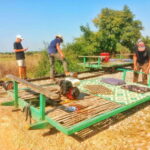
- Bamboo sticky rice in the countryside: a hands-on look at local cooking traditions
- Bamboo Train ride: classic Battambang scenery and slow travel energy
- Phnom Sampov killing cave and bat cave: hike or motorbike up, then wait for bats to stream out
- Local guiding style: guides like Vannak, Sam, Bao, Sambath Liv, and Mr. Pay are known for strong English and patient explanations
How This Battambang Tuk-Tuk Day Really Works
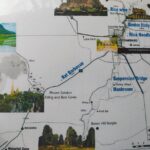
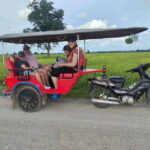
This tour is built for a tuk-tuk road trip style: morning start, lots of stops, and one memorable sunset finale. You can generally choose a start time that fits your day, but the typical run begins around 9:00 AM with pickup in the Battambang area (hotel pickup is available).
Expect a day that swings between gentle and heavy. Early on, it’s countryside, rice fields, and food. Then you move into history at places like Wat Samrong Khong. Later, the mood shifts again at Phnom Sampov, where the killing cave and the bat cave sit on the same mountain.
The price looks friendly at $8, but it’s best to treat it like a base for transportation and guiding, not a full all-in package. If you want the bamboo train, bat cave experience, and the tasting stops, you’ll need extra cash ready.
You can also read our reviews of more wine tours in Battambang
Countryside, paddy fields, and the fresh market morning

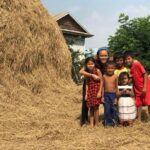
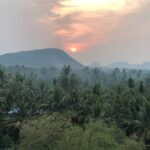
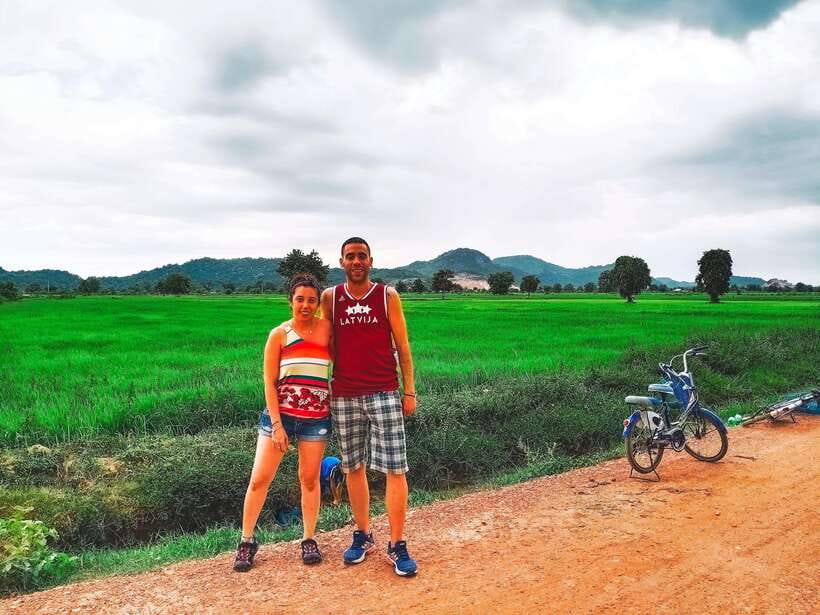
After a short briefing, you’re out in the countryside fast. The route typically includes paddy rice fields and small villages you can actually see people living in—not staged scenery. This part matters because it sets context. Cambodia isn’t just temples and headlines; it’s daily work, farming rhythms, and small businesses that keep communities going.
You’ll also visit a fresh market, where the tour shifts from fields to everyday trade. Even if you’re not a shopper, markets help you understand what locals buy, cook, and snack on. It’s also where you’ll get a feel for the “food tour” side of the day, because later stops build on what you’ll see here.
One practical tip: bring a camera for the fields and village moments, but also keep a little patience. These stops are often quick because the itinerary is packed.
Wat Samrong Khong: learning the Pol Pot era without rushing past it
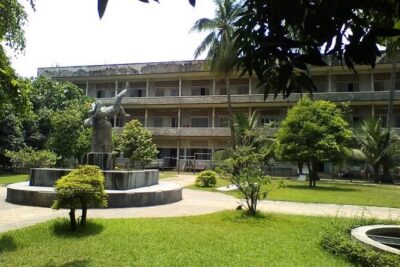
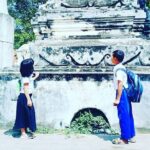
Next comes Wat Somrong Khong, a site connected to the Khmer Rouge and the Pol Pot era. This isn’t just a photo stop. Your guide should explain the history directly where it happened, which helps the information land differently than reading about it in a book.
This is also the part where pacing becomes important. If you’re not someone who likes long explanations standing still, say so early and ask your guide to keep it moving while still covering the key points. You’ll get the facts, but you won’t feel stuck in one place for too long.
The same goes in the opposite direction. If history is why you came, lean into the on-site explanation. Standing at a real location gives weight to what you hear, and you’ll understand why the later mountain cave story hits so hard.
Rice paper, sticky rice, dried fish, and rice wine: where the food lessons stick
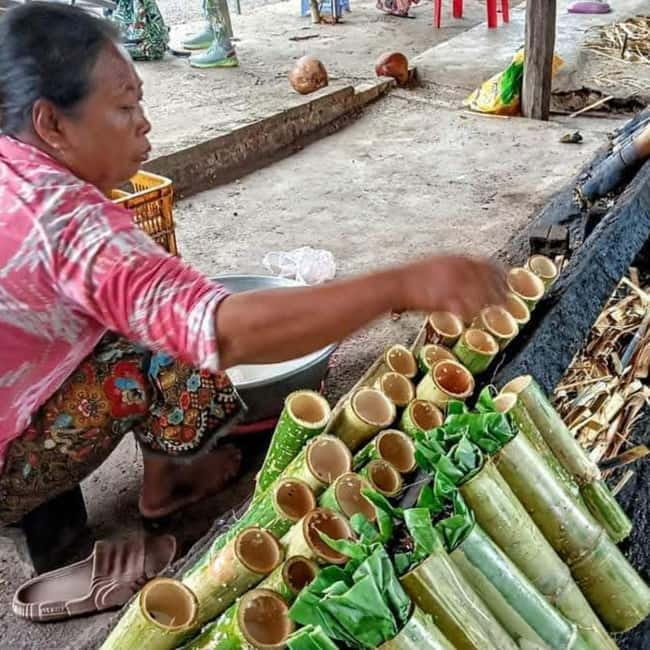
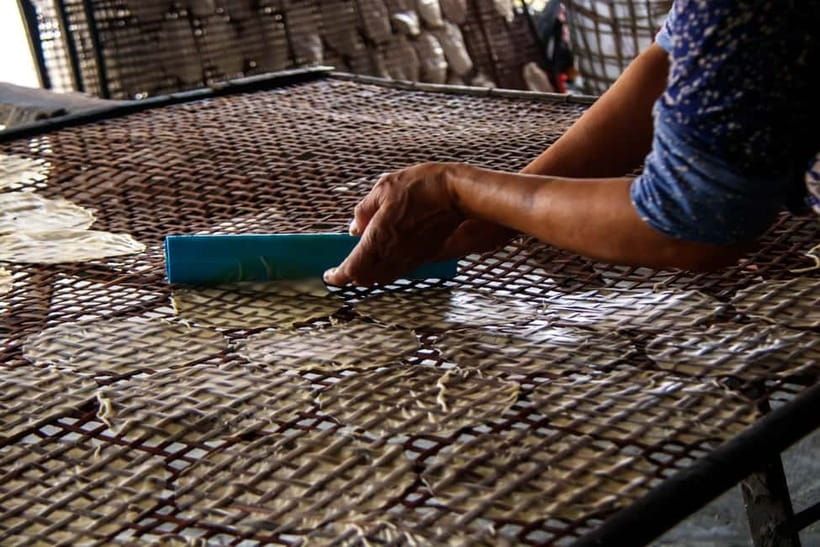
This is one of my favorite parts of the day because it’s not just eating. You’re watching local makers do what they do every day—turning raw ingredients into shelf-life foods and everyday flavors.
You’ll visit and/or pass through stops for:
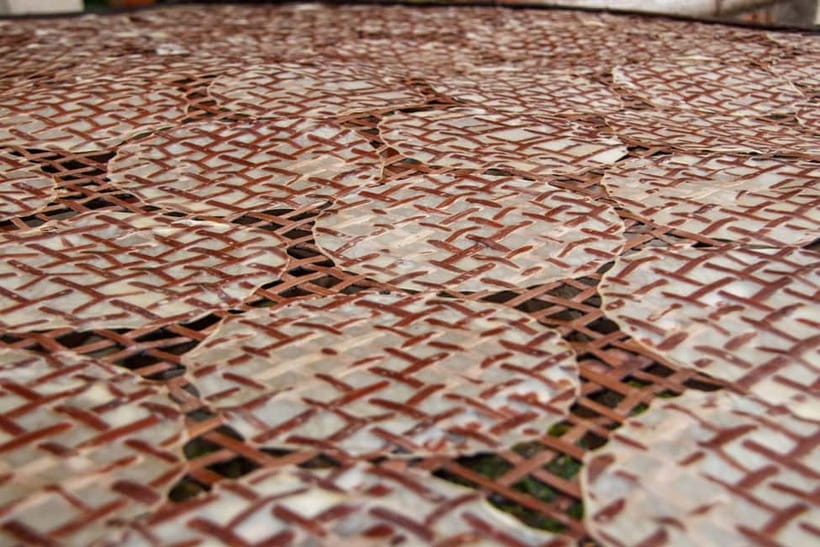
- Rice paper for spring rolls (you’ll see how it’s made and you can do the tasting)
- Bamboo sticky rice (you’ll see locals making it and taste it)
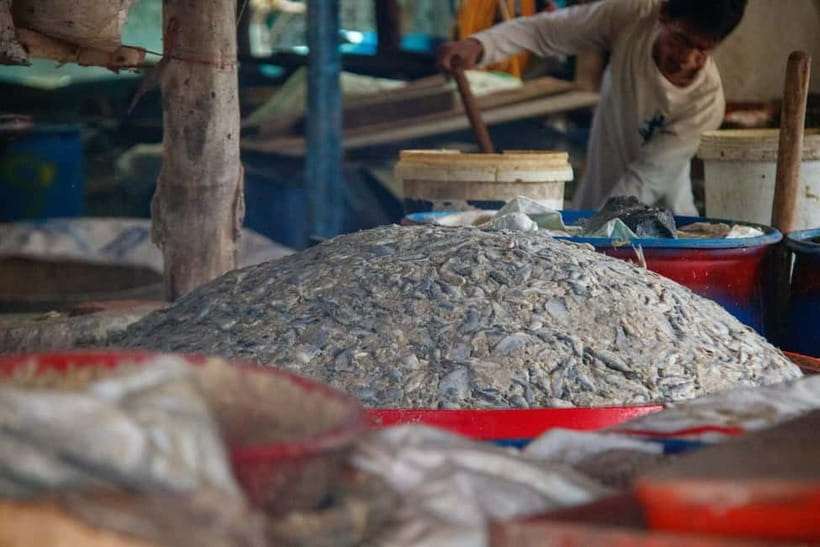
- Cambodian cheese and dried fish and what the day describes as smork/smoked fish (the stop is about demonstrations and local preparation)
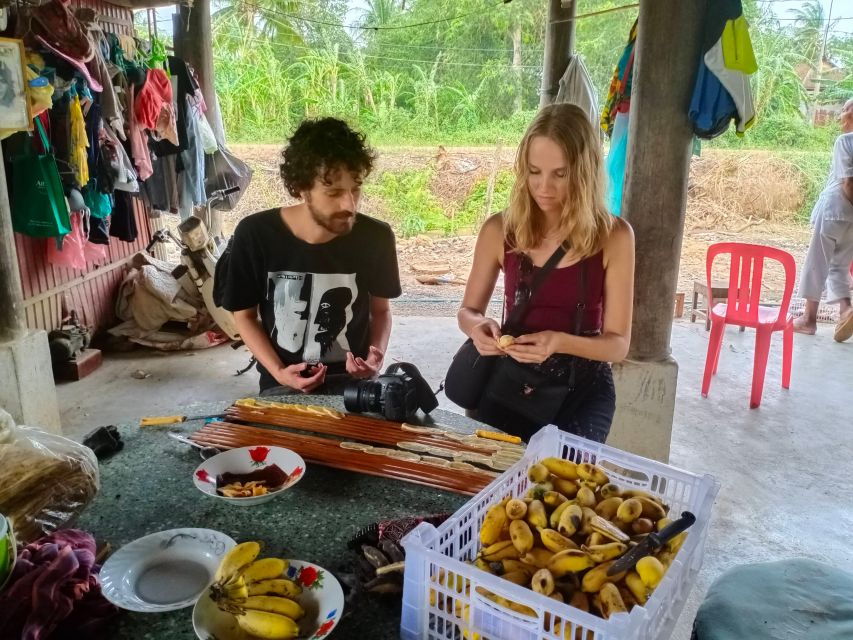
- Dried bananas and cheap bananas (simple snacks, easy to sample)
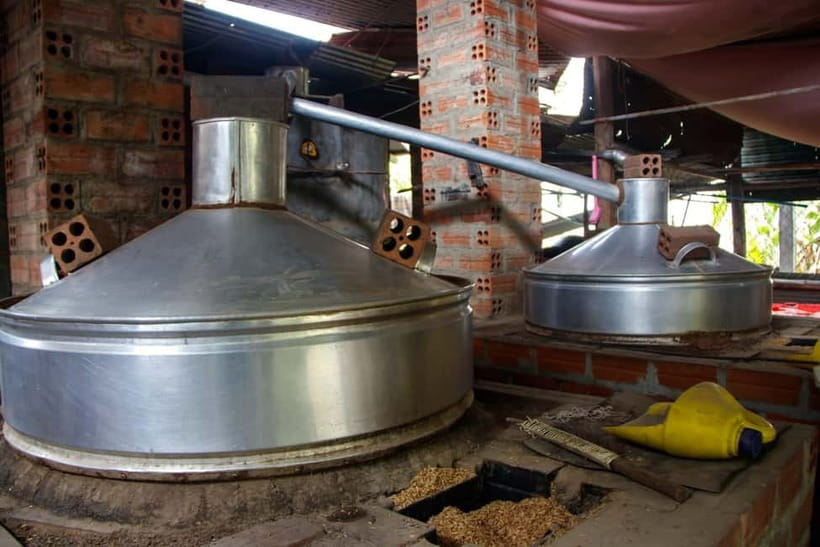
- Rice wine (you’ll see the process and there’s a tasting/entrance component)
Why this matters: these are small-batch skills that connect to farming, water, grains, and market demand. When you understand that chain, rice stops being just a staple and turns into the center of a whole local economy.
Budget reality check for tastings
Several tastings and entrance fees are extra, like:
- Rice paper/spring roll tasting: $1 per person
- Bamboo sticky rice tasting: $1 total
- Dried banana tasting: $1 total
- Rice wine entrance fee/tasting: $1 per person
If you like trying everything, you’ll spend more than you expect. If you pick only the tastings that sound most interesting to you, you can keep costs under control while still leaving with solid memories.

Ek Phnom temple and quick village-route stops
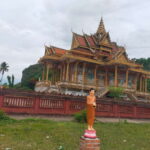
After the food-and-crafts stretch, the day shifts toward sights that break up the workload. You’ll have a stop at Ek Phnom temple, plus brief roadside breaks through countryside.
These quick stops are useful. They keep you from feeling like the day is only long explanations and only long driving. You also get small windows into village life—what people sell, how daily streets look, and how the countryside folds into town edges.
There’s also mention of street sellers along the way offering insects and other items, including snakes, grasshoppers, crickets, and even BBQ mice, plus bats. I wouldn’t frame this as a must-do. But you’ll at least see it, and you’ll understand that local food culture here can look unfamiliar if you’re used to Western markets.
If you’re a sensitive eater, just observe. If you’re curious, ask your guide what’s safe to taste and what locals buy. Keep it respectful and don’t pressure anyone.
Bamboo Train and why it’s more than a ride
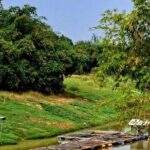
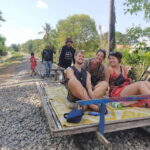
The tour includes a bamboo train experience, which is strongly tied to Battambang identity. In practice, it’s also a great pacing tool. After hours of stops, it gives you a moving break while you watch the countryside slide by.
You’ll likely do this after lunch, once the route turns scenic again. Just note the bamboo train component has an extra cost: $5 for each for the ticket or entrance fee.
Lunch: choose your style
Lunch isn’t included. Between 12:00 and 13:00, you can choose to eat:
- in the countryside, or
- in the city
If you want calmer vibes, countryside lunch usually helps. If you want options and easy transport back afterward, city lunch can be more convenient. Either way, it’s a chance to reset before the mountain segment.
Phnom Sampov mountain: killing cave, the gun/cannon area, and monkeys
The late-day climb is the heart of the “big sites” portion. You head to Phnom Sampov, where you can either:
- hike up, or
- take a motorbike up
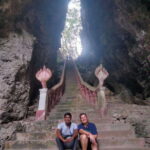
Once there, you’ll see areas described as including the killing cave, big cannon, gun, monastery, and stupas, plus monkeys. It’s a lot of different elements stacked together, so don’t feel guilty if your brain needs a moment to process it all.
This is also where you’ll want good footwear and any climbing gear you have. The tour explicitly suggests bringing climbing gear, and that’s a hint that the mountain part isn’t meant to be done casually in flip-flops.
Bat cave sunset: the 5–10 minute wait that makes the trip
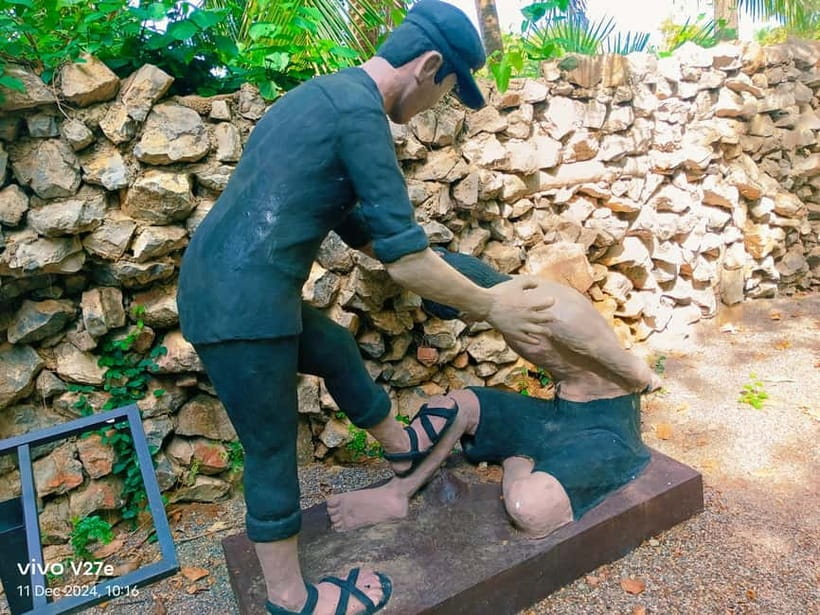
The bat cave segment is timed for the dramatic moment. After you finish at the killing caves, you wait about 5–10 minutes for millions of bats to emerge.
Sunset is targeted around 6:30, and the day ends with the drive back, arriving at your hotel around 7:00 PM.
How to handle the bat cave experience
- Go in expecting it to be noisy and crowded near the caves.
- Keep your camera ready, but don’t rush to stand in the most obstructed spots.
- If you’re short, or you prefer unobstructed views, tell your guide when you arrive so you can find a comfortable spot early.
This is the kind of scene that makes people remember Battambang long after they forget the price of the tour.
Price and logistics: why $8 can still become a fuller spend
Let’s talk numbers plainly.
What’s included in the base
In the included package, you’re getting:
- tuk-tuk / driver / live guide (English)
- pickup and drop-off
- cold bottled water
- local fruits
- the main tour coverage tied to those road-trip stops
What’s not included (and adds up fast)
You’ll likely pay extra for several elements:
- Bamboo train ticket/entrance fee: $5 for each
- Wat Samrong Khnong killing field: donation
- Rice paper spring roll tasting: $1 per person
- Bamboo sticky rice tasting: $1 total
- Dried banana taste: $1 total
- Rice wine entrance fee: $1 per person
- Killing cave & bat cave ticket: $1 per person
There are also notes like the fish market being free, and some stops having a “taste” price rather than a full ticket.
My value take
This tour is good value if you treat it as a guided day with transportation and storytelling—and you also accept that the food tastings and cave access are paid separately. If you only care about one or two highlights (like bamboo train or bats), you can save money by skipping extra tastings.
If you want the whole package of crafts, wine, and cave access, budget extra cash upfront so you’re not surprised mid-day.
Who should book, and who should think twice
This tour is best for people who like:
- real village life, not just temples
- food and craft demonstrations (rice paper, rice wine, bamboo sticky rice)
- history that’s explained on-site
- a big nature spectacle at the end (bats at sunset)
This tour is not suitable for:
- people with mobility impairments
- wheelchair users
- people with heart problems
- people over 70 years
- people over 95 years
Also follow the simple rules: no smoking in the vehicle and avoid making noise at the sites.
Final verdict: should you book this tour?
If you want a Battambang day that mixes countryside, hands-on food, history at real sites, and a bat cave sunset finish, this is a strong pick. The biggest reason to book is the way the day connects skills—rice, food preservation, farming—with the region’s heavier past and then ends with one of Cambodia’s most dramatic animal shows.
Book it if you’re comfortable with a full schedule and you don’t mind paying separate small fees for tastings and tickets. Skip it (or ask for a lighter plan) if you hate add-on costs, get overwhelmed by packed itineraries, or fall into the mobility/health limits listed for this experience.
If you do book, do one thing that makes a difference: bring enough cash for the extra stops and ask the guide to keep the pacing comfortable—so you get the meaning without the rushed feeling.
FAQ
How long is the tour?
The experience is listed as 4 to 10 hours, with start times that can vary by the selected option. The full day program runs through the afternoon and finishes around 7:00 PM after the bat cave sunset timing.
What time does the tour start?
Tours typically begin in the morning around 9:00 AM, and you can also coordinate a start time that works for you.
Do I get picked up from my hotel?
Yes. Pickup is available in the Battambang area, and pickup timing should be arranged (you’re asked to be ready at least 15 minutes before the tour start). Drop-off is also provided.
Is lunch included?
No, lunch is not included. Around 12:00–13:00, you can choose to eat either in the countryside or in the city.
What extra costs should I expect beyond the $8 price?
Not included costs can include bamboo train ticket/entrance ($5 each), Wat Samrong Khnong donation, tastings (like rice paper spring roll tasting at $1 per person, rice wine at $1 per person, plus some total-price tastings), and killing cave & bat cave ticket ($1 per person).
When do I see the bats?
After visiting the killing cave area, you wait about 5–10 minutes for the bats to emerge. The sunset is timed for about 6:30, and you return to your hotel around 7:00 PM.
What should I bring?
Bring a camera, climbing gear (for the mountain portion), and cash for the extra paid stops.
Is this tour suitable for everyone?
No. It’s not suitable for wheelchair users, people with mobility impairments, heart problems, or for people over 70 years (and also not for people over 95 years). Smoking isn’t allowed in the vehicle, and you should avoid making noise at sites.