REVIEW · PHNOM PENH
Heritage tour of Phnom Penh in electric bus
Book on GetYourGuide →Operated by Phnom Penh Heritage city tours · Bookable on GetYourGuide
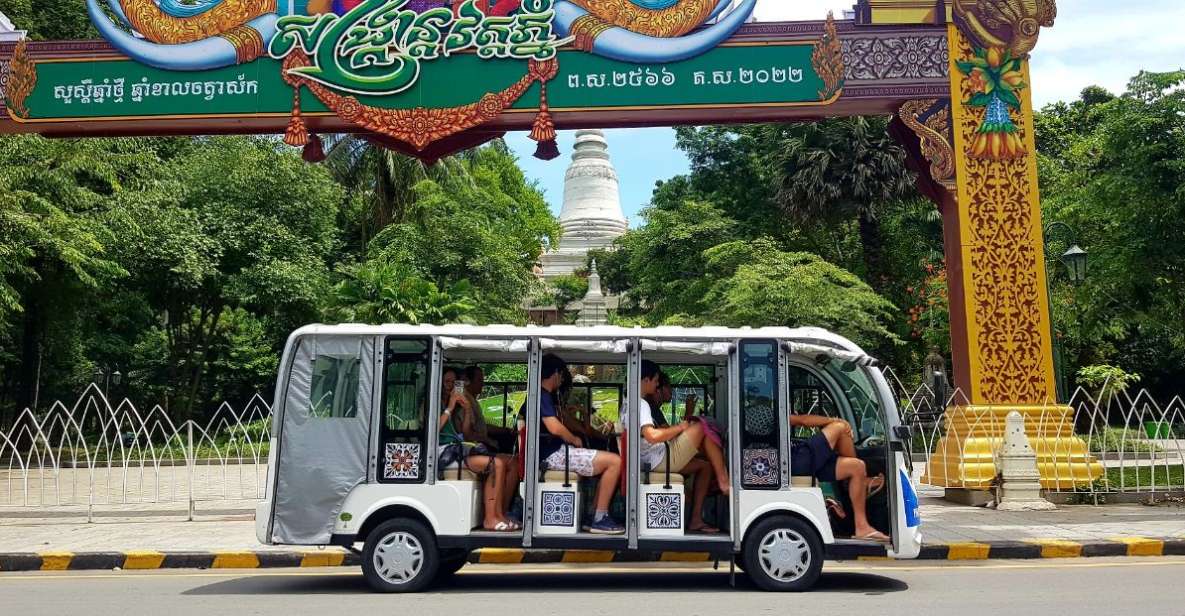
Phnom Penh by electric bus feels like time travel. This heritage tour is built around an easy electric ride plus tablet audio-video guides, so the city’s layers start making sense fast. I like that you’re not just looking at buildings; you’re getting the stories—French protectorate plans, early-1900s elite life, and the Khmer Rouge years—mapped onto real streets.
I also really like the practical scope: you cover 22 major heritage places across 19 stops, with multiple languages and enough off-bus moments to actually absorb what you’re seeing. One drawback to plan for: it’s held during daytime with plenty of walking in the heat, and there’s no food included, so you’ll want to bring a “drink water, stay steady” mindset.
In This Review
- Key highlights at a glance
- Electric bus meets tablet storytelling
- What “heritage” means in this route
- The rhythm: 19 stops, 22 sites, and time to look
- Stepping into three special places
- Hokkien temple
- National Library
- Royal University of Fine Arts
- When the tablet lets you see inside
- Languages, audio setup, and how to use it smoothly
- Why the price feels fair at $27 per person
- Heat, walking, and what to bring
- Where you end: Street 240 near the Royal Palace and riverside
- Who should book this heritage tour
- Should you book Phnom Penh Heritage Tour by electric bus?
- FAQ
- FAQ
- How long is the Phnom Penh Heritage Tour by electric bus?
- How much does the tour cost?
- What does the tour include?
- What languages are available for the audio guides?
- Do you get to walk into any sites?
- Are buildings inside the tour accessible?
- Is hotel pickup and drop-off included?
- Where does the tour end?
Key highlights at a glance
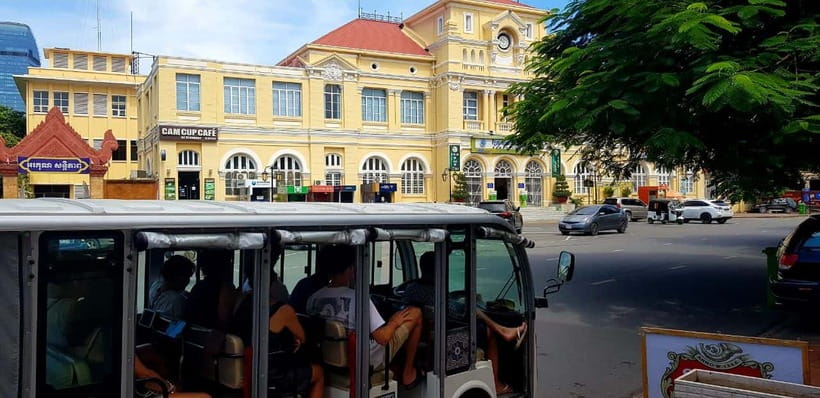
- Electric-bus comfort: smooth transport while you crisscross the capital
- Tablet-led audio-video in 10 languages: audio, films, vintage photos, and historical anecdotes
- Real stops you can enter: including a Hokkien temple, the National Library, and the Royal University of Fine Arts
- Virtual access: the tablet helps you see inside certain buildings that aren’t open to the public
- Smart ending point: Street 240 near the Royal Palace and the riverside, so you can keep exploring
Electric bus meets tablet storytelling
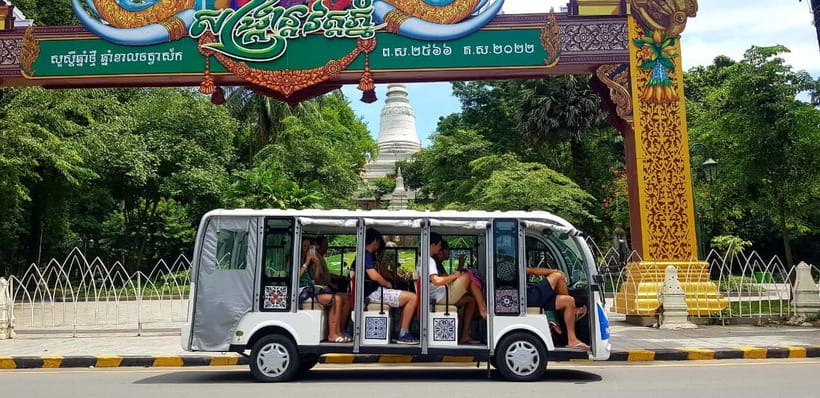
The best part of this tour is how it prevents the usual Phnom Penh problem: you arrive, you’re dazzled by what you see, then you leave with a pile of photos and not much understanding.
Here, you hop onto an electric bus and the city comes with instructions. You’re given tablets (the pads), plus headsets, and each stop triggers a guided audio-video track with films, vintage images, and short historical anecdotes. Even if your Khmer is limited (mine certainly is), you can follow along in your chosen language.
And because you’re on a bus first, you get context before you start sprinting across streets. It’s a calmer way to learn a fast-changing capital.
You can also read our reviews of more historical tours in Phnom Penh

What “heritage” means in this route
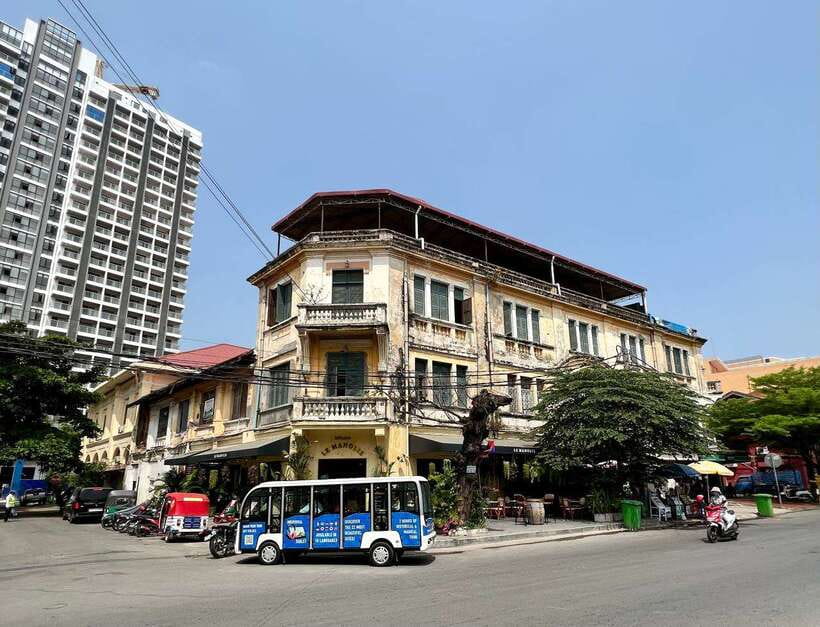
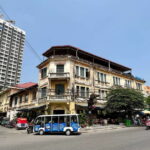
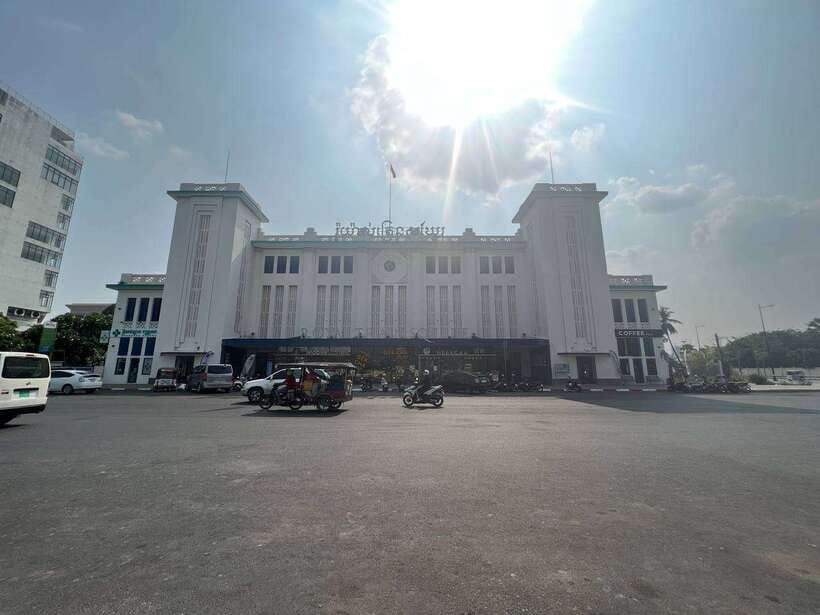
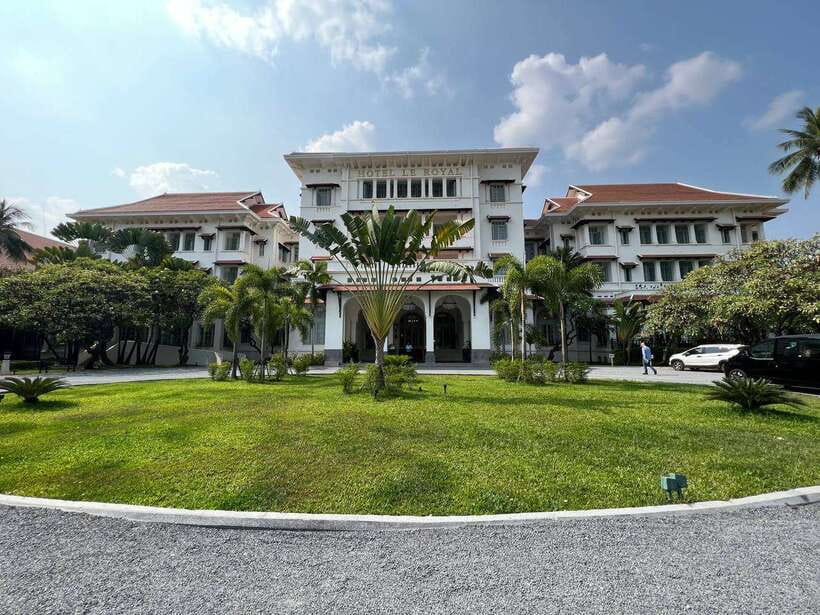
This tour focuses on the period when Cambodia was under the French protectorate, and it explains how Phnom Penh transformed from a fishing village into a capital city. You’ll also hear about the first waves of French-influenced urban planning and the way European tastes shaped the look of the city, including Art Deco architecture.
That historical framing matters. Phnom Penh can feel like it has a dozen different cities stacked on top of each other. This tour gives you a spine: the city’s physical layout, the social structure, and the royal family’s early-20th-century world, then—at the darker end—the Khmer Rouge regime and what those hours meant for the nation.
The pacing is designed so you don’t have to be a history student. You just need to keep your eyes open and listen when you’re stopped.
The rhythm: 19 stops, 22 sites, and time to look

You’ll visit 19 stops that introduce 22 major inherited places. The phrasing matters because it tells you how the experience is built: some stops are bigger “anchors,” while others help connect neighborhoods and eras.
Expect a rhythm like this:
- you ride between points on the electric bus
- you stop at key areas long enough to orient yourself
- you use the tablet to connect what you’re seeing with the story
- sometimes you walk into sites for a closer look
One practical benefit: the route feels like a guided overview you can build on later. By the time you finish, you’re better at choosing your next self-guided stops, instead of randomly wandering.
Stepping into three special places
A big win is that this tour isn’t only a drive-by history lesson. You get opportunities to step into three unusual locations:
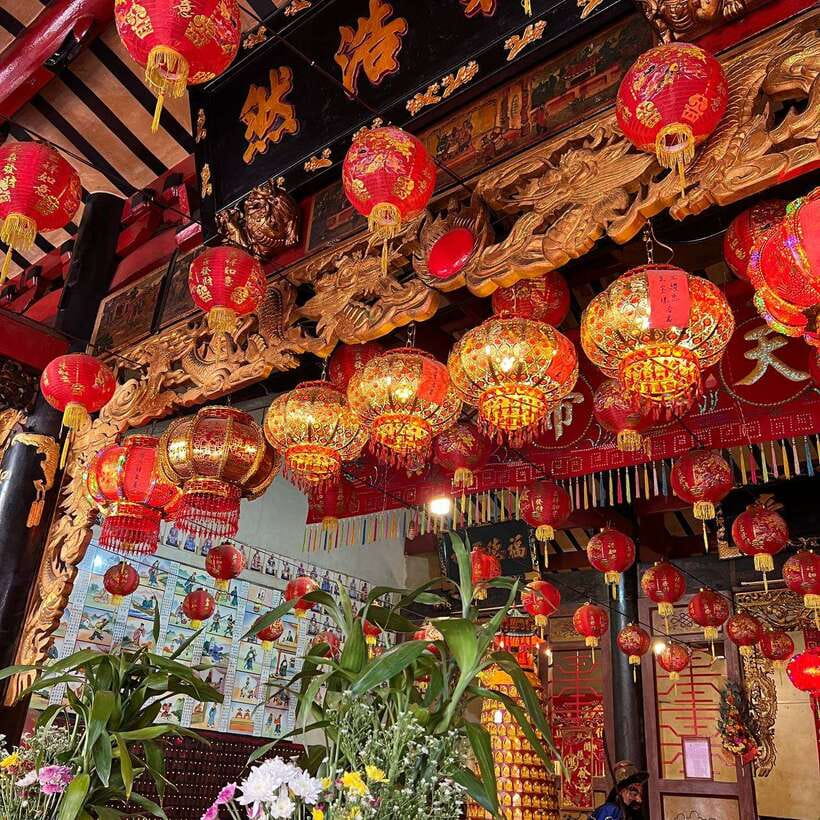
Hokkien temple
Religious buildings in Phnom Penh often tell you how communities formed and interacted over time. The tablet tracks help you understand what you’re looking at when you’re standing in front of the temple, rather than afterward.




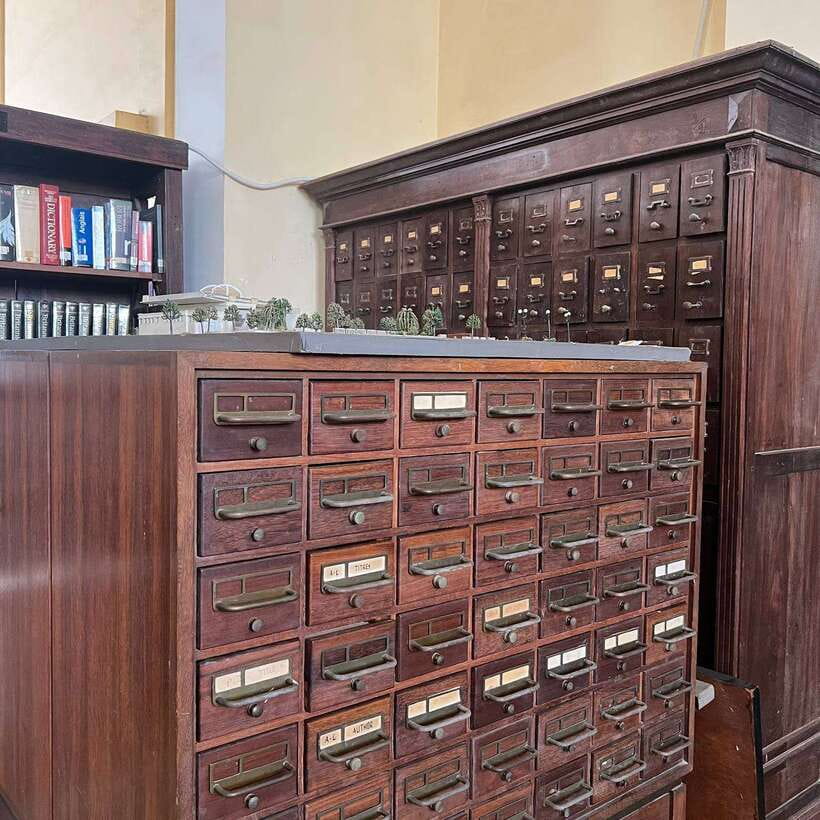
National Library
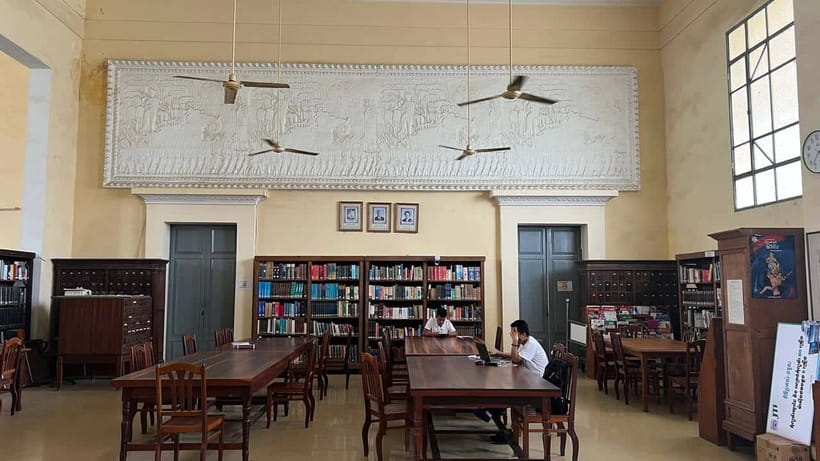
This is the kind of stop that changes how you see the city’s identity beyond monuments. You’ll get context while you’re there, which makes it easier to understand why the building matters in the story of Phnom Penh.
Royal University of Fine Arts
If you like architecture, learning spaces, and how culture gets passed down, this stop gives you a different angle on “heritage.” It also pairs well with the tour’s theme of French-era urban development and the later Cambodian cultural life that followed.
In short: these are moments where you’re not just listening. You’re actually present in the place.
When the tablet lets you see inside
Some buildings aren’t accessible to the public. This is where the tablet-led system really helps. The audio-video guides include moments where you get the virtual inside look—films and visuals that simulate what you’d see if those doors were open.
The value here isn’t gimmicks. It’s clarity. You can compare the exterior you see on the street with what’s inside (or what the rooms looked like), so your mental picture fills in instead of staying blurry.
I found this especially useful for travelers who don’t want to spend half a day trying to hunt down inaccessible places on their own. You get the “what’s behind the façade” feeling without the frustration.
Languages, audio setup, and how to use it smoothly
The tour provides 10 audio guide languages, and you’ll have audio-video tracks in multiple options. Languages listed include English, French, Cambodian, Chinese, German, Italian, Korean, Japanese, Spanish, and Russian.
Two practical tips to make it work well:
- Bring your headset comfort mindset. The experience depends on audio, and the headsets matter.
- Watch the tablet before you step off the bus. It helps you connect the story to the exact building or viewpoint you’re about to face.
Also, the instructor is listed as English and French, and the overall vibe is that you get clear explanation at the stops. I particularly liked that the on-the-ground guidance adds extra details while the tablet covers the core storyline.
Why the price feels fair at $27 per person
At $27 for about 2.5 hours, this is priced like a “high value orientation tour,” not a premium private guide experience. And that math works because the package includes what usually costs extra: tablets, headsets, and bottled water.
The real value is the combination:
- transport in an electric bus (and it’s highly rated)
- a structured story that organizes several eras
- visuals that cover places you can’t always access directly
You’re not just paying for movement—you’re paying for interpretation. For first-time visitors (or anyone who wants to avoid random guesswork), that makes the price feel reasonable.
Heat, walking, and what to bring
This tour is mostly outdoors with stops. The electric bus helps between points, but you still step out and walk. One review note that matches your on-the-ground reality: it can still feel hot, even if the tour is relaxing.
Here’s what I’d do to keep it comfortable:
- wear light, breathable clothing
- bring a hat or cap
- drink the included water early, not only at the end
- keep sun protection in your day bag
No food or drinks are included, so plan to grab something afterward. If you’re the type who tends to forget lunch, fix that ahead of time.
Where you end: Street 240 near the Royal Palace and riverside
The tour finishes near Street 240, close to the Royal Palace and the riverside. This matters more than you might think.
When tours end far from the areas you actually want to see, you lose momentum. Ending here gives you a clean next step: you can continue sightseeing on foot or by short local transport, with the atmosphere of the palace area and the river nearby.
It’s a convenient “wrap-up zone” that helps you transition from guided learning to free wandering without a whole extra logistics puzzle.
Who should book this heritage tour
This is a strong fit if you:
- want an organized overview of Phnom Penh without doing homework
- like French-era architecture and city-planning stories
- appreciate audio-visual context, especially for buildings that are hard to access
- prefer a comfortable way to cover lots of ground in a limited time window
It might not be your best match if you:
- want a long museum-style day with no driving and lots of quiet time
- hate the idea of learning via headset audio rather than purely self-exploration
- are expecting food included (it isn’t)
Should you book Phnom Penh Heritage Tour by electric bus?
If you’re landing in Phnom Penh and thinking, I need a framework for what to see, I’d book it. For $27 you get transport, tablet-guided audio-video in 10 languages, and a route that ties together French protectorate planning, Art Deco influences, royal life, and even the Khmer Rouge era in a way that’s easier to remember than reading plaques alone.
You’ll also like it if you want a comfortable starting point that ends near the Royal Palace and riverside, so your afternoon doesn’t stall out.
FAQ
FAQ
How long is the Phnom Penh Heritage Tour by electric bus?
The tour lasts about 2.5 hours.
How much does the tour cost?
The price is listed as $27 per person.
What does the tour include?
It includes tablets (pads), headsets, and a bottle of water.
What languages are available for the audio guides?
The audio guides are listed in 10 languages: French, English, Cambodian, Chinese, German, Italian, Korean, Japanese, Spanish, and Russian.
Do you get to walk into any sites?
Yes. The tour mentions walking into three unusual places: a Hokkien temple, the National Library, and the Royal University of Fine Arts.
Are buildings inside the tour accessible?
Some buildings may be inaccessible to the public, but the tablet audio-video guides offer a virtual look inside certain places.
Is hotel pickup and drop-off included?
No. Hotel pickup and drop-off service is not included.
Where does the tour end?
The tour ends on Street 240, near the Royal Palace and the riverside.