REVIEW · PHNOM PENH
Phnom Penh: S-21 Prison and Killing Fields Half-Day Tour
Book on GetYourGuide →Operated by Angkor T.K. Travel & Tours · Bookable on GetYourGuide
History hits hard here. This half-day visit is powerful because you get a guided walk through the Killing Fields of Choeung Ek and then the Tuol Sleng S-21 prison story explained clearly and respectfully; I also like that it’s done on a tight schedule with hotel pickup, so you’re not wasting a day. The one real drawback: it’s emotionally confronting, and you should think twice about bringing younger kids who may not be ready for graphic, heavy material.
If you value a calm, human pace, this private format helps. You’ll be with an English-speaking guide, and the drive out of Phnom Penh is part of the day (they also include a cold towel and a drink, which feels like a small mercy in Cambodia’s heat). Just note that entrance fees are extra, so the final total is a bit higher than the headline price.
In This Review
- Key Highlights You’ll Care About
- A Morning in Phnom Penh: Timing, Transport, and the 4-Hour Flow
- Entering Choeung Ek Killing Fields: What You’ll See and What the Guide Adds
- Tuol Sleng Genocide Museum (S-21): From High School to Security Prison
- The Human Touch: How Guides Make This Day Manageable
- Price and Value: What the $116 Covers (and What Costs Extra)
- Who This Tour Fits Best (and Who Might Struggle)
- Making the Most of 4 Hours Without Feeling Rushed
- Should You Book This Phnom Penh Half-Day Tour?
- FAQ
- How long is the Phnom Penh S-21 and Killing Fields half-day tour?
- What time does the tour depart?
- Is hotel pickup included?
- Are the entrance fees included in the price?
- Is an audio guide included?
- What’s included in the tour price?
- Is this a private group tour?
- Can I cancel for a refund?
Key Highlights You’ll Care About
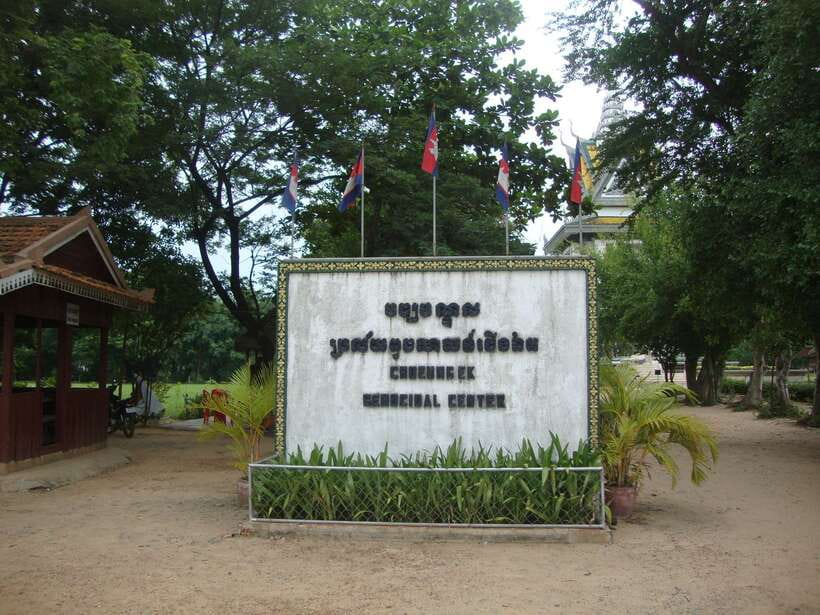
- A guided visit to Choeung Ek that connects what you see to what happened between 1975 and 1978
- Tuol Sleng S-21 with clear explanations of how the high school was turned into a prison and torture center
- Private group time for questions, which many people find makes the experience more meaningful
- English-speaking guides with strong communication, including examples like Kim, Kin, Sam, Baboon, and Chudsta
- Occasional survivor-connection moments where translation support can make a rare conversation possible
A Morning in Phnom Penh: Timing, Transport, and the 4-Hour Flow
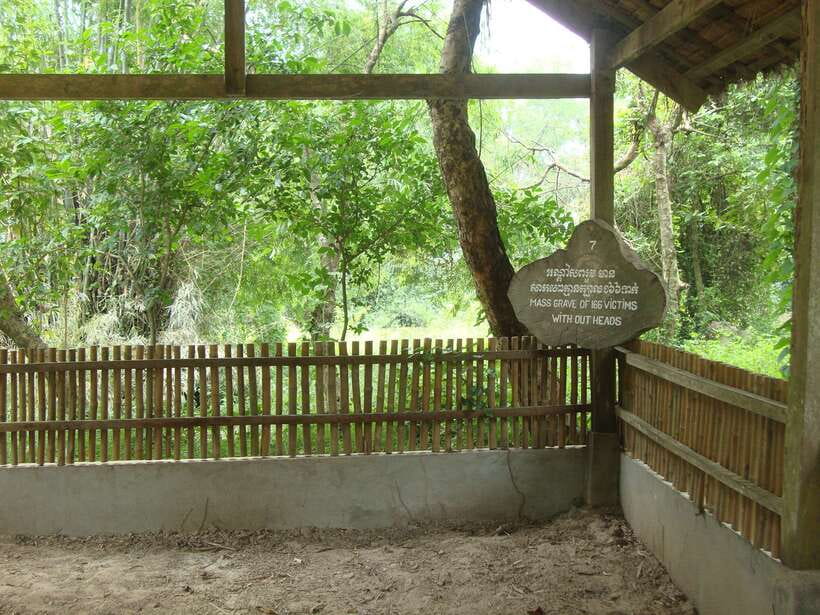
This is a half-day tour built around a simple idea: do the hardest sites while the day is still fresh. You depart from your hotel at 8:00 AM and head about 16 km south to Choeung Ek, then continue to Tuol Sleng. By 12:00 PM, you’re back at your hotel.
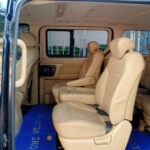
The private setup matters more than it sounds. You’re picked up from your hotel lobby, you ride in a private car, and you’re not stuck waiting on strangers who move at a different pace. One guest even praised the car for feeling comfortable, with strong air-conditioning, which is not nothing when you’re going to be standing and walking for real.
The trip includes a refreshment drink and a cold towel. That’s a practical touch for your body, and it also helps keep your attention focused when the content turns intense.
You can also read our reviews of more tours and experiences in Phnom Penh

Entering Choeung Ek Killing Fields: What You’ll See and What the Guide Adds
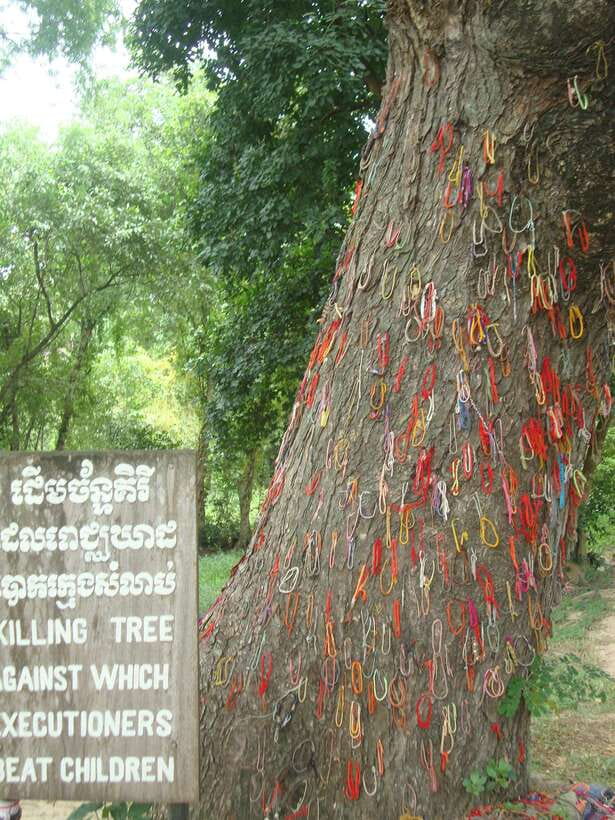
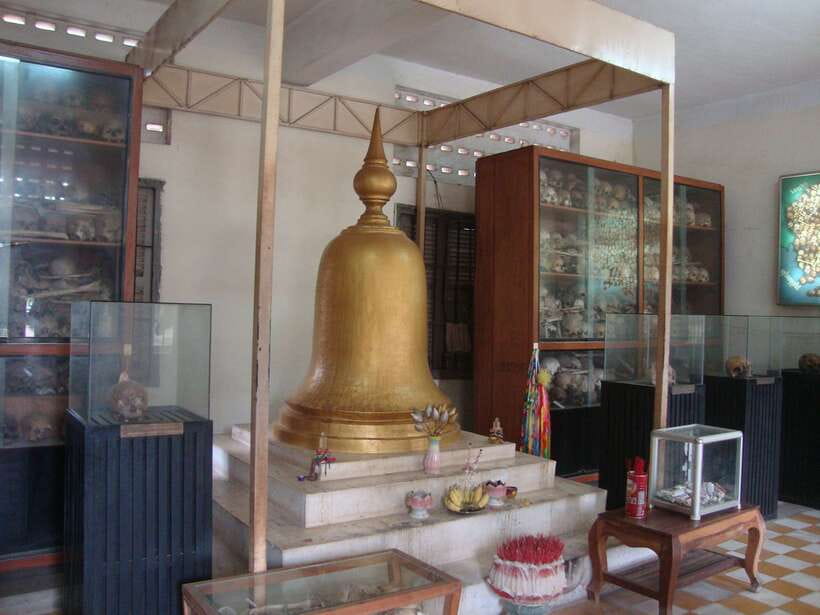
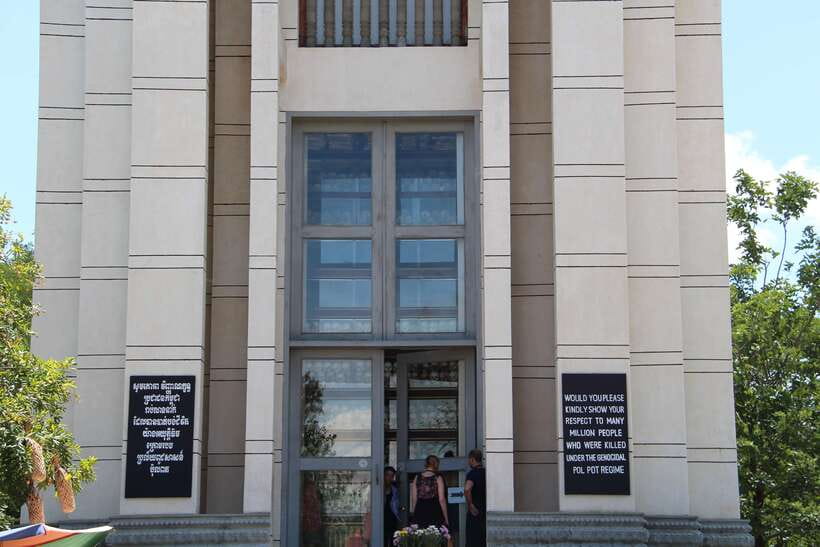
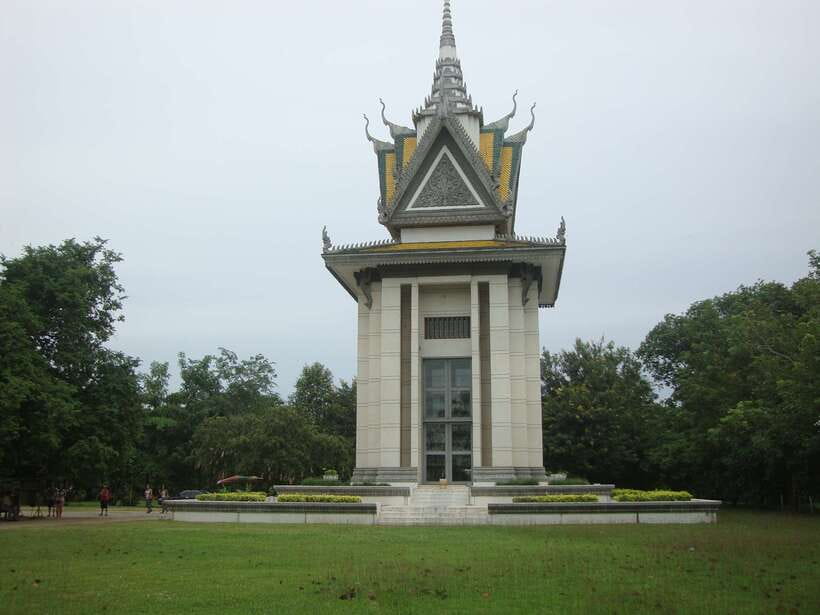
Choeung Ek is the final resting place for over 17,000 people—men, women, children, and infants—between 1975 and 1978. The Khmer Rouge era also involved mass killings; estimates suggest 2 to 4 million Cambodians died during control between 1975 and 1979. Even if you’ve read about the regime before, the scale of those numbers lands differently when you’re physically there.
What makes Choeung Ek worth doing with a guide is the way the story connects to the space. Your guide provides a detailed tour, not just a quick route through the grounds. That context helps you understand why the site is structured as it is and what each area represents in the larger system of terror.
You’ll also want to pace yourself. This place can feel like it stops time, and that’s usually the point. You don’t need to rush the “facts” part; the most important thing is letting the meaning settle, with your guide there to answer the questions that keep popping up.
One more practical note: audio tours for the Killing Fields are not included. If you’re the type who likes extra audio support after a guide’s explanation, you may want to plan for that cost separately.
Tuol Sleng Genocide Museum (S-21): From High School to Security Prison
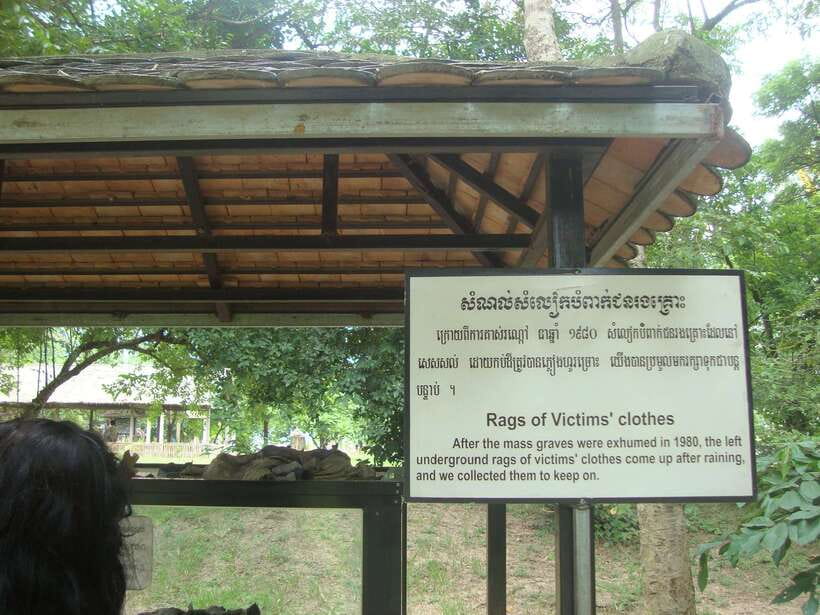
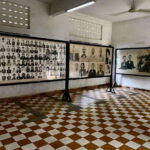
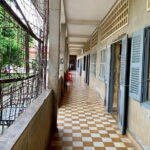
After Choeung Ek, the tour shifts from mass killing sites to the machinery of detention and torture. Tuol Sleng Genocide Museum is the former Tuol Svay Prey High School, taken over in 1975 by Pol Pot’s security forces and turned into Security Prison 21 (S-21).
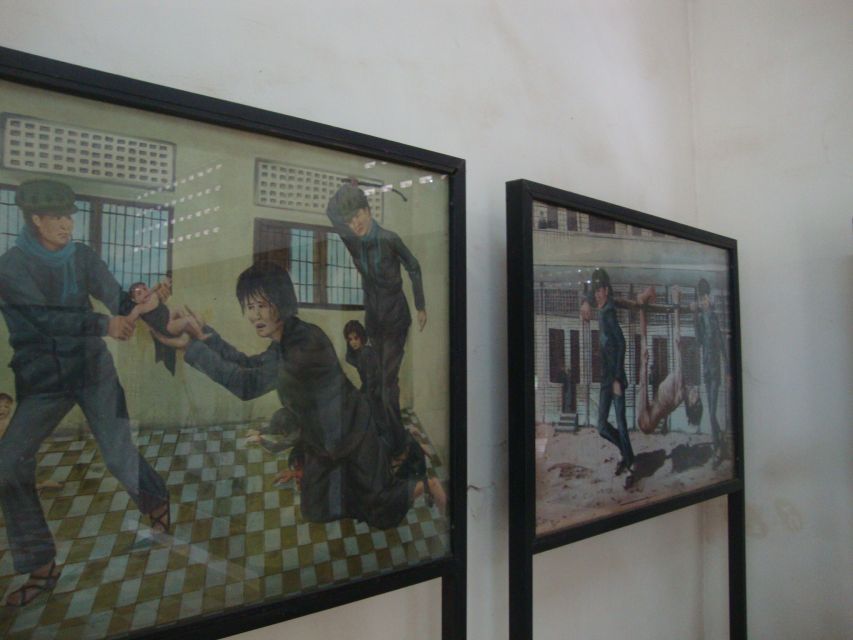
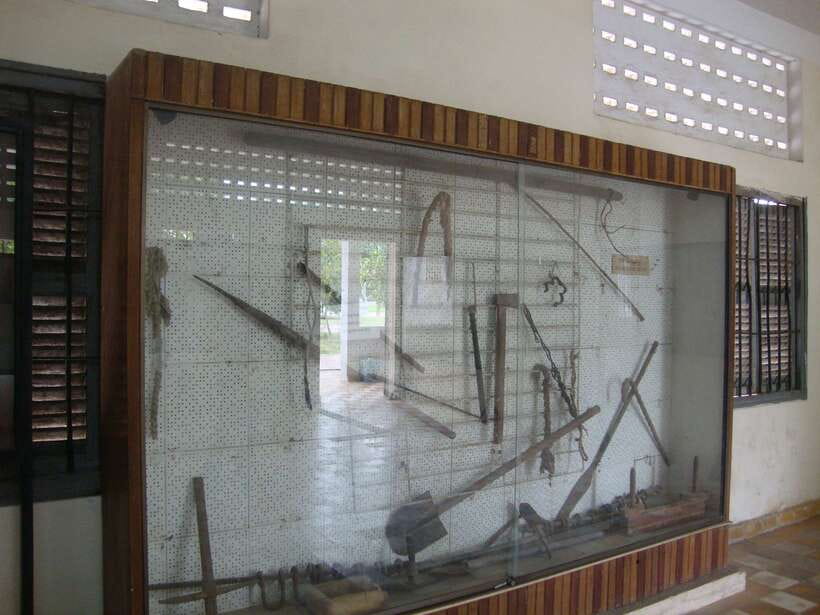
It rapidly became the country’s largest center of detention and torture. This is where the Khmer Rouge’s system becomes painfully specific: prisoners were repeatedly tortured and pressured into naming family members and close associates. Those names led to more arrests, more transport to S-21, more torture, and eventually killings.
Your guide spends time walking you through the prison’s harrowing truths. That is the key word: truths. You’re not just looking at artifacts; you’re seeing evidence of a methodical process, and the guide’s job is to explain what you’re looking at and how it fits together.
Because this is a prison site, the emotional intensity can spike fast. Some guides bring a very steady, personal tone that helps you process the day without feeling rushed or overwhelmed. One guest specifically singled out how guide Kim helped them clear their head while keeping the history understandable, which is a great reminder: you want a guide who can handle both clarity and sensitivity.
Audio tours for S-21 are also not included, so your main “interpretation layer” is the live guide.
The Human Touch: How Guides Make This Day Manageable
This isn’t a normal sightseeing day, so the human factor matters. The reviews you’ll likely read point to something consistent: guides like Chudsta, Kin, Sam, Baboon, and Kim are praised for strong English and clear explanations. That combination is crucial here, because you don’t want confusion adding stress to an already heavy experience.
One standout detail is the role some guides play when there’s a survivor connection. In at least one case, a guide translated so the group could meet two survivors from S-21. That kind of interaction is not something you can count on, but it shows the potential for a more personal, respectful moment when it’s available.
Even when there isn’t a survivor connection, many guides still go beyond pure “history talk.” A few guests mentioned that after the tour, the guide recommended a good restaurant, helped make a reservation, and even introduced them to the chef/owner. That’s practical, and it’s also smart: once you’ve left Tuol Sleng, you’re likely not in the mood for guesswork.
Also, don’t ignore the value of question time. People repeatedly mention that private tours give you room to ask what you actually want to ask—politics, timing, names, why certain tactics were used, how the Khmer Rouge worked day-to-day. A private group format lets you move from facts into understanding.
Price and Value: What the $116 Covers (and What Costs Extra)
The listed price is $116 per group up to 2 for a total tour duration of about 4 hours. For many people, that sounds high until you break down what you’re actually buying.
You’re not just paying for two museum tickets. You’re paying for:
- Transportation with hotel pickup and drop-off
- An English-speaking guide who can explain what you’re seeing
- A private group format
- A refreshment drink and cold towel
Then there are the extra entrance fees:
- $3 per person for the Killing Fields of Choeung Ek
- $5 per person for Tuol Sleng
Audio tours are also not included for either site. So your true total will depend on how many people are in your group and whether you add audio.
Here’s the value lens: if you do these sites with the wrong pace or minimal interpretation, you lose the meaning. Private guiding is often what turns a “saw it” day into a “understood it” day. Several guests noted that the private option costs more, but they felt they got far more out of it because they could ask questions and receive clearer context.
If you’re traveling solo on a tight budget, it’s worth thinking about whether you’ll feel shortchanged without that guide. If you’re a couple, the per-group pricing can feel more reasonable, especially for a serious, once-in-a-lifetime stop.


Who This Tour Fits Best (and Who Might Struggle)
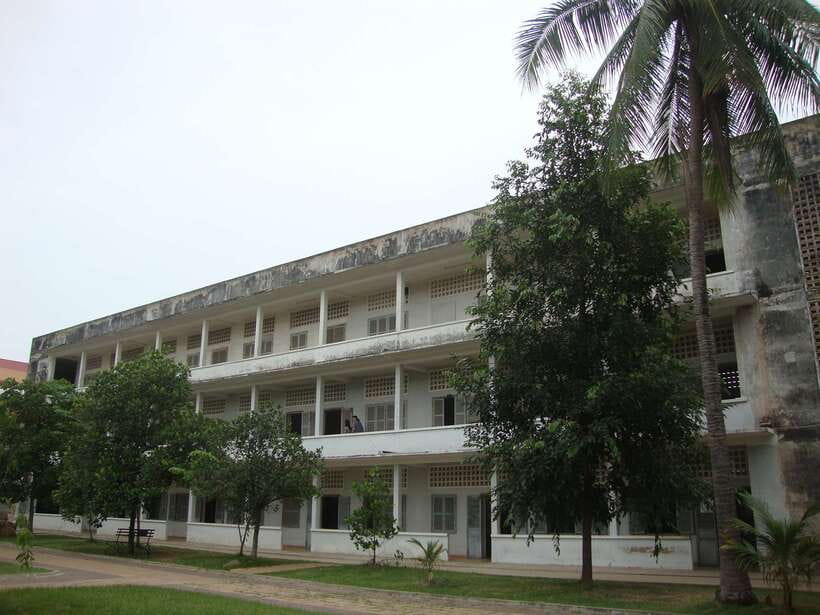
This tour is often described as heartbreaking and confronting, and it’s not just adults being dramatic. It’s intense because it covers the Khmer Rouge system of kidnapping, detention, torture, and killing.
If you’re an adult, or you’re traveling with teens who can handle difficult material respectfully, you’ll probably find the guided explanations help you process rather than just stare. One guest even brought kids aged 12 and 13, noting that it was tough but glad they did it—suggesting that age isn’t the only factor. Preparedness and how your child processes heavy history matters more than a number on a page.
If you’re bringing younger children, you might find the day too much. Your best approach is to be honest about emotional readiness and to plan for pauses when needed.
If you’re the type who wants “one Cambodia day” to include real history beyond temple photos, this fits that craving perfectly.
Making the Most of 4 Hours Without Feeling Rushed
Because the tour runs from morning to noon, you don’t have time to do a lot of wandering on your own. The best strategy is mental, not logistical: keep your expectations grounded in the fact that you’re here for remembrance, not thrills.
A few practical ideas that tend to help:
- Arrive on time so you don’t start your day already behind
- Wear comfortable clothes for walking and standing
- Use the guide’s explanations as the backbone, then allow silence for yourself
- If you want extra audio support, remember audio tours are not included
Also, don’t underestimate how exhausting emotionally heavy sites can be. Even with a cold towel and a drink provided, your body can feel drained. Build the rest of your day around recovery.
Should You Book This Phnom Penh Half-Day Tour?
I think you should book this tour if you want the full picture in one morning: the Killing Fields of Choeung Ek and Tuol Sleng (S-21), both explained by a live English-speaking guide in a private format. The combination of transport, guiding, and time efficiency is a strong value for a day that would otherwise be hard to navigate thoughtfully on your own.
You might skip or rethink it if you’re traveling with very young children or you know you personally need a lighter day of sightseeing. This isn’t that kind of tour.
If you do book it, treat it like a respectful appointment with history. Go with your questions ready, and give yourself permission to feel what the day brings.
FAQ
How long is the Phnom Penh S-21 and Killing Fields half-day tour?
It runs for about 4 hours, with the day finishing at around 12:00 PM.
What time does the tour depart?
The tour departs at 8:00 AM. Starting times can vary, so it’s best to check availability.
Is hotel pickup included?
Yes. Pickup is included from your hotel lobby, and you’re also transferred back to your hotel at the end.
Are the entrance fees included in the price?
No. Entrance fees are extra: $3 per person for the Killing Fields of Choeung Ek and $5 per person for Tuol Sleng.
Is an audio guide included?
No. Audio tours for S-21 and for the Killing Fields are not included.
What’s included in the tour price?
Transportation, an English-speaking guide, and a refreshment drink plus a cold towel are included.
Is this a private group tour?
Yes, it’s a private group.
Can I cancel for a refund?
Yes. You can cancel up to 24 hours in advance for a full refund.