REVIEW · PHNOM PENH
Phnom Penh: Silk Islands Half-Day Bike Tour
Book on GetYourGuide →Operated by Siem Reaper Travel · Bookable on GetYourGuide
Silk and tofu, then a Mekong ferry ride. This Phnom Penh bike tour sends you out past gardens and backroads toward Silk Island, with hands-on cultural stops along the way. I especially like the chance to hear about silk weaving from the people keeping the tradition alive.
I also love how the day is built around real community moments, like the guided visit through the Koh Oknha Tei market and a stop at the secondary school. It’s not just scenic riding; it’s a look at how daily life works beyond the city center.
One possible drawback: the tour runs rain or shine, and the countryside roads can get dusty and darker later in the ride. If you’re sensitive to that, plan for proper shoes, a bit of protection, and careful pacing.
In This Review
- Key highlights you’ll feel right away
- How the Half-Day Bike Tour Works: Pickup, Ferry, and Midday Return
- Riding out of Phnom Penh: backroads, orchards, and the Mekong trail
- Koh Oknha Tei Market and school visits: seeing daily life up close
- Silk Island: silk weaving lessons and the dried tofu highlight
- Silk weaving: how families keep the tradition going
- Dried tofu and tofu skin production: a food stop with real context
- Village donation: your visit has a local impact
- Bike setup and riding feel: 12 people, helmets, gears, and flat-ish routes
- What the bikes are like
- Ride distance and pace reality
- Dirt roads and later-dark riding
- Snacks, fruit, and water breaks: keeping energy steady
- Guides: what the best ones do with safety and flexibility
- Price and value at $39: what you get for a half-day outdoors program
- Who should book (and who should skip it)
- Should you book this Phnom Penh bike tour to the Silk Islands?
- FAQ
- How much does the Phnom Penh: Silk Islands Half-Day Bike Tour cost?
- How long is the tour?
- Does the tour include hotel pickup and drop-off?
- Are helmets and a bicycle included?
- What stops are included in the itinerary?
- Is there a guide, and is English available?
- Do you ride to Silk Island by ferry?
- What should I bring?
- Is the tour affected by weather?
Key highlights you’ll feel right away
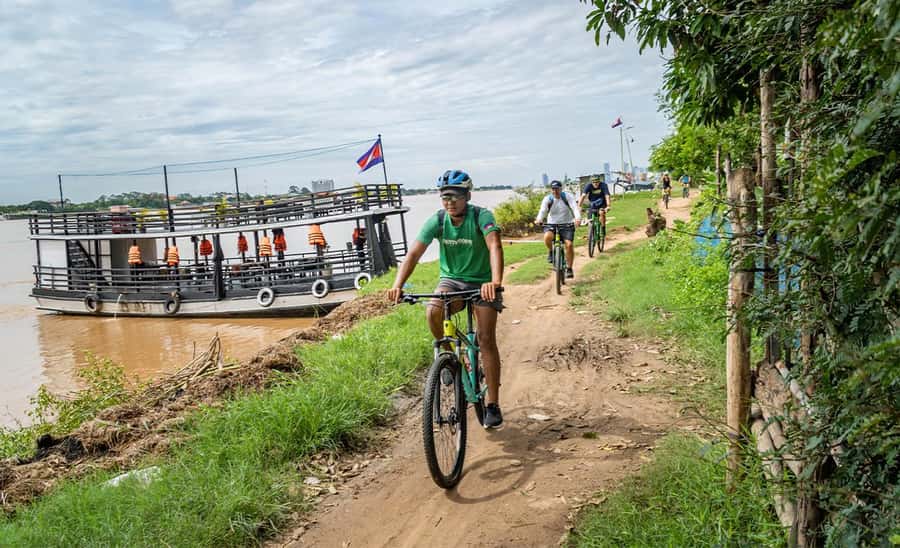
- Mekong trail ferry time: Getting there by local ferry breaks up the cycling with a great change of pace
- Koh Oknha Tei market + school: Guided stops that help you understand how Phnom Penh’s communities function
- Silk Island craftsmanship: Family-run silk weaving lessons, including how the work gets passed down generation to generation
- Dried tofu and tofu skin production: A standout stop for food culture and local enterprise
- Small group riding: Limited to 12 participants, which usually means a smoother pace and less traffic pressure
- Practical supplies included: Helmet, bike, bottled water, snacks, fruit, and a village donation are all part of the package
How the Half-Day Bike Tour Works: Pickup, Ferry, and Midday Return

This is a guided bike tour from Phnom Penh that starts with hotel pickup and ends with you back in town around midday. The timing can shift based on your departure slot, but the goal is consistent: get you out of the city for a countryside ride that still feels like an afternoon window you can plan around.
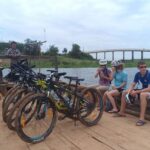
Your day begins with a transfer to the bike shop, then a quick bike fitting and briefing. After that, you ride out of Phnom Penh and board a ferry to reach Silk Island. That ferry segment matters more than it sounds. It turns the trip into a mix of movement and watching real river life, and it gives everyone a break from the road right when you’re still warming up.
In the itinerary, you’ll also make quick pass-by stops en route (including a stop near Preak Leap National Institute of Agriculture, NIA). These don’t take long, but they help break the ride into manageable sections so the day never feels like one long push.
You can also read our reviews of more cycling tours in Phnom Penh



Riding out of Phnom Penh: backroads, orchards, and the Mekong trail

Once you leave the city, the route shifts toward quiet roads and farmland edges. This is where you’ll notice why people choose bikes over tuk-tuks for this area: you move at the speed of villages, not traffic lights. The countryside setting is often described as a fresh change from staying in Phnom Penh all day, and the practical benefit is simple—you can actually see what’s around you without constantly stopping.
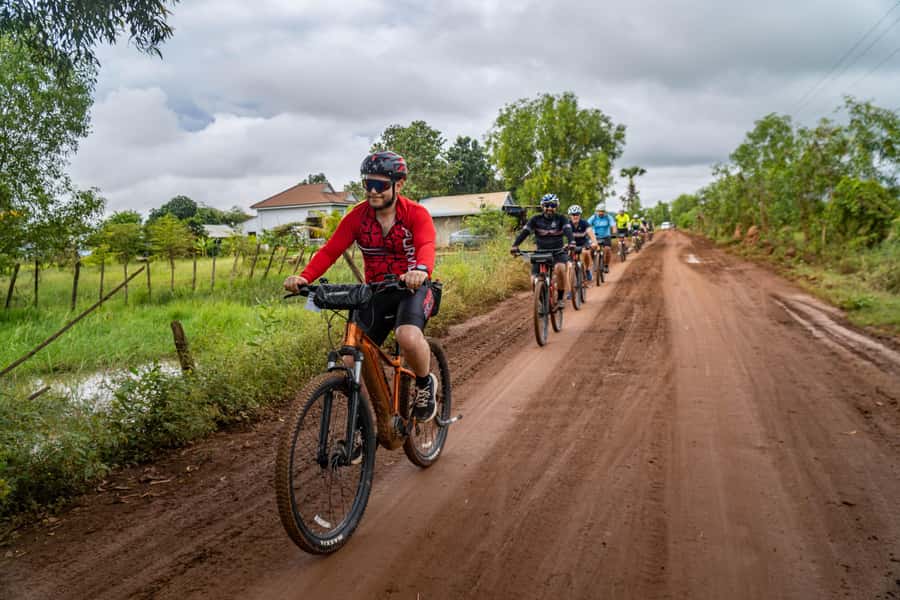
Expect a mix of surfaces. Many parts are described as mostly flat or gently hilly, and the bikes typically come with gears that help on small climbs and controlled descents. Still, some backroads are on dirt, and if your schedule runs later (some departures are afternoon), you should be ready for the possibility that the ride ends under dimmer light. That’s not a reason to skip it; it’s a reason to ride thoughtfully, keep an eye on the road, and ask your guide what timing looks like for your departure.
The ferry crossing to Silk Island also changes your rhythm. You’re not just transported; you’re part of the process, watching how people move through the river area and catching views that you’d miss from the road alone.
Koh Oknha Tei Market and school visits: seeing daily life up close
A big part of why this tour works is that it isn’t only scenery. You get time with local places that function as part of everyday Phnom Penh-area life.
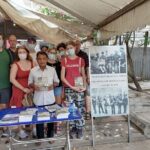
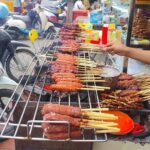
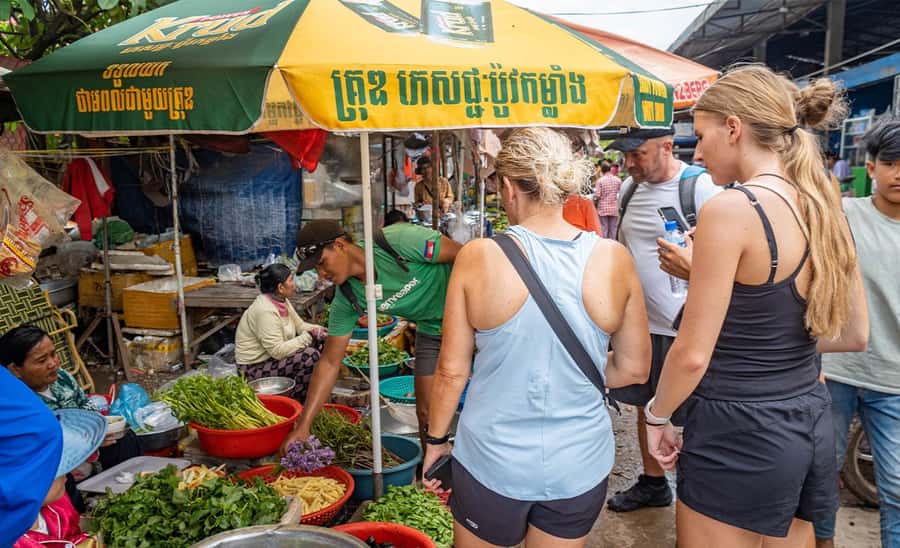
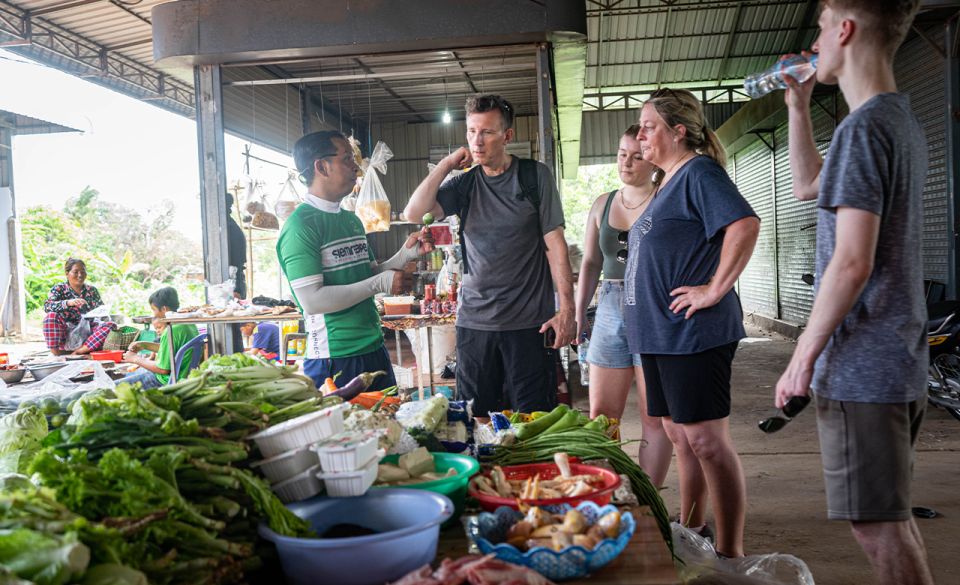
The stop at Koh Oknha Tei Market is guided for about an hour. This is the time when you’ll likely notice how locals buy, sell, and talk with each other, and it’s also where your guide’s explanations can help you connect what you’re seeing to the wider rhythm of community life. Food is a big theme here, too—snacks show up, and you’ll often learn what you’re eating and why it’s used.
Then comes Koh Oknha Tei Secondary School for a shorter guided visit (about 30 minutes). This stop adds a different lens. Markets show exchange; schools show future. Even if you don’t speak the language, you can sense the purpose of the visit because your guide is there to translate context and keep things respectful.
One practical note: these guided stops are time-bound, so wear comfortable shoes you can stand in and plan for some walking in and around the market area.
Silk Island: silk weaving lessons and the dried tofu highlight

Silk Island is the emotional and hands-on centerpiece. Your itinerary includes a break and a guided visit there (about 1.5 hours), and this is where the tour’s signature crafts come together.
Silk weaving: how families keep the tradition going
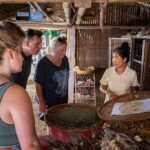
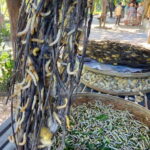
You’ll learn about silk weaving from locals, including how the tradition is passed from parent to child. One theme that comes up again and again is continuity—families sustaining the craft through many years. Some guides describe silk production as a multi-generation process, including work starting with raising silk worms and continuing through to finished silk products.
Even if you’re not a textile person, you’ll probably enjoy this stop because it’s clear and human. You’re not watching a staged demo. You’re hearing how people explain their own work and why it matters in their community.
You can also read our reviews of more tours and experiences in Phnom Penh

Dried tofu and tofu skin production: a food stop with real context
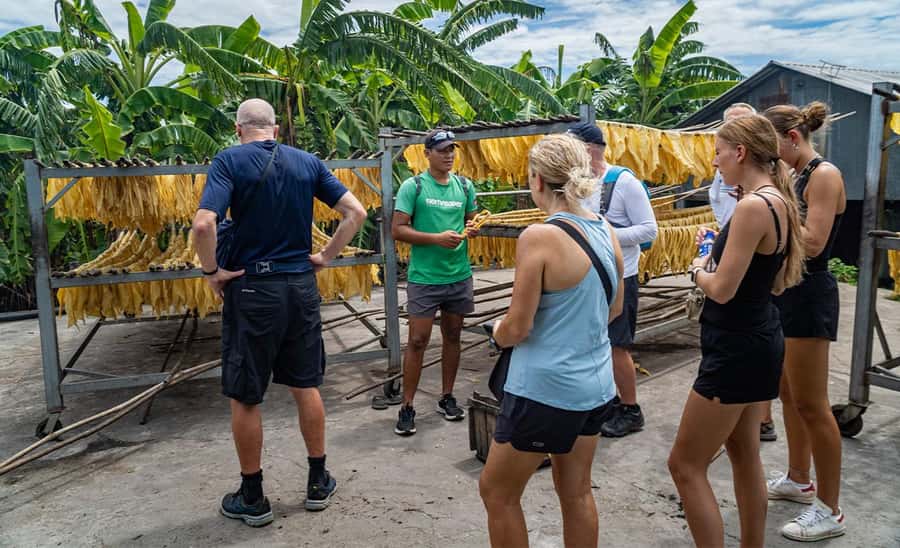
Along with silk weaving, Silk Island is also where you’ll see a family-run business that specializes in producing dried tofu / tofu skin. People consistently call this one of the most interesting parts of the day, because it connects craft and food in a very tangible way.
What makes it valuable for you is that it’s not just a quick glance at a product shelf. You get enough time to understand what’s being made and how it fits local life. If you like eating as much as learning, this is the kind of stop that makes you want to remember not only what it looked like, but what it tasted like and how it’s produced.
Village donation: your visit has a local impact
The tour includes a village donation tied to the experience. That’s the quiet part of the day that matters: it’s a reminder that you’re not just taking photos. You’re participating in a local economy tied to crafts and hospitality.
Bike setup and riding feel: 12 people, helmets, gears, and flat-ish routes
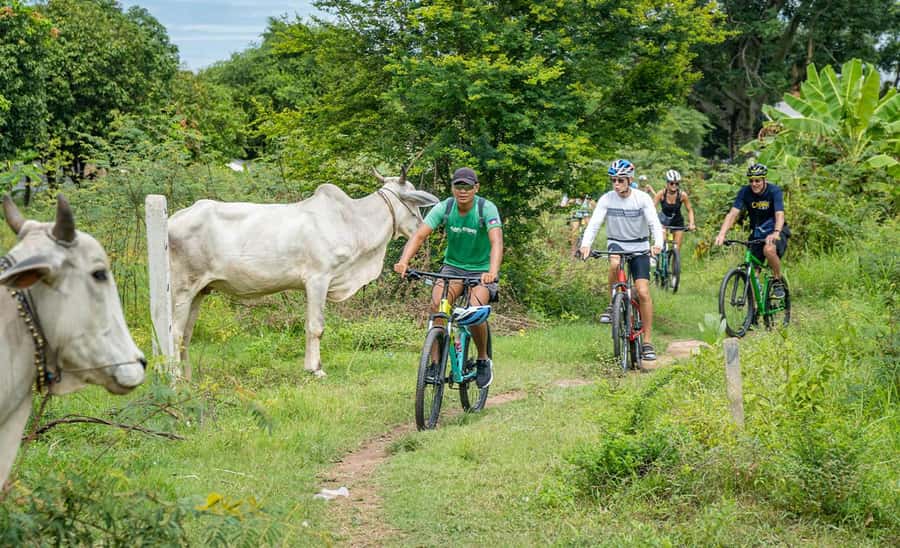
The tour is built for small groups—limited to 12 participants—and that number changes the whole vibe. You don’t have to thread through crowds or wait around for a big bus line of bikes. It also usually means your guide can manage your pace without rushing you.
What the bikes are like
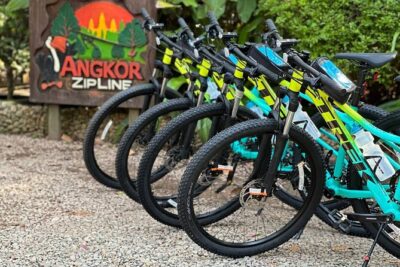
Bikes are provided with helmets, and the setup is generally described as in good condition. Many riders note multiple gears, which helps a lot because the route isn’t all perfectly flat. You’ll likely feel small hills rather than big climbs, but the gears help you keep steady effort without grinding your legs to dust.
Ride distance and pace reality
One commonly cited ride is around 42 km for a full session, with stops built in throughout the day. The pace is typically manageable for people who are comfortable biking. That said, some departures may feel longer depending on your route choices and how your group moves.
Dirt roads and later-dark riding
Because some portions use dirt roads, you should expect a bit of grit under tires. If you’re the type who rides only on smooth pavement at home, this is still doable—but keep your expectations realistic and give yourself time to adjust.
If you’re on an afternoon slot, a few riders note that the end of the ride can be pretty dark. Even without guaranteed night riding, it’s a reminder to confirm timing with your guide and follow safety instructions closely.
Snacks, fruit, and water breaks: keeping energy steady
This isn’t a power ride with no support. You’ll have bottled water included, plus snacks and fruit. Local sweets show up during the day for many departures, and some guides include coconut water as part of the refreshment rhythm.
Here’s why this matters: bike days feel easiest when you stay ahead of hunger and dehydration. With snacks and fruit built into the plan, you’re more likely to enjoy the silk and tofu stops instead of feeling wiped out before you reach them.
Also, there’s often a lunch component tied to the Silk Island experience or breaks around it. If you’re planning what to eat later that day, you may want to keep your expectations modest—this tour is designed to keep you fueled for the ride, not just to show you sights and send you off.
Guides: what the best ones do with safety and flexibility
This tour lives or dies on the guide, and the names you’ll hear vary by date. You might meet Seer, Tin Tin, Sath, Sok, Kim, Lucky, Nuth, George, or even Friday depending on your departure. What connects them is a focus on keeping the ride friendly, manageable, and safe.
Many guides are described as especially attentive—checking that everyone is okay and offering guidance along the route. Some also take effort to pick smaller roads to reduce traffic stress, which you’ll feel immediately in your riding comfort.
Flexibility shows up too. One rider’s day was adjusted to include more cycling time, and another situation involved a participant not feeling well, with the guide helping with rest and arranging transport back if needed. That’s not something you should plan on, but it’s good to know the guide role isn’t scripted to the minute.
Two practical tips from those experiences:
- If language feels unclear on a stop, ask questions. One rider specifically pointed out that the plan wasn’t always obvious and the solution was to clarify.
- Pay attention during the briefing. Even with helmets and a careful guide, you’re on shared roads and dirt paths—your job is to stay alert and follow instructions.
Price and value at $39: what you get for a half-day outdoors program
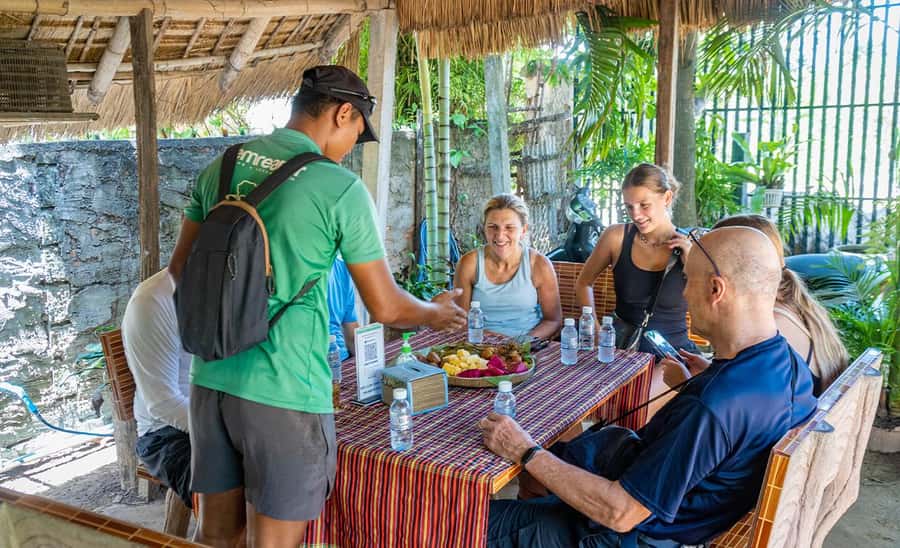
At $39 per person, this tour is often a strong value because so much is included. You’re paying for:
- hotel pickup and drop-off
- the bicycle and helmet
- an English-speaking guide
- bottled water, snacks, and fruit
- a village donation
- guided visits and the Silk Island time (including silk weaving and the dried tofu craft focus)
If you were to recreate this independently, you’d quickly run into the cost and hassle of getting the bike sorted, organizing ferry crossings, arranging guides for cultural stops, and timing everything so you still get a worthwhile ride window. Here, the structure does that work for you.
Also, the small group size means your $39 buys more than motion—it buys context. The market and school visits only make sense with guidance, and that’s where the tour earns its worth.
Who should book (and who should skip it)
This is a good fit if you want:
- an active break from Phnom Penh’s streets
- rural views and Mekong-area ferry time
- hands-on cultural craft stops, especially silk weaving and dried tofu/tofu skin
- a small group experience with a guide who manages the pace
It’s also especially suited to people who prefer learning through doing—standing in a market, watching a production process, and hearing how locals explain what they do.
Skip it if biking isn’t your thing, or if you need fully smooth, traffic-free paths. And do not book if you are pregnant, since the tour is listed as not suitable for pregnant women.
One more “think twice” situation: if you’re very sensitive to dust or outdoor allergens, consider bringing some kind of protection. One rider suggested a mask because of possible grass or leaf burning in the countryside. That doesn’t mean it’s constant, but it’s a smart safety option if you’re reactive.
Should you book this Phnom Penh bike tour to the Silk Islands?
I’d book it if you want an affordable day that blends cycling + culture + food craft without turning into a bus tour. Silk weaving plus dried tofu production is a standout combo, and the Koh Oknha Tei market and school stops make the countryside ride feel meaningful.
I’d hesitate if you dislike rain, don’t handle dirt roads well, or you’re uncomfortable with the possibility of darker end-of-route conditions on later departures. Still, if you’re prepared with comfortable clothes, comfortable shoes, and a calm, attentive biking mindset, this tour can be one of the best ways to see a different side of Phnom Penh.
FAQ
How much does the Phnom Penh: Silk Islands Half-Day Bike Tour cost?
It costs $39 per person.
How long is the tour?
The duration is listed as 4 to 8 hours, and starting times vary by availability.
Does the tour include hotel pickup and drop-off?
Yes. Hotel pickup and drop-off are included.
Are helmets and a bicycle included?
Yes. The tour includes a bicycle and a helmet.
What stops are included in the itinerary?
You’ll include passes and guided visits such as Preak Leap National Institute of Agriculture (pass by), Koh Oknha Tei Market (guided), Koh Oknha Tei Secondary School (guided), Silk Island (break and guided), and Akreiy Ksatr Village (pass by), with your return to Phnom Penh afterward.
Is there a guide, and is English available?
Yes. There is a live tour guide, and the language is English.
Do you ride to Silk Island by ferry?
Yes. After leaving Phnom Penh, you board a ferry to Silk Island.
What should I bring?
Bring comfortable clothes and comfortable shoes.
Is the tour affected by weather?
The tour runs rain or shine.