REVIEW · PHNOM PENH
Phnom Penh: Silk Island Tour by Vespa with Tuk Tuk Available
Book on GetYourGuide →Operated by Vespa Backstreet · Bookable on GetYourGuide
Silk and tofu, two worlds on one Vespa ride. From your hotel in Phnom Penh, you jump on a Vespa with a driver, then trade city traffic for a ferry crossing to Silk Island, plus temple and village visits along the way.
I especially like the hands-on craft stops: the 7-generation silk weaving studio and the family-run dried tofu skin workshops. I also love the everyday-life layer, from the Koh Oknha Tei Market to a quick visit at the local school.
One caution: this is not suitable for people with back problems, and the ride means sun exposure and time sitting on a motorbike.
In This Review
- Key highlights that make this tour worth it
- Why Silk Island feels so close to Phnom Penh
- Price and what your $29 actually buys
- Meet-up and getting around: Vespa, safety, and the tuk-tuk option
- Stop 1: Mongkol Serey Temple for quick context and great photo angles
- Silk Island ferry terminal: the moment the day changes
- Koh Oknha Tei Market: where daily life turns into something you can taste
- Koh Oknha Tei Secondary School: seeing community life beyond crafts
- Silk Island itself: the views, the weaving work, and the real rhythm
- Dried tofu skin and the craft stops you’ll remember
- Akreiy Ksatr Village break: snacks, photos, and a calmer pause
- Who this tour suits best (and who should think twice)
- Logistics tips that help you enjoy the day more
- Should you book? My take
- FAQ
- How long is the Phnom Penh Silk Island tour?
- Where do I get picked up?
- What’s included in the $29 per person price?
- Is the tour guided in English?
- Can I pay later or cancel?
- What should I bring?
- Is the tour suitable if I have back problems?
Key highlights that make this tour worth it
- Vespa travel + ferry hops: you leave Phnom Penh fast and keep seeing river-and-village views
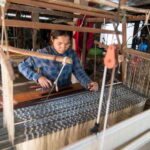
- Family silk weaving with a multi-generation story: you learn how the craft has been passed down
- Dried tofu skin production: you get a clear look at how the process turns into something used locally
- Koh Oknha Tei Market stop: shop, snack, and watch daily routines in a real neighborhood
- Mongkol Serey Temple and Buddhist learning: a guided visit that adds meaning to what you’re seeing
- A village break with local snacks: time for photos and a slower pace before heading back
Why Silk Island feels so close to Phnom Penh
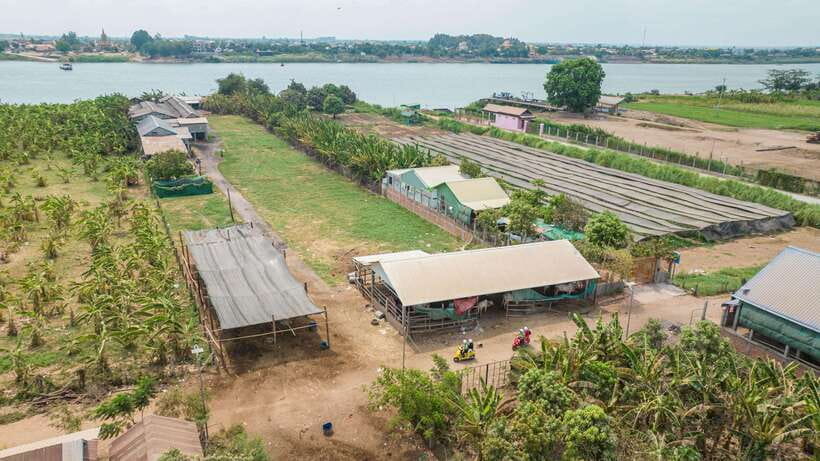
This tour works because it makes rural Cambodia feel reachable. You’re not driving for hours to get a different world. You’re out of the city, onto the river route, and then into farming and craft areas that feel much quieter than Phnom Penh’s streets.
The other big win is the mix of city-adjacent culture and countryside work. You don’t just photograph temples or fields and leave. You also see how everyday food and textiles are made, then you connect those crafts back to local life.
At around 12:30 pm you’re back in Phnom Penh, which makes this a strong choice for people with tight schedules or those who want one “big day” without losing the whole afternoon.
You can also read our reviews of more tours and experiences in Phnom Penh
Price and what your $29 actually buys
$29 may sound like a bargain, but the value is in the logistics. Hotel pickup and drop-off are included, plus an English-speaking guide, a Vespa with an experience driver, and ferry trips to and from the island area. On top of that, you get water and snacks during the day.
A lot of DIY trips in Cambodia end up costing more once you price out transport, a guide, and ferry access. Here, the tour packages the whole route and the explanation.
There’s also a village donation included. That matters, because some of what you’re paying for is local support tied to community visits. Just remember: you’re a visitor in someone’s working area, so keep your questions respectful and let the pace stay local.
Meet-up and getting around: Vespa, safety, and the tuk-tuk option
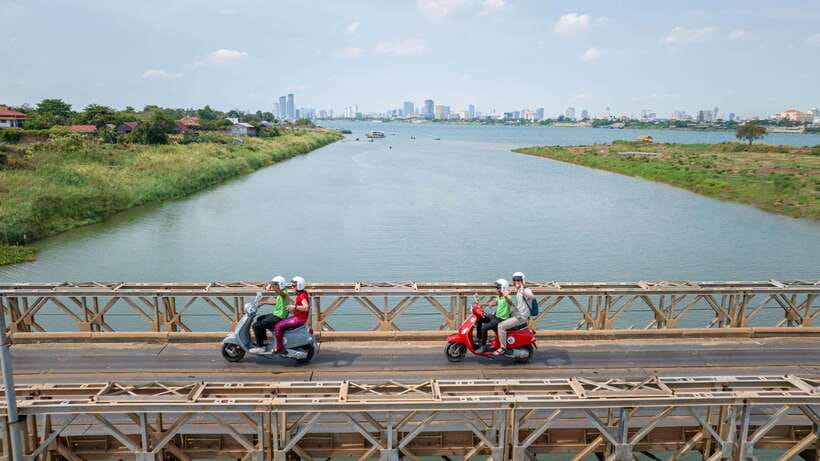
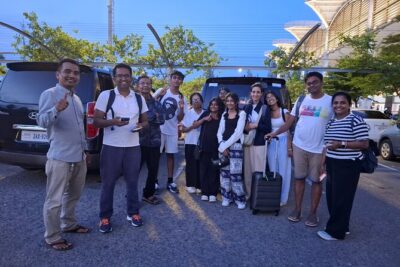
You start with pickup at your hotel lobby. You’ll want to be ready about 15 minutes before departure, since the schedule is built around reaching the ferry and stops on time.
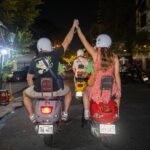
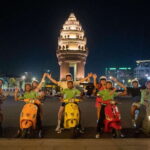
For transport, each person gets a Vespa with a driver. Helmets are provided, and the route is planned so you can slow down for photos and videos when the guide calls for it. Many riders specifically mention feeling safe on the motorbikes, especially with drivers like TinTin, Seang, Kim, and Sok in the mix.
If riding a Vespa isn’t your thing, the tour name includes a tuk-tuk option. If you’d rather not sit on a motorbike for the full route, ask about that alternative when you book. It can be the difference between a fun day and an uncomfortable one.
What to bring is simple: sunglasses and sunscreen. You’ll be in open light often enough that you’ll be glad you packed them.
Stop 1: Mongkol Serey Temple for quick context and great photo angles
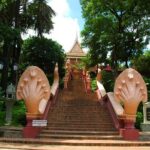
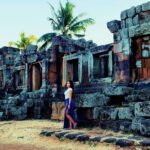
The first listed stop is Mongkol Serey Temple, with about 30 minutes for a photo stop, a visit, and a guided tour. This is a smart warm-up. Before you go rural, you get a local religious reference point that helps the rest of the day make sense.
A guided temple stop isn’t just about pretty buildings. Your guide helps connect what you’re seeing to Cambodian Buddhism—symbols, daily religious life, and how faith shows up in ordinary areas. The goal here is understanding, not rushing for a single snapshot.
The tempo is intentionally light. You’re not stuck at one place for hours, because the route is designed to get you moving toward market roads, ferry terminals, and countryside views.
Silk Island ferry terminal: the moment the day changes
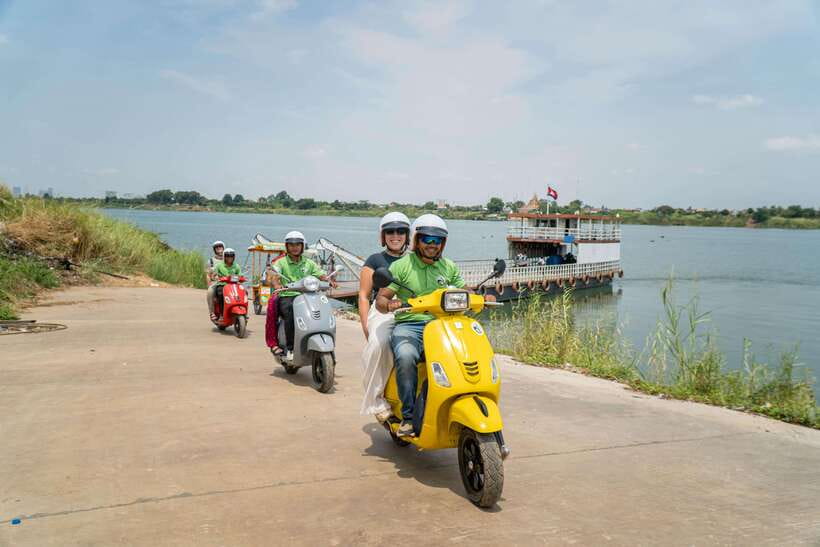
After the temple stop, you head to the Silk Island ferry terminal for another guided segment (about 30 minutes). This is one of those in-between stages that still adds value.
Ferry days in Cambodia have their own rhythm. You learn what to expect as the route shifts from city infrastructure to river crossing. You also get that first look at the wider water-and-farming angle that makes Silk Island feel like a different world, even though it’s close to Phnom Penh.
This part is also where your guide’s pacing helps. When the driver slows for photos or when you get time to orient yourself, you end up with memories that don’t look like a blur.
You can also read our reviews of more tours and experiences in Phnom Penh
Koh Oknha Tei Market: where daily life turns into something you can taste
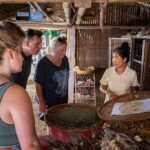
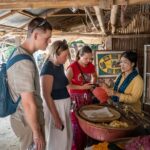
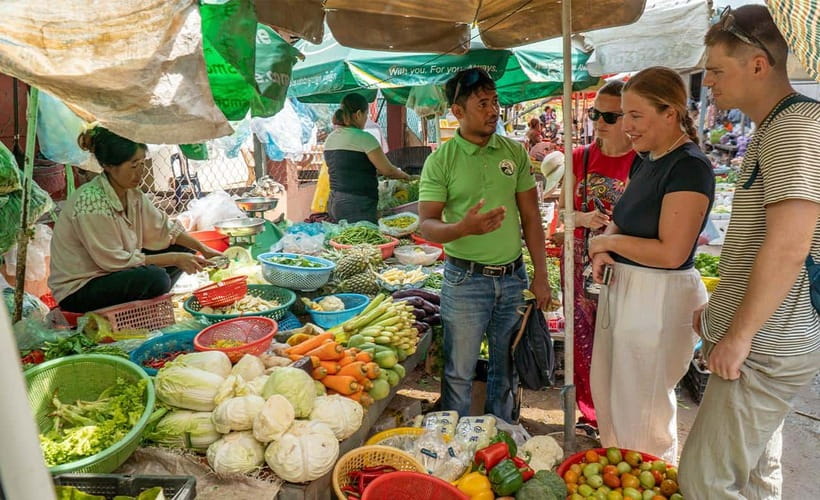
Next up is Koh Oknha Tei Market for about 1 hour, with a visit, guided tour, and shopping time. This is one of my favorite sections because it’s practical and human.
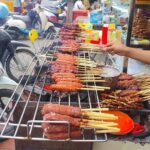
Markets are where you learn what people eat and what they buy, not just what they sell. Your guide can explain what you’re seeing and connect it back to daily routines. Many tours also include fruit tasting during the day, and some groups even stop for something like a fresh coconut drink.
Shopping here can be a fun add-on, especially if you’re looking for small food items or locally made souvenirs that feel connected to the day you just lived. If you’re not into shopping, you can still enjoy the market without making it a chore—watching how vendors work is part of the experience.
The only “watch out” is time. With only about an hour, you’ll want to walk with purpose and let your guide point out the interesting bits quickly.
Koh Oknha Tei Secondary School: seeing community life beyond crafts
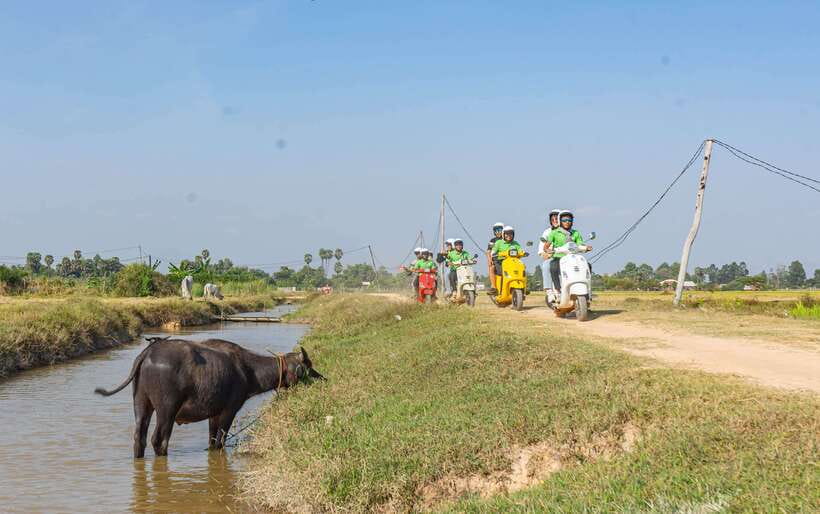
Then you visit Koh Oknha Tei Secondary School for around 30 minutes. This stop shifts your attention from production to people—how the community invests in learning, and how daily life looks when you’re not watching a show.
It’s not a long visit, but it gives your day more balance. You’re not only seeing what’s made (tofu skin, silk textiles). You’re also seeing where local futures are shaped.
A good guide keeps this respectful and informational. You’ll get a guided tour rather than a “look and leave” approach, which helps the stop feel meaningful instead of awkward.
Silk Island itself: the views, the weaving work, and the real rhythm
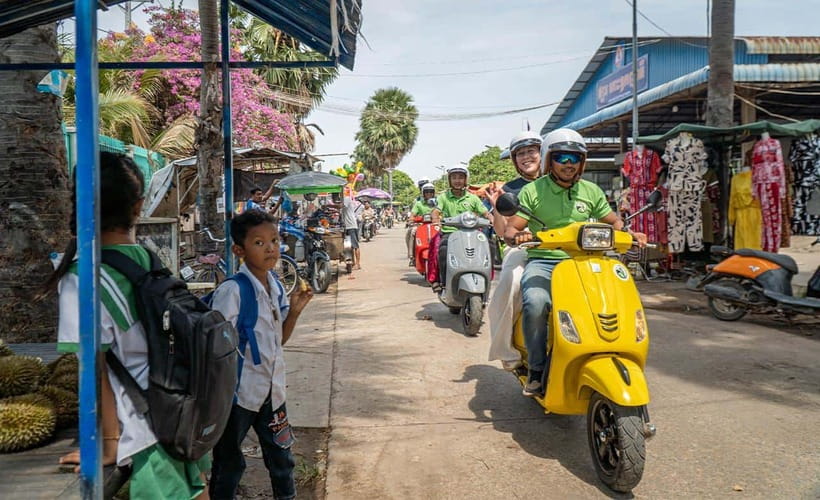
Once you arrive on Silk Island, you get about 1.5 hours for a photo stop, visit, and guided tour. This is the centerpiece.
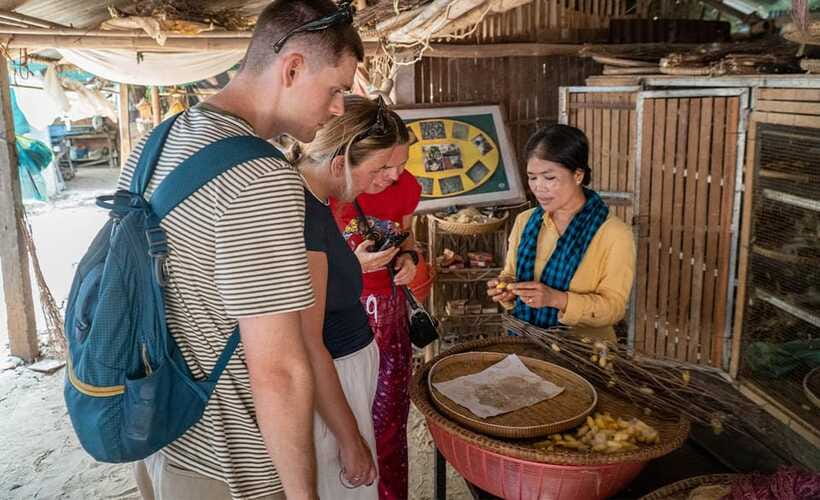
You’ll see countryside routes and working areas where the daily grind behind silk production becomes real. The highlight here is craft knowledge: your local hosts explain the history of silk weaving in Cambodia and how it’s been passed down from parent to child. On this tour, that’s tied to a multi-generation weaving studio, often described as stretching through seven generations.
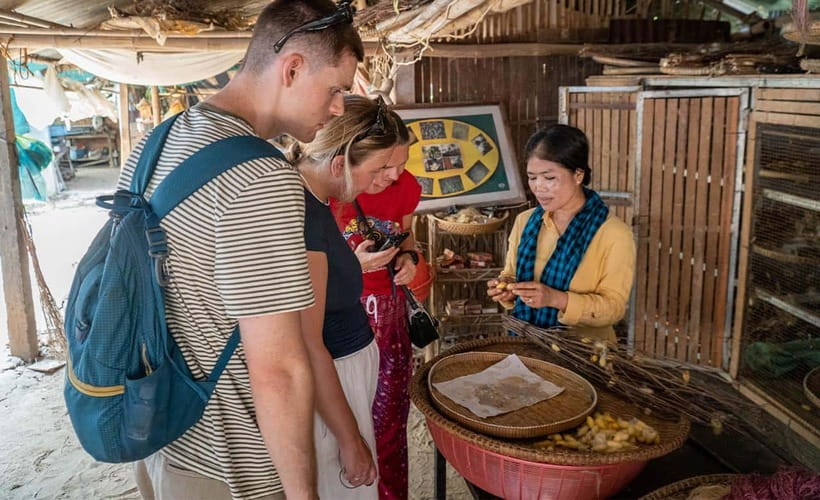
This is also where the day earns its value. A silk workshop is more than a product display. It’s a chance to understand how processing turns raw materials into thread and then into textiles. If you’ve ever wondered where the craft starts, this is the part that makes the chain feel visible.
One note: some people hope to see every element of the process in action, like spotting silk worms or moths. Exact sightings can vary by day and setup, so if that’s your priority, ask your guide what’s likely to be visible that morning.
Dried tofu skin and the craft stops you’ll remember
A big part of why people love this route is the craft contrast. You’re not stuck with one theme. You see tofu skin production and silk weaving on the same day, which makes the tour feel educational without turning into a lecture.
At the tofu skin workshop, you’ll understand how dried tofu skin becomes a product with local use. The process is hands-on and clear enough that you can picture it later when you see tofu products in Cambodia.
What makes these craft stops feel worth it is the tone: guests are guided through the work and then sent on their way without heavy pressure. You can focus on learning, asking questions, and taking photos at a pace that feels human.
If you’re the kind of person who likes food craftsmanship, this is the section to pay attention to. Watch what workers do, not just what finished items look like.
Akreiy Ksatr Village break: snacks, photos, and a calmer pause
Your last listed stop is Akreiy Ksatr Village, with about 1 hour for a break, photo stop, and local snacks. After temples, markets, and workshops, this is where the tour breathes.
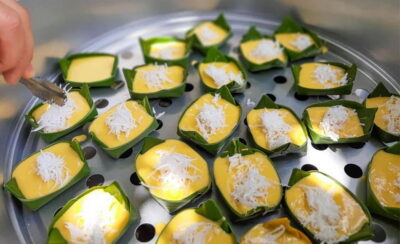
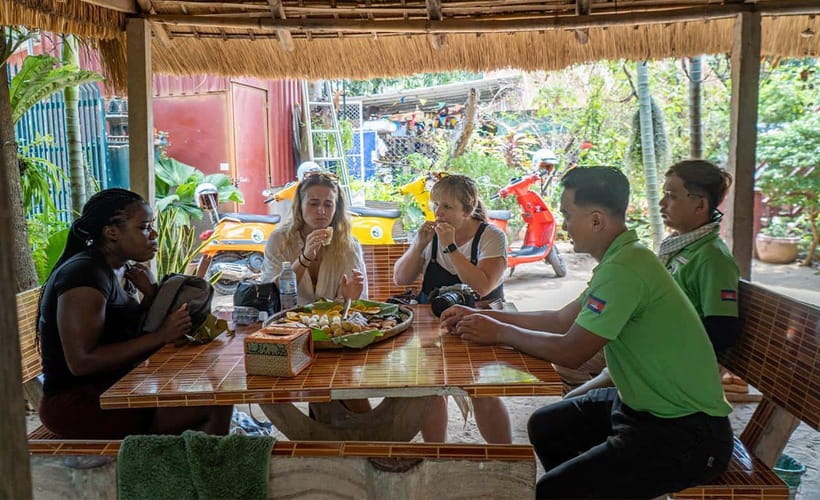
This part helps you reset. You can stand in a quieter spot and look out over the rural scene without the pressure of the next appointment. You’ll also get a chance to try something local in a relaxed way rather than rushing through another shop stop.
It’s a good time for practical stuff too: drink water, check your photos, and decide if you want a few extra pictures before returning to Phnom Penh.
Who this tour suits best (and who should think twice)
This is a great fit if you want rural Cambodia close to Phnom Penh, but you don’t want to figure out transport on your own. The Vespa route plus ferry crossings create a sense of adventure, and the guide keeps the day understandable with English explanations.
It also works well for first-timers who want more than “sightseeing.” You get market life, a school visit, temple context, and two craft traditions that connect to what people actually do every day.
The main mismatch is physical comfort. It’s not suitable for people with back problems. Also, if you’re sensitive to sun or long periods on a motorbike seat, you’ll want to consider an alternative like the tuk-tuk option (if available).
Logistics tips that help you enjoy the day more
Pick the morning slot if you can. One reason people like the earlier departures is that the air can feel fresher at the start, and the ride is more pleasant before heat ramps up.
Wear your sunscreen before you leave the hotel lobby. With temple stops and village roads, you’ll be in light a lot.
Keep your camera and phone charged. The “photo stop” moments are short, but the views from the river route and the countryside roads can be stunning in a simple, everyday way. Your best shots will come when the driver slows for you.
Finally, be ready to talk. Guides like Kim, Tintin, and Sok are known for guiding conversations about Buddhism, farming, and how the island craft works. If you ask one good question per stop, the day feels personal fast.
Should you book? My take
Book this tour if you want one morning that changes your view of Cambodia. The price works because it includes the heavy-lift parts: hotel pickup, transport, ferry time, an English guide, and access to community craft and daily-life stops.
Skip it if motorbike seating doesn’t work for your body, because the tour centers on the Vespa ride. And if you hate sun exposure, plan carefully with sunglasses and sunscreen, or ask about the tuk-tuk alternative.
If you’re looking for a day that feels both practical and meaningful—market smells, temple meaning, and craft processes you can actually explain later—this is a strong choice from Phnom Penh.
FAQ
How long is the Phnom Penh Silk Island tour?
The tour runs for about 4 to 5 hours.
Where do I get picked up?
Pickup is from your hotel lobby in Phnom Penh. You should be ready about 15 minutes before departure.
What’s included in the $29 per person price?
The price includes hotel pickup and drop-off, an English-speaking tour guide, Vespa and an experience driver, ferry trips, village donation, and water and snack.
Is the tour guided in English?
Yes, the tour guide speaks English.
Can I pay later or cancel?
You can reserve now and pay later, and you can cancel up to 24 hours in advance for a full refund.
What should I bring?
Bring sunglasses and sunscreen.
Is the tour suitable if I have back problems?
No, it is not suitable for people with back problems.