REVIEW · BATTAMBANG
Full Day-Tour: Handicraft, Bamboo train, Killing cave. Bat cave
Book on Viator →Operated by Battambang Tour: Mr Lychee · Bookable on Viator
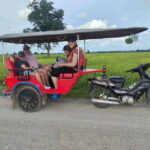
Battambang can feel like a movie, if you move beyond the main roads—this full-day route stitches together villages, temples, and countryside in one long loop. I like the private tuk-tuk format because you’re not stuck waiting for a big-group shuffle, and the day has a natural pace. I also really value the English-speaking local guide angle: you get practical context for what you’re seeing, plus calm explanations that don’t feel rushed. The main drawback to plan for is time and heat: expect about 10 to 12 hours outside and between stops, so you’ll want water and a flexible mood.
For $18, you’re buying transportation, a guide, and access to several sites that would cost more if you pieced them together alone. You’ll also finish with the Bat Caves at dusk, which turns the whole day into a satisfying payoff. Still, one important cost note: the bamboo train ride is extra (shown as $5 per person), so don’t count it inside the base price.
In This Review
- Key Things I’d Pencil In for This Battambang Day
- Why This Battambang Full-Day Tour Feels Different From the Usual Checklist
- Price and Logistics: What You Actually Get for $18
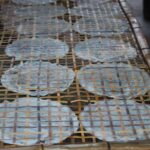
- Stop 1: Rice Paper, Sticky Rice, Dried Banana, Rice Wine, and Fish Paste Work
- Stop 2: Wat Samrong Knong and the Well of Shadows (Khmer Rouge Memory)
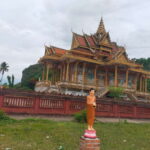
- Stop 3: Wat Ek Phnom on the North Side
- Stop 4: Battambang Town Stops—Colonial Structures and Ta Dambong Kro Aung
- Stop 5: Kampong Pil Pagoda, Sangke River Suspension Bridges, and Village Time
- Stop 6: Osrolao Bamboo Train Ride—Worth the Extra $5
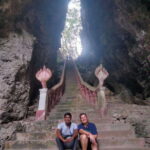
- Stop 7: Phnom Sampeau Killing Caves—History Set Into a Mountain
- Stop 8: Battambang Bat Caves at Dusk and the Timed Flight Moment
- What This Day Teaches You About Battambang (Beyond the Stops)
- Who Should Book This Tour (and Who Might Not)
- Should You Book This Battambang Tuk-Tuk Day Tour?
- FAQ
- Is the bamboo train included in the $18 price?
- How long is the full-day tour in Battambang?
- Do I get hotel pickup and drop-off?
- Is this tour private?
- Are entrance fees included for all stops?
- Does the tour include food or snacks?
- What should I bring for the market stop with fish paste foods?
- What time does the bat cave activity happen?
Key Things I’d Pencil In for This Battambang Day
- A private route through north-side Battambang sights, with hotel pickup and drop-off
- Village product time focused on rice paper and local foods made by hand
- Wat Samrong Knong’s Well of Shadows connection to Khmer Rouge memory
- Wat Ek Phnom and other pagodas that anchor the day with views and temple calm
- Osrolao bamboo train ride before service ends (or at least before closure plans take effect)
- Bat Caves at dusk for the big, timed wildlife moment
Why This Battambang Full-Day Tour Feels Different From the Usual Checklist
What I like about this kind of Battambang day is that it doesn’t treat the countryside like a backdrop. You get guided stops where everyday skills matter—rice paper, sticky rice methods, fish paste handling, and village life along the Sangke River area. That turns the day from sightseeing into understanding.
The guide and transportation also make a real difference here. You’re covering temple sites plus rural areas, and the private tuk-tuk keeps things efficient without making you feel like you’re being herded. I also appreciate that the day includes cold water and optional local snacks, because Battambang heat can sneak up fast when you’re outside for hours.
The only “watch-out” is how long the day is. This is not a quick hit. It’s a full 10 to 12 hour chunk that asks for a proper breakfast, sunscreen, and patience when traffic or stop timing stretches things slightly.
You can also read our reviews of more tours and experiences in Battambang

Price and Logistics: What You Actually Get for $18
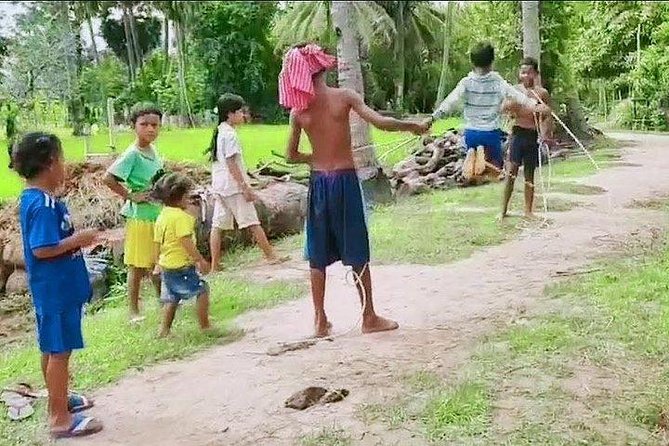
At $18, this tour is built around value through two things: the private transportation and the site admissions that are included across multiple stops. You get pickup and drop-off, a friendly English-speaking guide, and private transport for your group only. That alone can be expensive if you hire a tuk-tuk for a day and then add admissions one by one.
Here’s what’s included that’s easy to overlook:
- Cool bottled water during the ride
- Local snack tasting is offered as an option
- Several admissions are listed as included depending on the stop
- Killing Caves of Phnom Sampeau and Battambang Bat Caves are included
What’s not included:
- Tips
- Personal expenses
- Bamboo train ride at $5.00 per person
So my advice is simple: if bamboo train is a priority, budget that $5 per person from the start. If it’s a “nice-to-have,” you can still enjoy the rest of the day just fine, especially the villages and the bat flight at dusk.
Stop 1: Rice Paper, Sticky Rice, Dried Banana, Rice Wine, and Fish Paste Work
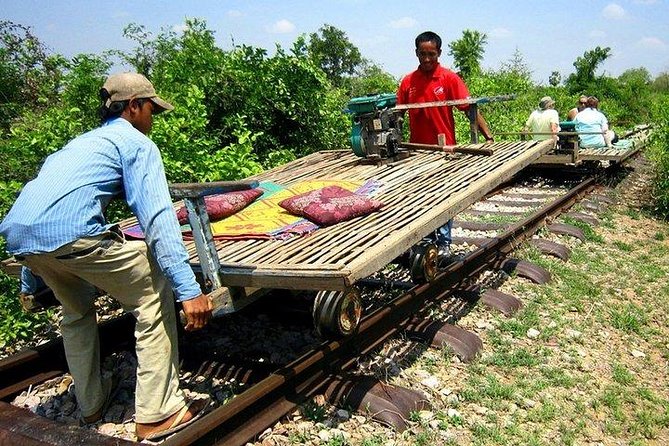
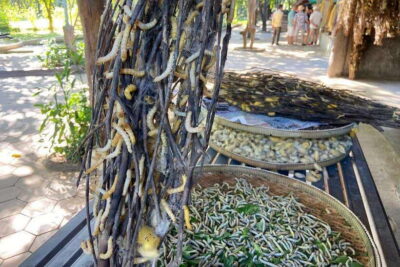
This first stretch sets the tone: you’re not just looking at products, you’re seeing how they’re made and traded. The plan takes you through villages where locals produce items like rice paper, sticky rice, bamboo-related products, and fish paste. The time here is about learning how food and craft move from hands to market.
What I’d do to make this stop more comfortable is show up ready to get up close. You may encounter stronger smells because the fish paste and related market foods can be intense. If you’re sensitive, bring a spare peg for your nose, which has been a lifesaver for people at the fish cheese style market area mentioned on this route.
The timing matters too. This stop runs about 3 hours, so you’ll likely see multiple stages and have a chance to ask questions without feeling like it’s a 10-minute photo stop. Expect more of a workshop-and-market rhythm than a formal museum vibe.
Also notice the north-side “last sight” flavor—dried banana and rice wine are part of the set. If you’re curious about what local snacks taste like beyond bottled souvenirs, this is a good place to sample in context.
Stop 2: Wat Samrong Knong and the Well of Shadows (Khmer Rouge Memory)
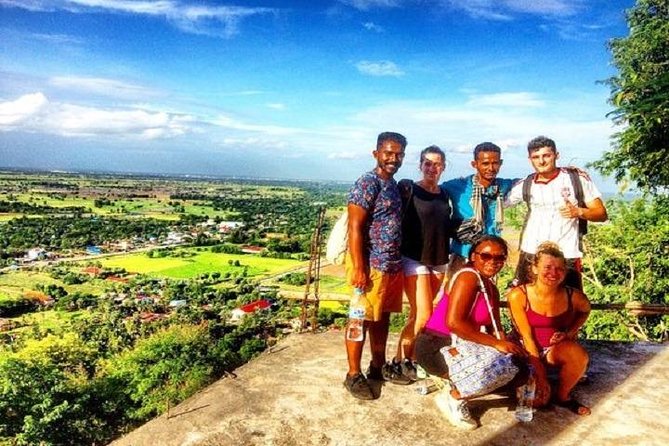
Next you reach Wat Samrong Knong, a pagoda stop that adds a serious historical layer. This part of the day is only about 40 minutes, but it carries weight.
The standout feature here is the Well of Shadows at Wat Samrong Knong. It’s described as a monument to honor people killed during the Khmer Rouge period. Because it’s a memorial setting, I suggest treating it with a quieter mindset than you would for a typical viewpoint. Bring respect, and if you’re the type who likes context, ask your guide what to focus on so you understand the story behind what you see.
Admission here is listed as free for this stop, so it’s a good value moment in the schedule. You’ll also get a break in pace after the longer village workshop block, which helps if you’re conserving energy for later caves and the bat flight.
Stop 3: Wat Ek Phnom on the North Side
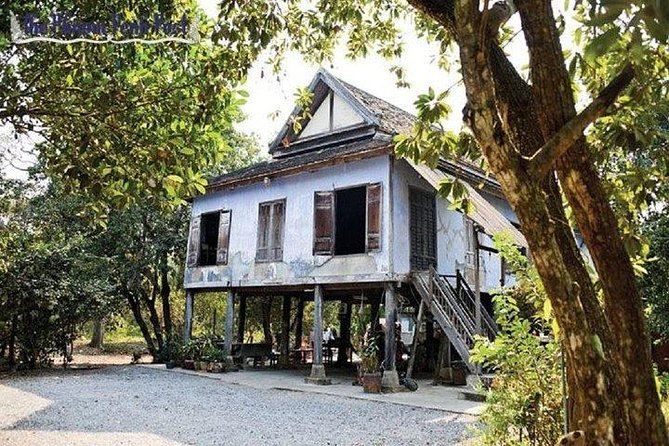
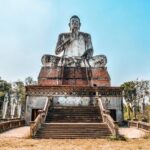
After Wat Samrong Knong, you head to Wat Ek Phnom, positioned as the final landmark on the north side route. This stop runs about 1 hour, and it’s included with admission.
I like this moment because it’s a different tempo. Instead of markets and hands-on making, you get temple viewing and guide-led explanation in a more open, scenic setting. It also works well as a “reset” before you swing back toward town sights and then out again toward the river villages.
If you’re the type who likes temple details, this is the slot where you can slow down for photos without feeling behind. If you’re less into temples, aim to absorb the guide’s explanation of why Wat Ek Phnom matters locally, and then enjoy the calm views from the site.


Stop 4: Battambang Town Stops—Colonial Structures and Ta Dambong Kro Aung
Back in the city, the tour turns to built heritage. You spend about 1 hour with a look at colonial structures tied to the Battambang provincial hall, and then you visit Ta Dambong Kro Aung statue.
This is the stop that gives you “Battambang as a city” context rather than just “Battambang as countryside.” I find this type of pairing useful because it helps you understand why these villages and craft traditions grew where they did. Even if you’re not a history person, it’s the kind of information that makes the rest of the day make more sense.
Admission here is listed as free, which is a nice bonus. It’s also short enough that you won’t lose the thread of the day’s bigger themes.
Stop 5: Kampong Pil Pagoda, Sangke River Suspension Bridges, and Village Time
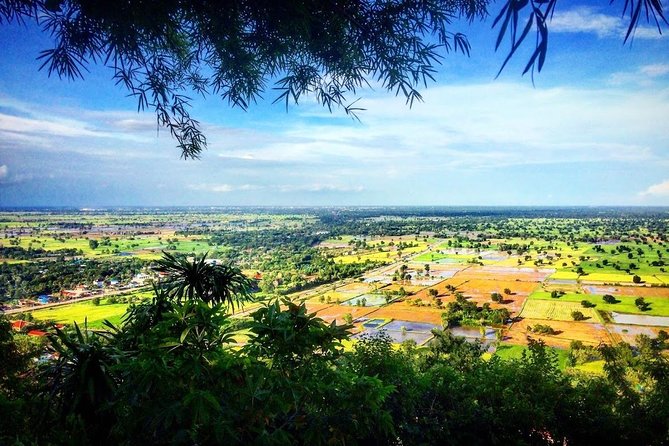
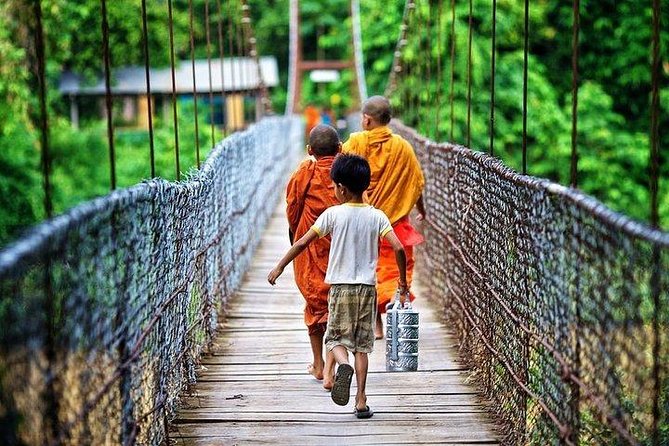
This stop is more of an experience than a single landmark. You head into village terrain near Kampong Pil Pagoda, and the route includes suspension bridges on the Sangke River plus time to talk with farmers.
The value here is “human scale.” You get a chance to spend time with locals and learn about their daily rhythms. Then you visit pagodas and learn about the religion practiced there. It’s not just a walk-by; it’s structured enough that you can ask questions and get real answers.
Admission is listed as free at this stop, and the timing is about 1 hour. That makes it a good contrast to the heavier Khmer Rouge memorial moment earlier in the day. If you want some balance—history plus daily life—this is one of your better choices.
Stop 6: Osrolao Bamboo Train Ride—Worth the Extra $5
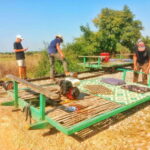
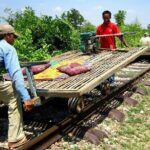
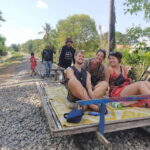
Now comes the fun part. The tour includes a ride on the original bamboo train in Osrolao village, described as a location about 7 km from the riders. This stop runs about 1 hour 30 minutes, and the bamboo train ride itself costs $5.00 per person, not included in the base $18.
The practical note I’d repeat: plan for the extra cost. It’s easy to assume it’s wrapped into the tour price, but the ride is explicitly listed as separate.
There’s also a time-sensitive angle. The route notes that the government plans to close it soon. That doesn’t mean you should stress about it, but it does make this stop feel more like a “catch it while it’s still happening” experience. If you’re in Battambang now, this is one of the easiest ways to connect with a living tradition rather than a staged demonstration.
Since the scenic ride is part of the point, I suggest you treat this as a slow, sensory break. Watch the countryside as you move and let the novelty do its job.
Stop 7: Phnom Sampeau Killing Caves—History Set Into a Mountain
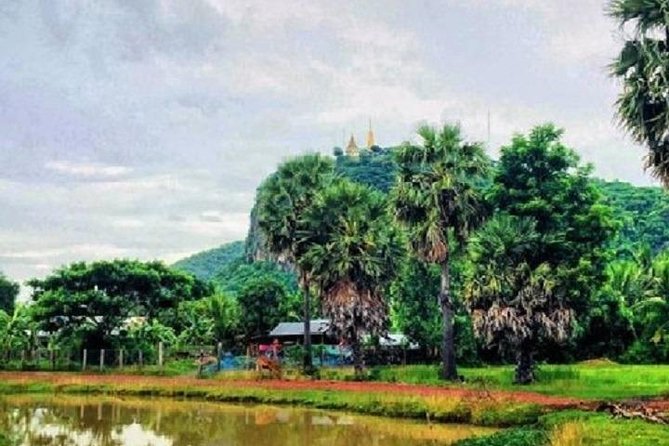
In the afternoon, you go to Phnom Sampeau, with time in small villages, orchards, and vegetable farms before heading up to the mountain area. The tour description includes passing through rice fields, then finishing with shrines and the Killing Caves used during the Khmer Rouge period.
This is a heavy stop, and it’s also one that benefits from your guide’s framing. The cave sites are part of the memorial geography of Phnom Sampeau, and the day’s earlier temple and memorial stop primes you to understand what you’re seeing. Keep your expectations grounded: it’s not “spooky for fun.” It’s a place of remembrance.
Time-wise, it’s about 2 hours here, and admission is listed as included. I’d plan to go slowly, keep water nearby, and let the explanations land. If you’re tired from the morning, this can still work because the tour includes village scenery between, which makes the shift less sudden.
Stop 8: Battambang Bat Caves at Dusk and the Timed Flight Moment
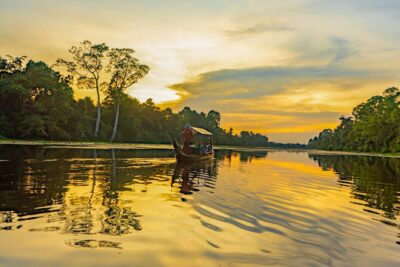
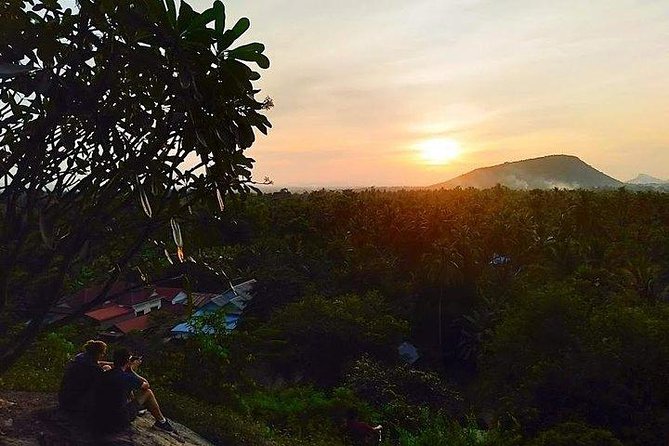
The final act is Battambang Bat Caves, scheduled to end before sunset. The tour frames it as a scenic finish, where thousands of bats fly out of their caves at dusk. The stop runs about 1 hour 30 minutes, with admission listed as included.
If you’re trying to choose one “main event” for this day, the bat flight is the one people remember. It’s timed to the natural rhythm of dusk, which makes it feel earned after a full day of temples, caves, and countryside.
My practical advice: treat dusk timing seriously. Arrive with your attention focused rather than trying to squeeze in extra photos at the last second. You’ll get better viewing if you’re calm and ready when the flight begins.
Also, because this is at the end of a long day, you’ll appreciate that it doesn’t require heavy planning beyond showing up and being ready for the moment.
What This Day Teaches You About Battambang (Beyond the Stops)
What I like about this route is the way it links craft, belief, and history. Rice paper and fish paste work shows you the village economy and daily skills. Pagodas and temples give you the spiritual map of the area. Then the Killing Caves connect those places to a modern historical reality that shaped how Cambodians remember the past.
And the bamboo train plus bat caves add something more human and playful: local tradition and natural spectacle. That contrast matters. Without it, a day could become only temples and monuments. With it, the day feels rounded, even when the Khmer Rouge sites are emotionally heavy.
Who Should Book This Tour (and Who Might Not)
This tour is a strong fit if you:
- Want one day that covers countryside, workshops, temples, and wildlife
- Prefer a private group experience with pickup and drop-off
- Like your history explained by a local guide who can keep it clear
- Are excited by the original bamboo train and the bat flight at dusk
You might think twice if you:
- Hate long days (this is about 10 to 12 hours)
- Get overwhelmed by strong food smells at market stops like the fish paste area
- Want a lighter itinerary with no Khmer Rouge memorial sites
For most people, the balance is fair: the day mixes serene pagoda moments, hands-on village learning, and the emotional weight of Phnom Sampeau.
Should You Book This Battambang Tuk-Tuk Day Tour?
I’d book it if you want real variety in one day, with a guide who can connect the dots. The price makes sense because you’re paying for private transport plus multiple admissions, and you still get standout experiences like the bamboo train ride and the bat flight.
If you do book, do two things: budget the extra $5 for the bamboo train ride, and plan to handle a long day with hydration and comfort. If you’re sensitive to market smells, bring that simple nose peg idea.
This is the kind of tour that doesn’t just show you Battambang. It helps you understand how the countryside and city feed each other.
FAQ
Is the bamboo train included in the $18 price?
No. The bamboo train ride is listed as $5.00 per person and is not included in the base price.
How long is the full-day tour in Battambang?
The duration is listed as approximately 10 to 12 hours.
Do I get hotel pickup and drop-off?
Yes. Pick-up & Drop-off hotel is included.
Is this tour private?
Yes. It’s described as private, meaning it’s for your group only.
Are entrance fees included for all stops?
Not all stops. The rice paper workshop, Wat Ek Phnom, Killing Caves of Phnom Sampeau, and Battambang Bat Caves are listed as ticket included, while Wat Samrong Knong, parts of Battambang city stops, and Kampong Pil Pagoda are listed as free.
Does the tour include food or snacks?
You get a chance to taste local snacks (listed as an option), and you’ll have an authentic Cambodian lunch as part of the experience.
What should I bring for the market stop with fish paste foods?
If you’re sensitive to smells, consider bringing something like a nose peg, since fish paste market areas can be strong.
What time does the bat cave activity happen?
It’s planned to end before sunset, with thousands of bats flying out at dusk.