REVIEW · SIEM REAP
Siem Reap: Angkor Wat Sunrise and Full-Day Sightseeing Tour
Book on GetYourGuide →Operated by Angkor Wat Share Tours · Bookable on GetYourGuide
Angkor Wat at sunrise changes the whole day. This full-day tour pairs first-light views with guided temple storytelling, and I really love the combination of early access and air-conditioned transport. My favorite part is how guides like Sok, Sayon, Sam Vone, and John use the carvings and layout to explain what you’re looking at. One heads-up: the day starts brutally early, and the heat comes fast after sunrise.
The pace is built for efficiency—no wandering lost roads in the dark—and you still get time at each site to look closely. The main trade-off is that you’re covering a lot in one day, so comfortable shoes matter, and you’ll still need to budget for the Angkor Pass since it’s not included.
In This Review
- Key Highlights You’ll Notice Right Away
- Sunrise at Angkor Wat: what the early alarm really buys you
- Getting picked up at 4:30 am and staying comfortable all day
- Angkor Wat at first light: how the guide turns views into meaning
- Ta Prohm: the Tomb Raider vibe, with real explanations
- Ta Keo’s climb and why it feels different
- Angkor Thom and Bayon: those smiling faces up close
- South Gate City: the causeway stone figures that anchor the route
- Price and temple fees: is $14 good value, really?
- Heat, rules, and what to pack (so the day doesn’t beat you)
- Who should book this Angkor Wat sunrise and full-day tour
- Should you book this tour?
- FAQ
- What time is hotel pickup?
- How long is the tour?
- What’s included in the price besides the guide?
- Do I need to buy the Angkor Pass?
- Is breakfast included?
- Is the tour wheelchair-friendly?
- What should I wear and bring?
- How does free cancellation work?
Key Highlights You’ll Notice Right Away
- Sunrise timing that helps you catch Angkor Wat before the biggest crowds shift in.
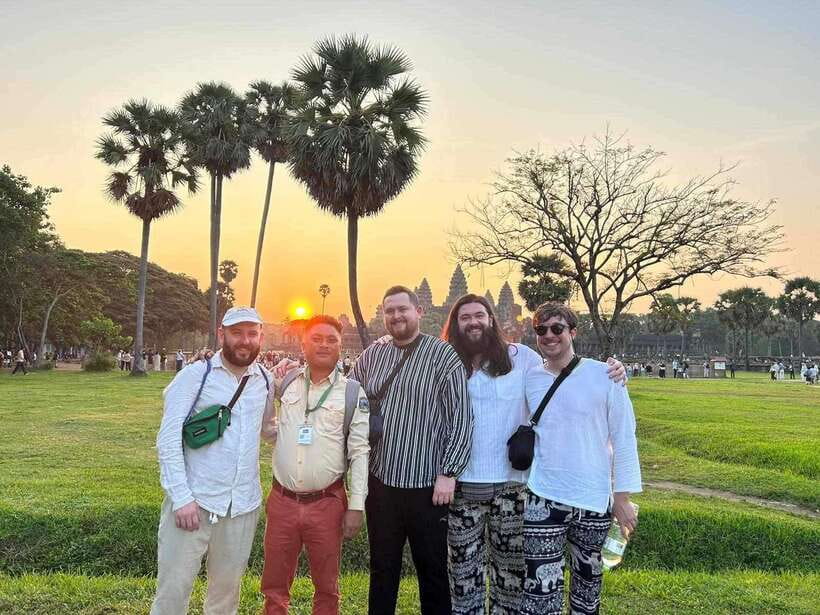
- Guides who point out details, including bas-reliefs and where to stand for photos (Sok, Sayon, Sam Vone, and John come up often).
- Air-conditioned rides plus cold water and wet towels between temple stops.
- A temple mix with variety: Ta Prohm’s roots, Ta Keo’s climb, Bayon’s faces, and the South Gate causeway.
- A practical day plan with a breakfast break and structured stops instead of improvising.
Sunrise at Angkor Wat: what the early alarm really buys you
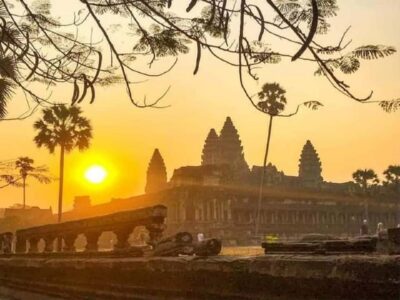
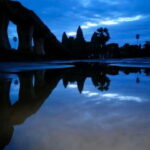
You start in the pre-dawn dark, usually with pickup between 4:00 and 4:20 am (with a common target of around 4:30 am). The goal isn’t just romance. It’s light, temperature, and crowd control—three things that matter a lot at Angkor.
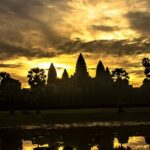
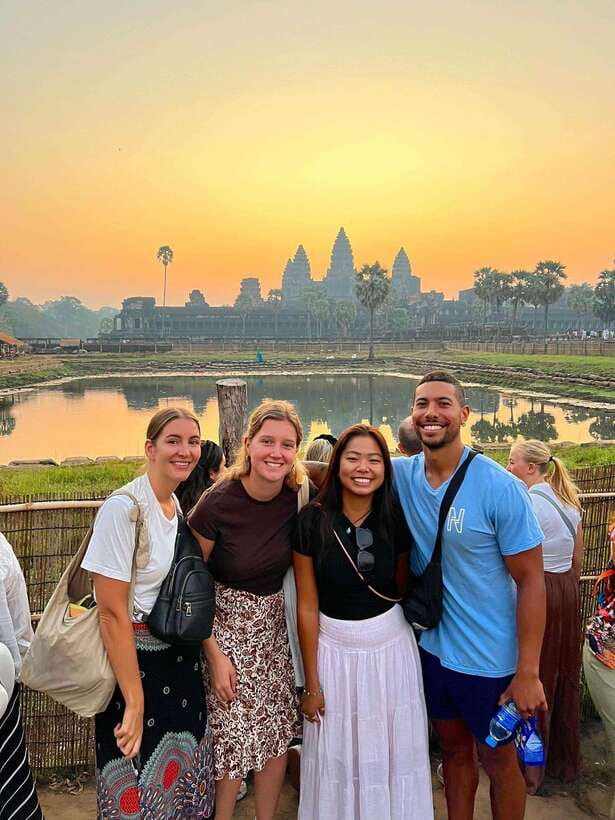
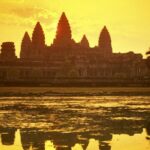
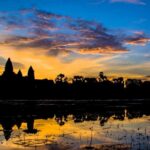
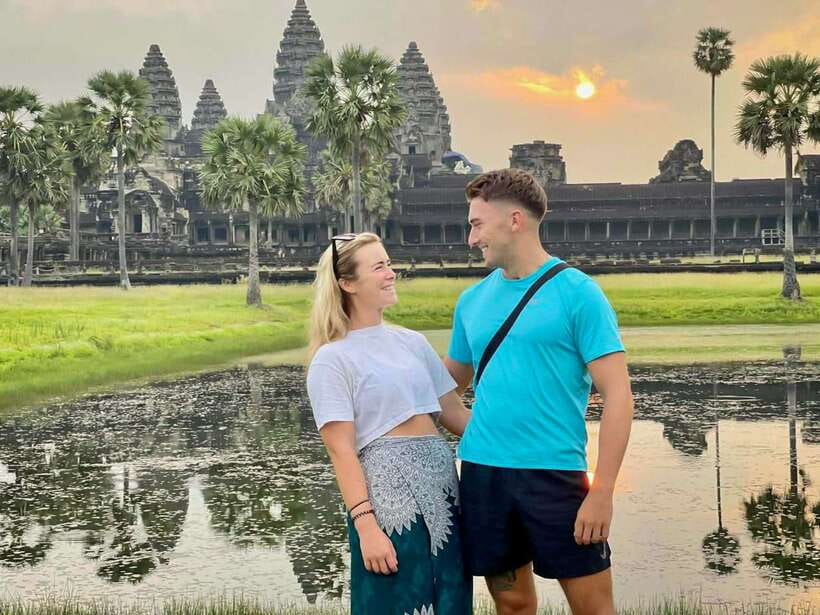
When you arrive at Angkor Wat, you’re there for the moment the sky shifts and the temple silhouette glows. That “wow” feeling is easy to understand. What’s harder to plan for on your own is how to see it. The sunrise tour helps because you’re guided to the right viewpoints and you’re not trying to figure out entrances and sightlines while everyone else is moving in.
I also like the way the guides set expectations early. A good guide doesn’t just say “look up.” They connect what you’re seeing—temple shape, corridors, and carvings—to the Khmer Empire story, so the morning feels like more than a photo stop.
Possible drawback: if you’re sensitive to early starts or you simply hate mornings, you’ll feel it. This isn’t a late breakfast tour.
You can also read our reviews of more tours and experiences in Siem Reap

Getting picked up at 4:30 am and staying comfortable all day
This is one of the tours where logistics really do matter. You’re picked up from Krong Siem Reap (from your accommodation area), then you ride in an air-conditioned van or bus. There are defined travel legs (one around 45 minutes and another about 1 hour later), which keeps the day predictable.
You’ll get cold water and a wet towel during the day. That sounds small until you’re walking in sun and humidity with temple steps underfoot. In the heat, the “small stuff” becomes the difference between a fun day and a miserable one.
Comfort note: you should bring sports shoes. Temple grounds mean uneven stone, stairs, and lots of walking. This tour isn’t built for slow rolling or sitting down every ten minutes.
Angkor Wat at first light: how the guide turns views into meaning
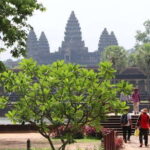
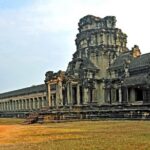
Angkor Wat is the anchor stop, and the plan is built around proper timing plus guided viewing. After the sunrise viewing, you get a guided tour inside Angkor Wat, covering the corridors, central chambers, and upper terraces.
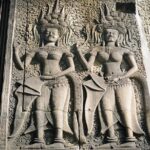
Here’s what makes a guided visit worth it: Angkor Wat can look like “big stones” until someone gives you a framework. When a guide points out the bas-relief carvings and explains their meaning, the temple stops being a monument and starts becoming a message—about power, religion, and the world-view of the Khmer Empire.
I also like that the guides tend to focus on how the temple is laid out. You’re not just looking at pretty walls; you’re learning why they’re arranged the way they are, and how people would have moved through the space.
Drawback to consider: Angkor Wat sunrise days are long. Even with a smooth schedule, you’re still going to walk and climb. If you’re expecting a relaxed stroll, this may feel like a workout.
Ta Prohm: the Tomb Raider vibe, with real explanations
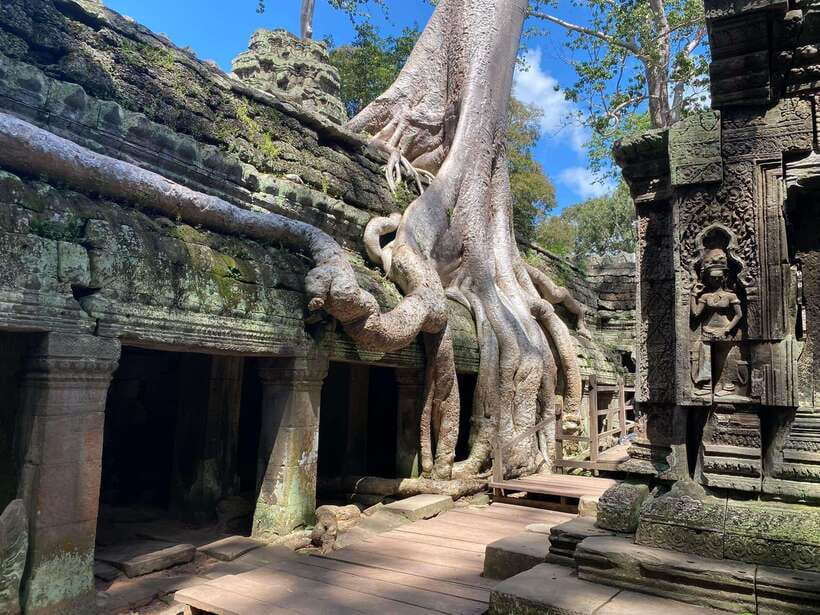
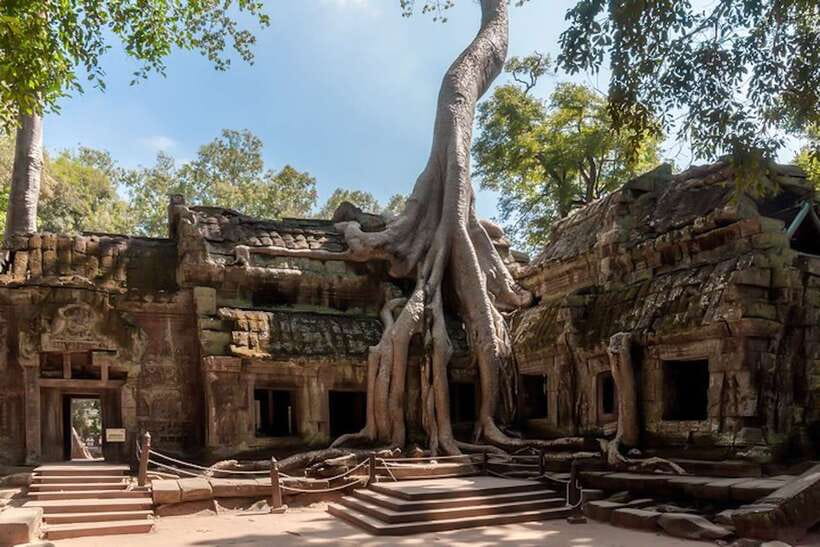
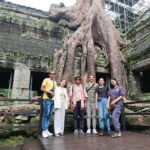
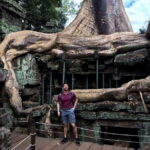
Next comes Ta Prohm, the temple famous for tree roots and dramatic stone faces. The movie connection is real, but the better part is what your guide does with it.
This stop is about more than scenery. You typically get about an hour of guided time, which is enough to see how the temple’s layout works while roots and vines frame the stonework. A strong guide also helps you notice the details that are easy to miss when you’re just chasing the perfect photo angle.
One practical upside: Ta Prohm can be chaotic, especially if you enter with a crowd that’s funneling in from another direction. This tour is designed to help you avoid that big, messy crush and move more comfortably from stop to stop.
Ta Keo’s climb and why it feels different
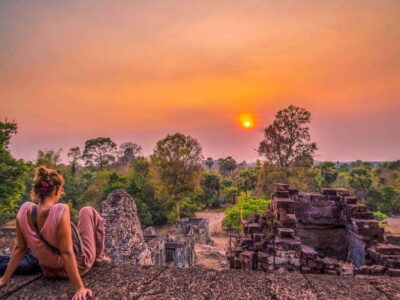
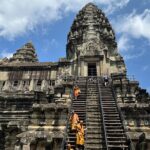
Ta Keo is a 10th-century temple with that pyramid-like “mountain temple” structure. It’s built during the reign of King Jayavaram V, and the feel is different from the more famous, heavily photographed sites.
This is where you start to notice the shift from wow-from-above to wow-from-perspective. You’re dealing with steep levels and a temple silhouette that rewards effort. If you’ve had enough of flat, wide ground walking, this is the kind of stop that gives you a clear “step-by-step” destination.
One thing I appreciate: when the guide’s explanations match the structure, the temple stops feeling random. You understand why the design pulls your eyes upward and how that verticality fits the temple’s spiritual and symbolic role.
You can also read our reviews of more tours and experiences in Siem Reap
Angkor Thom and Bayon: those smiling faces up close
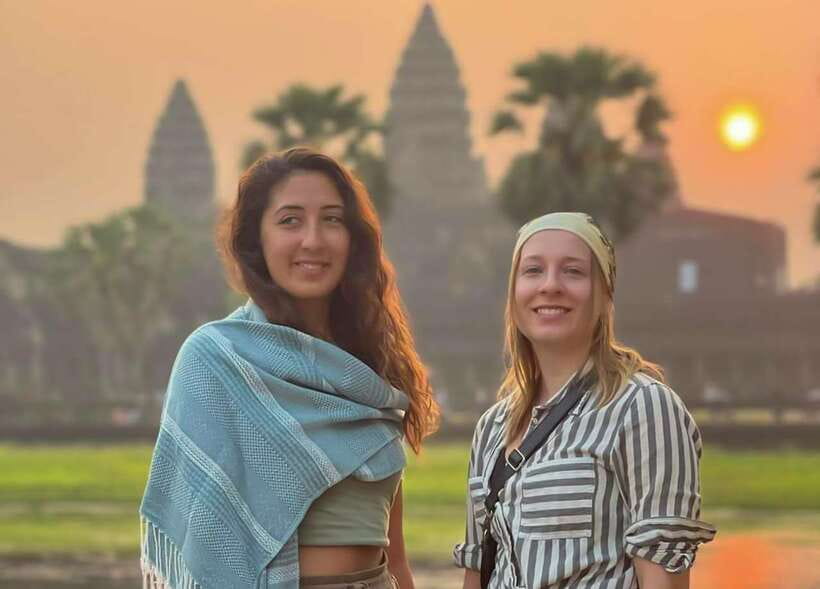
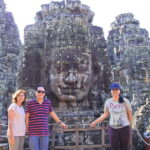
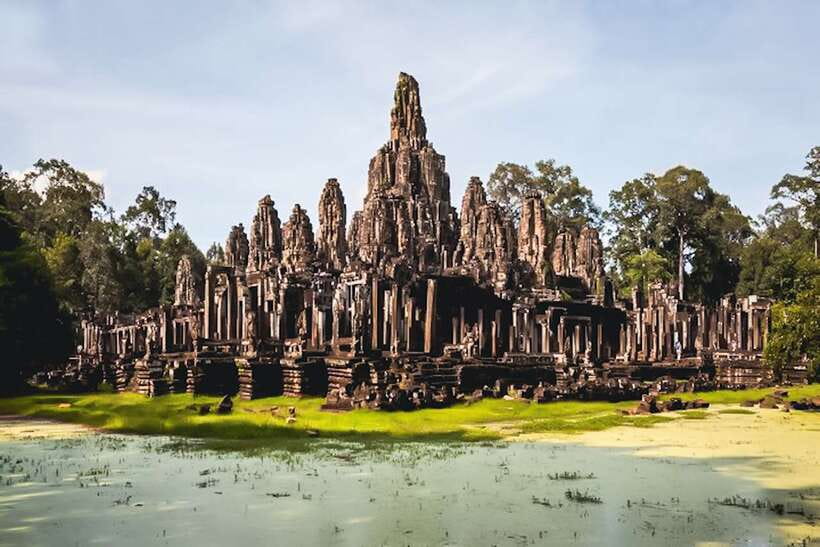
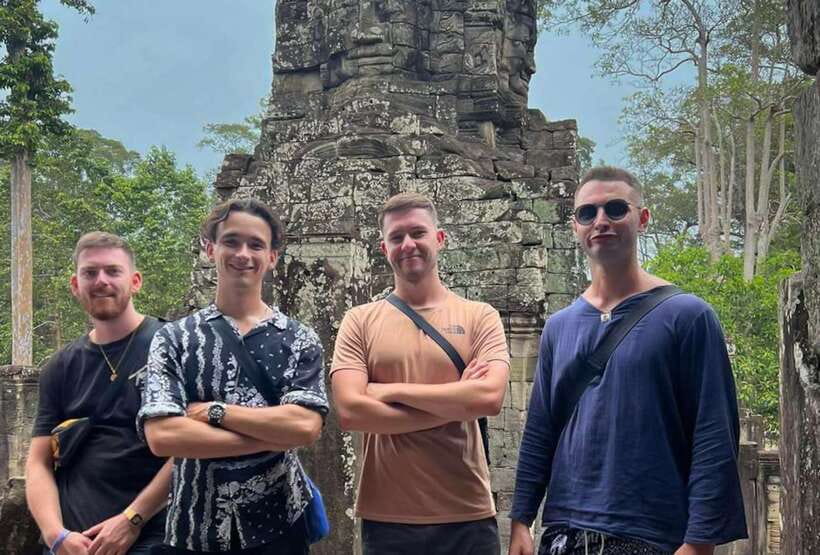
Then you move into Angkor Thom city, including Bayon Temple. Bayon is the one where you keep spotting faces—every direction, every tower. The effect is both slightly eerie and oddly calming, like you’re being watched by a whole crowd of stone guardians.
You typically get around two hours at Bayon. That extra time matters. Bayon is visual repetition, but it’s not just repetition. With a guide, you’ll start noticing patterns in how the faces are positioned and how different areas of the temple feel like separate viewpoints.
This is also a good moment to slow down your pace a bit mentally. The earlier stops can feel like “see everything.” Bayon is where you let your eyes adjust and start comparing what you’re seeing across towers.
South Gate City: the causeway stone figures that anchor the route
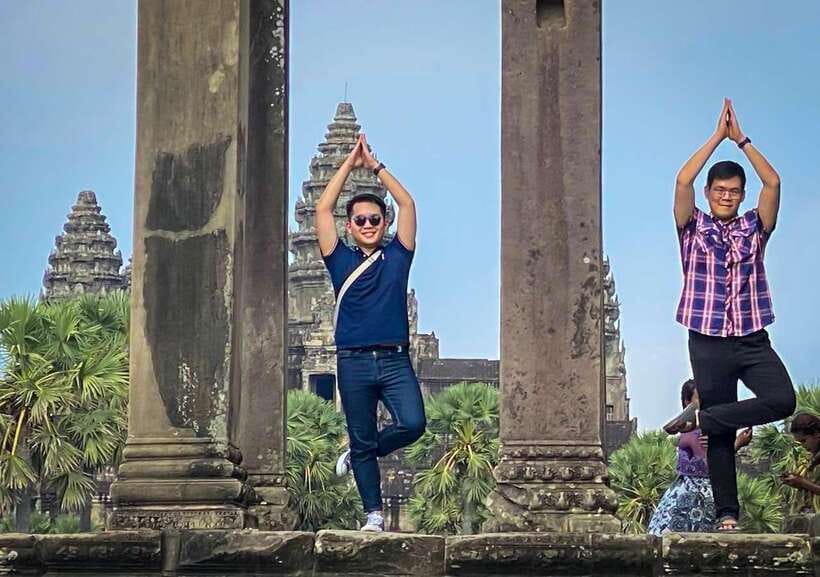
The last major stop is South Gate City—about 45 minutes guided time. This is one of those areas where the architecture and the stone figures work like navigation. The causeway and the entry figures help you understand how Angkor Thom is organized like a city, not just a temple cluster.
I like finishing here because it ties the day together. You’ve been moving through major religious and ceremonial points, and the South Gate gives you a “city scale” feeling. It helps your brain map the sites into a bigger picture.
Then you return to Siem Reap for drop-off.
Price and temple fees: is $14 good value, really?
The headline price is $14 per person, for 8–10 hours with pickup, an air-conditioned vehicle, a professional English guide, and guided visits to five temple areas.
But here’s the part you should plan for: the tour does not include the temple entrances. The Angkor Pass is listed as $37 per day, and you’ll buy that separately (official counter or pre-book online). That means your “all-in” cost is closer to $51+ per person once you add the pass, depending on your exact ticket situation.
So is it still good value? In my view, yes—if you care about understanding what you’re seeing. Paying for the pass buys entry. Paying for the guide buys context, pacing, and help focusing your photos and viewpoints. And the included cold water and wet towel are not a gimmick. That comfort is worth money in this heat.
If you’re the type who wants to self-explore with no guide, you could do it cheaper. But if you want first-light Angkor Wat to actually make sense, the guided format is the reason this tour holds up.
Heat, rules, and what to pack (so the day doesn’t beat you)
This tour is very clear on what to bring and what to avoid. You’ll want:
- Camera
- Sports shoes
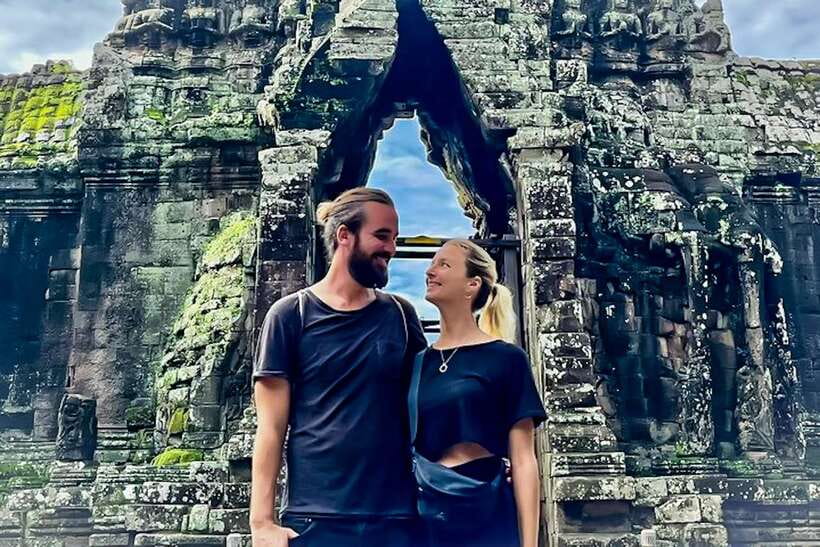
- Clothes that follow the dress code: knees and shoulders must be covered
Also note: the tour rules say no alcohol and drugs, and no wearing a costume. It’s mostly about keeping the temple experience respectful and practical.
Timing matters too. You’re starting before sunrise, which is great for views, but it doesn’t stop the day from warming up quickly. The included water and wet towel help, but you still need to pace yourself, drink often, and take advantage of the breaks.
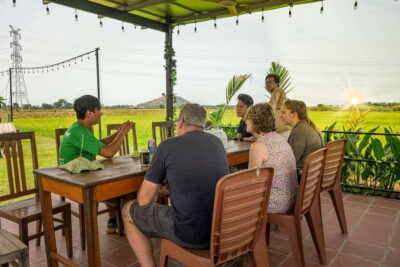
Breakfast: the schedule includes a break labeled for breakfast, but meals are listed as not included. You can buy breakfast at local restaurants or bring a packed lunch. Either way, treat it like fuel—you’ll walk and climb after.
Who should book this Angkor Wat sunrise and full-day tour
This format fits best if you want:
- A guided route through core Angkor highlights without figuring everything out in advance
- A sunrise start that’s aimed at getting you in the right place early
- Comfort upgrades like air-conditioning and included cool water
- A full day that hits multiple temple styles (roots, towers, faces, and city gates)
It may not be a great match if you:
- Need wheelchair access (it’s listed as not suitable for wheelchair users)
- Are traveling with babies under 1 year
- Are over 70 (listed as not suitable)
If you’re traveling solo, this tour can also be a strong option because it reduces decision fatigue. If you’re with friends, you can often pick private grouping (private group available), which usually helps keep the pace more tailored.
Should you book this tour?
I’d book it if you want Angkor Wat sunrise and you don’t want to spend your one precious day in Siem Reap doing logistics math. The combination of early pickup, professional English guidance, and comfort breaks makes it a smart way to see a lot without the day falling apart.
Skip it only if you strongly dislike early mornings, hate lots of walking and steps, or you already know the temple story well enough to self-tour without a guide. And in any case, remember to budget for the $37 Angkor Pass, since the tour ticket alone doesn’t cover entrances.
FAQ
What time is hotel pickup?
Pickup is listed between 4:00 am and 4:20 am, and you should be ready in your hotel lobby about 30 minutes before the scheduled start.
How long is the tour?
The duration is 8 to 10 hours.
What’s included in the price besides the guide?
Hotel pickup and drop-off, air-conditioned transportation, a professional English guide, visits to five temple areas, cool water, a wet towel, and local tax are included.
Do I need to buy the Angkor Pass?
Yes. The Angkor Pass is $37 per day and is not included in the tour price. You can buy it at the official counter or pre-book online.
Is breakfast included?
Meals are listed as not included, but there is a break for breakfast during the day. You can buy breakfast locally or bring a packed lunch.
Is the tour wheelchair-friendly?
No. It is listed as not suitable for wheelchair users.
What should I wear and bring?
Bring a camera and sports shoes. Dress code requires knees and shoulders covered.
How does free cancellation work?
The tour offers free cancellation up to 24 hours in advance for a full refund.