REVIEW · PHNOM PENH
Royalpalace, Toul Sleng (S21), Museum & Killing Field
Book on GetYourGuide →Operated by Cambodia Things to do · Bookable on GetYourGuide
One city, two faces of Cambodian history. I love how this day pairs the glitter of the Royal Palace and Silver Pagoda with the gut-level seriousness of Tuol Sleng S-21, and I like that you get a guide who explains what you’re seeing. The possible drawback: the afternoon trip to Choeung Ek can be a long, warm tuk-tuk ride, and tall folks may feel it in knees and backs.
You’ll start early (meeting at 8:00AM), move step by step through Phnom Penh’s main sights, then take the drive south to the Killing Fields. Dress matters here: you’ll want comfortable clothes for the palace grounds and a long-sleeved shirt since sleeveless tops aren’t allowed.
In This Review
- Key highlights to know before you go
- A full day with serious weight and real Cambodian culture
- 8:00AM pickup, tuk-tuk rides, and how to plan your day
- Royal Palace and Silver Pagoda: the classic start, with dress rules
- National Museum in a terracotta-roof setting: Angkor art in proper context
- Wat Phnom: the little hill that explains the city’s name
- Tuol Sleng S-21 Museum: why the guide matters so much
- Lunch break: recharge without losing the thread
- Killing Fields of Choeung Ek: the drive, the numbers, and the memorial stupa
- The tuk-tuk ride reality check
- Price and value: what the $75 covers, and what can surprise you
- Who should book this tour, and who might want a different pacing
- Should you book this Royal Palace to S-21 and Killing Fields tour?
- FAQ
- FAQ
- How long is this tour in total?
- What time do you start the tour?
- Is hotel pickup and drop-off included?
- Are entrance tickets included in the tour price?
- What are the listed entrance fees?
- Is lunch included?
- What should I wear?
- Is the tour guide available in English?
Key highlights to know before you go
- Royal Palace and Silver Pagoda: Emerald Buddha area, lush gardens, and a crystal Buddha detail
- National Museum’s Angkor sculpture: a traditional terracotta-roof building from 1917–1920
- Wat Phnom: the story behind Phnom Penh’s name, tied to a rare hill in a flat city
- Tuol Sleng S-21: a former high school turned Security Prison 21
- Choeung Ek Killing Fields: the memorial stupa with over 8,000 skulls behind glass
- A full day with balance: beautiful art stops first, then heavy history in the afternoon
A full day with serious weight and real Cambodian culture
This is not a tour that stays in the comfortable “see-and-snap” zone. It starts with some of Phnom Penh’s most famous temples and museum treasures, then moves into a history lesson that’s hard to put down. The value is the order and the guidance: you see Cambodia’s identity in art and faith first, then you understand how the country’s recent trauma shaped generations.
I also like the pacing idea. You get time at each major stop rather than rushing through everything as quickly as possible. That matters for the palace and museum, because you’re better able to notice details when you’re not sprinting.
You can also read our reviews of more museum experiences in Phnom Penh
8:00AM pickup, tuk-tuk rides, and how to plan your day
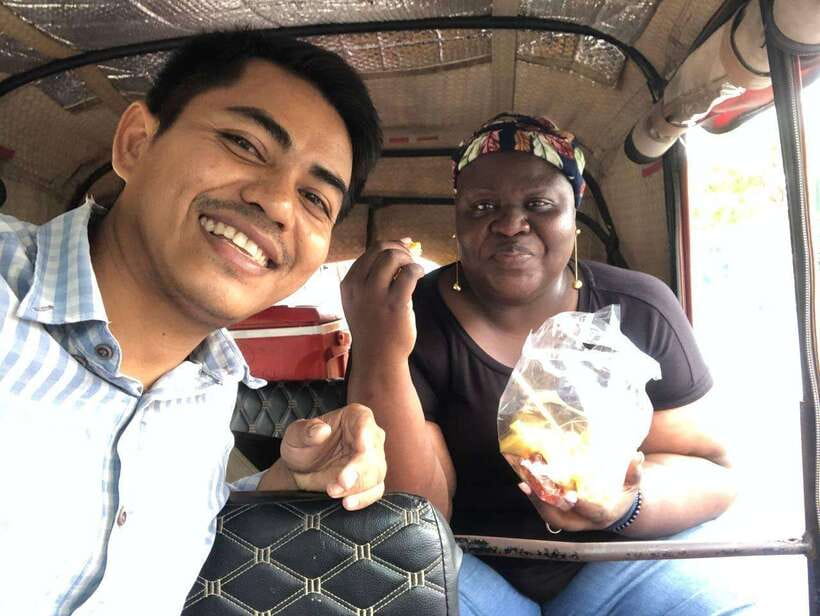
The day runs about 10 hours, with pickup included in Phnom Penh. You’ll meet at 8:00AM at your meeting point, then your driver and guide handle the movement between sights using tuk-tuk transportation.
Here’s the practical part: Phnom Penh heat can build fast, and you’ll be outside for palace-area walks, museum courtyard time, and the drive south. Bring more water than you think you need. The tour includes fresh bottled water, which is helpful, but you’ll likely want extra once you’re in the warmer hours.
Timing-wise, expect “a lot, in one go.” That’s a tradeoff you should actually like: you’ll see major landmarks without spending your day figuring out transport. But if you prefer slow sightseeing or you’re easily drained by intense history, this may feel like too much in one day.
Royal Palace and Silver Pagoda: the classic start, with dress rules
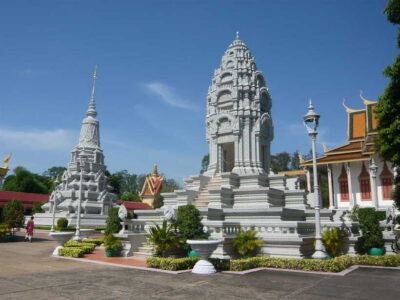
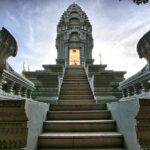
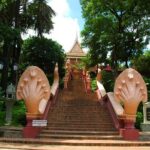
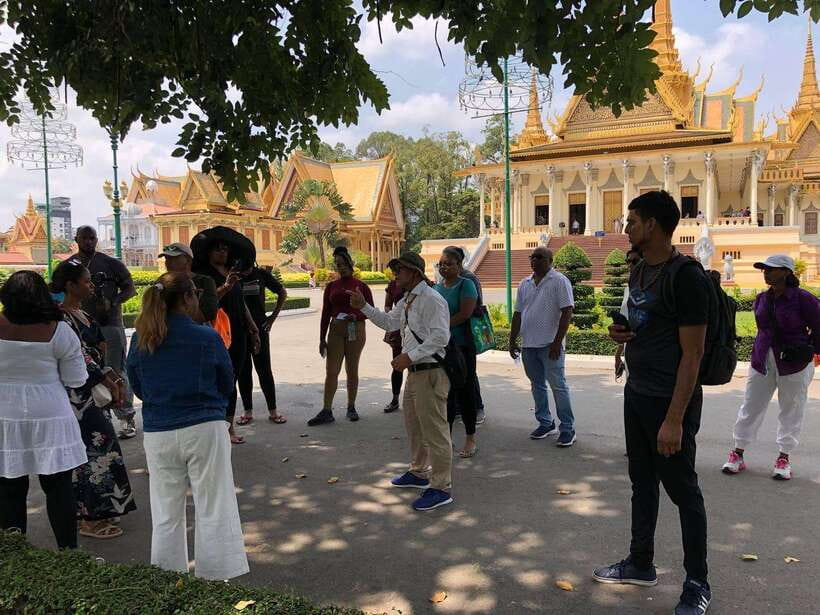
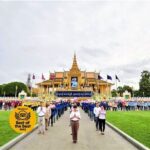
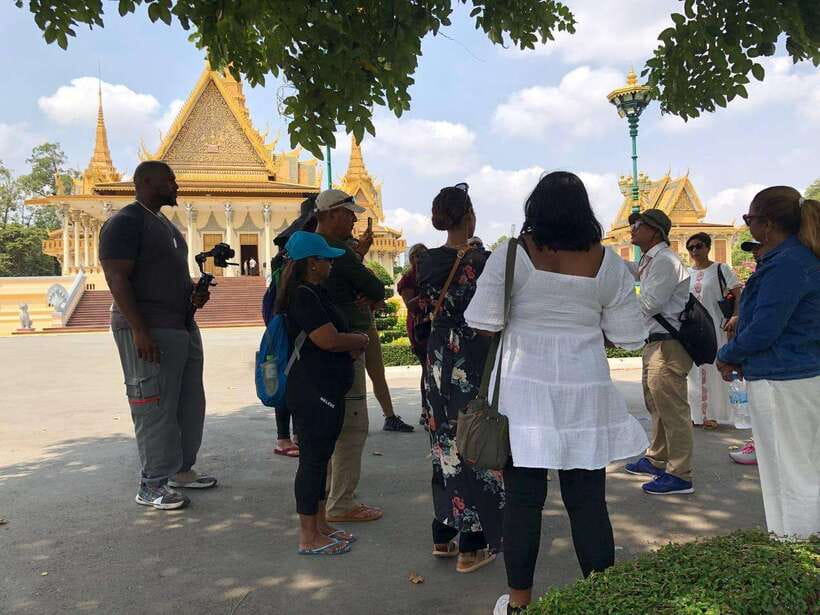
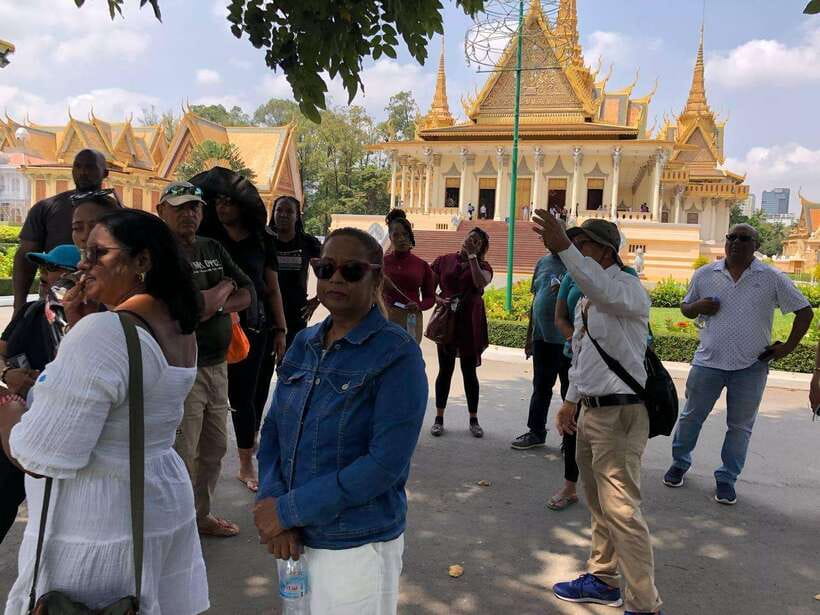
The Royal Palace is one of Cambodia’s biggest crowd magnets for a reason. You’ll spend around an hour in the palace complex, starting with the Silver Pagoda next door.
What makes this stop worth the time is the mix. It’s not only ornate architecture and photo-friendly angles. The Silver Pagoda area includes lush gardens and the famous Emerald Buddha temple precinct. The tour notes a grand Buddha statue crafted from Baccarat crystals, which gives you a sense of the attention to materials and display.
This is also where the dress note matters most. You’ll need comfortable clothes for the grounds, and sleeveless shirts aren’t allowed. Plan for coverage that still lets you breathe—long-sleeved shirts that aren’t too heavy work well.
A small but smart tip: try to arrive at the palace portion with your camera ready, but also set your brain to notice the transitions. Palace courtyards, pagoda areas, and garden spaces can feel like separate worlds packed into one site.
National Museum in a terracotta-roof setting: Angkor art in proper context
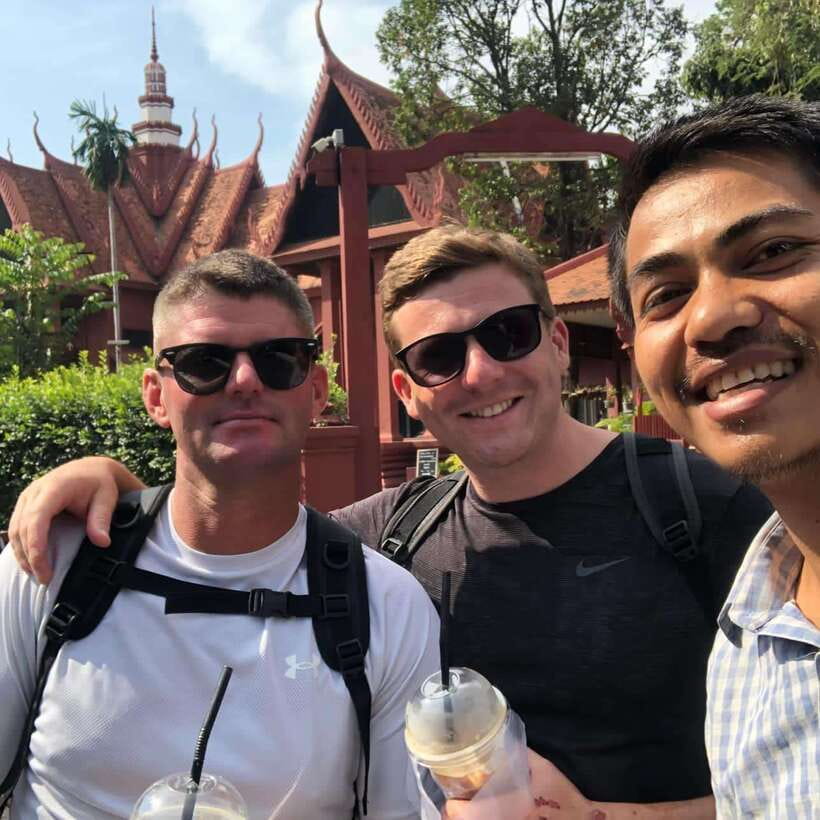
After the palace, you’ll head to the National Museum, housed in a traditional-style structure with a terracotta roof built between 1917 and 1920. That building alone gives you a different feel from temple stone and palace walls—it’s a museum space made to house sculpture and artifacts in a more controlled, readable environment.
The guide’s job here is key. The museum focuses on sculpture collections, including outstanding examples from the Angkor period, plus works from pre-Angkorian eras. You’ll also see more recent Cambodian art and a wooden Buddha collection.
If you want a quick “what to look for” mindset, focus on:
- How styles change between Angkorian and earlier works
- The bronzes and the sandstone sculpture the tour highlights as especially worth your attention
- The way the collection frames Cambodian artistic continuity, not just isolated masterpieces
For many first-timers, the museum is the glue between what you’ve seen outside and what you’re about to learn. The palace shows you Cambodia’s ceremonial beauty. The museum shows you the craft behind that beauty—materials, forms, and long artistic timelines.
Wat Phnom: the little hill that explains the city’s name
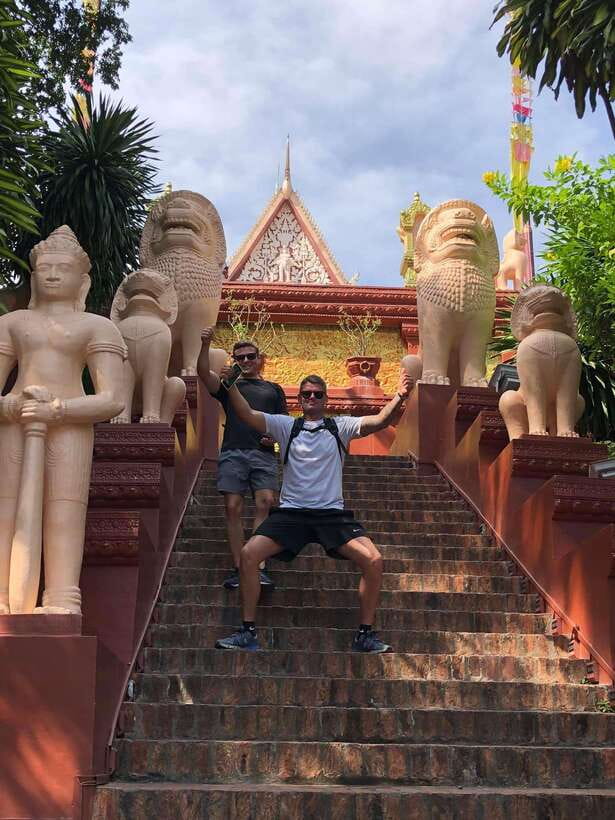
Next comes Wat Phnom, the pagoda tied directly to the origin of Phnom Penh’s name. The tour frames it as the heart of the capital and the reason the city is called what it’s called today.
What I like about this stop is its scale. You’re not dealing with an enormous complex like Angkor-style temples. Instead, you’re learning the “why” behind a major modern city—how a site on one of the few hills in Cambodia’s notably flat capital becomes the anchor point for identity.
You’ll learn a short story connected to the pagoda, and you’ll have a bit of time to look around before moving into the more intense sections of the day.

Tuol Sleng S-21 Museum: why the guide matters so much
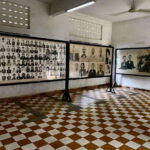
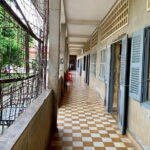
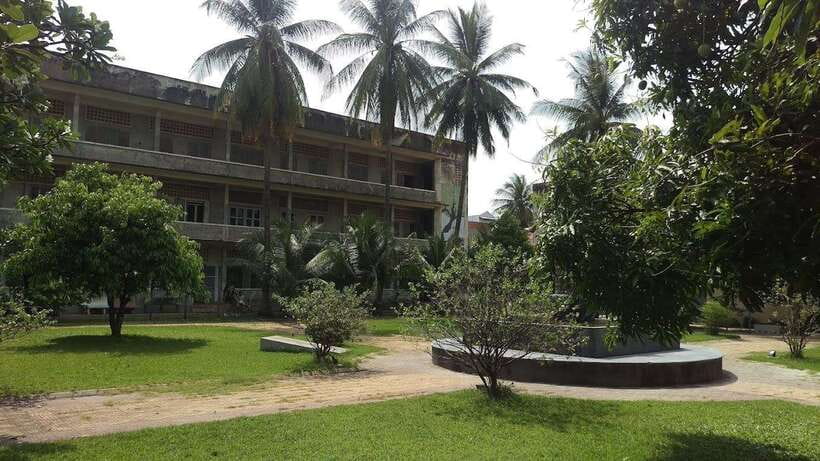
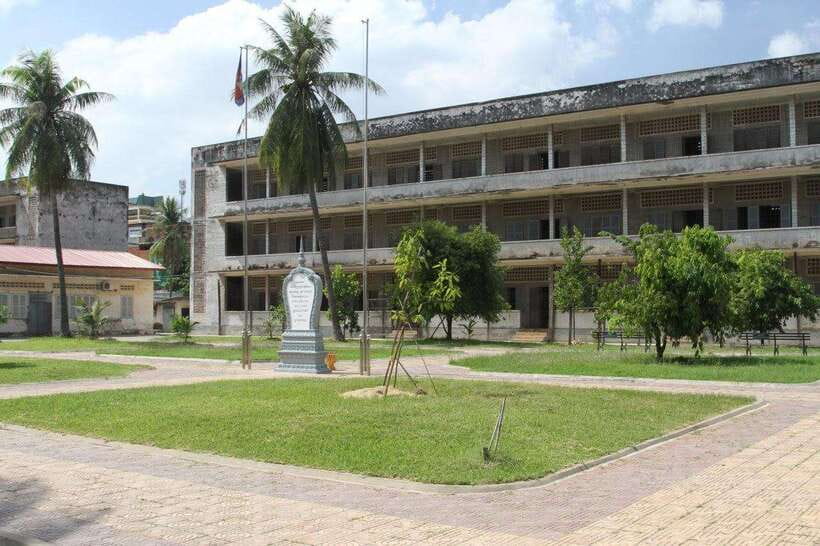
Then the tone shifts. You’ll visit Tuol Sleng Museum, known as S-21. The key fact the tour brings is that in 1975, Tuol Svay Prey High School was taken over by Pol Pot’s security forces and turned into Security Prison 21.
This is where you’ll feel how much interpretation matters. The tour says your guide will explain the backstory and history of the museum in depth. That’s not just nice to have. It’s what keeps you from seeing S-21 as a collection of dark rooms. With the right context, it becomes a clear story about how a school became a prison system.
Go in ready for the emotional weight. The day isn’t shy about it. If you prefer history presented with distance, this may feel too direct. But if you want meaning—not just sights—S-21 delivers.
Also note the tour’s format in practice. One firsthand detail you should take seriously: sometimes the guide may let you explore parts of the palace and museum area on your own, then focuses attention at the more structured parts of the day. That can be good if you like space to process, but it also means you should stay attentive when the guide is guiding.
Lunch break: recharge without losing the thread
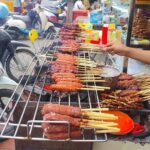
After the first half—palace, Silver Pagoda, museum, and Wat Phnom—you’ll take a lunch break. Since lunch is not included, you’ll need to handle it on your own.
This is a good moment to reset your body and your attention. Use the break for water, a quick meal, and a few deep breaths. Try not to make lunch too heavy, because you’ll continue on to Choeung Ek later in the day when heat and travel come back into play.
Killing Fields of Choeung Ek: the drive, the numbers, and the memorial stupa
In the afternoon you’ll drive to the Killing Fields of Choeung Ek, about 16 km south of Phnom Penh. You’ll be accompanied by a guide who explains the center’s history.
This part is not a short “walk and move on” visit. The scale is central to understanding what happened. The tour highlights that between 1975 and 1978, about 17,000 men, women, children, and infants were detained, tortured, and transported from S-21. It also notes that nine westerners were among those detainees.
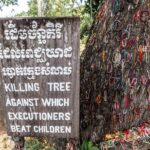
One of the most chilling details the tour mentions is why bullets were not used. The detainees were often bludgeoned to death to avoid wasting precious bullets. It’s not a detail you can forget once you hear it, because it explains the brutality and the resource-driven logic behind mass killing.
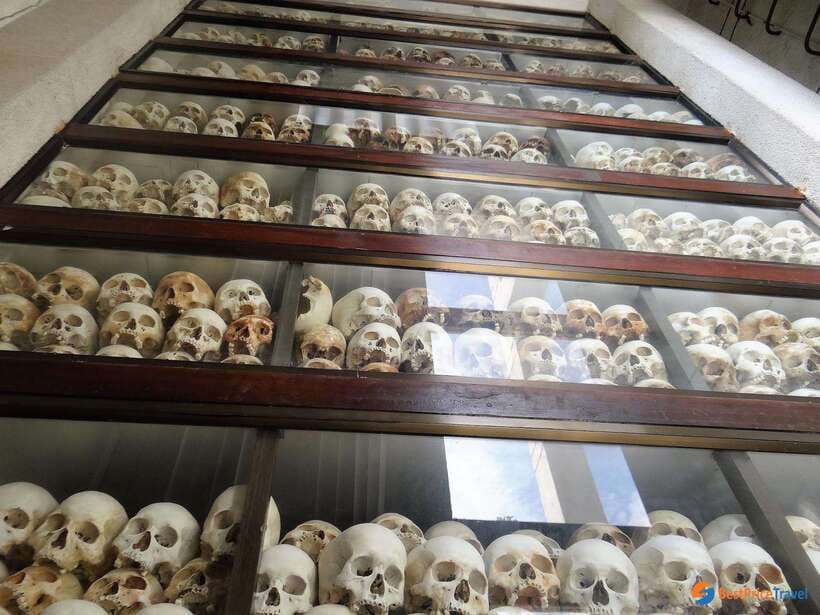
You’ll also see remnants tied to the excavated pits—fragments of human bone and bits of cloth are scattered around the disinterred areas. The memorial stupa is where the visit lands hardest: over 8,000 skulls, arranged by sex and age, are visible behind clear glass panels. The stupa was erected in 1988.
The tuk-tuk ride reality check
A practical caution from real experience: the drive to Choeung Ek by tuk-tuk can take around 45 minutes, and it may be rougher in heat and traffic. If you’re tall, it can lead to sore knees or a cranky lower back.
You do have a way to adjust if you want. In at least one setup, the guide may leave you to explore portions of the palace and museum area, and you can then take a taxi to the fields on your own. If you’re sensitive to long tuk-tuk comfort, that’s worth considering as a backup plan, but keep in mind you’ll want to coordinate timing so you don’t miss the guided portions.
Price and value: what the $75 covers, and what can surprise you
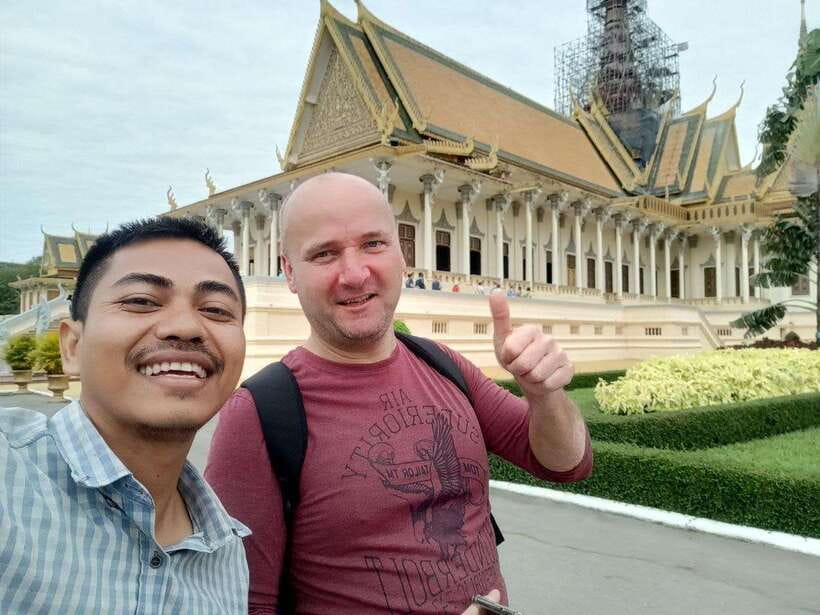
The tour price is listed at $75 per person and lasts about 10 hours. That includes hotel pickup and drop-off, a tuk-tuk driver, a professional guide license, and fresh bottled water.
What’s not included is the major stuff most people assume is bundled: all entrance fees and lunch. The listed entrance prices are:
- Royal Palace: $10
- National Museum: $10
- Wat Phnom: $1
- Tuol Sleng S-21: $5
- Killing Fields: listed at $3
That adds up to $29 in the prices above, which doesn’t sound scary. But here’s the caution you should listen to: one firsthand experience reported much higher add-on costs, around $72 total, and it suggested the killing fields fee was higher (it mentioned $6 as of March 24). Entrance fees can change with time, and sometimes the total you pay feels bigger once every line item hits your wallet.
So my advice: treat the $75 as covering transportation and guiding, not the full day’s ticket cost. Budget a bit extra for entrances and lunch. If you plan with a “surprise buffer,” the day stays enjoyable instead of stressful.
Who should book this tour, and who might want a different pacing
This tour fits best if you:
- Want a guided day that links art, religion, and modern history in one route
- Are visiting Phnom Penh for the first time and want the big names covered without arranging everything yourself
- Like having someone explain context, especially for S-21
You might want a different plan if you:
- Don’t handle heavy historical sites well in one sitting
- Know tuk-tuk seating will wreck your comfort for 45 minutes in heat
- Prefer lunch and sightseeing on your own schedule, because the day is structured and full
Also, pay attention to clothing requirements. The palace part needs comfortable clothes, and sleeveless shirts aren’t allowed.
Should you book this Royal Palace to S-21 and Killing Fields tour?
Yes, if you’re prepared for a day that moves from beauty to tragedy with real explanations. The combination of Royal Palace/Silver Pagoda, the National Museum’s Angkor-period sculpture focus, and then Tuol Sleng and Choeung Ek makes this a powerful overview of Phnom Penh’s cultural face and Cambodia’s recent past.
I’d book it with two conditions: first, plan your budget for entrance fees and lunch beyond the base $75. Second, set expectations that the afternoon is emotionally intense and physically less comfy due to travel time.
If you want a single, high-impact day in Phnom Penh and you value guidance over guessing, this tour is a solid way to do it.
FAQ
FAQ
How long is this tour in total?
The duration is listed as 10 hours.
What time do you start the tour?
You meet at 8:00AM, though starting times may vary, so it’s best to check availability for your specific date.
Is hotel pickup and drop-off included?
Yes. Hotel pickup and drop-off are included, with pickup depending on your point in Phnom Penh.
Are entrance tickets included in the tour price?
No. All tickets and entrance fees are not included.
What are the listed entrance fees?
Royal Palace is listed at $10, National Museum at $10, Wat Phnom at $1, Tuol Slaeng S-21 at $5, and Killing Field at $3 (prices can vary by date, so budget extra).
Is lunch included?
No. Lunch is not included.
What should I wear?
Bring comfortable clothes and a long-sleeved shirt. Sleeveless shirts are not allowed.
Is the tour guide available in English?
Yes. The live tour guide is English-speaking.