REVIEW · SIEM REAP
Siem Reap: Kulen Elephant Forest & Tonlesap Lake
Book on GetYourGuide →Operated by GREEN ERA TRAVEL · Bookable on GetYourGuide
Elephants and floating villages in one day. You’ll spend the morning at Kulen Elephant Forest, walking face-to-face with elephants in their care setting, then shift gears to Kompong Phluk for wide-open Tonle Sap views and a water-world feel that’s very different from Siem Reap streets.
I especially like how the day combines animal time with real outdoors: a guided jungle trek that gets you away from the crowd, plus boat time that shows how life works around the lake. One thing to weigh is value: the Kompong Phluk portion can feel like less time than you want if your schedule is tight, and the canoe element may come with an extra fee while lunch is not included.
- Kulen Elephant Forest orientation: a short briefing before you’re close to the herd and learn how they’re cared for.
- Walking with elephants in their habitat: respectful, close contact, led by a sanctuary guide.
- A 2-kilometer guided jungle trek: designed for waterfalls and views, with a real sense of the forest.
- Kompong Phluk on Tonle Sap: stilted homes, floating market scenes, and a boat cruise through flooded areas.
- Rainy-season canoe potential: when conditions allow, you may get a canoe ride through mangrove-like flooded forest.
- Comfortable A/C transport and pickup: hotel pickup and drop-off in an air-conditioned car or minivan.
In This Review
- Kulen Elephant Forest: Why This Elephant Day Feels About Care, Not Tricks
- The 7-Hour Flow from Siem Reap: What You’ll Actually Be Doing
- Walking with Elephants: Close Contact, Guided Etiquette, and Real Stories
- The 2-Kilometer Jungle Trek and Waterfall Chances at Kulen
- Kompong Phluk on Tonle Sap: Stilt Houses, Floating Markets, and Wide Water Views
- Canoe Ride Realities: One Extra Cost to Plan For
- Guides and Group Feel: When It Can Feel Almost Private
- Price and Value at $217: When This Day Trip Feels Worth It
- Who Should Book, and Who Might Skip It
- Practical Tips: What to Bring and How to Dress for a Wet Jungle Day
- Final Verdict: Should You Book This Kulen and Tonle Sap Day Trip?
- FAQ
- How long is the Siem Reap: Kulen Elephant Forest & Tonlesap Lake tour?
- Is hotel pickup and drop-off included?
- Is the tour guide available in English?
- What elephant-related activities are included?
- What is included at Kompong Phluk on Tonle Sap Lake?
- Is lunch included in the price?
- What is the cancellation policy?
Kulen Elephant Forest: Why This Elephant Day Feels About Care, Not Tricks
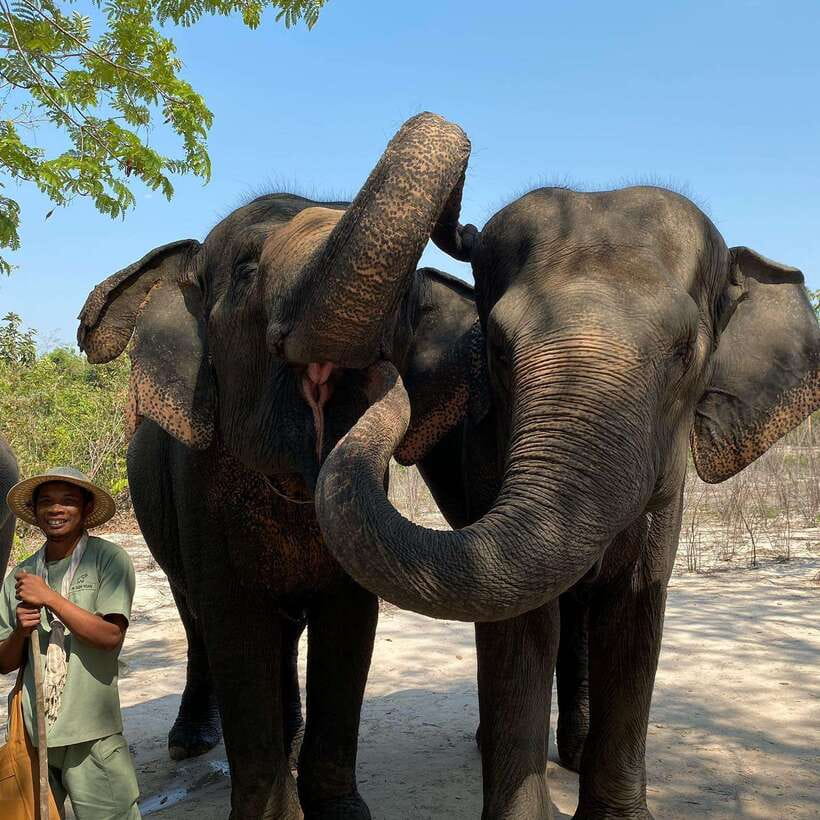
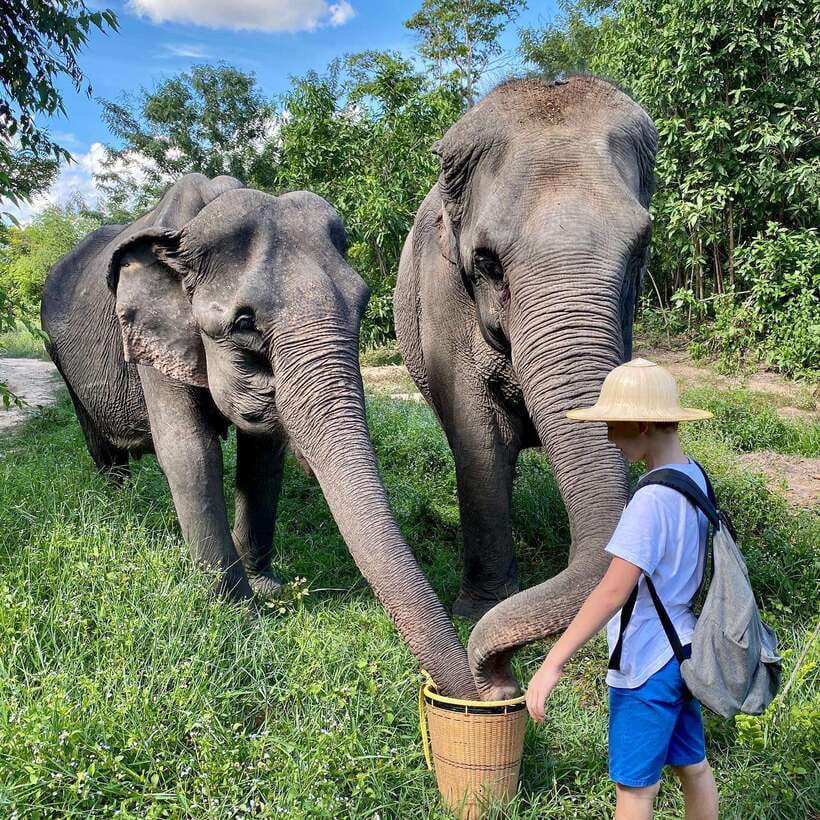
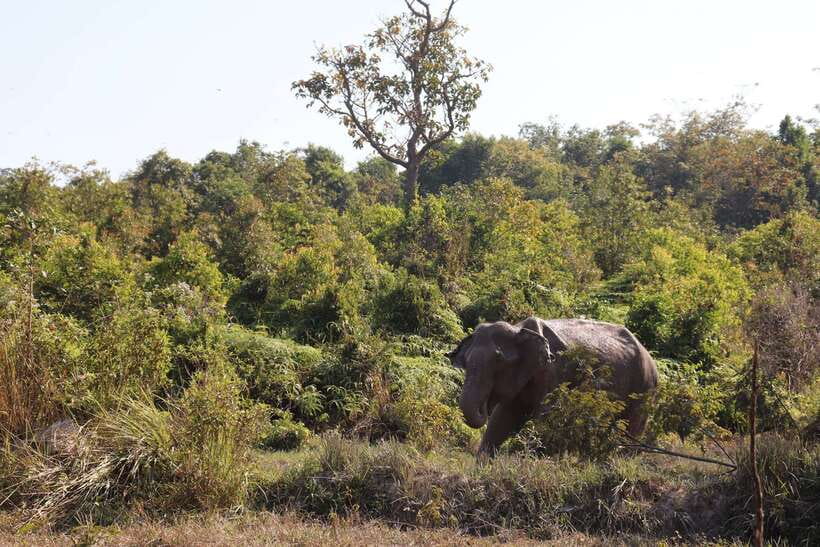
This is the kind of elephant experience where the focus is on the animals’ day-to-day life. At Kulen Elephant Forest, you start with a briefing, then you move into the experience with a guide’s guidance, not a scripted performance. That matters because it changes how you feel while you’re there: you’re learning, observing, and walking at an appropriate pace instead of chasing a show.
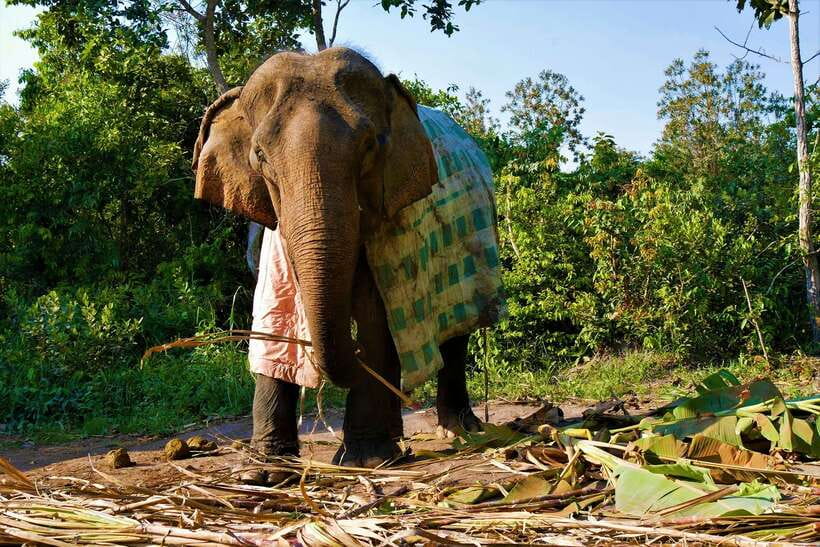
I also like that you’re not just looking at elephants from a safe distance. You get face-to-face time in their natural habitat, and the sanctuary guide can explain each elephant’s background so your attention goes beyond the spectacle. In some groups, you’ll hear from guides like Nak (noted for being friendly and prepared) or Sophy (noted for being attentive and staying with the group for photos). Even when the names differ, the pattern is the same: you’re treated like you want to understand what you’re seeing.
One small reality check: this is still a day out in the tropics. If you’re expecting a fully relaxed, sit-and-watch outing, the forest walk and practical time outdoors can feel active. You’ll be glad you packed for it, but it’s not a couch day.
The 7-Hour Flow from Siem Reap: What You’ll Actually Be Doing
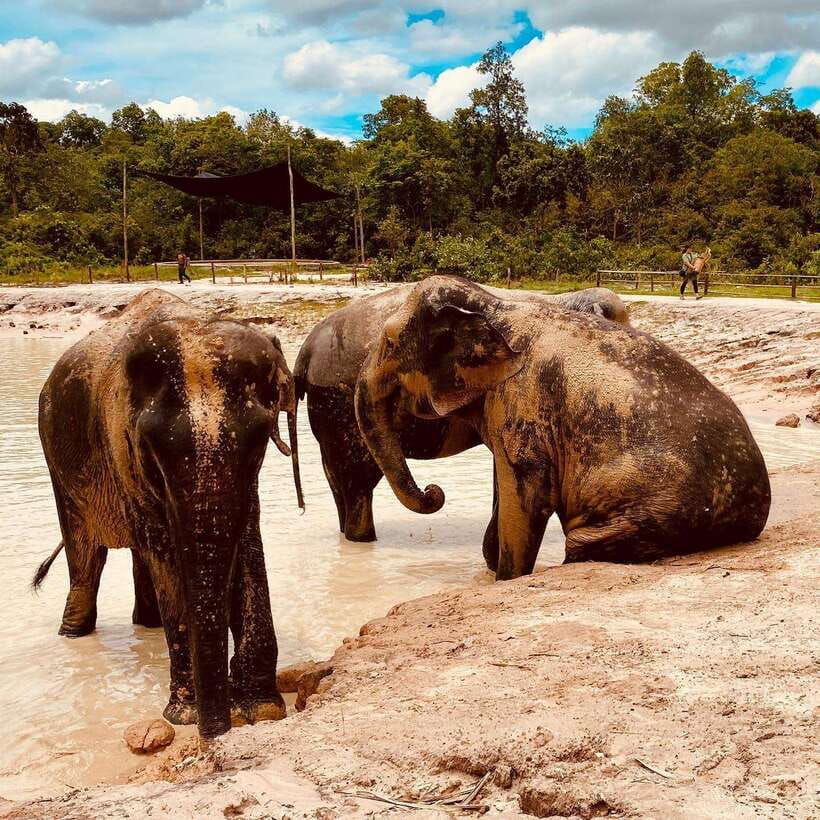
The tour is built as a long-but-manageable day trip from Siem Reap, clocking in at about 7 hours total. Hotel pickup and drop-off are included, and you ride in an air-conditioned car or minivan, which is a big deal in Cambodia heat when you’re also doing walking and canoe-style water time later.
A typical arc looks like this:
1) You leave Siem Reap and drive to Kulen Elephant Forest.
2) You arrive for an introductory briefing and get your bearings.
3) You meet elephants in their habitat and then do a guided walk in the park (including a short trek aimed at waterfalls).
4) You head to Kompong Phluk on Tonle Sap for boat-based village viewing and flooded-forest scenery.
This structure helps you avoid the common problem of elephant tours that burn too much time commuting and not enough on the actual experience. Here, the elephant part is given real space, and the lake part adds variety without turning into another long, rigid museum-style segment.
You can also read our reviews of more tours and experiences in Siem Reap.

Walking with Elephants: Close Contact, Guided Etiquette, and Real Stories
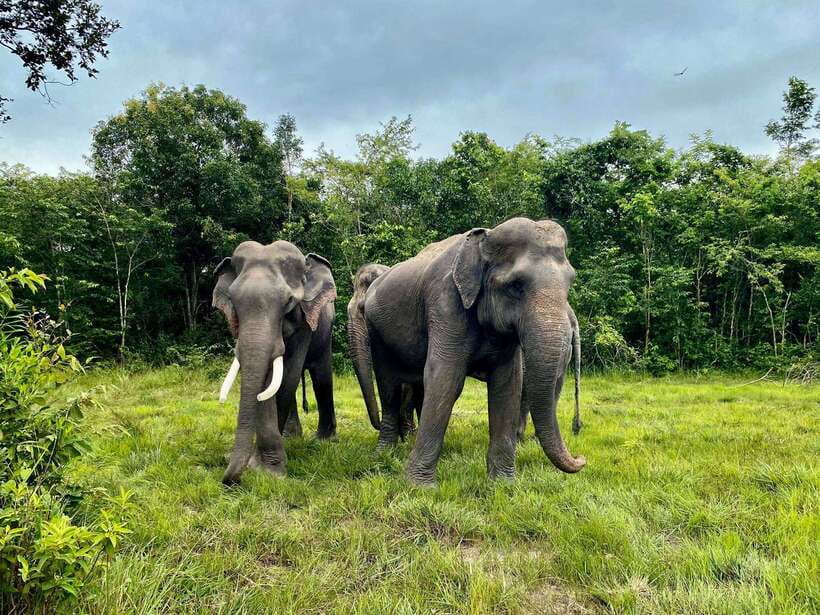
The elephant walk is the heart of the day. You’ll get close enough to notice the elephants’ behavior—how they move, how they pause, and how they respond to their environment. The experience is guided, so you’re not wandering into the wrong rhythm. That’s what keeps it from feeling like a chaotic animal encounter.
A few details to expect:
- You’ll receive an orientation/briefing before contact.
- A sanctuary guide helps translate what you’re seeing, including background stories for the elephants.
- The walking portion happens in the animals’ habitat, not behind a glass barrier.
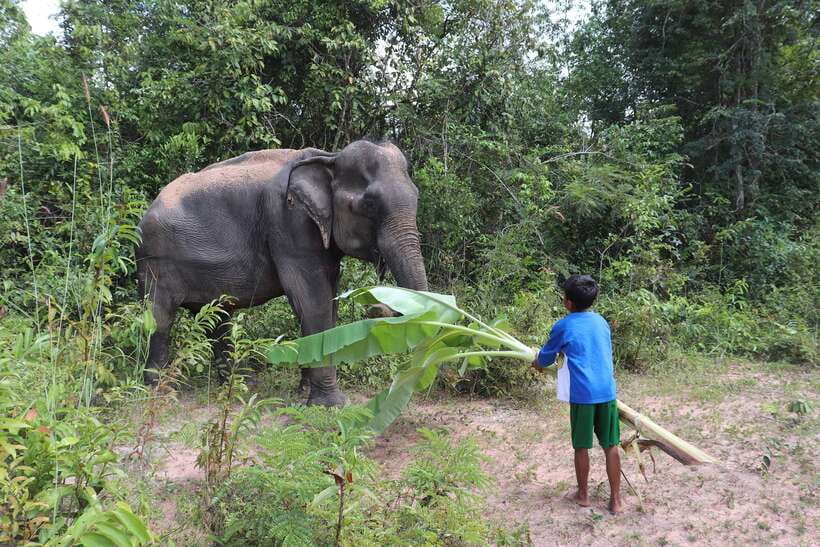
Some people also note that they were able to feed elephants, while others may focus more on observing and walking. The key for you is to listen carefully when your guide explains how interaction works that day. You’ll want to follow the guidance closely, especially if the group is moving as a unit.
A practical emotional takeaway: the best part of this walk is how quickly you shift from thinking of elephants as icons to thinking of them as living animals in a care setting. That’s why the briefing is more than a formality. It helps you pay attention to the right things—spacing, calm behavior, and the fact that you’re a visitor in their space.
The 2-Kilometer Jungle Trek and Waterfall Chances at Kulen
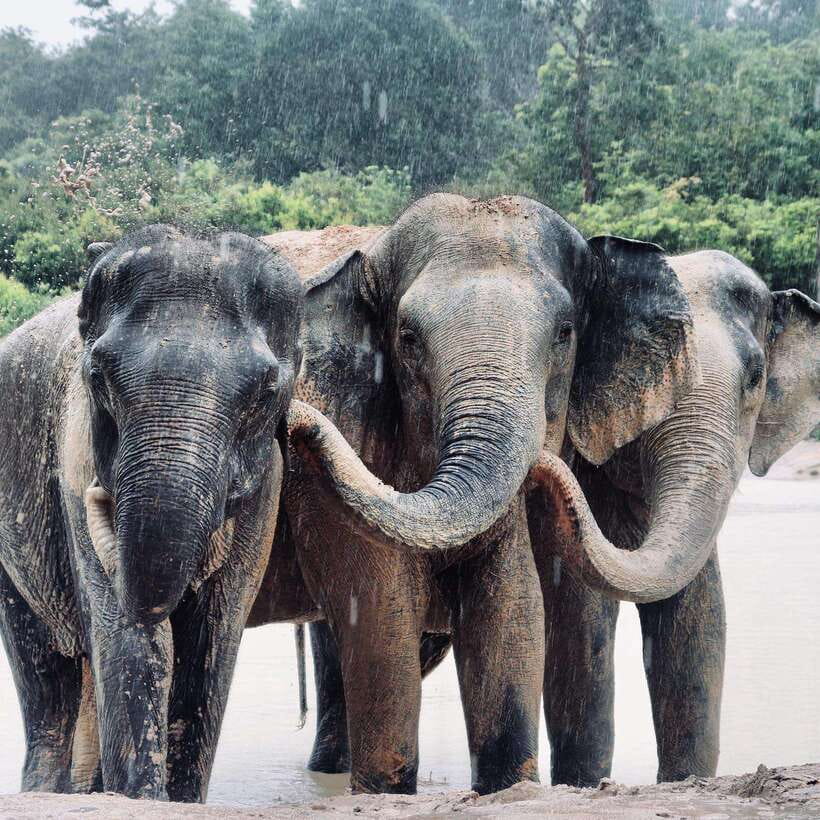
After the elephant time, the day turns more active. You’ll do a 2-kilometer guided trek through the park, with the goal of reaching waterfall scenery. For a lot of people, this is where the Kulen visit stops feeling like a single activity and starts feeling like a day in the actual jungle.
What I think makes this trek worth it:
- It’s short enough that most reasonable walkers can manage it.
- It’s guided, so you’re not stuck asking where to go or watching your phone for directions.
- It gives context to the elephant habitat—you see how the terrain supports the animals’ world.
What can be tricky is footwear. Your shoes should handle uneven ground and damp patches. If you wear something that’s only good for city walking, you’ll regret it. Bring clothes you’re fine getting dirty, because forest days don’t stay clean.
If you’re traveling in the wet season, expect more slippery footing and heavier humidity. The upside is that jungle moisture can make the waterfall areas feel more alive—just keep your balance.
Kompong Phluk on Tonle Sap: Stilt Houses, Floating Markets, and Wide Water Views
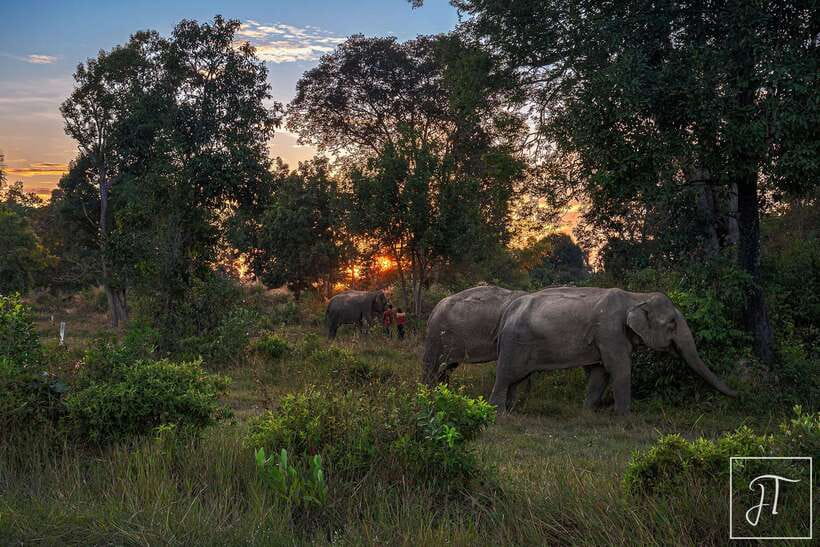
Kompong Phluk is where the day changes tone. Instead of elephants and forest sounds, you’re surrounded by lake life—stilted houses, floating market scenes, and the sense that everyday routines are built around water levels.
This stop is included in two ways:
- You get access to the floating village entrance.
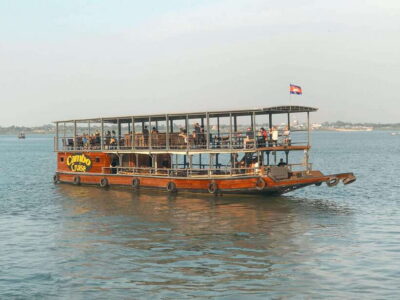
- You do a boat trip around the area, including time cruising by stilt houses and floating market viewpoints.
The lake views can be genuinely calming, and they also help you understand that Tonle Sap isn’t just scenery. It’s a working environment. On the water, you can see how homes are structured to handle shifting water levels, and you get a sense of how communities plan around the lake’s rhythm.
In some rainy-season conditions, you may get a canoe ride through flooded forests. People describe it as serene when the water conditions line up, especially when mangrove-like areas are part of the route. If that canoe moment is a priority for you, plan to ask your guide what’s possible that day and how it’s handled.
Canoe Ride Realities: One Extra Cost to Plan For
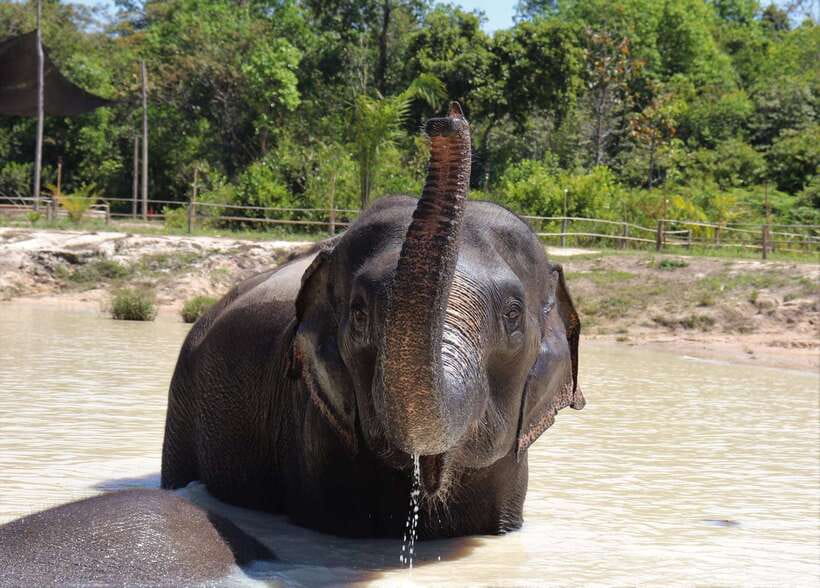
Here’s the one practical issue to watch: the canoe portion may not be fully bundled into what you expect at checkout. One itinerary note from a real booking mentions paying an extra $11 for the canoe ride. That same note also says lunch was included when the canoe fee was added.
So my advice is simple: don’t assume every lake segment is included at the same price. Ask clearly whether the canoe ride is part of your package that day, or whether it’s optional and priced separately. If you want the canoe experience, budget a little extra so you’re not surprised in the moment.
This isn’t meant to spoil the experience. The lake portion can be a highlight. It’s just better to go in with your eyes open.
Guides and Group Feel: When It Can Feel Almost Private
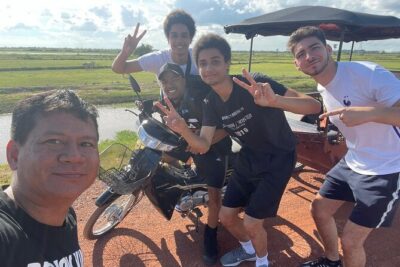
The tour runs with a local guide speaking English, and hotel pickup means you start the day already “plugged in.” One couple reported having a near-private day because they were the only two on the tour that day, and their guide Nak and driver Channa made it feel personal with lots of Cambodia-life context.
That’s the kind of difference that changes your whole experience. A bigger group can still be fine, but when you have more attention from your guide, you get better answers and more time for questions—especially for elephant behavior and what you’re seeing at the floating village.
Even if you don’t get a private setup, you can still look for small signs the guide is engaging: clear explanations, pacing that works for your group, and guidance on how to handle close encounters safely.
Price and Value at $217: When This Day Trip Feels Worth It
At $217 per person for about 7 hours, the price isn’t low. You’re paying for three things at once: transportation from Siem Reap with A/C comfort, a guided elephant-focused experience in Kulen, and a Tonle Sap Kompong Phluk excursion with boat time (plus floating village entrance).
Here’s how I think about value:
- If elephants are your main priority, the elephant time is substantial and the briefing + guided interaction helps justify the cost. Multiple notes call the elephant visit the highlight, and the care-focused feel comes through in how people describe the sanctuary guide and the attention to elephant stories.
- If you’re short on time, the lake portion might feel like the trade-off. One booking specifically felt the lake stop was merely OK as a use of time, compared with the elephant part.
Also remember: lunch is not included. Even if bottled water is provided, you’ll want to plan either for a snack strategy or for buying food during the day. If you end up paying an extra canoe fee, that can also shift your total spending.
If your goal is a single day that blends animal care, jungle walking, and lake-life viewing, this price starts to make sense. If you only care about one of those three, you may feel like you’re paying for parts you’d rather do differently.
Who Should Book, and Who Might Skip It
This tour fits best if you want:
- Elephant contact that’s guided and focused on care and learning.
- A real outdoors component: the guided jungle trek and forest scenery.
- A change of pace after elephants: Tonle Sap Lake and Kompong Phluk’s stilted village life.
You should also think about what your body can handle. This tour is not suitable for people with altitude sickness. Beyond that, it’s a good idea to consider your comfort with heat, humidity, and walking on uneven ground.
If you dislike canoeing or you’re not interested in village life, the lake portion could feel like extra time rather than a must-do. If that’s you, focus on the elephant experience and decide whether adding Kompong Phluk still matches your travel style.
Practical Tips: What to Bring and How to Dress for a Wet Jungle Day
Packing well is half the smooth day. Use the included guidance as your base, then tweak for your comfort:
Bring:
- Comfortable shoes (non-slip is your friend)
- Sunglasses and a sun hat
- Sunscreen
- Water (you’ll get bottled water, but you’ll still want your own)
- Comfortable clothes you’re okay getting dirty
- Biodegradable insect repellent
Also note what’s not allowed: alcohol and drugs. If you’re tempted to bring a celebratory drink, save it for after the tour.
One last tip: keep your valuables secure. You’ll be on foot in a park and moving through water areas around Kompong Phluk. Small bags that you can close tight work better than anything that leaves pockets open.
Final Verdict: Should You Book This Kulen and Tonle Sap Day Trip?
I’d book this tour if you’re the kind of traveler who wants your day to include three distinct experiences: respectful elephant time in Kulen Elephant Forest, a short guided trek toward waterfall scenery, and a Tonle Sap lake day at Kompong Phluk with boat cruising (and possibly a canoe ride in the right conditions).
I’d pause before booking if your schedule is very tight or if $217 is a stretch and you feel the Kompong Phluk stop won’t add much for you personally. Also, confirm the canoe situation early so you can plan for any extra costs without stress.
If you want a single well-rounded day from Siem Reap that actually mixes learning, nature, and lake-life perspective, this is a strong match.
FAQ
How long is the Siem Reap: Kulen Elephant Forest & Tonlesap Lake tour?
The tour duration is listed as 7 hours.
Is hotel pickup and drop-off included?
Yes. Pickup from your hotel in Siem Reap and drop-off afterward are included, and you travel in an air-conditioned car or minivan.
Is the tour guide available in English?
Yes. The live tour guide provides English.
What elephant-related activities are included?
You’ll have an introductory briefing and walking with elephants in the elephant forest area, with a local guide.
What is included at Kompong Phluk on Tonle Sap Lake?
The tour includes a boat trip, Kampong Phluk Floating Village entrance, and time cruising around the stilted houses and floating market area, with a canoe ride through flooded forests included as part of the experience.
Is lunch included in the price?
No. Lunch is not included.
What is the cancellation policy?
You can cancel up to 24 hours in advance for a full refund.