REVIEW · BATTAMBANG
Battambang: Bamboo Train, Bat Cave and Killing Cave Tour
Book on GetYourGuide →Operated by Battambang thing to do · Bookable on GetYourGuide
Battambang gets unreal when bats start swirling. This 6-hour afternoon loop blends Bamboo Train fun with the evening timing that makes the bat cave feel like a real event, not a checklist. I also like how the guide connects the ride to what’s around you, from colonial-era spots to the countryside.
The only thing to plan for is the mood shift: the Killing Cave stop is serious. I’d also pack for sun and walking, because you’ll be out moving between sites in open areas—comfortable shoes matter.
In This Review
- Key things you’ll notice right away
- Battambang in 6 hours: how this tour stays interesting
- City first: colonial leftovers, pagodas, and Battambang’s symbols
- The river-and-village stretch: where the countryside shows up fast
- Bamboo Train: the fun ride that costs $5 extra
- Bat Cave and Killing Cave: two very different cave moods
- Bat Cave: the evening exodus moment
- Killing Cave: emotionally heavy, so treat it with care
- The timing: 1:00 pm start, a day that runs into early evening
- Price and what $12 buys you (and what costs extra)
- Small-group energy: up to 10 people, with real Q&A time
- What to bring so the caves and train don’t slow you down
- Who this tour suits best (and who should think twice)
- Should you book the Battambang Bamboo Train, Bat Cave and Killing Cave Tour?
- FAQ
- FAQ
- What time does the tour start?
- Where does pickup and drop-off happen?
- How much does the bamboo train cost?
- Is there an English guide?
- What should I bring?
- Can I cancel for a refund?
Key things you’ll notice right away
- A small group (up to 10) keeps the day from feeling rushed
- English live guide who explains daily life and local history as you go
- Battambang city landmarks first, including Wat Domrey Sor and the governor’s house
- Bamboo Train includes sightseeing, but the ride ticket is extra ($5/person)
- Bat exodus timing near dusk makes the cave moment memorable
- Killing Cave is emotionally heavy, so go with the right mindset
Battambang in 6 hours: how this tour stays interesting
This tour is built for people who want more than just one headline activity. You start in Battambang city with a quick sweep of landmarks, then you’re out on the roads toward villages and the river countryside. After that comes the big ticket item for many people: the bamboo train ride, followed by a cave stop where bats make the sky feel alive.
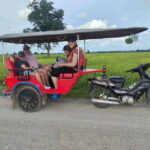
What I like is the pacing. You get movement and variety without sprinting through everything. And because it’s a tuk-tuk style circuit with a guide, you’re not stuck figuring things out on your own. You’ll get context for what you’re seeing—plus time to ask questions along the way.
You can also read our reviews of more tours and experiences in Battambang.

City first: colonial leftovers, pagodas, and Battambang’s symbols
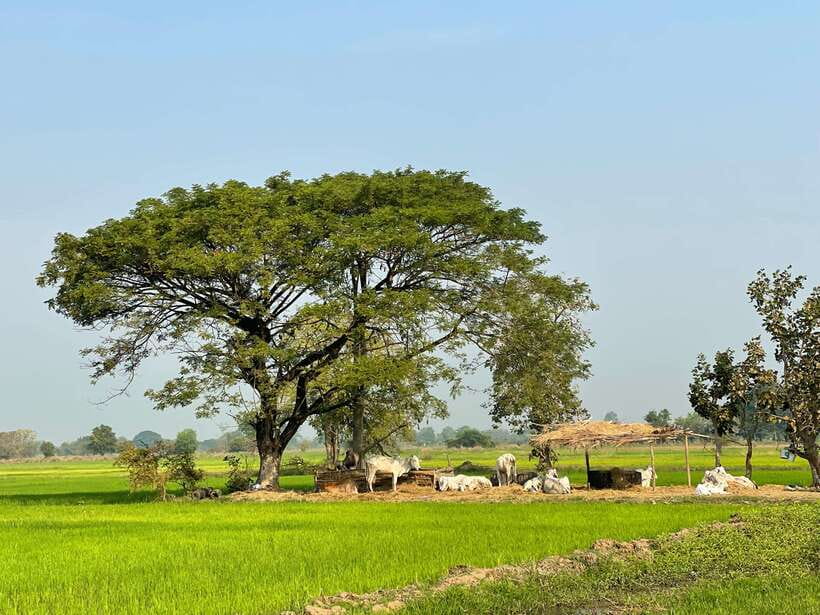
You begin around 1:00 pm with pickup inside Battambang city, then head out to some key sights. This front-loaded city time is handy. It helps you understand the place before you bounce out to the quieter countryside.
Expect stops that include:
- A France colonial building
- Wat Domrey Sor
- The governor’s house
- Lok ta dombong kranhung, a symbol tied to Battambang
The practical value here is simple: it gets your bearings fast. When you later ride past rural areas, you’ll have a better sense of what changed—and what stayed.
You’ll usually have a smooth flow between points, but do remember: these are real streets. Even with a guide handling driving and timing, you’ll still want sunglasses and a hat if the afternoon sun is strong.
The river-and-village stretch: where the countryside shows up fast
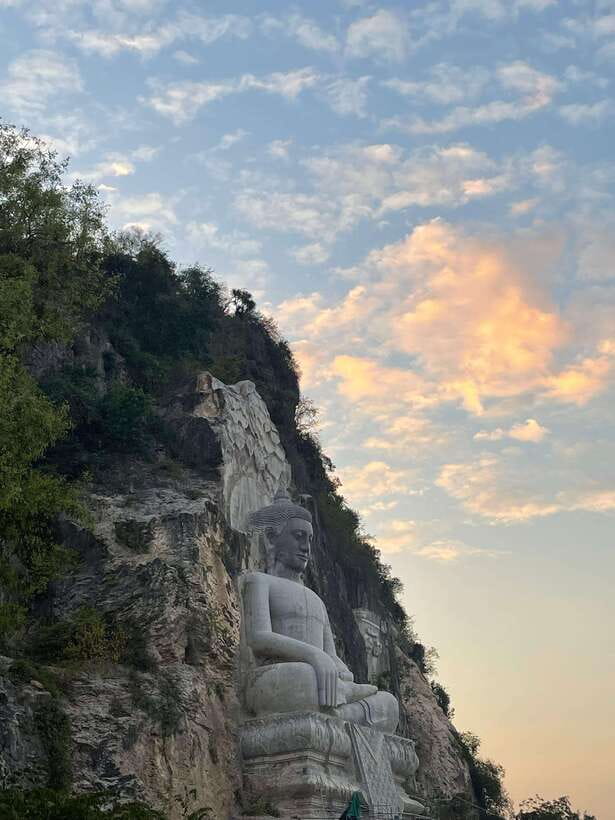
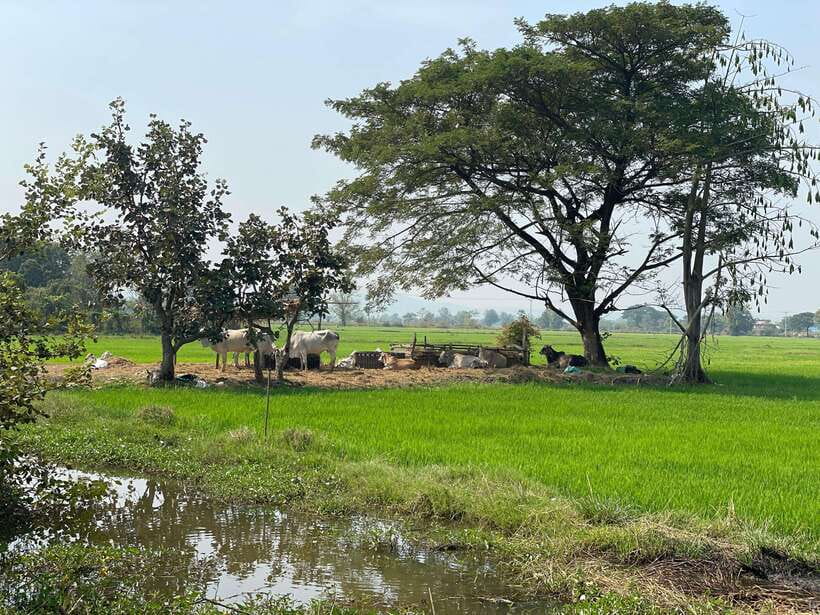
After the city sights, the tour heads along the river area. This part is all about scenery and scale. You’ll pass small villages and countryside views that feel more everyday than touristy.
One specific moment built into the day is a suspension bridge stop. Bridges are underrated on tours. They’re one of the easiest ways to see how the land and water shape life here.
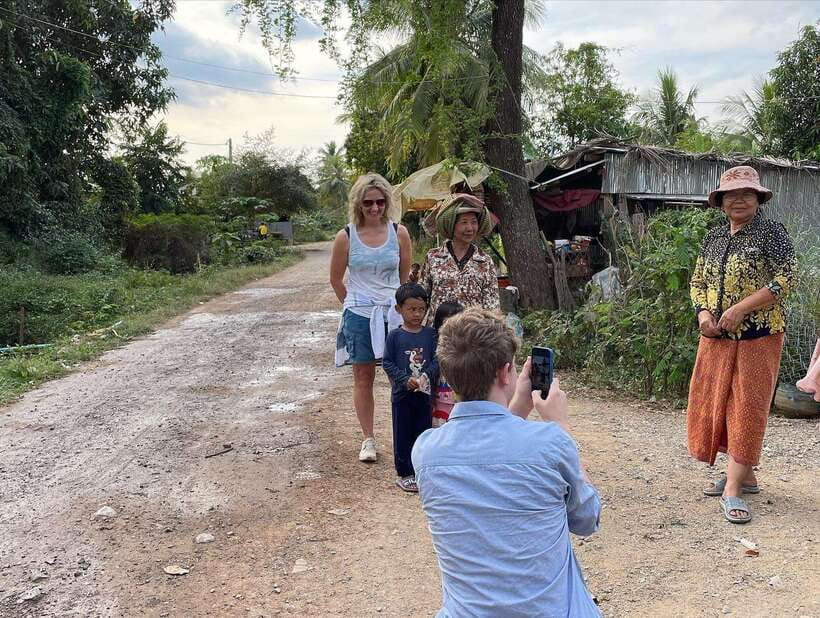
Also, this is when you’ll notice your guide’s style. Many guides on this kind of circuit use small roadside pauses to explain what you’re looking at—plants, farming, and how people use everyday resources. In the past, I’ve seen people really appreciate those side-stops because they turn a ride into a living lesson, not just vehicle time.
Bamboo Train: the fun ride that costs $5 extra
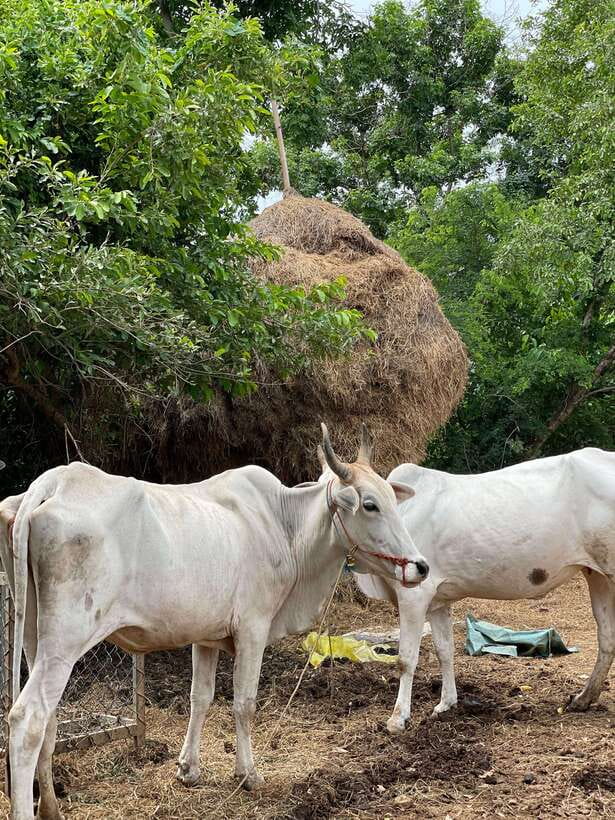
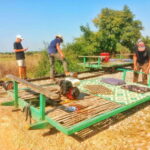
The bamboo train is the headline for a reason. It’s playful, it’s local, and it’s exactly the kind of activity that turns a half-day into a story you’ll remember.
Here’s the key detail: the tour fee covers the guide and activities, but the bamboo train ticket itself is not included. You’ll pay $5 per person for the ride.
What you can expect once you’re at the bamboo train segment:
- A guided ride experience (the tour time here is longer than most quick stops)
- Time to take photos and watch how the ride works
- Views along the route that give you that Battambang feel—people, fields, and moving scenery
Practical tip: bring cash so you’re not scrambling at the last second. Also, wear shoes you trust. Even if it’s not a long hike, there’s always some uneven ground when you’re moving around platforms and boarding areas.
Bat Cave and Killing Cave: two very different cave moods
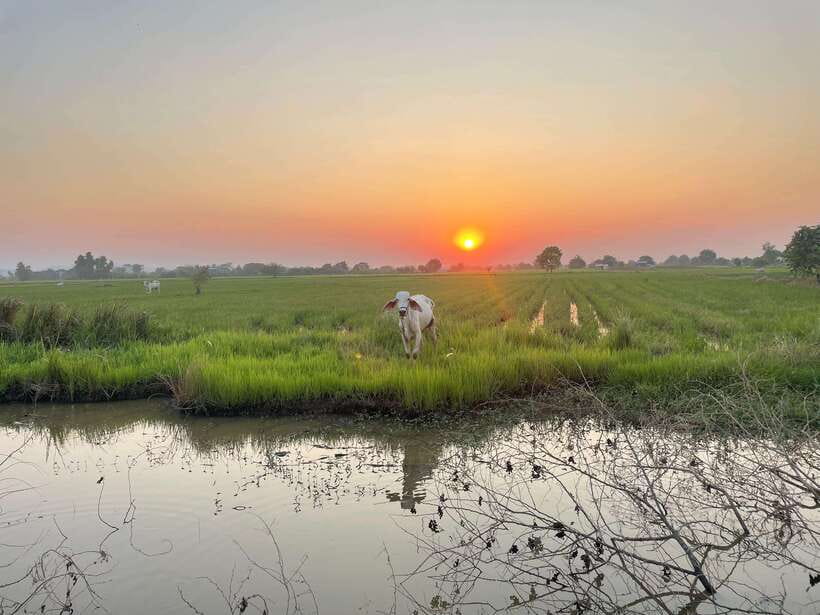
Then comes the part that can’t be handled like a normal “sight.” The caves are both memorable, but in different ways.


Bat Cave: the evening exodus moment
The bat cave stop is the one that most people talk about. When the bats fly out to roost, it’s not just a nice view—it’s visual chaos in the best way. You’ll understand why guides time it around dusk.
What makes this stop work:
- You’re in a fixed location long enough for the spectacle to unfold
- You get a clear sense of the bats as a living system, not a random animal fact
- Even people who don’t usually care about animals tend to react to the scale
Bring your camera, and don’t assume your phone will capture it cleanly. You’ll probably want both hands free, so secure straps and keep your lens protected.
Killing Cave: emotionally heavy, so treat it with care
The Killing Cave (also described as a bat/killing cave experience in tour wording) is a stark reminder of Cambodia’s recent history and violence. I recommend going in with a steady mindset. This isn’t a “light” stop.
A few things to keep in mind:
- You’ll likely move through darker, more enclosed areas
- The emotional tone can be intense
- You may want to pause and not rush through photos
This is also where a good guide matters. The best guides don’t sensationalize. They keep the focus on what the site represents, and they give you enough context to understand why this stop exists in the itinerary at all.
The timing: 1:00 pm start, a day that runs into early evening
This is labeled as a half-day, but it’s really a full afternoon: you start around 1:00 pm and the schedule runs until about 7:00 pm. That wider window is important because the bats work best near evening, not mid-day.
A smart way to plan your evening:
- Don’t book anything tight right after drop-off
- If you want dinner out, keep it flexible and close to your hotel/restaurant area
- Bring sunscreen even if clouds roll in. Battambang sun can catch you.
And remember: drinking water is included, which is a small detail that saves you from spending extra money during the ride.
Price and what $12 buys you (and what costs extra)
At $12 per person, this tour is priced as an affordable, guided circuit—especially because it includes several items that add up on their own:
- Tuk driver/local guide
- Drinking water
- Entrance fee for the Killing Cave / bat cave
What’s not included is the bamboo train ticket: $5 per person.
So your total bamboo train day cost is usually the base price plus that add-on. From a value perspective, the structure makes sense: you’re paying for the guide to connect the city, countryside, and caves in one route, and you’re only paying separately for the one activity that charges its own ticket.
If you’re comparing options, don’t just compare the headline price. Check whether you’d otherwise pay entrance fees and pay for a driver. In this format, you’re getting a lot of logistics handled for you.
Small-group energy: up to 10 people, with real Q&A time

One big difference between this kind of tour and solo chaos is group size. This experience is limited to 10 participants, and that tends to make the day feel calmer. You can usually hear what the guide is saying, and the driver isn’t juggling a big crowd.
In particular, the guides get strong praise for English and for their ability to answer questions without rushing people out the door. Names that have shown up with excellent feedback include Bun, Rotah, Bruce Lee, Rotha, and Tha—and the common thread is storytelling with practical context.
In some versions of the same route, guides also make short stops to explain plants and everyday life. That’s one of those touches that turns the day from sightseeing into understanding what surrounds you.
What to bring so the caves and train don’t slow you down
The tour is simple, but you’ll feel better prepared. I’d pack the essentials they mention:
- Comfortable shoes
- Sunglasses
- Hat
- Camera
- Sunscreen
- Cash
Cash matters because the bamboo train ticket is extra. It can also help if you want to buy small snacks during stops. On past trips with guides like Bun, people have even mentioned trying local food such as grilled rat when it came up informally at the right moment. That’s not something I’d treat as guaranteed, but it’s a reminder that the day can include small local encounters.
Who this tour suits best (and who should think twice)
This is a great fit if you:
- Want a guided day that mixes city sights, countryside, and caves
- Like small groups and an English-speaking guide
- Care about seeing Battambang’s “in-between” places, not only one attraction
It may not be ideal if you:
- Get uncomfortable with dark or heavy historical content at the Killing Cave stop
- Want a quieter, slower day with lots of free time
Also note that pickup/drop-off is only within Battambang city. If you’re staying outside the city center, you’ll want to confirm the pickup point so you don’t lose time.
Should you book the Battambang Bamboo Train, Bat Cave and Killing Cave Tour?
If you want one afternoon that actually covers the story of Battambang—from colonial-era landmarks to the bamboo train ride to the bat exodus and the sobering cave stop—this is a strong choice.
I’d book it if you value a guided route and you’re emotionally ready for the Killing Cave component. Pay attention to the extra $5 bamboo train ticket, bring cash, and pack for sun and walking.
FAQ
FAQ
What time does the tour start?
The tour starts at 1:00 pm.
Where does pickup and drop-off happen?
Pickup and drop-off are included, but only within Battambang city. You should tell the provider where you want to be picked up (hotel or restaurant).
How much does the bamboo train cost?
The bamboo train ticket costs $5 per person and is not included in the base price.
Is there an English guide?
Yes. The tour includes a live English-speaking guide.
What should I bring?
Bring comfortable shoes, sunglasses, a hat, camera, sunscreen, and cash.
Can I cancel for a refund?
Yes. You can cancel up to 24 hours in advance for a full refund.