REVIEW · BATTAMBANG
Afternoon Tour: Bamboo Train, Killing Cave &Bat Cave
Book on GetYourGuide →Operated by Thing to do in Battambang · Bookable on GetYourGuide
The bats steal the show at dusk. In Battambang, this 7-hour tuk-tuk tour strings together the bamboo train and the darker corners of Phnom Sampeau, ending with millions of bats streaming from the cave.
I also love how the day feels like real local life, not a rushed checklist. You get village stops along riverside plantations, then you roll out over the countryside where Battambang earns its rice-barn reputation.
What you’ll like most is the guide work. I like the way English-speaking guides build the “why” behind each stop, with stories and a calm pace that lets you actually look around.
One thing to consider: the Killing Cave area is emotionally heavy, and the tour’s finale depends on the bat flight timing. That means you should expect waiting around at dusk and walking on uneven ground.
In This Review
- Key highlights to watch for
- Battambang by Tuk-Tuk in the Afternoon: how this 7-hour loop really works
- Lok Ta Dambong Kra Nhoung Shrine and the Suspension Bridge walk
- Bamboo Train Battambang: the rice-barn ride you’ll remember
- Village fruits and riverside plantations: the sensory side of Battambang
- Phnom Sampow hilltop: when the stories shift to Khmer Rouge prisons
- The Killing Cave and the smaller caves: a heavy stop handled on foot
- Bat Cave at sunset: planning for the million-bat exit
- Price and value at around $9: what you’re paying for
- Who should book this tour (and who should rethink it)
- Guides and the pace: what makes the experience feel easy
- Should you book this Battambang afternoon tour?
- FAQ
- How long is the afternoon tour?
- What time do I get picked up?
- What are the main stops on the tour?
- Are entrance fees included in the price?
- What’s included in the tour price?
- Does the tour end at a fixed time?
Key highlights to watch for
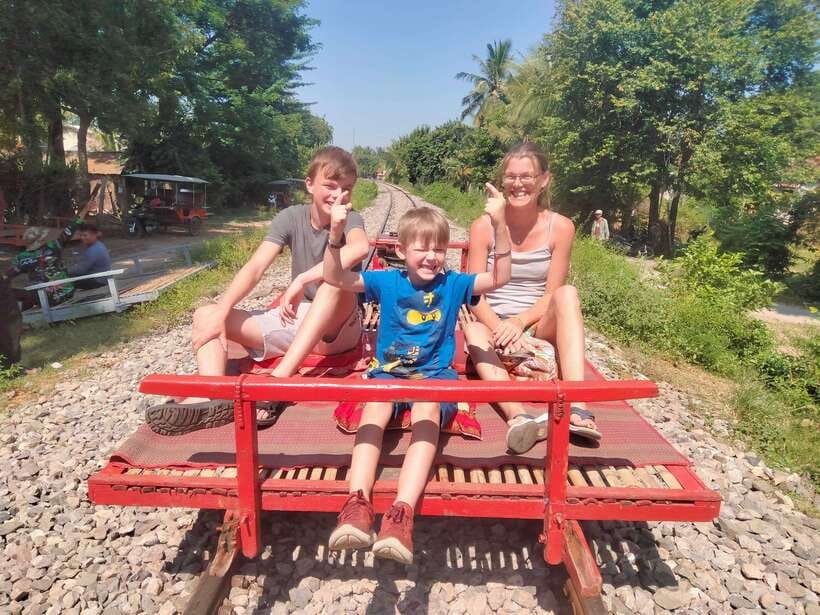
- Iconic bamboo train ride across rice paddies, with scenery that changes every few minutes
- Fruit and riverside village time, including tastings of common plantation crops
- Suspension bridge and shrine stops that quickly get you oriented to Battambang’s geography
- Phnom Sampeau cave route tied to Khmer Rouge prison stories and the layout of the caves
- Million-bat exit at dusk, when the whole hill feels electric for a few minutes
- Pacing that stays relaxed, with your guide balancing walking and driving as you go
Battambang by Tuk-Tuk in the Afternoon: how this 7-hour loop really works
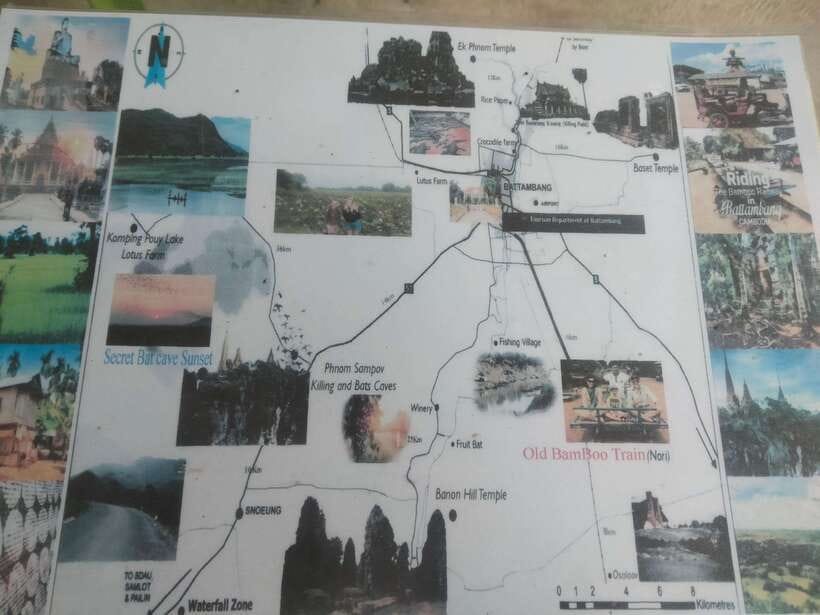
This is a classic Battambang format: you’re not stuck in a big van, and you’re not trying to do everything at once on your own. You get picked up in Krong Battambang around 12:50PM, then spend the next stretch of hours moving from shrine and bridge to countryside and hilltop caves, with dusk as the anchor.
The schedule is built around one moment: the bat cave flight. Your timing matters because that flight happens at sunset, and your tour finishes when the bats fly out. So the day runs from midday into evening without you having to figure out transport between far-flung spots.
I like that the tour is structured, but not rigid. You’ll get guided time at each stop, yet there’s room to look, ask questions, and choose how much you want to walk. A lot of people rate this tour highly for exactly that mix: organized, friendly, and not a nonstop sprint.
You can also read our reviews of more tours and experiences in Battambang.

Lok Ta Dambong Kra Nhoung Shrine and the Suspension Bridge walk
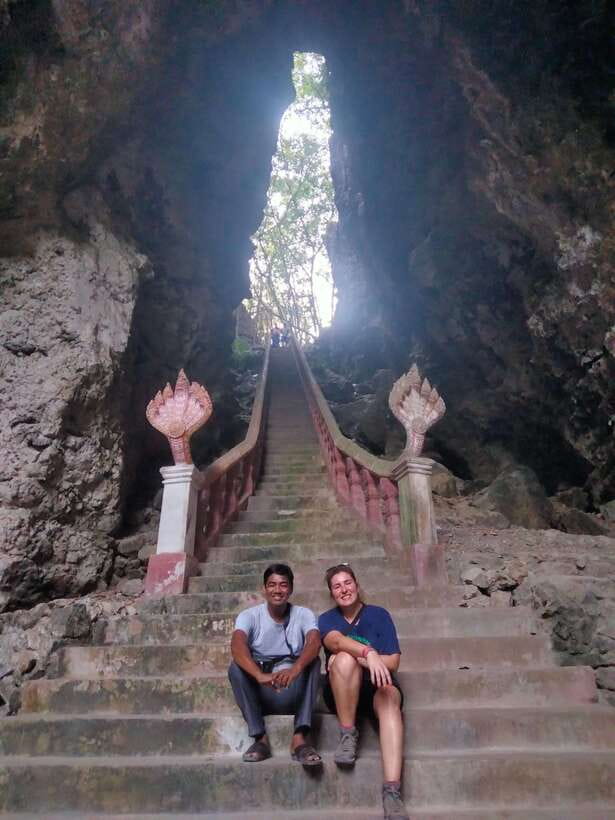
Before the countryside starts, you’ll visit the Lok Ta Dambong Kra Nhoung Shrine. It’s not a long stop, but it does something useful: it helps you understand the local spiritual landscape before you head into more intense history later. The guide’s narration here sets the tone, and you’ll hear how locals connect the province’s identity to the area you’re exploring.
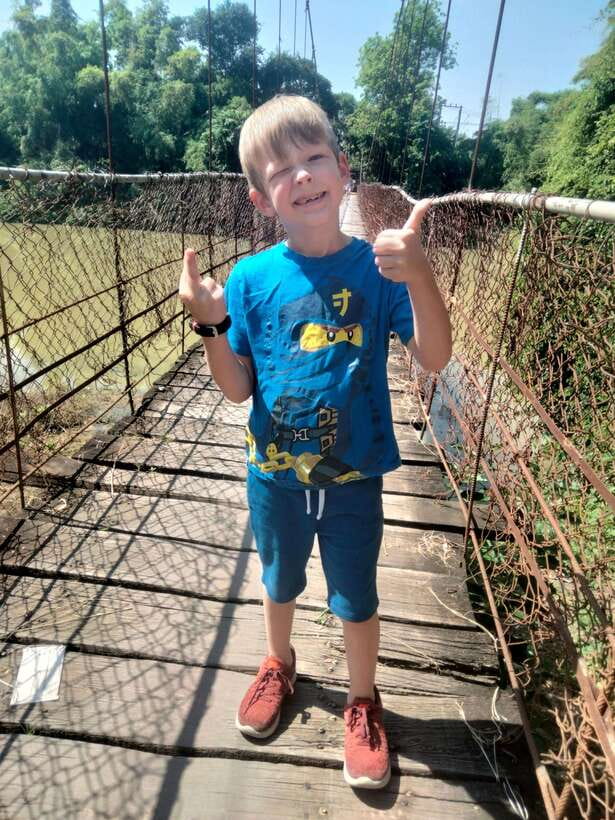
Then you move to the suspension bridge, with a short walk and time to take in the view. This is one of those stops that sounds simple until you’re actually there. A bridge like this gives you a quick “Battambang feeling”: wide river space, village edges, and the sense that life here stretches along waterways.
Practical tip: wear shoes with grip. Even short walks can mean uneven paths, and it helps if your feet stay comfortable for the longer hill section later.
Bamboo Train Battambang: the rice-barn ride you’ll remember
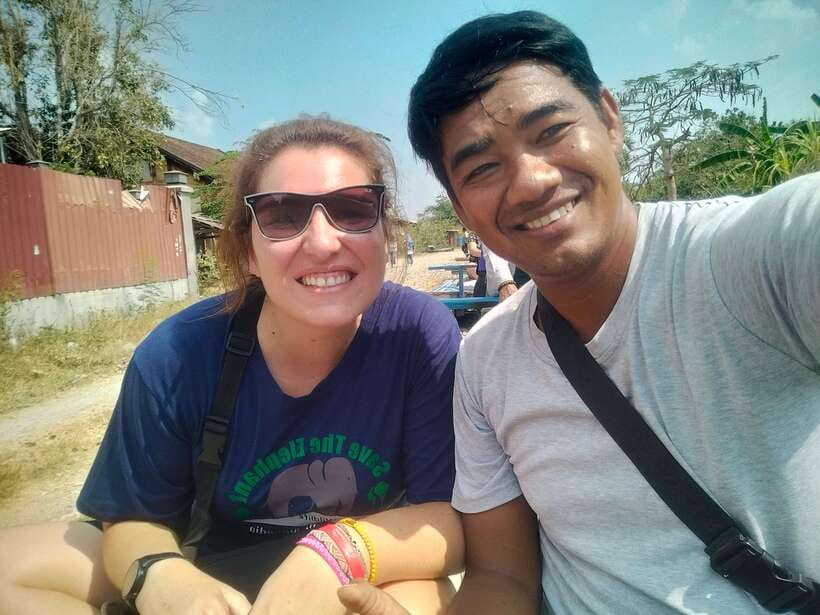
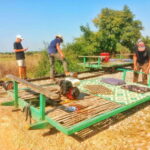
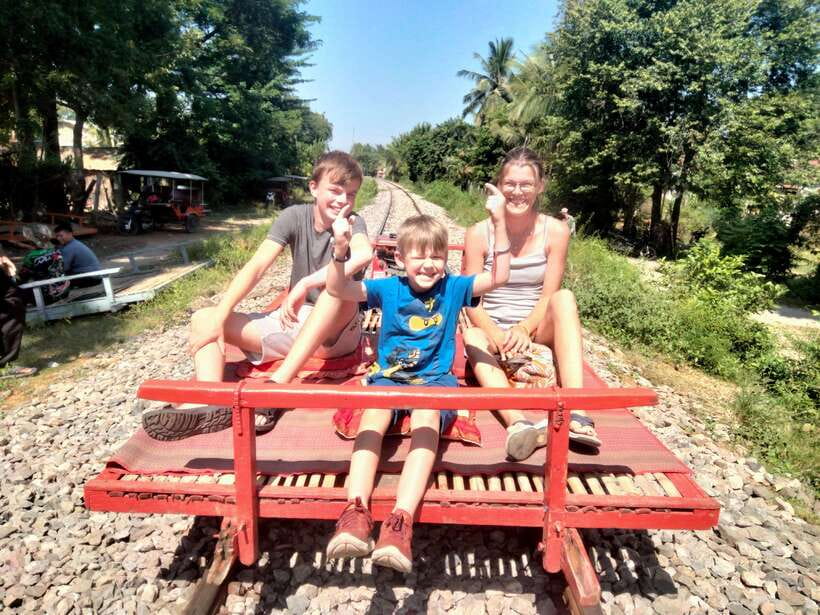
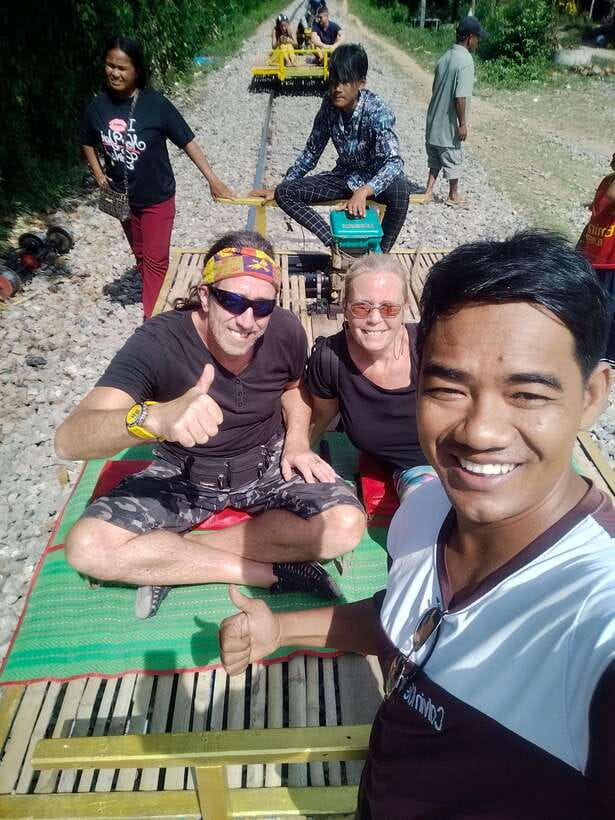
The star activity is the bamboo train. You’ll climb onto the track ride after traveling through village areas and countryside. The ride is about more than the novelty. It’s a moving viewpoint: you see green fields, small roadside markets, and the rhythm of everyday life from a perspective that feels close to the ground.
Battambang is often described as Cambodia’s “rice barn,” and this ride is one reason why that nickname sticks. The bamboo train route takes you through paddies and working farmland, so you can connect what you see with what your guide explains about agriculture and local livelihoods.
You’ll also get time for a bamboo rafting segment tied to the same overall area. Even if it’s brief, it adds variety to the experience and helps break up the day before the hilltop part.
One caution based on real-world experience: the bamboo train end-of-line can bring souvenir pressure. It’s not the same as a full-on scam, but you may feel people trying to sell things right after the ride. If you’re not into shopping, keep your focus on the ride and stay polite but firm if you want to move on.
Village fruits and riverside plantations: the sensory side of Battambang
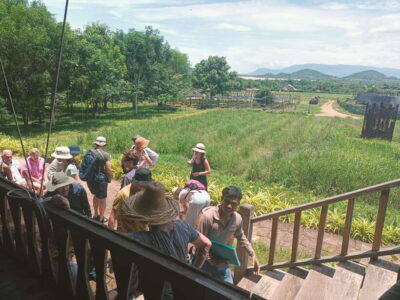
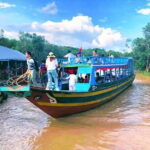
Between shrine/bridge and the train, you’ll spend time in the villages along riverside plantations. This part is surprisingly fun because it’s not just sightseeing. You’ll see crops like pomelo, lime, quaver, and sugar cane, and the tour includes tasting some of the fruit.
This is where Battambang becomes personal. You start noticing details that you’d miss if you only came for the headline attractions. You’ll get a sense of how people build daily routines around water and farming. It’s also a good reminder that Cambodia isn’t only history and temples. It’s food, hands-on work, and local ecosystems shaped by the river.
Practical tip: if you have a sensitive stomach, ask what’s been cut and served. Fruit tastings are usually straightforward, but you’re still eating fresh local produce in warm weather.
Phnom Sampow hilltop: when the stories shift to Khmer Rouge prisons
After the bamboo train and countryside time, you head toward Phnom Sampow (often written Phnom Sampeau). Plan for a longer stretch here, because the hilltop section is where the tour turns serious.
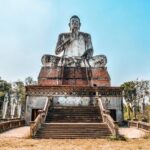
Your guide will describe the Khmer Rouge prison story and connect it to the cave system on the hill. You’ll walk, get viewpoints, and follow the path with the guide’s explanations. The total time at Phnom Sampow is long enough that you’ll feel the difference between the lower countryside and the hilltop atmosphere.
This is also where good guidance matters most. You’re dealing with a tragic chapter of Cambodia’s past, and you’ll want someone who can explain clearly and keep the mood respectful. Many past guests praise guides for pacing the narrative and making sure you understand what you’re seeing rather than just ticking off names.
Practical note: bring water and pace yourself. Even if the route doesn’t sound huge on paper, walking on a hill in afternoon-to-evening heat adds up.


The Killing Cave and the smaller caves: a heavy stop handled on foot
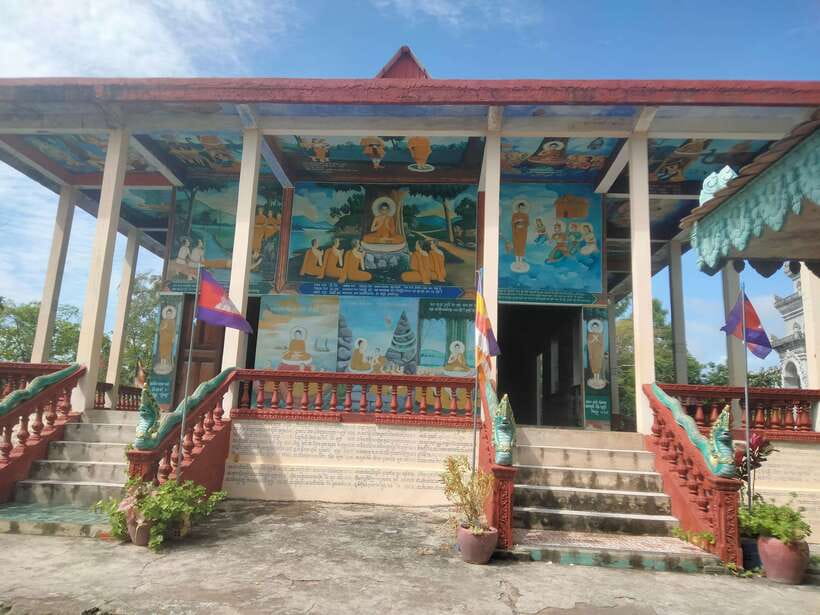
Next comes the Killing Cave area, plus connected cave spaces often referred to as smaller related caves such as baby and women killing caves. The route is a short guided walk and time for you to look and take in the scene while your guide explains the history.
This is the most emotionally difficult segment of the day. It’s also the part where you should slow down mentally. The physical space can feel tight and shadowy, so it helps to go with a calm expectation: you’re here to understand, not to treat it like a quick photo stop.
I appreciate that this tour doesn’t rush past the cave explanations. With a guide who sets context, the caves stop being a scary title and start becoming a place you can actually place in the broader story of what happened here.
What I’d consider as a possible drawback: if you’re not ready for graphic historical topics, you might find it tough. Go if you can handle the emotional weight, and give yourself permission to step back, breathe, and take breaks.
Bat Cave at sunset: planning for the million-bat exit
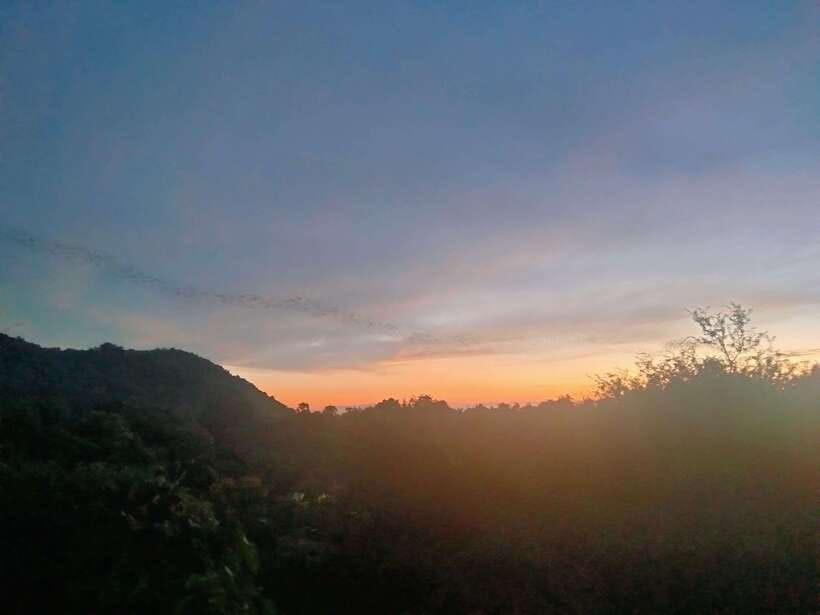
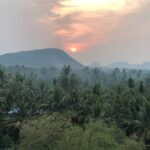
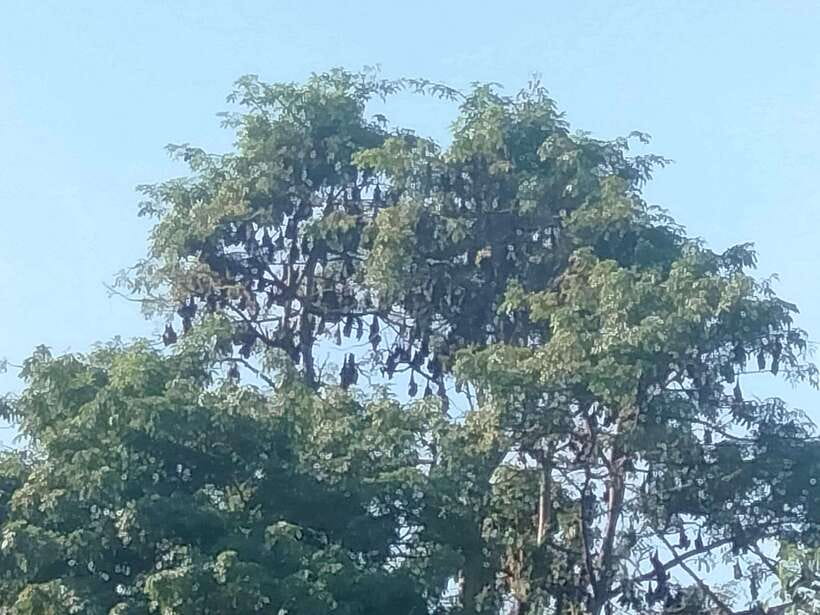
The final act is the Bat Cave on the hill, timed for dusk. This is when millions of bats fly out, and it turns a historical day into a raw natural spectacle.
Here’s how it works in practice: you come down from the viewpoints area and wait at the cave entrance area as light fades. The tour is designed so your ending time depends on the flight. So the exact moment may vary, but your guide keeps the group in position so you catch the main wave.
This is also the part that many people name as the highlight. You’ll hear the bats before you fully see them, then suddenly the air feels alive. It’s loud, fast, and visual. The bats don’t stick around for long, so once the flight begins, you’ll want to be ready to watch without constantly moving.
Practical tips that help:
- Bring a light layer if evening temps drop while you wait.
- Keep your camera settings ready so you’re not fumbling during the first minutes.
- If you’re sensitive to sounds, step slightly aside and focus on the motion rather than the noise.
Price and value at around $9: what you’re paying for
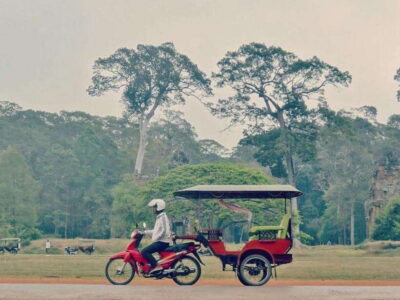
At $9 per person for a 7-hour afternoon tour, the value is strong if you care about three things: transport, guidance, and sequencing. You’re not just getting a ride; you’re getting a driver-guide who connects the stops into a coherent day.
What’s not included matters. Entrance fees and tickets for the sites are not included, so you’ll want to budget some extra cash for that portion. Also expect personal spending for any extra snacks or souvenirs.
So is it a bargain? For Battambang, yes, especially because the schedule covers multiple major areas: train and village countryside, plus the Phnom Sampeau caves and bat cave. A solo ride between these locations would cost more than the tour once you factor in tuk-tuk time and the hassle of finding your way.
One more value point: the guide experience. Multiple past bookings rate the day highly because guides can explain the place clearly and keep a calm, comfortable pace. When the guiding is good, $9 goes a long way.
Also worth noting: the experience can be flexible, and many guests mention their guides provide small kindnesses like water and safety-focused driving. Those touches add up on a long, warm day.
Who should book this tour (and who should rethink it)
This tour is a great fit if you:
- Want the Battambang bamboo train and the Bat Cave in one afternoon stretch
- Like guided context, especially for Cambodia’s history beyond temples
- Prefer a tuk-tuk day over a cramped, rushed bus tour
- Enjoy a pace that includes walking but doesn’t force you to go hard the whole time
You might rethink it if:
- You’re not comfortable with the emotionally heavy cave history at Phnom Sampeau
- You hate waiting at dusk (the end depends on the bat flight)
- You expect fully curated comfort at every step. This is travel in the real world, so you’ll be on hills and paths with uneven footing.
The best match is travelers who want both sides of Battambang: the everyday village view from a bamboo train track, and the sobering history tied to the caves.
Guides and the pace: what makes the experience feel easy
One reason this tour earns such strong ratings is the guide style. People frequently mention guides like Vatthana, David, Sam, and a guide referred to as J for being friendly, good at pacing, and strong with English narration. You’ll also notice comments about humor and keeping things relaxed while still covering the important story points.
I find that matters most when the day runs from midday into dusk. Without a good pace, the day can feel like nonstop activity. With the right guide, the ride becomes a flow: countryside curiosity first, serious context next, then nature payoff at the end.
Some guests also mention flexible choices like walking versus driving portions of the hill route, plus the simple comfort of being transported safely in a tuk-tuk.
Should you book this Battambang afternoon tour?
If you’re weighing options in Battambang, I’d recommend booking this one if you want a single afternoon plan that covers the headline experiences: bamboo train, Phnom Sampeau caves, and the million-bat exit. The $9 price makes it an easy decision, and the guide-driven sequencing is the main reason it feels worthwhile.
Book it especially if you value context. The tour isn’t only about seeing. It’s about understanding what you’re seeing, then ending on a natural event that’s hard to replicate on your own.
If you’re squeamish about heavy historical sites or you dislike dusk waiting, you can still go, but be honest with yourself first. The bat part is unforgettable, yet the cave history is not light.
If you can handle that mix, this is one of the most efficient ways to experience Battambang in a day.
FAQ
How long is the afternoon tour?
It runs for about 7 hours.
What time do I get picked up?
Pickup starts around 12:50PM in Krong Battambang.
What are the main stops on the tour?
You’ll visit a shrine, then a suspension bridge, ride the Battambang bamboo train (with countryside views), go to Phnom Sampow hilltop, visit the Killing Cave area, and end at the bat cave for the bat flight at dusk.
Are entrance fees included in the price?
No. Entrance fees and tickets are not included.
What’s included in the tour price?
Hotel pickup and drop-off (around Battambang town) and a tuk-tuk driver-guide are included.
Does the tour end at a fixed time?
The tour finishes depending on when the bats fly out of the cave.