REVIEW · SIEM REAP
5-Day ‘All The Sights’ Tour
Book on Viator →Operated by Asia Voyage Tour · Bookable on Viator
A good Angkor trip saves your energy. This 5-day private tour strings together the big temple hits plus offbeat stops, with door-to-door private transfers and a guide who helps you make sense of what you’re seeing. I also like that you get practical comfort extras like bottled water and cold towels, not just sightseeing. One consideration: the tour price excludes entrance fees and temple passes, so plan for add-on costs on top of the $309 rate.
What makes it interesting is the pacing and coverage. You’ll hit the Angkor complex, then shift gears to Phnom Kulen, and finish with Koh Ker, Beng Mealea, and a boat ride through Kompong Phluk’s stilt villages. It’s a lot of ground, but it’s handled in a private format—your group and your guide—so you’re not stuck with a one-size-fits-all script.
The only real drawback to weigh is walking. This route isn’t for you if you can’t manage uneven temple steps and some longer stretches on your feet, because the tour is clearly not designed for limited mobility.
In This Review
- Key highlights you’ll care about
- Door-to-door private days: what $309 really buys
- Angkor passes first: the smart way to handle ticket costs
- Day 1: Angkor Thom circuit, then Angkor Wat at full strength
- Day 2: Phnom Kulen water stops, Banteay Srei, and Pre Rup’s views
- Day 3: Sunrise Angkor Wat plus the calmer temples around Preah Khan
- Day 4: Koh Ker and Beng Mealea for the off-the-main-track feel
- Day 5: Kompong Phluk stilt villages and Siem Reap market time
- Comfort, breaks, and the walking reality
- Guides and drivers: why the private format can feel worth it
- Should you book this 5-day all-sights tour?
- FAQ
- Do I need to buy Angkor entrance passes for this tour?
- Are entrance fees for Koh Ker and Beng Mealea included?
- What’s included in the tour besides the guide?
- What about meals during the 5 days?
- What time does the tour start each day?
- Is there free cancellation?
Key highlights you’ll care about

- Private guide for a more personal, question-friendly pace across all five days
- Door-to-door transfers so you’re not coordinating transport between sites
- Kompong Phluk boat ride included, with stilt-village views from the water
- Sunrise return to Angkor Wat for a different mood than daytime crowds
- Strong temple mix: famous Angkor sites plus Koh Ker and Beng Mealea
- Comfort kit included: bottled water and cold towels during the day
Door-to-door private days: what $309 really buys
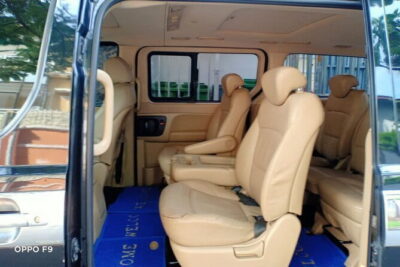
At $309 for about 5 days, the headline price is clear. What’s also clear is what you’re paying for: a private setup that reduces friction. You get hotel pickup and drop-off, an English-speaking guide, and planned routes so you’re not figuring out daily logistics while your legs are already tired.
This matters in Siem Reap because Angkor can chew up time. Distance, traffic, and the ticket/pass system add stress. With this format, you start each day already in motion and you’re not negotiating with tuk-tuk drivers or guessing which order makes the most sense.
You’re also getting small comfort wins that add up. Bottled water and cold towels are included. That’s not a luxury detail. It’s the kind of thing that helps you keep going when the heat and walking stack up.
One more value note: group discounts are mentioned as a feature. If you’re traveling with friends or family, the private format can feel even smarter because the per-person cost can drop compared to booking separate day trips.
You can also read our reviews of more tours and experiences in Siem Reap
Angkor passes first: the smart way to handle ticket costs
Here’s the part that trips people up: Angkor entrance fees and passes are not included in the $309. Instead, the tour works through the official Angkor pass system on Day 1.
You’ll buy Angkor Temple passes from the Angkor Enterprise ticket office, and the guidance is to get at least a 3-day pass. The prices listed are:
- USD 62 for 3 days
- USD 72 for 7 days
It’s one pass per person.
Why this matters for your budgeting and planning: the itinerary includes multiple Angkor-area days and returns to major sites, including a sunrise visit to Angkor Wat. If you only buy a short pass by accident, you could lose time—or end up paying for separate access later.
So I suggest planning your pass before you arrive, at least in your mind. If you want maximum flexibility, the 7-day option costs more, but it can prevent headaches when plans change or you want extra temple time beyond the tour.
Day 1: Angkor Thom circuit, then Angkor Wat at full strength
Day 1 is built like a classic Angkor story arc: start with the heart of Angkor Thom, then end with the centerpiece.
You begin at the Angkor Archaeological Park, where the pass purchase happens. Then the temples come in a sequence that lets you compare styles as you go.
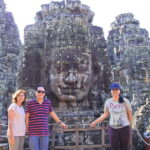
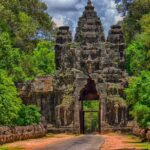
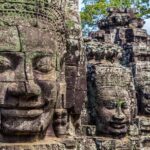
You’ll visit Bayon, a richly decorated Khmer temple and the central temple of Jayavarman VII’s capital. The effect here is visual and emotional: lots of carvings and a sense of power concentrated in one area. If you want to photograph, plan for angles that avoid long lines and harsh midday glare.
Next up is Baphuon, a temple mountain in Angkor Thom, built as the state temple of Udayadityavarman and dedicated to Shiva. This stop is a good palate-cleanser between the dense Bayon experience and the later, sprawling Angkor Wat complex.
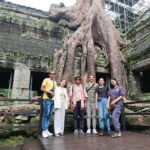
Then you move to Ta Prohm, the famous temple known for its dramatic tree roots and worn-stone mood. It’s a popular stop for a reason: it feels like the temple is still negotiating with nature.
From there you’ll see the Terrace of the Elephants. It’s shorter than the big temple climbs, but it’s one of those places that helps you understand how the royal palace boundary worked and how processions shaped the space.
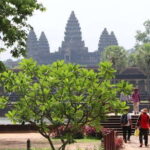
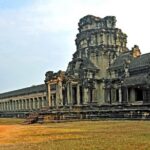
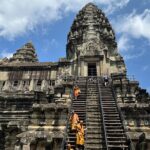
After lunch, the tour makes a long move into the day’s big finish: Angkor Wat. This is where the scale hits you. You’re looking at the largest religious monument in the world on a vast site area. Your guide’s job (and the tour’s value) is to help you read it beyond the postcard view—how the complex is laid out and why it feels monumental even from a distance.
Finally, you’ll head to Phnom Bakheng, a temple mountain on a hill. It’s a good late-day choice because you’re already in the area of temple viewpoints, and it gives your feet a final challenge before the day ends.
Day 1 drawback to consider: it’s packed. Even with a private guide, you should expect a long day with multiple temple walks and some climbing. Build in a recovery mindset for the evening.
Day 2: Phnom Kulen water stops, Banteay Srei, and Pre Rup’s views

Day 2 shifts from the Angkor flatlands to Phnom Kulen territory. That change of scenery is one of the best reasons to do a multi-day tour instead of just temple-hopping.
You start with a quick stop at 1000 Lingas along the way to Phnom Kulen. Even if you don’t know the symbolism, the sheer number is the hook. Your guide can connect it to the broader Shiva theme you’ll keep seeing through the Angkor-period sites.
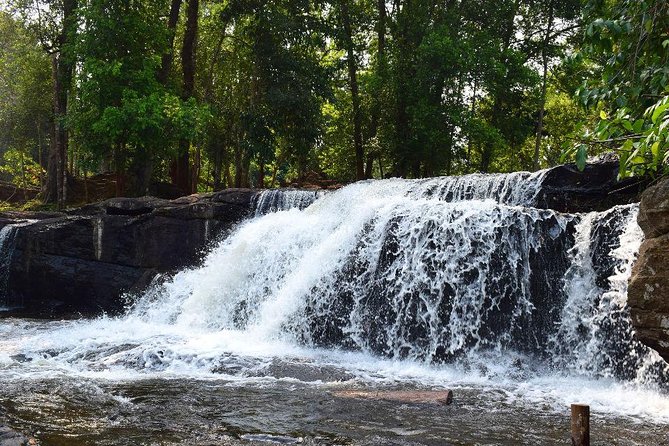
Then comes Phnom Kulen National Park. You’ll have time for a swim at the waterfalls. This is one of those breaks that keeps the trip from feeling like temple fatigue. If you like getting out of the heat and changing pace, this part does the job.
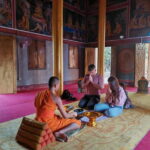
After the swim, you walk up a short way to reach a pagoda and a reclining Buddha. The tour notes that guests sometimes get a water blessing. Even if you don’t plan around that moment, it’s a nice reminder that these places weren’t built just for visitors; they were living religious sites.
Lunch is included as a local stop option. Meals aren’t covered, but you’ll get a planned lunch break so you’re not hunting when your energy dips.
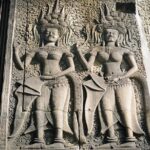
The afternoon turns back to temple focus with Banteay Srei. Often called the ladies temple, it’s a 10th-century temple dedicated to Shiva. It’s also known for a more delicate, refined feel compared to some of the larger, more rugged complexes. This stop is a great one if you like carvings and details.
Next is Banteay Samre, in the Angkor Wat style. It’s shorter, but it helps you keep track of the different temple styles within the same broad era.
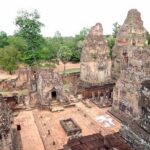
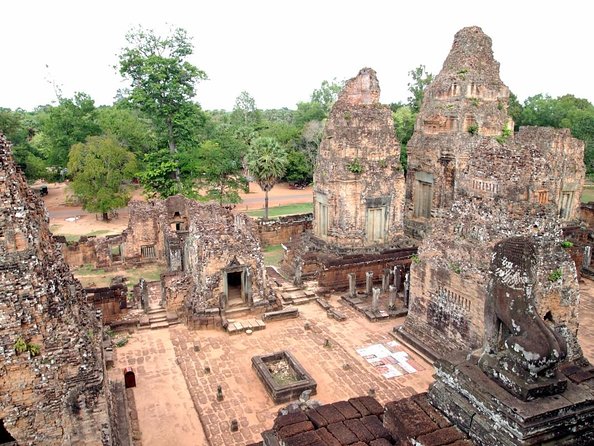
You wrap up with Pre Rup, another temple mountain dedicated to Khmer King Rajendravarman and built around 961 or early 962. It’s a good ending choice because it gives you that temple-on-high-ground perspective, and it’s a different silhouette from Angkor Thom’s core spaces.
Day 2 drawback: the park day plus multiple temples means you may feel it in your legs. Wear supportive shoes and don’t assume the “short walk” portions will all be easy.
Day 3: Sunrise Angkor Wat plus the calmer temples around Preah Khan
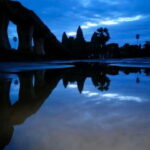
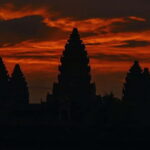
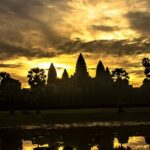
Day 3 is the payoff day if you love atmosphere. You return to Angkor Wat for sunrise. Even if you’re not a hardcore early-morning person, this matters. Daytime Angkor is busy and hot; sunrise changes the mood. It’s also when the first views feel less like a city of tourists and more like a world of stone.
After that, you head back to the guest hotel for breakfast. This break is one of the smart choices in the itinerary because it prevents you from stacking too many temple hours without recovery.
In the afternoon, you visit Preah Khan, then Neak Poan, Ta Som, and East Mebon—temples clustered together so you can move efficiently. This cluster approach is one of the ways this tour avoids turning into a check-box marathon. You get variety without wasting hours on long transfers.
Then you go back to Ta Prohm for another round, plus Ta Nei. Doing Ta Prohm more than once might sound redundant, but it’s actually practical. Different light and different crowds can change how you experience the same stones. And if you like that tree-root drama, you’ll likely appreciate more time with it rather than just rushing through.
Banteay Kdei finishes the day. Meaning a citadel of chambers and also called monks’ cells, it’s a Buddhist temple area southeast of Ta Prohm and east of Angkor Thom. It gives your day a quieter tone compared to the most famous stops.
Day 3 drawback: the sunrise plus later temple visits can make it a long day even with the hotel breakfast. If you’re sensitive to early starts, consider whether you want the sunrise experience enough to accept the schedule.

Day 4: Koh Ker and Beng Mealea for the off-the-main-track feel
Day 4 is where your itinerary stops being only the “classic Angkor hits” and starts feeling more like discovery.
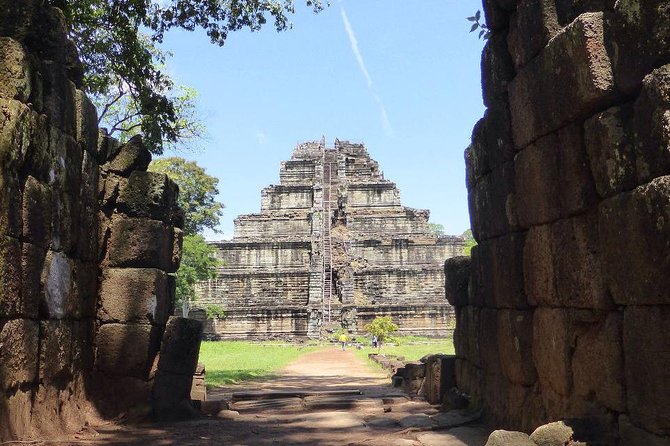
First is Koh Ker, reached after a very long drive (about 120 km away from Siem Reap). This is a remote archaeological site in a jungle-filled region, more sparsely populated. That remoteness matters. It changes how you experience the temples—less like a theme park route, more like a place you’ve actually traveled to.
After Koh Ker, you head to Beng Mealea. It’s about 40 km east of the main group of temples at Angkor, along the ancient royal highway route toward Preah Khan Kompong. Beng Mealea is known as a ruined temple from the Angkor Wat period, and it feels different because it’s not as polished and restored as the headline monuments. For many people, that’s the whole point: it feels more “in the wild.”
Finally, you include Preah Vihear. This temple is perched atop a 525-metre cliff in the Dângrêk Mountains. It’s a dramatic setting even when you don’t fully know the temple’s story. The point here is the view and the sense of height, tied to the Khmer Empire era.
Day 4 drawback: it’s travel-heavy. Koh Ker alone is a long day segment because of the drive. If you’re the type who hates being in a vehicle for long stretches, you might feel this day more than others.
Day 5: Kompong Phluk stilt villages and Siem Reap market time

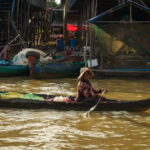
Day 5 is your change-of-pace day. Instead of temples all day, you get Kompong Phluk, a stilt village community on the Tonle Sap. The name means Harbor of the Tusks. The tour focuses on the real-life side: the community depends largely on fishing, especially during Cambodia’s wet season (May to October).
The boat experience is a highlight and it’s included: the tour includes the fee for the motorised boat. Being on the water gives you a perspective that you can’t get from a shore path. You’ll see homes built on stilts and get a feel for how the village moves with seasonal water levels.
After the cruise, you return and stop at Phsar Leu Thom Thmey and Phsar Chas—the top market and the old market—plus Artisans d Angkor. This is the part of the tour where you can slow down and turn your attention to modern Siem Reap life: local crafts, daily shopping rhythms, and the market energy.
Day 5 drawback: shopping stops aren’t the same for everyone. If you’re not into markets or crafts, you might want to treat this as a flexible time slot and decide what you actually want to browse.
Comfort, breaks, and the walking reality

A tour like this succeeds when you plan for tired feet, not when you “push through.”
This route includes a lot of temple ground with steps, uneven surfaces, and some hills. The tour also explicitly notes it’s not suitable for those who have less than average fitness or cannot walk normally. If that’s you, I’d treat this as a warning flag, not a technical detail.
What helps you stay comfortable is already built in: bottled water and cold towels. You still need to bring your own common sense items—sun protection, a hat, and good footwear—because those aren’t listed as included.
Also watch your meal expectations. Meals and soft drinks/alcohol are not included. That’s normal for this type of private day tour. But it means you should budget time for lunch breaks and plan a simple snack strategy so you’re not hungry while temples are on the agenda.
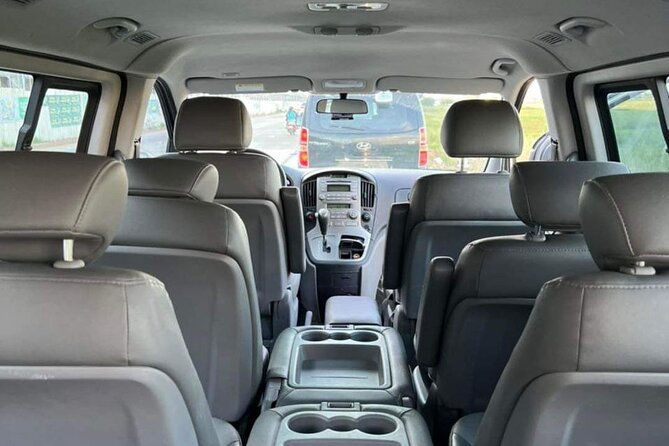
One small note from the tour experiences that comes through clearly in practice: the schedule matters. Start time is 8:30 am, and the vehicle departs from your hotel at that start time. If you’re a slow morning person, set an alarm early enough to avoid a rushed start.
Guides and drivers: why the private format can feel worth it
The private guide angle isn’t just about exclusivity. It’s about how fast you learn to read the site.
In particular, people have highlighted guide support that makes the story click. One named example from past groups is a guide called Choup, described as friendly and good at explaining what you’re looking at. That kind of guidance is valuable at Angkor because the sites can look similar if you don’t have context. A good guide helps you notice differences: temple style shifts, the logic behind temple layouts, and why a viewpoint or terrace matters.
Driver reliability also matters here, because distances can be long and the day is structured tightly. In feedback tied to this tour style, a driver called Mr bean is mentioned for careful driving and helpfulness with water during the tour.
You don’t need to know the names in advance. But it’s a good sign when the private setup includes both a guide who can explain and a driver who keeps you safe and on schedule.
Should you book this 5-day all-sights tour?
If you want a single, organized plan that hits Angkor plus Phnom Kulen and the bigger “beyond Angkor” stops, this is a strong match. The private guide and door-to-door transfers cut down on daily stress, and the itinerary includes variety: sunrise at Angkor Wat, a swim day at Phnom Kulen waterfalls, the stilt-village boat ride at Kompong Phluk, and more remote ruins at Koh Ker and Beng Mealea.
Book it if:
- You like a structured route and don’t want to coordinate transport between sites.
- You’re okay paying temple passes and entrance fees on top of the $309 rate.
- You can handle temple walking and steps at a steady pace.
Skip it or consider alternatives if:
- You want a very relaxed, short-day style itinerary with minimal walking.
- You hate long car rides, especially the Koh Ker drive day.
- You’re not comfortable adding entrance fees and temple passes after booking.
If you do book, go in knowing the tour is about value through organization. The real win is that you’re not spending your vacation managing tickets, transport, and figuring out what to see next—you’re spending it learning the sites as you go.
FAQ
Do I need to buy Angkor entrance passes for this tour?
Yes. Angkor Temple passes are not included. You’ll buy them from the Angkor Enterprise ticket office, and the tour suggests at least a 3-day pass (USD 62 for 3 days, USD 72 for 7 days), one pass per person.
Are entrance fees for Koh Ker and Beng Mealea included?
No. Koh Ker and Beng Mealea temple passes/entrance fees are listed as not included, with Koh Ker at USD 10 per person and Beng Mealea at USD 5 per person.
What’s included in the tour besides the guide?
Hotel pickup and drop-off, a professional English-speaking guide, the fee for the motorised boat, bottled water, and cold towels.
What about meals during the 5 days?
Meals are not included. The itinerary includes lunch breaks, but you’ll need to pay for your own meals.
What time does the tour start each day?
The tour start time listed is 8:30 am, with the vehicle departing from your hotel at the start time.
Is there free cancellation?
Yes, free cancellation is offered. You can cancel up to 24 hours in advance for a full refund. If you cancel within 24 hours of the start time, the amount paid is not refunded.