REVIEW · SIEM REAP
Preah Vihear: Full-Day Preah Vihear and Koh Ker Temple Tour
Book on GetYourGuide →Operated by Siem Reap Shuttle · Bookable on GetYourGuide
Two temples, one long road. This is the kind of Cambodia day trip that swaps Angkor’s crowds for Preah Vihear on a dramatic 700-meter cliff and a 4×4 ride before you head to Koh Ker.
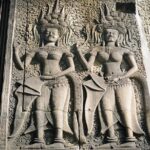
I love how the tour connects what you’re seeing to Khmer symbolism, especially the carved temple details at Preah Vihear. I also love the shift in feel at Koh Ker, where the ruins look less “tour-standard” and more like you’ve stepped into the ancient Khmer world.
One catch: it’s a long day with a lot of driving, and the cliff setting means it’s not ideal if you’re afraid of heights.
In This Review
- Key highlights in plain terms
- Preah Vihear’s cliff setting and the included 4×4 ride
- What the guided tour really adds at Preah Vihear
- Koh Ker’s Pyramid Temple feel: why it hits differently after Preah Vihear
- Prasat Ling and Prasat Bram: what you should look for
- The extra temple stops you might not expect
- The day’s pacing: 11 hours, small-group flow, and the long drive reality
- What to bring so the drive doesn’t drain you
- Price and value: what $100 gets you (and what costs extra)
- Temple passes, photo etiquette, and what’s allowed
- Who should book this tour, and who should skip it
- Should you book the Preah Vihear and Koh Ker full-day tour?
- FAQ
- How many people are in the group?
- Is pickup from Siem Reap included?
- How long is the tour?
- Are temple entrance passes included?
- What’s included in the tour price?
- What should I bring and what isn’t allowed?
Key highlights in plain terms
- Small group of up to 6 keeps the pacing comfortable and the questions coming.
- 4×4 included means you don’t have to figure out extra logistics or costs.
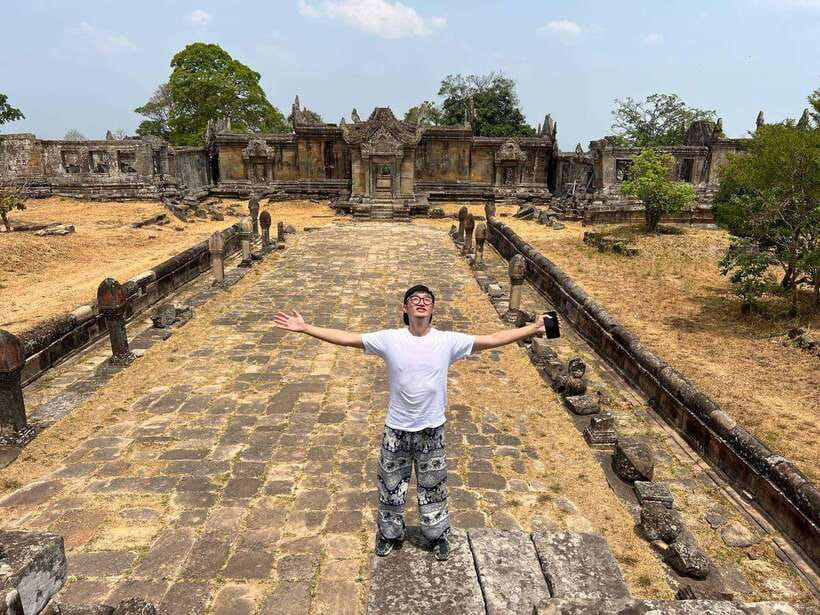
- Preah Vihear UNESCO sits on a towering cliff, with sweeping views and serious stonework.
- Koh Ker (Pyramid Temple) gives you Prasat Ling and Prasat Bram plus several smaller structures.
- Cold water and cold towels help during the heat and the long drives.
- English live guide makes the history and temple symbolism make sense on-site.
Preah Vihear’s cliff setting and the included 4×4 ride
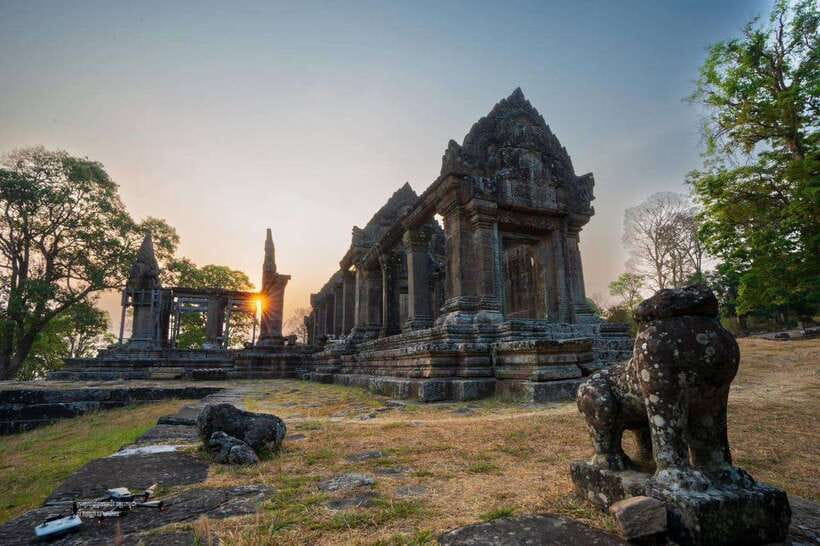
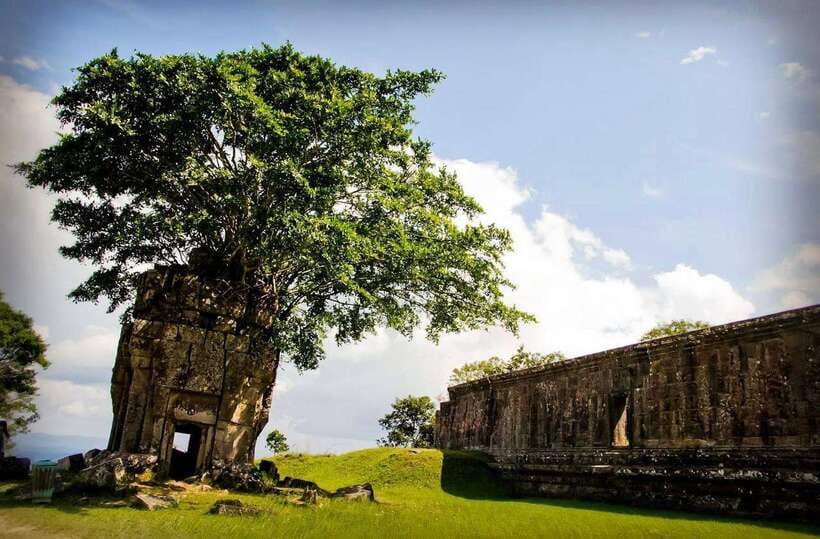
Preah Vihear is the star of the day, and you feel it from the first look. The temple complex is perched high on a cliff—about 700 meters up—so the views are part of the experience, not decoration. It’s a UNESCO World Heritage site tied to the 9th-century Khmer Empire, which means the buildings aren’t random. They were designed to read like a statement in stone.
What makes this tour especially practical is the 4×4 ride included. Instead of treating the climb like just another transfer, the tour builds in a more adventurous way to reach the temple area. And once you’re there, the guide helps you spot the temple story in the details: the carvings at the entrance pavilions and the symbolism embedded in the architecture.
If you’re the type who enjoys architecture more than “postcard photos,” you’ll likely appreciate how the guide steers you through what you’re looking at. The structure isn’t just scenic—it’s structured, and the tour rhythm helps you slow down long enough to notice it.
You can also read our reviews of more tours and experiences in Siem Reap

What the guided tour really adds at Preah Vihear
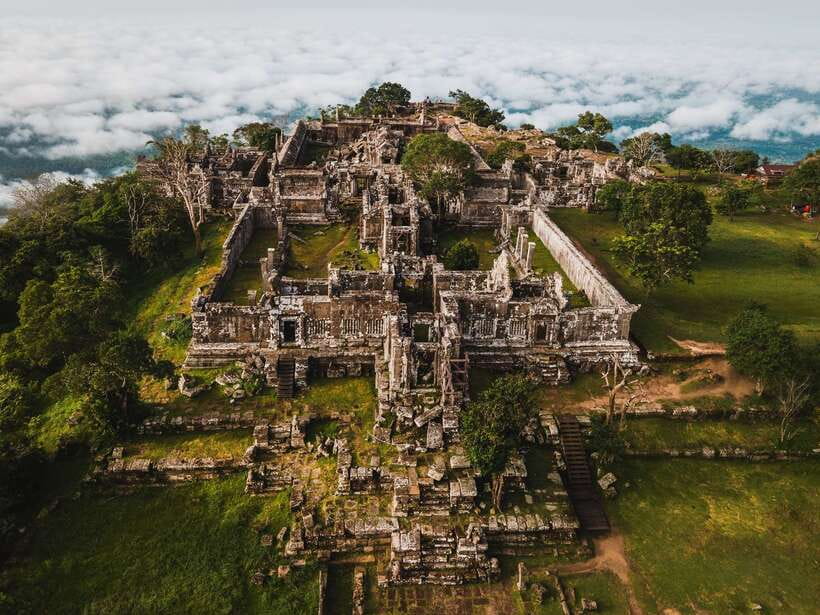
A guided temple visit works best when it stops you from treating stone carvings like wallpaper. Here, the tour is built for that. You get time for a photo stop and then a guided visit where the guide connects the site to Khmer cultural heritage and the temple’s meaning.
One thing I like about tours like this is how they help you understand the “why” behind the “what.” Preah Vihear sits in a sensitive geographic setting—on the Cambodia-Thailand border area—and your guide can explain the political and historical context linked to the region. That context changes how you read the temple’s location and its dramatic, elevated approach.
Also, the tour includes time for you to take your own photos and look around without getting rushed. At a place like Preah Vihear, that matters. You don’t want a stopwatch; you want a chance to step back and see the whole complex, then return for closer details.
Koh Ker’s Pyramid Temple feel: why it hits differently after Preah Vihear
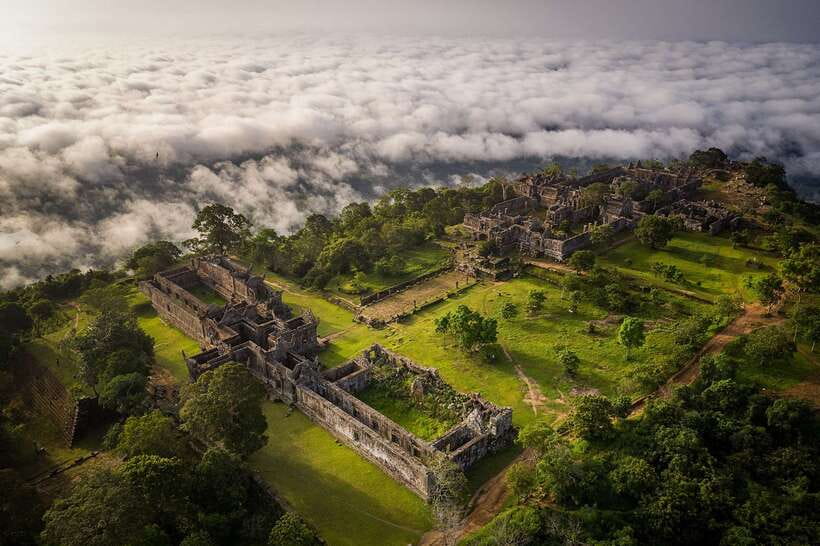
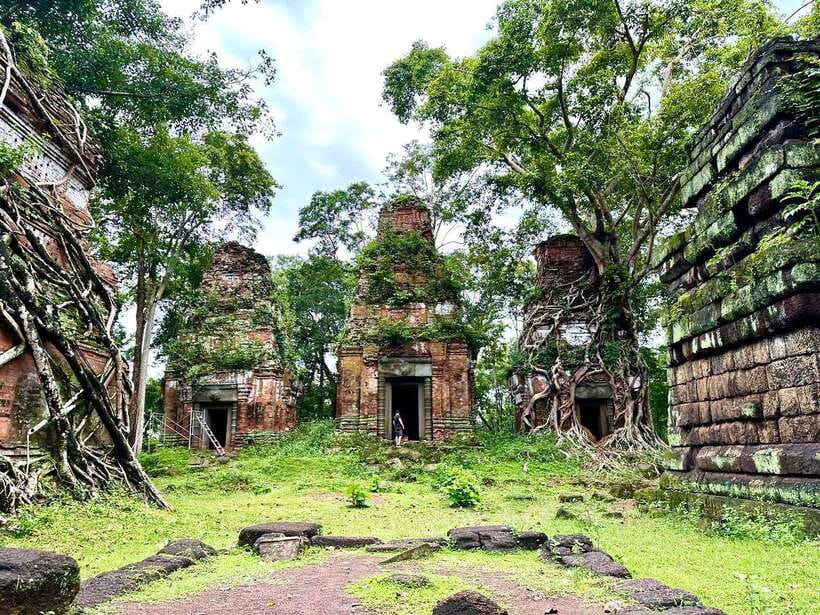
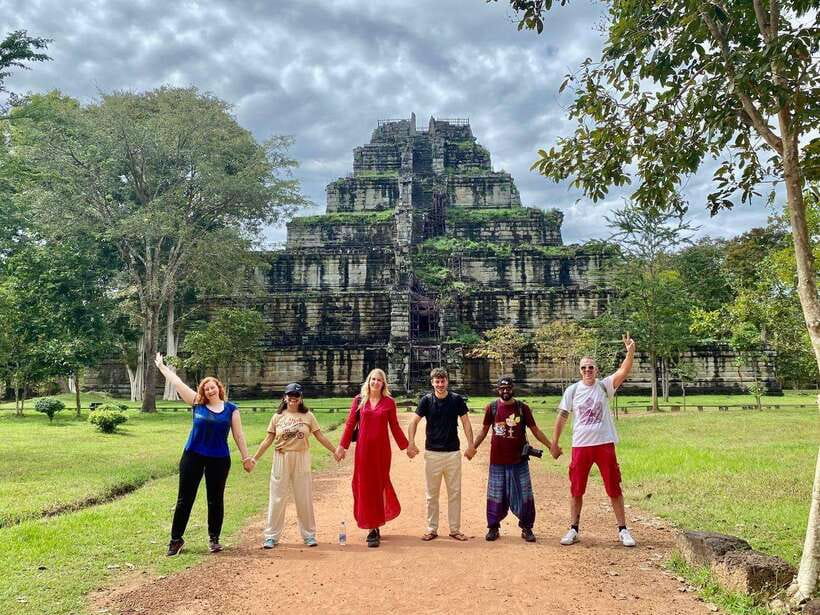
After two hours at Preah Vihear, you start heading down through the foothills. Then comes the big mood shift: Koh Ker (often called the Pyramid Temple) is a different kind of Khmer site. Instead of the cliff-top setting, it feels more secluded and grounded in the landscape around it.
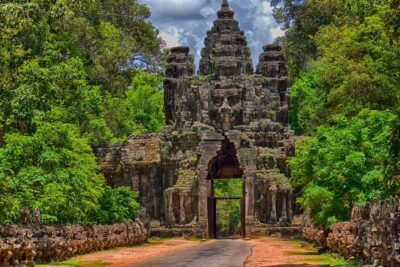
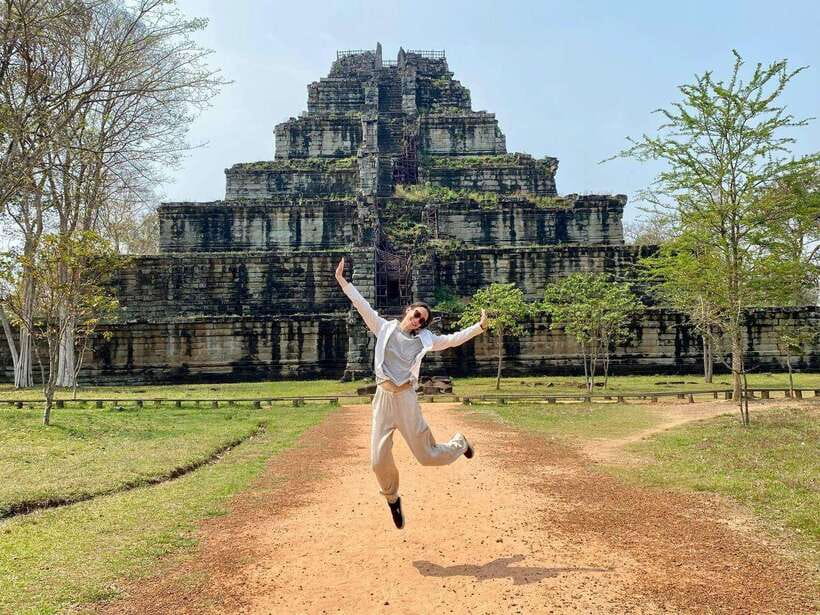
Koh Ker is known for the pyramid-like form, built from meticulously carved sandstone blocks. The shapes are bold, the stonework is deliberate, and the complex layout rewards you for moving slowly. The tour gives you guided time to understand the structures instead of just snapping a few pictures and moving on.
This is also where you can really see the Khmer Empire as more than “Angkor-style temples.” Koh Ker’s forms and priorities are distinct, and that helps your trip feel like a real education instead of a highlights reel.
Prasat Ling and Prasat Bram: what you should look for
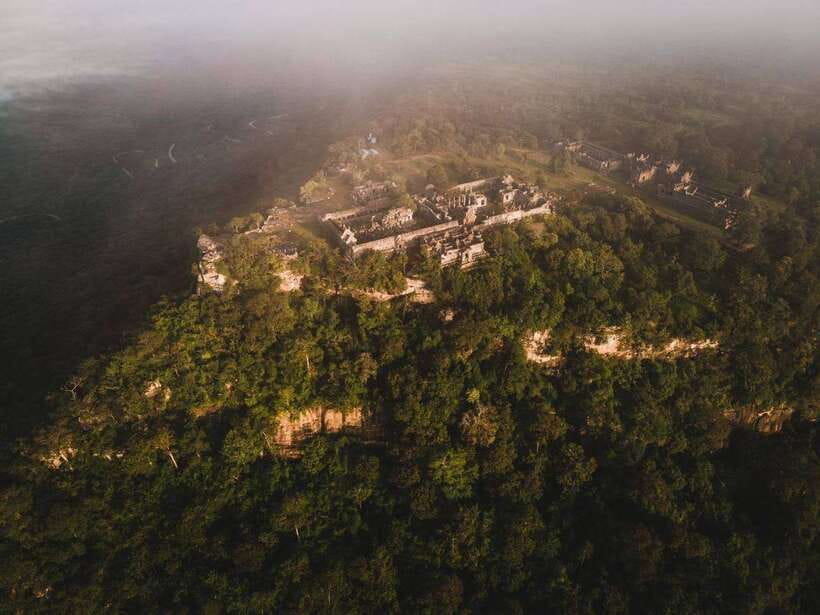
Koh Ker’s main draw on this itinerary is the complex with Prasat Ling and Prasat Bram. Even within the same larger site, the tour’s structure helps you focus your attention.
Prasat Ling is one of those temples where the details matter because the design language is so specific. You’ll have time to visit and take in the architecture before moving toward the next focal structure.
Then you spend time around Prasat Bram, where the overall site plan and the way the blocks and forms fit together become easier to appreciate. The guided visit helps you read the temple not just as a pile of ancient stone, but as a system of shapes that carried meaning for the people who built it.
If you like photography, this is a strong day for it. One nice bonus: the tour includes multiple photo stops along the route, and the lighting at Koh Ker can feel different from the more famous temples around Siem Reap.
The extra temple stops you might not expect
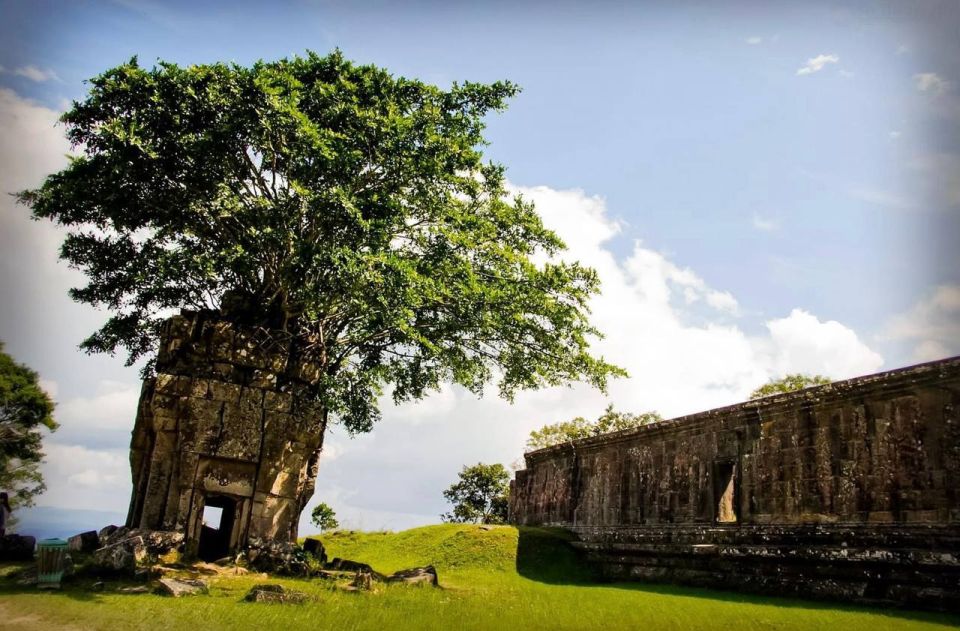
This tour doesn’t only hit the headline structures. You also have time for additional stops that add variety—and keep the day from feeling like two isolated temple visits.
On the Koh Ker side, the itinerary includes shorter visits at additional prasats (including options such as Prasat Linga 1 or Prasat Thnoeng, and Prasat Balang 2 / Prasat Linga 2). You’ll also pass Kaoh Ker on the drive and then visit another structure option such as Prasat Aob Neang or Prasat Kraham.
Why does that matter? Because these smaller temples are often where you get a more intimate look at how Khmer builders repeated design elements across the complex. Even when each stop is brief (some are around 10–30 minutes), they help you build a mental map of the site.
The risk is simply fatigue. Short stops are great until you’ve been in the car for hours. If you’re prone to getting tired in heat, bring your patience and plan to hydrate steadily.

The day’s pacing: 11 hours, small-group flow, and the long drive reality
This tour runs about 11 hours. That sounds manageable until you remember it’s crossing Cambodia outside the usual Angkor loop. The driving time is a major part of the day, and the roads can be uneven. In practice, that means your comfort depends on how your body handles long sitting and on-the-go rest stops.
The upside is the small group size—maximum 6 people—which usually keeps the pace sensible. You’re not stuck waiting on a large bus crowd. Instead, you can move through the temples in a more human way, and the guide can tailor attention based on what you’re most interested in.
Also included are practical “survival items”: cold bottled water and cold towels, which matter when the day is long and sunny. The air-conditioning on the vehicle also helps, especially if you want to nap between temple stops.
What to bring so the drive doesn’t drain you
Bring sunglasses, sunscreen, a sun hat, sports shoes, and a camera. Cash is useful because temple passes are not included. If you like details, binoculars can help for scanning carvings and distant views, especially at cliff settings like Preah Vihear.
And yes—this is a day where having a little flexibility helps. If you’re sensitive to motion or heat, take it easy with caffeine and plan to drink water early.
Price and value: what $100 gets you (and what costs extra)
At $100 per person, this is not a “cheap taxi to temples” option. You’re paying for a full guided day, vehicle transport from Siem Reap, and—most importantly—some of the harder logistics handled for you.
Here’s what’s included:
- hotel pickup and drop-off
- air-conditioned transport (car or minivan)
- tour guide (English)
- 4×4 ride
- cold bottled water and cold towel
What’s not included:
- food
- Preah Vihear Temple pass ($10 per person)
- Koh Ker Temple pass ($15 per person)
So your temple-pass budget is $25 per person, before you buy any food. That still makes the outing feel like decent value because the tour includes the 4×4 component in the main price. If you’ve compared similar options, you may notice that 4×4 transport is often treated as an add-on elsewhere.
If you want to protect your budget, I recommend planning snacks for the road. Lunch is not free, and there can be a waiting period because the schedule balances multiple sites.
Temple passes, photo etiquette, and what’s allowed
You’ll need to budget for the temple passes in cash. The tour doesn’t include food, and you’ll be in and out of vehicles a lot, so it helps to keep your day simple.
Photo-wise, bring your camera and be ready for both wide shots and close-ups. The entrance pavilions at Preah Vihear and the stonework at Koh Ker are the kinds of details that look better once you’re on your own feet, taking time to frame.
As for rules:
- drones aren’t allowed
- don’t eat in the vehicle
- keep noise low
- no weapons or sharp objects
If you’re traveling with a stroller: baby strollers aren’t allowed, and there are also limits for people with mobility issues and height sensitivity (more on that next).
Who should book this tour, and who should skip it
This trip is best for people who want Khmer temples beyond the obvious Siem Reap circuit and who don’t mind a long day. You get a UNESCO site plus Koh Ker, and the guided storytelling helps you understand what you’re seeing instead of just ticking boxes.
It’s likely a great fit if:
- you enjoy architecture and symbolism
- you want a smaller-group experience
- you’re okay with driving and heat
- you like photography and quieter ruins compared with the big-name sites
It’s not a good fit if you have concerns about:
- heights (Preah Vihear sits high on a cliff)
- back problems or mobility impairments
- altitude sickness or pre-existing medical conditions
- pregnancy beyond 6 months
- age limits apply (not recommended for people over 70 or over 95)
If you fit the “adventure with comfort” category, this tour usually lands well. If you fit the “sit still, minimal walking, avoid heights” category, you’ll likely want a different plan.
Should you book the Preah Vihear and Koh Ker full-day tour?
Book it if you want a full, guided Khmer temple day that combines UNESCO Preah Vihear with Koh Ker’s Pyramid Temple and gives you the 4×4 experience without extra hassle. The value comes from the mix of transport + guide + 4×4 + time at each site, plus the small group size that keeps things relaxed.
Skip it (or change your plan) if you’re not comfortable with heights, have significant mobility or back issues, or you know long driving days wear you down fast. This isn’t a quick hit—it’s an all-day commitment, and the payoff is the chance to see Cambodia’s temple history in a quieter, less standard way.
FAQ
How many people are in the group?
The tour is a small group, limited to up to 6 participants.
Is pickup from Siem Reap included?
Yes. Hotel pickup and drop-off are included from hotels in Siem Reap city as listed on the map.
How long is the tour?
The duration is about 11 hours.
Are temple entrance passes included?
No. You pay separately for Preah Vihear Temple pass ($10 per person) and Koh Ker Temple pass ($15 per person).
What’s included in the tour price?
Included are transport by air-conditioned car/minivan, an English live guide, 4×4 ride, cold bottled water, and cold towels, plus pickup and drop-off.
What should I bring and what isn’t allowed?
Bring sunglasses, sun hat, camera, sunscreen, sports shoes, cash, and binoculars. Drones and baby strollers aren’t allowed, and food is not allowed in the vehicle.