REVIEW · SIEM REAP
Angkor Wat 1 Day with Sunrise Combined tour with (Tuk Tuk)
Book on GetYourGuide →Operated by Angkor Wat Private Tour · Bookable on GetYourGuide
Watching Angkor wake up is a magic trick. This 1-day Angkor Wat sunrise tour runs like a local day out: pickup early, tuk tuk comfort, and an English-speaking driver steering you through Khmer temples without the usual chaos.
I especially like the way the schedule leaves room for real looking. You’re at Angkor Wat for sunrise, then you get a chance to explore after the crowd thins, so photos and quiet moments actually happen.
My second favorite part is the driver attention. You buy your temple pass together, then your English-speaking driver gives context at each stop and stays practical about breaks, including cold water waiting at the end of each temple visit.
One consideration: it’s a long day with early start and a lot of walking, and the tour isn’t suitable if you have back problems.
In This Review
- Key things that make this tour work
- Sunrise-first timing that makes Angkor Wat feel human
- 04:45 AM pickup, temple pass timing, and what to watch for at sunrise
- Angkor Wat after the crowd leaves: your own pace, your own photos
- Angkor Thom’s South Gate to Bayon: the stone faces and the war stories
- Thommanon to Ta Keo: where the route gets calmer and the details get louder
- Lunch near the temples: what you’ll spend and why it’s usually fair
- Ta Prohm and Banteay Kdei: the late-day temples that slow your brain down
- Price and value: why $12 can still feel like more
- Who this tour suits best (and when to choose something else)
- Tips to make your Angkor day smoother
- Should you book this Angkor Wat 1-Day Sunrise + Tuk Tuk tour?
- FAQ
- What time does the Angkor Wat sunrise tour start?
- Is hotel pickup and drop-off included?
- Do I need to buy the temple pass?
- Is a tour guide included?
- What meals are included?
- How much does lunch cost?
- Is the tour wheelchair accessible?
- Is it allowed to bring a drone?
Key things that make this tour work
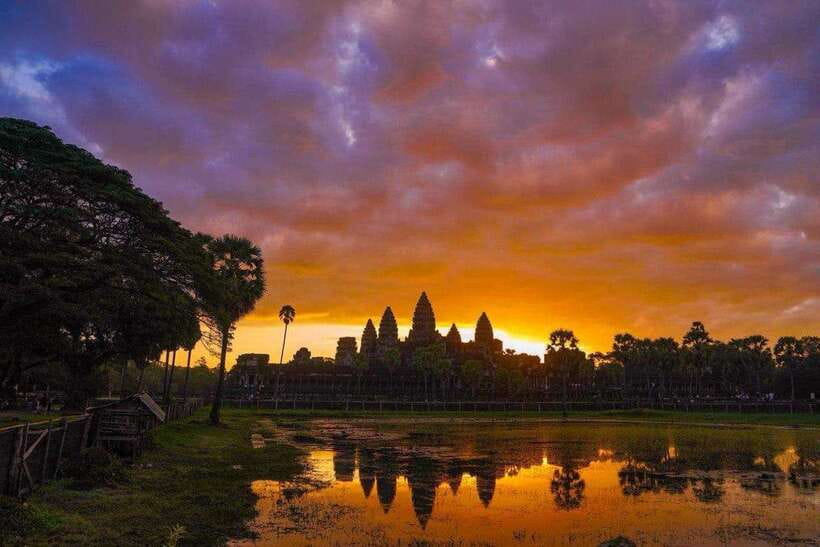
- 04:45 AM pickup keeps sunrise viewing from turning into a sprint
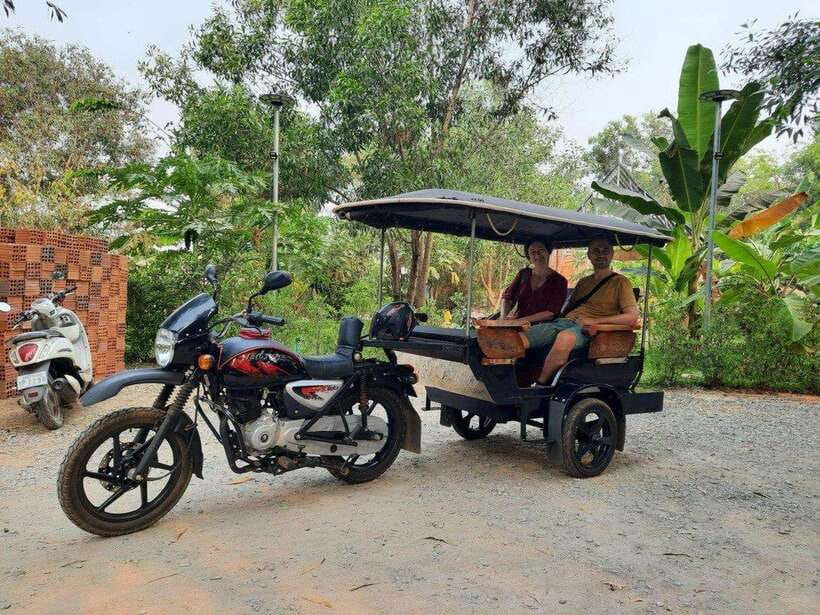
- Tuk tuk transportation means you’re not fighting heat or long distances on foot
- Angkor pass pickup is handled with your driver before you enter
- Short, focused temple loops cover major sights without feeling glued to a clock
- Cold pure drinking water is ready after visits, which matters in the Angkor heat
- Drop-off flexibility: you can return to your hotel or request a city drop
Sunrise-first timing that makes Angkor Wat feel human
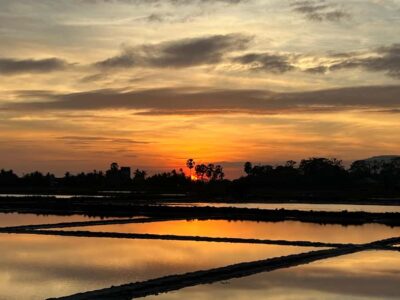
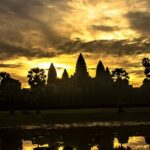
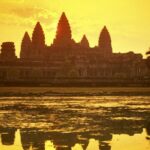
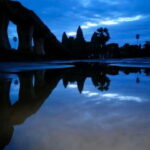
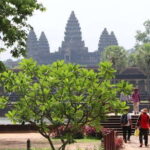
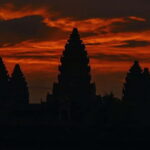
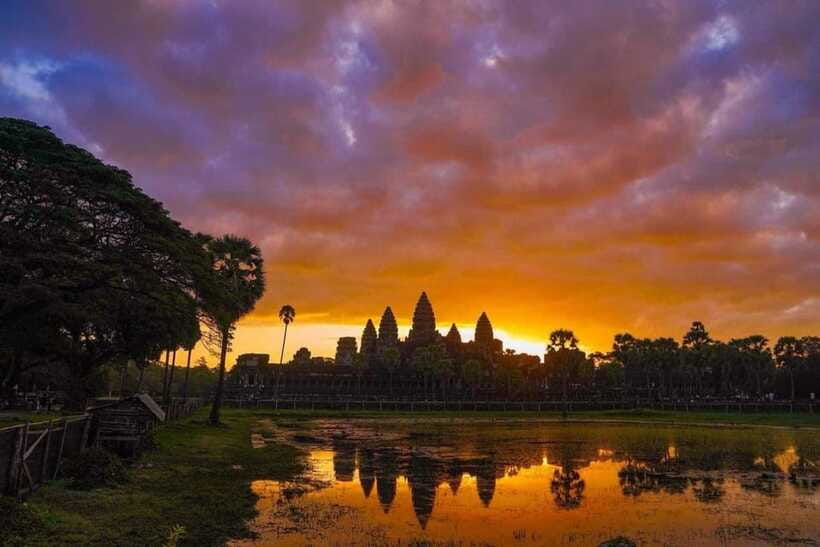
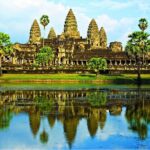
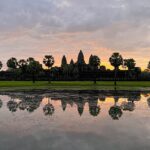
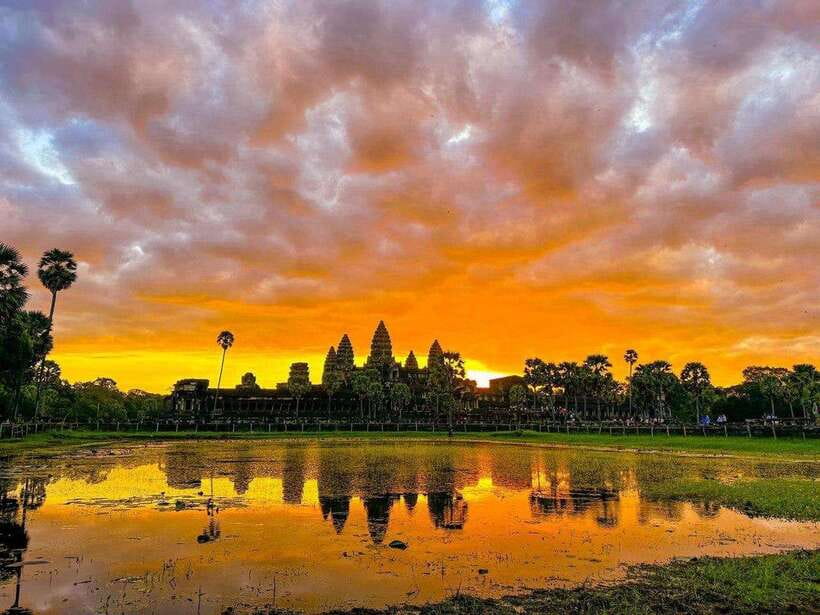
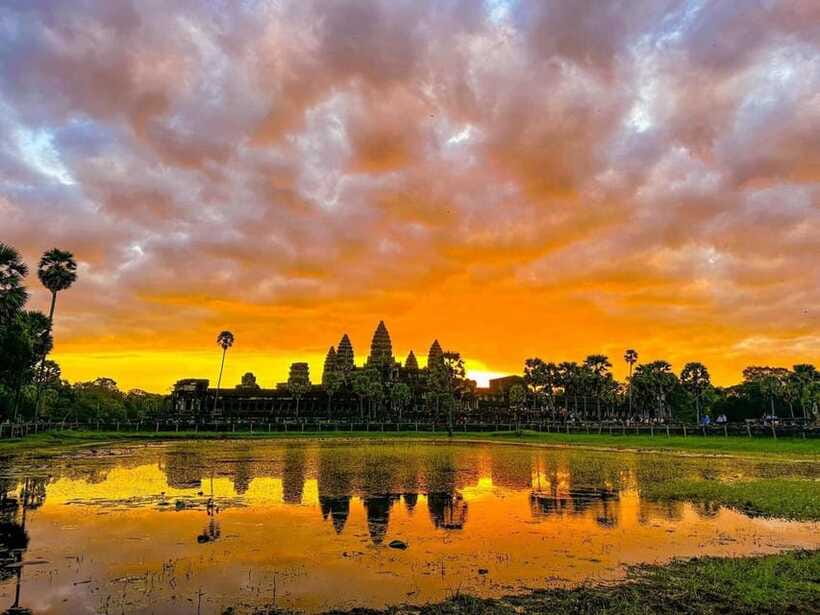
Siem Reap has a way of making your first Angkor morning feel like a wake-up call. This tour fixes that with a simple idea: start early enough to see Angkor Wat in its calmer light. You’re picked up around 04:45 AM, and you’re not just catching a sunrise photo. You’re watching the whole scene switch from dark to glowing stone.
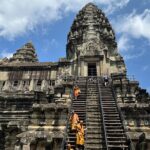
The value here is not only the early hour, but what it buys you later. After you view the sunrise and the main crowd eases off, the plan shifts so you can explore Angkor Wat at your own pace. That matters, because Angkor isn’t one temple you snap a picture of and move on. It’s a maze of galleries, towers, doorways, and viewpoints. When you’re rushed, you miss details. When you’re given time, you notice things like the way light falls across carvings and steps.
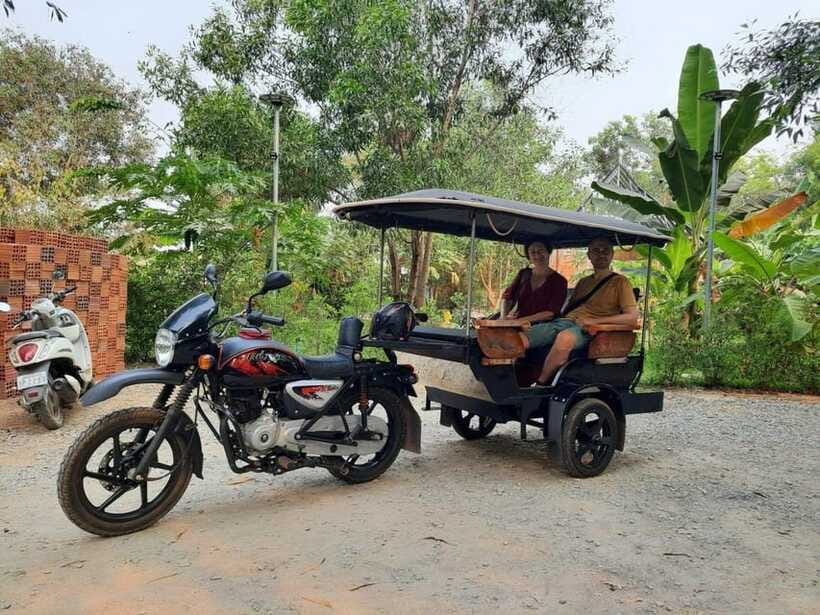
Also, you’re in a tuk tuk for the day. That sounds minor until you’re hauling yourself across parking lots and between temple entrances in midday heat. Tuk tuk keeps the day moving while still letting you slow down when something catches your eye.
You can also read our reviews of more tours and experiences in Siem Reap

04:45 AM pickup, temple pass timing, and what to watch for at sunrise
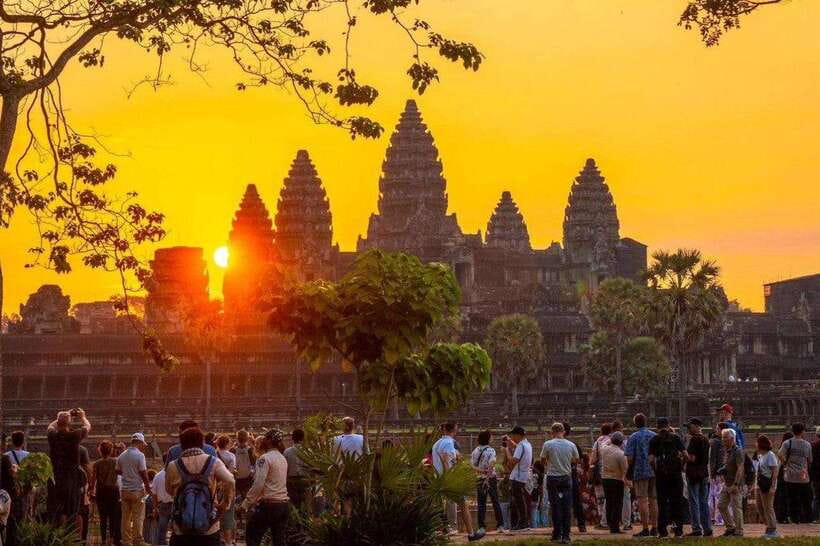
The day begins early: your English-speaking driver meets you at your hotel lobby on time and looks for your name from your booking details. From there, you head for the temple pass area and get your Angkor temple pass before you enter. This is a smart setup. It reduces stress and keeps the morning on schedule.
Once you’re inside, the focus is the sunrise over Angkor Wat. Bring a charged smartphone and a camera, because sunrise colors can change fast. You’ll also want sunscreen and long sleeves. Even if it’s cool at dawn, the heat ramps quickly once the sun climbs, and Angkor days are usually long enough that your morning comfort will be tested.
One small but real tip: wear comfortable shoes you can walk in for hours. Angkor is stone, dust, and uneven steps. Your feet will do the work, not your imagination. If you’re hoping for crisp photos, long sleeves also help you stay in the zone longer without feeling cooked.
Angkor Wat after the crowd leaves: your own pace, your own photos
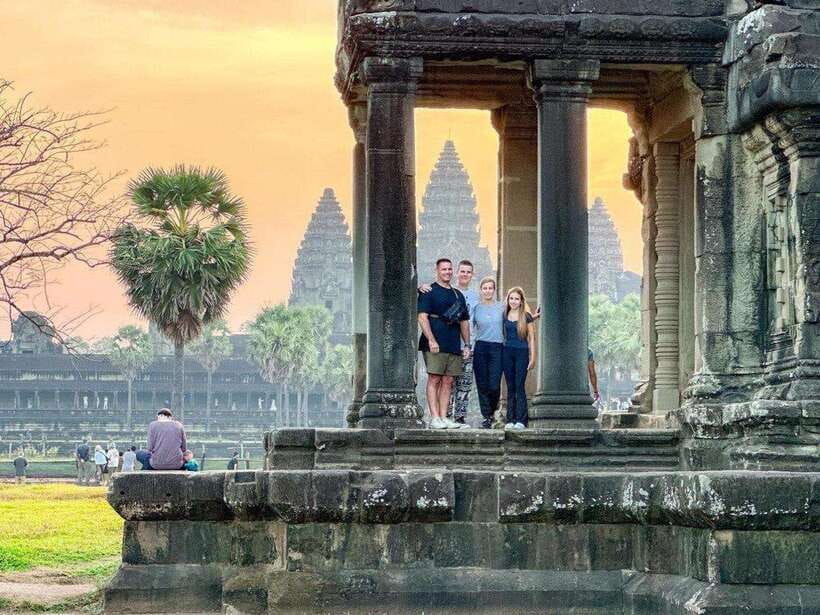
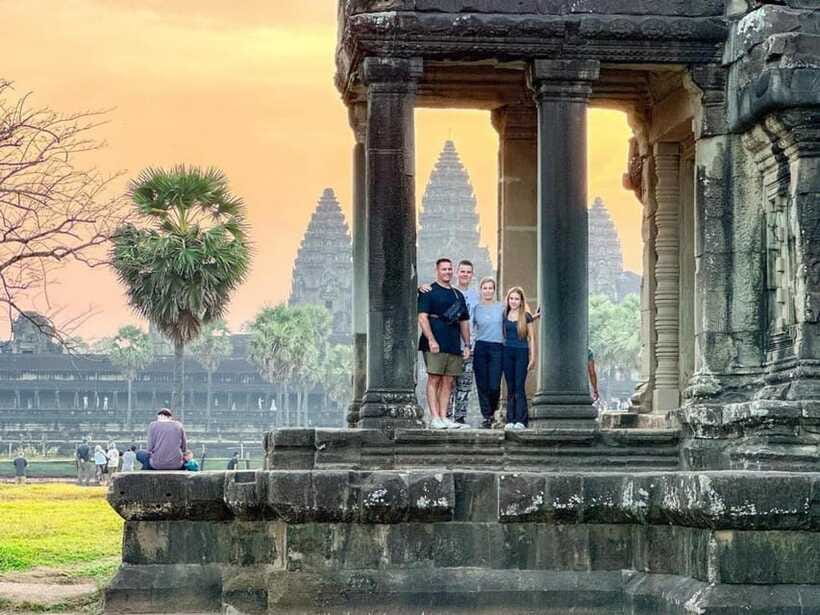
Sunrise gets the headlines, but the best part for many people is what comes right after. The plan is built so you can view the sunrise, then wait for the crowd to leave before you explore more. That shift changes the vibe completely.
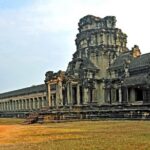
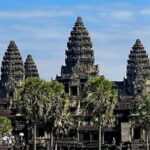
At Angkor Wat, you’ll spend time walking through the temple atmosphere at a slower speed. Your driver doesn’t try to bulldoze you through. Instead, you have time to wander and take photos without feeling like you’re being herded. If you already know the main big-picture layout, this is where you can focus on smaller details: courtyards, viewpoints, and angles that look different once the crowds thin.
This is also where the driver’s calm English explanations can help. When someone can point out what you’re actually looking at—rather than just where to stand—you get more out of the same stones. Then you can go back to enjoying the temple like a place, not a checklist.
Practical note: you’ll likely finish your Angkor Wat exploration around 08:00 AM, then return to the parking area where your tuk tuk driver waits for you.
Angkor Thom’s South Gate to Bayon: the stone faces and the war stories
After breakfast, the itinerary moves to Angkor Thom’s South Gate, also known as Tonle Om Gate. It’s a famous entry point, and you’ll have a short visit there, roughly 15 to 20 minutes. It’s a good warm-up, because you’re transitioning from one temple style to another.
Then you head into the center of Angkor Thom and visit the big cluster of state temples and terraces. This section is where Angkor starts feeling like a lost kingdom with political power, not only a religious site.
Here’s what you’re walking through, and why it matters:
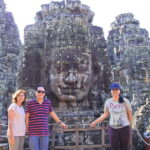
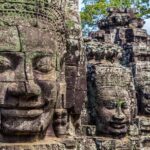
- Bayon: Often associated with Jayavarman VII, Bayon is famous for faces carved into the towers. You’re seeing the king’s religious direction and how Buddhism took shape in Angkor’s royal buildings.
- Baphuon: A Hindu temple dedicated to Shiva, built earlier than Bayon, and linked to King Udayadityavarman II. It’s a reminder that Angkor’s spiritual identities shifted over time.
- Phimeanakas: Built under Rajendravarman and also linked to Shiva worship. It helps you see the longer arc of Khmer temple planning and kingship.
- Terrace of the Elephants: A ceremonial platform connected to Jayavarman VII seeing victorious returning armies. So yes, it’s a temple, but it also reads like a monument to power.
- Terrace of the Leper King: Built in the Bayon style under Jayavarman VII. It’s more “story-like” in how it’s presented through decorative architecture.
This core loop usually takes about 1.5 to 2 hours, and it moves at a pace that keeps you from feeling like you’re sprinting between stops.
If you’ve ever wondered why Angkor feels so dramatic, it’s because so many buildings were designed to project authority. Even when you’re standing quietly, the stone is talking.
Thommanon to Ta Keo: where the route gets calmer and the details get louder
After Angkor Thom’s center, the day keeps going but you’re not stuck in the same high-volume flow. Next you’ll visit Thommanon, then Chau Say Tevoda, and then Ta Keo.
- Thommanon: Hindu temples built during Suryavarman II’s reign. It’s the kind of stop that makes you appreciate how Angkor’s temple styles vary by era.
- Chau Say Tevoda: Literally described as prolific grandchildren of a deity, located directly south across the Victory Way. It’s a clever architectural placement that reinforces how these temples were laid out as a statement.
- Ta Keo: A temple-mountain tied to Jayavarman V and famous for being among the first Khmer temples built entirely of sandstone. If you like structure and construction choices, this is one to pay attention to.
These stops usually fit into the mid-day rhythm. The big benefit is variety: you’re seeing different temple-mountain and Hindu-Buddhist layers without the day becoming repetitive.
You can also read our reviews of more tours and experiences in Siem Reap
Lunch near the temples: what you’ll spend and why it’s usually fair
Lunch is planned at a local restaurant near the temples. You can usually choose between outdoor seating or an air-conditioned room, which matters when the sun gets serious.
The food is described as reasonably priced, roughly $6 to $8 per plate. Since the temple ticket fee and meals are not included, lunch cost is part of your real budget. Still, this tends to be manageable, especially if you’re using cash on hand like the tour suggests.
One practical thing I like about this setup: the driver coordinates the meal timing with the day’s remaining temple stops, instead of leaving you to guess what’s open and what’s safe. Just remember that most hotels provide breakfast boxes, so ask your hotel in advance for yours. You can even enjoy it during your sunrise visit if you’re given the timing.
Ta Prohm and Banteay Kdei: the late-day temples that slow your brain down
Toward the afternoon, the tour shifts into two well-known temple experiences with very different textures.
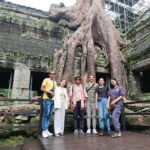
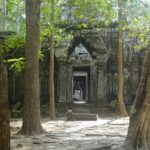
First comes Ta Prohm, the temple people often link to the Tomb Raider movies because it’s famously overgrown with trees. It’s still a working example of Mahayana Buddhist monastic architecture from the Jayavarman VII era, but the visuals are what grab you first: roots, stone, and a sense of nature taking its time.
Next is Banteay Kdei, described as a citadel of chambers built during Jayavarman VII’s reign. It’s less “movie moment” and more “walk through the architecture” feeling. The chambers and layout help you understand how Angkor temples functioned as more than just grand monuments.
By the end of this section, you’re usually finished around 02:30 PM to 03:00 PM, and then the driver takes you back to your hotel. If you prefer, you can request a drop-off somewhere in the city.
Price and value: why $12 can still feel like more
At $12 per person, this tour price sounds almost too low for a full sunrise-day program. The key is what’s included versus what isn’t.
Included:
- hotel pickup and drop-off
- a personal English-speaking tuk tuk driver
- gasoline, parking
- cold pure drinking water
Not included:
- temple ticket fee
- meals
- personal expenses
- tour guide (you’re getting interpretation from your driver, not a separate guide)
So the money you’re paying is mostly buying your time, transport, and English explanations with minimal hassle. When the driver is professional and keeps things on track, that’s real value. Many people also appreciate the small comforts: cold water after each temple visit and being waited for at stops so you don’t have to locate the tuk tuk again.
One review detail I find especially practical is the worry about losing the driver when phones die or connection drops. The driver solution is straightforward: they call and find you. If that’s a concern for you, it’s worth taking comfort in how the day is handled.
Who this tour suits best (and when to choose something else)
This works great if you:
- want sunrise at Angkor Wat but still want a full temple circuit afterward
- prefer a flexible day with time to look instead of racing
- like learning from an English-speaking driver with explanations at each stop
- are traveling with someone and want private transport on a small schedule
It might not be the best fit if:
- you have back problems, since the day involves walking and uneven stone steps
- you hate early wake-up calls (you’re starting around 04:45 AM)
If you’re a first-timer, you’ll get the major highlights plus extra temple stops like Ta Prohm and Banteay Kdei. If you’ve been before and want more photos or quieter moments, the sunrise-to-after-crowds structure is where this shines.
Tips to make your Angkor day smoother
A day like this is won or lost by small preparation.
- Bring cash for temple pass and meals since those aren’t included.
- Wear comfortable shoes plus a long-sleeved shirt for sun protection.
- Use sunscreen and an insect repellent that’s biodegradable.
- Keep your smartphone charged and your camera ready. Sunrise and later golden light can be very photo-friendly.
- Don’t bring drones. Drones are listed as not allowed.
- Plan for heat even in the morning. It gets warm fast, and you’ll appreciate the cold water your driver provides.
Also, build in bathroom timing. The driver can help with breaks, and it’s better to use them than to wait until you’re uncomfortable.
Should you book this Angkor Wat 1-Day Sunrise + Tuk Tuk tour?
I’d book it if you want a sunrise experience that doesn’t feel like a tourist trap and you like the idea of spending the day with one English-speaking driver handling the movement. The $12 base price is strong value once you realize you’re getting transport, pickup, parking, and cold water, and you only need to add the temple pass and your meals.
Skip or compare if you need a slow, low-walking day, because the itinerary is temple-heavy. Also, if you specifically want a separate formal tour guide, remember that this includes an English-speaking driver but not a separate guide.
For most people, though, this setup is a practical sweet spot: early morning magic, a calmer Angkor Wat window after the crowd, and a full circuit that ends before late afternoon.
FAQ
What time does the Angkor Wat sunrise tour start?
The suggested start is around 04:45 AM, with pickup from your hotel so you can reach the temples early.
Is hotel pickup and drop-off included?
Yes. You get hotel pickup and drop-off, and the driver will wait for you at the hotel lobby.
Do I need to buy the temple pass?
Yes. The temple ticket fee is not included, and the driver will help your group purchase the Angkor temple pass before visiting.
Is a tour guide included?
No. A tour guide is not included, though the driver provides English speaking help and information during the day.
What meals are included?
Meals are not included. Breakfast is handled as a breakfast box from many hotels, and lunch is at a local restaurant arranged by the driver.
How much does lunch cost?
Lunch is at local restaurants near the temples, and the food price is described as about $6 to $8 per plate.
Is the tour wheelchair accessible?
Yes, the activity notes it as wheelchair accessible.
Is it allowed to bring a drone?
No. Drones are not allowed.