REVIEW · PHNOM PENH
Oudong Mountain History and Pagoda Tour
Book on Viator →Operated by Kesar Khmer Tours- Cambodia · Bookable on Viator
Phnom Oudong rewards the climb. What makes this day trip work is the way Sam Ang links everyday life on the Tonle Sap to the sacred mountain above Phnom Penh. I like that he is licensed and English-speaking, so you’re not just looking at temples—you’re understanding what you’re seeing.
You’ll also like the mix of energy and calm: a local look at fishing and silversmithing, then a hike up Mount Oudong for big views and temple-and-stupa wandering. It’s active, which is great if you enjoy walking, but it’s also a consideration if you want an easy, mostly-flat outing.
In This Review
- Key Points Worth Knowing
- Oudong Mountain Is More Than a Scenic Day
- Sam Ang: The Local Guide Who Brings the Stops Into Focus
- Russei Keo Fish Port and Market: Tonle Sap Life at Ground Level
- Kampong Luong Silversmith Village: Craft That Still Has Hands on It
- Floating Village Views at Kampong Luong: River Life Without the Long Trip
- Wat Arey Kasap Pagoda: A Reset Before the Main Mountain
- Phnom Oudong Climb: Jungle Paths, Temples, and Expansive Views
- Chey Odam Market and Lunch: Where the Day Trip Crowd Eats
- Price and Value: What $110 Buys You in a Full Day
- What to Bring (and What to Wear) for a Smooth Mountain Day
- Who This Tour Fits Best (and Who Might Want Something Easier)
- Should You Book This Oudong Mountain and Pagoda Tour?
- FAQ
- How long is the Oudong Mountain History and Pagoda Tour?
- What does the tour cost?
- Is pickup and drop-off included?
- Is this a private tour?
- What’s included for food and drinks?
- Are there dress requirements for temples?
- What happens if the weather is poor?
Key Points Worth Knowing
- Private, guided, English-speaking tour with a local guide named Sam Ang
- Tonle Sap stops that focus on real daily life: fish market views and hands-on village crafts
- Phnom Oudong climb time built in, with jungle paths and temple/stupa exploring
- Chey Odam market + lunch that lets you eat where day trippers actually go
- Temple dress code matters: shoulders, back, and legs above the knee covered
Oudong Mountain Is More Than a Scenic Day
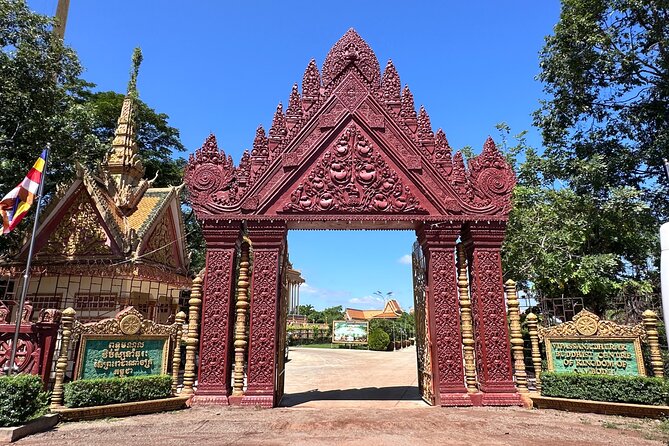
Oudong Mountain sits in a part of Cambodia where history is layered, not boxed up. You’re headed to the former royal capital area, and that context changes the way you look at what’s on the hill—temples and stupas feel less like scenery and more like landmarks with weight. Even the climb route helps: you’re moving from everyday river-country life up into a more religious, quieter zone.
The best part is that you get multiple textures in one day. You start with river and market life, then you move inland toward pagodas and forested paths. If you like tours that explain as you go, this one has a clear rhythm.
You can also read our reviews of more historical tours in Phnom Penh

Sam Ang: The Local Guide Who Brings the Stops Into Focus
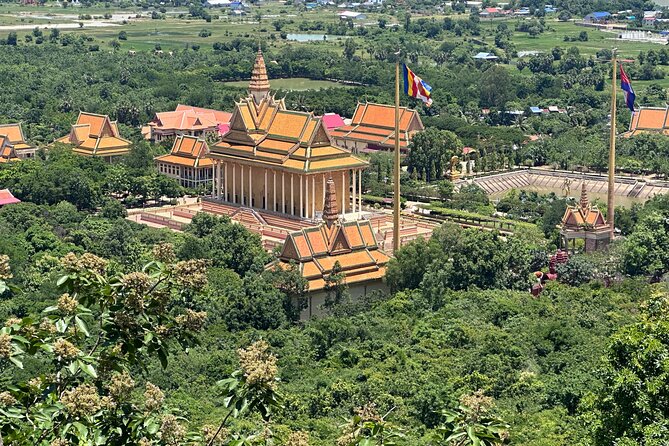
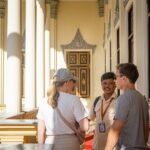
This tour runs with a personally guided experience led by Sam Ang (Sam), a local and licenced English-speaking guide. That matters because Oudong can be confusing if you’re just following signs. Sam’s job is to make the route make sense: why certain spots are visited, what religious sites represent, and how the region’s past connects to the present day.
One of the strengths I’d put near the top is that Sam doesn’t treat the day like a checklist. He shares stories and cultural background as you move through each area, and he also brings practical tidbits—like where to walk for the experience and how to handle temple manners. If you want to feel like you’re traveling with a knowledgeable friend rather than a formal lecturer, this format fits.
Russei Keo Fish Port and Market: Tonle Sap Life at Ground Level
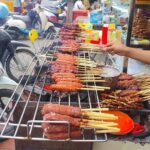
You begin north from Phnom Penh with a stop at Russey Keo, a fish port and market on the Tonle Sap River. This is the kind of place you don’t get from a postcard. The Tonle Sap isn’t just water on a map—it’s tied to livelihoods, and that shows in how markets operate around the fishing season.
What I like about starting here is that it grounds you. Before you climb toward historic religious sites, you see the region’s core economic reality. It also gives you an easy first stretch in the morning: you can wander and look without committing to a steep climb yet.
A practical note: markets can be busy and can involve a lot of activity. Wear comfortable shoes and keep your pace flexible. Also, don’t over-plan what you’ll buy—this stop is more about seeing how people work and trade than hunting for souvenirs.
Kampong Luong Silversmith Village: Craft That Still Has Hands on It
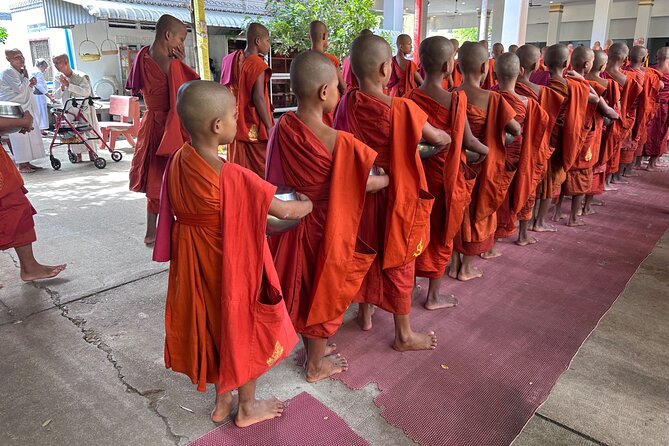
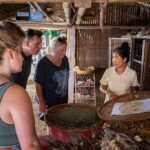
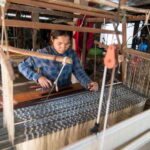
Next comes a visit to the silversmith village at Bopha Kampong Luong (Kampong Luong Silversmith Village). This is one of those stops where you can watch tradition in action—local artisans producing silverwork rather than just displaying finished items.
Why it’s worth your time: craft villages are a different kind of cultural experience than temples. Instead of focusing on sacred space, you’re focusing on skill. You’ll get a feel for how materials and workmanship become objects that end up in homes and markets.
One thing to consider: if you’re sensitive to shops or sales pressure, be ready for some attempts to sell finished pieces. But even if you don’t buy, this stop works as a window into local craft culture.
Floating Village Views at Kampong Luong: River Life Without the Long Trip
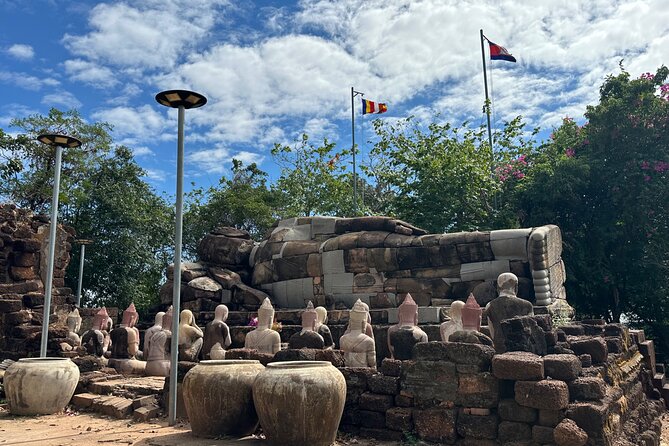
From the silversmith village area, the tour includes a quick viewing stop for the floating village at Kampong Luong. Even in a short window, you’re looking at a key Tonle Sap feature: villages and communities shaped by water, tides, and seasonal changes.
This stop is intentionally brief, and that’s a plus if you don’t want a full boat excursion. You can take photos, look around, and move on. It also breaks up the day before the more structured religious sites.
If you want the best photos, aim for a steady, respectful position and don’t block walking routes. And remember that light changes quickly near water—so snap a couple wide shots early, then circle if you get a better angle.


Wat Arey Kasap Pagoda: A Reset Before the Main Mountain
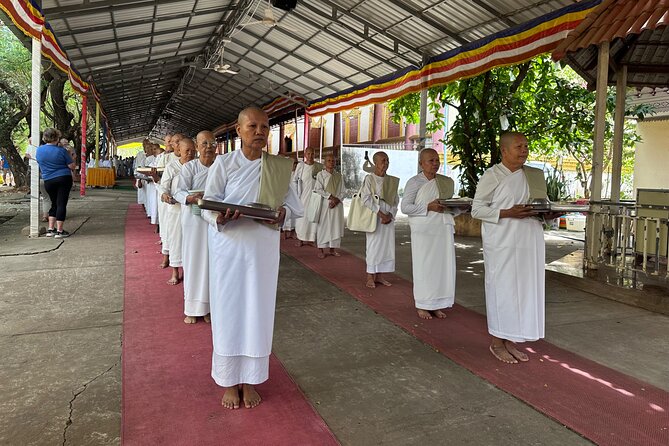
As you head inland into the Oudong district, you arrive at Wat Arey Kasap for about 45 minutes. This is a key cultural stop before you tackle the bigger climb toward Phnom Oudong.
What I appreciate here is the way it sets expectations. Oudong isn’t just about one viewpoint. There are temple spaces with their own feel and rules, and this stop helps you practice being in the right mode—quiet, respectful, and attentive.
Also, keep the dress code in mind early. At religious sites you need shoulders covered, back covered, and legs above the knee covered. If you forget until later, you’ll lose time hunting for a wrap. Bring a scarf or light layer so you can adjust fast.
Phnom Oudong Climb: Jungle Paths, Temples, and Expansive Views
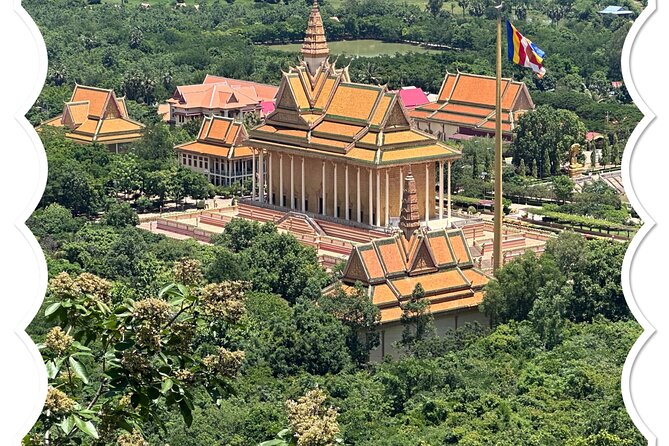
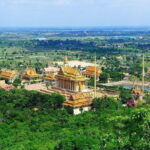
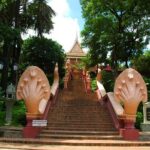
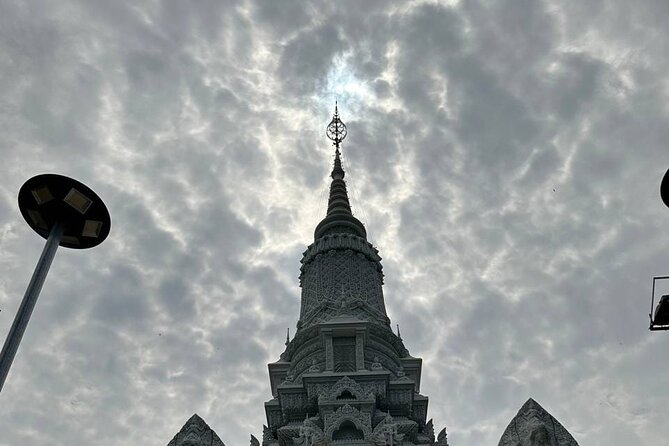
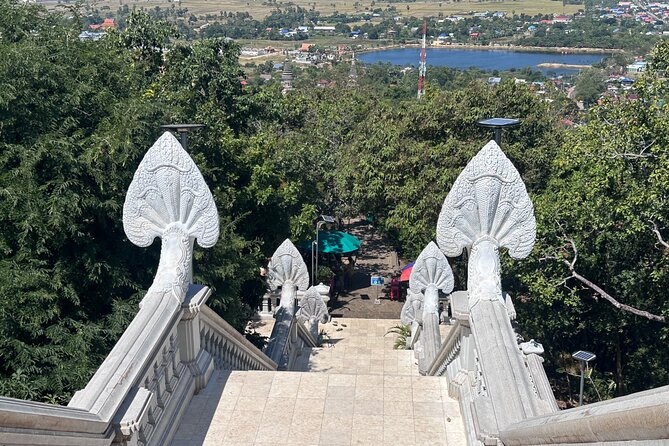
Now you get to the highlight: the ascent at Phnom Oudong / Phreah Reach Throap Mountain, with about 1.5 hours allocated for the climb and time on the mountain. This is a jungle-clad route with expansive views over the surrounding plains, and it’s also an important historic location.
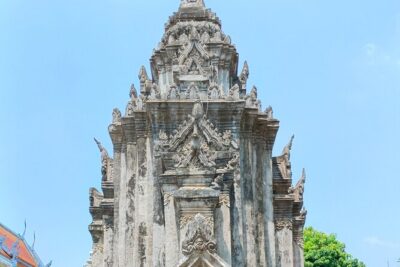
The climb is the core reason this tour is rated so highly. It’s the part that turns a day trip into a real hike with a payoff. You’ll be walking through areas that feel cooler and shadier than the city, and you’ll have moments where temples and stupas appear along the route like stops in a spiritual trail.
Practical reality check: this isn’t a sit-and-stare tour. Comfortable shoes matter, and you should expect uneven footing on forest paths. If you go in with that mindset, it feels like an active adventure rather than a chore.
Also, temples and religious areas bring a different pace. You’ll need to slow down, stop for respectful viewing, and keep your arms and legs covered. It’s simple, but it shapes your day.
Chey Odam Market and Lunch: Where the Day Trip Crowd Eats
After you come down from the mountain, the tour includes time in Chey Odam, starting with the market at the base of Phnom Oudong. You get about 30 minutes here, which is enough to browse, snack lightly if you want, and get a feel for what people do on the mountain’s doorstep.
Then you head for lunch with about 1.5 hours set aside. This lunch is at a local outdoor restaurant, served in shady huts, and it typically includes beer and soft drinks. The point isn’t fine dining. It’s comfort after climbing, plus a chance to eat in the setting that day trippers and locals share.
What I like most about Chey Odam lunch: it’s not rushed. You have enough time to cool off, use the bathroom, and settle your body before the return drive.
If you’re picky about spice or heat, keep it practical. Ask what’s in a dish or go with something familiar. The tour is designed for cultural sightseeing, but lunch is still food-first and you should be able to enjoy it.
Price and Value: What $110 Buys You in a Full Day
At $110 per person for a day that runs about 7 hours, you’re paying for a lot more than transportation. You’re getting pickup and drop-off, guided interpretation in English, and a structured route that strings together river life, crafts, temples, and a real mountain climb.
Here’s how the price makes sense for your day:
- You’re not piecing together separate tickets and logistics across multiple locations.
- The guide helps you get value from places that are otherwise hard to interpret on your own.
- The day includes water, snacks, and lunch, which matters on a hot, active outing.
- You also get a small souvenir, which is a small cost saver if you like to bring home something token-like rather than nothing at all.
Also, this is one of those tours that books ahead—on average about 33 days in advance. If your travel dates are firm, it’s smart to lock it in early so you get your preferred day.
What to Bring (and What to Wear) for a Smooth Mountain Day
A few things can make a huge difference on Oudong Mountain.
Wear: Comfortable shoes with grip. You’re on a jungle-clad mountain route where footing may not be perfectly smooth. Lightweight clothes that you can keep respectful at temples helps too.
Pack: A scarf or light layer for the temple dress code (shoulders, back, and legs above knee covered). Even if you’re confident you’ll find shade, bring a small water buffer if you run through what’s provided.
Plan your energy: This tour includes climbing time and temple walking, so treat it like an active half-day plus. If you want to maximize comfort, avoid going out late the night before and try to be fresh for the 8:00 am start.
If weather turns rough, the tour notes that it requires good weather. In those cases, you’ll be offered a different date or a refund—so don’t book this as a last-minute gamble if you can avoid it.
Who This Tour Fits Best (and Who Might Want Something Easier)
This works best for people who enjoy walking and want more meaning than photos. If you like culture with context—river life, craft villages, temple etiquette, and a mountain climb—this tour matches that style.
It also suits groups and solo travelers, since it’s set up as a private tour, meaning only your group participates. That’s a win if you want to move at a comfortable pace and ask more questions without feeling rushed.
Who might pause:
- If you’re looking for a mostly flat, minimal-walking sightseeing day, this route includes enough climbing to feel like work.
- If temple dress code rules sound like hassle, you’ll need a plan for covering up quickly.
The good news: the format is clear, and the guide helps you get it right without stress.
Should You Book This Oudong Mountain and Pagoda Tour?
I think you should book this tour if you want a day that blends three things well: real local life around the Tonle Sap, meaningful temple time in Oudong district, and a mountain climb that ends with expansive views. The guide quality—Sam Ang, with his English and local stories—does a lot to make the route feel coherent.
You may want to choose something else if you only want one main sight and you’d rather avoid walking/climbing. Also, if you’re planning around strict mobility limits, be honest with yourself about the physical side of the ascent.
For most people visiting Phnom Penh who want an authentic, active culture day, this is a strong choice—especially if you appreciate being guided through places that are more than just scenery.
FAQ
How long is the Oudong Mountain History and Pagoda Tour?
The tour runs about 7 hours (approx.) and starts at 8:00 am.
What does the tour cost?
It costs $110.00 per person.
Is pickup and drop-off included?
Yes. Pickup and drop-off are included, along with transportation by tuk tuk or car.
Is this a private tour?
Yes. It’s private, meaning only your group participates.
What’s included for food and drinks?
Water, snacks, and lunch at a local outdoor restaurant with beer and soft drinks are included.
Are there dress requirements for temples?
Yes. At temples and religious sites, shoulders, backs, and legs above the knee should be covered.
What happens if the weather is poor?
The experience requires good weather. If it’s canceled due to poor weather, you’ll be offered a different date or a full refund.