REVIEW · SIEM REAP
1-Day Trip to Angkor Wat with a Private or Shared Guide in Spanish
Book on GetYourGuide →Operated by Vamos Camboja Turismo · Bookable on GetYourGuide
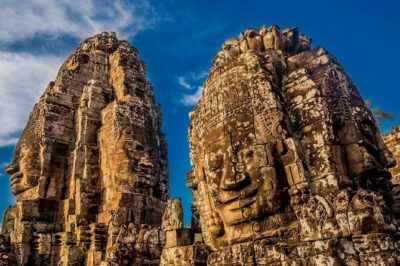
Stone smiles, then a temple made of roots. In Siem Reap, this 1-day Angkor trip lines up Angkor Thom highlights and Angkor Wat with a Spanish-speaking guide, so you spend your hours on meaning, not just pictures.
I especially like the way the guide talks you through what you’re seeing; Mario is specifically mentioned for Spanish that’s clear and confident, plus a cultured approach to the temples. He’s also a practical photographer, sharing photos and tips on angles that help your own pictures look better fast.
One thing to watch: the tour price does not include the Angkor Archaeological Park ticket (about $37 per person for 1 day), and lunch is extra too. Plan for that before you fall in love with the schedule.
In This Review
- Key highlights you’ll feel right away
- A Spanish guide makes Angkor Wat less confusing
- Pickup, transport, and why the 8-hour timing feels tight
- Price and tickets: what you’re really paying for
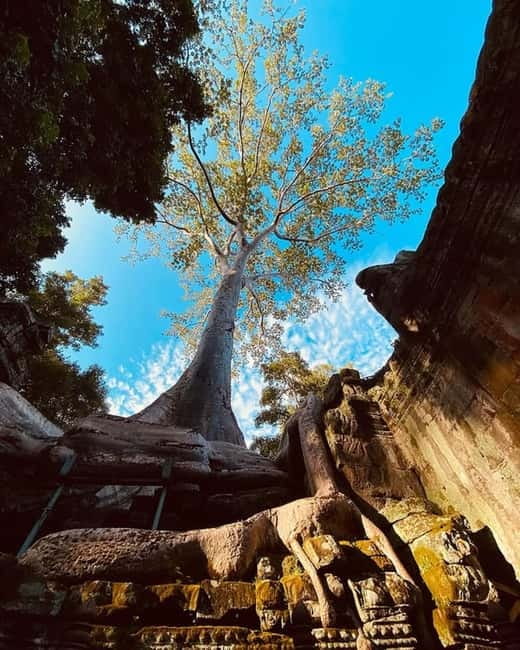
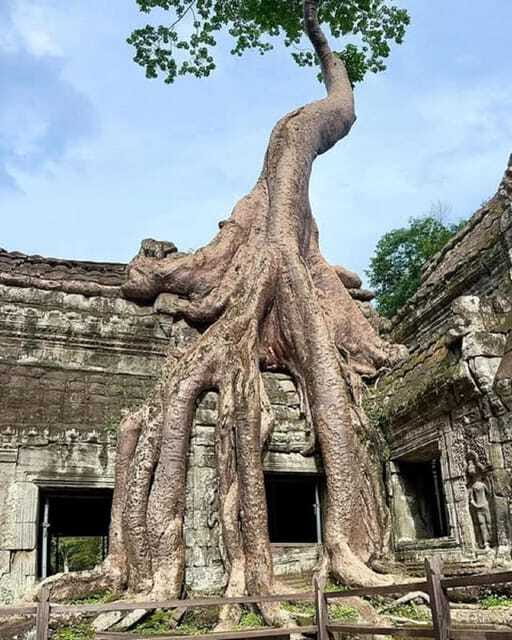
- Ta Prohm: where roots turn a temple into a movie set
- Angkor Thom in one loop: Victory Gate, Bayon, and stone faces
- Terrace of the Elephants and Terrace of the Leper King
- Baphuon: the middle stop that completes the picture
- Srah Srang break: use the pause to reset
- Angkor Wat at the end: what to ask your guide
- Rules, comfort, and small details that keep the day smooth
- Who this tour fits best (and who should skip it)
- Should you book this Spanish-guided Angkor day?
- FAQ
- What time does the guide pick me up?
- Is the Angkor ticket included in the tour price?
- Is lunch included?
- What language is the guide speaking?
- How do you travel during the tour?
- Do I need to buy anything for entry to the temples?
- What should I bring and wear?
- Is this tour suitable for everyone?
Key highlights you’ll feel right away
- Spanish guide on-site who explains temples in a way you can follow hour after hour
- Skip-the-line entry flow so you spend more time at the stone and less time waiting
- Small-group or private options with a tuk-tuk or air-conditioned van based on group size
- Angkor Thom classics like Bayon, plus the Terrace of the Elephants and Terrace of the Leper King
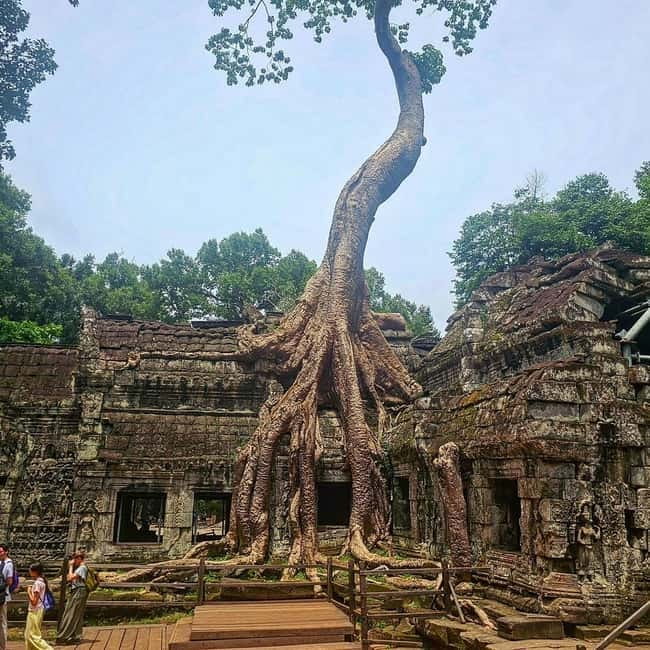
- Ta Prohm’s dramatic roots where nature and stone share the same frame
- A focused day plan that aims to fit the iconic stops into about 8 hours
A Spanish guide makes Angkor Wat less confusing
Angkor can feel like a blur if you arrive with only a map and a wish. What makes this tour work is the ongoing Spanish commentary that connects the temples to what you’re actually looking at: faces, towers, carvings, and the story behind the layouts. In one day, that context matters.
I like that the guide isn’t just reading facts. In the feedback, Mario is singled out as fluent and engaging, with a calm, thoughtful style that helps you keep pace without feeling rushed. And yes, he’s also the kind of guide who notices photography moments, not just sightseeing checkboxes.
There’s a small caveat: one person noted a possible need for more fluency. That doesn’t mean it’s a problem, but if you’re very strict about language perfection, keep that in mind and know the tour is built around Spanish explanations.
You can also read our reviews of more guided tours in Siem Reap
Pickup, transport, and why the 8-hour timing feels tight
You meet in Krong Siem Reap, and the guide picks you up from your hotel lobby between 8:30 AM and 9:00 AM. The tour runs about 8 hours, and you’re back around 5:00 PM—a schedule that’s designed to hit the main sites without turning the day into a marathon.
Transport depends on the group size. If you’re just 2 people, you’ll go by tuk-tuk. For 3 to 6 people, you travel in an air-conditioned van. That split is practical: tuk-tuks are fun, but the van can be a lifesaver when the heat climbs.
This is also where you should be realistic. It’s a lot of stops in one day, and you’ll do some walking on uneven ground. Shoes matter, and so does your energy level. If you’re hoping for slow sightseeing with long, empty moments, this isn’t built for that.
Price and tickets: what you’re really paying for
The listed price is $40 per person for the tour itself, including hotel pickup and drop-off, the guided visits, cold water during the day, and transport. The big extra cost is the Angkor Archaeological Park ticket, about $37 per person for 1 day, which is not included in the tour price.
Here’s how I think about the value. If you have to navigate tickets, routes, and explanations alone, the extra guidance can save you time and reduce stress. Plus, you don’t just get transit—you get explanations at each stop and help with timing, photo moments, and what to look for.
Lunch is also not included. The schedule includes a break tied to Srah Srang, with time to eat at a nearby Cambodian restaurant. You’ll want to budget for that, and you’ll enjoy it more if you’re not deciding where to eat on the fly.
If you’re traveling as a pair, tuk-tuk can be worth it for the experience. If you’re sensitive to heat, the air-conditioned van for small groups is the smarter comfort choice.
Ta Prohm: where roots turn a temple into a movie set
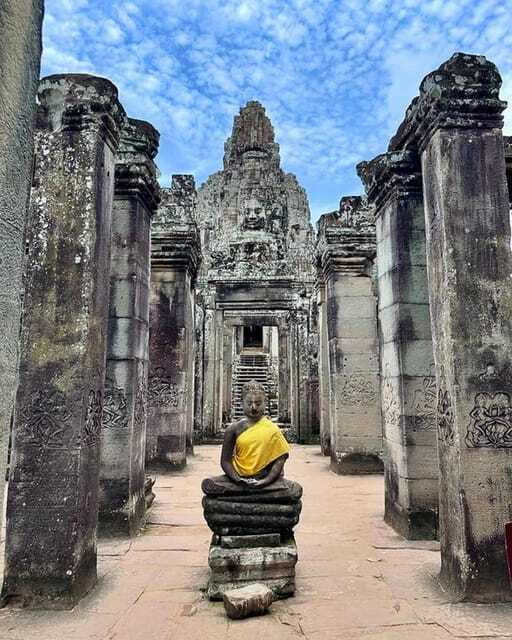
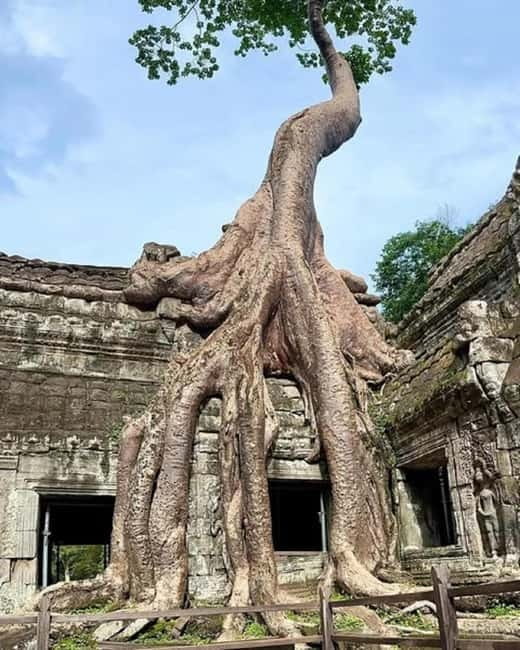
Ta Prohm is one of those places that looks familiar—until you stand there. The tour makes it your first major temple stop, with about 1 hour for a guided visit.
What you’ll love here is the visual tension between stone and growth. At Ta Prohm, big tree roots weave through the structures, and the whole temple feels like it’s being held together by nature as much as by human design. Your guide will help you notice where carvings sit, how the architecture is arranged, and why this temple became famous for that striking look.
A practical note: it’s easy to lose time staring straight up at roots and shadows. Use the guide’s cues to balance your attention—look at the roots, then zoom your eyes to details like doorways, lintels, and worn surfaces. Those details make the place feel less like scenery and more like a living archaeological site.
Wear shoes you can trust. Ground can be uneven, and you’ll want stability, not just sandals you can slip in quickly.
Angkor Thom in one loop: Victory Gate, Bayon, and stone faces
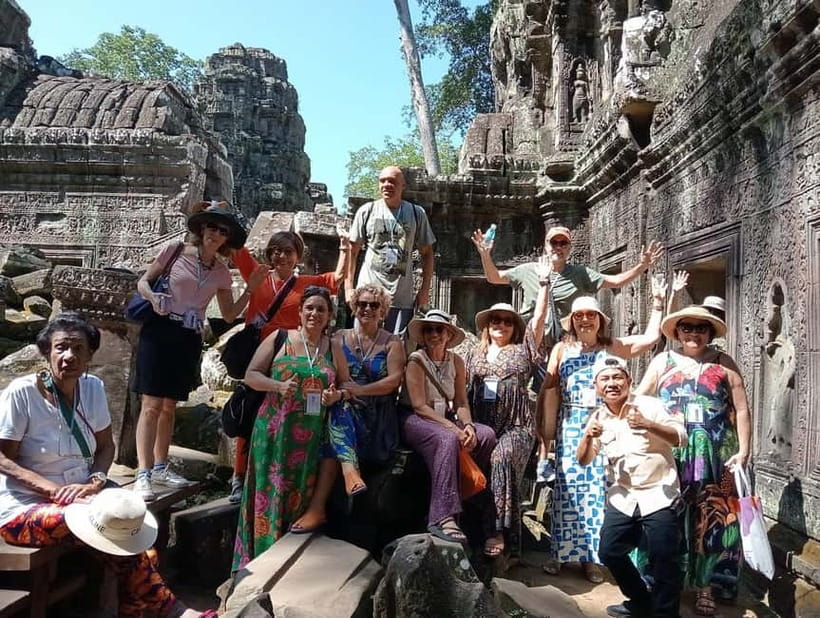
A huge part of this day is the Angkor Thom area—the “big city” of the complex, with iconic stone features that people chase on camera. The plan includes classic stops such as Victory Gate (with a photo stop), Bayon Temple, and time at the terraces that show what daily life and power looked like in stone.
Victory Gate is mostly about getting your bearings and grabbing a first set of photos that establish the scale. Think of it as your visual reset: once you’re there, you understand why the rest of the circuit feels so grand.
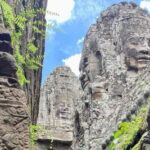
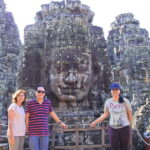
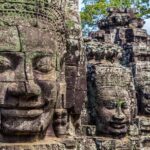
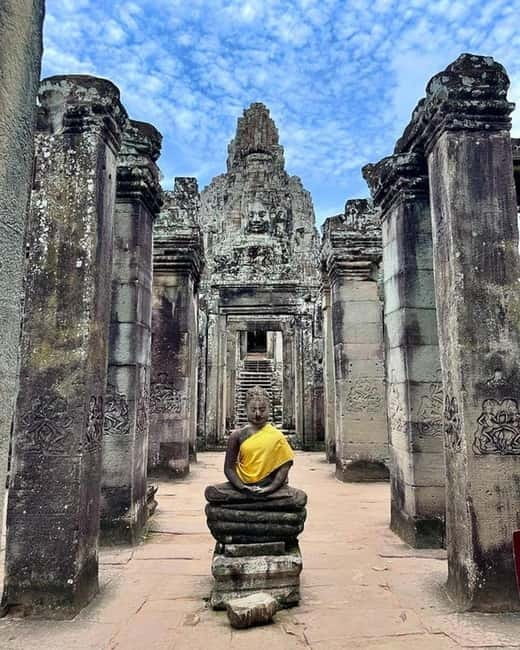
Then comes Bayon Temple, with about 45 minutes guided. Bayon is famous for its face towers, and the guide’s job is to help you read what those faces might represent and how the temple’s layout supports the overall experience. When the explanation matches what you can see, the temple becomes less mysterious and more meaningful.
You’ll also spend guided time at Ta Prohm earlier and then move through Angkor Thom highlights like a connected story, not separate stops. That’s why doing this with a guide matters. Without context, each temple can blend into the next.
You can also read our reviews of more private tours in Siem Reap

Terrace of the Elephants and Terrace of the Leper King
This tour includes a guided look at the Terrace of the Elephants (about 30 minutes). It’s one of the best places in the complex to slow down your eyes. The terrace is built for relief carvings, and once you start tracking the details, it becomes less about “wow” and more about pattern and meaning.
The itinerary also calls out the Terrace of the Leper King as part of the small-circuit highlights. Even if your time at each terrace feels shorter than you’d like, this is a strong place to learn what you’re seeing—figures, roles, and the way the reliefs fit the larger temple plan.
A quick reality check: terrace time can feel fast if the group is moving closely and the heat is high. This is where choosing a small group helps. Less crowd pressure usually means you can take a few extra minutes to focus on the carvings you actually care about.
For photos, step back and shoot wider first, then come in closer after your eyes adjust. You’ll get more keepers that way.
Baphuon: the middle stop that completes the picture
You’ll visit Baphuon with about 45 minutes guided time. This temple can get overshadowed by Bayon and Angkor Wat, but I like having it in the plan because it fills out the overall picture of Angkor Thom’s architecture and style.
Baphuon’s value in a one-day route is that it helps you see that Angkor isn’t one look—it’s a set of temples with different emphases and visual personalities. When you understand that, Bayon and Angkor Wat feel less like isolated landmarks and more like chapters in the same world.
The guide’s explanations help you avoid the common trap: treating every stone surface as decoration only. With the right cues, you’ll start noticing structure, placement, and how the temple communicates power and belief through design.
Srah Srang break: use the pause to reset
Between the big temple blocks, the tour includes a break at Srah Srang. The schedule allows about 1 hour for this time, including lunch.
Because lunch isn’t included, you’re choosing from a nearby restaurant after you arrive and regroup. This kind of stop is practical, not romantic. You’ll want it to do two things: let your body cool down and let your brain switch gears before Angkor Wat.
Bring insect repellent, and don’t skip it just because you’ve got a tour plan. The time outside between temple stops can be when you feel the heat most.
If you’re the type who gets overwhelmed by options, aim for something simple and filling. You’ll want energy for Angkor Wat’s guided time of about 2 hours and the walk back to your transport at the end of the day.
Angkor Wat at the end: what to ask your guide
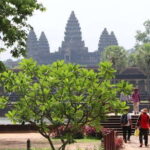
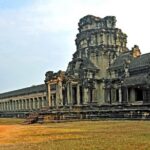
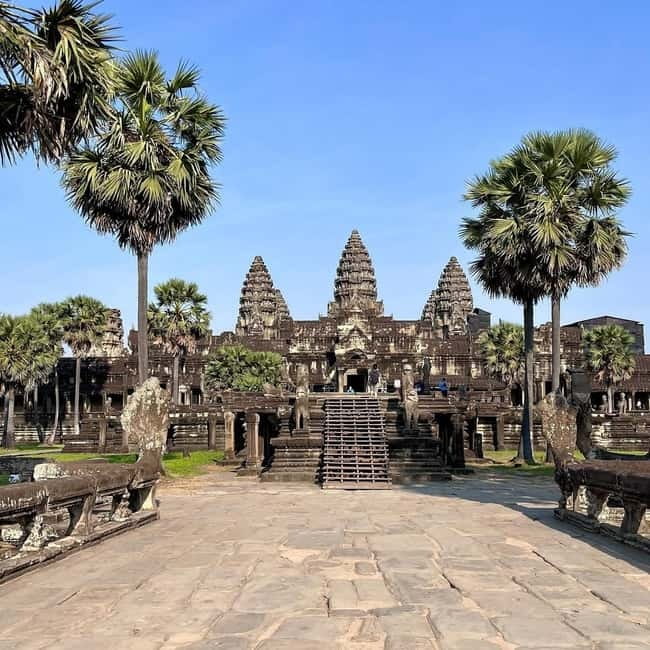
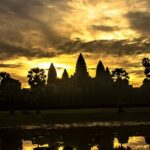
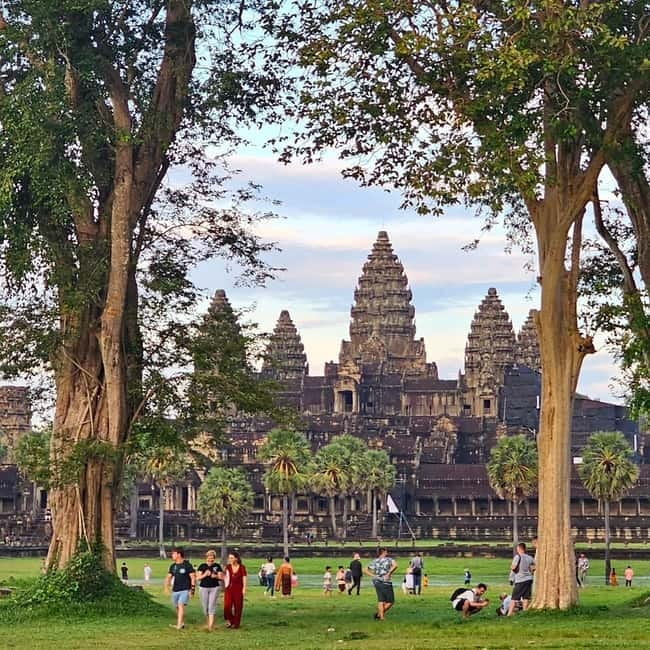
Angkor Wat is the final big stop, with about 2 hours guided. This is where the day clicks for many people, because after seeing Bayon and the other temple faces and terraces, Angkor Wat becomes more than the famous silhouette.
What you’ll get from the guide here is a clear explanation of art, history, and symbolism—especially how the temple’s design connects to belief and the idea of a grand religious monument. When you’re told what you’re looking at, you tend to see more: the placement of elements, the way carvings guide your attention, and the logic of the layout.
I also like this timing. Ending with Angkor Wat means you get to compare it to what you just saw. Without that comparison, Angkor Wat can feel like a single, overwhelming moment. With it, it turns into a structured experience.
And yes, you’ll still want photos. But rather than shooting nonstop, ask your guide for specific viewpoints that help you frame the monument correctly. The guide’s photography tips were a standout in the feedback, and those tips can improve your results immediately.
Rules, comfort, and small details that keep the day smooth
You’ll be walking and standing in a Khmer temple complex, often under strong sun. The essentials to bring are comfortable shoes, sunglasses, a hat, sunscreen, and insect repellent. The tour includes cold water, but drinks beyond that aren’t mentioned as included, so plan to buy what you need if you’re thirsty.
Dress matters. The tour notes that shorts, short skirts, and sleeveless shirts aren’t allowed. This isn’t just formality—temples enforce it, and you don’t want your day slowed by a last-minute clothing fix. Bring a light layer you can use if you’re unsure.
Also note who might find the pace hard. The tour is not suitable for wheelchair users, and it isn’t suited for people over 95 years.
Who this tour fits best (and who should skip it)
This is a great fit if you want the most iconic Angkor sights in one day and you value Spanish-language guidance that explains what you’re seeing. It also works well if you like a guided group experience but still want enough focus to ask questions and take photos without feeling lost.
It’s especially good for couples and small groups. You can choose tuk-tuk for a more classic feel in a pair, or enjoy the van if you’re traveling with others and want comfort in the heat.
You might want to skip this particular format if you’re looking for total flexibility. The day is structured, and it packs in multiple temples with guided time at each stop. If you prefer long, slow wandering with no schedule pressure, you’ll likely feel constrained.
Should you book this Spanish-guided Angkor day?
If you want a smart, guided hit list—Ta Prohm, Angkor Thom highlights, and Angkor Wat—this tour is a strong option. The pricing is reasonable once you factor in transport, pickup/drop-off, and on-site guidance, but you must budget for the Angkor ticket and lunch.
I’d book it if you value a guide who can explain in Spanish and knows how to turn temple stops into a coherent story. The repeated mention of Mario’s fluency, attention, and photography tips is a good sign that you won’t just be moved from one monument to the next—you’ll understand why each one matters.
FAQ
What time does the guide pick me up?
Pickup is from your hotel lobby between 8:30 AM and 9:00 AM in Krong Siem Reap, and the tour typically returns around 5:00 PM.
Is the Angkor ticket included in the tour price?
No. The Angkor Archaeological Park entrance ticket is not included and is listed as about $37 per person for 1 day.
Is lunch included?
Lunch is not included. The schedule includes a break at Srah Srang with time for lunch at a nearby restaurant.
What language is the guide speaking?
The live tour guide is Spanish.
How do you travel during the tour?
Transport is by tuk-tuk for 2 persons and by air-conditioned van for 3 to 6 persons.
Do I need to buy anything for entry to the temples?
You will meet your guide and go together to the ticket office to buy the temple pass, but you can also buy the pass online in advance.
What should I bring and wear?
Bring comfortable shoes, sunglasses, a hat, sunscreen, and insect repellent. Wear clothes that follow the dress rules (no shorts, short skirts, or sleeveless shirts).
Is this tour suitable for everyone?
It is not suitable for wheelchair users, and it’s also not suitable for people over 95 years.
If you want, tell me your group size and whether you prefer tuk-tuk fun or van comfort, and I’ll suggest the most comfortable way to plan your day around heat and photography.