REVIEW · PHNOM PENH
Khmer Cooking Class Full Day
Book on Viator →Operated by Banana Cooking Class · Bookable on Viator
If you like food with a story, this is it.
I love the market-first start (fruits, vegetables, herbs, spices) and the hands-on pace where you cook at your own station. I also like that you get recipes to take home, not just a one-time meal. One thing to consider: it’s a full 8 hours, so you’ll want energy for two cooking sessions plus eating lunch.
This Khmer cooking class in Phnom Penh runs like a real cooking workflow: you shop, you learn the technique, then you cook, taste, and cook again. The format is built for interaction—your chef guides you through each dish while you’re actually working the wok and utensils. And yes, it’s private, so you’re only cooking with your group.
You meet at Banana Cooking Class (1, 4b Abdul Carime St (21), Phnom Penh) at 9:00am, then you head to the local market by tuk tuk and return for theory, cooking, and lunch. After the final tasting, you’ll get a completion certificate and a photo session before heading back to the meeting point.
In This Review
- Key things that make this Khmer cooking class work
- Market Shopping in Phnom Penh: the part you’ll remember
- Tuk-tuk vibes and the welcome setup at Banana Cooking Class
- Theory at 10:30 and demo-to-dish at your own station
- Lunch at noon, then more cooking at 3:30
- What you take home: recipes, certificate, and a calmer way to cook later
- Price and value: is $58 a fair deal in Phnom Penh?
- Who this full-day Khmer cooking class fits best
- Should you book the Khmer Cooking Class Full Day?
- FAQ
- How long is the full-day Khmer Cooking Class?
- Where does the class start, and does it end there too?
- Do you cook multiple dishes during the day?
- Do you get recipes to take home?
- Will I get a certificate?
- Is the class private?
Key things that make this Khmer cooking class work
- Market shopping with a chef guide so you learn what to buy and why
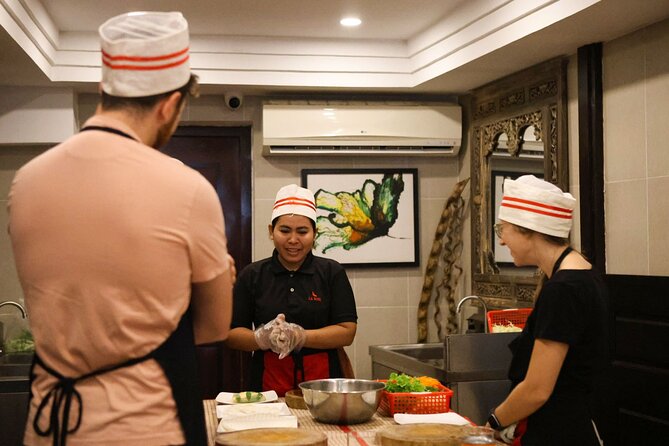
- Hands-on instruction at your own cooking station with a wok
- A full day of Khmer recipes, often including mango salad, curry, and more
- You eat what you cook, with lunch plus an afternoon tasting
- Recipes + certificate so you can repeat the dishes at home
Market Shopping in Phnom Penh: the part you’ll remember
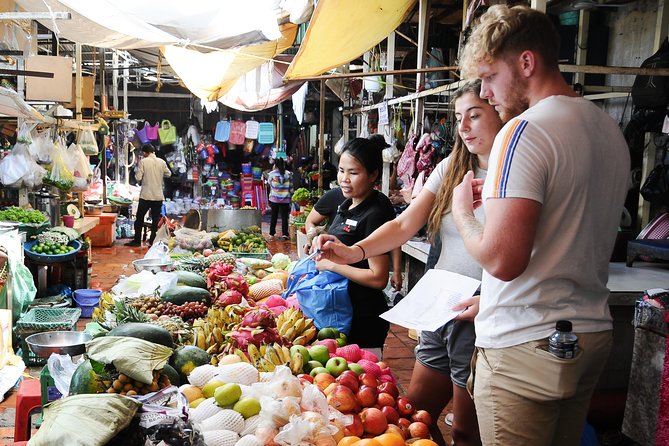
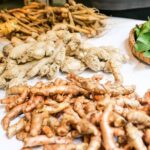
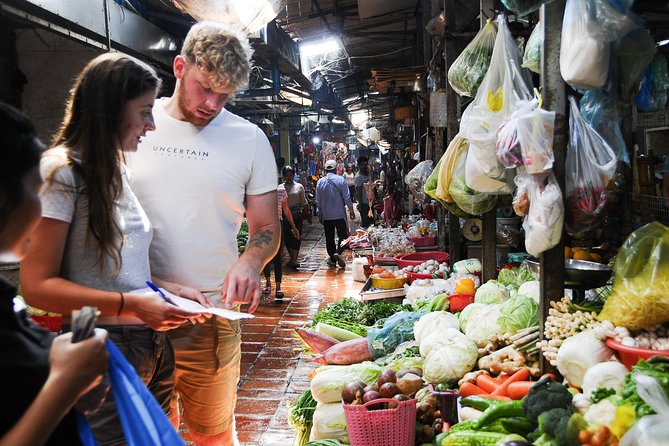
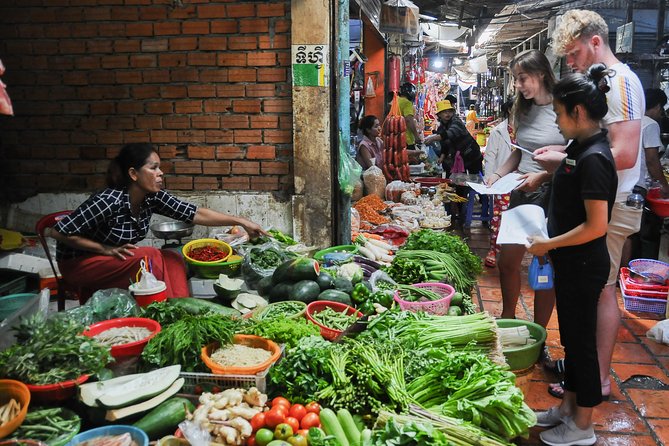
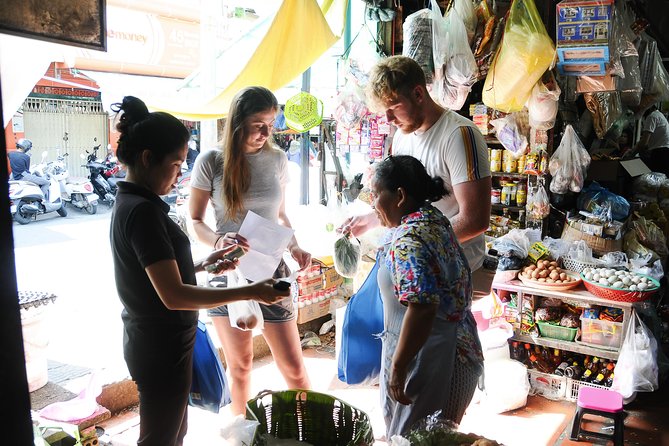
The morning starts with a local market visit, and that’s not just a warm-up. This is where you learn the building blocks of Khmer cooking: fresh fruits, vegetables, and herbs, plus the spices that give Cambodian food its signature balance.
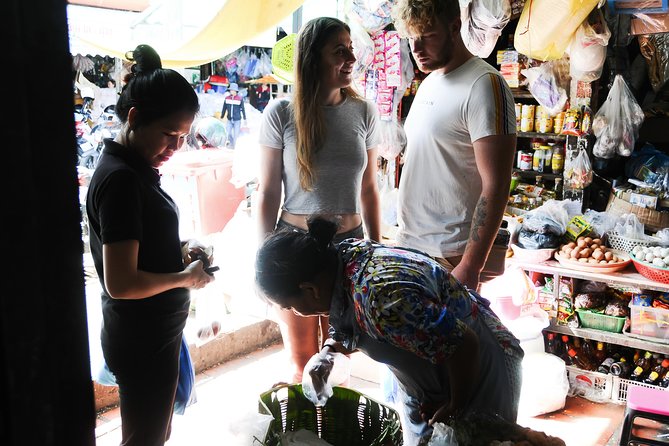
Your guide shows you the ingredients in plain, practical terms—what to look for, what they’re used for, and how they fit into the dishes you’ll cook later. It’s the kind of shopping lesson that sticks, especially if you’ve ever eaten Khmer food and wondered how the flavors are put together. Even better, you’re not just browsing. You’re buying the ingredients you’ll cook with, so the market visit becomes real prep work.
If you’re cooking at home later, this is the difference between following a recipe and understanding it. You’ll come away knowing what substitutions are likely to work (and which ingredients matter most), because you saw the ingredients in their usual context.
You can also read our reviews of more cooking classes in Phnom Penh
Tuk-tuk vibes and the welcome setup at Banana Cooking Class
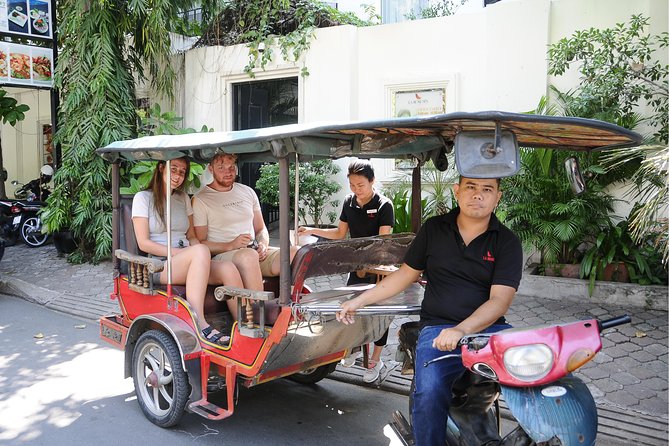
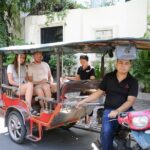
After the market, you jump back by tuk tuk to Banana Cooking Class. The pacing is simple: a quick ride, then you reset for the cooking portion of the day.
When you return, you’ll get a refreshing drink and a cold towel, plus your recipe. That little reset matters. Cambodia runs warm, and you’re going from walking in the market straight into cooking. The cold towel isn’t a gimmick—it’s a practical way to cool down before you start chopping and stirring.
Once you’re settled, the class doesn’t waste time. You move into instruction pretty quickly, so you don’t spend half the day waiting. The best part is that the schedule is structured: market first, then cooking technique, then you eat what you make.
Theory at 10:30 and demo-to-dish at your own station
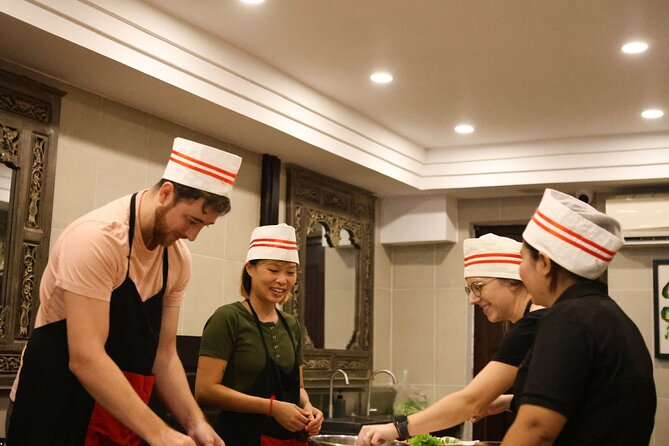
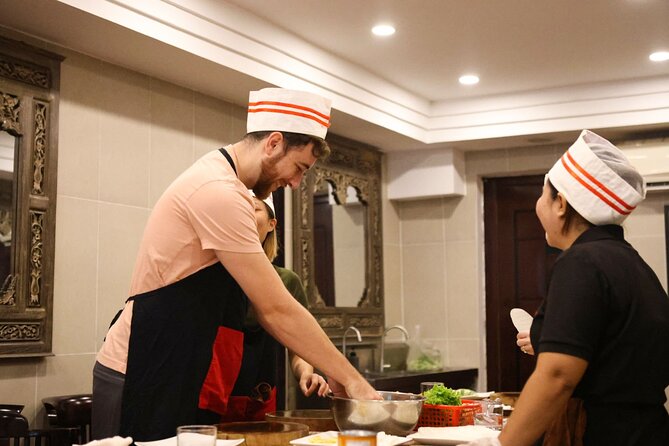
Around 10:30am, the chef leads a theory class, including a cookery demonstration of the dishes you’ll be preparing. This matters because Khmer cuisine can feel unfamiliar if you only know it from restaurant meals. The chef’s job here is to translate flavors into technique—how you handle aromatics, build sauces, and time cooking so it turns out right.
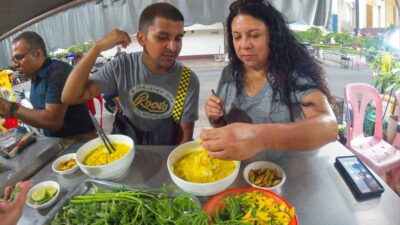
Then it gets hands-on. Starting at about 11:00am, each student has his or her own cooking station and wok. You’re not sharing space like a chaotic cooking show. You’re cooking, with assistance from the chef as you work through the steps.
From reviews, one recurring theme is that instructors like LomAng Peark (and also Lom Ang) are praised for clear explanations and being friendly while staying focused on technique. One review also highlights flexibility when people wanted changes in the menu—so if you have a specific preference, it’s worth asking early rather than holding it in.
What you should expect to do during this first cooking block:
- prep ingredients for the dishes chosen for your group
- follow guided steps at your own wok and tools
- adjust your approach when the chef signals you to correct texture, timing, or seasoning
This is the part where you gain confidence. Even if you’re a beginner, the class is structured so you can succeed without needing prior Cambodian cooking skills.
Lunch at noon, then more cooking at 3:30
At 12:00pm, you eat lunch—and crucially, it’s your own creations. This isn’t a separate buffet where you just watch. You taste dishes you made, which helps you connect what you did (technique and timing) to what you got (flavor and texture).
In terms of dish variety, the class focuses on classic Khmer options. Examples mentioned include spring rolls, mango salad, fish a mok, Khmer yellow curry, and dessert such as banana palm. One person even specifically called out mango salad, yellow curry, and banana palm in the full-day format.
After lunch, you get a break long enough to reset, then you return to the kitchen at about 3:30pm. The afternoon session is where the class slows down a bit for dishes that take more time to prepare. That timing difference is important: some Khmer dishes benefit from careful simmering, resting, or layering flavors so the final result tastes rounded, not rushed.
Around 4:30pm, you taste your afternoon dishes and relax. This is also when the day feels complete. You’ve cooked once in the morning, you’ve cooked again in the afternoon, and now you’re not just working—you’re enjoying the results.
What you take home: recipes, certificate, and a calmer way to cook later
By the end of the class (around 5:00pm), you receive a certificate of completion and a photo session. It’s a small thing, but it’s fun in the moment and gives the day a sense of closure.
The bigger takeaway is practical: you keep the recipes. Reviews repeatedly point out that the recipes and the market shopping support make the experience useful at home. If you’ve ever done a cooking class and then realized you can’t recreate it, this one aims to prevent that.
Here’s why that matters for you:
- you can repeat the dish without guessing measurements
- you understand ingredient choices because you shopped for them
- you learn technique, so you’re not stuck translating vague steps
Also, because the chef teaches Khmer cooking specifically, your home results should taste like the cuisine you came for—not like a generic “international cooking lesson.”



Price and value: is $58 a fair deal in Phnom Penh?
At $58 per person for about 8 hours, this class sits in the “serious experience” category rather than a quick sampler. You’re paying for more than cooking time—you’re paying for ingredient shopping support, guided technique, and actual meal production throughout the day.
Value signals you can feel:
- Market visit with ingredient learning (not just a photo stop)
- Dedicated cooking stations with chef assistance
- Multiple cooking sessions across the day
- Lunch included, plus afternoon tasting
- Recipes to take home and a completion certificate
And the reviews back up that the teaching is not vague. People describe it as interactive and thorough, with chefs who make sure you’re following along. One review specifically praises the ability to modify the menu quickly when requested, which is a big deal if you’re picky, have kids with limited tastes, or want to adjust something without derailing the class.
Is it perfect value for everyone? If you only want one simple dish and you hate being in a kitchen for hours, you might prefer a half-day option. But if you want a full day of real Khmer cooking skills, $58 feels like it buys you more than just a meal.
Who this full-day Khmer cooking class fits best
This is a great fit for people who want more than a restaurant meal. If you like learning through action—shopping, chopping, stirring, tasting—this class is designed for that.
It also works well for families. One review describes the chef being engaging with kids ages 7, 10, and 12, which suggests the class can handle mixed experience levels without turning the day into a stress-fest.
If you’re interested in Cambodian flavor fundamentals, you’ll appreciate the market component. It gives you context before you start cooking, so dishes like mango salad or curry don’t feel like random ingredients thrown together. They feel like connected steps.
One more consideration: because the class is private (only your group participates), it can be a better experience if you want a calmer pace than large-group classes. That said, since it’s also hands-on with cooking stations, it still requires attention—you’ll be working, not just watching.
Should you book the Khmer Cooking Class Full Day?
Book this if you want a real Khmer cooking day in Phnom Penh: market learning, two cooking sessions, lunch you cook yourself, and recipes you can actually use later. The strongest reasons to choose it are the hands-on format, the chef support, and the fact that it’s designed to leave you with repeatable knowledge—not just photos and souvenirs.
Skip or downgrade to a half-day if you’re short on time, you don’t like cooking for hours, or you’d rather spend that day exploring outside the kitchen. Also, if you’re sensitive to heat and you dislike any kind of walking early in the day, plan to take advantage of the cold towel and keep your pace steady after the market.
If you’re on the fence, here’s my simple test: if you’re the type of person who wants to recreate dishes at home, this class is one of the best bets in Phnom Penh.
FAQ
How long is the full-day Khmer Cooking Class?
The full-day course runs for about 8 hours.
Where does the class start, and does it end there too?
You meet at Banana Cooking Class, 1, 4b Abdul Carime St. (21), Phnom Penh, Cambodia at 9:00am. The activity ends back at the meeting point.
Do you cook multiple dishes during the day?
Yes. The full-day course includes a theory demonstration, a hands-on morning cooking session, lunch, and another hands-on session in the afternoon, followed by tasting.
Do you get recipes to take home?
Yes. You receive the recipe, and highlights say you can keep the recipes and take them home.
Will I get a certificate?
Yes. A certificate of completion is provided, along with a photo session.
Is the class private?
Yes. It’s listed as a private tour/activity, meaning only your group participates.