REVIEW · PHNOM PENH
13 Days Private Tour to Cambodia, Angkor Wat and Vietnam
Book on Viator →Operated by Global Travel & Tours Asia · Bookable on Viator
This route hits icons fast. I like the way Mr. Ann and his team handle airport arrivals and keep you moving—meet you quickly, assist with visas and customs, and stay on top of details. I also love the balance: Angkor temple mornings, plus real water time with an overnight Halong Bay cruise and a Mekong Delta day.
One catch: the pace is packed. You’ll cover a lot of ground, fly a few legs, and spend time at emotionally heavy sites like Tuol Sleng and the Killing Fields, so comfy shoes and some mental downtime help a ton.
In This Review
- Key Highlights You’ll Feel Day After Day
- How This Private Tour Cuts the Stress Out of Two Countries
- Phnom Penh: Royal Splendor, Khmer Art, and the Hard Reality of S-21
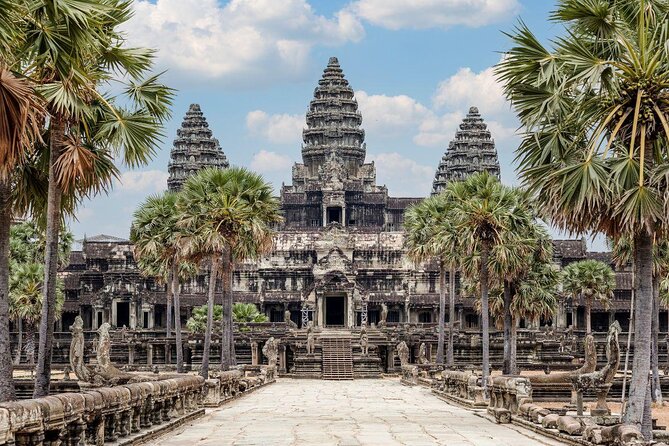
- The Siem Reap Temple Core: Angkor Thom and the Faces of Bayon
- Angkor Wat Plus Banteay Srei and Preah Khan: Where Detail Matters
- Hanoi in One Day After Another: Museums, Cyclo Streets, and Water Puppets
- Halong Bay: Overnight Cruise With Morning Village Time
- Hoi An: Riverboat Views, Covered Bridge, and a Show in the Evening
- Hue’s Imperial Citadel and Perfume River: Cyclo Travel With Real Viewpoints
- Cu Chi and Saigon: Tunnels, Colonial Landmarks, and Postwar Memory
- Mekong Delta: Cai Be Sampan Cruise and a Colonial-Style Lunch
- Price and Value: What You’re Really Paying For at $4,360 Per Person
- Where This Tour Fits Best (And Where It Might Not)
- Should You Book This Cambodia and Vietnam Private Tour?
- FAQ
- Is this tour private for just my group?
- Are airport pickups and transfers included?
- Which major UNESCO sites are included?
- Are flights between Cambodia and Vietnam included?
- How long is the Halong Bay cruise and is there an overnight?
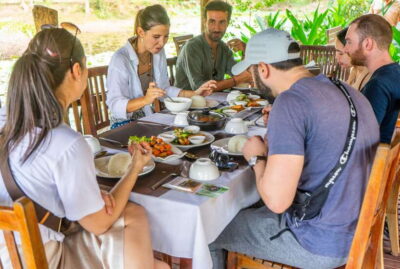
- What meals are included?
- What is the cancellation window for a full refund?
Key Highlights You’ll Feel Day After Day
- Airport-first service led by Mr. Ann, with meet-and-transfer support to reduce stress
- UNESCO coverage across Cambodia and Vietnam, from Angkor to Halong Bay to Hue and Hoi An
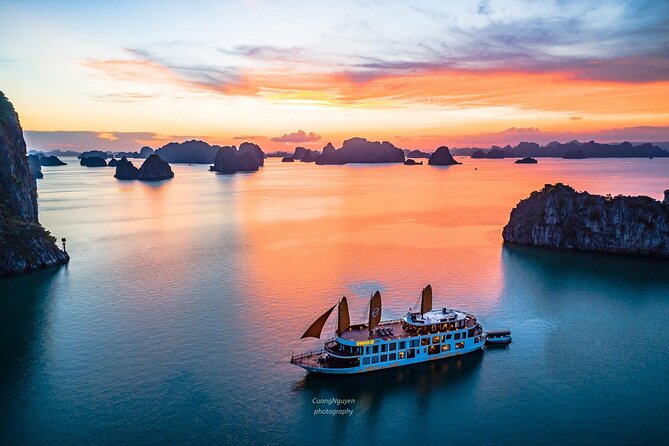
- Overnight Halong Bay cruise (Dragon Legend Cruise cabin) plus morning village time on the water
- Private, licensed English-speaking guiding paired with modern air-conditioned transport
- Hotel lineup built for comfort, including river-view and balcony rooms in multiple cities
How This Private Tour Cuts the Stress Out of Two Countries
This is a 13-day Cambodia and Vietnam plan that’s built around one thing: saving you from logistics fatigue. You’re not just seeing sights—you’re getting drivers, timed pickups, and English-speaking guidance so the big days (temples, cruises, museums) don’t turn into a scavenger hunt.
I also like how the tour mixes “wow” moments with calmer pacing. Angkor is naturally intense, but then the itinerary gives you breathing room: meals included on most sightseeing days, boat rides in Vietnam, and hotel stays that are comfortable enough to recharge between busy stops.
The private format matters, too. This is a true private tour for your group only, so you control the feel of the day more than on large group bus tours. And because entrance fees are included at the listed sites, you spend less time figuring out what’s ticketed and what isn’t.
You can also read our reviews of more private tours in Phnom Penh
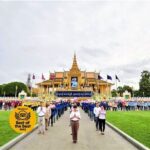


Phnom Penh: Royal Splendor, Khmer Art, and the Hard Reality of S-21
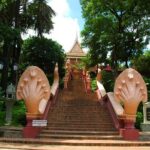
Phnom Penh is often skipped by people rushing straight to Angkor. Don’t. Here, you get context for Cambodia beyond temples—starting with the Royal Palace and then moving into the story of 20th-century tragedy.
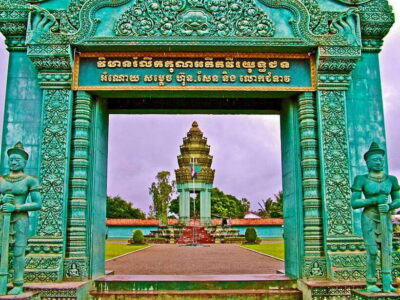
On Day 2, you begin at the Royal Palace area built in 1866, with its pagoda-style structures and garden walk. Then you hit the National Museum, built in 1917 and focused on Khmer art and sculptures. It’s a smart pairing: before you go north to Angkor, you see the cultural roots that shaped the artwork you’ll later recognize in stone.
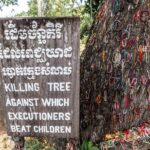
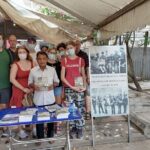
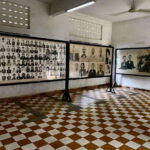
From there, the itinerary continues with Wat Phnom (founded in 1373) and then moves into the two most emotionally difficult stops: Tuol Sleng Genocide Museum (S-21) and Choeung Ek Killing Fields. This isn’t a light visit, but it’s presented as a guided experience with time to see and understand. If you’re sensitive to heavy history, I’d plan a quieter evening after this day, even if your next steps are exciting.
Practical tip: if you want the day to feel easier, pace yourself through the museums. Take breaks and drink the included mineral water—three bottles per person per day are provided.
The Siem Reap Temple Core: Angkor Thom and the Faces of Bayon
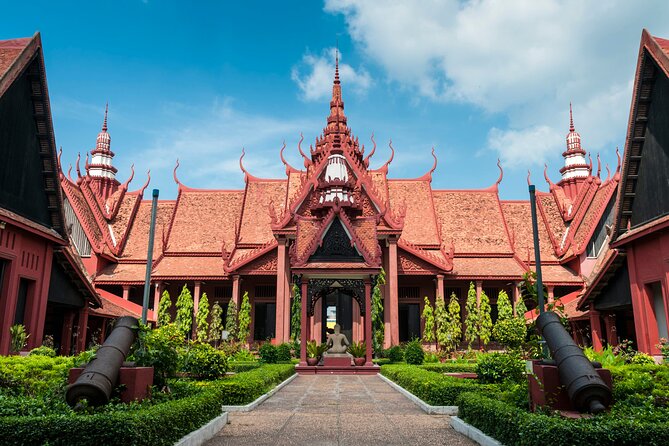
Once you fly from Phnom Penh to Siem Reap, the tour turns into a classic Angkor route, but it’s organized so you’re not jumping around. The big payoff starts with Angkor Thom.
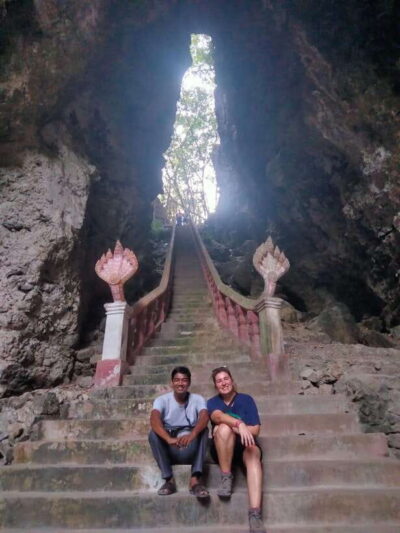
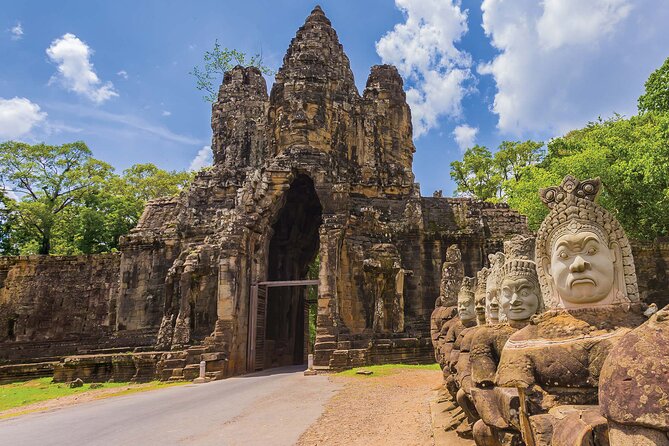
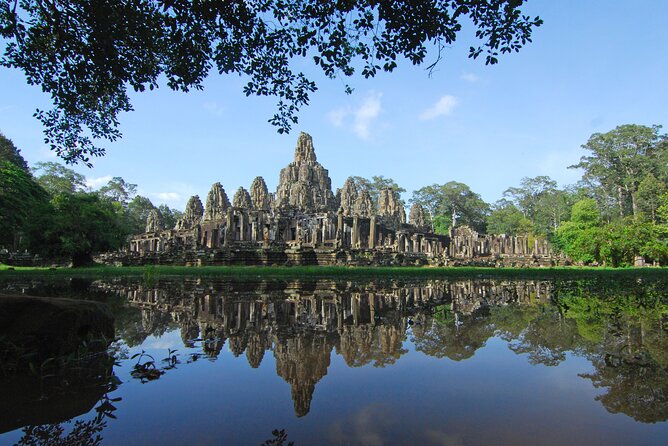
You’ll spend the morning at Angkor Thom’s South Gate, then work into Bayon Temple, known for the faces on multiple sides. That temple works best when you slow down and look from different angles. You’ll also visit Baphuon, then the Terrace of the Elephants and the Terrace of the Leper King. Each stop has a different mood—some feel like victory and ceremony, others feel more broken-down and contemplative.
After that, you continue through Phimeanakas and then end with Ta Prohm. Ta Prohm is the atmospheric one—parts of the temple look like they’ve been swallowed by trees, which makes the ruins feel alive rather than just archaeological.
The day ends with Angkor Wat in the afternoon. That’s a lot of stone in one go, so it helps that the tour includes time breaks (including lunch) and keeps you moving with a private guide.
Angkor Wat Plus Banteay Srei and Preah Khan: Where Detail Matters
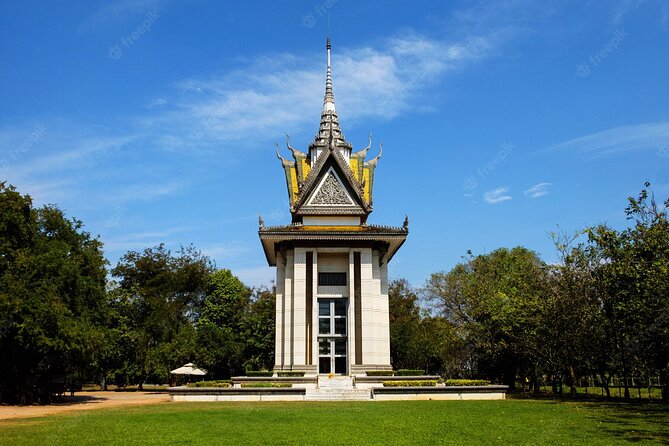
Day 4 is a great companion day to the first Angkor block. If Day 3 is about the famous city-center landmarks, this day adds texture: the small details and temple craftsmanship that make Angkor feel personal.
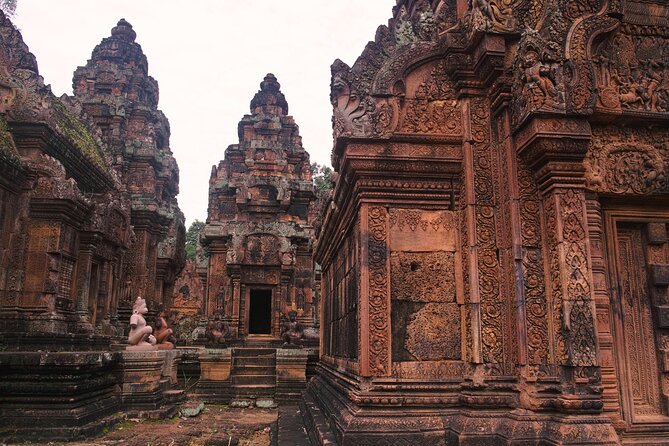
You start with Banteay Srei, the pink sandstone temple often described as a jewel. This is one of those places where you’ll notice carvings more than you’ll notice scale. The scenery is important, but the art is the star.
Next comes Preah Khan, built in the same style as Ta Prohm and noted for its better state of preservation. After lunch, you head to Kampong Phluk Floating Village for an ox-cart ride through villages and rice fields, plus coconut drinks with the family during the experience.
This portion ties directly into the tour’s promise of water-life around Siem Reap and the Tonle Sap area. It’s not just a photo stop; you see how communities live with the seasonal rhythm of water and land.
Then the itinerary moves you onward with a flight north: Siem Reap to Hanoi.
Hanoi in One Day After Another: Museums, Cyclo Streets, and Water Puppets
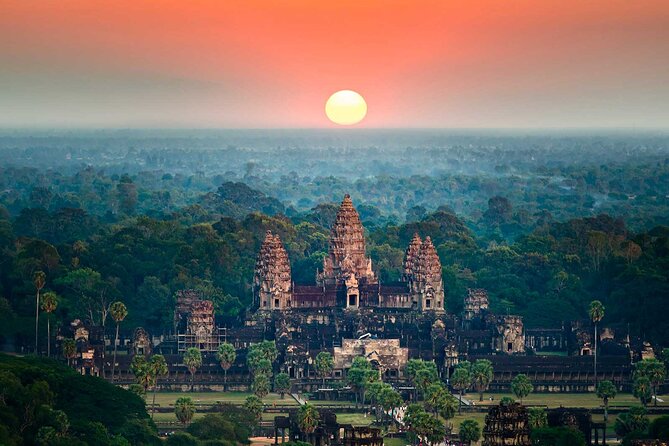
Hanoi can overwhelm you fast if you’re doing it alone. Here, you get a focused sweep that touches major sights without wasting time.
On Day 5, you start at the Ho Chi Minh Complex and Ba Dinh Square, then move to the Temple of Literature and National University. The Vietnam Museum of Ethnology is next, and it’s a useful pivot because it broadens what you’ll later see in art and architecture.
You then do Colonial Hanoi via a drive that includes views like the Hanoi Opera House. After lunch, you visit Hoa Lo Prison, often called Hanoi Hilton. This stop adds another layer to 20th-century context—different from Cambodia’s history, but still heavy in its own way.
The afternoon includes Tran Quoc Pagoda at West Lake and then a cyclo ride through the Old Quarter’s narrow lanes, the “36 Streets” area. That’s the part where you feel day-to-day life. It’s also one of the best times to ask your guide about what you’re seeing, because you’re right in the mix of shops and street rhythm.
That night ends with Thang Long Water Puppet, a North Vietnamese art form based on rural life and folklore. It’s a fun contrast after museum-heavy days.


Halong Bay: Overnight Cruise With Morning Village Time
A one-night Halong Bay cruise is a key reason this tour feels different from a straight temple-only itinerary. The tour sets off from Hanoi to Halong Bay on Day 6 and then sails on an overnight schedule aboard the cruise you’ll stay in as part of the trip (the package notes a Dragon Legend Cruise option, with the Deluce Cabin or similar).
Day 7 starts with an early morning view and tea or coffee, plus breakfast in the fresh air. Then you visit Vung Vieng fishing village by rustic rowboat, meet local people, and pass through the area by boat.
This combo is practical: you get both the famous bay scenery and a real human scale moment. You’re not stuck in a long performance of scenery-only cruising. After that, you fly onward to Danang and Hoi An.
Tip: if you’re sensitive to early mornings, Halong Bay is still worth it, but treat it like a physical event. Bring a light layer for the boat and keep your daypack handy.
Hoi An: Riverboat Views, Covered Bridge, and a Show in the Evening
Hoi An is where the itinerary shifts from “historic sites” to “historic place.” You’re in an area that feels walkable and shopable, and the tour gives you structure so you don’t miss the important parts.
Day 8 begins with the Japanese Covered Bridge and continues with stops that show the mix of Chinese and Vietnamese influences. You’ll visit the Old House of Phung Hung, the Fukian Assembly Hall (Phuc Kien), and the Old House of Tan Ky.
Then you do a riverboat along the Thu Bon River and visit a boat-building village. That river time matters. It changes the pace of the day and makes Hoi An feel lived-in rather than just museum-like.
After lunch, there’s free time to explore on your own, which I like because Hoi An is one of those places where you want flexibility—snacks, photos, and small purchases are part of the fun.
The evening includes the Hoi An Memories Show. It’s a guided-cultural add-on rather than another monument, so if your brain is tired from temples and tombs, it gives you a different kind of engagement.
Hue’s Imperial Citadel and Perfume River: Cyclo Travel With Real Viewpoints
Hue brings you back to grand architecture and imperial symbolism. On Day 9 you visit Tomb of Tu Duc, Tomb of Khai Dinh, and then Hue Imperial City, exploring the Citadel and the Forbidden Purple City area during the cyclo-based portion.
The next day (Day 10) focuses on the river and the spiritual side. Thien Mu Pagoda is a highlight, followed by a cruise along the Perfume River to view boats and the riverside setting.
Hue is one of the most effective transitions in the whole route. Angkor is stone-city scale, Hanoi is cultural institutions and streets, and then Hue slows down the mind. You can see why Hue is one of Vietnam’s UNESCO anchor points.
Practical tip: Hue days can be warm. Plan water intake seriously, and wear something comfortable for cyclo rides.
Cu Chi and Saigon: Tunnels, Colonial Landmarks, and Postwar Memory
When you arrive in Ho Chi Minh City (Saigon), the tour keeps moving fast, but it doesn’t feel chaotic. Day 11 starts with Cu Chi Tunnels, specifically the battlefield memorial site of Ben Duoc.
You explore the underground world of tunnels and chambers three stories deep. Even if you’re not a history buff, the tunnel experience makes the war story tangible. It’s also physically active in a way that many “museum-only” stops aren’t, so go in with shoes you can manage in tight spaces.
Afterward, you shift to Saigon’s visible architecture and the story it tells. The Notre Dame Cathedral, the Central Post Office (with its French Gothic/Renaissance influences), and the Independence Palace form a strong cluster. Then War Remnants Museum adds the reflective side, with a stated purpose of peace and remembrance.
You also finish with Ben Thanh Market and the Ho Chi Minh Square area. That’s a good combo: one last burst of everyday city energy, plus iconic civic spaces.
Mekong Delta: Cai Be Sampan Cruise and a Colonial-Style Lunch
The Mekong Delta day (Day 12) is a real change of pace. Instead of more flights and more monuments, you get a river-focused schedule.
You start with My Tho, then transfer to Cai Be and board the Cai Be Princess Sampan. The tour includes small touches like cold towels and a refreshing drink at the jetty, which sounds minor but helps when you’ve been moving all week.
The cruise ends at Le Longanier Restaurant, a colonial-style villa in a lush tropical garden setting, where lunch is served with fruit trees around you. It’s a gentle close to a busy tour: slower time, water rhythms, and food that’s included without feeling like a random tourist buffet stop.
Price and Value: What You’re Really Paying For at $4,360 Per Person
At $4,360 per person, this is not a budget tour. But the price starts to make sense when you look at what’s included:
- Private transportation in air-conditioned vehicles with a safe driver
- Professional licensed English-speaking guides
- All entrance fees for the listed sights
- Domestic and international flights across the route (Phnom Penh to Siem Reap; Siem Reap to Hanoi; Hanoi to Danang; Hue to Ho Chi Minh City)
- An overnight Halong Bay cruise with onboard cabin
- Hotel stays across multiple cities, including balcony or river-view room types noted in the package
- Meals: daily breakfast (12), plus lunch (6) and dinner listed as included
- Mineral water: three bottles per person per day
Where the value shows is in reduced friction. You’re paying to avoid the “what bus do I take” and “which ticket office is this” problem across two countries, plus you’re getting private guiding at UNESCO sites.
The possible downside is also clear: you’re committing to a fixed rhythm. If you like to linger for hours in one place, this itinerary may feel full. It’s best for people who want to see the big anchors efficiently and still have time for cruise and river moments.
Where This Tour Fits Best (And Where It Might Not)
This tour fits best if you:
- Want UNESCO-heavy routes without doing route math every day
- Prefer private guides and transfers over public-transport scrambling
- Like a mix of “stone temples” and “water time” rather than only museums
- Value hotel comfort with real downtime built into the plan
It might feel less ideal if you:
- Have trouble with long travel days and multiple flights
- Want a slow travel style with lots of unscheduled free time
- Are extremely sensitive to memorial sites, since Tuol Sleng and the Killing Fields are part of the core itinerary
Should You Book This Cambodia and Vietnam Private Tour?
If you’re aiming for a structured, high-comfort way to connect Cambodia and Vietnam, I’d say yes. The big win is how much you get covered—Angkor, Hanoi, Halong Bay, Hue, Hoi An, Saigon, and the Mekong Delta—while still keeping meals and transfers handled for you.
I’d book it when you want:
- big-ticket highlights handled cleanly
- private guiding through key historic sites
- cruise and river experiences that break up temple intensity
If your dream trip is lots of spontaneous detours, fewer flights, and more unplanned days, then you might prefer a more flexible plan. But for most people seeking maximum payoff with minimum admin, this one is a strong match.
FAQ
Is this tour private for just my group?
Yes. It is described as a private tour/activity, and only your group will participate.
Are airport pickups and transfers included?
Pickup is offered, and the tour includes meet-up and transfers around the route. It also notes a transfer from the Mai House Saigon Hotel to Ho Chi Minh City International Airport at the end of the trip.
Which major UNESCO sites are included?
The tour includes guided visits to UNESCO World Heritage Sites such as Angkor, Hué, and Hoi An, and it also includes Ha Long Bay.
Are flights between Cambodia and Vietnam included?
Yes. Domestic and international flight tickets are included across the route, including Phnom Penh to Siem Reap, Siem Reap to Hanoi, Hanoi to Danang, and Hue to Ho Chi Minh City.
How long is the Halong Bay cruise and is there an overnight?
The tour includes a one-night cruise on Halong Bay, with an onboard overnight stay noted in the included accommodation.
What meals are included?
Daily breakfast is included (12 breakfasts), lunch is included on six days (6 lunches), and dinner is also included. Mineral water is provided daily.
What is the cancellation window for a full refund?
You can cancel up to 6 days in advance for a full refund. The policy states that for a full refund, cancellation must be at least 6 full days before the experience’s start time.