REVIEW · SIEM REAP
Kompong Phluk Floating Village Tour from Siem Reap
Book on GetYourGuide →Operated by Tara Riverboat · Bookable on GetYourGuide
Kompong Phluk feels like a world off the map. This tour takes you from Siem Reap out to the Tonlé Sap biosphere reserve, then moves through stilted Khmer homes and (when water allows) a flooded-forest route by small boat. It is one of those rare Cambodia days where you’re not just looking at monuments—you’re watching how people live.
I really like the mix of village “classroom” stops and real waterfront life. You’ll visit a few schools and see the large pagoda temple, then head through the stilted township where fishing and farming shape everyday schedules. The guide part can be excellent too—names like Mr Friday, Mr Boone Sith, Veel, and Mr Wanna show up in past experiences, and each of them helped turn what could be simple sightseeing into plain-language learning.
One possible drawback: the best boat-and-forest moments depend on seasonal water levels. In dry times you may walk more through the village, and you might see parts of the floating-village setup that animal lovers won’t love (like fish held in plastic pools or animal cages, depending on what’s operating that day).
In This Review
- Key things that make this Kompong Phluk day work
- Tonlé Sap biosphere: why this isn’t just a floating village photo stop
- The drive from Siem Reap to the lake zone (what to expect before you get on boats)
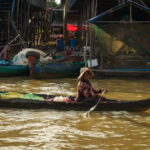
- Kompong Phluk on stilts: schools, pagoda, and the rhythm of fishing life
- Two village sections and that pergola divider
- Flooded-forest rowing: the water level is the boss
- Heading further out onto Tonlé Sap: birds, shallow fishing, and buffalo sightings
- The vibe factor: quieter than Angkor, but still meaningful
- Lunch, timing, and how the 4 hours can feel
- Price and value: $66 for a working village day
- Who should book this Kompong Phluk floating village tour
- Should you book Kompong Phluk?
- FAQ
- How long is the Kompong Phluk floating village tour?
- Where does pickup happen?
- What’s included in the price?
- Is the tour mostly walking or mostly boating?
- Do I need a Cambodian-speaking guide?
- Is it okay for minors to join without an adult?
- Does it run in bad weather?
Key things that make this Kompong Phluk day work
- UNESCO-designated Tonlé Sap biosphere reserve makes the lake stop feel more important than a random boat ride.
- Schools and a big pagoda give the village visit structure, not just wandering.
- Rowed flooded-forest boat time happens only if water levels allow; plan for some variation.
- Two villages are visited (separated by a large pergola), so you see more than one “slice.”
- Wildlife chances include large water birds, fish in shallows, and water buffalo in the river systems.
- Light fruit lunch and water keep you fueled without dragging the day longer.
Tonlé Sap biosphere: why this isn’t just a floating village photo stop
Tonlé Sap is designated a UNESCO biosphere reserve, largely because its water system stays biologically productive. The big thing you should understand is that the lake is not “static.” Water levels rise and fall, and that movement changes where people can boat, where homes sit, and how the ecosystem functions.
That’s why Kompong Phluk works as a tour theme. You’re not only seeing stilted housing; you’re seeing a village built around seasonal flooding. When your guide explains how fishing and farming connect to water level, the whole place starts to make sense fast—even if you only have a half day.
Also, this tour is built for variety in a short time. You’ll get inland travel through rural rice fields on the way, then a river-and-town portion, then lake viewing with bird and animal spotting opportunities. In practice, it beats a purely temple-based day because it’s grounded in daily life and local ecology.
You can also read our reviews of more tours and experiences in Siem Reap.

The drive from Siem Reap to the lake zone (what to expect before you get on boats)
You’ll start with pickup in Krong Siem Reap, then transfer south-east toward the Tonlé Sap area. Depending on your hotel, you may ride a tuk tuk for part of the journey before switching to the main transport vehicle for the longer stretch.
This part matters more than it sounds. It’s where you get oriented, and it gives your guide time to set expectations about what you’ll see based on weather and water conditions. The tour is also scheduled for about four hours total, so the team uses the drive to keep the day moving instead of padding it with extra stops.
If you’re the type who likes to understand what you’re driving through, watch the shift from denser Siem Reap streets into small villages and rice fields. It’s not a scenic “tour bus” experience; it’s a practical move to a working landscape.
Kompong Phluk on stilts: schools, pagoda, and the rhythm of fishing life
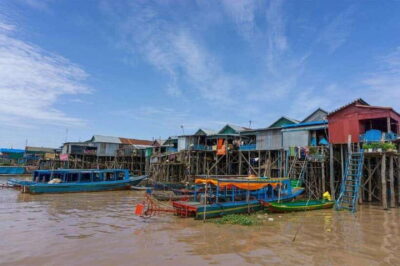
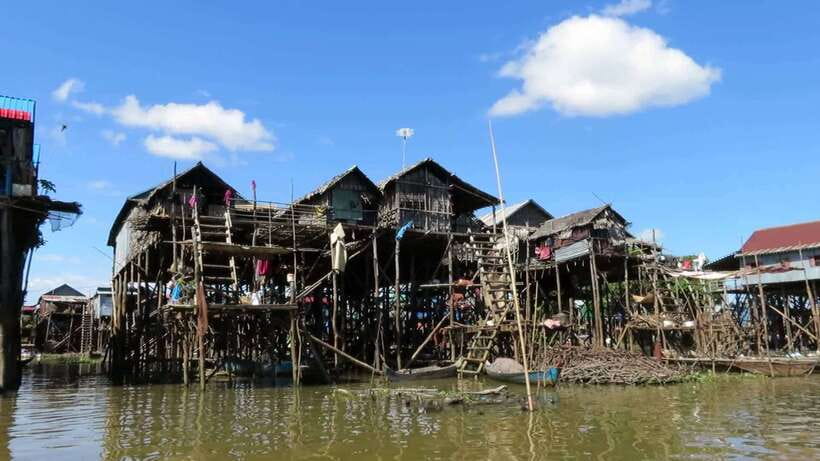
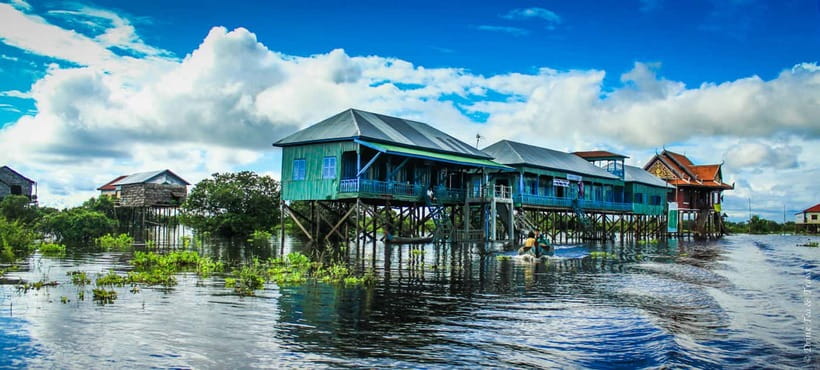
Kompong Phluk is a traditional Khmer village of around 3,000 people, with fishing and farming as core livelihoods. What I like is that the tour doesn’t treat this as a single viewpoint. You’ll move through the village in ways that usually include both the built environment (stilted homes) and community spaces.
You should plan to see:
- Stilted homes, some reportedly up to about 10 meters tall
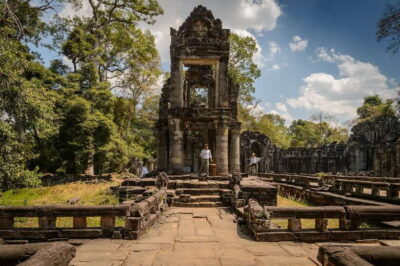
- A large pagoda temple
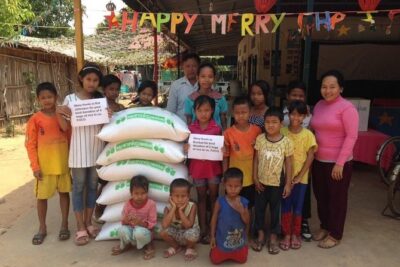
- Several school stops (not just a quick glance from outside)
These school visits are where the tour feels most human. Even if you don’t know Khmer, you’ll notice how the day-to-day has a clear routine, and how the community uses shared spaces. If your guide is a strong communicator, this is also where their explanations help you connect what you’re seeing to water cycles and livelihoods.
Stilted homes are the other major visual. You’re seeing architecture made for flooding, not homes pretending the water won’t come. That detail often sticks with me longer than any single “view.”
A small note: there’s some walking involved. In most cases it’s not an obstacle course, but it’s enough that you’ll feel it if you skip comfortable shoes.
Two village sections and that pergola divider
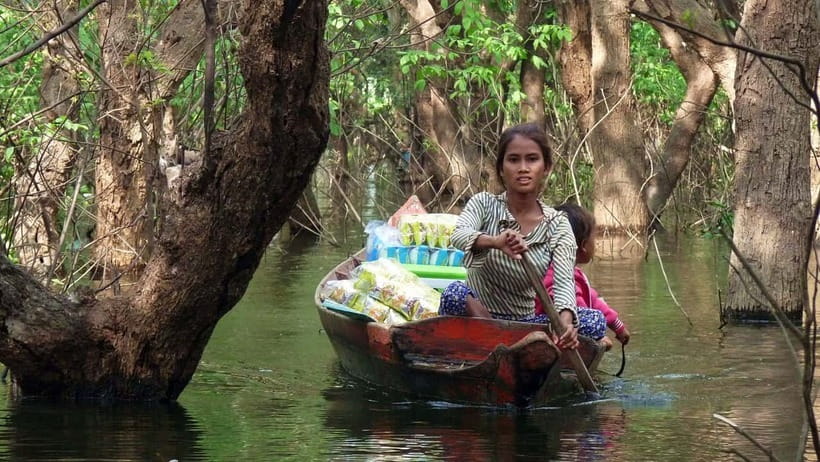
One detail I really appreciate: this area is essentially two villages within the broader Kompong Phluk zone. They’re separated by a large pergola, and the tour is designed to visit both.
That matters because Kompong Phluk can look similar from afar, especially when you’re arriving by water. Visiting both sides helps you notice differences in how homes cluster, how pathways connect, and how the community uses the waterfront.
Think of it like visiting two neighborhoods instead of one. You get more chances to understand daily life and less risk that your experience feels repetitive after the first section.
Flooded-forest rowing: the water level is the boss
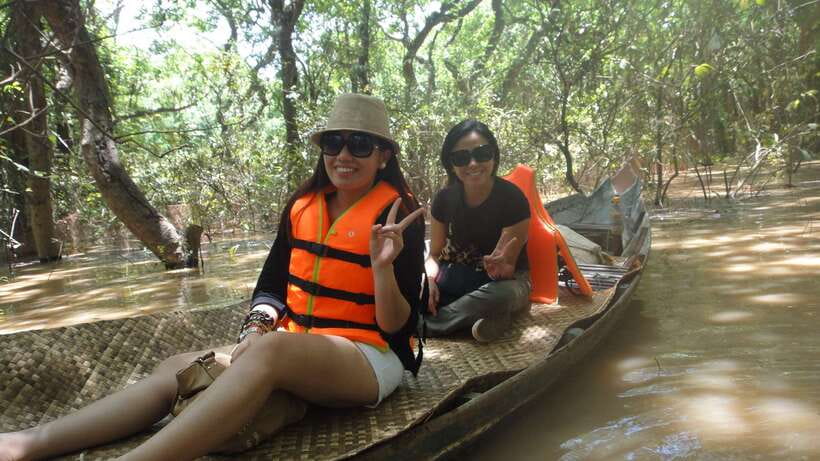
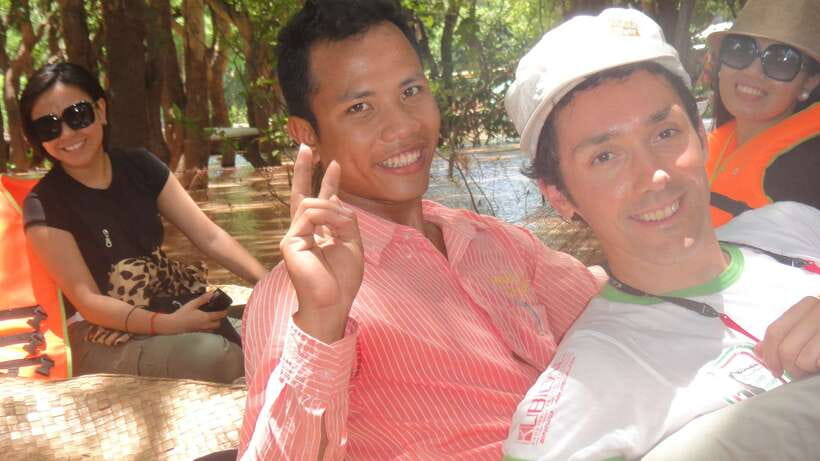
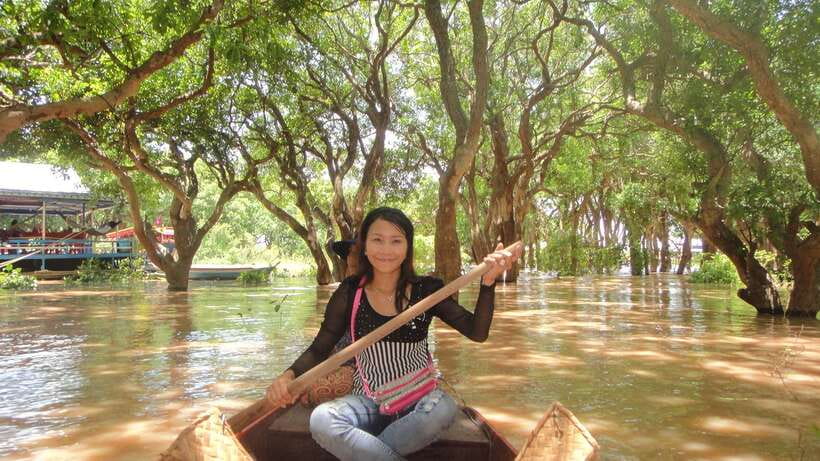
Here’s the part with the biggest “depending on conditions” note: the tour includes being rowed through a flooded forest in a small boat, if water levels allow. That means your day may include the classic flooded-forest glide, or it may shift more to village walking and shorter boat segments.
When it works, it’s often the most memorable segment because you’re inside the floodplain logic of Tonlé Sap. You’re not just on open water. You’re moving through waterlogged trees and seeing how the forest and lake connect.
When it doesn’t work as fully, don’t assume the tour is ruined. Your guide can still help you read the environment—why homes sit where they do, why some paths are accessible and others aren’t, and how the river systems function in different seasons.
If you want the flooded-forest experience most, dress for changeable weather and be ready to shift your expectations. This tour runs in all weather conditions, so have clothing that handles sun and rain.
Heading further out onto Tonlé Sap: birds, shallow fishing, and buffalo sightings
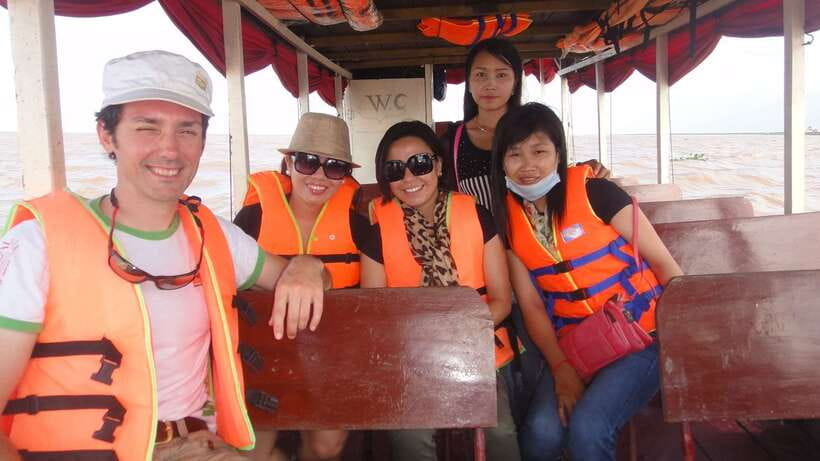
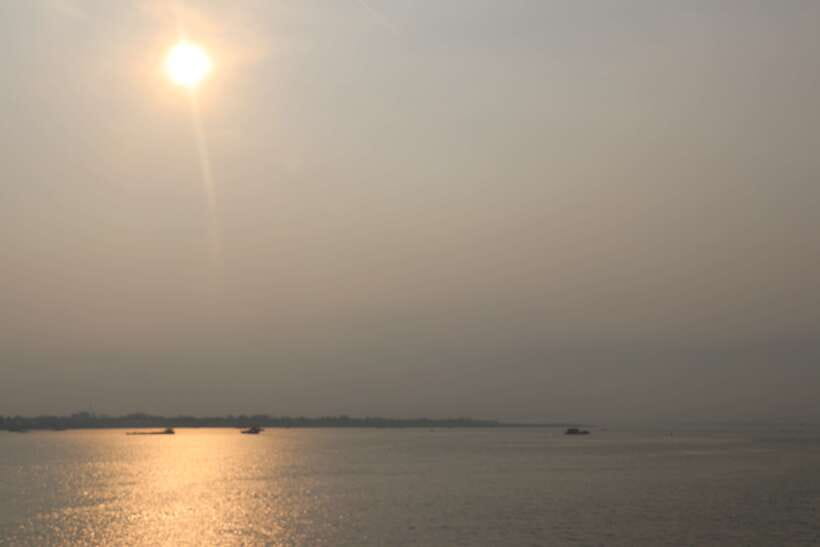
After village time, you’ll head further toward the lake itself. Tonlé Sap is often described as the largest fresh water lake in Southeast Asia and a major fishing system. Even if you don’t care about the statistics, it’s worth understanding this is an ecosystem that supports food production for surrounding communities.
On a good day, you might spot:
- Large water birds
- Fish in the shallows, or birds flying overhead
- Water buffalo cooling down in the river systems
I like that the tour frames wildlife viewing as a possibility, not a guarantee. In practice, it helps you stay relaxed. You’re not waiting for a single “must-see” moment; you’re scanning, listening, and letting your guide point out what they notice.
Also, bird and wildlife chances improve when you’re calm and attentive. If you treat this as pure scenery, you’ll miss half the point. Watch the shallows, listen for guide commentary, and give yourself a few minutes to absorb the scale of open water.
The vibe factor: quieter than Angkor, but still meaningful
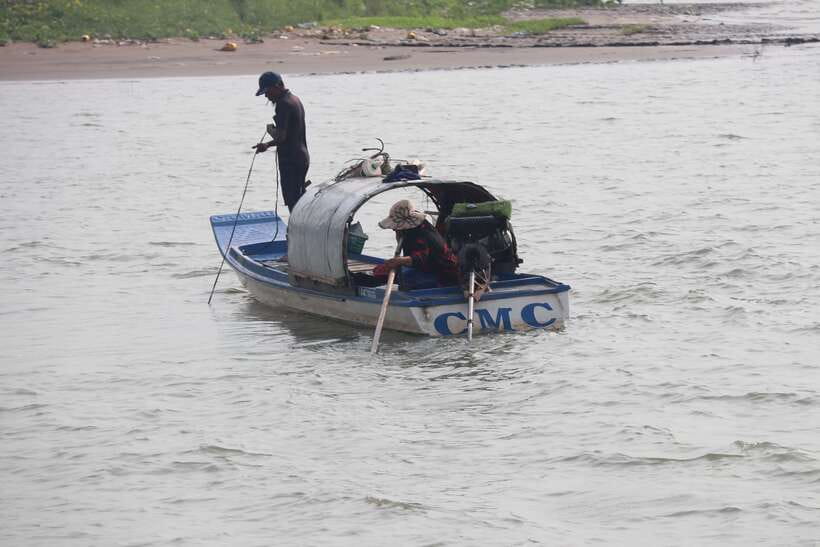
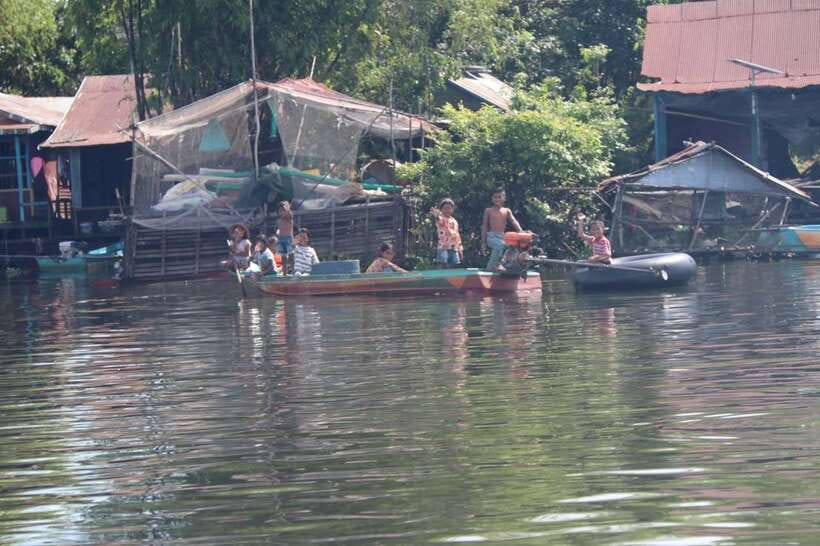
This is the day you take to decompress from temple crowds. Kompong Phluk is described as a peaceful, less hectic lifestyle, and the best part is that it doesn’t feel staged. When children are around (and they often are), you may notice how playful they are. Your guide can also explain daily struggles and how families manage fishing and farming in a flood-driven environment.
One review detail that stood out to me for mindset: one guide was described as coming from the village itself. If that’s the case for your departure, it usually means the storytelling comes with extra lived-in realism—less “script,” more lived context.
Just remember: this is someone’s home. Keep your interactions respectful, and follow your guide’s direction on where and how to move.
Lunch, timing, and how the 4 hours can feel
The tour is about four hours from pickup to drop-off. You’ll get a light fruit lunch and water included, which is a practical win when you’re spending time away from your hotel and not sure what you’ll find nearby.
Timing can feel fast in the best way. You drive out, do village learning, then shift to boating and wildlife scanning, then return. The day rarely drags.
What you should keep in mind is that water levels can shift the balance of walking vs. boating. That’s normal for this region. Bring a small amount of patience and a flexible attitude. You’re going to learn more by adapting than by trying to force the day to match someone else’s photos.
Price and value: $66 for a working village day
At $66 per person for a four-hour tour, the math is mostly about what’s bundled. You’re not just paying for a boat; you’re paying for:
- Hotel pickup and drop-off
- Transport by air-conditioned car/minivan/tuk tuk
- A professional guide (Cambodian and English)
- Boat trip
- Light fruit lunch and water
- All checkpoint fees
Value here comes from two places. First, the guiding is designed around explaining local life (schools, temple, fishing and farming routines). Second, Tonlé Sap itself is the destination; you’re paying to access a working ecosystem and a living village, not just a scenic riverbank.
Could it feel pricey if you only want animal-rich wildlife time or lots of photo stops? Yes, one perspective noted limited sights for the money. That’s worth believing. If you’re expecting a theme park of boats and animals, this may not match.
But if you’re the type who enjoys learning how people connect to the lake—then $66 often feels fair, even if part of the day depends on conditions.
Who should book this Kompong Phluk floating village tour
This tour is a strong fit if you:
- Want a day outside Angkor that focuses on daily life
- Like guided cultural context (schools and a pagoda temple help)
- Don’t mind that the flooded-forest segment depends on seasonal water
- Enjoy nature watching without demanding guaranteed wildlife
It may be a less perfect fit if you:
- Have very limited mobility or dislike walking at all
- Need a day with predictable boat conditions every minute
- Are sensitive to what can happen in some village-linked animal displays (for example, one past experience mentioned animal cages and fish in plastic pools)
Should you book Kompong Phluk?
I’d book it if you want an honest Tonlé Sap day with a guide who explains what you’re seeing. The best version of this tour is when you get school and pagoda time plus a meaningful flooded-forest boat section. Even without perfect water conditions, the focus on community life keeps it from feeling like a generic floating-village circuit.
If you’re unsure, use this simple checklist: comfortable shoes, flexible attitude about water levels, and curiosity about fishing-and-farming life on Tonlé Sap. If that describes you, this is one of the more worthwhile half-day choices from Siem Reap.
If your main goal is maximum wildlife certainty or zero walking, consider asking the operator what conditions are like around your travel dates.
FAQ
How long is the Kompong Phluk floating village tour?
The tour lasts about 4 hours.
Where does pickup happen?
Pickup is included from your hotel or guesthouse in Siem Reap (listed pickup location: Krong Siem Reap).
What’s included in the price?
Included are hotel pick-up and drop-off, air-conditioned transportation (or tuk tuk where applicable), a professional English/Cambodian guide, a boat trip, light fruit lunch, water, and all checkpoint fees.
Is the tour mostly walking or mostly boating?
There is a small amount of walking, plus a boat trip. The flooded-forest rowing section happens only if water levels allow.
Do I need a Cambodian-speaking guide?
No. The guide provides commentary in Cambodian and English.
Is it okay for minors to join without an adult?
No. Unaccompanied minors are not allowed, and children must be accompanied by an adult.
Does it run in bad weather?
It operates in all weather conditions, so dress appropriately for rain and sun.