REVIEW · SIEM REAP
Kulen Mountain Tour with Kampong Phluk Floating Village
Book on GetYourGuide →Operated by ASEAN ANGKOR GUIDE · Bookable on GetYourGuide
Lost capital city sites, waterfall play, and Tonlé Sap at dusk. This long day pairs Phnom Kulen’s sacred ruins with a floating village boat cruise, and it does it with real storytelling from your guide, plus stops that feel like local life, not a checklist. You also get a picnic at the waterfall with seasonal fruit, which makes the whole day feel less rushed and more human.
What I like most is the mix: you go from river shrines and cliff views to mangroves and stilt houses in one smooth sweep. I also like the small-group feel capped at 12 people, and the practical touches like cold water and cool towels at the stops. One thing to watch: this is an all-day schedule with walking (cliff, shrines, temple) and extra entry fees you’ll pay on the spot in cash.
If you can handle a long day and bring the right basics, this tour is a strong value for seeing two very different sides of Cambodia in a single run. And if you’re expecting luxury, temper that—this is built for movement, photos, and real countryside time.
In This Review
- Key things I’d actually plan around
- Phnom Kulen outside Angkor: why this day feels special
- 8:00–19:00 logistics: the early pickup and long-day reality
- Preah Dak village stop: palm cake and palm sugar you can taste
- Poeng Ta Kho cliff views and the “big stops” sequence
- Poeng Ta Kho (Amazing Cliff)
- The 1,000 Lingas (river shrine complex)
- Wat Preah Ang Thom
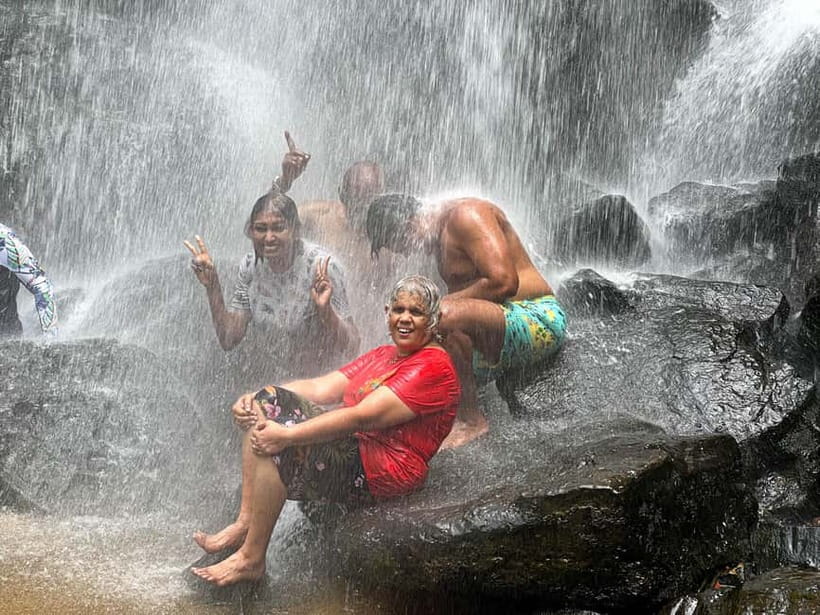
- Waterfall break: picnic lunch, grill chicken, and optional water time
- Kampong Phluk by boat: mangroves, stilt houses, and an artificial-island monastery
- Tonlé Sap sunset on the water: the end-of-day magic
- What you pay ($49) and what you still need to budget
- Comfort checklist: bring this so the day stays pleasant
- Should you book? My honest take
- FAQ
- How long is the Kulen Mountain and Kampong Phluk tour?
- What time is hotel pickup?
- Is lunch included, and can it be vegetarian?
- Do I need to pay for entry passes?
- What payment method do they accept for tickets?
- Is swimming possible at the waterfall?
- How large is the group?
- Is this tour suitable for children or seniors?
Key things I’d actually plan around
- A small group (12 max) helps the guide keep pace and answer questions without herding you.
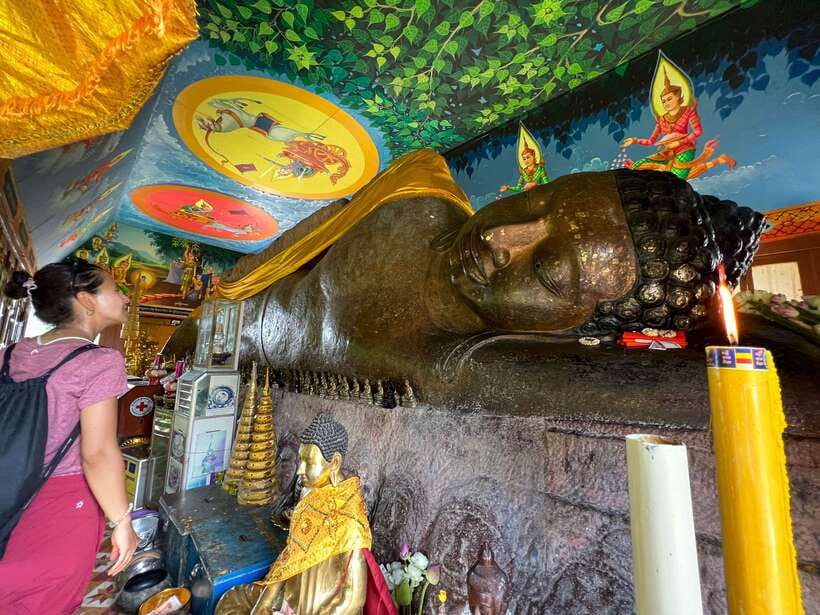
- Phnom Kulen’s “river of 1,000 lingas” plus the huge reclining Buddha gives you big Khmer-imperial energy outside Angkor proper.
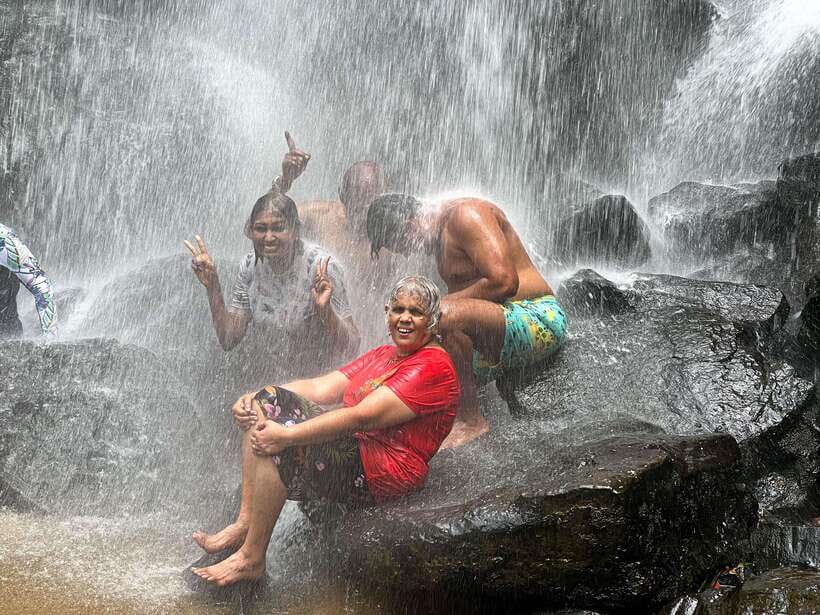
- Waterfall break is the mood shift: picnic lunch, and time for a shower or swim if conditions allow.
- Kampong Phluk is best by boat through flooded mangroves, with stilt houses and a monastery on an artificial island.
- Tonlé Sap sunset is the finish line—a short boat ride that makes the day feel worth it.
Phnom Kulen outside Angkor: why this day feels special
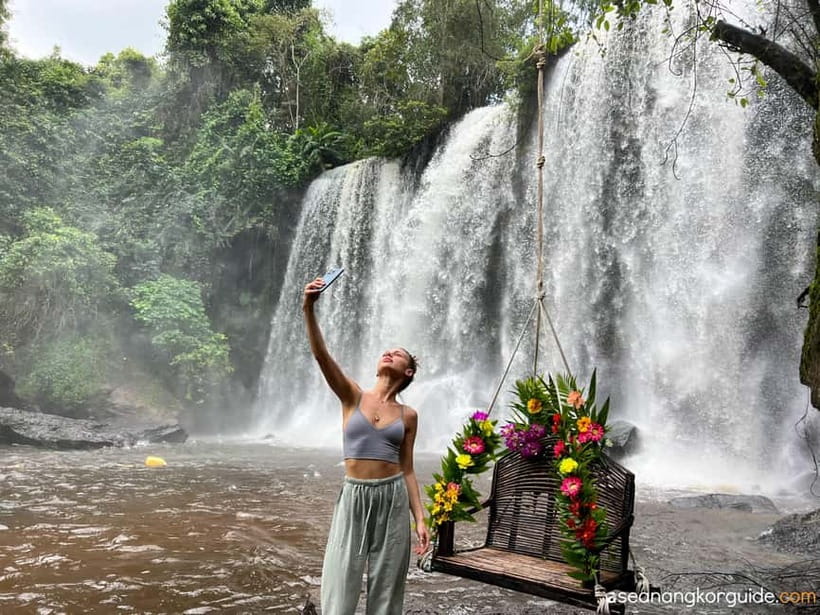
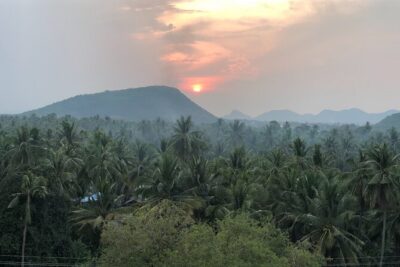
Phnom Kulen National Park is one of those places that makes Cambodia’s deeper layers click. Instead of focusing only on Angkor’s stone faces and grand avenues, you start chasing sacred sites linked to the Khmer Empire’s older story—on a mountain tied to religion, springs, and rivers.
The big reason I’d put this stop on your itinerary is the variety packed into a single area. You’ll visit the Poeng Ta Kho viewpoint, then the river of 1,000 lingas (constructed in 802 AD), and you’ll also see the large reclining Buddha tied to the park’s sacred mythology. Even if you know only the headlines, your guide can connect the dots with simple explanations about what these sites were meant to do—bless, protect, sanctify water, and mark sacred space.
The reclining Buddha and the 1,000 lingas are also a nice contrast. One is massive and instantly readable; the other is quiet, rhythmic, and tied to the river’s flow. Together, they give you a fuller sense of how Khmer spirituality worked in everyday geography.
You can also read our reviews of more tours and experiences in Siem Reap.

8:00–19:00 logistics: the early pickup and long-day reality
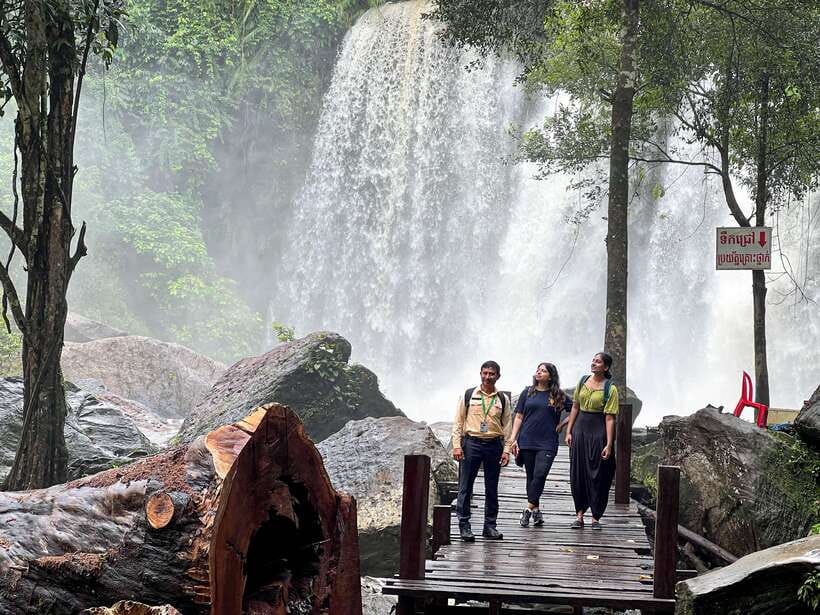
You’ll get picked up from your hotel between 8:00 AM and 8:30 AM in an A/C vehicle, usually a minivan or bus depending on your group. The drive takes you through rural villages and countryside—rice paddies, palms, and daily routines you’d miss if you only stayed in town.
Plan on a long day. Your tour is about 11 hours, and you return around 7:00 PM (19:00). That means good breakfast matters, and it also means you should not overpack mentally with optional goals like extra shopping stops.
A couple practical notes that help:
- There’s a 12-participant limit to keep things personal.
- You can’t bring luggage or large bags, and baby strollers aren’t allowed.
- You’ll want to keep a steady pace. Some sites include short walks, so wear shoes that won’t hate you by mid-afternoon.
The company includes unlimited bottled water plus cool towels, and those little refresh moments matter more than you might think once you’re under the sun for hours.
Preah Dak village stop: palm cake and palm sugar you can taste
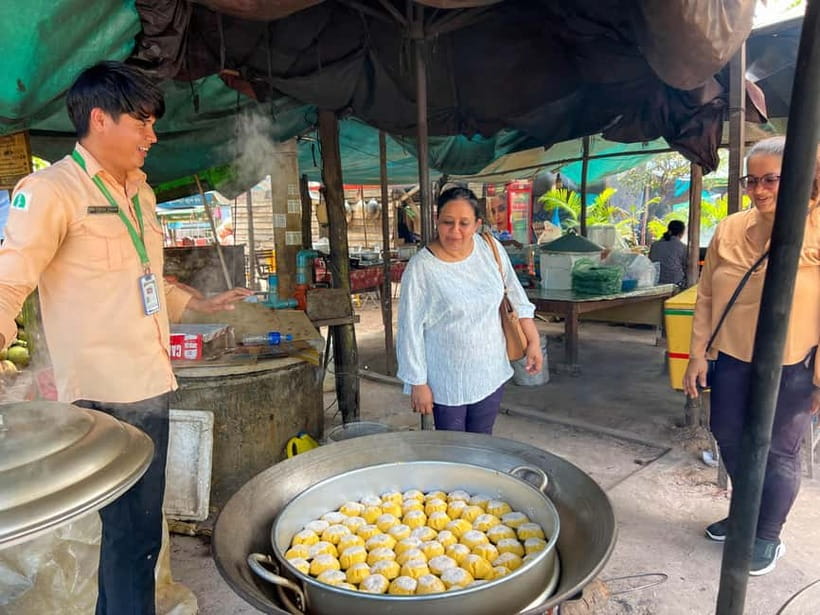
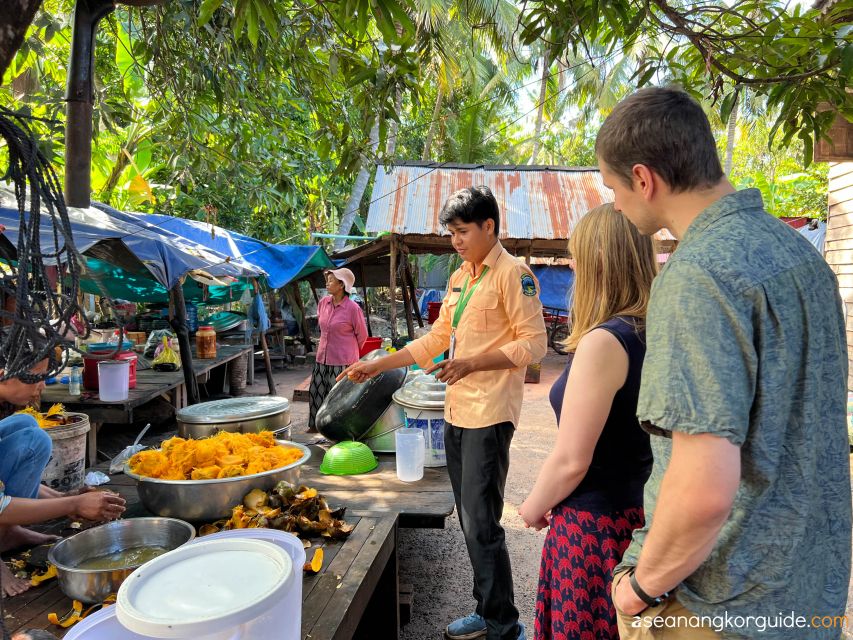
Before you climb into the national park, there’s a stop at Phum Preah Dak, often about 20 minutes. This is one of the most grounded parts of the day because it isn’t a ruin. It’s production and food.
You’ll see how local people make palm cake and palm sugar, and there’s testing included. This is the kind of stop that works well early in the day: it wakes up your senses and gives you a reference point for the rest of the tour. Later, when you’re eating fruit and picnic food at the waterfall, it feels less random. You’re tasting the same ingredients and traditions you saw being made.
One small caution: since this is a tasting stop, keep an eye on how you’ll handle heat and timing before the climb. You’re not just sampling; you’re preparing for the day’s physical rhythm.
Poeng Ta Kho cliff views and the “big stops” sequence
The park portion of the day is well paced. You’ll move from viewpoint to shrines to temple, with a guide explaining what you’re seeing and why it matters.
Poeng Ta Kho (Amazing Cliff)
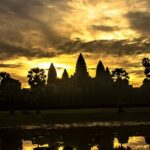
You’ll reach the Poeng Ta Kho cliff area and have time for a guided visit plus about a 20-minute walk. This is your chance for wide views and those photos where you can finally see how the mountain and valley fit together.
If you’re the type who likes vantage points, this is your moment. If you hate exposed walks, wear light layers and take it slow.
The 1,000 Lingas (river shrine complex)
Next comes the 1000 Lingas, with guided time and about a 30-minute walk. The key detail here is that this is tied to the river route and was built in 802 AD, making it feel like a living line through time rather than a pile of stones.
In the river-focused setting, you’ll get a sense for why sanctifying water matters in Khmer sacred geography. The whole place reads differently once you stop thinking of temples as only buildings.
Wat Preah Ang Thom
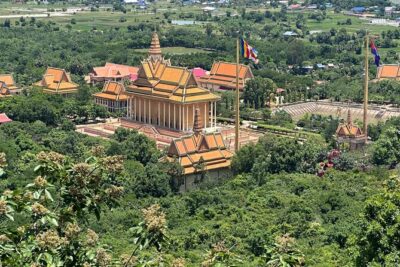
Finally, you’ll visit Wat Preah Ang Thom with guided time and about a 45-minute walk. This is where the day leans more spiritual and reflective. You’re not just collecting images; you’re moving through a sacred space your guide can frame with stories and context about how locals relate to these sites.
By the time you reach this section, you’ll probably feel the day’s heat and walking. That’s normal. Your guide’s pacing matters here, and the small-group format helps you keep your footing.
Waterfall break: picnic lunch, grill chicken, and optional water time
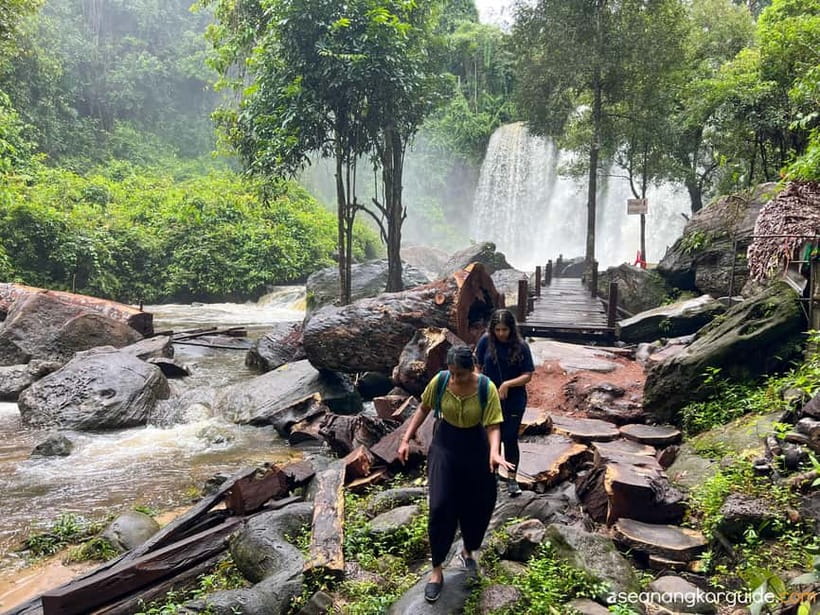
Then comes the payoff: Kulen waterfall. You get a break here for about 1.5 hours, and it’s set up as both a food stop and a reset.
You’ll have a guided visit, and you’ll eat a picnic lunch with included items like grill chicken and seasonal fruits. There’s also a note that local farmers plan the picnic food at the foot of Kulen mountain, which makes lunch feel connected to the place rather than delivered from afar.
A lot of people also treat this as the day’s cooling moment. The tour encourages you to bring a swimming suit or towel if you take a shower at the waterfall. From what I’d expect in real life, this is best if you’re comfortable with changing plans based on water conditions—some days it’s more swimmable than others.
Either way, bring your towel. It’s an easy comfort win, and it keeps you from spending the afternoon sticky and grumpy.
Kampong Phluk by boat: mangroves, stilt houses, and an artificial-island monastery
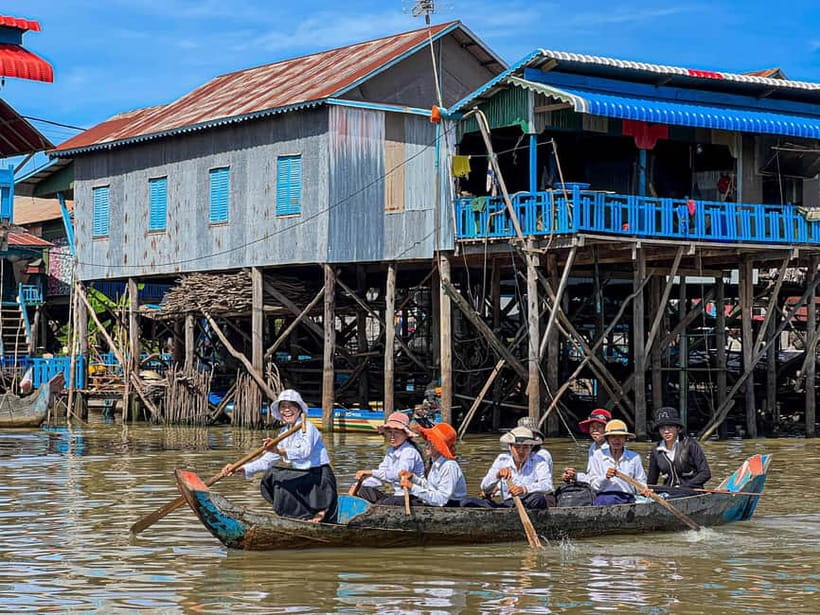
After Kulen, you head to Kampong Phluk, one of the best-known flooded areas on Tonlé Sap. This part is about seeing how people live with water instead of fighting it.
You’ll spend about 1.5 hours here with a guided visit plus a local boat cruise through the flooded mangrove forest. The tour notes about 3,000 inhabitants, and it’s the kind of number that becomes real once you’re surrounded by houses on stilts and you see small community routines up close.
You’ll also visit a Buddhist monastery built on an artificial island and spend time around the stilt houses. In practice, what makes Kampong Phluk compelling is the scale of change—how the lake transforms daily life. It’s not one pretty scene. It’s a whole way of living.
Some guides also help you spend time around community spaces like the village school, which can feel humbling because you’re meeting children in their own environment rather than viewing them from a distance.
And yes, your boat ride is a major part of the experience. The mangroves and waterways don’t look the same from shore.
Tonlé Sap sunset on the water: the end-of-day magic
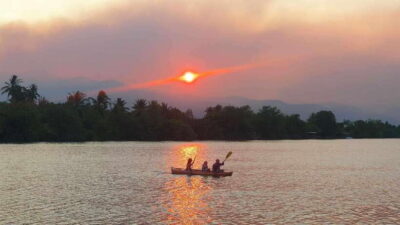
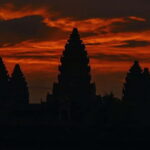
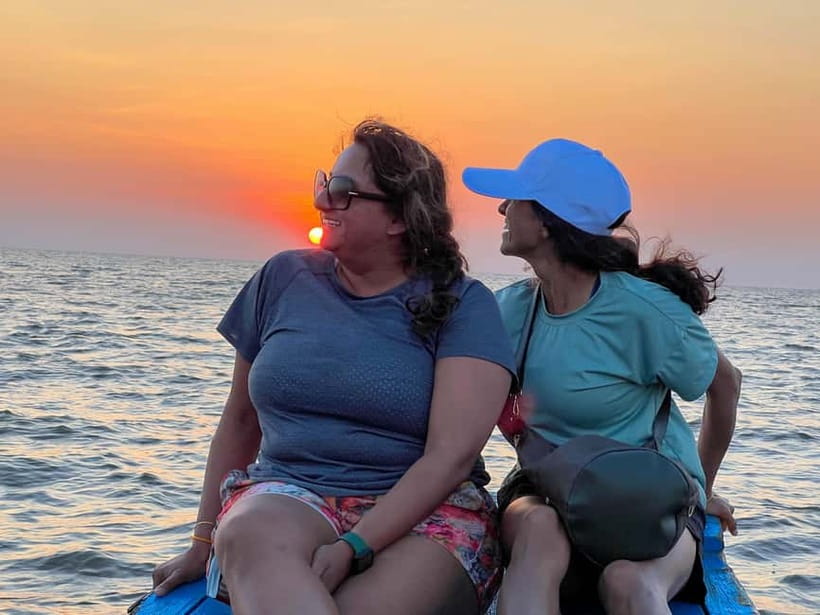
The last act is short but memorable: Tonlé Sap at sunset. You’ll get another boat cruise (about 30 minutes) specifically for sunset viewing.
Tonlé Sap is often called Asia’s largest lake, and the timing here matters. You’re finishing the day after temples, walks, and lunch, and then the mood shifts to softer light and slower movement.
If you’re traveling with someone who loves photos, this is where you’ll get them without trying too hard. The sky changes, and the boat gives you a sense of space you don’t get in town.
In wetter conditions, the area can feel even more water-driven. You might find more water routes and boat moments that make the day feel even more tied to the lake ecosystem.
What you pay ($49) and what you still need to budget
The listed price is $49 per person, and you should read that as “transport + guide + major experiences,” not just a ticket to two sites.
What’s included that you’d otherwise pay for:
- English-speaking professional guide
- A/C transportation and hotel pickup/drop-off
- Unlimited bottled water and cool towels
- Picnic lunch (vegetarian option if requested in advance)
- Seasonal fruits and palm cake tasting
What’s not included:
- Kulen Mountain pass: $20 per pax
- Tonlé Sap pass plus a shared boat: $15 per pax
- Soft drinks
So your likely all-in baseline becomes $49 + $20 + $15 = $84 per person, before any extras like snacks or soft drinks. That still can be good value for an 11-hour day that includes two major geographical areas, guided walking time, and two boat components.
One big practical point: tickets are purchased on the spot and you’ll need cash in USD. Plan for that. Having the right money ready prevents a stressful scramble while you’re already tired and hot.
Also note: there’s no dress code, but don’t show up in anything that will fail you around sun and water.
Comfort checklist: bring this so the day stays pleasant
This is the kind of day where a small mistake becomes a big annoyance by 3 PM. Bring:
- Sunglasses
- Sun hat
- Towel
- Sunscreen
- Insect repellent
If you plan to splash at the waterfall, add:
- a swimsuit or at least something that dries fast after a shower.
And keep your bag rules in mind: no luggage or large bags. Pack light so you’re not juggling stuff at each stop.
Should you book? My honest take
I’d book this tour if you want one day that hits two big themes: Khmer sacred sites on Phnom Kulen and real-life Tonlé Sap living at Kampong Phluk. You also get a picnic lunch, cool towels, and an English-speaking guide, and the small group size (12 max) makes it easier to ask questions and move as a team.
I’d skip it if you:
- need a very slow, low-walking day (there are multiple walks: cliff, 1,000 lingas, temple)
- travel with young kids (children under 10 aren’t suitable for the small-group option)
- or you’re older and prefer gentler logistics (the tour notes people over 70 are not suitable for the small-group option)
If you’re the active type, like mixing history with daily life, and you’re comfortable budgeting the extra on-the-spot passes in USD cash, this is a solid way to spend your time in Siem Reap Province.
FAQ
How long is the Kulen Mountain and Kampong Phluk tour?
It runs for about 11 hours.
What time is hotel pickup?
Pickup is scheduled between 8:00 AM and 8:30 AM.
Is lunch included, and can it be vegetarian?
Yes. The tour includes a picnic lunch, and there is a vegetarian option if requested in advance.
Do I need to pay for entry passes?
Yes. The Kulen Mountain pass is $20 per person, and the Tonlé Sap pass plus a shared boat is $15 per person. Tickets are bought on the spot.
What payment method do they accept for tickets?
The tour information says tickets accept only cash in USD.
Is swimming possible at the waterfall?
The tour notes you should bring a swimming suit or towel if you take a shower at the waterfall, so plan for some water time.
How large is the group?
It’s limited to 12 participants for a more personal experience.
Is this tour suitable for children or seniors?
It’s not suitable for children under 10, and it also states people over 70 are not suitable for the small-group tour option.