REVIEW · SIEM REAP
Siem Reap: Khmer Cooking Class at a Local’s Home
Book on GetYourGuide →Operated by Angkor Wat Travel Tour · Bookable on GetYourGuide
A great meal starts with a local market. This Siem Reap cooking class takes you into a Khmer home for a fast, fun, small-group session built around real ingredients and dishes you’ll actually want to make again. I like that you cook under the guidance of instructors such as Kong (your host/market guide) and chefs like Sivorn or Sorya, who keep things lively while you learn.
What I really like is the combination of hands-on cooking and up-close ingredient shopping. You’ll walk a local market first, then return to cook your 4 Khmer dishes, including Fish Amok and Tom Yum, and sit down to eat what you make. One consideration: the class is designed to move at a lively pace, so it’s less ideal if you want slow, relaxed cooking.
In This Review
- Key Highlights at a Glance
- A Khmer Cooking Class in a Local Home, Not a Stage Set
- Tuk-Tuk Pickup and the Ride into Everyday Siem Reap
- The Local Market Walk: How You Shop Like a Cambodian Cook
- Back at the Home Kitchen: Meet Your Chef and Get Your Game Plan
- Cooking Four Khmer Dishes: Fish Amok and Tom Yum Plus Your Course Choices
- The 4-Course Meal: Eating What You Built
- Price and Value: Why $29 Usually Feels Fair Here
- Who This Cooking Class Fits Best (and Who Should Rethink It)
- Tips to Get the Most from Your Khmer Cooking Lesson
- Should You Book This Siem Reap Khmer Cooking Class?
- FAQ
- How long is the Siem Reap Khmer cooking class?
- What is included in the price?
- Do I get to choose what dishes to cook?
- Is the class good for beginners?
- Is alcohol included?
- What should I bring?
- Is it suitable for children or seniors?
Key Highlights at a Glance
- Tuk-tuk pickup for a proper Siem Reap start
- Local market walk where you pick fresh ingredients with your guide
- Kitchen garden visit (including herbs and other on-site produce you’ll recognize later)
- Cook 4 Khmer dishes with Fish Amok and Tom Yum among the line-up
- Small group of 6 so you’re not stuck watching from the back
- Take home recipes and lots of photos from the experience
A Khmer Cooking Class in a Local Home, Not a Stage Set
Siem Reap is famous for temples, but it’s also one of Cambodia’s best places to understand how people eat every day. This cooking class leans into that idea. Instead of a showroom kitchen, you’re cooking in a local home setup, with an experienced host guiding the market part and a chef teaching the cooking.
For me, the biggest value is how quickly you go from ingredients to finished dishes. You’re not just watching. You’re chopping, mixing, seasoning, and tasting while you learn the logic behind the Khmer flavors—things like how herbs and aromatics are used, and how to balance creamy, aromatic, and sour notes across different dishes.
The other big plus is the small group limit (up to 6). That matters in real life. With fewer people, the instructor can correct technique while you’re working, and your questions don’t get lost. If you’ve ever been frustrated by cooking classes where you spend half the time waiting for instructions, this one feels built to avoid that.
You can also read our reviews of more cooking classes in Siem Reap
Tuk-Tuk Pickup and the Ride into Everyday Siem Reap
Your experience starts right from the hotel. You’ll get hotel pickup and drop-off, and you’ll ride in a traditional tuk-tuk. It’s a simple detail, but it sets the tone. This isn’t a long bus ride to a distant facility; it’s city-based, making it easier to fit into a normal day around Siem Reap.
Timing is pretty tight (the whole tour is about 3 hours), so be ready to leave when your driver arrives. You’ll typically be picked up after waiting about 10–15 minutes in the lobby, and your driver holds a sign with your last name. Bring comfortable shoes—you’ll be walking in the market—and a camera if you like documenting food and local life.
One practical note: alcohol is not included, so if you’re hoping for a relaxed drink-and-cook vibe, plan for bottled water only. The focus here is food.
The Local Market Walk: How You Shop Like a Cambodian Cook
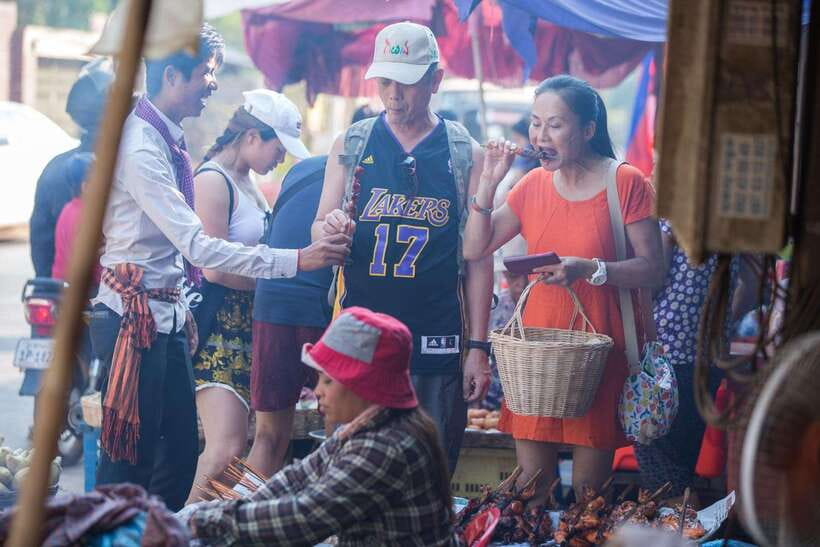
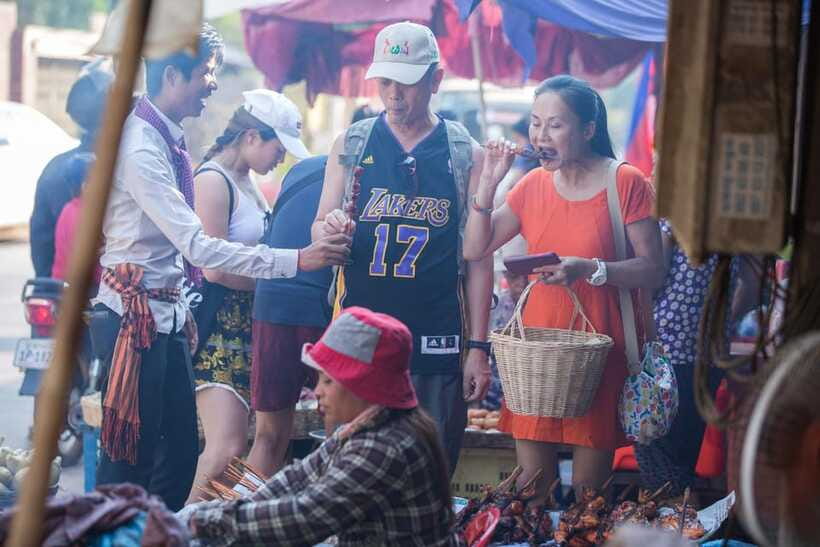
The market stop is more than a photo break. It’s where you learn what makes Khmer cooking work: the ingredient choices, the freshness, and how different items show up in daily meals.
With your guide—often Kong—you’ll walk through stalls selling the kinds of produce and flavor builders Cambodian recipes rely on. You’ll haggle and buy ingredients for your meal, guided step-by-step. That hands-on shopping part is the difference between learning a recipe and learning how to source it.
What I like about this market walk is how it’s tied to cooking decisions. If an ingredient looks unfamiliar, you can ask what it does. If you’re trying to make the dish later at home, you’ll leave with a better sense of what to look for when you’re shopping for substitutes.
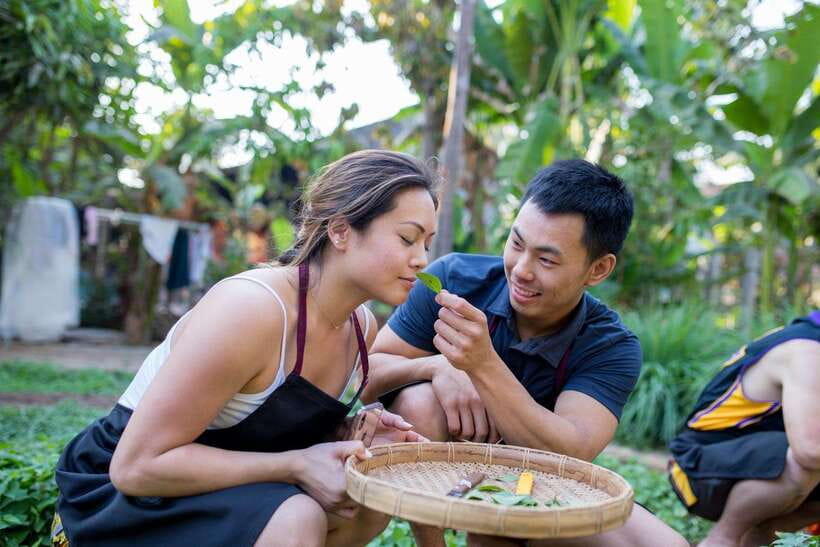
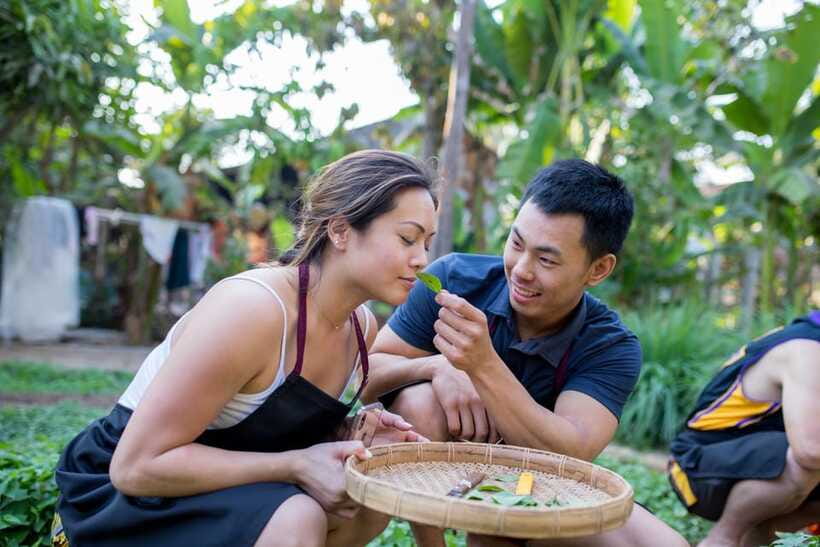
Several classes also include a stop connected to on-site or nearby growing—people describe a garden/kitchen garden visit as part of the experience. If you get that added walk, pay attention to herbs and produce you’ll use later. One oyster mushroom example comes up in the stories you provided, and it’s a great reminder that flavor often starts with what’s growing close by.
Back at the Home Kitchen: Meet Your Chef and Get Your Game Plan
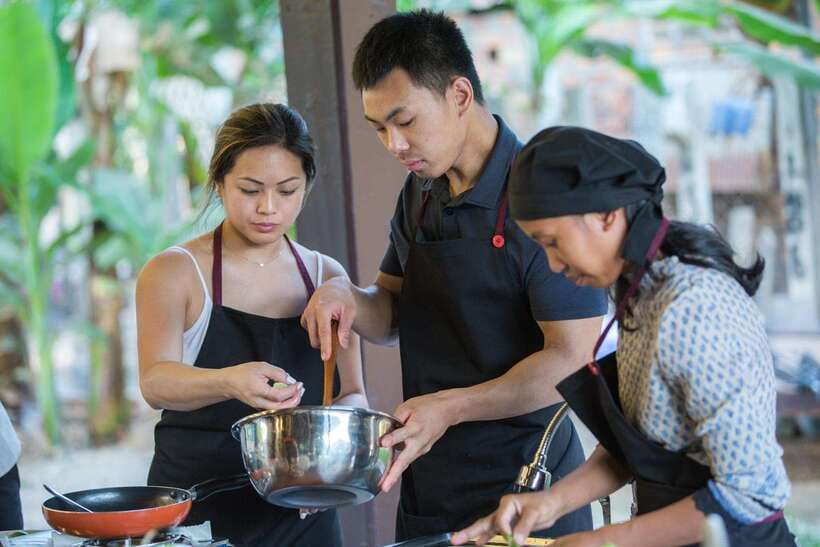
Once you arrive, the class shifts from shopping to technique. You’ll roll up your sleeves and start learning how to cook your dishes efficiently, because the goal is to finish with a proper meal, not just one “practice dish.”
Instructors you might meet include chefs like Sivorn or Sorya, both described as upbeat and clear. Expect instructions in English. Many participants mention that the guides explain steps in a way that keeps the process organized, even when multiple people are cooking different components at the same time.
A small but important detail: you’ll be working in a group, so the kitchen runs like a coordinated flow. Some people specifically note that the team multitasks smoothly so you don’t feel lost. If you like structured cooking lessons, you’ll probably appreciate this approach. If you hate being moved along, it might feel a bit fast-paced—but fast here means you’ll actually eat what you cook.
Cooking Four Khmer Dishes: Fish Amok and Tom Yum Plus Your Course Choices
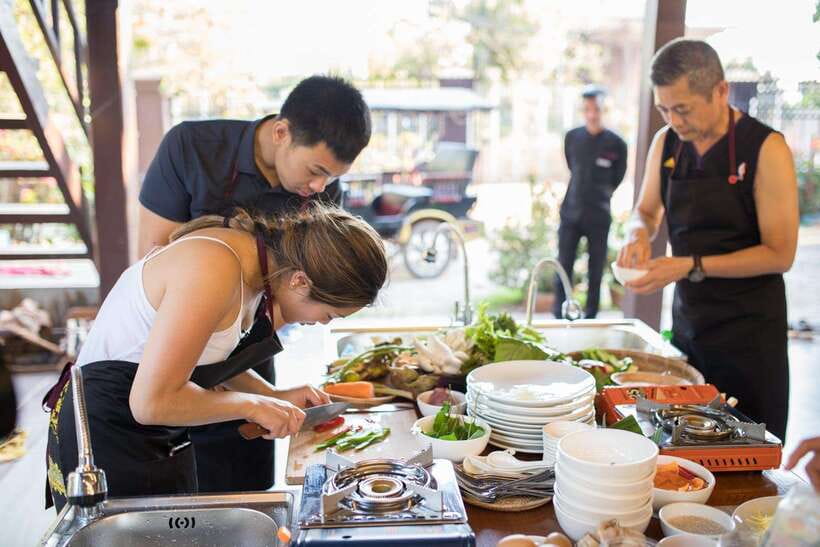
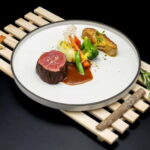
You’re cooking 4 Khmer dishes, and Fish Amok and Tom Yum are part of the lineup. That’s the sweet spot for first-timers: you get two iconic flavors that represent different sides of Khmer cuisine—creamy, fragrant steam-baked comfort in Fish Amok, and bright, tangy heat in Tom Yum.
At the same time, you’re not limited to one fixed menu. The experience includes a small menu of options, and you can choose what you make for at least some of the courses. People describe the format as picking from options for things like an entree/side, soup or starter, main, and dessert. The exact menu can vary by day, but the structure stays consistent: you get a real 4-course outcome rather than a random sampling.
What to expect while cooking:
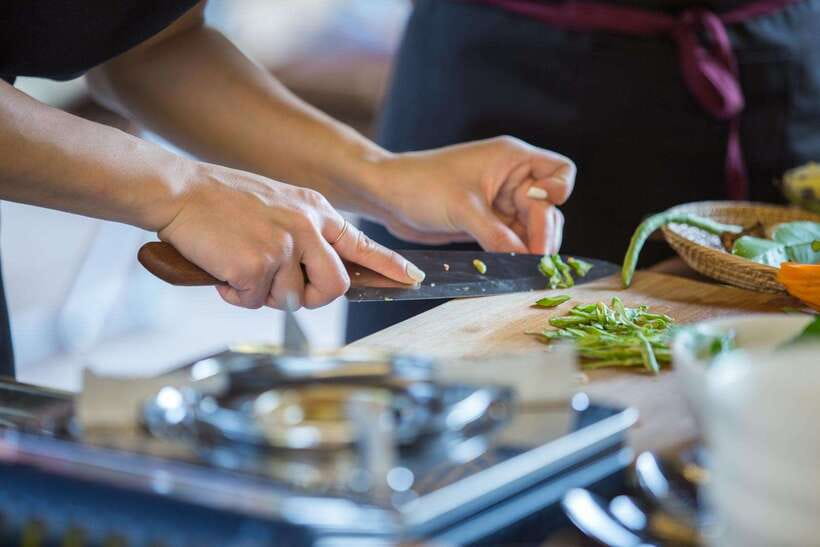
- Ingredient prep: chopping, mixing, and prepping aromatics and herbs
- Sauce and paste work: learning how Khmer seasoning behaves when combined with coconut milk, herbs, and aromatics
- Timelines: you cook in steps so dishes finish together for the meal
- Tasting along the way: many guides encourage tasting as you go, so you can correct flavor balance before serving
I especially like how the class teaches the logic behind the food. It’s not only a list of steps. You learn what you’re aiming for in texture and flavor, then you apply it. That makes it easier to recreate dishes later rather than guessing what happened when your version tastes slightly off.
You can also read our reviews of more tours and experiences in Siem Reap
The 4-Course Meal: Eating What You Built
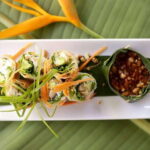
After cooking, you sit down and eat your 4-course meal. This is where the class becomes more than a workshop. The tasting confirms what you did right—and gives you a clear sense of how the dish should taste when it’s finished properly.
Because the dishes are Khmer comfort-food style (not tiny “garnish portions”), you should leave properly fed. One repeat point in the stories is that people weren’t sent away hungry. That matters if you’re doing this in the middle of the day and don’t want to hunt for lunch right afterward.
Also, you don’t just eat in silence. Many hosts and chefs are described as cheerful and humorous, and they often take photos throughout the process. You’ll often receive recipes at the end, too. If you’re thinking, I want to make Fish Amok at home, this is the part that turns curiosity into actual follow-through.
Price and Value: Why $29 Usually Feels Fair Here
The price is listed at $29 per person for a 3-hour experience. On its face, that’s not cheap like a street food snack, but it’s also not inflated for what you get.
You’re paying for a bundle:
- Hotel pickup and drop-off
- A small group setup (up to 6)
- Experienced local guide/host
- Ingredients
- A 4-course meal
- Bottled water
The key value isn’t just the meal. It’s the combination of market shopping + guided cooking + structured meal outcome. Many cooking classes only cover the “cooking” part and expect you to figure out ingredients yourself. Here, you learn how the shopping part connects to the final flavor.
The one tradeoff: alcohol isn’t included. If you want cocktails or beer with dinner, you’ll need to add that separately. But for learning and eating, the class stays focused on the food.
Who This Cooking Class Fits Best (and Who Should Rethink It)
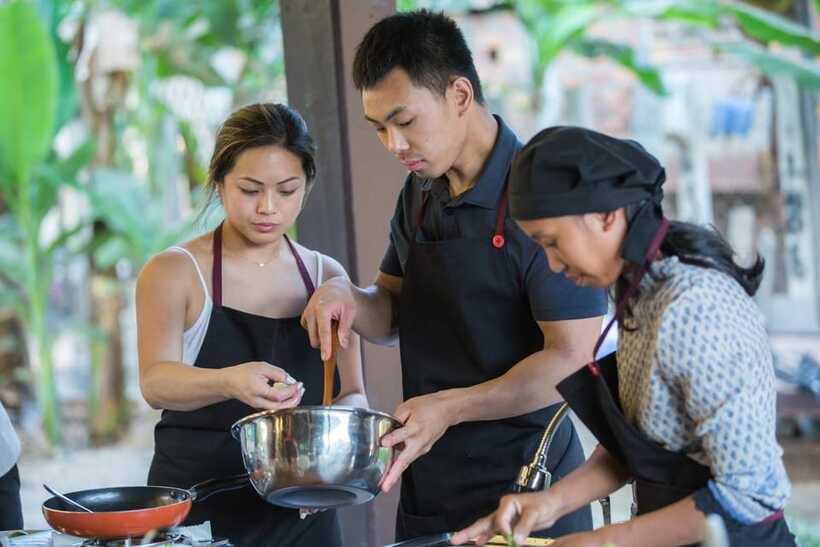
This class is described as English-speaking with a small group. It also supports vegetarian and vegan options, and you’re asked to inform the team about food allergies or dietary restrictions at booking.
Based on the provided suitability notes, it’s not the best fit for:
- Children under 8
- Wheelchair users
- People over 80
It’s also not allowed for unaccompanied minors. So if you’re traveling with kids, check that adult supervision and age requirements work for your group.
For most other travelers, this is a solid match if you:
- Want Khmer cuisine beyond temple tour food
- Like practical classes where you cook the main dishes
- Prefer activities closer to the city rather than far-out excursions
- Enjoy meeting people from different places in a small group setting
Tips to Get the Most from Your Khmer Cooking Lesson
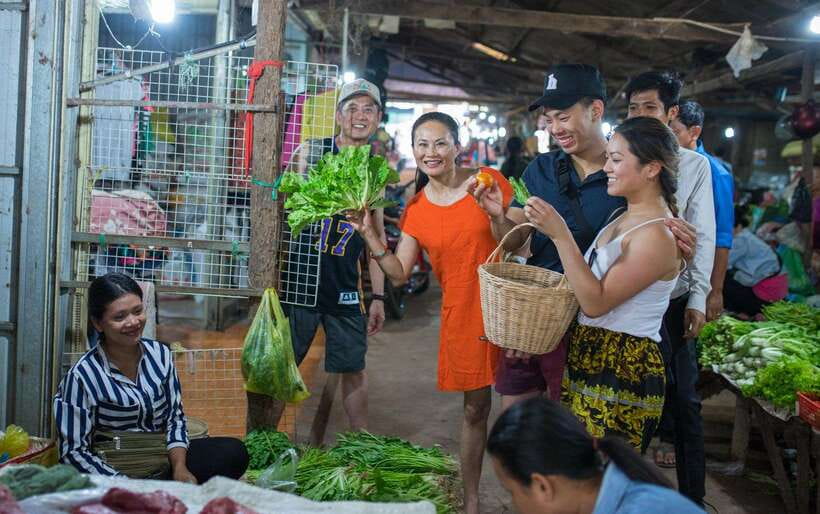
A few small moves can make this experience better fast:
- Wear comfortable shoes. You’ll walk in the market and stand during cooking.
- Ask questions as you shop. The market walk is when substitutes and ingredient roles become clear.
- Be ready for a fast pace. Some people specifically note that it’s efficiently run—good for time, but it expects you to keep up.
- Choose your options thoughtfully. If your menu includes multiple choices for courses, pick items that you actually want to eat again later.
- Tell them about allergies before you go. The team asks for this at booking for a reason.
- Bring a camera. You’ll have lots of food moments, plus photos taken by the team during the class.
Should You Book This Siem Reap Khmer Cooking Class?
If you want a hands-on way to understand Siem Reap food, I think this is a great booking. The Fish Amok and Tom Yum connection gives you iconic dishes, and the market + cooking + 4-course meal flow makes the learning feel real, not performative. With the small group size and instructors like Kong and chefs such as Sivorn or Sorya, it also tends to feel personal.
Skip it only if you’re seeking a very slow, laid-back cooking experience, or if mobility/age factors make a home-kitchen setting a problem for your group. Otherwise, this is one of the most practical ways to spend a few hours in Siem Reap and leave with skills you can use back home.
FAQ
How long is the Siem Reap Khmer cooking class?
The experience lasts about 3 hours.
What is included in the price?
Hotel pickup and drop-off, an English-speaking local host/guide, ingredients, a 4-course meal, and bottled water are included.
Do I get to choose what dishes to cook?
You cook 4 Khmer dishes, including Fish Amok and Tom Yum, and the class accommodates vegetarian and vegan options. The exact menu choices can vary by course.
Is the class good for beginners?
It’s designed for guided cooking with a structured flow and clear instruction, and it can work well for people who have never cooked these dishes before.
Is alcohol included?
No. Alcoholic drinks are not included.
What should I bring?
Bring comfortable shoes and a camera.
Is it suitable for children or seniors?
It’s not suitable for children under 8, wheelchair users, or people over 80. Unaccompanied minors are not allowed.