REVIEW · SIEM REAP
Shared tour: Kulen Mountain & Waterfalls – Small group
Book on GetYourGuide →Operated by Euro Khmer Voyages · Bookable on GetYourGuide
Kulen Mountain packs a lot into one morning. It’s a short drive from Siem Reap to the birthplace of the Angkor Empire, then straight into Phnom Kulen National Park for big falls, the River of 1000 Shiva Linga, and a huge reclining Buddha. The scenery is unusual and the walking is real, so plan for some uphill paths and stairs.
You’ll ride in a shared minibus with an English-speaking guide and driver, and the day mixes landmark history with everyday village life. I like that the route isn’t just “see a temple, take a photo, repeat.” You also get a hands-on-style stop at Palm Sugar Village plus a market visit. One drawback: lunch and drinks are extra, so your final cost will depend on what you choose to eat.
In This Review
- Key things to love (and watch out for)
- Kulen Mountain Day Trip: Why This Beats a Typical Siem Reap Hop
- Morning logistics: the ride out of town and what it means for your day
- Phnom Kulen National Park: Angkor’s start line, not just a viewpoint
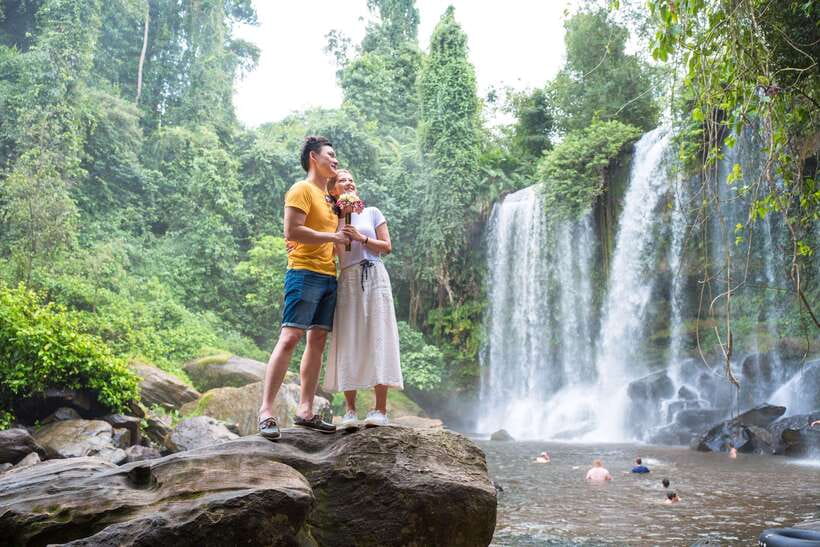
- Waterfalls and the River of 1000 Shiva Linga
- Reclining Buddha: the 16th-century stop you shouldn’t rush
- Lunch by the waterfalls: where the cost hits
- Palm Sugar Village: the satisfying kind of hands-on culture
- Largest local market in Siem Reap: practical shopping time
- Guide and group size: what small-group means in real life
- Price and value: does $75 for 6.5 hours make sense?
- Who should book (and who might prefer something else)
- Should you book Kulen Mountain & Waterfalls (Small Group)?
- FAQ
- FAQ
- How long is the Kulen Mountain & Waterfalls tour?
- Where does pickup happen?
- Is transportation included?
- Is the entrance fee included?
- Is there a guide, and what language do they speak?
- Are meals included?
- Can I cancel for a full refund?
Key things to love (and watch out for)
- Angkor’s origin story, in nature: You’re not just touring ruins; you’re standing in the landscape tied to the Khmer Empire’s start.
- River of 1000 Shiva Linga: This is one of those spots that feels both sacred and strangely surreal.
- Biggest waterfall focus: The day is built around Phnom Kulen’s standout cascade views.
- Palm Sugar Village experience: You’ll see palm juice turned into sugar using older methods.
- Market time in Siem Reap: It’s a practical add-on if you want local snacks or ingredients to bring back.
- Timing and pace: You’ll spend several hours in the park and there’s uphill walking—comfortable shoes matter.
Kulen Mountain Day Trip: Why This Beats a Typical Siem Reap Hop
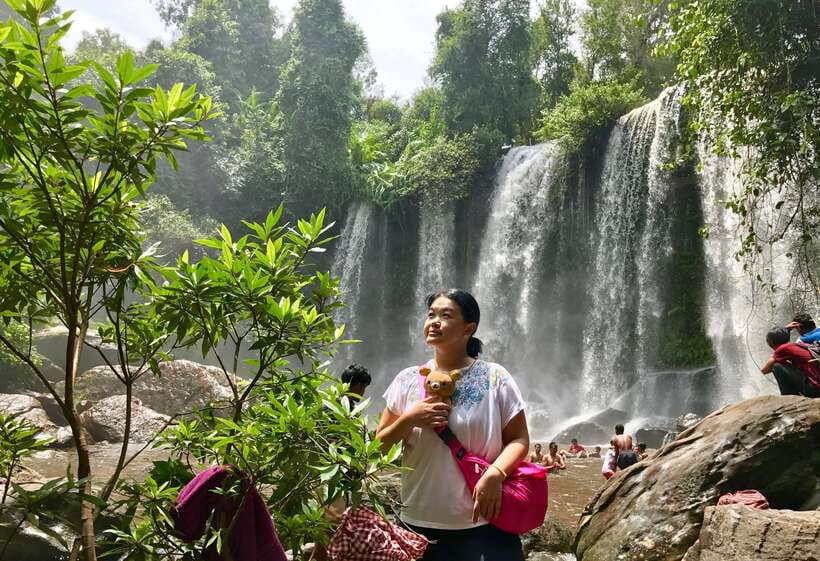
If your Siem Reap days are starting to feel like a checklist, this tour gives you something different: the Khmer Empire’s beginnings in a landscape that still feels wild and lived-in. Phnom Kulen is where royal legends meet real waterfalls, and the sights are spaced far enough apart that you get a sense of place instead of just a quick stop-and-go loop.
Two things make it especially good value for a half-day: you’re paying once for hotel pickup, park entry, and a guide who connects the scenery to the story. And you get a balanced mix of “wow factor” (waterfalls and the linga river) plus local culture (village countryside, Palm Sugar Village, and a market stop).
The other smart piece is the guide style. The tour runs with an English-speaking guide, and that matters here because the landmarks are symbolic. When the River of 1000 Shiva Linga and the reclining Buddha come with context, they stop being just impressive objects and start feeling meaningful.
You can also read our reviews of more tours and experiences in Siem Reap.
Morning logistics: the ride out of town and what it means for your day
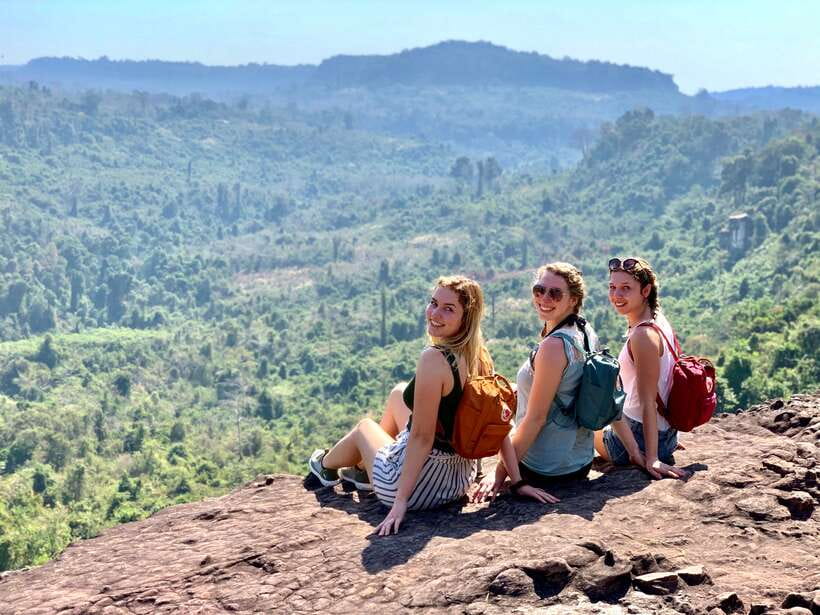
This is a 6.5-hour experience that starts with pickup from Krong Siem Reap hotels, then a drive of about 1.5 hours to the park area. Expect countryside scenery along the way—rice paddies and traditional dwellings—and chances to watch daily life as you pass rural villages.
That drive does two helpful things for you. First, it gets you out of the city heat before the day gets intense. Second, it sets the mood: you’re already looking at farmland and homes when the guide starts tying the region to the Khmer Empire story.
Still, it’s not a slow, floating experience. Your schedule is packed. If you hate early starts or you’re prone to getting stiff from long sitting, plan to stretch during pickup and be ready for a day that moves.
Phnom Kulen National Park: Angkor’s start line, not just a viewpoint
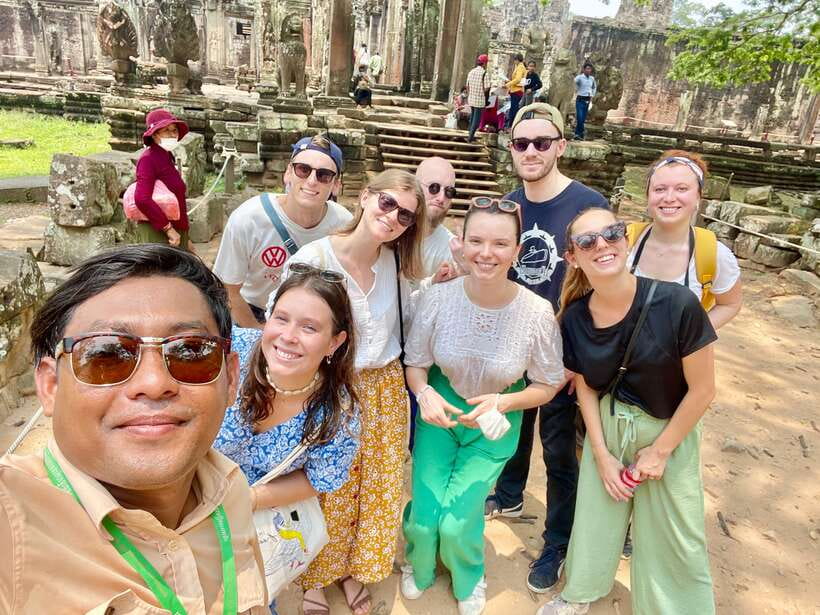
Once you reach Phnom Kulen National Park, you shift from driving views to walking and sightseeing. This is the heart of the day—about 4 hours in the park area—so you’ll want to treat it like a real outing, not a quick photo break.
The biggest “why” here is history tied to place. You’re visiting the birthplace of the Angkor Empire, which changes how you look at everything around you. Even if you’ve already read about Angkor, being in this landscape helps the story feel less abstract. Phnom Kulen doesn’t just look like a backdrop. It’s part of the reason people traveled here in the first place.
Practically, you’re also dealing with park conditions. Paths can be uneven and stairs are possible depending on where you’re walking. If you like comfy shoes and easy grip, you’ll be happier. If you’re wearing flip-flops or slick sandals, you’ll probably regret it.
Waterfalls and the River of 1000 Shiva Linga
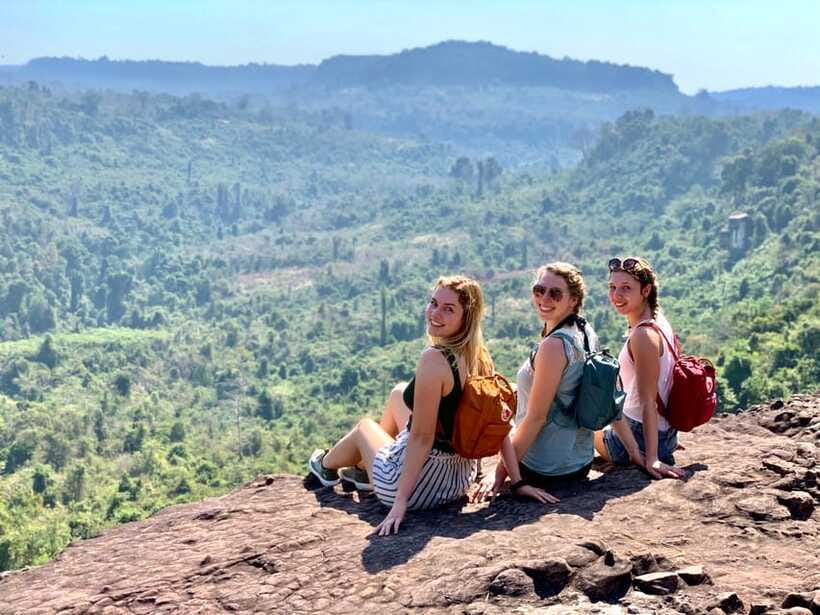
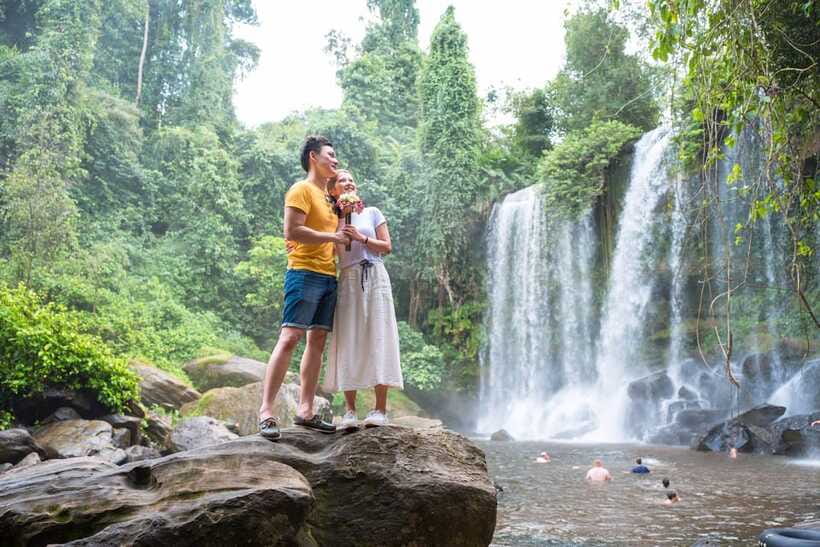
This tour is built around the park’s most dramatic religious-and-natural combination: the waterfalls plus the River of 1000 Shiva Linga.
The highlight is the biggest waterfall at Angkor—yes, the wording used for it is bold, but the intent is clear. This day isn’t shy about letting you see the park’s most impressive cascade views. If you’ve been to other waterfall stops around Cambodia, you’ll notice Phnom Kulen feels more tied to sacred landscape. The water isn’t separate from the spiritual sites. It’s part of the same route.
Then comes the River of 1000 Shiva Linga. This is the kind of place that can be hard to fully “get” from a distance. Up close, it’s more powerful—rows of carved stone symbols linked to devotion, with the natural environment framing it. I love when tours don’t just point at landmarks, but explain what they’re looking at and why it matters. With the right guide, this one turns into a moment you remember.
One practical note: the waterfall areas and sacred sections can get slippery, especially if it’s wet or recently rained. Wear shoes you trust, and keep your pace steady.
Reclining Buddha: the 16th-century stop you shouldn’t rush
A major stop inside the park is the large reclining Buddha statue in Cambodia, described as the largest 16th-century reclining Buddha statue. Even if you’re not a “statue person,” this is worth your time because it’s a strong visual anchor for the day.
People often rush this kind of sight, trying to check it off. Don’t. The reclining Buddha is more than a photo spot. It helps you understand how religious art shows up in Cambodia’s outdoor landscape, not just behind temple walls.
Also, pairing the reclining Buddha with the earlier linga river creates a nice flow. One is overtly symbolic in its carving design; the other feels like a spiritual passage through stone and water. Together, they make the day’s theme clearer: this is a sacred region where nature and belief are intertwined.
Lunch by the waterfalls: where the cost hits
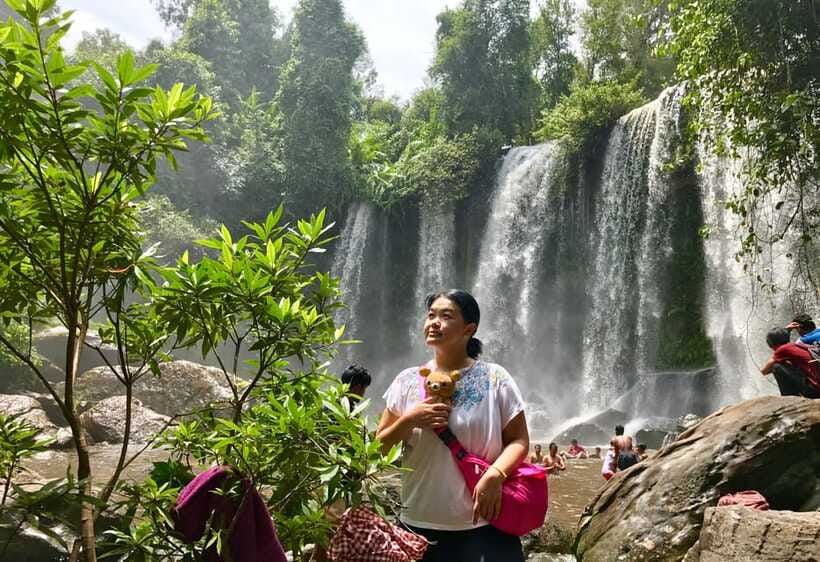
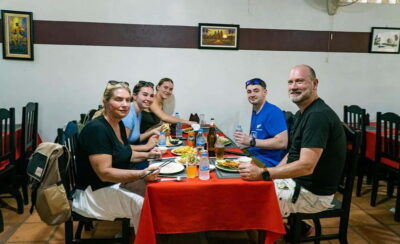
After the main park walking, you’ll stop for lunch at a nearby waterfall area. The menu is Khmer cuisine, and you pay at your own expense.
This part is good in theory because it keeps you from dragging the day out longer. You also get a break from the constant walking and a chance to recharge before the final stretch.
The caution is budget. Since food and drink aren’t included, you’ll want to set expectations ahead of time. If you’re watching costs, you can choose simpler dishes rather than treating this meal like a restaurant stop in the center of Siem Reap.
If you’re sensitive to heat or humidity, keep water in mind. The tour includes transportation and guide time, but it doesn’t cover drinks—so plan for that and don’t wait until you feel thirsty.
Palm Sugar Village: the satisfying kind of hands-on culture
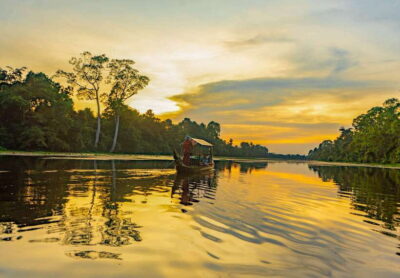
The countryside part of the day doesn’t end with views. You also visit Palm Sugar Village, where you can watch palm sugar making using traditional methods passed down through generations.
This is one of those experiences that’s easy to underestimate until you see it up close. Palm sugar isn’t just a sweet ingredient—it’s a window into local agriculture and food tradition. You’ll learn how palm juice becomes sugar through older processes, and that’s more interesting than a basic souvenir shop stop.
I also like that the village visit gives you something grounded in daily life. Cambodia isn’t only temples. It’s also farming, food processing, and families using local resources.
One small practical tip: ask before you photograph. Places like this often work on routines, and a quick check keeps things respectful.
Largest local market in Siem Reap: practical shopping time
After lunch and Palm Sugar Village, the tour includes a visit to a local market and then a stop at the biggest local market in Siem Reap.
This is a great final add-on because it gives you a chance to buy what you actually came for—snacks, small ingredients, and everyday items that show you what people eat and use. It’s also helpful for travelers who want something tangible after a day spent mostly outdoors.
The only warning: markets can be overwhelming if you arrive without a plan. Go with a simple list. Maybe you want palm sugar to bring home, fruit snacks, or local spices. If you wander randomly, it’s easy to spend more than you intended.
Guide and group size: what small-group means in real life
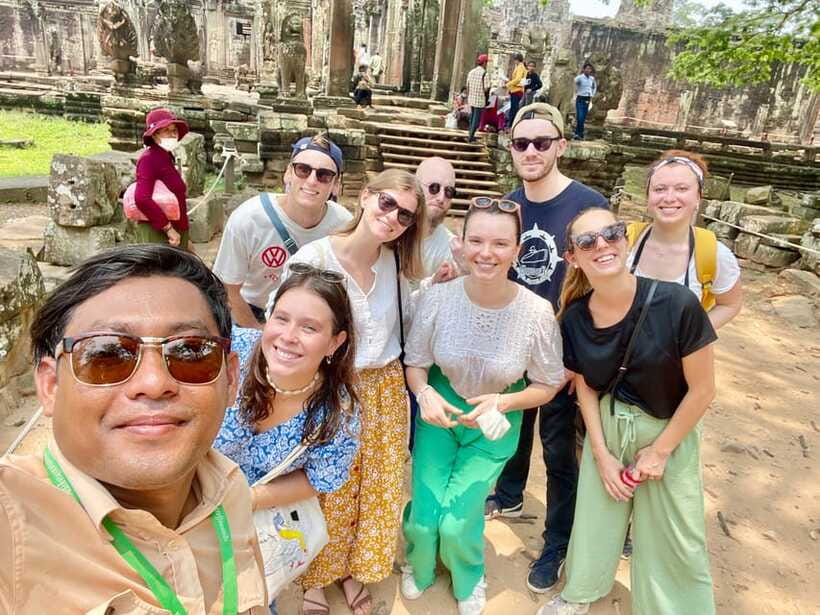
This tour runs as a small group option, and you’ll travel by shared minibus. The “small group” part matters more than people think because it changes how flexible the guide can be. If the group is manageable, your guide can answer questions, keep everyone together, and slow down for meaningful moments rather than racing to keep the schedule perfect.
The guide and driver are English-speaking, and the tour includes entrance fee for Phnom Kulen Mountain and park access. That’s helpful because you don’t want to spend part of the best hours dealing with payment lines or confusion over what’s included.
From past experiences shared by guests, some guides stand out for being especially kind and attentive, including names like Narith Pong, and guides such as Sean and Vuthy on other days. Even if you don’t meet those exact people, the takeaway is the same: this isn’t meant to feel like a silent bus ride. You’ll have someone explain what you’re seeing.
Price and value: does $75 for 6.5 hours make sense?
At $75 per person for roughly 6.5 hours, this is priced for travelers who want convenience plus key sites, without trying to DIY the whole route.
Here’s what you’re getting for the money:
- Hotel pickup and drop-off around Krong Siem Reap
- Park entrance fee for Phnom Kulen Mountain
- Transportation by shared minibus
- An English-speaking guide and driver
- Access to the core lineup: waterfall area, River of 1000 Shiva Linga, reclining Buddha, plus Palm Sugar Village and a market stop
What you’re not getting:
- Lunch and drinks
- Any extra shopping beyond what you choose to buy
So the value really comes down to whether you’d otherwise pay for separate transport and park hassles. If you’re planning to go anyway, the included transport and entrance fee remove friction. If you’re the type who prefers to hire a tuk-tuk for total freedom, you might spend less, but you’ll also spend more time coordinating. For many visitors, paying $75 is a clean trade: time saved, a guided story, and a route designed to fit the day.
Who should book (and who might prefer something else)
This tour fits well if you want:
- Major scenic and sacred stops without a full day commitment
- A guided explanation of what you’re seeing at the linga river and the reclining Buddha
- A culture add-on beyond ruins, especially Palm Sugar Village and a market stop
It may not be the right match if:
- You dislike walking on uneven surfaces or can’t handle stairs
- You want a totally flexible schedule with no group timing
- You’re very budget-focused and hate paying extra for lunch and drinks
If you’re traveling with limited time in Siem Reap, this is a strong way to add something “outside the city” while still seeing multiple highlights.
Should you book Kulen Mountain & Waterfalls (Small Group)?
I’d book it if you want a well-paced day that combines big nature views with Khmer sacred sites and local culture stops. The best reasons are the included park access plus the guide-led storytelling, and the fact that the day isn’t only temples—it includes village countryside and Palm Sugar Village.
If you’re the kind of traveler who prepares for a few hours of walking, then this tour is a smart use of half a day. Bring good shoes, budget for lunch, and keep your expectations realistic about timing. You’ll come away with photos, yes—but also with a clearer sense of how the Angkor story connects to the land around Phnom Kulen.
FAQ
FAQ
How long is the Kulen Mountain & Waterfalls tour?
It lasts about 6.5 hours.
Where does pickup happen?
Pickup is available from hotels in Siem Reap Province, with pickup listed for Krong Siem Reap.
Is transportation included?
Yes. The price includes hotel pickup and drop-off plus transportation by shared minibus.
Is the entrance fee included?
Yes. The tour includes the entrance fee of Phnom Kulen Mountain.
Is there a guide, and what language do they speak?
Yes. You get a fully vaccinated English-speaking guide and driver.
Are meals included?
Lunch is mentioned as Khmer cuisine, but food and drink are not included in the price, so you’ll pay for lunch and any drinks.
Can I cancel for a full refund?
Yes. Free cancellation is available up to 24 hours in advance for a full refund.