REVIEW · SIEM REAP
Siem Reap: Angkor National Museum Admission Ticket
Book on GetYourGuide →Operated by SARUS CO., LTD · Bookable on GetYourGuide
This museum packs Angkor context into one calm, indoor stop. I like that the ticket lets you go at your own pace, and I like the sheer scale of the Buddha statues and inscriptions. One drawback: the museum’s audio option costs extra, so your total day budget may creep up.
After temples, this is a great way to understand what you just saw. Angkor National Museum uses eight galleries to show the evolution of Khmer art, culture, and religion, which helps the whole Angkor story click instead of feeling like random stone. The main consideration is simple: you’re responsible for getting yourself there.
This ticket is built for flexibility: valid for one day, designed to skip the ticket line, and wheelchair accessible. It’s also a “choose your time” kind of visit. If you want the extra audio support, plan for that $5 add-on before you get too comfortable.
In This Review
- Key highlights I’d prioritize
- Angkor National Museum is the fast-track to Khmer context
- Your ticket plan: self-paced entry that still feels organized
- Eight galleries: how to use them without getting overwhelmed
- The over-a-thousand Buddha statues: what to look for
- Ancient inscriptions and excavated artifacts: why this museum feels different
- Audio guide: useful, but plan the extra $5
- Timing your visit: how long you’ll actually need
- Transportation and meeting point: you’re on your own
- What to bring (and what to skip)
- Price and value: is $15 a good deal here?
- Who this museum ticket is for
- Should you book the Angkor National Museum admission ticket?
- FAQ
- How much is the Angkor National Museum admission ticket?
- How long is the experience?
- Is a tour guide included with the ticket?
- Is the audio guide included?
- Can I skip the ticket line?
- Where do I meet the operator?
- Is the museum wheelchair accessible?
- What do I need to bring?
- What restrictions should I know about?
- How do I receive my ticket after booking?
Key highlights I’d prioritize
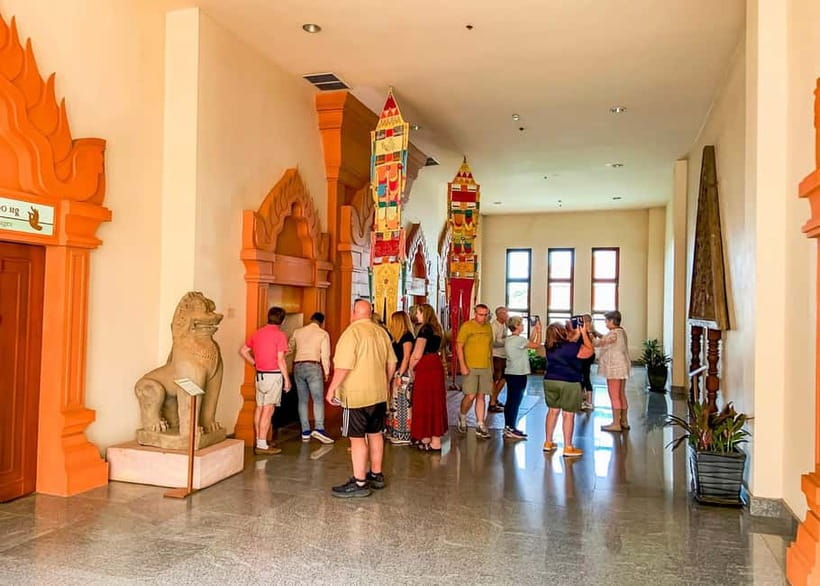
- Skip the ticket line so you waste less time waiting at the entrance
- Eight galleries covering the evolution of Khmer art, culture, and religion
- Over a thousand Buddha statues that make the spiritual side of Khmer life visible
- Ancient inscriptions and excavated artifacts that connect scenes at Angkor to real history
- Self-paced entry with private or small group options if you prefer less crowd pressure
- Optional audio guide (not included), helpful if you want labels translated into a guided flow
Angkor National Museum is the fast-track to Khmer context
Siem Reap is full of eye candy. That’s the fun part. But when you want meaning, Angkor National Museum is one of the smartest uses of time you can make.
The ticket is straightforward: pay about $15 per person for admission, then explore independently. The exhibits are built to explain the Khmer Empire and how Khmer culture and religion developed over time. In other words, you’re not just looking at statues—you’re building a framework for understanding what those statues, inscriptions, and artifacts represent.
I also like that this visit fits neatly between bigger temple days. If you’ve already done Angkor Wat and feel like you need the “why,” the museum gives you that missing layer. If you haven’t gone to the temples yet, it can prime your eye so you notice more when you finally step outside.
You can also read our reviews of more tours and experiences in Siem Reap


Your ticket plan: self-paced entry that still feels organized

This admission ticket is designed for independent pacing. You don’t need to follow a strict itinerary clock, and you can slow down when something grabs you. You’ll move through the museum’s galleries at your own speed, and the layout is meant to tell a story across multiple sections.
Here’s what that means for your day:
- If you’re the type who reads wall labels and wants to connect dots, you can stretch the visit out.
- If you want the highlights and only limited reading, you can still cover the main exhibits without feeling trapped.
You also get a skip the ticket line benefit. That matters in Siem Reap, where timing can make or break your mood. Even a short wait can feel like wasted energy when you planned a full sightseeing day.
One more practical point: the museum ticket is valid for 1 day. Availability depends on starting times, so it’s worth checking what time window works best for your schedule.
Eight galleries: how to use them without getting overwhelmed
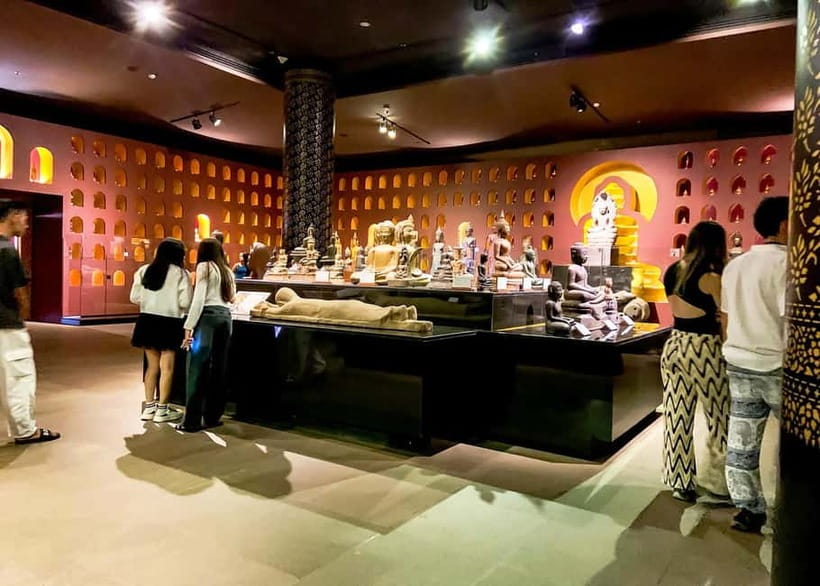
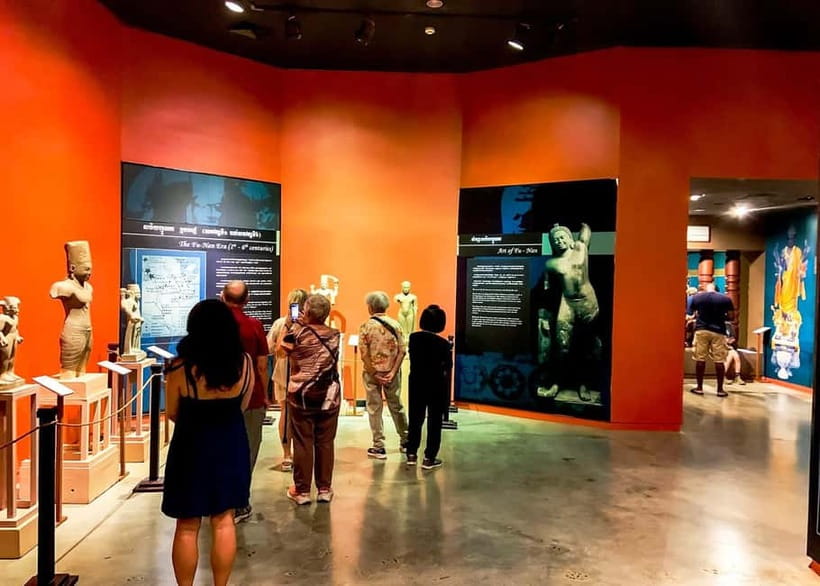
The museum’s content is organized into eight galleries, and they’re specifically aimed at showing the evolution of Khmer art, culture, and religion. That’s a big claim on the wall, but it’s also exactly what makes the museum useful.
When you walk in, you’re likely going to want to jump straight to the most impressive objects. That’s normal. But I’d use a simple approach so the galleries actually teach you something:
- Choose a comfortable start point (you’ll see numbering and gallery flow on-site).
- Read just enough context as you go—don’t try to translate every sentence.
- When you hit inscriptions or statues, pause longer and let those objects carry the story.
The goal isn’t to memorize dates. It’s to build recognition. Once you understand the museum’s themes—how Khmer religious life and artistic styles changed over time—you’ll start noticing those patterns outside the museum too.
The over-a-thousand Buddha statues: what to look for
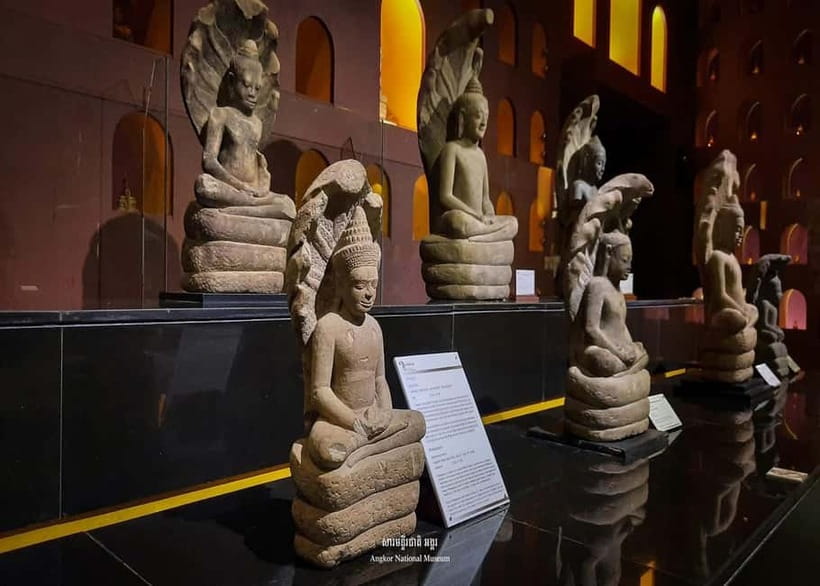
This is the headline attraction for a reason: the museum displays over a thousand Buddha statues, plus related antiquities. That’s a lot of faces, hands, poses, and styles to take in. It can feel overwhelming—until you shift how you look.
Instead of trying to see everything at once, focus on three things:
- How the statues’ styles differ across the galleries (that’s part of the “evolution” story)
- What the inscriptions and context suggest about time and place
- The religious theme—these aren’t just sculptures; they represent beliefs that shaped Khmer culture
A couple of reviews also point out that it’s not only the objects that land the impact—it’s the information boards. So plan time to read. The signage is what helps you move from “pretty statues” to “this is why these statues matter.”
If you’re someone who enjoys comparison—seeing how similar things change across time—you’ll probably feel rewarded even if you spend hours here.
Ancient inscriptions and excavated artifacts: why this museum feels different
Angkor temples are full of stone. The museum helps translate that stone into history.
You’ll see ancient inscriptions and artifacts excavated from Angkor’s archaeological sites. That combination is the key. Statues show belief and style. Inscriptions and excavated objects help explain setting and survival—how pieces ended up here and what they tell us.
This is where I think the museum gives strong value for first-timers. Even if you don’t consider yourself a history person, the museum gives you a clear way to understand the Khmer Empire beyond architecture.
You’re basically getting a bridge between:
- what you can see in person at Angkor, and
- what the Khmer world recorded and left behind.
That’s why this stop works well both before and after temple time.
You can also read our reviews of more museum experiences in Siem Reap




Audio guide: useful, but plan the extra $5
One of the most practical choices you’ll make is whether to rent an audio guide. The admission ticket itself does not include it, and the audio option costs about $5 extra.
If you’re the type who likes a guided flow—where you’re not constantly deciding what to read—then the audio guide can be worth it. It can also help if you want quick context while you’re standing in front of objects that are hard to interpret on your own.
If you prefer reading, you might skip audio and just use the wall labels. Some visitors emphasize that the information boards are what truly connect the collection. So you have a choice: audio for momentum, signage for a more self-driven visit.
Either way, give yourself breathing room. One review-style data point: a visit can land around 1.5 to 2 hours with the audio, while a more unhurried pass can run over 3 hours.
Timing your visit: how long you’ll actually need
The ticket is valid for one day, and you can pick a starting time based on availability. But “valid for one day” doesn’t answer the real question: how much museum time should you schedule?
Here’s my take based on typical pacing patterns from people who enjoyed the visit:
- Plan for about 1.5–2 hours if you want a solid circuit without turning every statue into a deep study.
- Plan for 3+ hours if you like reading and comparing styles, or you want to revisit sections more than once.
For temple-heavy days, I like treating the museum as a “thinking stop.” Give it enough time to absorb the story, not just sprint through rooms.
Transportation and meeting point: you’re on your own
There’s no pick-up or drop-off with this ticket. You handle your own transport to the museum.
That sounds obvious, but it’s worth calling out because it affects how you schedule your day. If you’re already juggling tuk-tuks, car hires, or rides between temple sites, build this museum stop into the same route logic so you don’t backtrack.
Also, the museum is wheelchair accessible, which is a real advantage if mobility is a concern. Just remember you’ll still need a ride that can get you there comfortably.
What to bring (and what to skip)
Bring items that help you enjoy the exhibits without friction:
- Comfortable shoes (you’ll be standing and walking)
- Camera (for the collections)
- Comfortable clothes (the museum is indoor, but you’ll still be moving)
- Cash (recommended)
And note the restrictions:
- No pets
- No alcohol and drugs
These rules are simple, but they matter because people often show up expecting to carry “just a small bag” habits from outdoors. Keep it clean and easy.
Price and value: is $15 a good deal here?
At $15 per person, the admission ticket isn’t trying to be a budget attraction. But it also isn’t expensive compared to the kind of context it provides in Siem Reap.
Here’s what makes it feel like good value:
- You get a self-paced visit across multiple galleries.
- The museum’s main attractions—a thousand-plus Buddha statues, inscriptions, and excavated artifacts—are exactly the type of content that benefits from time and reading.
- You get skip-the-ticket-line, which prevents lost time from eating your schedule.
The only add-on that may change your total cost is the audio guide (about $5 extra). If you want audio, budget it. If you prefer reading, you can likely get most of the value without paying extra.
For me, the best value case is when you either:
- visit after temples and want meaning, or
- visit before temples and want your eyes to have context.
If you’re doing a very short Siem Reap stay and you must choose, I’d rank the museum highly because it helps your temple days feel more understandable.
Who this museum ticket is for
This ticket works best for people who want more than a quick look.
You’ll likely enjoy it if:
- you like museum-style learning but don’t want a rigid schedule
- you want Khmer Empire context in one place
- you enjoy reading museum boards and connecting objects to culture and religion
- you prefer self-paced travel, with the option for private or small groups
If you hate any kind of reading or you want only outdoor “move-fast” sightseeing, this might feel slower than you expect. In that case, reduce your reading expectations and just focus on the strongest rooms and objects.
Should you book the Angkor National Museum admission ticket?
I’d book this if you want your Angkor time to feel less mysterious and more meaningful. The admission gives you a structured museum story in a self-paced format, and the collections—especially the Buddha statues, inscriptions, and excavated artifacts—are exactly the sort of content that benefits from extra attention.
Two reasons to pause before booking:
1) If audio matters to you, factor in the extra $5.
2) You’ll still need your own transport, so only add it if it fits cleanly into your Siem Reap routing.
If you can check those boxes, this is one of the easiest “high payoff” stops in the region.
FAQ
How much is the Angkor National Museum admission ticket?
The price is listed as $15 per person.
How long is the experience?
It’s valid for 1 day. People report spending about 1.5 to 2 hours, though it can take longer if you go slowly.
Is a tour guide included with the ticket?
No. A service of tour guide is not included.
Is the audio guide included?
No. Audio guide access in the museum is not included and costs about $5 extra.
Can I skip the ticket line?
Yes. The ticket includes a skip-the-ticket-line benefit.
Where do I meet the operator?
There’s no meeting point provided for transport. You are responsible for arranging your own transportation to the museum.
Is the museum wheelchair accessible?
Yes, the experience is listed as wheelchair accessible.
What do I need to bring?
Bring comfortable shoes, a camera, comfortable clothes, and cash.
What restrictions should I know about?
Pets are not allowed, and alcohol and drugs are not allowed.
How do I receive my ticket after booking?
You must provide a WhatsApp number to receive the ticket before the visit, and the operator will contact you to reconfirm the booking.