REVIEW · SIEM REAP
Siem Reap: Small Group Tour of Kulen Elephant Forest
Book on GetYourGuide →Operated by Angkor Focus Travel · Bookable on GetYourGuide
Kulen Elephant Forest is one of those places that makes you slow down. I love how the experience centers on watching elephants in their natural surroundings, not just a quick performance. I also like the chance to feed them handmade healthy snacks while your English-speaking guide explains what you’re seeing. The one thing to plan for is that this is real forest time, so you should expect heat in transit and you may get splashed—bring a change of clothes.
The daily rhythm here has a calm, observational feel. After a briefing, you’ll get close enough to interact in a respectful way, then follow the elephants through areas around the pond and into the forest as they choose what to do. It’s a short outing (about 4–5 hours), so it’s best when you want an experience that’s hands-on, but not exhausting.
The main drawback is comfort: the ride from Siem Reap is about an hour, and it can feel hot depending on the vehicle and seating. If you’re sensitive to heat, pack smart and wear breathable clothes.
In This Review
- Quick hits before you go
- Why Kulen Elephant Forest feels more like observing than performing
- Pickup in Siem Reap and the hour-long ride into the forest
- Elephant briefing first: how the guide sets expectations
- Feeding handmade snacks: what “up close” really means
- Watching pond time and elephant choices in the forest
- Mud bath and river rinse: plan for the splash factor
- Khmer lunch at base camp: a calm pause after the animal time
- Price and included value: why $112 can make sense
- What to wear and bring so the day stays easy
- Who this tour fits best (and who may want to choose differently)
- Should you book the Siem Reap Kulen Elephant Forest tour?
- FAQ
- How long is the Siem Reap Small Group Tour of Kulen Elephant Forest?
- Where do I get picked up, and is drop-off included?
- What’s included in the tour price?
- Do I get to feed the elephants?
- Is there a meal included?
- What should I bring?
- Is this tour wheelchair accessible?
- Is tipping included in the price?
Quick hits before you go
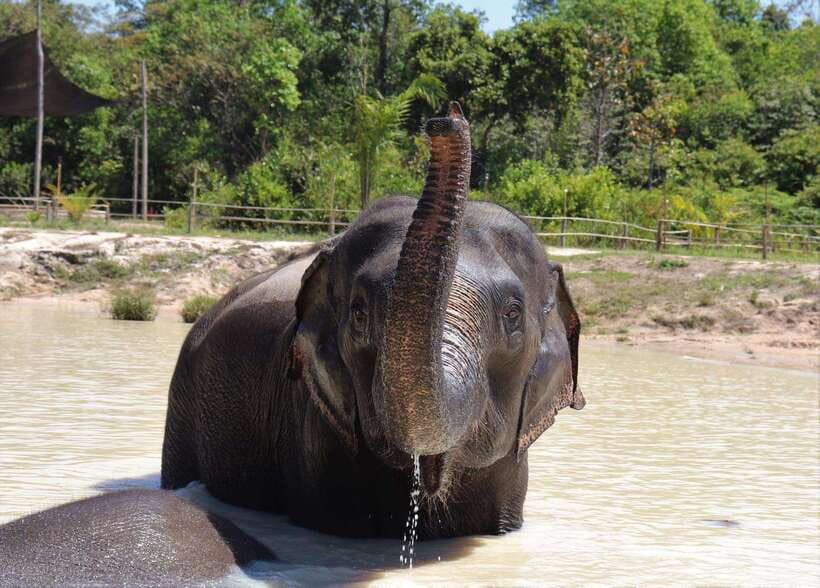
- Handmade elephant snacks: you feed the elephants directly with healthy snacks prepared for the activity
- Expert English briefing: you’ll learn what you’re looking at as elephants interact and move around
- Pond time and forest walks: you’re not rushed through one single spot
- Photo moments: you can get your photo taken with an elephant
- Khmer lunch at base camp: a traditional Khmer meal or snack helps you recharge
- Bring a change of clothes: splashes happen, and a rinse or change is useful
Why Kulen Elephant Forest feels more like observing than performing
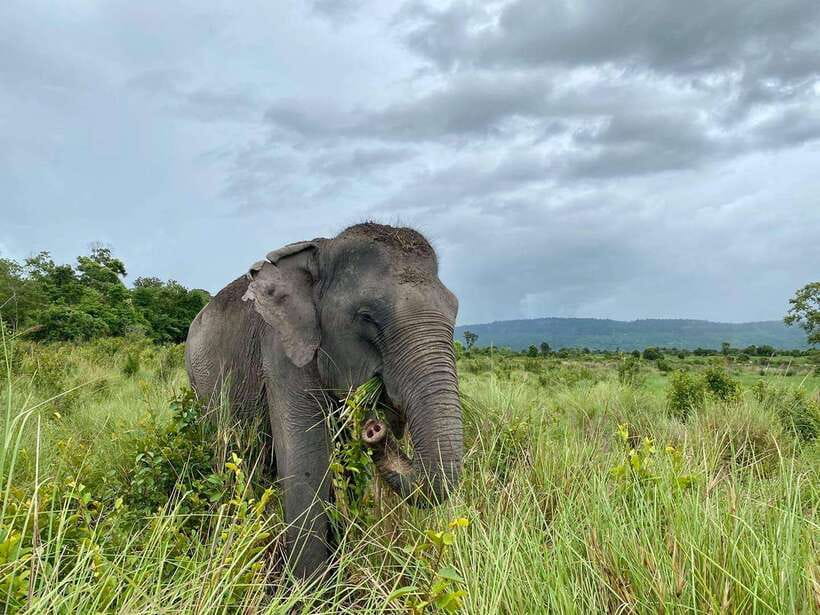
If you’ve seen elephant tours that feel like a schedule of tricks, this is a different vibe. Here, the point is spending time watching elephants as they move, play, and choose their own pace. When you’re close enough to see their body language clearly, the experience turns from entertainment into understanding.
I like that the guide connects the dots for you. You’re not just standing there staring—you learn how elephants interact and what their behavior can mean. That makes the forest feel like a living place, not a backdrop.
You’ll also notice the contrast of settings. You spend time near a pond (where you can see elephant social moments), then walk through forest paths and greenery as the day unfolds. It’s the kind of variety that stays interesting without feeling hectic.
You can also read our reviews of more tours and experiences in Siem Reap.

Pickup in Siem Reap and the hour-long ride into the forest
The day starts in Krong Siem Reap, with pickup from your hotel about 30 minutes before departure. You’ll then take a shuttle bus ride of about an hour to get to Kulen Elephant Forest. That transfer time matters because it sets your comfort level for the rest of the tour.
Plan for heat. Even though it’s a short ride, you may find the seating tight and the air-conditioning limited. If you run hot easily, wear light layers and keep water handy (the tour includes water, but you’ll still feel better with a comfortable setup).
One practical tip: aim for closed-toe shoes that won’t slip on uneven ground later. Your “forest outfit” should be ready for both walking and the possibility of getting splashed.
Elephant briefing first: how the guide sets expectations
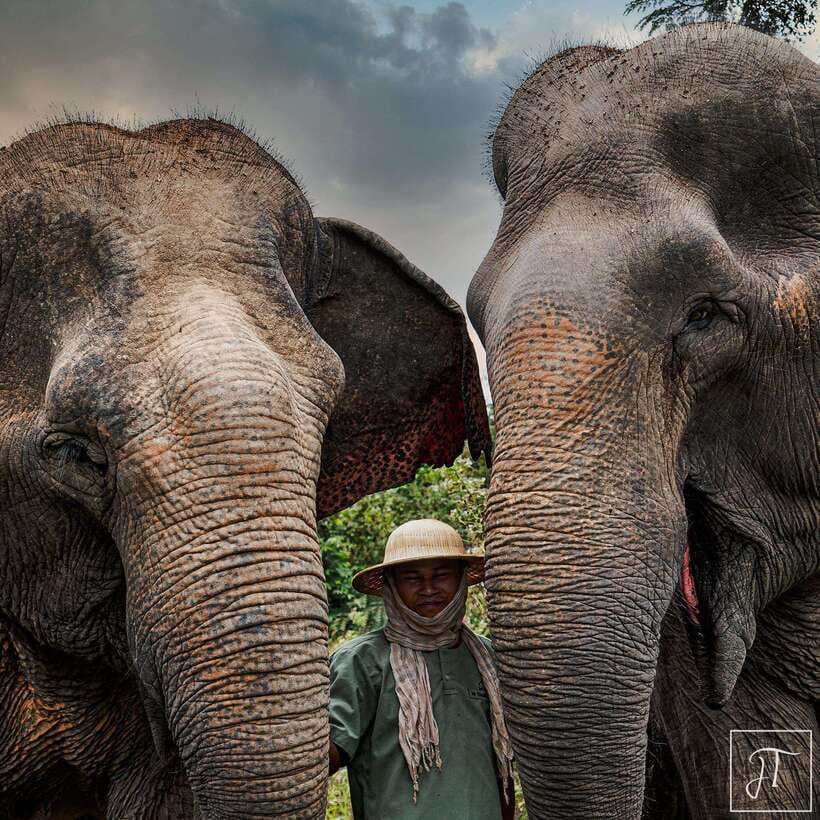
Before you get close, your English-speaking guide gives an introduction. This matters more than people think, because it shapes how you approach elephants safely and respectfully. You’ll get context on elephant habits and how to interpret their behavior while you’re observing.
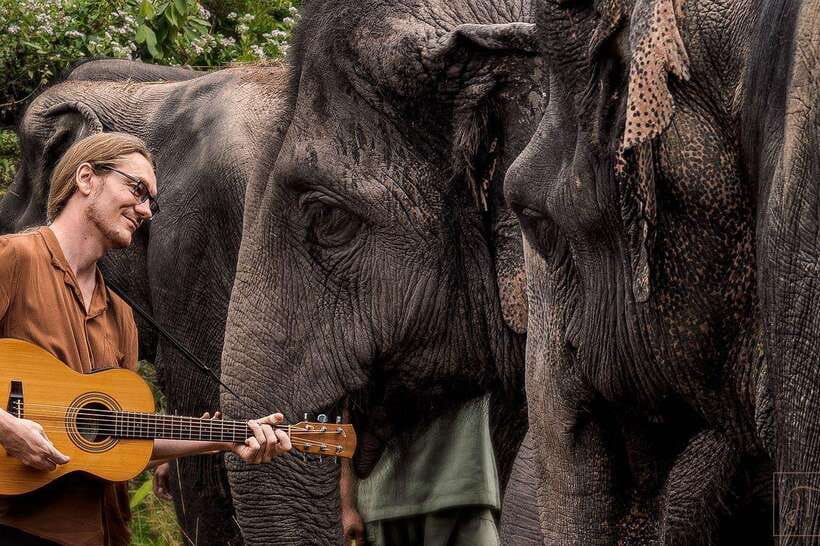
Then the tour flows into feeding. You’ll receive handmade healthy snacks for the elephants and get up close to feed them. This is where a respectful mindset pays off—you’ll see how elephants respond to calm, steady behavior rather than sudden movements.
If you’re lucky enough to have Seth as your guide, that adds another layer. One group described him as both brilliant and funny, which can make the briefing feel less like a lecture and more like an enjoyable moment of learning.
Feeding handmade snacks: what “up close” really means
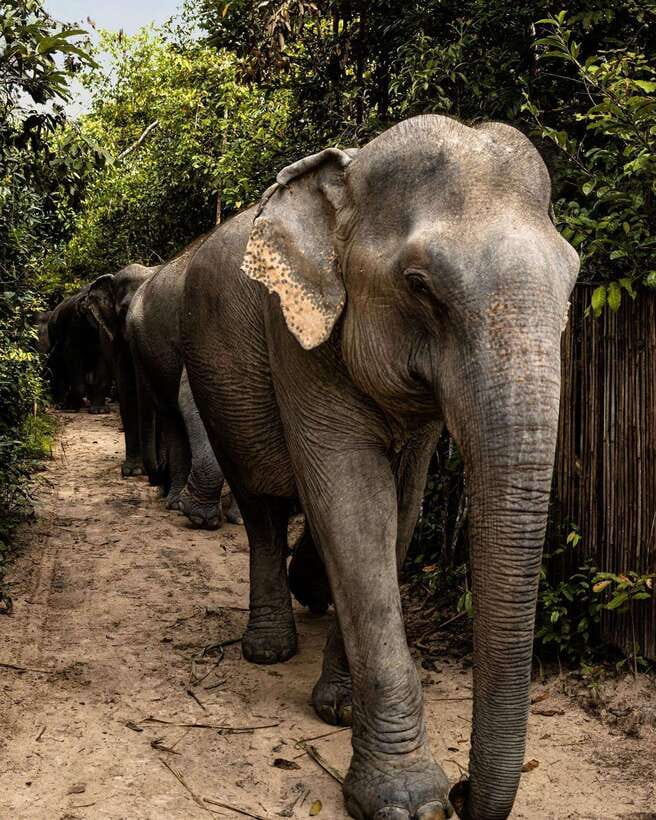
Feeding elephants is the centerpiece, and it’s also the moment where you need to stay focused. You’ll be close enough to interact, but the tour is designed around safe, controlled contact. The goal is to let you participate while still keeping things orderly.
I like how the snacks are described as handmade and healthy. That gives the feeding moment a sense of purpose beyond just the experience of being near an animal. And once you’re watching their reactions, it becomes easier to understand how elephants communicate and move around each other.
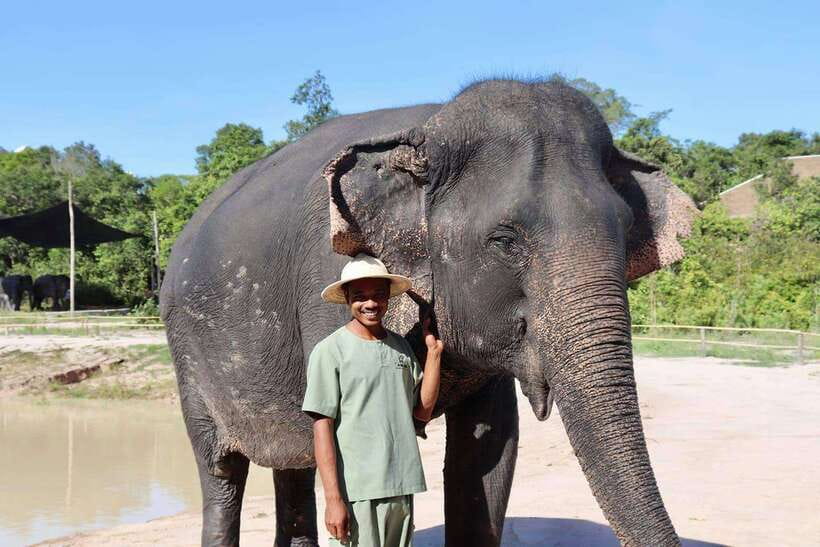
You may also get a photo taken with an elephant. For photos, the best results usually come from staying steady and listening closely to the guide’s cues. Don’t rush the moment—your job is to be present, not to sprint for the perfect shot.
Watching pond time and elephant choices in the forest
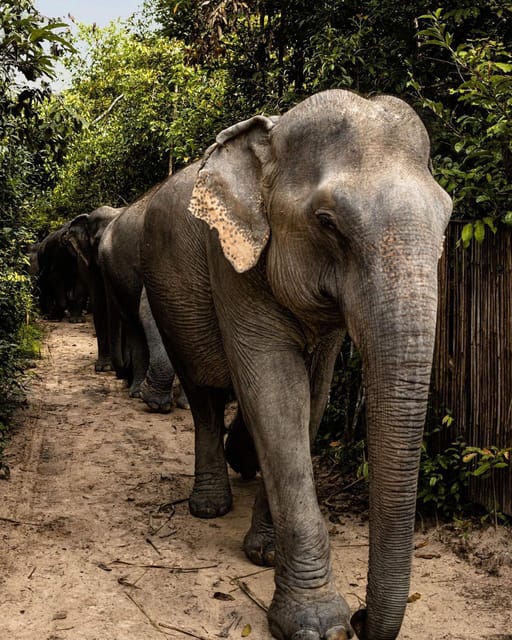
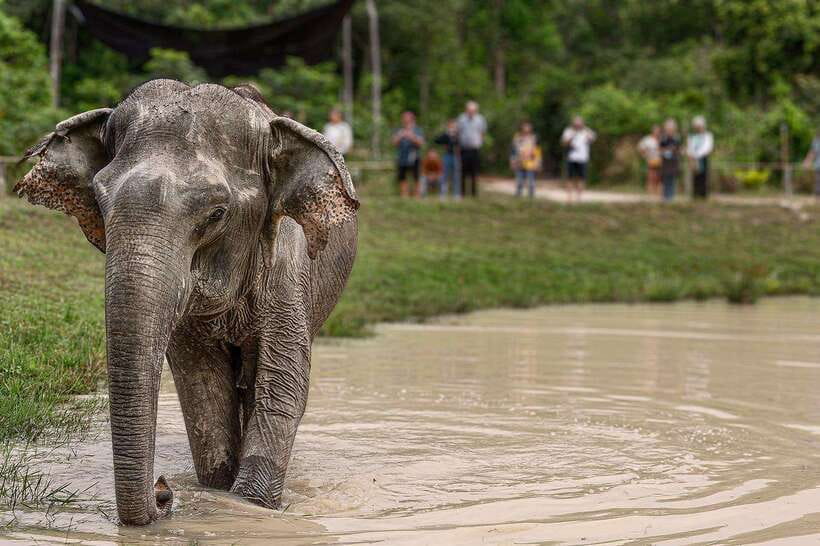
After the feeding part, you’ll spend time observing the elephants as they enjoy their surroundings. A pond is part of the experience, and it’s a great place to watch social behavior—how they gather, shift positions, and interact with a calm rhythm.
Then you’ll walk with the elephants into the forest and see how they choose to spend their time. That detail is key: it’s not a fixed line where you “march through” an area. The elephants move, pause, and decide where they want to be, and you follow in a way that keeps the pace natural.
This is also where the guide earns their keep. When your guide points out what you’re seeing—like how elephants engage with each other or what they do when they’re settled—you leave with more than a photo. You walk away with better awareness of animal behavior in a real setting.

Mud bath and river rinse: plan for the splash factor
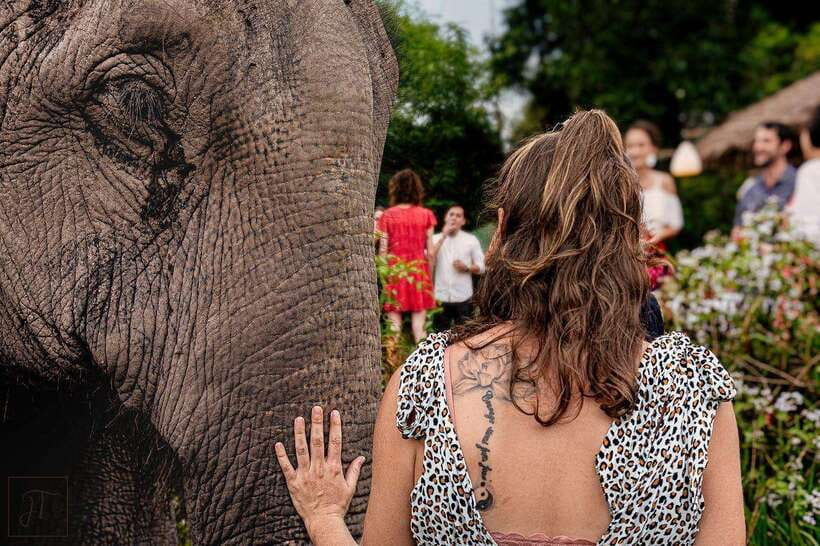
One of the most memorable parts of these kinds of elephant experiences can be what happens after feeding—sometimes elephants do a mud bath and later head toward a river for another rinse. If you get close during these moments, splashes are realistic.
That’s why one of the best pieces of practical advice from real experience is simple: bring a change of clothes. You may not need it for the entire day, but having it means you can freshen up instead of sitting in damp clothes on the ride back.
Also, think about your footwear. If your shoes get wet or muddy, you’ll be glad you chose something you can tolerate for the tour length. Comfortable shoes are listed as the main “must-bring,” and they’re there for a reason.
Khmer lunch at base camp: a calm pause after the animal time
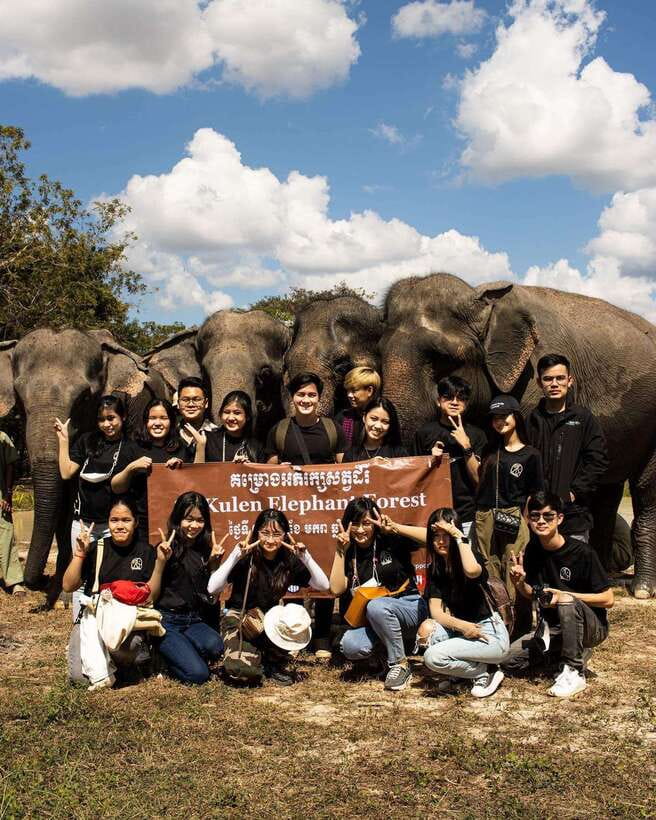
After morning elephant time, you’ll head back to base camp around noon. Then you enjoy a traditional Khmer meal or snack before returning to Siem Reap town.
This break is valuable because the experience has an emotional intensity. Watching elephants up close can be thrilling, and it also uses your energy—standing, walking, and staying attentive. A proper pause keeps the day from turning into an overly long stretch of activity.
I like that the lunch is at base camp. It keeps the tour flow efficient: you get fed without dragging the day into a complicated schedule. Then you’re ready to head back to town with less stress.
Price and included value: why $112 can make sense
At $112 per person for a 4–5 hour tour, you’re paying for more than just access to elephants. You’re getting guided interpretation (in English), hotel pickup and drop-off in Siem Reap, and water. Those basics matter because they remove the hassle of arranging transport and help you understand what you’re seeing.
You’re also paying for the “in-experience” elements: handmade elephant snacks, the close interaction time, and the included lunch or snack. When you add up the convenience plus what’s directly included, the price starts to feel more reasonable than it first appears.
That said, the tour isn’t built to maximize comfort in transit. If you’re very sensitive to heat or cramped seating, you might feel the value is slightly reduced. For many people, it will still be worth it because the main event—observing and interacting responsibly with elephants—takes up most of your attention.
My advice: treat this as a morning-to-noon animal experience with a real return to comfort at the end. If you want a cushy day trip with minimal movement, this probably won’t match that mood.
What to wear and bring so the day stays easy
The tour asks for straightforward items: comfortable shoes and comfortable clothes. That’s good advice here because the ground and walking conditions can vary, and you’ll want stable footing.
I’d also add two practical upgrades based on how the experience tends to go:
- Bring a change of clothes (especially if you don’t want to sit in damp fabric later)
- Wear breathable layers so you don’t feel miserable in warm weather
If you’re thinking about what not to bring: don’t plan on wearing anything precious. This is a forest environment with animals, pond time, and the possibility of mud splashes.
If you wear glasses, consider what happens if it rains or you get splashed. Keeping them protected can save you stress in the moment.
Who this tour fits best (and who may want to choose differently)
This works best if you want a hands-on elephant experience that still feels grounded in observation. If you like learning—why elephants behave a certain way, how they interact, what guide explanations add—this type of tour tends to land well.
It’s also a good choice if you’re staying in Siem Reap and want a half-day format. With pickup and drop-off included, you don’t need to plan complicated logistics.
If your priority is maximum comfort (especially in the vehicle), you may feel less thrilled. One traveler noted the ride could be uncomfortably hot with tight seating and limited air-conditioning. If that’s you, consider preparing with extra layers for comfort, bringing a personal cooling fan if you use one, and keeping expectations realistic.
Should you book the Siem Reap Kulen Elephant Forest tour?
I’d book it if you want to spend real time around elephants, feed them with handmade healthy snacks, and get an English guide who explains behavior while you watch them interact. The included pickup, water, and Khmer lunch make it easier to commit without extra planning.
I wouldn’t book it if you need a very comfortable, low-mess day. The transit ride can be hot, and splashes can happen—so if you dislike that, plan for clothing changes and choose your outfit accordingly.
If you’re torn between this and a more “performance-style” elephant outing, pick this one for the observational feel and the chance to understand what you’re seeing. The forest atmosphere is part of the deal.
FAQ
How long is the Siem Reap Small Group Tour of Kulen Elephant Forest?
The tour lasts about 4 to 5 hours.
Where do I get picked up, and is drop-off included?
You’re picked up from hotels in Siem Reap, and you’ll be dropped off when the tour finishes.
What’s included in the tour price?
Included are an English-speaking guide, hotel pickup and drop-off, and water.
Do I get to feed the elephants?
Yes. You’ll be given handmade healthy snacks and you can feed the elephants during the experience.
Is there a meal included?
Yes. At base camp around noon, you’ll enjoy a traditional Khmer meal or snack.
What should I bring?
Wear comfortable clothes and comfortable shoes. It’s also smart to bring a change of clothes because getting splashed can happen.
Is this tour wheelchair accessible?
Yes, it is listed as wheelchair accessible.
Is tipping included in the price?
No. Tip is not included.